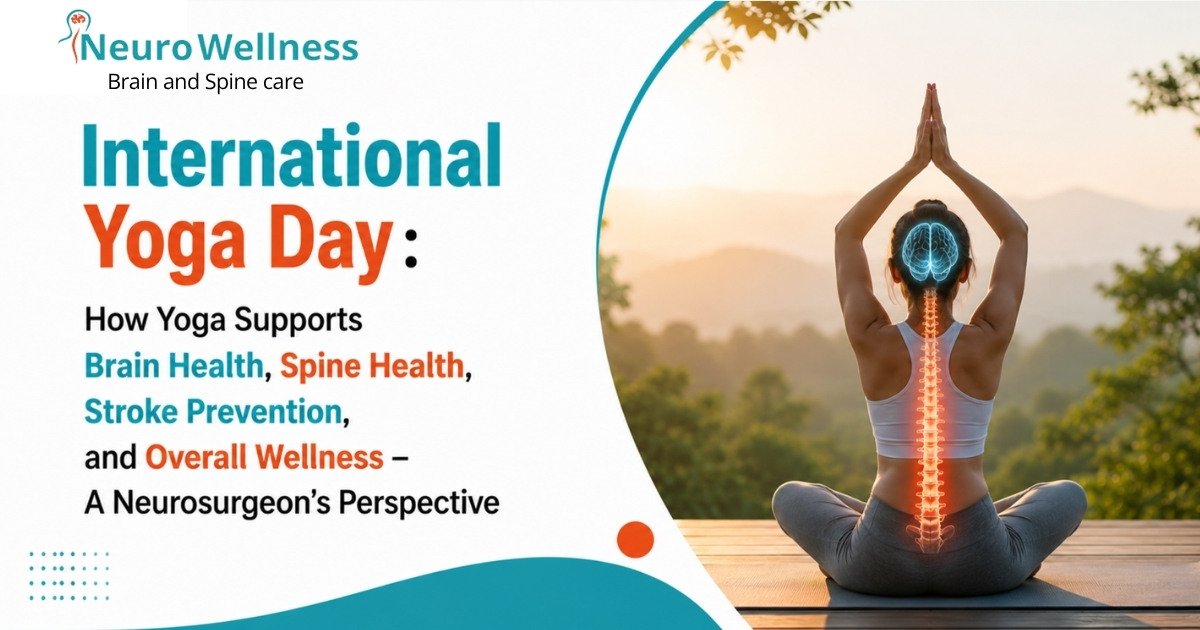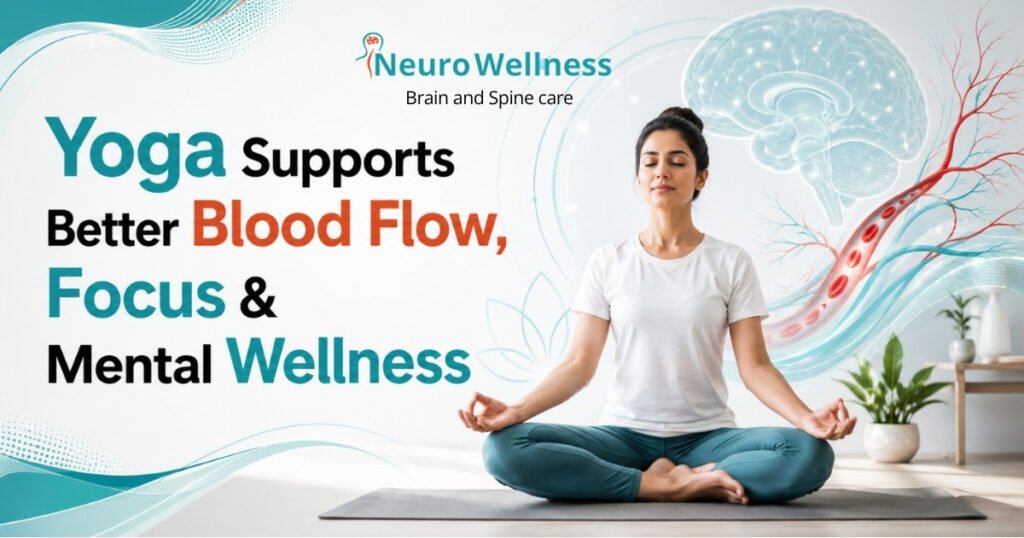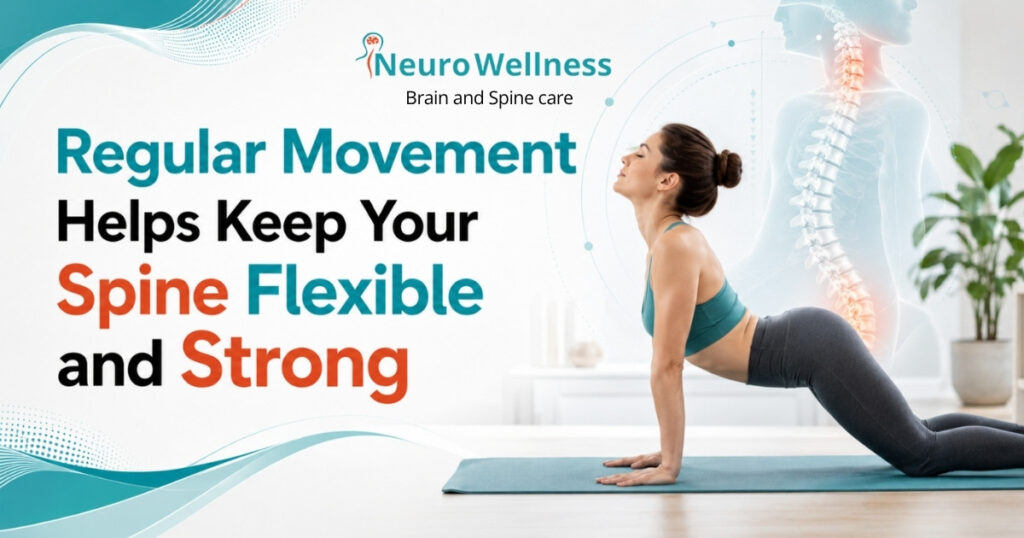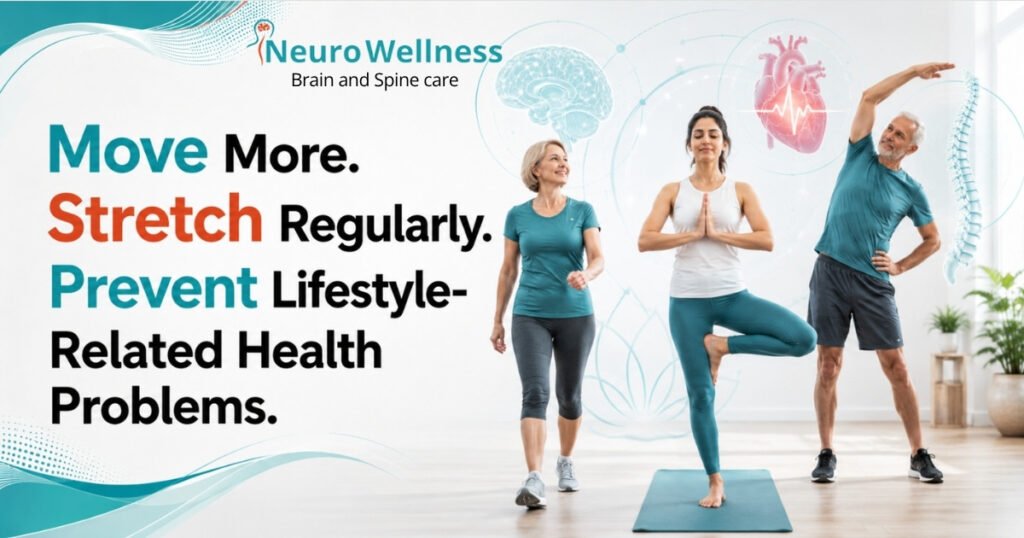
Every year, International Yoga Day reminds us of a timeless truth: our bodies are designed to move.

As a neurosurgeon, I spend my days treating conditions affecting the brain, spine, nerves, and blood vessels. I see patients suffering from neck pain, back pain, stroke, nerve compression, spinal disorders, poor posture, obesity-related complications, and lifestyle diseases. While modern medicine has made tremendous advances in treating these conditions, one question often comes to my mind:

Can some of these problems be prevented before they reach the operating room?

The answer, in many cases, is yes.

One of the simplest and most powerful tools available to us is regular physical activity, and yoga is one of the oldest and most effective forms of movement known to humanity.

Yoga: A Gift from Ancient Wisdom

Yoga is not a modern fitness trend.

It originated thousands of years ago in India and has been practiced by generations of sages, philosophers, and ordinary people seeking physical health, mental clarity, and spiritual well-being.

Long before modern medical science understood the importance of flexibility, breathing exercises, stress reduction, and movement, our ancestors had already recognized their value.

Today, scientific research continues to validate many of the benefits that yoga practitioners have experienced for centuries.

Yoga is more than a series of postures.

It is a holistic approach that combines:

* Physical movement
* Stretching
* Breathing techniques
* Mental focus
* Relaxation
* Self-awareness

Together, these elements create a powerful system for maintaining health and preventing disease.

Understanding Health at the Cellular Level

When most people think about health, they think about organs.

They think about the brain, heart, lungs, kidneys, liver, muscles, or joints.

However, every organ in the body is made up of millions and millions of individual cells.

The true foundation of health lies at the cellular level.

Every cell requires:

* Oxygen
* Nutrients
* Water
* Healthy blood circulation
* Proper waste removal

When these requirements are met, cells function efficiently.

Healthy cells create healthy tissues.

Healthy tissues create healthy organs.

Healthy organs create a healthy human being.

When circulation becomes poor, when movement decreases, or when metabolic disorders develop, cells begin to function less efficiently.

Over time, this can contribute to disease.

This is where yoga and regular physical activity become extremely important.


The Importance of Blood Flow

One of the most critical functions in the human body is circulation.

The heart pumps blood continuously throughout our lives.

Every heartbeat delivers oxygen and nutrients to every organ.

The brain, in particular, is highly dependent on uninterrupted blood flow.

Although the brain represents only a small percentage of body weight, it consumes a significant amount of the body’s oxygen and energy.

Even a brief interruption in blood flow can have serious consequences.

Stroke: A Powerful Example

As a neurosurgeon, I frequently treat patients suffering from stroke.

A stroke occurs when blood flow to a part of the brain becomes blocked or interrupted.

Without oxygen and nutrients, brain cells begin to die.

The consequences can include:

* Weakness of the arm or leg
* Difficulty speaking
* Facial drooping
* Memory problems
* Loss of independence
* Permanent disability

Many stroke risk factors are associated with lifestyle habits, including:

* High blood pressure
* Diabetes
* Obesity
* Physical inactivity
* Smoking
* High cholesterol

While yoga is not a guarantee against stroke, maintaining an active lifestyle can contribute significantly to better cardiovascular health and overall well-being.

The Modern Lifestyle Crisis

Human beings were never meant to sit for 8–12 hours every day.

Yet this has become the reality for millions of people.

Office workers, IT professionals, students, business owners, and even children spend prolonged periods sitting.

Modern technology has made life easier but often less active.

Many people spend their day:

* Sitting at a desk
* Looking at a computer screen
* Using a smartphone
* Watching television
* Travelling in vehicles

This sedentary lifestyle affects every system in the body.

Over time, it contributes to:

* Neck pain
* Back pain
* Obesity
* Poor posture
* Muscle weakness
* Diabetes
* Hypertension
* Heart disease
* Stress and anxiety

The body gradually loses flexibility, strength, and endurance.

The consequences may not appear immediately, but they accumulate over years.

Why the Spine Loves Movement

The spine is one of the most remarkable structures in the human body.

It supports the body, protects the spinal cord, and allows movement in multiple directions.

The spinal discs act as shock absorbers between vertebrae.

These discs depend on movement for nutrition.

Unlike many tissues, spinal discs do not have a direct blood supply.

They receive nutrients through a process that is enhanced by movement and changes in pressure.

Prolonged sitting can contribute to:

* Muscle stiffness
* Disc degeneration
* Poor posture
* Neck pain
* Lower back pain

Gentle stretching and regular movement help maintain flexibility and support spinal health.

This is one reason why many people experience improvement in stiffness and discomfort after adopting a regular yoga routine.

Yoga and Posture

Poor posture has become one of the most common health issues in modern society.

Forward head posture, rounded shoulders, and prolonged sitting place additional stress on the neck and spine.

Many individuals develop:

* Chronic neck pain
* Shoulder pain
* Upper back discomfort
* Headaches
* Muscle fatigue

Yoga encourages awareness of body position.

Through stretching and strengthening exercises, it helps improve posture and balance.

Better posture reduces unnecessary stress on muscles and joints.

Yoga and Mental Health

Health is not only physical.

The brain is affected by stress just as much as the body.

Modern life exposes us to constant pressure:

* Work deadlines
* Financial concerns
* Family responsibilities
* Social expectations
* Digital overload

Chronic stress can contribute to:

* Anxiety
* Poor sleep
* Fatigue
* Reduced concentration
* Mood disturbances

Breathing exercises and mindfulness practices associated with yoga may help calm the nervous system.

Many individuals report improved:

* Focus
* Emotional balance
* Sleep quality
* Mental clarity

As a brain specialist, I believe mental wellness is just as important as physical wellness.

A healthy brain supports a healthy life.

Breathing: The Forgotten Medicine

Most people rarely think about their breathing.

Yet breathing is fundamental to life.

Every cell depends on oxygen.

Yoga emphasizes conscious breathing techniques.

Deep breathing encourages:

* Better oxygen delivery
* Relaxation
* Reduced stress response
* Improved awareness

When combined with physical movement, breathing exercises become a powerful tool for overall wellness.

Yoga and the Aging Process

As we age, the body naturally undergoes changes.

Flexibility decreases.

Muscle mass declines.

Balance may become less stable.

Joint stiffness becomes more common.

Many people mistakenly assume these changes are unavoidable.

While aging cannot be stopped, healthy habits can help maintain function and independence.

Regular movement helps preserve:

* Strength
* Balance
* Flexibility
* Coordination
* Confidence

Many older adults find yoga particularly beneficial because it can be adapted to different fitness levels.

Can Yoga Prevent Disease?

Yoga is not a replacement for medical treatment.

Nor should it be viewed as a cure for all illnesses.

However, when practiced safely and consistently, yoga can be an important component of a healthy lifestyle.

Combined with:

* Good nutrition
* Adequate sleep
* Hydration
* Stress management
* Medical care when needed

Yoga may contribute to reducing the risk of many lifestyle-related conditions.

The goal is not perfection.

The goal is prevention.

Movement is Medicine

One of the most important messages I share with patients is simple:

The body needs movement.

It does not necessarily have to be intense.

You do not need to become an athlete.

You do not need expensive equipment.

You simply need consistency.

Whether it is:

* Yoga
* Walking
* Swimming
* Cycling
* Stretching
* Strength training

Regular physical activity supports long-term health.

The best exercise is often the one you can continue doing consistently.

What About People with Medical Conditions?

Many patients ask whether yoga is safe for them.

The answer depends on the individual condition.

Patients with:

* Severe spinal disorders
* Recent surgery
* Significant neurological conditions
* Severe arthritis
* Balance problems

Should consult their healthcare provider before starting any exercise program.

Not every posture is suitable for every individual.

Yoga should be adapted according to age, flexibility, fitness level, and medical condition.

Safety should always come first.

A Message to Young People

One of the greatest concerns today is the declining level of physical activity among younger generations.

Children and teenagers spend increasing amounts of time:

* On smartphones
* On tablets
* Playing video games
* Sitting indoors

Healthy habits formed during childhood often continue into adulthood.

Encouraging physical activity early in life can have lifelong benefits.

Yoga can help young people develop:

* Discipline
* Flexibility
* Concentration
* Body awareness
* Stress management skills

These benefits extend far beyond physical fitness.

A Message to Corporate Employees

Many IT professionals and office workers spend 8–12 hours sitting each day.

This places tremendous strain on the neck, back, shoulders, and eyes.

Small daily habits can make a significant difference:

* Stretch every hour
* Take walking breaks
* Maintain good posture
* Practice breathing exercises
* Incorporate yoga into your weekly routine

Your future health depends on the choices you make today.

International Yoga Day: A Call to Action

International Yoga Day is not just about performing a few postures for one day.

It is about embracing a lifestyle that values movement, balance, and self-care.

The goal is not to achieve difficult poses.

The goal is to take care of the body and mind that carry us through life.

Every stretch matters.

Every step matters.

Every healthy choice matters.

Final Thoughts from a Neurosurgeon

As a neurosurgeon, I have witnessed both the incredible resilience of the human body and the devastating consequences of neglecting health.

Modern medicine can treat many conditions.

Surgeons can perform complex procedures.

Hospitals can provide advanced care.

But prevention remains the most powerful medicine.

Yoga reminds us of a simple truth that has existed for thousands of years:

A healthy mind resides in a healthy body.

By staying active, stretching regularly, breathing deeply, and caring for ourselves at the cellular level, we invest in our future health.

On this International Yoga Day, let us renew our commitment to movement, wellness, and prevention.

Because the goal is not merely to live longer.

The goal is to live healthier, stronger, and more meaningful lives.

Move more. Stretch more. Breathe better. Live healthier.

Happy International Yoga Day.

– Dr. Ganesh Veerabhadraiah
Senior Consultant Neurosurgeon & Head of Department – Neurosurgery
Founder, NeuroWellness
Brain • Spine • Stroke Care

Questions about your cervical collar after surgery?

Dr Ganesh Veerabhadraiah and Dr Sharan Srinivasan at NeuroWellness Brain and Spine Clinic, Jayanagar, provide post-operative follow-up care for all cervical spine surgeries. If you have concerns about your collar, your recovery timeline, or your follow-up imaging, our team is available for consultations.

G-Floor, 26th Main, 9th Block Jayanagar, Bengaluru 560069  |  Monday–Saturday

The Question Almost Every Patient Asks

Being told that surgery may be required—especially brain or spine surgery—can be frightening.
Patients often come with MRI or CT scan reports, mixed advice, and a lot of anxiety.

In neurosurgical practice, one question comes up repeatedly:

“Doctor, do I really need surgery?”

This article is written to help patients and families understand how neurosurgeons decide, when surgery is essential, when it can be avoided, and how to make a safe, informed decision without panic.

Why This Question Is So Common Today

Advanced imaging such as MRI, CT scans, and angiography has become easily accessible. While this helps detect problems early, it also creates confusion.

Scan reports often mention:

• Disc bulges or degeneration
• Brain lesions or tumors
Spinal narrowing or compression
Vascular abnormalities

Many of these findings look serious but do not automatically mean surgery is required.
The challenge is understanding which findings are dangerous and which are not.

How Neurosurgeons Decide Whether Surgery Is Needed

Neurosurgeons do not decide surgery based on scans alone.

A proper decision considers:

• Your symptoms and their severity
• Neurological examination findings
Impact on daily activities
Imaging results and symptom correlation
 Progression over time

The core question is:

Will surgery prevent permanent neurological damage or serious deterioration?

If the answer is no, surgery is often avoided.

When Surgery Is Often NOT Required

Disc Bulge or Slip Disc on MRI

Disc bulges are extremely common and often part of normal age-related changes. Many people with disc bulges have no pain at all.

Most patients improve with:

• Medications
• Physiotherapy
Posture and lifestyle correction

Surgery is usually not required unless there is:

• Progressive weakness in the arms or legs
• Severe, persistent nerve pain
Loss of bladder or bowel control
MRI findings alone do not decide surgery.

Small or Incidentally Detected Brain Lesions

Some brain lesions are:

• Benign
• Slow growing
Found accidentally during scans

In such cases, careful monitoring with periodic scans is often safer than immediate surgery.

Mild Symptoms Despite Concerning Scan Reports

A scan may appear alarming, but if neurological function is stable and symptoms are mild, observation may be the safest approach.

Surgery should never be rushed purely due to fear.

When Surgery IS Strongly Recommended

When Brain Surgery Becomes Necessary

Brain surgery is usually required when there is:

• A tumor causing pressure on the brain
• Bleeding inside the brain
Progressive weakness, speech difficulty, or vision loss
Seizures linked to structural brain problems
Hydrocephalus (fluid buildup in the brain)

When Spine Surgery Is Necessary

Spine surgery is often needed when there is:

• Progressive weakness in arms or legs
• Loss of bladder or bowel control
Severe spinal cord compression
Unstable spinal fractures
Tumors or infections affecting spinal stability

When Endovascular Treatment Is Required

Endovascular procedures are recommended when:

• Brain aneurysms have a high risk of rupture
• AVMs or fistulas have caused bleeding
Certain stroke-related blockages require urgent treatment

In these conditions, delay can cause irreversible neurological damage.

What Happens If Surgery Is Delayed?

Not all conditions worsen with time—but some do.

Possible consequences of unsafe delay include:

• Permanent weakness or paralysis
• Loss of speech or vision
Chronic neurological pain
Life-threatening complications

The important question is not “Can surgery be delayed?”
It is “Is it safe for my condition to wait?”

Is Modern Neurosurgery Safe Today?

Modern neurosurgery is far safer and more precise than in the past.

Today’s techniques include:

• Microsurgical procedures
• Endoscopic surgery
Neuro-navigation systems
Intraoperative neuromonitoring
Advanced endovascular techniques

While no surgery is completely risk-free, not operating when surgery is clearly needed often carries greater risk.

Should You Take a Second Opinion?

A second opinion is a sensible step when:

• Surgery feels rushed
• Risks and alternatives were not clearly explained
You want reassurance before making a decision

The goal of a second opinion is clarity, not delay.

Request a Second Opinion Before Surgery

Deciding on brain or spine surgery is a major life decision. Seeking a second opinion is not a sign of doubt—it is a responsible step toward understanding your options.

A second opinion is often helpful when:

• Surgery feels rushed
• Risks were not clearly explained
You want reassurance before proceeding

A proper second opinion should explain whether surgery is necessary, optional, or avoidable.

Get a second opinion from a neurosurgeon in Bengaluru

Red-Flag Symptoms That Require Immediate Attention

Seek urgent neurosurgical care if you experience:

• Sudden weakness in the arms or legs
• Difficulty speaking or understanding speech
Loss of bladder or bowel control
Severe headache with vomiting
Sudden vision loss
Seizures
Rapid worsening of neurological symptoms

Who Should Guide This Decision?

Surgical decisions require experience, judgment, and ethical responsibility.

Dr. Ganesh Veerabhadraiah

Dr. Ganesh Veerabhadraiah is a consultant neurosurgeon in Bengaluru with expertise in brain, spine, and endovascular procedures. His approach emphasizes accurate diagnosis, conservative treatment whenever safe, and surgery only when delay can cause harm.

Conclusion: Making the Right Decision About Surgery

Being advised brain or spine surgery can feel overwhelming, especially when the information is complex and emotions are high. The most important thing to remember is this:

Not every condition requires surgery—but when surgery is truly needed, delaying it can cause harm.

A responsible neurosurgical decision is never based on fear, urgency, or scan reports alone. It is based on a careful understanding of your symptoms, neurological examination, scan findings, and how your condition may progress over time.

If surgery has been advised and you feel uncertain, seeking clarity through a detailed discussion or a second opinion is both reasonable and wise. The goal is not to avoid surgery at all costs, but to ensure that any decision you make is timely, appropriate, and in your best long-term interest.

Every patient is different.
Every condition behaves differently.
And every surgical decision deserves thoughtful, individualized consideration.

The right answer is not always “yes” or “no” to surgery—it is the right treatment at the right time for the right person.

FAQs

1. Do all brain or spine problems require surgery?

No. Many conditions improve with medications, physiotherapy, or observation and do not require surgery.

2. Can scan reports alone decide surgery?

No. Surgery decisions are based on symptoms, neurological examination, and progression—not imaging alone.

3. Is it safe to delay neurosurgery?

In some cases yes, in others no. Safety depends on the specific condition and clinical findings.

4. Is modern neurosurgery safe?

Modern neurosurgery is significantly safer and more precise, though no procedure is risk-free.

5. Should I always take a second opinion before surgery?

A second opinion is helpful if you feel uncertain or want clarity before proceeding

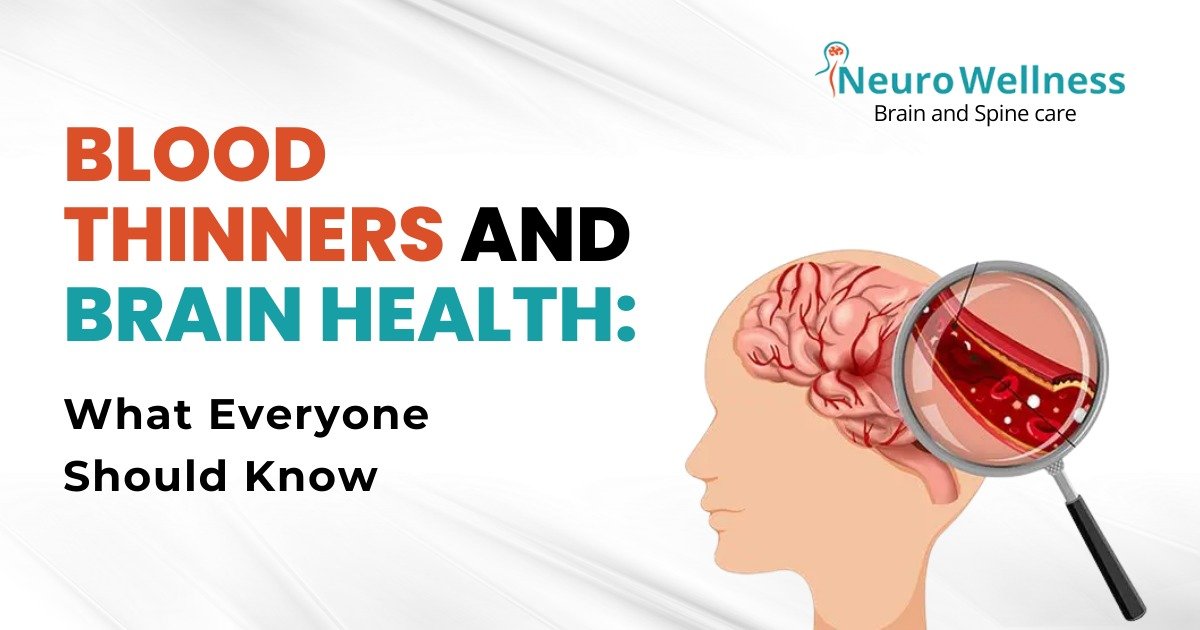
Blood thinners (anticoagulants and antiplatelets) are among the most commonly prescribed medications for stroke prevention and brain health protection.

They do not actually thin the blood  they reduce clot formation in blood vessels. Approximately 6–7 million people in India have atrial fibrillation, the most common arrhythmia requiring anticoagulation to prevent cardioembolic stroke (Indian Heart Journal, 2019).

The two main classes are antiplatelets (aspirin, clopidogrel) and anticoagulants (warfarin, rivaroxaban, apixaban, dabigatran). Before any brain or spine surgery, blood thinners must be stopped for a specific period 5–7 days for warfarin, 24–48 hours for most DOACs, 7 days for aspirin under neurosurgeon and cardiologist coordination.

Never stop blood thinners without specialist guidance as this can trigger rebound stroke. Emergency warning signs on blood thinners: sudden severe headache, one-sided weakness, or speech difficulty  call emergency immediately.

What Are Blood Thinners and How Do They Work?

Despite the name, blood thinners do not literally make blood thinner or more watery. They work by interfering with specific steps in the blood clotting cascade — the series of chemical reactions that causes blood to solidify into a clot.

Clotting is essential for stopping bleeding after injuries. The problem arises when clots form inside blood vessels — particularly the arteries and veins supplying the brain — where they can block circulation and cause stroke or transient ischaemic attacks (TIA, or “mini-strokes”).

Blood thinners fall into two fundamentally different categories:

Antiplatelets — prevent platelets (tiny blood cells) from clumping together to form the initial plug. Work primarily in arteries. Examples: aspirin, clopidogrel (Plavix), ticagrelor (Brilinta).

Anticoagulants — interfere with the clotting factor cascade that converts liquid blood into solid clots. Work in both arteries and veins. Examples: warfarin (Warf, Coumadin), rivaroxaban (Xarelto), apixaban (Eliquis), dabigatran (Pradaxa), heparin (injectable).

These two categories are not interchangeable. The choice between them depends on why the blood thinner is being prescribed, which vessels are at risk, the patient’s kidney function, age, bleedaing history, and many other factors. Using the wrong type, or the wrong dose, can be as dangerous as using none.

Why Is Blood Thinner Therapy Critical for Brain Health?

The brain consumes approximately 20% of the body’s total oxygen supply despite accounting for only 2% of body weight. It has almost no oxygen reserve blood flow interruption for as little as 4–6 minutes begins causing irreversible neuronal death.

Stroke is the second leading cause of death worldwide and the third leading cause of disability (WHO, 2022). In India, approximately 1.8 million new stroke cases occur each year a burden that is rising due to increasing hypertension, diabetes, and atrial fibrillation rates.

Key conditions requiring blood thinners for brain protection:

• Atrial fibrillation (AFib) — the most common cardiac arrhythmia, affecting an estimated 6–7 million Indians (Indian Heart Journal, 2019). AFib causes irregular heart rhythm that allows blood to pool and clot in the heart’s left atrium, from where clots can travel to the brain causing cardioembolic stroke. AFib increases stroke risk by 5-fold. Anticoagulation reduces this risk by approximately 64% (NEJM, landmark warfarin trial data)
• Prior ischaemic stroke or TIA — reduces the 10–15% annual recurrence risk
Carotid artery stenosis — prevents clot formation on narrowed arterial plaques
Mechanical heart valves — valves create turbulent blood flow that promotes clotting; anticoagulation is mandatory lifelong
Deep vein thrombosis (DVT) or pulmonary embolism (PE) — prevents clot extension and paradoxical embolism to the brain
Hypercoagulable states — inherited or acquired conditions causing excessive clotting tendency

Antiplatelet vs Anticoagulant — Which Blood Thinner and Why?

This is the most important distinction that most patient-facing resources fail to explain clearly.

FeatureAntiplatelet drugsAnticoagulant drugs
ExamplesAspirin, clopidogrel, ticagrelor, dipyridamoleWarfarin, rivaroxaban, apixaban, dabigatran, heparin
How they workPrevent platelet aggregationInterrupt clotting factor cascade
Main use for brainArterial stroke prevention, post-TIA, carotid diseaseAFib, mechanical valves, venous clots, high-risk cardiac sources
Monitoring requiredNo routine blood monitoringWarfarin requires regular INR; DOACs do not
ReversibilityNo direct reversal agent (except for some newer agents)Warfarin: vitamin K. DOACs: specific reversal agents available
Interaction with foodMinimalWarfarin: significant (vitamin K foods)
Indian contextWidely available, affordableWarfarin requires INR lab access; DOACs more expensive but convenient

Dual antiplatelet therapy (DAPT): Some patients, particularly after certain types of stroke or after carotid stenting, are prescribed two antiplatelets simultaneously (typically aspirin + clopidogrel). This is time-limited — usually 3 weeks to 3 months — as the combined bleeding risk increases significantly with duration.

Warfarin vs DOACs (New Blood Thinners) — What Has Changed?

Until about 2010, warfarin was the only oral anticoagulant available for most patients. Direct oral anticoagulants (DOACs)  rivaroxaban, apixaban, dabigatran, and edoxaban have since transformed anticoagulation practice.

FeatureWarfarinDOACs (rivaroxaban, apixaban, dabigatran)
DosingVariable dose based on INRFixed dose once or twice daily
INR monitoringRequired frequently (monthly or more)Not required routinely
Food interactionsSignificant — vitamin K foods affect INRMinimal food interactions
Drug interactionsMany significant interactionsFewer but some important interactions
Reversal in emergencyVitamin K + prothrombin complex concentrateSpecific reversal agents available (idarucizumab for dabigatran, andexanet alfa for Factor Xa inhibitors)
Onset of actionSlow (2–3 days to full effect)Rapid (hours)
Current preferenceStill used for mechanical heart valves and some complex casesPreferred for AFib and most new anticoagulation starts

When Should Blood Thinners Be Stopped Before Brain or Spine Surgery?

This is the most critical and most-searched question for patients who are on blood thinners and need neurological or spinal surgery — and it was completely absent from the original blog.

Never stop blood thinners on your own. Abrupt discontinuation — particularly of anticoagulants in high-risk patients — can cause rebound hypercoagulability and precipitate stroke within days to weeks.

Stopping blood thinners before surgery requires coordinated planning between your neurosurgeon, the prescribing cardiologist or physician, and the anaesthesia team. The timing depends on the drug, the surgical risk, and the patient’s underlying condition.

General stopping guidelines (subject to individual clinical decision):

MedicationTypical stop time before elective brain/spine surgeryWhen to restart post-surgery
Aspirin (stroke prevention)7 days beforeUsually 24–48 hours after, if haemostasis confirmed
Clopidogrel5–7 days beforeAs directed — often 24–48 hours after
Warfarin5 days before; INR must be ≤1.5 on day of surgeryBridge with heparin if very high clot risk
Rivaroxaban (Xarelto)24–48 hours before (normal renal function)24–48 hours after
Apixaban (Eliquis)24–48 hours before24–48 hours after
Dabigatran (Pradaxa)24–48 hours (normal renal function); up to 4–5 days if renal impaired24–48 hours after
Heparin infusion4–6 hours beforeResume within hours if surgical field clean

Bridging therapy: For very high-risk patients — mechanical heart valves, recent stroke within 3 months, very high-risk AFib — who need to stop warfarin for surgery, low-molecular-weight heparin (LMWH) injections are used as a “bridge” during the period when warfarin is withheld, minimising the window of clot vulnerability.

At NeuroWellness: Dr. Ganesh Veerabhadraiah coordinates pre-surgical anticoagulation management with the patient’s cardiologist or physician, ensuring the safest possible transition through surgery. This is a critical aspect of brain and spine surgical planning that requires specialist-to-specialist communication.

Book a Pre-Surgical Anticoagulation Consultation at NeuroWellness →

Foods and Drugs That Interact With Blood Thinners

Warfarin and vitamin K the most important interaction

Warfarin works by blocking vitamin K-dependent clotting factor production. Foods high in vitamin K reduce warfarin’s effectiveness; sudden reduction in vitamin K-rich foods makes warfarin stronger.

High vitamin K foods that can reduce warfarin’s effect if eaten in large amounts:

• Dark leafy greens: spinach, kale, methi (fenugreek leaves), palak, broccoli
• Green onions, cabbage, Brussels sprouts
Parsley and coriander in large quantities

Key advice for warfarin patients: The goal is consistency — not elimination. Eating moderate, consistent amounts of vitamin K-rich vegetables is healthy and manageable. Dramatic changes in intake (for example, suddenly starting a spinach juice diet or stopping vegetables completely) affect INR significantly. Inform your doctor of any major dietary changes.

Drugs that interact with blood thinners:

• NSAIDs (ibuprofen, naproxen, diclofenac) — increase bleeding risk significantly when combined with anticoagulants or antiplatelets; avoid without physician guidance
• Aspirin — even low-dose aspirin adds bleeding risk when combined with anticoagulants; combination requires specific clinical justification
Certain antibiotics — alter gut bacteria that produce vitamin K, affecting warfarin levels
Herbal supplements — ginkgo biloba, ginger, garlic, turmeric in high doses all have antiplatelet effects; fish oil supplements at high doses also increase bleeding risk

Always disclose all medications  including over-the-counter drugs, supplements, and herbal preparations to your doctor and pharmacist.

Alcohol and blood thinners:

Moderate alcohol consumption (1–2 standard drinks occasionally) is generally acceptable for most patients on anticoagulants, but regular or heavy alcohol use significantly increases bleeding risk and destabilises warfarin INR. Alcohol also increases fall risk  a serious concern for anticoagulated patients. Patients on warfarin should minimise alcohol and discuss their specific consumption with their prescribing physician.

Warning Signs on Blood Thinners That Require Emergency Care

Any of these symptoms in a patient taking blood thinners require immediate emergency evaluation call 112 or go to the nearest emergency department:

Neurological emergencies (possible brain bleed):

• Sudden severe headache “the worst headache of my life” especially if new and explosive
• Sudden weakness or numbness on one side of the body
Sudden difficulty speaking, finding words, or understanding speech
Sudden vision loss or double vision
Sudden loss of balance or coordination

Bleeding emergencies:

• Vomiting blood or finding blood in stools (dark, tarry stools indicate intestinal bleeding)
• Coughing up blood
Unusually heavy menstrual bleeding
A fall with any head impact even if no immediate symptoms; brain bleeding can develop over hours

Never wait to see if these symptoms improve on their own when on a blood thinner. What might seem like a minor episode can escalate rapidly.

Common Myths About Blood Thinners — Debunked

Myth 1: “Blood thinners always cause brain bleeding”

False. Intracranial haemorrhage is a rare but known risk  occurring in approximately 0.1–0.4% of patients per year on anticoagulants (lower for DOACs than warfarin). This risk is far lower than the 5–15% annual stroke risk in untreated high-risk patients. The benefit-risk calculation strongly favours anticoagulation in appropriately selected patients.

Myth 2: “Once you start, you can never stop” 

False. Many anticoagulation courses are time-limited for example, 3 months after a clot event. Lifelong therapy is required for some conditions (AFib with high stroke risk, mechanical heart valves) but not all. The duration is determined by clinical assessment.

Myth 3: “Blood thinners weaken the brain over time” 
False. Blood thinners have no direct effect on brain tissue. When used correctly, they protect the brain by preventing strokes. Each stroke averted preserves cognitive function and neurological capacity.

Myth 4: “Natural blood thinners like turmeric or garlic are safer”
Partially false and potentially dangerous. Natural antiplatelet substances have mild effects and no proven equivalence to prescription blood thinners for stroke prevention. More importantly, combining them with prescription blood thinners increases bleeding risk without benefit. Never substitute prescription blood thinners with supplements without specialist guidance.

Conclusion: Protecting Brain Health with the Right Guidance


Understanding blood thinners and brain health is essential for anyone at risk of stroke or clot-related neurological problems. When prescribed correctly and monitored carefully, blood thinners play a vital role in preventing brain damage, preserving function, and improving long-term quality of life. Most risks associated with these medications arise not from the drugs themselves, but from delayed consultation, self-medication, or lack of follow-up.

Because every individual’s medical history, risk factors, and brain health needs are different, expert neurological guidance is crucial. Timely evaluation helps ensure the right medication, the right dose, and the right duration—keeping both brain protection and medication safety in balance.

Consult Dr. Ganesh Veerabhadraiah, Consultant Neurosurgeon at NeuroWellness , for personalized, evidence-based guidance on brain health and stroke prevention.

Frequently Asked Questions About Blood Thinners and Brain Health

1. Do blood thinners protect the brain or harm it?

When correctly prescribed and monitored, blood thinners protect the brain by preventing the clots that cause ischaemic strokes — which are far more common and dangerous than the bleeding risk the medications carry. The annual risk of brain bleeding on anticoagulants is approximately 0.1–0.4%, while the annual stroke risk in untreated high-risk atrial fibrillation is 5–15%. The benefit calculation strongly favours treatment in appropriately selected patients. The key is correct prescription, monitoring, and immediate attention to warning symptoms.

2. What is the difference between aspirin and warfarin for brain protection?

Aspirin is an antiplatelet drug — it prevents platelets from clumping, primarily effective against arterial clots from atherosclerosis. Warfarin is an anticoagulant — it blocks the clotting factor cascade, effective for clots arising from the heart (as in atrial fibrillation) or veins. They work by entirely different mechanisms. Aspirin is used for arterial stroke prevention in atherosclerotic disease. Warfarin (or DOACs) is required for AFib-related stroke prevention — aspirin is not a substitute for anticoagulation in AFib and has been shown to be significantly inferior.

3. Can I eat green vegetables if I am on warfarin?

Yes — consistency is more important than restriction. Vitamin K-rich vegetables (spinach, kale, methi, broccoli) reduce warfarin’s effectiveness when eaten in large amounts. The goal is not to eliminate these healthy foods but to eat them in consistent moderate amounts so INR remains stable. Sudden dramatic changes — starting a kale juice diet or completely stopping vegetables — significantly affect INR. Always discuss any major dietary change with your prescribing physician and check your INR if you have changed your diet.

4. When do I need to stop blood thinners before brain or spine surgery?

The timing depends on the specific medication. Aspirin: 7 days before. Clopidogrel: 5–7 days before. Warfarin: 5 days before, with INR confirmed ≤1.5 on the day of surgery. DOACs (rivaroxaban, apixaban): 24–48 hours before with normal kidney function. Dabigatran: 24–48 hours to 4–5 days depending on renal function. These timings require coordination between your neurosurgeon and the doctor who manages your anticoagulation. Never stop without specialist guidance — abrupt discontinuation risks rebound stroke.

5. What happens if I miss a dose of my blood thinner?

For warfarin: if less than 12 hours late, take the missed dose. If more than 12 hours late, skip it and resume your normal schedule. Never double the next dose. For DOACs (rivaroxaban, apixaban, dabigatran): take the missed dose as soon as you remember on the same day. If the next dose is due, skip the missed one. Never take two doses in one day. Contact your doctor if you miss multiple doses consecutively or if you’re unsure what to do.

6. What are the signs of a brain bleed while on a blood thinner?

Seek emergency care immediately for: a sudden severe headache unlike any previous headache, weakness or numbness on one side of the body, sudden difficulty speaking or understanding speech, sudden vision loss or double vision, sudden loss of balance or coordination, or altered consciousness. These symptoms can indicate an intracranial haemorrhage — a rare but serious complication requiring immediate CT scan and neurosurgical assessment. Do not drive yourself — call 112.

7. Are newer blood thinners (DOACs) better than warfarin?

For most new patients requiring anticoagulation for AFib or venous thromboembolism, DOACs (rivaroxaban, apixaban, dabigatran) are now preferred over warfarin. They have comparable or better efficacy, lower risk of brain bleeding, no INR monitoring requirement, and no dietary restrictions. However, they are more expensive and require good kidney function. Warfarin remains the choice for patients with mechanical heart valves, certain valvular conditions, and some complex cases where DOACs have not been validated. The decision should be made jointly with your prescribing physician.

8. Can blood thinners be taken with common painkillers like ibuprofen?

No — NSAIDs (ibuprofen, naproxen, diclofenac) significantly increase bleeding risk when combined with any blood thinner, both by their own antiplatelet effect and by irritating the stomach lining. This combination can cause dangerous gastrointestinal or intracranial bleeding. Use paracetamol (acetaminophen) for pain relief as a safer alternative for patients on blood thinners. Always check with your doctor or pharmacist before taking any over-the-counter medication, including supplements and herbal preparations.

Ganesh

About Author

Dr. Ganesh Veerabhadraiah

Dr. Ganesh Veerabhadraiah, leading neurosurgeon and neurologist in Bangalore, has over 20 years of expertise in managing back pain, migraines, headaches, neuro disorders, and spine problems. His clinical excellence and patient-first approach make him one of the most trusted neuro doctors in Bangalore.

At Neurowellness Brain & Spine Clinic in Jayanagar and Kavery Hospital Electronic City, Dr. Ganesh provides comprehensive treatments ranging from minimally invasive spine surgery to advanced neurological care. As a respected back pain specialist and migraine doctor, he continues to deliver reliable outcomes for patients.

👉 Connect with Dr. Ganesh on LinkedIn

When choosing a restaurant, hotel, or shopping site, we all check Google reviews. A few minutes of reading star ratings and comments can help us decide where to eat or what to buy.

But healthcare is not like dining out. If you are searching for the best neurosurgeon, neurologist, or neuro hospital, you are often dealing with something far more serious: a brain tumor, a stroke, epilepsy, spine disease, or even a life-threatening aneurysm.

The question is: Should you trust Google reviews to make such important health decisions?

This article explores how reviews can help, where they can mislead, and how patients can make safe, informed choices when it comes to brain and spine care.

Why Google Reviews Influence Healthcare Choices

In India and worldwide, millions of patients now search for best neurosurgeon near me or “top neurologist in Bengaluru” on Google. Reviews and star ratings often appear instantly, shaping a patient’s first impression.
 
There are several reasons patients turn to reviews:
1.Fear and uncertainty: Brain and spine illnesses are scary. Reviews provide reassurance.
2.Lack of medical knowledge: Most patients cannot judge the surgical skill of a neurosurgeon. Instead, they rely on other patients’ stories.
3.Ease of access: Reviews are free, fast, and available anytime.
4.Peer influence: Patients trust the experiences of “real people” online.
 
This makes online reputation extremely powerful in neurology and neurosurgery.
 
Ganesh

Dr. Ganesh Veerabhadraiah

Consultant – Neurosurgeon, Neurointerventional Surgery, Spine Surgeon (Neuro)
23+ Years Experience Overall (17+ years as Neuro Specialist)

Available for Consultation: Jayanagar 9th Block & Kauvery Hospital, Electronic City 

The Value of Google Reviews in Neurology and Neurosurgery

1. Insight Into Patient Experience

Google reviews often describe things like:
• Was the neurosurgeon approachable during consultation?
• Did the neurologist explain MRI or EEG results clearly?
• Was the neuro ICU clean and well-staffed?
• How supportive was the hospital’s nursing or rehabilitation team?
 
Such feedback is useful because these “non-clinical” aspects directly affect a patient’s confidence and recovery journey.

2. Spotting Patterns

If many patients repeatedly praise a neurologist for spending time explaining medications, that’s probably accurate. Similarly, if several reviews mention long waiting times at a neuro hospital, you should be prepared for delays.
 

3.Transparency and Accountability

Hospitals know patients will share their experiences online. This pushes neuro centers to improve systems like patient counseling, billing clarity, and follow-up care.
 

4.Empowering Families

Neurological decisions often involve the family. Reviews give caregivers the confidence that they are making the right choice.

The Limitations of Reviews in Brain and Spine Care

While reviews add value, they must be read with caution.
1.Emotional Bias – Neurology deals with high-risk, emotional cases. A family who loses a loved one after a massive brain hemorrhage may leave a poor review—even if the neurosurgeon did everything possible.
2.Expectations vs. Reality – Some patients expect immediate recovery after spine surgery or epilepsy treatment. When improvement takes time, they may rate negatively, despite correct treatment.
3.Fake or Manipulated Reviews – Unfortunately, some hospitals promote themselves with fake reviews, while others face negative attacks from competitors. Patients cannot always separate genuine reviews from manipulated ones.
4.Non-medical Issues Skew Ratings – Billing disputes, delays in MRI scans, or parking problems can overshadow excellent medical care in reviews.

Real-Life Scenarios

Case 1: A Family’s Grief Reflected in a Review

One online review described a patient’s father who underwent multiple brain surgeries, remained in ICU for weeks, and never recovered fully. The family, devastated by the outcome and overwhelmed by medical bills, left a harsh one-star review, calling the doctor “miserable.” While their pain and frustration were genuine, the review reflected the emotional burden of a tragic medical journey rather than an objective measure of surgical skill.

Case 2: Delay in Appointment Seen as Neglect

In another review, a patient suffering from severe spinal cord pain expressed anger that the doctor did not arrive at the hospital at the scheduled hour. The review focused solely on waiting time, without considering that neurosurgeons often manage emergencies, surgeries, and ICU cases that can delay outpatient schedules. While punctuality matters, such reviews may misrepresent the realities of a specialist’s unpredictable workload.

Why These Matter

These examples highlight how Google reviews can sometimes reflect expectations, grief, or system issues rather than true medical quality. For families, the review becomes an outlet for emotion. For the public, however, it can paint a distorted picture of the doctor or hospital.

How Much Should You Believe?

The right approach is to use reviews as one piece of the puzzle not the whole decision.
 
What to Trust in Reviews
• Patterns: If many patients say the same thing, it is likely true.
• Details: Reviews that describe specific experiences (“Dr. X explained my MRI in detail and suggested both surgical and non-surgical options”).
• Balanced feedback: A mix of positives and negatives is more credible.

What to Ignore

• Extremes: “Best doctor ever” or “Worst hospital in the world” without details.
• Generic praise: One-liners like “Very good” that lack medical context.
• Emotion-only reviews: Anger over cost or grief after complications without discussing actual treatment.
Ganesh

About Author

Dr. Ganesh Veerabhadraiah

Dr. Ganesh Veerabhadraiah, leading neurosurgeon and neurologist in Bangalore, has over 20 years of expertise in managing back pain, migraines, headaches, neuro disorders, and spine problems. His clinical excellence and patient-first approach make him one of the most trusted neuro doctors in Bangalore.

At Neurowellness Brain & Spine Clinic in Jayanagar and Kavery Hospital Electronic City, Dr. Ganesh provides comprehensive treatments ranging from minimally invasive spine surgery to advanced neurological care. As a respected back pain specialist and migraine doctor, he continues to deliver reliable outcomes for patients.

👉 Connect with Dr. Ganesh on LinkedIn

Choosing the Right Neurosurgeon or Neuro Hospital

Here’s a step-by-step approach to making a safe decision:
1. Read Many Reviews: Don’t rely on the top 2 or 3. Read 15–20 reviews for a full picture.
2. Check Recency: Recent reviews reflect current hospital practices better.
3. Look Beyond Stars: A 4.2-star doctor with 200 reviews is more reliable than a 5-star with 5 reviews.
4. Verify Credentials: Ensure the neurosurgeon has MCh/DNB training and hospital affiliations.
5. Seek Referrals: Ask trusted doctors, friends, or family for recommendations.
6. Meet in Person: Your comfort and trust in the doctor during consultation is the ultimate factor.

A Doctor’s Perspective on Reviews

As a practicing neurosurgeon, I can say many reviews fail to capture the complexity of neuro care.
• A successful brain surgery may still attract a negative review if recovery is slow.
• Complications—sometimes unavoidable—can lead to poor ratings even if best practices were followed.
• Billing or insurance issues handled by hospital staff often reflect unfairly on the doctor.
 
Doctors welcome constructive, honest feedback. But we hope patients understand that reviews may not always show the full picture.

The Future of Reviews in Healthcare

Reviews will remain important, but improvements are needed:

• Verified reviews only: Linked with actual patient visits.
• Structured feedback: Asking patients about clarity, communication, cleanliness, and outcomes—not just a star rating.
• Integration with medical boards: Combining online feedback with official hospital quality scores.
 
This will make reviews more balanced and trustworthy for patients.
 
Practical Advice for Patients
• Use reviews as a guide, not gospel.
• Combine online opinions with offline referrals and qualifications.
• Remember: Brain and spine care is delicate. A star rating cannot capture medical expertise.
• Ultimately, the best doctor is the one you trust, understand, and feel confident with after consultation.

Conclusion

Google reviews have changed how patients choose doctors and hospitals. For neurosurgeons, neurologists, and neuro hospitals, online reputation can influence life-changing healthcare decisions.
 
Reviews are valuable for understanding patient experience, but they are influenced by emotions, expectations, and non-medical issues. They cannot fully reflect medical expertise, surgical skill, or hospital safety standards.
 
The safest way to choose a neurosurgeon or neurologist:
• Read reviews for patterns.
• Verify credentials.
• Seek trusted referrals.
• Meet the doctor personally.
 
Your brain and spine deserve careful, informed choices—not just a decision made by a number of stars on a screen.

FAQs

1. Are Google reviews reliable for choosing a neurosurgeon?

They provide patient experiences but should not be the sole factor. Combine them with qualifications, referrals, and personal consultation.

2. Why do neuro hospitals sometimes get poor reviews despite skilled doctors?

Because reviews often reflect waiting times, costs, or emotions—not actual medical expertise.

3. How do I know if a neurologist is genuinely good?

Check their degrees (DM, DNB), experience, patient feedback, and clarity during consultation.

4. Should I trust a doctor with a 5-star rating but very few reviews?

Not necessarily. A doctor with slightly lower ratings but hundreds of consistent reviews is usually more reliable.

Bengaluru is the heart of India’s IT industry. From Electronic City to Whitefield, Outer Ring Road to Manyata Tech Park, lakhs of professionals spend their days coding, debugging, and meeting deadlines. But while we focus on building apps and solving business problems, there’s one bug many ignore—health risks that silently damage the brain.

One of the most important but lesser-known risks is the mini-stroke, medically called a Transient Ischemic Attack (TIA). It comes quietly, disappears quickly, but carries a powerful message: “Take care of your brain before it’s too late.”

What Exactly Is a Mini-Stroke?

A mini-stroke happens when blood flow to the brain is blocked for a short time. Symptoms come suddenly—weakness, slurred speech, blurred vision, dizziness—but vanish within minutes or hours.

That’s why many IT professionals brush it off as “stress” or “just tiredness from screen time.” But in reality, a TIA is a warning signal. Nearly 1 in 3 people who suffer a TIA may go on to have a major stroke later, often within days.

Why IT Professionals in Bengaluru Are at Higher Risk

Let’s be honest—our city’s IT lifestyle isn’t always kind to our health.

• Sitting all day: 8–12 hours at a desk slows circulation and increases clot risk.

Read more : Should You Sleep on the Floor or Bed for Spine Health?


• Stress & deadlines: Client calls at odd hours and project pressure push up blood pressure.
• Caffeine & fast food: Endless coffee, late-night pizzas, and quick canteen meals add to cholesterol and BP.
• Sleep problems: Night shifts, irregular sleep, or even untreated sleep apnea silently hurt brain health.
• Ignoring symptoms: A sudden headache or numbness is often dismissed as “overwork” or “traffic stress.”
 
Put together, these factors make Bengaluru’s tech crowd particularly vulnerable to mini-strokes.

Expert Guidance from Dr. Ganesh Veerabhadraiah

If you or your loved ones experience symptoms of a mini-stroke, don’t ignore them. Dr. Ganesh Veerabhadraiah is a highly experienced neurosurgeon in Bangalore with over 20 years of expertise in treating complex brain and spine conditions, including stroke management, cerebral aneurysms, and neurovascular surgeries.

Dr. Ganesh has trained in advanced neurosurgical techniques both in India and abroad and has successfully treated thousands of patients suffering from brain and spine disorders. His deep expertise in stroke prevention and early intervention makes him one of the most trusted specialists for IT professionals in Bengaluru who face lifestyle-related neurological risks.

Why Ignoring a Mini-Stroke Can Be Dangerous

The tricky part is that symptoms disappear fast, making people believe it was nothing serious. But here’s the truth:

• A TIA is like a fire alarm in your brain—ignore it, and the fire (major stroke) may follow.
• The highest risk of a stroke is within 48 hours after a mini-stroke.
• Unlike a TIA, a full-blown stroke can cause permanent damage—paralysis, speech loss, memory issues.
 

What Should You Do If You Suspect a Mini-Stroke?

1.Don’t wait and watch – Even if you feel better in minutes, go straight to a hospital.
2.Get your BP and sugar checked – Hypertension and diabetes are major silent culprits.
3.Ask for a brain scan – MRI or CT can confirm what happened.
4.Follow medical advice – Medicines, diet changes, and lifestyle tweaks can prevent a bigger stroke.
5.Don’t self-diagnose – Not every dizziness is a stroke, but every stroke risk deserves attention.
 

Practical Tips for Bengaluru’s Tech Crowd

Follow the 30-3 rule: Every 30 minutes, move for at least 3 minutes—stretch, stand, walk to refill water.
Hydrate wisely: Drink enough water; replace that 5th coffee with lemon water or green tea.
Eat smart: Swap late-night fried snacks for nuts or fruits. Carry homemade lunch if possible.
Walk it out: Use part of your lunch break for a brisk walk around your campus or tech park.
Sleep like it matters: Prioritize 7–8 hours of quality sleep—your brain repairs itself during rest.
Annual health checks: Don’t wait for symptoms. Get BP, sugar, and cholesterol checked yearly.

Say no to smoking & limit alcohol: These directly double your stroke risk.

Read more: 7 Brain Foods to Keep You Fit

Why Bengaluru Needs to Pay Attention

Our city is full of young, ambitious professionals. Yet hospitals are now seeing strokes in patients in their late 20s and early 30s many from the IT sector.

Think about it: a 29-year-old coder in Whitefield collapses at his desk. Colleagues think it’s exhaustion, but it’s a mini-stroke. He recovers in minutes, but that was his warning shot. Two weeks later, he suffers a full stroke that changes his life.

This isn’t a scare story it’s reality. TIAs are happening around us, and we must treat them with urgency.

Read more : Difference Between Neurologist and Neurosurgeon

Final Thoughts

For Bengaluru’s software and IT professionals, the mind is the engine that powers your career. But that same mind is at risk if you ignore the warning signs of a mini-stroke.

A TIA is not the end—it’s a second chance. By acting fast and making small lifestyle changes, you can protect your brain, your health, and your future.

Kauvery Hospital, Electronic City, Bengaluru
📞 7259669911 | 74115 71002

Understanding stroke facts and brain health is essential for everyone, not just the elderly.

While many imagine stroke as something that only happens to older adults, the reality is different.

Strokes can strike young professionals, remain silent for years, or even be triggered by unexpected causes.

These hidden aspects often go unnoticed until it’s too late. By learning the lesser-known stroke facts, families can spot warning signs early, take preventive steps, and protect their brain health.

Awareness is the first step to prevention—and knowing these insights could save your life or the life of someone you love.

Here are five eye-opening stroke topics that every family should be aware of.

1. Stroke in Young Adults – Yes, It Can Happen in Your 20s or 30s

We often think of stroke as a disease of grandparents. But in hospitals today, more and more young people sometimes even in their late 20s are being rushed in with brain strokes.
 
Why? The modern lifestyle is to blame: endless work stress, junk food, smoking, alcohol, lack of exercise, and poor sleep are all aging the brain faster than we realize.
 
Imagine this: a 32-year-old software professional faints at work after complaining of sudden weakness in his arm. His friends think it’s just stress. But it turns out to be a stroke. Early treatment saved him, but many aren’t so lucky.
 
Remember: Stroke doesn’t check your age. If you ever notice sudden weakness, difficulty speaking, or vision changes even if you’re young don’t ignore it. Call for help immediately.

2. Silent Strokes – The Damage You Don’t Even Notice

Not every stroke announces itself dramatically. Some strokes are silent, creeping in without obvious warning. No collapse, no slurred speech—just tiny, unnoticed injuries to the brain.

Over time, these small “silent attacks” can pile up, leading to memory loss, personality changes, or even dementia. Many families mistake it for “normal aging,” when in fact, the brain has been injured multiple times.
 
Think of it like small leaks in a water pipe. One leak may not seem dangerous, but several leaks over time can cause the whole system to fail. That’s what silent strokes do to your brain.
 
Tip: If you have high blood pressure, diabetes, or heart disease, never skip regular health check-ups. Detecting silent strokes early can protect you from a future major one.
 
Ganesh

Dr. Ganesh Veerabhadraiah

Consultant – Neurosurgeon, Neurointerventional Surgery, Spine Surgeon (Neuro)
23+ Years Experience Overall (17+ years as Neuro Specialist)

Available for Consultation: Jayanagar 9th Block & Kauvery Hospital, Electronic City 

3. Mini-Stroke (TIA) – The Body’s Alarm Bell

A Transient Ischemic Attack (TIA) is often called a mini-stroke. Symptoms appear suddenly—like weakness, blurred vision, or slurred speech—but vanish within minutes to hours.

Because the symptoms disappear, people brush it off: “Maybe I was just tired.” But in reality, a TIA is the body’s alarm bell. It’s like your brain whispering: “Pay attention, something is wrong.”

In fact, 1 in 3 people who suffer a TIA may have a major stroke soon after if they ignore it.

Read more: Top 7 things you need to know about transient ischemic attack  stroke treatment in bangalore

Message: If stroke-like symptoms appear and disappear, don’t relax—rush to a hospital. Acting fast can prevent a disaster.

4. Unusual Stroke Triggers – Beyond Blood Pressure and Diabetes

Most people know high BP, diabetes, and cholesterol cause stroke. But there are surprising and lesser-known triggers too:
A sudden jerk to the neck during sports or even a fall can tear an artery and cause a stroke.

Women on birth control pills who smoke are at higher risk of clots.
Sleep apnea a condition where breathing stops repeatedly during sleep can silently increase stroke risk.

Even dehydration or too many energy drinks can thicken the blood and increase clot formation.

One young athlete was shocked to discover his stroke came from a neck injury after a routine workout. These unusual triggers remind us that stroke can sometimes strike in unexpected ways.

Lesson: Listen to your body. Persistent headaches, sleep problems, or unexplained dizziness deserve medical attention.

5. Life After Stroke – Hidden Struggles Few Talk About

When someone survives a stroke, families often celebrate that they can walk or talk again. But what many don’t see are the hidden struggles survivors face every day.
Depression, anxiety, fatigue, and problems with memory or focus are common. A stroke survivor may look “normal” to outsiders but feel broken inside. Imagine the frustration of forgetting words mid-sentence or losing confidence in simple tasks.

Recovery isn’t only about physiotherapy. It’s also about emotional healing and family support. Encouraging words, counseling, and patience can make all the difference in helping someone truly reclaim their life after stroke.

Reality check: Stroke recovery is a journey for both patients and families. Understanding hidden challenges makes the path smoother.

Expert Stroke & Brain Health Care in Bengaluru

When it comes to preventing and treating strokes, having the right specialist makes all the difference. Dr. Ganesh Veerabhadraiah is one of the best neurosurgeons in Bangalore, with extensive experience in brain and spine surgery, stroke management, neurovascular treatments, and minimally invasive neurosurgery.

If you or your loved ones are at risk of stroke or experiencing neurological symptoms, consulting a neuro specialist in Bengaluru like Dr. Ganesh could be life-saving.

Final Thoughts – Awareness Saves Lives

Stroke is not just a sudden illness; it’s a life-changing event that often comes with warnings we fail to notice. Silent strokes, mini-strokes, unusual triggers, and hidden disabilities deserve our attention just as much as paralysis or speech loss.

Awareness is prevention. If you or your loved ones notice warning signs, don’t delay seek help immediately.

FAQs

1.Can stress alone cause a stroke?

Stress by itself may not directly cause a stroke, but chronic stress raises blood pressure, increases unhealthy habits (like smoking or poor sleep), and accelerates artery damage. Together, these factors raise stroke risk significantly.

2.How can I identify a stroke quickly?

Remember the FAST test:
• Face drooping
• Arm weakness
• Speech slurred
• Time to call emergency help

If you notice any of these signs, don’t wait—call for medical help immediately.

3.Is a mini-stroke (TIA) less serious than a stroke?

No. A TIA is equally serious because it is often the warning sign of a bigger stroke to come. It needs urgent medical evaluation and preventive treatment.

4.Can young, healthy people really get a stroke

Yes. Even fit young adults can get a stroke due to unusual causes like neck injuries, clotting disorders, or lifestyle risks. Staying alert to symptoms can be life-saving.

5.What is the recovery time after a stroke?

Recovery depends on the severity and how fast treatment started. Some people recover in weeks, while others may need months of rehabilitation. Early treatment and continued therapy make the best difference.

After brain surgery, it’s common to experience fatigue, swelling, headaches, mood changes, and temporary memory issues. Recovery timelines vary based on the type of surgery and individual health. Proper rest, hydration, medication adherence, and regular follow‑ups with your neurosurgeon are essential for safe recovery.

Consult Neurowellness if symptoms worsen, new neurological signs appear, or recovery feels slower than expected.

Brain surgery changes lives — physically, emotionally, and mentally. Recovery is a gradual process that demands patience, discipline, and medical guidance. This article outlines 20 key things to expect after surgery, based on real patient journeys and neurosurgeon experience.

At Neurowellness India, our neurosurgeons emphasize that healing doesn’t stop at the operation table  it begins the moment you wake up.

Book Your Recovery Consultation:
Get post-surgery guidance from Dr. Ganesh Veerabhadraiah — Senior Neurosurgeon, Neurowellness Bangalore.

StageTimeframeCommon SymptomsCare Recommendations
ICU Phase1–3 daysDrowsiness, confusionMonitoring, hydration, rest
Early Recovery1–4 weeksFatigue, mild headachesLight activities, healthy diet
Long-Term Healing1–6 monthsMemory or mood changesRegular follow-ups, neuro-rehab
Ganesh

Dr. Ganesh Veerabhadraiah

Consultant – Neurosurgeon, Neurointerventional Surgery, Spine Surgeon (Neuro)
23+ Years Experience Overall (17+ years as Neuro Specialist)

Available for Consultation: Jayanagar 9th Block & Kauvery Hospital, Electronic City 

20 Things to Expect After Brain Surgery

 Immediate Post-Surgery Experiences

1. Initial Recovery in ICU

Immediately after your brain operation recovery, you’ll wake up in the Intensive Care Unit (ICU), closely monitored by a specialized team. During this critical period, various neurosurgical procedures such as checking brain function and responsiveness are regularly performed to ensure your safety.

2. Monitoring Vital Signs

After surgery, careful observation of your vital signs including heart rate, blood pressure, breathing, and neurological responses is essential. Continuous monitoring helps your medical team quickly identify and address any issues, optimizing your early recovery process.

3. Postoperative Pain and Management

Post-surgery discomfort is common, but your care team will proactively manage pain through carefully prescribed medication. Effective pain management not only improves your comfort but also facilitates quicker recovery and healing after your procedure.

4. Swelling and Bruising

You may experience temporary swelling or bruising around the surgical area or even your face. This is a normal postoperative reaction as your body starts the healing process, typically resolving within a few days to weeks.

5. Fatigue and Drowsiness

Feeling unusually tired or sleepy is completely natural after brain surgery. Rest is crucial during this initial period, allowing your brain the necessary energy and resources to heal effectively.

Physical and Neurological Changes

6. Temporary Neurological Symptoms

After brain surgery, you may notice temporary neurological changes, such as mild weakness, numbness, or altered sensations. These symptoms often improve over time as your brain heals and adapts.

7. Balance and Coordination Issues

Maintaining balance or coordinating movements can be challenging during the early stages of recovery.Working closely with physical therapists early in recovery can help you regain stability and confidence in daily activities.

8. Speech and Communication Challenges

Many patients may experience short-term challenges with speech or word recall during recovery. Speech therapy can significantly help restore effective communication, enabling smoother interactions during recovery.

9. Vision and Hearing Changes

Minor changes in vision or hearing sensitivity may occur temporarily. If symptoms persist or worsen, consult your neurosurgical care team promptly to ensure appropriate interventions.

10. Memory and Cognitive Effects

You may experience brief periods of confusion, memory lapses, or difficulty concentrating. Cognitive rehabilitation exercises guided by your healthcare team will gradually improve these issues over time.

 Recovery Milestones and Timelines

11. Typical Recovery Timeline

Recovery times vary widely depending on individual circumstances and the type of neurosurgical procedures performed. For minimally invasive brain surgery, many patients experience significant improvement within weeks, while extensive surgeries may require several months of recovery.

12. Rehabilitation and Physiotherapy

A well-planned rehabilitation program that may involve physical, occupational, and speech therapies plays a key role in achieving optimal recovery. These therapies accelerate healing and help you regain strength, independence, and function.

13. Follow-Up Appointments

Routine medical evaluations help assess your healing and address any emerging concerns early on. Be sure to attend all scheduled consultations, and don’t hesitate to book a brain surgery consultation promptly if you experience unexpected symptoms.

14. Returning to Daily Activities

Returning to normal activities like work, exercise, and driving should be gradual. Your neurosurgeon will provide personalized guidelines to ensure you safely and effectively transition back to daily routines.

15. Managing Medication

Proper management of prescribed medications—including painkillers, steroids, and anticonvulsants—is critical. Adhering to your medication schedule reduces risks of complications and supports a smoother recovery.

Emotional and Psychological Health

16. Emotional Challenges Post-Surgery

It’s common to feel anxiety, depression, or emotional ups and downs after brain surgery. Recognizing these feelings as normal can encourage you to seek emotional support and facilitate better coping during recovery.

17. Importance of Support Systems

Family, friends, and patient support groups play a critical role in emotional and psychological recovery. Building a strong support network ensures you receive encouragement, practical help, and emotional comfort throughout your healing process.

18. When to Seek Additional Help

If emotional or psychological struggles persist or intensify over time, it’s important to consult a mental health professional. Early intervention can significantly enhance emotional resilience and overall recovery outcomes.

Long-Term Considerations

19. Regular Neurological Check-ups

Consistent follow-up with your neurosurgeon is key for monitoring long-term brain health. Regular neurological evaluations help detect potential issues early and allow your care team to adjust your treatment plan as needed for optimal recovery.

20. Lifestyle Changes for Long-Term Health

Adopting healthy habits after brain surgery significantly supports long-term well-being. Focus on a balanced diet, regular physical activity (as advised by your care team), stress management, and sufficient sleep to aid your body and brain in continued healing.

“Recovery after brain surgery is deeply personal — no two patients heal the same way. With proper follow-up and rehabilitation, most return to a normal, independent life.”
Dr. Ganesh Veerabhadraiah, Senior Neurosurgeon, Neurowellness Bangalore

Conclusion

Recovering from brain surgery is a journey that requires patience, support, and expert guidance. Knowing what to expect at each stage empowers you to take proactive steps for a smoother recovery.

If you’re seeking expert neurosurgical care, Dr. Ganesh Veerabhadraiah, highly regarded as a brain surgery specialist in Electronic City Bengaluru, and the team at Neurowellness Bengaluru are here to support you every step of the way.

Post-Brain Surgery Recovery in Bangalore

“Recovering from brain surgery? Neurowellness Brain & Spine Clinic offers expert rehabilitation, medication guidance, and long-term care for patients.”

FAQs

1. How long does brain surgery recovery take?

Recovery varies between 3–6 months depending on the type of surgery and patient health.

2. What should patients avoid after brain surgery?

Avoid driving, heavy lifting, or screen overuse until cleared by your neurosurgeon.

3. Can I travel after brain surgery?

Yes, short trips are possible after recovery begins, but avoid air travel for the first 4–6 weeks unless your doctor approves.

4. When should I contact my doctor post-surgery?

If you notice severe headaches, speech issues, seizures, or fever, seek medical help immediately.

Ganesh

About Author

Dr. Ganesh Veerabhadraiah

Dr. Ganesh Veerabhadraiah, leading neurosurgeon and neurologist in Bangalore, has over 20 years of expertise in managing back pain, migraines, headaches, neuro disorders, and spine problems. His clinical excellence and patient-first approach make him one of the most trusted neuro doctors in Bangalore.

At Neurowellness Brain & Spine Clinic in Jayanagar and Kavery Hospital Electronic City, Dr. Ganesh provides comprehensive treatments ranging from minimally invasive spine surgery to advanced neurological care. As a respected back pain specialist and migraine doctor, he continues to deliver reliable outcomes for patients.

👉 Connect with Dr. Ganesh on LinkedIn

A New Era in Brain Tumor Care

Brain tumors are among the most feared medical conditions, but today, thanks to revolutionary advances in diagnosis and treatment, patients have more hope than ever. With cutting-edge technologies and personalized therapies, managing even complex brain tumors is now safer, more effective, and less invasive.

Ganesh

Dr. Ganesh Veerabhadraiah

Consultant – Neurosurgeon, Neurointerventional Surgery, Spine Surgeon (Neuro)
23+ Years Experience Overall (17+ years as Neuro Specialist)

Available for Consultation: Jayanagar 9th Block & Kauvery Hospital, Electronic City 

In this article, we explore the top 10 breakthroughs in brain tumor management a must-read for patients, caregivers, and anyone searching for the best treatment options for brain tumors.

1.Neuronavigation and Intraoperative MRI

Think of this as GPS for brain surgery. Neuronavigation guides the surgeon in real-time, allowing precise tumor removal while preserving vital brain tissue. When combined with intraoperative MRI (iMRI), surgeons can verify complete tumor excision during surgery itself, minimizing the risk of recurrence.

Brain stroke

2.Awake Brain Surgery (Awake Craniotomy)

For tumors located near areas controlling speech or movement, an awake craniotomy allows surgeons to test brain function during surgery. Patients remain conscious and communicate while the tumor is being removed, helping avoid damage to critical areas.

3.Fluorescence-Guided Surgery with 5-ALA

Using a special dye called 5-ALA, tumor cells fluoresce under blue light, helping surgeons clearly see and safely remove cancerous tissue. Especially effective in high-grade gliomas, this method improves the success rate of total tumor removal.

4.Stereotactic Radiosurgery: Gamma Knife and CyberKnife

Non-invasive and highly precise, stereotactic radiosurgery uses focused beams of radiation to destroy tumors without opening the skull. Ideal for deep, small, or inoperable tumors, technologies like Gamma Knife and CyberKnife offer excellent results.

5.Immunotherapy and Brain Tumor Vaccines

Immunotherapy is changing cancer treatment by harnessing the body’s own immune system. For aggressive tumors like glioblastoma, emerging therapies like CAR-T cells and cancer vaccines offer new hope.

6. Tumor Treating Fields (TTF)

A wearable device that uses low-intensity electric fields to disrupt tumor cell growth, TTF therapy is FDA-approved for glioblastoma and is showing promising results in extending survival.

7. Molecular & Genetic Profiling of Brain Tumors

Modern brain tumor treatment relies heavily on genetic profiling. Tumors are now classified based on mutations like IDH, MGMT, and 1p/19q, helping personalize treatment and predict outcomes.

8. Liquid Biopsy for Brain Tumors

A cutting-edge method to detect tumor DNA in blood or cerebrospinal fluid, liquid biopsy is less invasive than traditional biopsy and is useful for diagnosis, treatment monitoring, and detecting recurrence early.

9. Targeted Therapy for Brain Tumors

Medications targeting specific gene mutations, such as BRAF or EGFR, are now being used to treat certain types of brain tumors like astrocytomas and gliomas, reducing side effects compared to traditional chemotherapy.

10. Artificial Intelligence in MRI Analysis

AI is revolutionizing how we read MRI scans. AI tools can detect brain tumors, analyze their behavior, and assist in treatment planning. This ensures faster and more accurate diagnoses for patients.

Brain

Conclusion: From Fear to Hope

With these top 10 advances, brain tumor care has become more precise, less invasive, and highly personalized. From image-guided surgery to AI-powered diagnostics and immunotherapy, today’s treatment landscape is filled with promise.

As a neurosurgeon, I’ve seen how these innovations transform lives. If you or your loved one is facing a brain tumor, remember—early diagnosis, expert care, and advanced techniques can make all the difference.

📍 Book a Consultation

Dr. Ganesh Veerabhadraiah
MBBS, DNB (Neurosurgery), FINR
Senior Consultant – Brain & Spine Surgeon
Head of Department – Neurosurgery

📍 Kauvery Hospital, Electronic City, Bengaluru
📍 NeuroWellness – Brain & Spine Clinic, Jayanagar, Bengaluru

📞 Call: +91 72596 69911, 74115 71002
🔹 Specialist in Brain Tumor | Stroke | Aneurysm
🔹 Endovascular, Minimally Invasive & Spine Surgery

Tobacco affects blood flow, nerves, and brain function, increasing the risk of stroke, spine degeneration, and nerve damage. Early awareness and timely medical care can prevent serious neurological complications.

Tobacco consumption is widely known to harm the lungs and heart, but its impact on the brain and spine is often overlooked. Long-term tobacco use reduces blood supply to the brain, accelerates nerve degeneration, and increases the risk of stroke and spinal disorders.

Nicotine and other toxic substances in tobacco interfere with oxygen delivery to nerve tissues, leading to chronic pain, weakness, and delayed recovery from neurological conditions. Many patients seek medical attention only after irreversible damage has occurred.

In this article, we explain how tobacco affects brain and spine health, early warning signs to watch for, and when expert neurological care is essential.

🔴 Tobacco – The Silent Hacker of the Brain

When we think of tobacco, most people imagine damaged lungs, yellow teeth, or bad breath. But as a neurosurgeon, I want to share the truth that often goes unnoticed — tobacco is one of the most dangerous threats to your brain and spine.

It doesn’t shout.
It doesn’t show symptoms right away.
But it silently shrinks blood vessels, starves brain cells, damages nerves, and rewires your brain into becoming its slave.

1️⃣ Tobacco Reduces Brain Blood Flow — Silent Strangulation

 
Your brain uses 20% of your body’s oxygen. But tobacco constricts the blood vessels that supply this vital oxygen.
Over time, it causes:
•Brain fog
•Poor memory and attention
•Early cognitive decline
•Higher stroke risk
 
Even young people who smoke or vape occasionally are at risk.
As a neurosurgeon, I’ve seen patients in their 30s come in with massive strokes — their only risk factor: tobacco use.
Ganesh

Dr. Ganesh Veerabhadraiah

Consultant – Neurosurgeon, Neurointerventional Surgery, Spine Surgeon (Neuro)
23+ Years Experience Overall (17+ years as Neuro Specialist)

Available for Consultation: Jayanagar 9th Block & Kauvery Hospital, Electronic City 

2️⃣ Tobacco Increases Stroke and Aneurysm Risk — A Time Bomb in Your Brain

Every puff of smoke raises your blood pressure, inflames your artery walls, and weakens brain blood vessels.
This increases the risk of:
•Ischemic Stroke (due to clots)
•Hemorrhagic Stroke (due to bleeding)
•Aneurysm rupture (a life-threatening brain bleed)
 
I’ve seen lives shattered by sudden aneurysm rupture — in patients with no prior symptoms, but a history of regular smoking.

3️⃣ Tobacco Slows Brain Healing — The Enemy After Surgery

When the brain is healing — after trauma, tumor surgery, or stroke — it needs clean,a oxygen-rich blood.
But tobacco:
•Reduces oxygen to brain cells
•Shrinks healing blood vessels
•Increases risk of infection and re-surgery
•Slows recovery by weeks or even months
 
Even minor brain surgeries recover slower in smokers. It’s like watering a plant with poison and expecting it to bloom.
Tobacco Harms

4️⃣ Tobacco Damages Spinal Discs and Bones — A Hidden Spine Killer

Tobacco silently dries out spinal discs — your spine’s shock absorbers — making them brittle and prone to collapse.
It also:
•Weakens spinal bones
•Increases risk of disc prolapse and spinal stenosis
•Delays healing after spine surgery
•Doubles the risk of spinal fractures and failed fusions
 
Smokers often need spine surgery a decade earlier than non-smokers — and recover much slower.

5️⃣ Tobacco Causes Nerve Damage — Burning, Numbness, and Weakness

Tobacco doesn’t stop at the brain or spine. It also:
•Starves nerves of oxygen
•Damages their protective coating (myelin)
•Causes tingling, burning feet, numbness, or poor balance
•Worsens diabetic neuropathy
•Delays nerve healing after surgery
 
I’ve seen patients with simple foot numbness progress to permanent nerve damage — all linked to tobacco use.

6️⃣ Tobacco Increases Spine Surgery Risk — And Reduces Its Success

In surgeries like spinal fusion or decompression:
•Smokers have higher risk of poor bone fusion (nonunion)
•More infections
•Slower nerve recovery
•Longer hospital stays
 
Even after a technically perfect surgery, tobacco undoes your surgeon’s effort from the inside.

7️⃣ Tobacco Addiction Alters Brain Chemistry — Your Mind Gets Hijacked

Nicotine triggers dopamine — the brain’s reward chemical — making you feel good temporarily.
But over time, tobacco:
•Creates dependence
•Increases anxiety
•Reduces focus and memory
•Dulls decision-making and self-control
🎥 Analogy from Cinema:
 
Just like in Robot (2010) — where Dr. Vaseegaran’s brilliant creation Chitti is corrupted by Dr. Bohra —
Tobacco disables your brain’s “ethical governor”. It reprograms your brain to crave what’s killing it.
Eventually, your own brain starts working against you.
 
And like Ramakrishna (Queen Sivagami’s husband) in Baahubali, whose mind was poisoned by whispers and manipulation —
Tobacco too pretends to help, but silently steals your peace, memory, and control.
 
By the time you realize it, it’s often too late.
 
🛑 In Simple Words:
 
Tobacco doesn’t just cause cancer or lung disease.
It is a neurovascular villain — one that weakens your memory, decision-making, balance, healing, and even the success of your brain or spine surgery.
 
✅ You Can Still Stop It
 
Even if you’ve been smoking for years — your body can begin to heal the moment you quit:
•Brain blood flow improves within weeks
•Stroke risk drops within months
•Spine bones regain strength
•Nerve function may improve

Quit Tobacco – Protect Your Brain & Spine in Bangalore

“Smoking and tobacco use damage your brain, weaken your spine, and increase stroke risk. Neurowellness Brain & Spine Clinic provides expert support and treatments to protect your health.”
 
🚭 This No Tobacco Day (May 31), let’s pledge:
 
🧠 “I will protect my brain and spine.”
💪 “I will not let tobacco control my mind.”
🚫 “I will break free before it breaks me.”
 
🖥️ Written by
Dr. Ganesh Veerabhadraiah
Head of Department – Neurosurgery
Kauvery Hospital, Electronic City | NeuroWellness India

FAQs:

1. Can tobacco directly damage the brain and spine?

Yes. Tobacco reduces blood flow and oxygen supply to the brain and spinal cord, increasing the risk of nerve damage, stroke, and degenerative spine conditions.

2. What neurological problems are caused by tobacco use?

Tobacco use is linked to stroke, memory issues, nerve pain, spinal degeneration, delayed nerve healing, and increased risk of brain hemorrhage.

3. Does smoking worsen existing spine or nerve problems?

Yes. Smoking slows healing, worsens disc degeneration, increases chronic pain, and reduces recovery after spine surgery or nerve treatment.

4. When should a tobacco user consult a neurosurgeon?

If symptoms like persistent headaches, dizziness, limb weakness, numbness, or chronic spine pain appear, immediate neurological evaluation is advised.

5. Can quitting tobacco improve brain and spine health?

Yes. Quitting tobacco improves blood circulation, slows nerve damage, and significantly reduces future neurological risks.

When we think about high blood pressure — medically called hypertension — we often associate it with heart problems, stroke, or kidney issues. However, the brain is often an underestimated organ affected by poorly managed blood pressure.

As a neurosurgeon, I see firsthand how hypertension silently damages the brain — sometimes gradually, sometimes catastrophically. From memory loss to stroke, from mild cognitive decline to brain hemorrhages, hypertension is one of the most preventable causes of serious brain disorders.

This article aims to educate the public on how high blood pressure affects brain health, why early control is essential, and what you can do to protect yourself and your loved ones.

Understanding Hypertension: The Silent Threat

Hypertension is defined as having consistently high blood pressure — typically above 130/80 mmHg — over time. It’s known as the “silent killer” since it usually remains symptomless until significant harm is already done.
It affects nearly 1 in 3 adults in India, and many are unaware they have it. Untreated or poorly managed hypertension exerts continuous pressure on blood vessels, leading to wear and tear — especially in delicate areas like the brain.

How the Brain Suffers from High Blood Pressure

A steady supply of oxygen-rich blood is essential for the brain to operate effectively. Blood pressure that’s too high over time can damage small blood vessels in the brain, leading to several serious consequences:
 

1. Stroke (Ischemic and Hemorrhagic)


Hypertension is the #1 risk factor for stroke.

Ischemic Stroke: High BP accelerates the formation of fatty deposits (atherosclerosis) in brain arteries. This may obstruct circulation to the brain, potentially resulting in a stroke.

Hemorrhagic Stroke: Elevated pressure can rupture weakened arteries, leading to bleeding inside the brain — often fatal or severely disabling.
 
Even a slight rise in BP can double the risk of stroke.
 

2. Vascular Dementia

This type of dementia develops when impaired or constricted blood vessels reduce circulation to the brain. People may experience:
• Poor memory
• Difficulty planning or concentrating
• Slowed thinking
 
Poorly managed hypertension plays a significant role in the development of vascular dementia, the second leading type after Alzheimer’s disease.
 

3. Cognitive Decline & Memory Issues

Studies show that even in middle age, chronic high BP is associated with faster cognitive decline later in life. Subtle changes begin to appear:
•Forgetting names or tasks
•Difficulty multitasking
•Trouble following conversations
 
These are often misattributed to stress or aging — but may be signs of a brain slowly damaged by high blood pressure.
 

4. White Matter Disease

High BP affects the brain’s “white matter” — the inner part of the brain that carries signals. Injury in this region interferes with how the brain processes and communicates information, resulting in:
• Mood changes
• Slower thinking
• Poor coordination
 
MRI scans of elderly patients with hypertension often show “white matter hyperintensities” — signs of chronic brain injury.
Ganesh

Dr. Ganesh Veerabhadraiah

Consultant – Neurosurgeon, Neurointerventional Surgery, Spine Surgeon (Neuro)
23+ Years Experience Overall (17+ years as Neuro Specialist)

Available for Consultation: Jayanagar 9th Block & Kauvery Hospital, Electronic City 

Real-Life Case

A 58-year-old man came to our clinic with complaints of forgetfulness and imbalance. His BP was 180/100, and he hadn’t been taking medications regularly. An MRI showed multiple small strokes and white matter changes. He was diagnosed with vascular cognitive impairment.
 
With blood pressure control, lifestyle changes, and therapy, his condition improved — but the damage could have been prevented.
 

Why Controlling BP is Urgent — Not Optional

Even slight variations in blood circulation or pressure can significantly affect how the brain functions. Once damage sets in  especially strokes or vascular dementia  recovery is partial at best.
 
Here’s why urgency is key:

Silent damage begins early: Even without symptoms, hypertension affects brain vessels.
Prevention is better than cure: There’s no complete cure for brain stroke or dementia. But BP control can prevent them.
Reversibility is limited: Once brain cells die, they don’t regenerate. We can only manage the fallout.
Long-term costs: Neurological disabilities affect independence, quality of life, and place emotional and financial strain on families.

How to Protect Your Brain from Hypertension

1. Know Your Numbers

• Ideal blood pressure: Below 130/80 mmHg
• Get it checked at least once every 6 months if you’re over 30
• Use home BP monitors if you’re already diagnosed
 

2.Follow Your Treatment Strictly

• Take medications every day, as prescribed
• Don’t stop medicines just because you feel fine
• Have regular follow-ups with your doctor
 
Neglecting to take prescribed medication often increases the risk of experiencing a stroke.
 

3. Adopt a Brain-Friendly Lifestyle 

a) Diet
• Low salt: <5 grams/day (avoid packaged foods)
• Include potassium-rich foods: banana, spinach, coconut water
• High fiber: fruits, vegetables, whole grains
• Avoid red meat, fried food, and excess sugar
 
b) Exercise
• At least 30 minutes/day of walking, swimming, cycling
• Helps reduce BP, improves brain circulation
 
c) Sleep & Stress
• Aim for 7–8 hours of sleep
• Practice yoga, meditation, or breathing exercises
 
Stress raises cortisol and BP and harms brain function over time.
 

4. Limit Alcohol and Quit Smoking

• Alcohol increases BP and damages brain vessels

• Smoking stiffens arteries and doubles stroke risk Special Tips for Elderly Patients

• Try setting reminders or using medication organizers to help ensure you take every dose on time.
• Involve family in BP monitoring
• Ensure hydration dehydration can worsen BP and lead to confusion
• Watch out for falls or imbalance they could be signs of mini-strokes
 

Key Takeaways

• Hypertension is the leading cause of stroke and vascular dementia
• Brain damage from BP is silent but serious
• Early diagnosis, consistent treatment, and healthy lifestyle can prevent irreversible damage
• If you’re over 40, make brain health a priority — control your blood pressure now

Conclusion: Take Action Today, Not Tomorrow

Your brain defines who you are, shaping your thoughts, memories, and unique personality.High blood pressure can slowly steal that away.The encouraging part is that you have the power to take control and respond effectively.

Start by checking your BP. Speak to your doctor. Commit to a healthy routine. Encourage your parents and loved ones to do the same.

Maintaining healthy blood pressure is a vital first step toward protecting your brain’s well-being.

FAQs:

1. Can a healthy person get brain stroke due to BP?

Yes. Many “healthy” individuals have undiagnosed hypertension. A A rapid rise in blood pressure, even if symptomless, may trigger a stroke or bleeding in the brain.

2. Does taking BP tablets damage kidneys or cause dependence?

No. In fact, not taking BP medication is what damages kidneys and brain. Most medications are safe and protect your organs long-term.

3. What’s the difference between normal age-related forgetfulness and brain damage from hypertension?

Age-related forgetfulness is mild and doesn’t worsen rapidly. Vascular dementia from BP causes progressive decline in memory, thinking, and personality.

4. My BP is only high when I’m tense — do I still need treatment?

Yes. “White coat hypertension” or stress-induced BP still puts you at risk.Using ambulatory blood pressure monitoring can provide clarity and support accurate diagnosis.

A cerebral aneurysm—often called a brain aneurysm—is a potentially life-threatening condition where a weak spot in a brain artery wall bulges outward.
If it ruptures, it can lead to internal bleeding, stroke, or even death.

At Neurowellness Brain & Spine Clinic, Bangalore, our neurosurgeons use advanced 3D imaging, micro-neurosurgical clipping, and endovascular coiling to diagnose and treat cerebral aneurysms with precision and safety.

“Brain aneurysms can be silent for years. But once they rupture, every minute counts. Early detection saves both life and brain function.”
Dr. Ganesh Veerabhadraiah, Senior Neurosurgeon, Neurowellness Bangalore

What Is a Cerebral Aneurysm?

A cerebral aneurysm occurs when the wall of a blood vessel in the brain weakens and balloons outward like a bubble.
Over time, the pressure of blood flow can cause that bulge to rupture, resulting in bleeding into or around the brain (subarachnoid hemorrhage).

Type of AneurysmLocation / ShapeRisk LevelTreatment Approach
Saccular (berry)Most common, small sac at artery branchHigh rupture riskClipping / Coiling
FusiformBulges along vessel wallModerateObservation / Stent
MycoticCaused by infectionVariableAntibiotics + Surgery
DissectingTear within artery wallHighEmergency surgery

Early Symptoms

Before rupture, most aneurysms are asymptomatic, but when they enlarge, they may press on nearby brain tissue or nerves.

Warning Signs:

1. Persistent or severe headaches (“the worst headache of my life”)
2. Vision changes — double vision, drooping eyelid, or loss of sight
3. Pain above or behind the eye
4. Facial numbness or weakness
5. Neck pain or stiffness
6. Dilated pupils or difficulty focusing

Symptoms of Ruptured Aneurysm (Medical Emergency)

ㆍSudden, severe headache
ㆍNausea and vomiting
Loss of consciousness or seizures
Stiff neck and light sensitivity
Sudden confusion or weakness on one side

🩸 If any of these symptoms appear, seek emergency neurosurgical care immediately.

Common Causes & Risk Factors

Several lifestyle and medical factors increase the likelihood of developing a cerebral aneurysm:

ㆍUncontrolled hypertension (high BP)
ㆍSmoking or chronic alcohol consumption
Family history of aneurysm or connective tissue disorders
Head injury or infection
Atherosclerosis (vessel wall degeneration)
Age over 40 and female gender

According to the World Stroke Organization (2024), around 1 in 50 adults globally have an unruptured aneurysm—most unaware until diagnosed through scans.

Diagnosis: How Doctors Detect Cerebral Aneurysms

Early and accurate diagnosis can prevent rupture.
At Neurowellness Bangalore, we rely on multi-modality imaging and neurological evaluation.

Diagnostic Steps:

1️⃣ CT Scan / CT Angiography (CTA): Identifies bleeding or aneurysm size.
2️⃣ MRI / MRA Brain: Detects small, unruptured aneurysms.
3️⃣ Digital Subtraction Angiography (DSA): Gold-standard test showing exact shape and location.
4️⃣ Neurological Assessment: Checks reflexes, vision, speech, and balance.

Treatment Options for Cerebral Aneurysm

The choice of treatment depends on size, location, rupture status, and patient’s age.

1. Medication & Monitoring

Small, stable aneurysms may only require:

ㆍBlood pressure control
ㆍSmoking cessation
Regular imaging follow-up (every 6–12 months)

2. Endovascular Coiling

A minimally invasive approach where coils are inserted through an artery in the groin or wrist and placed inside the aneurysm to seal it.

Benefits:
✅ No open surgery
✅ Shorter hospital stay (1–2 days)
✅ Suitable for multiple or deep-seated aneurysms

3. Microsurgical Clipping

A micro-neurosurgical procedure where a small clip is placed at the aneurysm’s neck to stop blood flow into it—permanent and highly effective.

Advantages:
✅ Low recurrence rate
✅ Suitable for accessible aneurysms
✅ Prevents future ruptures

“Clipping remains the gold standard for many aneurysms. It gives long-term security when performed with modern microscopes and neuronavigation.”
Dr. Ganesh Veerabhadraiah

4.Rehabilitation After Treatment

Post-surgery recovery includes:

ㆍNeurological monitoring for 24–48 hours
ㆍBlood pressure management
Physiotherapy and speech therapy (if deficits present)
Follow-up scans every 6 months

Recovery & Lifestyle Management

Recovery time varies with the severity and treatment type.
Most patients resume light work in 3–4 weeks after endovascular procedures and 6–8 weeks after surgical clipping.

Lifestyle Tips:

✅ Maintain BP < 130/80 mm Hg
✅ Eat low-salt, high-fiber diet
✅ Avoid smoking and heavy alcohol
✅ Manage stress with breathing or yoga
✅ Continue prescribed medications regularly

Prevention & Long-Term Care

Although not all aneurysms can be prevented, risk can be reduced through healthy choices:

ㆍControl blood pressure and cholesterol
ㆍQuit smoking — lowers rupture risk by 40 %
Regular check-ups if you have family history
Exercise at least 30 min a day
Avoid heavy straining and stress

Early screening in high-risk individuals can detect aneurysms before they rupture, saving lives and reducing complications.

Conculsion

Expert Cerebral Aneurysm Treatment in Bangalore

At Neurowellness Brain & Spine Clinic, our neurosurgeon specialize in microsurgical clipping and endovascular coiling using advanced neuronavigation systems.

FAQs

1. What is the difference between clipping and coiling?

Clipping is an open surgery placing a metal clip at the aneurysm’s neck, while coiling is minimally invasive—coils are inserted through a catheter to block blood flow.

2. How long does aneurysm surgery take?

Usually 3–6 hours, depending on the aneurysm’s complexity and approach.

3. Can an unruptured aneurysm heal on its own?

Small ones can remain stable for years with blood pressure control and regular imaging, but they don’t “heal” without intervention.

4. What are the long-term risks after treatment?

Low risk of recurrence, managed with annual MRI/CTA scans and lifestyle control

Understanding Brain Stroke and Its Risks

A brain stroke occurs when blood flow to the brain is blocked or a blood vessel bursts, causing brain cells to die within minutes. This sudden disruption can lead to severe neurological damage, disability, or even death if not treated immediately. Strokes are categorized into ischemic strokes (caused by clots) and hemorrhagic strokes (caused by bleeding in the brain), with ischemic strokes accounting for nearly 87% of all cases.

Early detection is critical, as timely medical intervention can prevent irreversible brain damage and improve recovery chances. Many people mistake early stroke symptoms, such as numbness, dizziness, or difficulty speaking, for temporary discomfort, delaying crucial medical care. Acting fast using the FAST test (Face, Arm, Speech, Time) can help save lives and reduce stroke-related complications.
While traditional risk factors like high blood pressure, diabetes, and smoking are well known, chronic stress is an often-overlooked trigger, especially in younger individuals. Recent studies reveal that women aged 18-49 experiencing high stress levels are significantly more prone to ischemic strokes due to increased cortisol and blood pressure fluctuations. This highlights the importance of stress management, mental well-being, and lifestyle adjustments in stroke prevention.

Common Causes of Brain Stroke: Who is at Risk?

A brain stroke can occur due to blocked arteries (ischemic stroke) or ruptured blood vessels (hemorrhagic stroke). Understanding the major and lesser-known risk factors can help in early prevention and lifestyle modifications.

Read more:  Can Neck Manipulations Cause Brain Stroke?

Major Causes of Stroke

High Blood Pressure (Hypertension) – The #1 cause of stroke, as high pressure damages blood vessels, increasing the risk of clots or ruptures.

Diabetes & High Cholesterol – Excess sugar and cholesterol contribute to plaque buildup, restricting blood flow and leading to ischemic strokes.

Obesity & Lack of Exercise – Being overweight or inactive slows circulation, raising the chances of clot formation and poor brain oxygen supply.

Lesser-Known Risk Factors

Chronic Stress & Anxiety – High stress levels increase cortisol, which raises blood pressure and inflammation, making strokes more likely.

Oral Contraceptives & Hormone Therapy – Certain birth control pills and hormone treatments can elevate the risk of blood clot-related strokes in younger women.

Air Pollution & Environmental Toxins – Recent research links long-term exposure to air pollution and toxins to increased stroke risks due to blood vessel inflammation.

Dr. Ganesh Veerabhadraiah, Senior Consultant Neurosurgeon
Kauvery Hospital, Electronic City, Bengaluru

In this special segment aired on Suvarna News, Dr. Ganesh Veerabhadraiah discusses key insights on brain tumor awareness—early warning signs, myths, diagnosis, and the latest treatment options including advanced neurosurgery and radiosurgery. A must-watch for patients, caregivers, and anyone concerned about brain health.

watch video :

Brain Tumor Awareness & Recent Advances in Treatment

Early Symptoms of Brain Stroke: Warning Signs You Shouldn’t Ignore

A stroke is a medical emergency, and recognizing the early symptoms can help prevent severe complications. Stroke symptoms often appear suddenly and worsen rapidly, so immediate medical attention is crucial. Women may experience unique stroke symptoms such as extreme fatigue, nausea, or confusion.

Learn more:  How to Identify the Symptoms of Brain Stroke.

Mild Stroke Symptoms (Early Warning Signs)

Sudden numbness or weakness in the face, arm, or leg – Often affects one side of the body, making movement difficult.

Difficulty speaking or understanding speech – Words may become slurred, or the person may struggle to comprehend conversations.

Blurred vision or loss of vision in one or both eyes – Partial or complete vision loss may occur suddenly, sometimes accompanied by dizziness.

Severe Stroke Symptoms (Advanced Warning Signs)

Severe headache with no known cause – A sudden, intense headache may signal a brain hemorrhage or clot formation.

Loss of balance, dizziness, or difficulty walking – Stroke can affect coordination, making it hard to stand or move properly.

Loss of consciousness in critical cases – In severe strokes, a person may faint, become unresponsive, or slip into a coma.

FAST Test: How to Quickly Recognize a Stroke

When a stroke occurs, every second counts. The FAST test is a simple and effective way to identify stroke symptoms quickly and take immediate action. Early recognition can save lives and minimize brain damage by ensuring timely medical intervention.

Read more:  Brain Stroke: Faster You Act, the Better You Save the Patient’s Life.

The FAST Test for Stroke Recognition

F – Face Drooping – Ask the person to smile. If one side of the face droops or feels numb, it could indicate a stroke.

A – Arm Weakness – Ask the person to raise both arms. If one arm drifts downward or they struggle to lift it, this may signal a stroke.

S – Speech Difficulty – Ask the person to repeat a simple sentence. If their speech is slurred, confused, or they can’t speak at all, they need urgent help.

T – Time to Call Emergency Services – If any of the above symptoms are present, call emergency services immediately. Acting fast can prevent long-term brain damage or death.

Takeaway: Use the FAST test whenever stroke symptoms appear. The faster you act, the better the chances of survival and recovery

When to See a Neurologist for Stroke Risk Evaluation?

A stroke doesn’t always happen suddenly—many people experience warning signs like mini-strokes (TIAs), unexplained dizziness, or vision disturbances before a major stroke occurs. Early evaluation by a neurologist can help detect risks and prevent a life-threatening event.

Learn more : How Can We Predict Warning Signs of Brain Stroke?

When to Consult a Neurologist?

If you experience recurring mini-strokes (TIAs) or unexplained dizziness – TIAs (Transient Ischemic Attacks) are temporary stroke-like episodes that increase the risk of a full stroke.

If you have a family history of stroke or high blood pressure – Genetics play a role in stroke risk, especially if hypertension or cardiovascular disease runs in your family.

If you have stress-related hypertension, increasing your stroke riskChronic stress and anxiety can elevate blood pressure, triggering a higher chance of ischemic stroke.

Find a Neurologist in Bangalore for Stroke Evaluation at Brain and Spine Clinic. Early intervention can prevent future strokes and protect your brain health

Stroke Treatment Options: From Emergency Care to Recovery

A stroke requires immediate medical intervention, followed by a structured recovery plan to regain lost functions. The type of treatment depends on whether the stroke is ischemic (caused by a clot) or hemorrhagic (caused by bleeding in the brain). Early treatment can minimize brain damage and improve recovery outcomes.

Read more :  How to Care for Someone Recovering from a Brain Stroke.

Emergency Treatments (Immediate Stroke Care)

Thrombolysis (tPA Therapy) – A clot-busting medication used for ischemic strokes that dissolves blood clots and restores blood flow to the brain if given within 4.5 hours of symptom onset.

Mechanical Thrombectomy – A minimally invasive catheter-based procedure to physically remove the clot from a blocked brain artery, often performed when tPA therapy isn’t effective.

Rehabilitation & Recovery (Post-Stroke Treatment)

Speech Therapy – Helps stroke survivors regain speech, communication skills, and cognitive function if speech impairment occurs.

Physical Therapy – Essential for rebuilding strength, balance, and coordination after a stroke, particularly for those experiencing limb weakness or paralysis.

Find the Best Neurosurgeon in Bangalore for Stroke Surgery at Brain and Spine Clinic. Timely treatment and rehabilitation can greatly enhance stroke recovery and improve quality of life

How to Prevent a Brain Stroke? Lifestyle & Medical Tips

Preventing a stroke starts with making proactive lifestyle choices and managing underlying health conditions. Since 80% of strokes are preventable, adopting healthy habits and medical precautions can significantly lower your risk.

Daily Habits to Lower Stroke Risk

Maintain a healthy blood pressure and sugar levelsHypertension and diabetes are two of the leading stroke risk factors. Regular monitoring and medication (if needed) can prevent complications.

Exercise regularly and manage stress effectivelyCardio workouts, yoga, and meditation help improve circulation, reduce stress, and lower stroke risk. Chronic stress increases cortisol levels, raising blood pressure and triggering strokes.

Avoid smoking and limit alcohol consumptionSmoking narrows blood vessels and increases clot formation, while excessive alcohol raises blood pressure, both significantly contributing to stroke risks.

Final Thoughts: Take Action to Protect Your Brain Health

Recognizing the early signs of a stroke can be the difference between life and long-term disability. Acting quickly and seeking immediate medical attention can minimize brain damage and improve recovery outcomes. By understanding risk factors such as high blood pressure, diabetes, and chronic stress, individuals can take proactive steps to lower their chances of experiencing a stroke.

Managing stress, maintaining a healthy lifestyle, and regular health check-ups can significantly reduce the risk of stroke. If you or a loved one are at risk or experiencing symptoms, seeking medical advice early is crucial. Book a consultation with a Neurologist in Electronic City, Bangalore at the best Brain and Spine Clinic for expert care and prevention strategies.

Protect your health. Consult Dr. Ganesh, leading neurosurgeon in Bangalore

Ganesh

About Author

Dr. Ganesh Veerabhadraiah

Dr. Ganesh Veerabhadraiah, leading neurosurgeon and neurologist in Bangalore, has over 20 years of expertise in managing back pain, migraines, headaches, neuro disorders, and spine problems. His clinical excellence and patient-first approach make him one of the most trusted neuro doctors in Bangalore.

At Neurowellness Brain & Spine Clinic in Jayanagar and Kavery Hospital Electronic City, Dr. Ganesh provides comprehensive treatments ranging from minimally invasive spine surgery to advanced neurological care. As a respected back pain specialist and migraine doctor, he continues to deliver reliable outcomes for patients.

👉 Connect with Dr. Ganesh on LinkedIn

FAQs

1. What causes a brain stroke?

A stroke occurs when blood flow to the brain is blocked (ischemic stroke) or a blood vessel bursts (hemorrhagic stroke).

2. What are the warning symptoms of a brain stroke?

Sudden weakness, speech difficulty, facial drooping, severe headache, and vision changes are warning signs.

3. Can brain strokes be prevented?

Yes. Controlling BP, diabetes, cholesterol, quitting smoking, and exercising regularly lowers stroke risk.

4. Who is at high risk of stroke?

People with hypertension, diabetes, obesity, smoking habits, or family history of stroke are more at risk.

5. Where can I get stroke treatment in Bangalore?

Neurowellness Brain & Spine Clinic offers emergency stroke care with advanced diagnosis and treatment.

The brain and nerves help us move, think, and feel. Sometimes, people develop rare diseases that affect the brain or nerves, making it hard to walk, talk, or even remember things. Let’s learn about some of these rare brain diseases in a simple way!

1. Huntington’s Disease

Huntington’s Disease is caused by a tiny mistake in a person’s genes. It makes movement, thinking, and speaking difficult over time. There is no cure yet, but scientists are working on treatments.

2. Multiple System Atrophy (MSA)

MSA affects different parts of the body at the same time, causing weakness, balance problems, and even heart issues. The exact cause is unknown, and there is no cure, but treatment can help with symptoms.

3. Amyotrophic Lateral Sclerosis (ALS)

ALS affects the nerves that control muscles, making movement, speech, and even breathing difficult. It mostly affects adults and worsens over time. While there is no cure, some medicines help slow it down.

4. Wilson’s Disease

Wilson’s Disease causes copper buildup in the brain and liver, leading to movement problems and mental confusion. A simple blood test can detect it, and early treatment can prevent damage.

5. Leigh Syndrome

This rare disorder affects brain and muscle function due to faulty mitochondria (the energy producers of cells). Babies with Leigh Syndrome may struggle with movement, eating, and breathing. Treatment is limited, but doctors use special vitamins to help.

6. Rett Syndrome

Rett Syndrome mostly affects girls, causing difficulty with hand movements, speech, and walking. Although babies seem normal at first, symptoms appear later. Research is ongoing for better treatments.

7. Primary Dystonia

Dystonia causes muscles to move involuntarily, leading to twisting and abnormal postures. It can make speaking and walking difficult. While there is no cure, medications and therapy can help manage symptoms.

8. Pantothenate Kinase-Associated Neurodegeneration (PKAN)

PKAN causes excessive iron buildup in the brain, leading to muscle stiffness and difficulty with speech and swallowing. It worsens over time, but researchers are looking for new treatments.

9. Stiff-Person Syndrome (SPS)

SPS causes muscle stiffness and spasms, making movement difficult. It occurs when the immune system mistakenly attacks the nerves. Medications can help relax the muscles.

10. Neuromyelitis Optica (NMO)

NMO occurs when the immune system attacks the nerves in the eyes and spinal cord. This can lead to vision loss and weakness. A blood test can detect it, and early treatment helps prevent worsening symptoms.

11. Lissencephaly

Lissencephaly is a condition where the brain is smoother than usual, leading to developmental delays and seizures. An MRI scan can detect it. There is no cure, but treatments help manage symptoms.

12. Polymicrogyria

Polymicrogyria means the brain has too many folds, affecting speech, swallowing, and muscle coordination. Some children may develop normally, while others need special therapy and medication.

13. Moyamoya Disease

Moyamoya Disease causes blood vessels in the brain to become narrow, increasing the risk of strokes. Surgery can help create new pathways for better blood flow.

14. Cavernous Malformations

These are clusters of blood vessels in the brain that may leak, leading to seizures and weakness. Some cases require surgery, while others don’t need treatment.

Conclusion

Rare neurological diseases may sound scary, but doctors and scientists are working hard to improve treatments. Some conditions can be managed with medicine, therapy, or surgery. By spreading awareness, we can support those who live with these diseases.

If you meet someone with a rare neurological condition, be kind and understanding. Everyone deserves support and care!

Most people are aware of strokes, but few realize the lasting impact they can have on a person’s life. Stroke survivors often face significant challenges in recovering lost skills, making the journey to recovery long and difficult. But what if there were ways to help the brain heal and regain those lost abilities—right from the comfort of your own home?


Much like how regular physical exercise strengthens muscles, brain exercises can help improve cognitive function and support recovery after a stroke. In this blog, we’ll explore specific brain exercises for stroke recovery and bring hope back into everyday life. Whether you are a stroke survivor or a caregiver, these practical, at-home strategies could make a real difference. Brain treatments in Bangalore are recommended if you’re looking for any brain-related treatments, such as stroke therapy or recovery.

Top Brain Exercises for Stroke Recovery

Recovering from a stroke requires consistent brain exercises that stimulate memory, mobility, and communication. Here are the most effective ones:

✔️ Memory Games → Boost recall, sharpen focus, and improve attention span.
✔️ Speech Therapy Exercises → Strengthen language skills, pronunciation, and overall communication.
✔️ Hand & Finger Tasks → Improve grip strength, hand coordination, and motor skills.
✔️ Balance & Walking Drills → Enhance mobility, reduce fall risks, and restore confidence in movement.
✔️ Problem-Solving Activities → Stimulate logical thinking and cognitive recovery.
✔️ Breathing & Relaxation → Lower stress, improve oxygen flow to the brain, and support emotional well-being.

Ganesh

Dr. Ganesh Veerabhadraiah

Consultant – Neurosurgeon, Neurointerventional Surgery, Spine Surgeon (Neuro)
23+ Years Experience Overall (17+ years as Neuro Specialist)

Available for Consultation: Jayanagar 9th Block & Kauvery Hospital, Electronic City 

Why Brain Exercises Are Important After a Stroke

When a stroke occurs, certain parts of the brain are deprived of oxygen, leading to damage to brain cells. This damage can cause memory loss, difficulty with speech, and a weakening of motor skills. That’s why brain exercises are so crucial after a stroke—they play an essential role in stimulating memory, cognitive functions, and emotional well-being.


By engaging in regular brain exercises, stroke survivors can improve memory, focus, and communication abilities while also boosting their confidence and mental clarity. These exercises motivate and enhance the overall recovery process, helping patients regain independence and improve their quality of life.

Best Brain Tumor Treatment In Bangalore – NeuroWellness

Top Brain Exercises to Speed Up Stroke Recovery

A stroke can diminish one’s confidence and strength, but there are ways to recover. Here are the top brain exercises for stroke recovery.

Board Games

Board games are a fun and engaging way to stimulate the brain while enjoying childhood moments. Games like chess, Sudoku, jigsaw puzzles, and crossword puzzles can improve concentration, problem-solving, and analytical thinking. They also provide an excellent opportunity for social interaction, reducing feelings of isolation, boredom, and anxiety.

Memory Games

Memory games are vital for rebuilding cognitive function after a stroke. Activities like matching pairs of cards, recalling lists, or playing memory apps can help strengthen short-term memory and improve focus. These simple yet effective exercises strengthen neural pathways, helping restore brain function that may have weakened due to the stroke.

Art and Crafts

The main objective for stroke caregivers or the parents of stroke survivors is to support the stroke survivors in remaining strong and overcoming their obstacles as soon as possible. Engaging in arts and crafts is one of the best brain exercises for stroke recovery.It supports the development of cognitive and motor skills in stroke patients while providing an outlet for their creativity. Activities like drawing, painting, or sculpting enhance hand-eye coordination, fine motor control, and concentration. Making art may also be a therapeutic exercise that lowers stress and aids in emotional healing.

Money Counting

Counting money is a practical brain exercise that sharpens both cognitive and mathematical skills. Tasks like sorting coins or counting bills require problem-solving, attention, and manual tasks. This everyday activity can help stroke survivors improve their memory and regain confidence in performing daily tasks.

Brain Teasers

Brain teasers, including riddles and logic puzzles, encourage critical thinking and problem-solving. These mental challenges push the brain to think creatively and help rebuild cognitive flexibility. Solving brain teasers regularly improves mental agility, which is essential for recovering attention span and reasoning skills after a stroke.

Brain Tumours – Facts to know – NeuroWellness

Ready to Start Recovery?


Physical therapy is only one aspect of stroke recovery; another is providing the brain with the care and support it needs to repair and regenerate. Board games, memory exercises, and artistic endeavors are a few examples of brain exercises for stroke recovery that survivors may use to regain lost abilities and enhance their quality of life in the comforts of their own homes. In addition to improving cognitive function, these activities help patients regain their independence and confidence, which facilitates a more seamless rehabilitation process.

If you or a loved one has experienced a stroke, integrating these exercises into your daily routine can be a powerful step toward healing. Additionally, seeking specialized brain treatments in Bangalore can provide access to advanced therapies and expert guidance, ensuring a comprehensive recovery plan. Never forget that every little effort adds up to a better future and a stronger, healthier brain.

Stroke Recovery & Rehabilitation in Bangalore

“Rebuild memory, mobility, and speech with guided stroke recovery programs. Neurowellness Brain & Spine Clinic offers expert rehab support.”

Ganesh

About Author

Dr. Ganesh Veerabhadraiah

Dr. Ganesh Veerabhadraiah, leading neurosurgeon and neurologist in Bangalore, has over 20 years of expertise in managing back pain, migraines, headaches, neuro disorders, and spine problems. His clinical excellence and patient-first approach make him one of the most trusted neuro doctors in Bangalore.

At Neurowellness Brain & Spine Clinic in Jayanagar and Kavery Hospital Electronic City, Dr. Ganesh provides comprehensive treatments ranging from minimally invasive spine surgery to advanced neurological care. As a respected back pain specialist and migraine doctor, he continues to deliver reliable outcomes for patients.

👉 Connect with Dr. Ganesh on LinkedIn

FAQs

1. Why are brain exercises important after a stroke?

They help restore memory, mobility, and speech by reactivating brain pathways.

2. How often should stroke patients do brain exercises?

Daily practice under a neurologist or therapist gives the best recovery results.

3. Can brain exercises improve speech after a stroke?

Yes. Speech therapy exercises significantly improve language and communication.

4. Are home-based brain exercises effective for recovery?

Yes. With proper guidance, home exercises support rehabilitation and speed up progress.

5. Where can I get stroke rehabilitation in Bangalore?

Neurowellness Brain & Spine Clinic provides personalized rehab programs for stroke recovery.