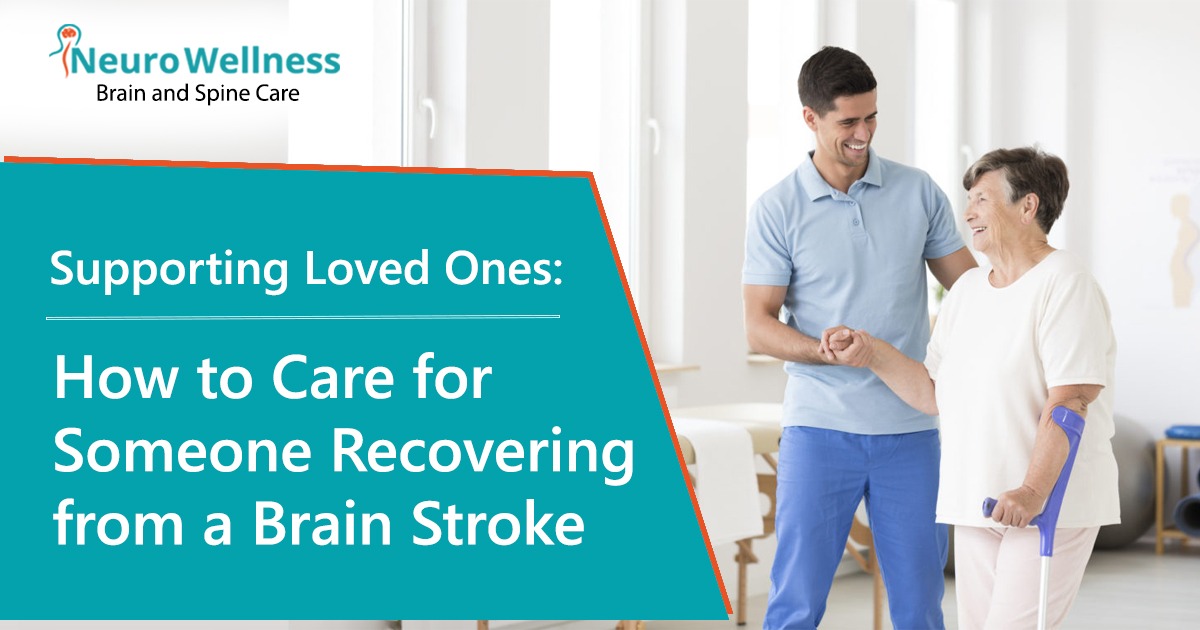
Caring for someone recovering from a brain stroke can be physically and emotionally challenging. A stroke may affect movement, speech, swallowing, balance, memory, mood, and the ability to perform everyday activities.
Family members and caregivers play an important role in supporting recovery. The main goals are to follow the medical and rehabilitation plan, maintain safety, encourage independence, prevent complications, and recognize symptoms that require immediate medical attention.
Every stroke survivor has a different recovery journey. The type and severity of the stroke, the area of the brain affected, existing health conditions, and response to rehabilitation can all influence recovery.
How Do You Care for Someone After a Brain Stroke?
Stroke recovery care may include medication support, physiotherapy, occupational therapy, speech and language therapy, swallowing support, nutrition, mobility assistance, skin care, emotional support, and regular medical follow-up. Caregivers should follow the patient’s individual care plan and encourage safe independence wherever possible.
What Does Stroke Recovery at Home Involve?
Stroke recovery at home often involves several areas of care. Depending on the person’s condition, caregivers may need to support:
- Taking prescribed medicines correctly
- Attending medical and rehabilitation appointments
- Completing recommended physiotherapy exercises
- Supporting walking, transfers, and daily activities
- Managing speech and communication difficulties
- Following swallowing and nutrition instructions
- Preventing falls and pressure injuries
- Supporting emotional well-being
- Monitoring for new or worsening symptoms
- Reducing the risk of another stroke
The caregiver’s role is to support the healthcare team’s recommendations. Do not change the person’s treatment plan without professional advice.
How Can You Help a Stroke Survivor With Medication?
Medication management is an important part of stroke recovery and prevention.
A stroke survivor may be prescribed medicines to manage blood pressure, diabetes, cholesterol, heart rhythm problems, or the risk of another stroke.
Caregivers can help by:
- Keeping an updated list of all prescribed medicines.
- Following the correct dose and schedule.
- Using a written medication chart or organizer when appropriate.
- Checking whether any doses have been missed.
- Attending follow-up appointments.
- Informing the healthcare team about side effects or concerns.
- Asking a doctor or pharmacist before starting any new medicine or supplement.
Never stop, increase, or reduce prescribed medication without medical advice.
How Can Physiotherapy Help During Stroke Recovery?
A stroke may cause weakness, stiffness, poor balance, reduced coordination, or difficulty walking. Physiotherapy can help address these problems through an individualized rehabilitation plan.
Caregivers can support physiotherapy by:
- Following the exercises recommended by the rehabilitation team.
- Encouraging safe movement without forcing the person.
- Helping with transfers between the bed, chair, and bathroom.
- Using prescribed walking aids correctly.
- Keeping pathways clear of clutter.
- Providing appropriate support during walking.
- Following professional advice about stairs and mobility.
Do not introduce strenuous exercises or unsupported walking if the person has significant weakness or balance problems.
How Can You Help a Stroke Survivor Become More Independent?
After a stroke, it may be tempting to complete every task for the person. However, when it is safe and medically appropriate, allowing the survivor to participate in daily activities can support confidence and independence.
Encourage participation in activities such as:
- Eating
- Dressing
- Grooming
- Washing
- Moving from bed to chair
- Walking
- Communicating
- Completing simple household tasks
Provide the amount of help the person needs, but allow them to complete safe parts of the activity independently.
A useful question for caregivers is:
“What can you safely do yourself, and where do you need help?”
How Can You Support Speech and Communication After a Stroke?
Some stroke survivors experience difficulty speaking, understanding language, reading, writing, or finding the correct words. These communication difficulties can be frustrating for both the survivor and family members.
Helpful communication strategies include:
- Speak clearly and calmly.
- Ask one question at a time.
- Give the person enough time to respond.
- Reduce background noise.
- Use gestures, pictures, writing, or communication aids when helpful.
- Avoid interrupting or finishing every sentence.
- Maintain eye contact when appropriate.
- Follow the communication plan provided by the speech and language therapist.
A person who has difficulty speaking may still understand more than they can express.
How Can You Help With Eating and Swallowing After a Stroke?
Some stroke survivors develop swallowing difficulties, also called dysphagia. Swallowing problems can increase the risk of choking, dehydration, malnutrition, and aspiration.
If swallowing difficulty has been identified, caregivers should follow the instructions provided by the treating medical and rehabilitation team.
Depending on the person’s condition, support may include:
- Using the recommended food and fluid consistency
- Providing supervised meals
- Following safe feeding techniques
- Maintaining the recommended sitting position
- Following instructions for tube feeding when required
- Monitoring for coughing or choking during meals
- Reporting changes in swallowing ability
Do not independently change the person’s diet, fluid consistency, or tube-feeding plan.
How Should You Care for a Stroke Patient With a Feeding Tube?
Some stroke survivors may require temporary or long-term tube feeding because they cannot safely swallow enough food or fluids.
Caregivers should receive clear instructions from the healthcare team about:
- How and when feeds should be given
- How the tube should be maintained
- How medicines should be administered through the tube, if permitted
- How to maintain hygiene
- What to do if the tube becomes blocked or displaced
- Which symptoms require urgent medical attention
Do not attempt to replace, reposition, or repair a feeding tube without appropriate professional instruction.
How Can You Help Prevent Pressure Injuries?
A person with limited mobility may spend long periods in bed or sitting. This can increase the risk of pressure injuries, sometimes called bedsores.
Caregivers should follow the individual care plan provided by the healthcare team. Depending on the person’s condition, prevention may involve:
- Regular repositioning
- Appropriate skin care
- Pressure-relieving mattresses or cushions
- Safe movement and transfers
- Adequate nutrition and hydration
- Keeping the skin clean and dry
- Checking pressure-prone areas regularly
Report persistent redness, swelling, skin breakdown, wounds, or other concerning changes to a healthcare professional.
How Can You Support a Stroke Survivor With a Tracheostomy?
Some patients may require a tracheostomy because of their medical condition. Tracheostomy care must be performed only according to the instructions provided by the treating medical team.
Caregivers should understand:
- How the tracheostomy is maintained
- How secretions are managed
- Whether suctioning is required
- What emergency equipment should be available
- Which symptoms require urgent assistance
- Who to contact if a problem occurs
Never attempt unfamiliar tracheostomy procedures without proper training and medical guidance.
How Can You Make the Home Safer After a Stroke?
Stroke-related weakness, balance problems, vision changes, and reduced coordination can increase the risk of falls.
To improve safety at home:
- Remove loose rugs and unnecessary clutter.
- Keep walking routes clear.
- Improve lighting in hallways and bathrooms.
- Install handrails where recommended.
- Use suitable bathroom safety equipment.
- Keep frequently used items within easy reach.
- Avoid slippery floors.
- Use prescribed walking aids correctly.
- Make transfers between the bed, chair, and bathroom safer.
- Follow recommendations from a physiotherapist or occupational therapist.
A home safety assessment may help identify risks that caregivers have not noticed.
How Can You Support Emotional Recovery After a Stroke?
Stroke recovery is not only physical. A person may experience frustration, anxiety, sadness, low confidence, or difficulty adjusting to changes in daily life.
Family members can provide support by:
- Listening patiently.
- Allowing the person to express concerns.
- Encouraging realistic goals.
- Celebrating small improvements.
- Maintaining familiar routines where possible.
- Encouraging safe social interaction.
- Supporting participation in rehabilitation.
- Discussing significant mood or behavior changes with the healthcare team.
Avoid comparing the person’s recovery with someone else’s. Recovery can vary significantly between individuals.
How Can Caregivers Help Prevent Another Stroke?
Preventing another stroke is an important part of long-term care.
Depending on the person’s medical history, prevention may involve:
- Managing high blood pressure
- Controlling diabetes
- Managing cholesterol
- Treating heart rhythm problems such as atrial fibrillation
- Taking prescribed medicines correctly
- Avoiding tobacco
- Maintaining appropriate physical activity
- Following a balanced eating pattern
- Limiting excessive alcohol consumption
- Attending regular medical appointments
The prevention plan should be individualized by the treating doctor.
What Stroke Warning Signs Should Caregivers Watch For?
Caregivers should learn the warning signs of a new stroke. Remember B.E. F.A.S.T.:
- B – Balance: Sudden loss of balance or coordination
- E – Eyes: Sudden vision changes
- F – Face: Sudden facial drooping or numbness
- A – Arm: Sudden weakness or numbness, especially on one side
- S – Speech: Sudden difficulty speaking or understanding
- T – Time: Seek emergency medical care immediately
Other sudden symptoms, such as severe unexplained headache, confusion, or difficulty walking, may also require urgent assessment.
What Should You Do If Stroke Symptoms Disappear?
Temporary stroke-like symptoms should never be ignored.
The person may have experienced a transient ischemic attack (TIA). A TIA can cause symptoms similar to a stroke, but the symptoms may disappear after a short period.
Even if the person appears normal again, urgent medical assessment is important. A healthcare professional may need to investigate the cause and assess the risk of a future stroke.
When Should a Stroke Survivor Receive Emergency Medical Care?
Seek emergency medical help if the person develops sudden or worsening:
- Facial drooping
- Arm or leg weakness
- Numbness on one side of the body
- Speech or language difficulty
- Vision changes
- Severe unexplained headache
- Loss of balance
- Difficulty walking
- Confusion
- Seizures
- Loss of consciousness
- Significant breathing or swallowing difficulty
Sudden neurological symptoms should be treated as an emergency rather than waiting for a routine appointment.
How Long Does Stroke Recovery Take?
There is no single recovery timeline for every stroke survivor.
Some people experience significant improvement during the early stages of recovery. Others may need rehabilitation for several months or longer.
Recovery can depend on:
- The type of stroke
- The location and extent of brain injury
- The severity of the initial symptoms
- The person’s age and general health
- Medical complications
- Access to rehabilitation
- Participation in the recommended rehabilitation programme
- Support from family members and caregivers
The treating medical and rehabilitation team can provide a more individualized understanding of the recovery process.
How Can Caregivers Look After Their Own Well-Being?
Caregiving can be demanding, especially when the person requires assistance throughout the day.
Caregivers should also protect their own physical and emotional well-being.
Helpful steps include:
- Sharing responsibilities with family members.
- Taking regular breaks.
- Asking for help when necessary.
- Maintaining personal medical appointments.
- Staying connected with friends and relatives.
- Asking the healthcare team about caregiver support.
- Getting adequate rest whenever possible.
- Discussing feelings of stress or exhaustion with a qualified professional.
A sustainable caregiving routine can benefit both the caregiver and the stroke survivor.
Frequently Asked Questions
1. What is the most important part of stroke recovery care?
Following the medical and rehabilitation plan, taking prescribed medicines correctly, maintaining safety, supporting rehabilitation, and encouraging appropriate independence are important parts of stroke recovery care.
2. How long does it take to recover from a brain stroke?
Recovery varies from person to person. Some people improve significantly during the early stages, while others may require rehabilitation for months or longer.
3. Can a stroke survivor become independent again?
Some stroke survivors regain substantial independence, while others continue to need assistance. Recovery depends on factors such as stroke severity, the area of the brain affected, rehabilitation, and overall health.
4. How can I help a stroke patient walk again?
Follow the walking and exercise plan provided by the rehabilitation team. Do not force walking or introduce new exercises without professional guidance.
5. How should I care for a stroke patient at home?
Home care may involve medication support, rehabilitation, mobility assistance, swallowing and nutrition support, skin care, communication support, emotional support, safety modifications, and regular medical follow-up.
6. What should a stroke patient eat?
Dietary needs depend on the person’s medical condition and swallowing ability. Follow the food, fluid, and swallowing recommendations provided by the treating healthcare team.
7. What should I do if a stroke survivor suddenly becomes weak again?
Sudden new weakness, facial drooping, speech difficulty, vision changes, or loss of balance may indicate another stroke. Seek emergency medical care immediately.
8. Can stroke patients recover completely?
Some people recover very well, while others have lasting disabilities. There is no single recovery outcome or timeline. Rehabilitation and appropriate medical follow-up can support recovery and long-term care.
Conclusion
Caring for someone recovering from a brain stroke requires patience, consistency, safety, and teamwork.
Caregivers can support recovery by helping with medication routines, rehabilitation, mobility, communication, nutrition, emotional well-being, and follow-up care. At the same time, they should encourage the person to participate in safe daily activities and maintain as much independence as possible.
Most importantly, caregivers should recognize the warning signs of another stroke and act immediately if sudden symptoms appear.
Remember B.E. F.A.S.T. — Balance, Eyes, Face, Arm, Speech, Time.
If sudden stroke symptoms occur, seek emergency medical care immediately.
About NeuroWellness
NeuroWellness provides neurological and neurosurgical care in Bengaluru. Consult a qualified healthcare professional for advice based on the patient’s symptoms, medical history, and recovery needs.

Dr. Ganesh Veerabhadraiah
Consultant – Neurosurgeon, Neurointerventional Surgery, Spine Surgeon (Neuro)
23+ Years Experience Overall (17+ years as Neuro Specialist)
Available for Consultation: Jayanagar 9th Block & Kauvery Hospital, Electronic City
Medically reviewed by: Dr. Ganesh Veerabhadraiah, MBBS, DNB (Neurosurgery)
Last medically reviewed: 18-Sep-2026

Comments are closed.