When oxygen to the brain is limited, portions of the brain become injured and die off, resulting in a stroke. thinking about how regular exercises will help to reduce the risk of stroke? We can reduce the risk of stroke easily just go through this below content and read further to know.

Strokes can result in long-term paralysis, brain damage, and even death in the most severe cases. The location of the brain injury and how promptly medical treatment is sought to affect the impact and severity of a stroke.

Although strokes can happen for a variety of reasons, there are measures to reduce your risk as much as possible. One of the approaches is to live an active lifestyle.

How regular exercises will help to reduce the risk of stroke?

Exercise on a regular basis is considered to lessen your risk of stroke by as much as 27%. Strokes are caused by two key contributing factors: high blood pressure and obesity. Exercises will help to reduce the risk of stroke by addressing both by maintaining an active lifestyle guarantees that your blood pressure is decreased and that you maintain a healthy weight.

How do regular exercises help in reducing stroke?

• A lack of exercise has been linked to a variety of health issues, one of which is stroke. Exercises will help to reduce the risk of stroke stroke by lowering other risk factors such as high blood pressure and obesity.
• Healthy individuals do at least 40 minutes of moderate to vigorous aerobic activity three to four times per week in their according to study. “Moderate to strong intensity” indicates you should be working hard to breathe and your pulse rate should be up.

Exercise and physical activity have a well-established evidence foundation for their benefits in decreasing cardiovascular risk factors and exercises will help to reduce the risk of stroke. Observational studies have found an inverse relationship between physical activity and stroke risk, with recent reviews estimating a 25–30% risk reduction for stroke. However, this finding has not been consistently replicated in the literature, with other groups reporting U-shaped associations or no associations at all.

• Patients must maintain regular physical activity in order to sustain the cardiovascular benefits and stroke risk reduction associated with exercise. If a major percentage of the benefit of exercise on lowering stroke risk is mediated through its impact on lowering blood pressure, it is crucial to emphasize that the good effect of blood pressure reduction is reversible when exercise is stopped. New case-control research revealed no indication that sports participation during young adulthood protects against stroke and TIA later in life.

• When compared to age-matched peers, those who have had a stroke have significantly worse physical fitness, and stroke survivors with residual impairment are less likely to exercise consistently. This is understandable given that many stroke survivors have persistent deficits such as diminished mobility, poor balance, and reduced muscular strength, making physical exercise more difficult and a sedentary lifestyle more likely.

• Physical exercises will help to reduce the risk of stroke and is recommended as part of the rehabilitation process in clinical recommendations for stroke care since the evidence shows it can enhance physical fitness and minimize the burden of stroke-induced impairment. Improving independence and overall quality of life can be achieved through reducing disability.

• Exercise may be effective in avoiding stroke for a variety of biological reasons. A variety of risk factors for stroke, including hypertension, dyslipidemia, diabetes, physical inactivity, obesity have been proven to benefit from regular exercise.

• Exercised also improves blood rheology and brain artery endothelial function, as well as increases high-density lipoprotein cholesterol.  People who were moderately or extremely active had a decreased risk of stroke and death than those who were inactive. Regular leisure-time physical activity (PA) can lower the risk of stroke in people of all ages and genders.

• Exercise is a type of physical activity that is planned, structured, and repeated with the goal of improving or maintaining physical fitness as a final or intermediate goal and as we know regular exercises will help to reduce the risk of stroke easily.

• Low-intensity exercise, if done on a daily basis, can improve long-term health and reduce the risk of cardiac issues that can lead to stroke. Low-intensity workouts are safer than high-intensity exercises and are advised for persons with various health issues.

• The following are some low-intensity activities:

1.Walking.
2. Gardening and other hard labor
3. Housework.
4. Dancing

How much physical activity do I require?

You should be as active as possible in your daily life — simple things like walking instead of driving, using the stairs instead of the elevator, gardening, and cleaning, etc. these type of regular exercises will help to reduce the risk of stroke

In addition to staying active in general, we should all strive for at least 212 hours of moderate to strenuous activity every week. You may divide this up whatever you choose, but 30 minutes of activity 5 days a week is a smart approach to meet this goal. If you find it difficult to plan half an hour of exercise every day, or 30 minutes of exercise per day.

In short, When it comes to exercise, you should strive to get in roughly 30 minutes of moderate activity five times a week. This does not imply that you must complete 30 minutes in one sitting; instead, you can do it in little chunks throughout the day. The goal should be to engage in moderate-intensity aerobic activity, such as brisk walking or cycling, which will leave you breathless and raise your heart rate. In this era now physical exercises will help to reduce the risk of stroke easily.

Conclusion: 

Regular exercise can assist stroke survivors to minimize their chance of having another stroke, lowering their risk of getting dementia, enhancing their rehabilitation, reducing tiredness, and improving their overall well-being. Even if your movement has been hampered by a stroke, there is certainly some activity that will benefit you. We offer the best Brain Stroke Treatment in Bangalore and our team of doctors at the NeuroWellness brain and spine care center should be able to assist you in finding appropriate activity

FAQs

1. Can walking reduce stroke risk?

Yes. Regular brisk walking improves circulation, lowers blood pressure, and reduces the risk of stroke significantly.

2. How much exercise is enough to prevent stroke?

At least 30 minutes of moderate exercise, 5 days a week, is recommended to lower stroke risk.

3. Which exercises are best for stroke prevention?

Aerobic activities like walking, swimming, and cycling, along with yoga and stretching, are most effective for stroke prevention.
Introduction:

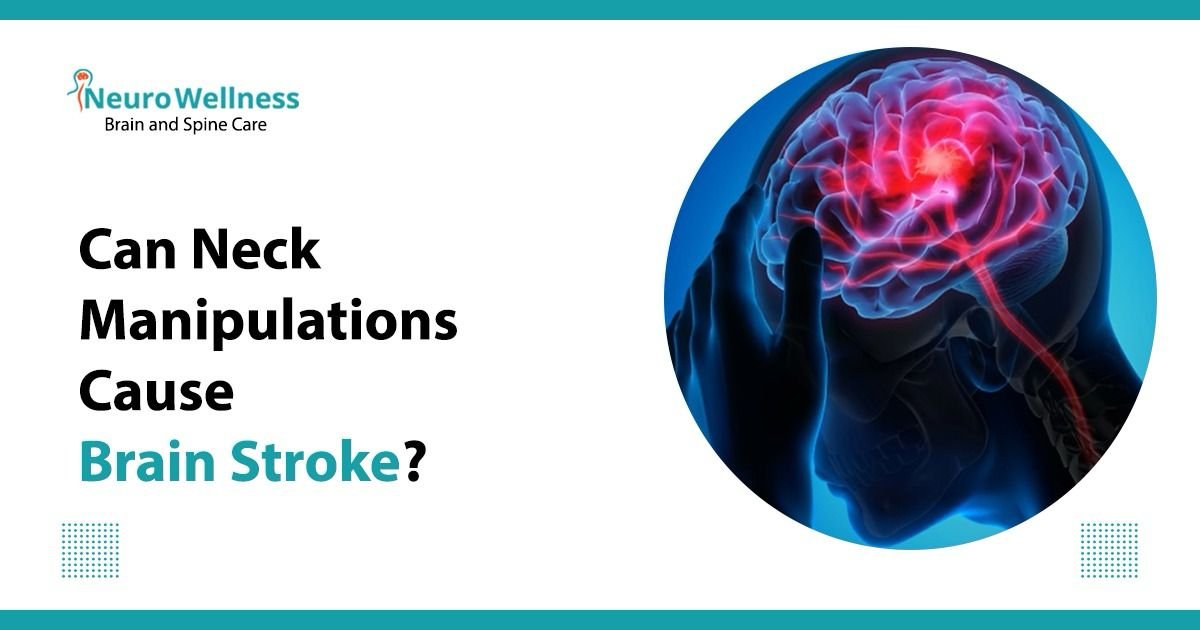
Neck manipulations, often performed by chiropractors or physical therapists, have been a subject of controversy in recent years, with concerns raised about their potential link to brain strokes. While these manipulations are intended to alleviate neck and back pain, the safety of such procedures has come under scrutiny.

Understanding Neck Manipulations:

Neck manipulations, also known as cervical spine manipulations or adjustments, involve the application of controlled force to the neck joints to alleviate pain and improve mobility. Chiropractors often perform these adjustments to treat conditions like neck pain, headaches, and musculoskeletal issues.

The Connection to Brain Strokes:

The worry around brain strokes and neck manipulations comes from the idea that these operations could cause the vertebral arteries—which carry blood to the brain—to tear. It is postulated that the force used in neck manipulations may rupture or dissect these arteries, resulting in blood clots that could make their way to the brain and induce a stroke Even in Hair salon Shop, neck manipulations can lead to vascular injury and stroke.

Conclusion:

Neck manipulaions need to be avoided whenever possible. Since we will not be knowing the anatomy and variations in vasculature in neck ( verterbral arteries and carotid arteries ), the possible risk of brain stroke if arteries get injured cant be ruled out!

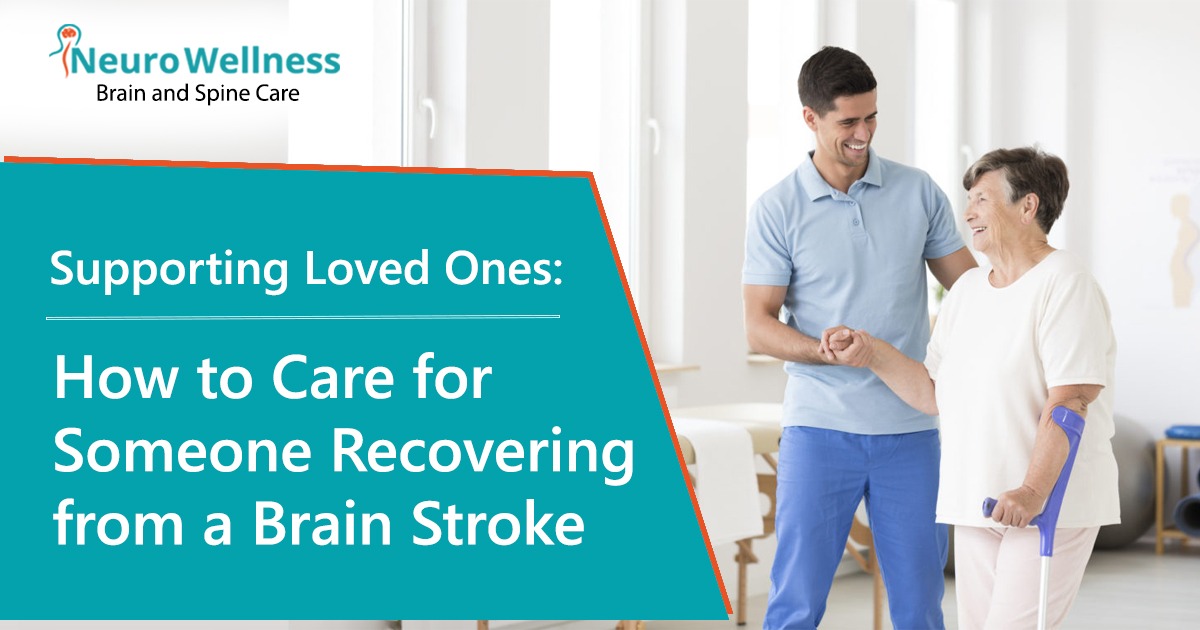
Caring for someone recovering from a brain stroke can be physically and emotionally challenging. A stroke may affect movement, speech, swallowing, balance, memory, mood, and the ability to perform everyday activities.

Family members and caregivers play an important role in supporting recovery. The main goals are to follow the medical and rehabilitation plan, maintain safety, encourage independence, prevent complications, and recognize symptoms that require immediate medical attention.

Every stroke survivor has a different recovery journey. The type and severity of the stroke, the area of the brain affected, existing health conditions, and response to rehabilitation can all influence recovery.

How Do You Care for Someone After a Brain Stroke?

Stroke recovery care may include medication support, physiotherapy, occupational therapy, speech and language therapy, swallowing support, nutrition, mobility assistance, skin care, emotional support, and regular medical follow-up. Caregivers should follow the patient’s individual care plan and encourage safe independence wherever possible.

What Does Stroke Recovery at Home Involve?

Stroke recovery at home often involves several areas of care. Depending on the person’s condition, caregivers may need to support:

  • Taking prescribed medicines correctly
  • Attending medical and rehabilitation appointments
  • Completing recommended physiotherapy exercises
  • Supporting walking, transfers, and daily activities
  • Managing speech and communication difficulties
  • Following swallowing and nutrition instructions
  • Preventing falls and pressure injuries
  • Supporting emotional well-being
  • Monitoring for new or worsening symptoms
  • Reducing the risk of another stroke

The caregiver’s role is to support the healthcare team’s recommendations. Do not change the person’s treatment plan without professional advice.

How Can You Help a Stroke Survivor With Medication?

Medication management is an important part of stroke recovery and prevention.

A stroke survivor may be prescribed medicines to manage blood pressure, diabetes, cholesterol, heart rhythm problems, or the risk of another stroke.

Caregivers can help by:

  • Keeping an updated list of all prescribed medicines.
  • Following the correct dose and schedule.
  • Using a written medication chart or organizer when appropriate.
  • Checking whether any doses have been missed.
  • Attending follow-up appointments.
  • Informing the healthcare team about side effects or concerns.
  • Asking a doctor or pharmacist before starting any new medicine or supplement.

Never stop, increase, or reduce prescribed medication without medical advice.

How Can Physiotherapy Help During Stroke Recovery?

A stroke may cause weakness, stiffness, poor balance, reduced coordination, or difficulty walking. Physiotherapy can help address these problems through an individualized rehabilitation plan.

Caregivers can support physiotherapy by:

  • Following the exercises recommended by the rehabilitation team.
  • Encouraging safe movement without forcing the person.
  • Helping with transfers between the bed, chair, and bathroom.
  • Using prescribed walking aids correctly.
  • Keeping pathways clear of clutter.
  • Providing appropriate support during walking.
  • Following professional advice about stairs and mobility.

Do not introduce strenuous exercises or unsupported walking if the person has significant weakness or balance problems.

How Can You Help a Stroke Survivor Become More Independent?

After a stroke, it may be tempting to complete every task for the person. However, when it is safe and medically appropriate, allowing the survivor to participate in daily activities can support confidence and independence.

Encourage participation in activities such as:

  • Eating
  • Dressing
  • Grooming
  • Washing
  • Moving from bed to chair
  • Walking
  • Communicating
  • Completing simple household tasks

Provide the amount of help the person needs, but allow them to complete safe parts of the activity independently.

A useful question for caregivers is:

“What can you safely do yourself, and where do you need help?”

How Can You Support Speech and Communication After a Stroke?

Some stroke survivors experience difficulty speaking, understanding language, reading, writing, or finding the correct words. These communication difficulties can be frustrating for both the survivor and family members.

Helpful communication strategies include:

  • Speak clearly and calmly.
  • Ask one question at a time.
  • Give the person enough time to respond.
  • Reduce background noise.
  • Use gestures, pictures, writing, or communication aids when helpful.
  • Avoid interrupting or finishing every sentence.
  • Maintain eye contact when appropriate.
  • Follow the communication plan provided by the speech and language therapist.

A person who has difficulty speaking may still understand more than they can express.

How Can You Help With Eating and Swallowing After a Stroke?

Some stroke survivors develop swallowing difficulties, also called dysphagia. Swallowing problems can increase the risk of choking, dehydration, malnutrition, and aspiration.

If swallowing difficulty has been identified, caregivers should follow the instructions provided by the treating medical and rehabilitation team.

Depending on the person’s condition, support may include:

  • Using the recommended food and fluid consistency
  • Providing supervised meals
  • Following safe feeding techniques
  • Maintaining the recommended sitting position
  • Following instructions for tube feeding when required
  • Monitoring for coughing or choking during meals
  • Reporting changes in swallowing ability

Do not independently change the person’s diet, fluid consistency, or tube-feeding plan.

How Should You Care for a Stroke Patient With a Feeding Tube?

Some stroke survivors may require temporary or long-term tube feeding because they cannot safely swallow enough food or fluids.

Caregivers should receive clear instructions from the healthcare team about:

  • How and when feeds should be given
  • How the tube should be maintained
  • How medicines should be administered through the tube, if permitted
  • How to maintain hygiene
  • What to do if the tube becomes blocked or displaced
  • Which symptoms require urgent medical attention

Do not attempt to replace, reposition, or repair a feeding tube without appropriate professional instruction.

How Can You Help Prevent Pressure Injuries?

A person with limited mobility may spend long periods in bed or sitting. This can increase the risk of pressure injuries, sometimes called bedsores.

Caregivers should follow the individual care plan provided by the healthcare team. Depending on the person’s condition, prevention may involve:

  • Regular repositioning
  • Appropriate skin care
  • Pressure-relieving mattresses or cushions
  • Safe movement and transfers
  • Adequate nutrition and hydration
  • Keeping the skin clean and dry
  • Checking pressure-prone areas regularly

Report persistent redness, swelling, skin breakdown, wounds, or other concerning changes to a healthcare professional.

How Can You Support a Stroke Survivor With a Tracheostomy?

Some patients may require a tracheostomy because of their medical condition. Tracheostomy care must be performed only according to the instructions provided by the treating medical team.

Caregivers should understand:

  • How the tracheostomy is maintained
  • How secretions are managed
  • Whether suctioning is required
  • What emergency equipment should be available
  • Which symptoms require urgent assistance
  • Who to contact if a problem occurs

Never attempt unfamiliar tracheostomy procedures without proper training and medical guidance.

How Can You Make the Home Safer After a Stroke?

Stroke-related weakness, balance problems, vision changes, and reduced coordination can increase the risk of falls.

To improve safety at home:

  • Remove loose rugs and unnecessary clutter.
  • Keep walking routes clear.
  • Improve lighting in hallways and bathrooms.
  • Install handrails where recommended.
  • Use suitable bathroom safety equipment.
  • Keep frequently used items within easy reach.
  • Avoid slippery floors.
  • Use prescribed walking aids correctly.
  • Make transfers between the bed, chair, and bathroom safer.
  • Follow recommendations from a physiotherapist or occupational therapist.

A home safety assessment may help identify risks that caregivers have not noticed.

How Can You Support Emotional Recovery After a Stroke?

Stroke recovery is not only physical. A person may experience frustration, anxiety, sadness, low confidence, or difficulty adjusting to changes in daily life.

Family members can provide support by:

  • Listening patiently.
  • Allowing the person to express concerns.
  • Encouraging realistic goals.
  • Celebrating small improvements.
  • Maintaining familiar routines where possible.
  • Encouraging safe social interaction.
  • Supporting participation in rehabilitation.
  • Discussing significant mood or behavior changes with the healthcare team.

Avoid comparing the person’s recovery with someone else’s. Recovery can vary significantly between individuals.

How Can Caregivers Help Prevent Another Stroke?

Preventing another stroke is an important part of long-term care.

Depending on the person’s medical history, prevention may involve:

  • Managing high blood pressure
  • Controlling diabetes
  • Managing cholesterol
  • Treating heart rhythm problems such as atrial fibrillation
  • Taking prescribed medicines correctly
  • Avoiding tobacco
  • Maintaining appropriate physical activity
  • Following a balanced eating pattern
  • Limiting excessive alcohol consumption
  • Attending regular medical appointments

The prevention plan should be individualized by the treating doctor.

What Stroke Warning Signs Should Caregivers Watch For?

Caregivers should learn the warning signs of a new stroke. Remember B.E. F.A.S.T.:

  • B – Balance: Sudden loss of balance or coordination
  • E – Eyes: Sudden vision changes
  • F – Face: Sudden facial drooping or numbness
  • A – Arm: Sudden weakness or numbness, especially on one side
  • S – Speech: Sudden difficulty speaking or understanding
  • T – Time: Seek emergency medical care immediately

Other sudden symptoms, such as severe unexplained headache, confusion, or difficulty walking, may also require urgent assessment.

What Should You Do If Stroke Symptoms Disappear?

Temporary stroke-like symptoms should never be ignored.

The person may have experienced a transient ischemic attack (TIA). A TIA can cause symptoms similar to a stroke, but the symptoms may disappear after a short period.

Even if the person appears normal again, urgent medical assessment is important. A healthcare professional may need to investigate the cause and assess the risk of a future stroke.

When Should a Stroke Survivor Receive Emergency Medical Care?

Seek emergency medical help if the person develops sudden or worsening:

  • Facial drooping
  • Arm or leg weakness
  • Numbness on one side of the body
  • Speech or language difficulty
  • Vision changes
  • Severe unexplained headache
  • Loss of balance
  • Difficulty walking
  • Confusion
  • Seizures
  • Loss of consciousness
  • Significant breathing or swallowing difficulty

Sudden neurological symptoms should be treated as an emergency rather than waiting for a routine appointment.

How Long Does Stroke Recovery Take?

There is no single recovery timeline for every stroke survivor.

Some people experience significant improvement during the early stages of recovery. Others may need rehabilitation for several months or longer.

Recovery can depend on:

  • The type of stroke
  • The location and extent of brain injury
  • The severity of the initial symptoms
  • The person’s age and general health
  • Medical complications
  • Access to rehabilitation
  • Participation in the recommended rehabilitation programme
  • Support from family members and caregivers

The treating medical and rehabilitation team can provide a more individualized understanding of the recovery process.

How Can Caregivers Look After Their Own Well-Being?

Caregiving can be demanding, especially when the person requires assistance throughout the day.

Caregivers should also protect their own physical and emotional well-being.

Helpful steps include:

  • Sharing responsibilities with family members.
  • Taking regular breaks.
  • Asking for help when necessary.
  • Maintaining personal medical appointments.
  • Staying connected with friends and relatives.
  • Asking the healthcare team about caregiver support.
  • Getting adequate rest whenever possible.
  • Discussing feelings of stress or exhaustion with a qualified professional.

A sustainable caregiving routine can benefit both the caregiver and the stroke survivor.

Frequently Asked Questions

1. What is the most important part of stroke recovery care?

Following the medical and rehabilitation plan, taking prescribed medicines correctly, maintaining safety, supporting rehabilitation, and encouraging appropriate independence are important parts of stroke recovery care.

2. How long does it take to recover from a brain stroke?

Recovery varies from person to person. Some people improve significantly during the early stages, while others may require rehabilitation for months or longer.

3. Can a stroke survivor become independent again?

Some stroke survivors regain substantial independence, while others continue to need assistance. Recovery depends on factors such as stroke severity, the area of the brain affected, rehabilitation, and overall health.

4. How can I help a stroke patient walk again?

Follow the walking and exercise plan provided by the rehabilitation team. Do not force walking or introduce new exercises without professional guidance.

5. How should I care for a stroke patient at home?

Home care may involve medication support, rehabilitation, mobility assistance, swallowing and nutrition support, skin care, communication support, emotional support, safety modifications, and regular medical follow-up.

6. What should a stroke patient eat?

Dietary needs depend on the person’s medical condition and swallowing ability. Follow the food, fluid, and swallowing recommendations provided by the treating healthcare team.

7. What should I do if a stroke survivor suddenly becomes weak again?

Sudden new weakness, facial drooping, speech difficulty, vision changes, or loss of balance may indicate another stroke. Seek emergency medical care immediately.

8. Can stroke patients recover completely?

Some people recover very well, while others have lasting disabilities. There is no single recovery outcome or timeline. Rehabilitation and appropriate medical follow-up can support recovery and long-term care.

Conclusion

Caring for someone recovering from a brain stroke requires patience, consistency, safety, and teamwork.

Caregivers can support recovery by helping with medication routines, rehabilitation, mobility, communication, nutrition, emotional well-being, and follow-up care. At the same time, they should encourage the person to participate in safe daily activities and maintain as much independence as possible.

Most importantly, caregivers should recognize the warning signs of another stroke and act immediately if sudden symptoms appear.

Remember B.E. F.A.S.T. — Balance, Eyes, Face, Arm, Speech, Time.

If sudden stroke symptoms occur, seek emergency medical care immediately.

About NeuroWellness

NeuroWellness provides neurological and neurosurgical care in Bengaluru. Consult a qualified healthcare professional for advice based on the patient’s symptoms, medical history, and recovery needs.

Ganesh

Dr. Ganesh Veerabhadraiah

Consultant – Neurosurgeon, Neurointerventional Surgery, Spine Surgeon (Neuro)
23+ Years Experience Overall (17+ years as Neuro Specialist)

Available for Consultation: Jayanagar 9th Block & Kauvery Hospital, Electronic City 

Medically reviewed by: Dr. Ganesh Veerabhadraiah, MBBS, DNB (Neurosurgery)
Last medically reviewed: 18-Sep-2026

The human brain is a remarkable organ, controlling our thoughts, emotions, and movements. Yet, when struck by a stroke, this intricate network can be significantly disrupted, leaving survivors with various challenges to overcome. Every year, millions of individuals around the world face the life-altering effects of a brain stroke, leading to physical, cognitive, and emotional changes that require careful attention and rehabilitation. Life can change in an instant. Imagine going about your day when suddenly, a powerful force disrupts the intricate workings of your brain. A stroke, like a thief in the night, robs you of control, leaving behind a trail of physical and cognitive challenges. It’s an experience that many stroke survivors know all too well.
Stroke is the second most common cause of death in India, as per expert. About 5.2 million strokes were witnessed in children, aged less than 20 years. Stroke is the second most common cause of mortality in India, According to Dr. MV Padma Srivastava, Professor of Neurology at AIIMS. India reports over 1,85,000 incidents of stroke annually, with one stroke mortality occurring every four minutes and one stroke occurring every 40 seconds.

Understanding Brain Strokes:

A brain stroke occurs when the blood supply to the brain is interrupted, resulting in the rapid loss of brain function. This disruption can be caused by a blockage (ischemic stroke) or bleeding (hemorrhagic stroke) within the brain. Survivors often encounter physical, cognitive, and emotional challenges that necessitate comprehensive support and rehabilitation.

Strategies for Brain Stroke Survivors:

Let’s explore it more in detail;

Rehabilitation Therapy:

Rehabilitation therapy plays a crucial role in the recovery process. Physical therapy focuses on regaining strength, mobility, and coordination, helping survivors improve their physical abilities. Occupational therapy assists in relearning daily living skills and adapting to any physical limitations. Speech therapy can help with communication difficulties and swallowing problems. Working with a skilled team of therapists, survivors can make remarkable progress and regain their independence.

Healthy Lifestyle Choices:

Adopting a healthy lifestyle is key to optimizing recovery. Regular exercise, under the guidance of healthcare professionals, can improve cardiovascular health, strength, and overall well-being. Eating a balanced diet, rich in fruits, vegetables, whole grains, and lean proteins, provides essential nutrients for healing and supports brain health. Adequate rest and quality sleep are also important for recovery and rejuvenation.

Assistive Technologies:

A brain stroke survivor’s quality of life can be greatly enhanced by embracing assistive technologies. Mobility aids, communication tools, and gadgets that may be adjusted to meet different demands are some of these technologies. With the use of assistive technology, survivors can overcome their physical and verbal limitations, fostering independence and improving general wellbeing.

Lifestyle Modifications:

Making necessary modifications to the living environment can create a safer and more accessible space for brain stroke survivors. Simple adjustments such as installing handrails, grab bars, can prevent falls and enhance mobility. Organizing the living space to reduce clutter and improve navigation can also contribute to a sense of security and independence.

Medication Management:

It is essential to follow your prescribed medication regimen diligently. Medications can help manage underlying conditions, prevent future strokes, and control symptoms. Regularly consult with your healthcare provider to ensure you are taking the right medications and understand their potential side effects.

Social engagements:

Maintaining social connections and engaging in meaningful activities is vital for the well-being of brain stroke survivors. Participate in support groups, community programs, and social activities that align with personal interests and abilities. Connecting with others who have shared experiences can provide emotional support, encouragement, and a sense of belonging.

Mindfulness and Stress Reduction:

Practicing mindfulness techniques, such as deep breathing exercises, meditation, and relaxation techniques, can help reduce stress and promote overall well-being. Stress management is crucial, as excessive stress can hinder the recovery process. Consider joining mindfulness programs or engaging in activities that bring you joy and relaxation.

Conclusion:

As you navigate the path to recovery after a brain stroke, Neuro Wellness Brain and Spine Clinic is here to support you every step of the way. By implementing strategies such as rehabilitation therapy, Healthy Lifestyle Choices, Assistive Technologies Lifestyle Modifications, Medication Management, Social engagements, Mindfulness and Stress Reduction, you can unlock your potential for healing and regain independence. Remember, each survivor’s journey is unique, and at Neuro Wellness, we are dedicated to providing personalized care and guidance tailored to your specific needs. Let us embark on this transformative journey together, where hope thrives, and you rediscover the joy of life after a brain stroke.