Epilepsy/Seizures/Fits/ Convulsions Treatment In Bengaluru
- neurosurgical care provided
- Online and offline consultations available
- In-depth diagnoses and treatment offered
- 24x7 emergency services provided
- neurosurgeons and spine specialists
What is Epilepsy?
It’s a neurological disorder that affects the nervous system. It is characterized by recurrent, unprovoked seizures that can range from brief episodes of staring to prolonged convulsions. These seizures are caused by abnormal electrical activity in the brain.
Epilepsy can develop at any age, but it most commonly starts in childhood or adolescence. The severity and frequency of seizures can vary greatly from person to person. While there is no cure for epilepsy, it can often be managed effectively with medication, lifestyle changes, and in some cases, surgery. It is important for people with epilepsy to work closely with their healthcare providers to develop a treatment plan that is tailored to their individual needs.
Symptoms of Epilepsy
The primary symptom of epilepsy is the occurrence of seizures. However, the symptoms and signs of a seizure can vary depending on the type of seizure. Some common symptoms of seizures include:
Symptoms:
- Loss of consciousness
- Jerking movements in arms and legs
- Staring spells
- Temporary confusion
- Loss of bladder or bowel control
- A sensation of fear or anxiety
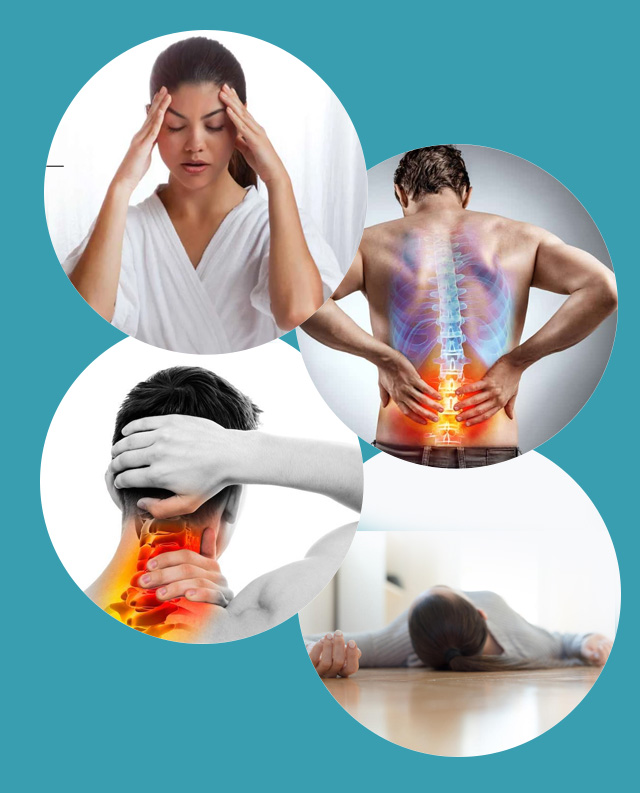
At NeuroWellness, we understand the impact that neurological conditions can have on your life.Our team provides diagnosis, treatment and follow-up care for epilepsy and seizures.
Epilepsy Treatment
There is no cure for epilepsy, but the condition can be managed effectively with proper treatment. The goal of treatment is to control seizures, minimize side effects, and improve quality of life. The following treatments may be recommended:
Medications
Antiepileptic drugs (AEDs) are the most commonly used treatment for epilepsy. These medications work to control seizures by stabilizing abnormal electrical activity in the brain.
Surgery
For some patients with epilepsy, surgery may be recommended to remove the area of the brain that is causing seizures. This is often considered for patients who have not responded to medication.
Vagus Nerve Stimulation (VNS)
VNS is a surgical procedure that involves implanting a small device in the chest that sends electrical signals to the brain via the vagus nerve. This can help to reduce the frequency and severity of seizures
Ketogenic Diet
The ketogenic diet is a high-fat, low-carbohydrate diet that has been shown to reduce seizures in some patients with epilepsy.
Behavioral Therapy
Behavioral therapy can be helpful in managing the emotional and psychological aspects of epilepsy, such as anxiety, depression, and social isolation.

Epilepsy/Seizures/Fits/ Convulsions
The following factors are the Causes of epilepsy:
- Stress
- Sleep deprivation or fatigue
- Insufficient food intake
- Alcohol use or drug abuse
- Failure to take prescribed anticonvulsant medications
Tests will be done to diagnose this condition
Tests include:
- Electroencephalography (EEG): This test measures the electrical activity in your brain. Certain abnormal electrical patterns are related to seizures.
- Brain scans: Magnetic resonance imaging (MRI) to look for such things as tumors, infections or blood vessel abnormalities.
A great place for neurosurgery and neurological conditions
At NeuroWellness, we prioritize patient safety and comfort. Our modern facility is designed to provide a warm and welcoming environment for patients and their families. We also offer post- operative care and rehabilitation services to help patients recover and regain their quality of life.
Frequently Asked Questions
There’s no cure for epilepsy. But there are many options to treat epilepsy.
About 70% of people become seizure-free with proper treatment within a few years. The remaining 30% are considered to have drug-resistant epilepsy. These people should go to an epilepsy center to determine if they’re candidates for epilepsy surgery.
It depends on the type of epilepsy you have and your response to medication. Some people who remain seizure-free for several years may be able to stop their medication. Your healthcare provider makes this decision. They’ll consider a variety of factors when making this decision, including an absence of brain lesions on your MRI, EEG findings and your medical history. Some people may require life-long medication.
Have questions about epilepsy or seizures? Contact the clinic.
Medically Reviewed By: Senior Consultant Neurosurgeon (Brain & Spine)
Disclaimer: The information on this page is provided for educational purposes only and is not a substitute for professional medical advice, diagnosis or treatment. Treatment options and outcomes may vary depending on each patient’s individual condition. Please consult a qualified healthcare professional for medical advice and appropriate treatment options. NeuroWellness is a healthcare discovery platform and does not promote or guarantee the outcomes of any particular doctor, procedure or treatment.