Endovascular Surgery In Bangalore
- neurosurgical care provided
- Online and offline consultations available
- In-depth diagnoses and treatment offered
- 24x7 emergency services provided
- neurosurgeons and spine specialists
What is Endovascular surgery?
Endovascular surgery, also known as interventional radiology, is a minimally invasive surgical technique that involves accessing the body’s blood vessels through a small incision and using using various techniques to treat different conditions such as:
- Stroke
- Aneurysms
- Carotid stenosis
- Arteriovenous Malformations (AVMs)
Symptoms of Endovascular surgery
Symptoms:
- Bleeding or bruising at the catheter insertion site
- Pain or swelling at the catheter insertion site
- Infection at the catheter insertion site
- Allergic reaction
- Blood clots
- Stroke
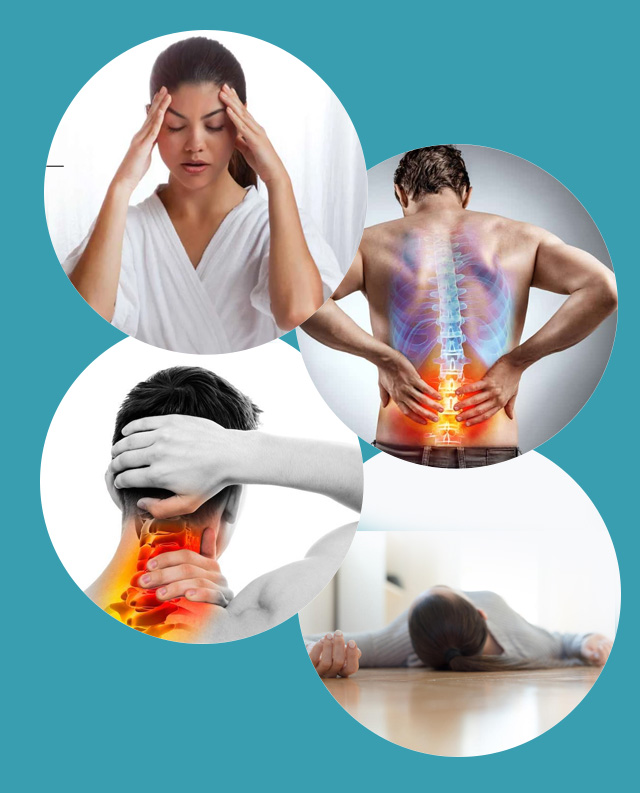
At NeuroWellness, we understand the impact that neurological conditions can have on your life. Our team of experts are dedicated to provide care and helping you regain control.
Types of Endovascular surgery
The treatment for a brain tumor depends on the type and location of the tumor and size, grade (aggressiveness), age and general condition. Depending upon these factors, surgery, radiation therapy and/or chemotherapy may be treatment options.
Mechanical thrombectomy
Mechanical thrombectomy is a procedure that involves removing a blood clot from an artery in the brain to restore blood flow and prevent further damage. This procedure is commonly used for treating ischemic stroke caused by a blood clot in the brain.
Aneurysm Coiling
Aneurysm coiling is a minimally invasive procedure used to treat cerebral aneurysms, which are weakened areas of blood vessels that can bulge and rupture, causing bleeding in the brain. The procedure involves inserting a catheter through an artery in the groin and guiding it up to the aneurysm using X-ray guidance.
Carotid Stenting
Carotid stenting is a minimally invasive procedure used to treat carotid stenosis, which is the narrowing of the carotid arteries that supply blood to the brain. The procedure involves inserting a catheter through an artery in the groin and guiding it up to the narrowed carotid artery using X-ray guidance.
AVM Embolization
AVM embolization is a minimally invasive procedure used to treat arteriovenous malformations (AVMs), which are abnormal tangles of blood vessels that can cause bleeding in the brain. The procedure involves inserting a catheter through an artery in the groin and guiding it up to the AVM using X-ray guidance.

Causes of Endovascular surgery
- Atherosclerosis
- Aneurysms
- Blood clots
- Tumors
- Varicose veins
- Stroke
Conditions Treat with Endovascular Surgery
- Aneurysm
- Atherosclerosis
- Carotid artery disease
- Deep vein thrombosis
- Peripheral artery disease
A great place for neurosurgery and neurological conditions
At NeuroWellness, we prioritize patient safety and comfort. Our modern facility is designed to provide a warm and welcoming environment for patients and their families. We also offer post- operative care and rehabilitation services to help patients recover and regain their quality of life.
Frequently Asked Questions
Endovascular surgery is a minimally invasive surgical technique that uses catheters and other devices to treat various conditions through the blood vessels. It is used to treat a range of conditions such as peripheral artery disease, aneurysms, blood clots, tumors, varicose veins, and strokes.
Recovery time after endovascular surgery varies depending on the specific procedure and the individual patient. However, because it is minimally invasive, most patients can return to their normal activities within a few days to a week after the procedure. In some cases, a period of rest and limited activity may be necessary for a few weeks following the procedure.
Have questions about endovascular treatment? Contact the clinic.
Medically Reviewed By: Senior Consultant Neurosurgeon (Brain & Spine)
Disclaimer: This content is for educational purposes only and is not a substitute for professional medical advice, diagnosis or treatment. Please consult a qualified specialist for guidance appropriate to your condition. Do not use this information for self-diagnosis or self-treatment. In a medical emergency, seek immediate care at the nearest hospital. NeuroWellness does not promote, endorse or recommend any particular doctor or procedure.