Cerebral Aneurysm Clipping In Bengaluru
- neurosurgical care provided
- Online and offline consultations available
- In-depth diagnoses and treatment offered
- 24x7 emergency services provided
- Neurosurgeons and specialists
What is Cerebral Aneurysm Clipping?
A cerebral aneurysm is a bulge or ballooning in a blood vessel in the brain. This condition is caused by weakness in the blood vessel wall. Cerebral aneurysms can cause symptoms such as headache, blurred vision, and difficulty thinking, but many times they go unnoticed until they rupture, causing a serious and potentially life-threatening condition known as a subarachnoid hemorrhage.
Cerebral aneurysm clipping is a surgical procedure that is often performed to prevent the aneurysm from rupturing. During the procedure, a neurosurgeon places a small metal clip at the base of the aneurysm, preventing it from filling with blood and reducing the risk of rupture
Symptoms of Cerebral Aneurysms
Cerebral aneurysms may not cause any symptoms until they rupture, causing a subarachnoid hemorrhage. Symptoms of a ruptured aneurysm may include
Symptoms:
- Headaches
- Nausea and vomiting
- Eye Pain
- Stiff neck
- High blood pressure
- Back or leg pain
- Vision changes
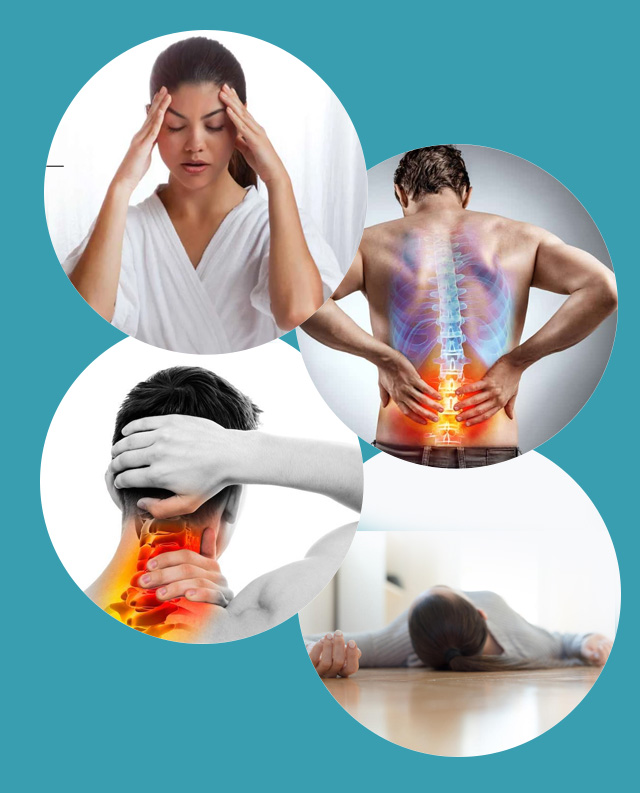
At NeuroWellness, we understand the impact that neurological conditions can have on your life. Our team provides assessment, treatment and follow-up care for cerebral aneurysms.
Treatments for Cerebral Aneurysms
- If a cerebral aneurysm is detected before it ruptures, it may be possible to treat it before surgery is necessary. This can be done through medications and lifestyle changes to control high blood pressure or through endovascular treatments, such as coiling or stenting.
- If the aneurysm has ruptured, emergency treatment is necessary, and cerebral aneurysm clipping may be performed to prevent future bleeding. In some cases, a combination of surgical and endovascular treatments may be used to treat the aneurysm.

Causes of Cerebral Aneurysms
Cerebral aneurysms Clipping can develop due to a variety of causes such as:
- Genetics
- High blood pressure
- Smoking
- Head trauma
- Drug Use
- Alcohol
- Family history
Certain medical conditions such as polycystic kidney disease and connective tissue disorders can also increase the risk of developing a cerebral aneurysm.
Recovery from Cerebral Aneurysm Clipping
Recovery time from cerebral aneurysm clipping varies depending on the individual case.
- During this time, the patient will be closely monitored for any signs of complications, such as bleeding or infection.
- Once the patient is discharged from the hospital, they will need to take steps to manage pain and reduce the risk of infection.
- Physical therapy may be necessary to help the patient regain strength and mobility after surgery.
Cerebral aneurysm clipping surgery is Clipping is one of the established treatments for cerebral aneurysms. The choice between clipping and coiling depends on the aneurysm’s size, location and the patient’s health.
A great place for neurosurgery and neurological conditions
At NeuroWellness, we prioritize patient safety and comfort. Our modern facility is designed to provide a warm and welcoming environment for patients and their families. We also offer post- operative care and rehabilitation services to help patients recover and regain their quality of life.
Frequently Asked Questions
No. Some small unruptured aneurysms can be monitored. The decision depends on size, location and individual risk factors.
Clipping is open surgery that places a clip on the aneurysm. Coiling blocks it from inside the blood vessel using a catheter. Each suits different situations.
Recurrence after clipping is uncommon, but follow-up imaging may be advised.
Controlling blood pressure and avoiding smoking and stimulant drugs can lower the risk of growth or rupture.
Have questions about a cerebral aneurysm? Contact the clinic.
Medically Reviewed By: Senior Consultant Neurosurgeon (Brain & Spine)
Disclaimer: This content is for educational purposes only and is not a substitute for professional medical advice, diagnosis or treatment. Please consult a qualified specialist for guidance appropriate to your condition. Do not use this information for self-diagnosis or self-treatment. In a medical emergency, seek immediate care at the nearest hospital. NeuroWellness does not promote, endorse or recommend any particular doctor or procedure.