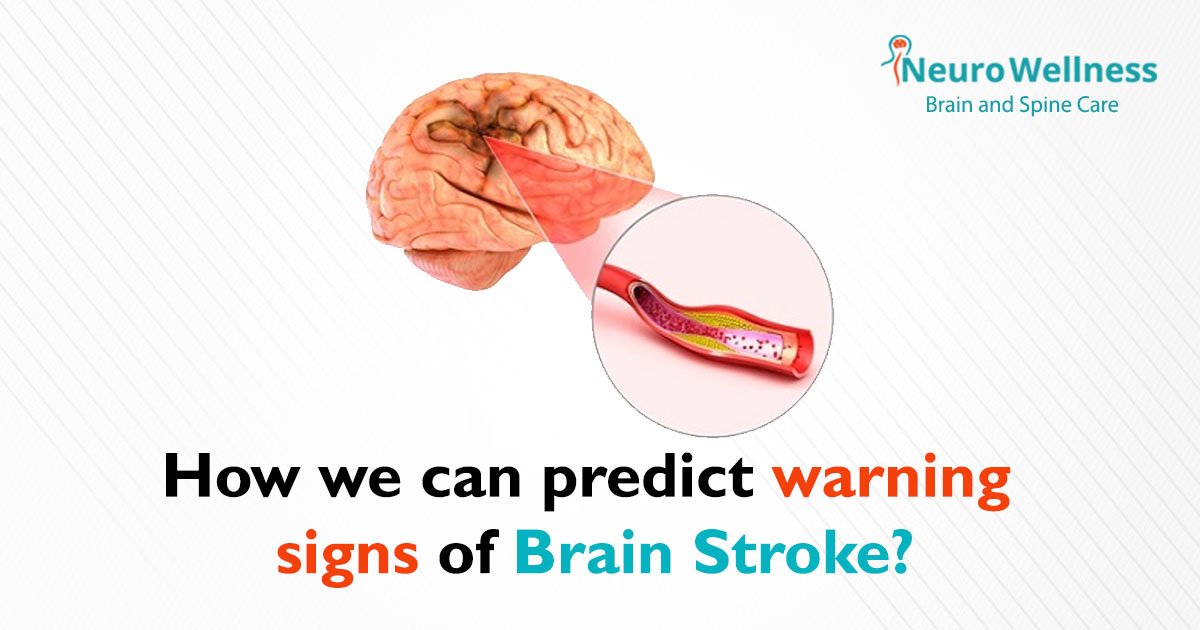
A brain stroke can happen suddenly, but some warning signs and risk factors may provide an opportunity to recognize danger early and seek medical attention quickly. Understanding stroke symptoms, transient ischemic attack (TIA), and controllable risk factors can help you respond faster when every minute matters.
If you or someone around you suddenly develops facial drooping, arm weakness, speech difficulty, vision changes, severe dizziness, loss of balance, or another sudden neurological symptom, seek emergency medical care immediately. For information about available stroke treatment in Bengaluru, see the NeuroWellness stroke treatment service.
Can You Predict a Brain Stroke Before It Happens?
A stroke cannot usually be predicted with certainty in an individual person. However, doctors can identify factors that increase stroke risk and recognize warning events such as a transient ischemic attack (TIA).
A TIA can produce stroke-like symptoms that may disappear after a short period. Even when symptoms improve, urgent medical assessment is important because a TIA can be a warning of a future stroke.
The goal is therefore not to predict the exact moment a stroke will occur. The goal is to recognize warning symptoms, identify risk factors, and reduce preventable risks.
What Are the Warning Signs of a Brain Stroke?
Stroke symptoms usually appear suddenly. Remember B.E. F.A.S.T.:
- B – Balance: Sudden loss of balance, coordination, or difficulty walking.
- E – Eyes: Sudden vision changes, blurred or double vision, or loss of vision.
- F – Face: One side of the face may droop or become numb.
- A – Arm: Sudden weakness or numbness, particularly on one side.
- S – Speech: Slurred speech, difficulty speaking, or difficulty understanding speech.
- T – Time: Treat stroke as an emergency and seek immediate medical help.
Other possible warning signs include sudden confusion and a sudden severe headache without a known cause.
Stroke symptoms usually appear suddenly. Recognizing these symptoms early is essential because timely stroke or paralysis care can help determine the appropriate treatment.
What Should You Do If Stroke Symptoms Start?
Do not wait to see whether the symptoms improve.
Note the time when the symptoms began and seek emergency medical care immediately. Rapid assessment can help determine whether the symptoms are caused by a stroke, TIA, or another medical condition and whether urgent treatment is appropriate.
Do not wait to see whether the symptoms improve. Note the time when the symptoms began and seek emergency medical care immediately. Learn more about emergency stroke treatment and the treatment options available at NeuroWellness.
What Is a TIA and Why Is It a Warning Sign?
A transient ischemic attack (TIA) occurs when blood flow to part of the brain is temporarily disrupted. The symptoms can resemble those of a stroke and may resolve quickly.
Because the symptoms may disappear, people sometimes assume that the problem has gone away. This can be dangerous.
A TIA should be treated as a warning event requiring urgent medical evaluation. A healthcare professional may need to investigate possible causes and assess the person’s risk of a future stroke.
Never ignore stroke-like symptoms simply because they disappear.
Who Is at Higher Risk of Stroke?
Some stroke risk factors cannot be changed, such as age and family history. However, several important risk factors can be managed with medical care and lifestyle changes.
Common risk factors include:
- High blood pressure
- Diabetes
- High cholesterol
- Heart disease
- Atrial fibrillation and other heart rhythm problems
- Previous stroke or TIA
- Smoking or tobacco use
- Physical inactivity
- Overweight or obesity
- Excessive alcohol consumption
- Certain blood vessel conditions and other medical disorders
Having a risk factor does not mean that a person will definitely have a stroke. It means that appropriate prevention and medical follow-up may be important.
Can High Blood Pressure Increase Stroke Risk?
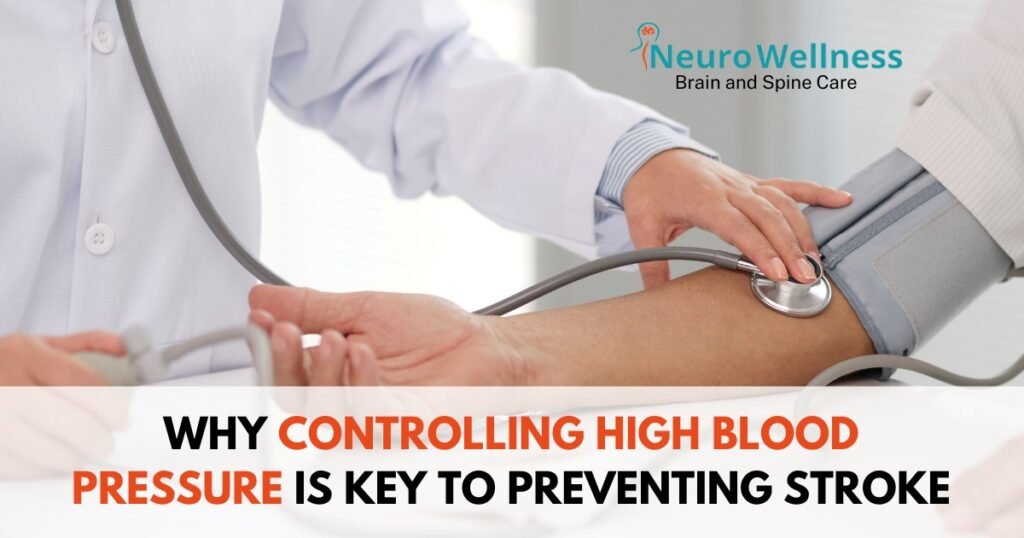
Yes. High blood pressure is an important risk factor for stroke because it can damage blood vessels over time.
If you have hypertension, follow your healthcare professional’s recommendations for monitoring and treatment. Taking prescribed medication correctly, attending follow-up appointments, maintaining an appropriate diet, staying physically active, and avoiding tobacco can all form part of a stroke-prevention strategy.
Read more: Controlling blood pressure is one of the most effective ways to reduce stroke risk.
Can Lifestyle Changes Help Prevent Stroke?
Many stroke risk factors can be reduced through healthy lifestyle choices and appropriate management of medical conditions.
Important steps include:
1. Control blood pressure
Regularly monitor blood pressure if advised by your healthcare professional and follow your prescribed treatment plan.
2. Manage diabetes and cholesterol
Keep blood sugar and cholesterol under appropriate control through medical care, nutrition, physical activity, and prescribed medication where needed.
3. Avoid tobacco
Smoking damages blood vessels and increases stroke risk. If you smoke, speak with a healthcare professional about quitting.
4. Stay physically active
Regular physical activity can help manage blood pressure, weight, cholesterol, and overall cardiovascular health.
5. Follow a healthy eating pattern
A balanced diet with appropriate portions of vegetables, fruits, whole grains, and other nutrient-dense foods can support cardiovascular health. Limiting excess salt and unhealthy fats may also help manage stroke risk factors.
6. Limit excessive alcohol consumption
Excessive alcohol intake can increase blood pressure and contribute to stroke risk.
7. Attend regular medical follow-ups
If you have hypertension, diabetes, heart disease, atrial fibrillation, previous stroke, TIA, or another condition associated with stroke risk, regular medical follow-up is important.
Can a Stroke Happen Without Warning?
Yes. A stroke can occur suddenly, and a person may have no obvious warning immediately beforehand. Knowing the symptoms and understanding available stroke care at NeuroWellness can help families respond appropriately.
What Is the Difference Between Stroke Risk Factors and Stroke Warning Signs?
These terms describe different things.
Risk factors are conditions or behaviors that increase the chance of having a stroke over time. Examples include high blood pressure, diabetes, smoking, atrial fibrillation, and previous TIA or stroke.
Warning signs are sudden symptoms that may indicate that a stroke or TIA is happening, such as facial drooping, arm weakness, speech difficulty, sudden vision changes, or loss of balance.
Knowing both can help you take action:
Reduce your long-term risk → recognize sudden symptoms → seek emergency care quickly.
When Should You Seek Emergency Medical Care?
Seek emergency medical attention immediately if you or someone else develops sudden:
- Face drooping
- Arm or leg weakness or numbness
- Difficulty speaking or understanding
- Vision changes
- Severe dizziness or loss of balance
- Difficulty walking
- Severe headache without a known cause
- Confusion or other sudden neurological changes
Do not drive yourself or wait to see whether symptoms improve.
If symptoms disappear after a few minutes, medical evaluation is still important because the event could be a TIA.
Why Does Time Matter During a Stroke?
Stroke treatment is time-sensitive. Some acute stroke treatments are only appropriate within specific treatment windows and depend on the type of stroke, the patient’s condition, imaging findings, and other factors.
The sooner a suspected stroke is recognized and evaluated, the sooner clinicians can determine whether emergency treatment is appropriate.
This is why the phrase “Time is Brain” is so important in stroke care.
How Can Families Prepare for a Stroke Emergency?
Families can prepare by:
- Learning B.E. F.A.S.T.
- Knowing which hospital or emergency service to contact.
- Keeping a list of important medical conditions and medications.
- Knowing whether a family member has conditions such as hypertension, diabetes, atrial fibrillation, or previous TIA/stroke.
- Acting immediately when sudden neurological symptoms occur.
- Recording the time symptoms began or when the person was last known to be well.
Being prepared can reduce delays when an emergency occurs.
Concerned about stroke symptoms or stroke risk?
Learn more about stroke treatment in Bengaluru at NeuroWellness and speak with a qualified specialist about appropriate evaluation and care.
Dr. Ganesh Veerabhadraiah
Dr. Ganesh Veerabhadraiah evaluates and manages stroke-related neurological conditions with an emphasis on timely intervention and prevention.
Frequently Asked Questions
1. Can you predict a brain stroke?
A stroke cannot usually be predicted with certainty. However, doctors can identify stroke risk factors and evaluate warning events such as TIA to help reduce future risk.
2. What are the first warning signs of a brain stroke?
Sudden facial drooping, arm weakness or numbness, speech difficulty, vision changes, loss of balance, dizziness, or a severe unexplained headache can be warning signs of stroke.
3. Can a TIA happen before a stroke?
Yes. A TIA can be a warning event associated with an increased risk of future stroke. Even if symptoms disappear, urgent medical assessment is important.
4. Can high blood pressure cause a stroke?
High blood pressure is an important stroke risk factor. Managing blood pressure with appropriate medical care can help reduce stroke risk.
5. Can stroke be prevented?
Many strokes may be prevented by controlling risk factors such as high blood pressure, diabetes, cholesterol, tobacco use, physical inactivity, and excessive alcohol consumption.
6. What should I do if stroke symptoms disappear?
Do not ignore them. Temporary stroke-like symptoms may indicate a TIA and require urgent medical evaluation.
Final Takeaway
You cannot reliably predict exactly when a brain stroke will occur, but you can learn to recognize its warning signs and reduce important risk factors.
Remember B.E. F.A.S.T. — Balance, Eyes, Face, Arm, Speech, Time.
If sudden neurological symptoms appear, seek emergency medical care immediately. Early recognition and rapid assessment can make an important difference in stroke care.
Medical review:
Medically reviewed by Dr. Ganesh Veerabhadraiah, MBBS, DNB (Neurosurgery)
Last medically reviewed: 17-Sep-2026
About NeuroWellness
NeuroWellness provides neurological and neurosurgical care in Bengaluru, with services including stroke evaluation and management. Consult a qualified medical professional for individualized advice based on your symptoms and medical history.
Comments are closed.