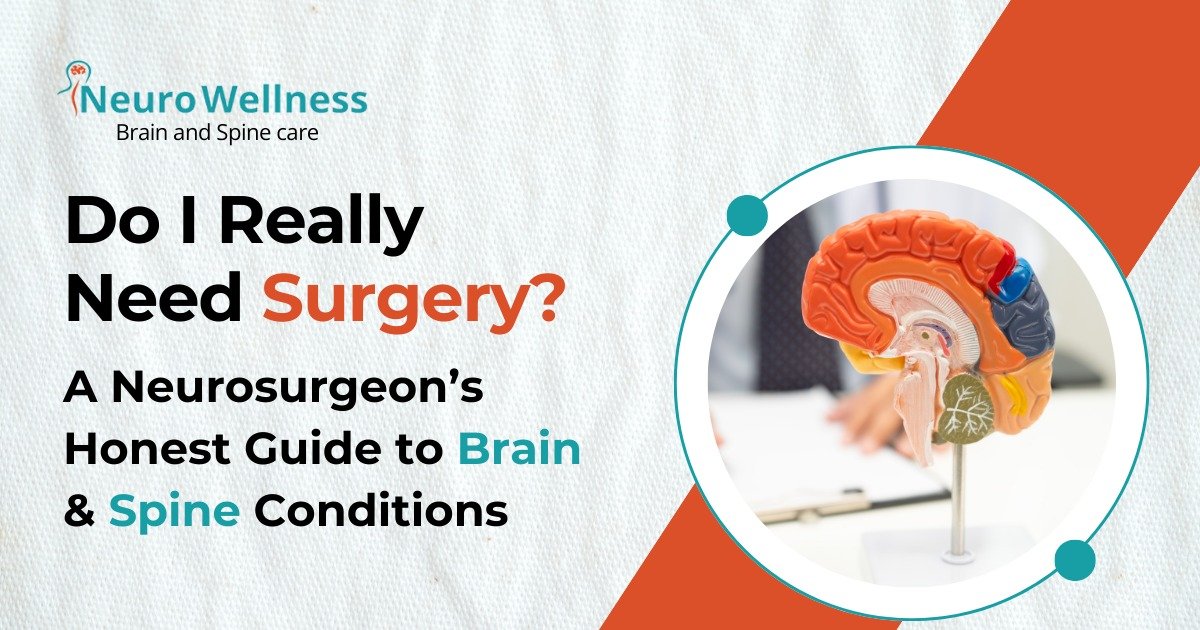
The Question Almost Every Patient Asks

Being told that surgery may be required—especially brain or spine surgery—can be frightening.
Patients often come with MRI or CT scan reports, mixed advice, and a lot of anxiety.

In neurosurgical practice, one question comes up repeatedly:

“Doctor, do I really need surgery?”

This article is written to help patients and families understand how neurosurgeons decide, when surgery is essential, when it can be avoided, and how to make a safe, informed decision without panic.

Why This Question Is So Common Today

Advanced imaging such as MRI, CT scans, and angiography has become easily accessible. While this helps detect problems early, it also creates confusion.

Scan reports often mention:

• Disc bulges or degeneration
• Brain lesions or tumors
Spinal narrowing or compression
Vascular abnormalities

Many of these findings look serious but do not automatically mean surgery is required.
The challenge is understanding which findings are dangerous and which are not.

How Neurosurgeons Decide Whether Surgery Is Needed

Neurosurgeons do not decide surgery based on scans alone.

A proper decision considers:

• Your symptoms and their severity
• Neurological examination findings
Impact on daily activities
Imaging results and symptom correlation
 Progression over time

The core question is:

Will surgery prevent permanent neurological damage or serious deterioration?

If the answer is no, surgery is often avoided.

When Surgery Is Often NOT Required

Disc Bulge or Slip Disc on MRI

Disc bulges are extremely common and often part of normal age-related changes. Many people with disc bulges have no pain at all.

Most patients improve with:

• Medications
• Physiotherapy
Posture and lifestyle correction

Surgery is usually not required unless there is:

• Progressive weakness in the arms or legs
• Severe, persistent nerve pain
Loss of bladder or bowel control
MRI findings alone do not decide surgery.

Small or Incidentally Detected Brain Lesions

Some brain lesions are:

• Benign
• Slow growing
Found accidentally during scans

In such cases, careful monitoring with periodic scans is often safer than immediate surgery.

Mild Symptoms Despite Concerning Scan Reports

A scan may appear alarming, but if neurological function is stable and symptoms are mild, observation may be the safest approach.

Surgery should never be rushed purely due to fear.

When Surgery IS Strongly Recommended

When Brain Surgery Becomes Necessary

Brain surgery is usually required when there is:

• A tumor causing pressure on the brain
• Bleeding inside the brain
Progressive weakness, speech difficulty, or vision loss
Seizures linked to structural brain problems
Hydrocephalus (fluid buildup in the brain)

When Spine Surgery Is Necessary

Spine surgery is often needed when there is:

• Progressive weakness in arms or legs
• Loss of bladder or bowel control
Severe spinal cord compression
Unstable spinal fractures
Tumors or infections affecting spinal stability

When Endovascular Treatment Is Required

Endovascular procedures are recommended when:

• Brain aneurysms have a high risk of rupture
• AVMs or fistulas have caused bleeding
Certain stroke-related blockages require urgent treatment

In these conditions, delay can cause irreversible neurological damage.

What Happens If Surgery Is Delayed?

Not all conditions worsen with time—but some do.

Possible consequences of unsafe delay include:

• Permanent weakness or paralysis
• Loss of speech or vision
Chronic neurological pain
Life-threatening complications

The important question is not “Can surgery be delayed?”
It is “Is it safe for my condition to wait?”

Is Modern Neurosurgery Safe Today?

Modern neurosurgery is far safer and more precise than in the past.

Today’s techniques include:

• Microsurgical procedures
• Endoscopic surgery
Neuro-navigation systems
Intraoperative neuromonitoring
Advanced endovascular techniques

While no surgery is completely risk-free, not operating when surgery is clearly needed often carries greater risk.

Should You Take a Second Opinion?

A second opinion is a sensible step when:

• Surgery feels rushed
• Risks and alternatives were not clearly explained
You want reassurance before making a decision

The goal of a second opinion is clarity, not delay.

Request a Second Opinion Before Surgery

Deciding on brain or spine surgery is a major life decision. Seeking a second opinion is not a sign of doubt—it is a responsible step toward understanding your options.

A second opinion is often helpful when:

• Surgery feels rushed
• Risks were not clearly explained
You want reassurance before proceeding

A proper second opinion should explain whether surgery is necessary, optional, or avoidable.

Get a second opinion from a neurosurgeon in Bengaluru

Red-Flag Symptoms That Require Immediate Attention

Seek urgent neurosurgical care if you experience:

• Sudden weakness in the arms or legs
• Difficulty speaking or understanding speech
Loss of bladder or bowel control
Severe headache with vomiting
Sudden vision loss
Seizures
Rapid worsening of neurological symptoms

Who Should Guide This Decision?

Surgical decisions require experience, judgment, and ethical responsibility.

Dr. Ganesh Veerabhadraiah

Dr. Ganesh Veerabhadraiah is a consultant neurosurgeon in Bengaluru with expertise in brain, spine, and endovascular procedures. His approach emphasizes accurate diagnosis, conservative treatment whenever safe, and surgery only when delay can cause harm.

Conclusion: Making the Right Decision About Surgery

Being advised brain or spine surgery can feel overwhelming, especially when the information is complex and emotions are high. The most important thing to remember is this:

Not every condition requires surgery—but when surgery is truly needed, delaying it can cause harm.

A responsible neurosurgical decision is never based on fear, urgency, or scan reports alone. It is based on a careful understanding of your symptoms, neurological examination, scan findings, and how your condition may progress over time.

If surgery has been advised and you feel uncertain, seeking clarity through a detailed discussion or a second opinion is both reasonable and wise. The goal is not to avoid surgery at all costs, but to ensure that any decision you make is timely, appropriate, and in your best long-term interest.

Every patient is different.
Every condition behaves differently.
And every surgical decision deserves thoughtful, individualized consideration.

The right answer is not always “yes” or “no” to surgery—it is the right treatment at the right time for the right person.

FAQs

1. Do all brain or spine problems require surgery?

No. Many conditions improve with medications, physiotherapy, or observation and do not require surgery.

2. Can scan reports alone decide surgery?

No. Surgery decisions are based on symptoms, neurological examination, and progression—not imaging alone.

3. Is it safe to delay neurosurgery?

In some cases yes, in others no. Safety depends on the specific condition and clinical findings.

4. Is modern neurosurgery safe?

Modern neurosurgery is significantly safer and more precise, though no procedure is risk-free.

5. Should I always take a second opinion before surgery?

A second opinion is helpful if you feel uncertain or want clarity before proceeding
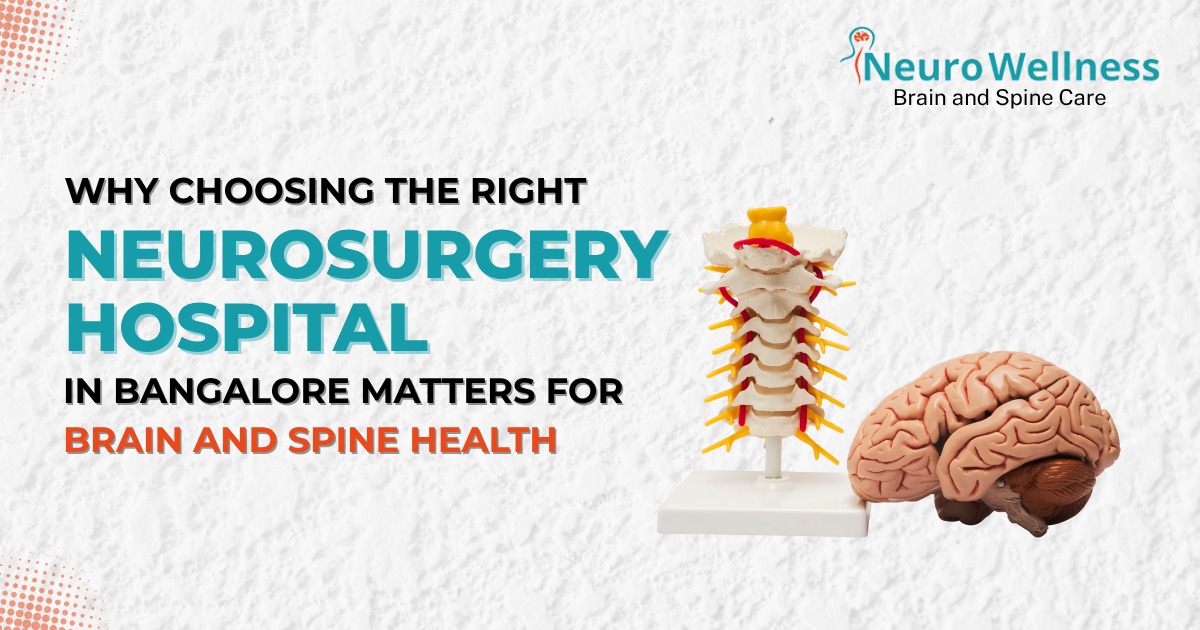
The best neurosurgery hospitals in Bangalore are evaluated on seven factors: surgeon expertise, advanced technology, patient outcomes, multidisciplinary support, post-operative care, accreditations, and patient reviews. Neurowellness Brain & Spine Health, led by Dr. Ganesh Veerabhadraiah, meets all seven criteria with over 20 years of surgical experience and a 95% post-surgery recovery rate, operating from Electronic City and Jayanagar in South Bangalore.

This guide explains what each factor means in practice, so you can evaluate any neurosurgery hospital — not just ours — before choosing where to get treated.

At Neurowellness – Brain & Spine Health, we specialize in advanced diagnosis and treatment of complex brain and spine disorders. From tumours, trauma and epilepsy to degenerative spine conditions and disc prolapse, our team delivers precise, minimally invasive neurosurgical care designed for faster recovery and long-term well-being.

Led by Dr. Ganesh Veerabhadraiah, one of Bangalore’s most trusted neurosurgeons, Neurowellness operates from Electronic City and Jayanagar, serving patients across South Bangalore and nearby areas such as Bannerghatta Road. With over two decades of surgical experience, cutting-edge technology, and evidence-based protocols, we combine clinical expertise with compassionate care.

Whether you require a routine consultation or complex brain and spine surgery, Neurowellness provides world-class treatment backed by the trust of thousands of patients and recognition from leading medical professionals.

Dr. Ganesh Veerabhadraiah, leading neurosurgeon and neurologist in Bangalore, has over 20 years of expertise in managing back pain, migraines, headaches, neuro disorders, and spine problems. His clinical excellence and patient-first approach make him one of the most trusted neuro doctors in Bangalore.

At Neurowellness Brain & Spine Clinic in Jayanagar and Kauvery Hospital Electronic City, Dr. Ganesh provides comprehensive treatments ranging from minimally invasive spine surgery to advanced neurological care. As a respected back pain specialist and migraine doctor, he continues to deliver reliable outcomes for patients.

Medically reviewed by Dr. Ganesh Veerabhadraiah — last reviewed June 2026

Neurowellness – Neurosurgery Hospital Services

Brain tumor surgery
✅ Stroke & clot management
✅ Minimally invasive spine surgery (MISS)
✅ Endovascular neurosurgery
✅ Chronic back & neck pain treatment
✅ Rehabilitation & post-surgery care

Ganesh

Dr. Ganesh Veerabhadraiah

Consultant – Neurosurgeon, Neurointerventional Surgery, Spine Surgeon (Neuro)
23+ Years Experience Overall (17+ years as Neuro Specialist)

Available for Consultation: Jayanagar 9th Block & Kauvery Hospital, Electronic City 

Understanding Neurosurgery

What is Neurosurgery?

Neurosurgery is a specialized branch of medicine that focuses on the diagnosis, surgical treatment, and rehabilitation of disorders affecting the brain, spine, and nervous system. It involves complex procedures performed by highly trained neurosurgeons using advanced surgical techniques and tools.

Examples of neurosurgical procedures include brain tumor removal, spinal cord decompression, and surgical treatment for epilepsy or trauma-related brain injuries.

This field requires a deep understanding of neurological anatomy, precision in execution, and strong clinical decision-making, ensuring patient safety and recovery. In recognized neurosurgery hospitals, these procedures are supported by multidisciplinary teams and cutting-edge technology.

Common Neurosurgery Procedures

Hospitals in Bangalore offer a wide range of neurosurgical treatments to address both emergency and long-term neurological conditions. Common procedures include:

• Brain tumor surgery – involves the removal of non-cancerous (benign) or     cancerous (malignant) growths from the brain.
• Spinal disc surgery – To relieve pressure on spinal nerves due to herniated discs.
• Craniotomy – For treating traumatic brain injuries or bleeding in the brain.
• Aneurysm clipping or coiling – To prevent stroke by repairing weak blood vessels.
• Hydrocephalus treatment – Insertion of a shunt to drain excess cerebrospinal fluid.
• Stereotactic surgery – Minimally invasive procedures using 3D imaging for accuracy.

These procedures are performed with high safety standards and are supported by pre-surgical diagnostics and post-operative care facilities.

Types of Neurosurgeries Performed in Bangalore

As a leading medical destination, Bangalore is home to many reputed hospitals that provide advanced neurosurgical care. Some of the specialized types of neurosurgeries available include:

• Minimally invasive spine surgery – Performed with smaller incisions, reducing recovery time.
• Functional neurosurgery – Used to treat movement disorders like Parkinson’s disease.
• Pediatric neurosurgery – Focused on treating neurological conditions in children.
• Neuro-oncology surgery – Targeted treatment for cancerous brain and spinal tumors.
• Endoscopic skull base surgery – A cutting-edge technique to access deep brain areas with minimal disruption.

Evaluating Neurosurgery Hospitals

How to Identify the Best Neurosurgery Hospitals in Bangalore

Choosing the right hospital for neurosurgery involves evaluating a set of critical factors that directly affect treatment outcomes and patient safety. Bangalore is home to several reputed neurosurgery hospitals, but identifying the most suitable one requires careful consideration of the following criteria:

1. Surgeon Expertise and Experience

Choose hospitals that have quqlified neurosurgeons with proven expertise in performing complex brain and spinal surgeries. Hospitals that provide detailed surgeon profiles, case histories, and subspecialty experience demonstrate transparency and medical authority.

2. Advanced Technology and Infrastructure

Top neurosurgery hospitals in Bangalore are equipped with cutting-edge tools such as intraoperative MRI, neuro navigation systems, robotic surgical instruments, and neuro-endoscopy setups. These technologies improve surgical precision, minimize risks, and accelerate recovery.

3. Patient Outcomes and Safety Records

Evaluate hospitals based on their surgical success rates, complication statistics, and patient recovery timelines. Institutions that openly publish this data often adhere to higher standards of care and accountability, reinforcing trust.

4. Multidisciplinary Support

A high-quality neurosurgery hospital offers integrated care through neurologists, radiologists, physiotherapists, and rehabilitation specialists. This collaborative approach ensures holistic patient care from diagnosis to recovery.

5. Post-Operative Care and Follow-Up

Effective recovery depends on post-surgical monitoring, pain management, and physiotherapy. Choose hospitals with dedicated neuro ICUs, follow-up protocols, and structured rehabilitation programs.

6. Accreditations and Certifications

Hospitals accredited by national and international bodies (like NABH or JCI) meet strict standards in patient safety, hygiene, and medical care. It serves as a clear sign of the hospital’s trustworthiness and reliability.

7. Patient Reviews and Testimonials

Patient experiences provide real-world insights into a hospital’s quality of care. Consistently positive reviews across platforms like Google is an indicator of satisfaction and trustworthiness.

Read more : First visit neurosurgeon bangalore

The Importance of Hospital Selection

How Hospital Selection Impacts Treatment Outcomes

Selecting the right neurosurgery hospital goes beyond convenience—it directly affects the success of surgical procedures and the quality of patient recovery. Hospitals with experienced neurosurgeons, modern equipment, and robust clinical protocols consistently achieve higher success rates and fewer post-operative complications.

A well-equipped hospital with a skilled multidisciplinary team can handle complex neurosurgical cases with greater precision, reduce intraoperative risks, and ensure faster post-surgical healing. On the other hand, inadequate facilities or lack of specialist care may lead to extended recovery time, higher chances of infection, or even surgical failure.

Therefore, choosing a hospital that adheres to high clinical standards and follows global best practices plays a crucial role in improving neurological outcomes and patient confidence.

Why Neurowellness Brain & Spine Care in Bangalore?

Choosing the right neurosurgery hospital in Bangalore can make all the difference in patient recovery and long-term neurological health. At Neurowellness – Brain & Spine Health, we are committed to delivering precision-driven, patient-centric care guided by decades of experience and advanced medical technology.

Here’s why patients trust Neurowellness:

• 20+ years of experience in performing complex brain and spine surgeries with consistently high success rates.
Advanced neuro-navigation & minimally invasive techniques that reduce risk, pain, and recovery time.
• Dual locations in Electronic City and Jayanagar, making world-class neurosurgery care accessible across South Bangalore.
 95% post-surgery recovery rate, supported by personalized rehabilitation and continuous follow-up care.

Conclusion

Choosing the right neurosurgery hospital in Bangalore is a decision that can significantly influence your treatment journey and long-term brain and spine health. A well-equipped hospital with skilled specialists, advanced technology, and patient-centered care ensures better outcomes and peace of mind.

Neurowellness offers all the critical factors patients should look for—experienced neurosurgeons, modern infrastructure, transparent care processes, and a strong focus on patient safety.

If you or a loved one is seeking trusted neurosurgical care, we encourage you to schedule a consultation with Neurowellness and take the first step toward expert, reliable treatment.

FAQs

1. What conditions do your neurosurgeons treat?

Brain tumors, spine disorders (disc prolapse, stenosis), head injury, stroke, trigeminal neuralgia, epilepsy, and pediatric neurosurgical issues.

2. Which neurosurgery techniques do you use?

We use neuro-navigation, endoscopic and minimally invasive approaches to reduce pain, blood loss, and recovery time.

3. How do I know if I need surgery or conservative care?

After clinical evaluation and imaging, our team recommends the least invasive, evidence-based option—physiotherapy/medication first whenever appropriate.

4. Where are you located in Bangalore?

We consult and operate from Electronic City and Jayanagar, serving South Bangalore and nearby areas (e.g., Bannerghatta Road).

5. How can I book a consultation with Dr. Ganesh Veerabhadraiah?

Call +91 7259669911, online consultation form to request an appointment.

6. How long does recovery take after brain or spine surgery?

Recovery time depends on the procedure: minimally invasive spine surgery typically allows return to light activity within 2–4 weeks, while brain tumor surgery recovery can take 6–12 weeks depending on tumor type and location.

7. Is minimally invasive spine surgery as effective as open surgery?

For most disc and stenosis cases, yes — minimally invasive techniques achieve comparable long-term outcomes to open surgery while reducing blood loss, scarring, and recovery time.

8. What should I bring to my first neurosurgery consultation?

Bring any prior MRI/CT scans, a list of current medications, previous doctors’ reports, and a summary of your symptoms and how long you’ve had them.

9. What accreditations should a neurosurgery hospital have?

Look for NABH or JCI accreditation, which confirms the hospital meets recognized standards for patient safety, surgical hygiene, and clinical governance.

10. Does Neurowellness treat both adults and children?

Yes. Neurowellness treats adult neurosurgical conditions and offers pediatric neurosurgery for neurological conditions in children, with care tailored to each age group.

After brain surgery, it’s common to experience fatigue, swelling, headaches, mood changes, and temporary memory issues. Recovery timelines vary based on the type of surgery and individual health. Proper rest, hydration, medication adherence, and regular follow‑ups with your neurosurgeon are essential for safe recovery.

Consult Neurowellness if symptoms worsen, new neurological signs appear, or recovery feels slower than expected.

Brain surgery changes lives — physically, emotionally, and mentally. Recovery is a gradual process that demands patience, discipline, and medical guidance. This article outlines 20 key things to expect after surgery, based on real patient journeys and neurosurgeon experience.

At Neurowellness India, our neurosurgeons emphasize that healing doesn’t stop at the operation table  it begins the moment you wake up.

Book Your Recovery Consultation:
Get post-surgery guidance from Dr. Ganesh Veerabhadraiah — Senior Neurosurgeon, Neurowellness Bangalore.

StageTimeframeCommon SymptomsCare Recommendations
ICU Phase1–3 daysDrowsiness, confusionMonitoring, hydration, rest
Early Recovery1–4 weeksFatigue, mild headachesLight activities, healthy diet
Long-Term Healing1–6 monthsMemory or mood changesRegular follow-ups, neuro-rehab
Ganesh

Dr. Ganesh Veerabhadraiah

Consultant – Neurosurgeon, Neurointerventional Surgery, Spine Surgeon (Neuro)
23+ Years Experience Overall (17+ years as Neuro Specialist)

Available for Consultation: Jayanagar 9th Block & Kauvery Hospital, Electronic City 

20 Things to Expect After Brain Surgery

 Immediate Post-Surgery Experiences

1. Initial Recovery in ICU

Immediately after your brain operation recovery, you’ll wake up in the Intensive Care Unit (ICU), closely monitored by a specialized team. During this critical period, various neurosurgical procedures such as checking brain function and responsiveness are regularly performed to ensure your safety.

2. Monitoring Vital Signs

After surgery, careful observation of your vital signs including heart rate, blood pressure, breathing, and neurological responses is essential. Continuous monitoring helps your medical team quickly identify and address any issues, optimizing your early recovery process.

3. Postoperative Pain and Management

Post-surgery discomfort is common, but your care team will proactively manage pain through carefully prescribed medication. Effective pain management not only improves your comfort but also facilitates quicker recovery and healing after your procedure.

4. Swelling and Bruising

You may experience temporary swelling or bruising around the surgical area or even your face. This is a normal postoperative reaction as your body starts the healing process, typically resolving within a few days to weeks.

5. Fatigue and Drowsiness

Feeling unusually tired or sleepy is completely natural after brain surgery. Rest is crucial during this initial period, allowing your brain the necessary energy and resources to heal effectively.

Physical and Neurological Changes

6. Temporary Neurological Symptoms

After brain surgery, you may notice temporary neurological changes, such as mild weakness, numbness, or altered sensations. These symptoms often improve over time as your brain heals and adapts.

7. Balance and Coordination Issues

Maintaining balance or coordinating movements can be challenging during the early stages of recovery.Working closely with physical therapists early in recovery can help you regain stability and confidence in daily activities.

8. Speech and Communication Challenges

Many patients may experience short-term challenges with speech or word recall during recovery. Speech therapy can significantly help restore effective communication, enabling smoother interactions during recovery.

9. Vision and Hearing Changes

Minor changes in vision or hearing sensitivity may occur temporarily. If symptoms persist or worsen, consult your neurosurgical care team promptly to ensure appropriate interventions.

10. Memory and Cognitive Effects

You may experience brief periods of confusion, memory lapses, or difficulty concentrating. Cognitive rehabilitation exercises guided by your healthcare team will gradually improve these issues over time.

 Recovery Milestones and Timelines

11. Typical Recovery Timeline

Recovery times vary widely depending on individual circumstances and the type of neurosurgical procedures performed. For minimally invasive brain surgery, many patients experience significant improvement within weeks, while extensive surgeries may require several months of recovery.

12. Rehabilitation and Physiotherapy

A well-planned rehabilitation program that may involve physical, occupational, and speech therapies plays a key role in achieving optimal recovery. These therapies accelerate healing and help you regain strength, independence, and function.

13. Follow-Up Appointments

Routine medical evaluations help assess your healing and address any emerging concerns early on. Be sure to attend all scheduled consultations, and don’t hesitate to book a brain surgery consultation promptly if you experience unexpected symptoms.

14. Returning to Daily Activities

Returning to normal activities like work, exercise, and driving should be gradual. Your neurosurgeon will provide personalized guidelines to ensure you safely and effectively transition back to daily routines.

15. Managing Medication

Proper management of prescribed medications—including painkillers, steroids, and anticonvulsants—is critical. Adhering to your medication schedule reduces risks of complications and supports a smoother recovery.

Emotional and Psychological Health

16. Emotional Challenges Post-Surgery

It’s common to feel anxiety, depression, or emotional ups and downs after brain surgery. Recognizing these feelings as normal can encourage you to seek emotional support and facilitate better coping during recovery.

17. Importance of Support Systems

Family, friends, and patient support groups play a critical role in emotional and psychological recovery. Building a strong support network ensures you receive encouragement, practical help, and emotional comfort throughout your healing process.

18. When to Seek Additional Help

If emotional or psychological struggles persist or intensify over time, it’s important to consult a mental health professional. Early intervention can significantly enhance emotional resilience and overall recovery outcomes.

Long-Term Considerations

19. Regular Neurological Check-ups

Consistent follow-up with your neurosurgeon is key for monitoring long-term brain health. Regular neurological evaluations help detect potential issues early and allow your care team to adjust your treatment plan as needed for optimal recovery.

20. Lifestyle Changes for Long-Term Health

Adopting healthy habits after brain surgery significantly supports long-term well-being. Focus on a balanced diet, regular physical activity (as advised by your care team), stress management, and sufficient sleep to aid your body and brain in continued healing.

“Recovery after brain surgery is deeply personal — no two patients heal the same way. With proper follow-up and rehabilitation, most return to a normal, independent life.”
Dr. Ganesh Veerabhadraiah, Senior Neurosurgeon, Neurowellness Bangalore

Conclusion

Recovering from brain surgery is a journey that requires patience, support, and expert guidance. Knowing what to expect at each stage empowers you to take proactive steps for a smoother recovery.

If you’re seeking expert neurosurgical care, Dr. Ganesh Veerabhadraiah, highly regarded as a brain surgery specialist in Electronic City Bengaluru, and the team at Neurowellness Bengaluru are here to support you every step of the way.

Post-Brain Surgery Recovery in Bangalore

“Recovering from brain surgery? Neurowellness Brain & Spine Clinic offers expert rehabilitation, medication guidance, and long-term care for patients.”

FAQs

1. How long does brain surgery recovery take?

Recovery varies between 3–6 months depending on the type of surgery and patient health.

2. What should patients avoid after brain surgery?

Avoid driving, heavy lifting, or screen overuse until cleared by your neurosurgeon.

3. Can I travel after brain surgery?

Yes, short trips are possible after recovery begins, but avoid air travel for the first 4–6 weeks unless your doctor approves.

4. When should I contact my doctor post-surgery?

If you notice severe headaches, speech issues, seizures, or fever, seek medical help immediately.

Ganesh

About Author

Dr. Ganesh Veerabhadraiah

Dr. Ganesh Veerabhadraiah, leading neurosurgeon and neurologist in Bangalore, has over 20 years of expertise in managing back pain, migraines, headaches, neuro disorders, and spine problems. His clinical excellence and patient-first approach make him one of the most trusted neuro doctors in Bangalore.

At Neurowellness Brain & Spine Clinic in Jayanagar and Kavery Hospital Electronic City, Dr. Ganesh provides comprehensive treatments ranging from minimally invasive spine surgery to advanced neurological care. As a respected back pain specialist and migraine doctor, he continues to deliver reliable outcomes for patients.

👉 Connect with Dr. Ganesh on LinkedIn

Pregnancy is a remarkable journey, filled with excitement, happiness, and physical changes. While the joy of expecting a child is immense, the physical discomforts that accompany pregnancy can sometimes overshadow this happiness. Among these discomforts, neck pain is a common issue that many pregnant women experience. Understanding the causes of neck pain during pregnancy and learning how to alleviate it can significantly improve your comfort and overall well-being during this special time. To know more about this information read the whole blog which is going to explain those in detail in an understandable manner.

Causes of Neck Pain during Pregnancy:

Hormonal Changes:

During Pregnancy, Your body undergoes major hormonal changes particularly hormonal release called progesterone and relaxing. These hormones help to loosen the ligaments and joints in the pelvis regions to prepare your body for childbirth. However, it also affects other joints including the neck. This increased flexibility can lead to discomfort and neck pain during pregnancy.

Postural Changes:

As the belly grows, pregnant women often experience back and neck pain. A major contributing factor to this discomfort is poor posture, such as hunching over a phone or while working at a desk.

Weight Gain: 

The natural weight gain during pregnancy, while essential for the baby’s development, also puts additional pressure on the spine. The increased weight can cause muscles, especially in the neck and back, to work harder to support the body, leading to fatigue and pain.

Sleep Discomfort: 

As pregnancy progresses, finding a comfortable sleeping position becomes more challenging. Many pregnant women find themselves sleeping in positions that strain the neck, such as lying on the back with inadequate support. Poor sleep posture can contribute to morning neck stiffness and pain.

Effective Ways to Alleviate Neck Pain:

Prenatal Exercises and stretches:

Engaging in regular gentle exercise can strengthen your neck muscles and reduce pain. some effective exercises include:

  • Slowly tilt your head towards your shoulders, holding for a few seconds on each side.
  • Gently pull your chin towards your chest, holding for a few seconds before releasing.
  • Roll your shoulders backward and forward to relieve tension.

Techniques for Stress Management:

Effective stress management throughout pregnancy can ease neck pain and ease tense muscles. Think about implementing relaxing methods like:

  • Prenatal yoga: Encourages relaxation while strengthening and extending the body.
  • Stress reduction and mental calmness are the main goals of meditation.
  • Practices including deep breathing can help release tension in the shoulders and neck.
  • It’s important to prioritize your mental health and take some time to relax during pregnancy.

Therapy with Heat and Cold:

Neck discomfort can be effectively relieved with hot and cold therapy. This is how to apply them:

  • Cold Compress: To ease discomfort and reduce inflammation, place a cold compress on the neck for 10 to 15 minutes.
  • Hot Compress: To relieve tight muscles after the acute inflammation goes down, use a warm compress or take a warm shower.

To prevent burns or frostbite, always place a towel between the compress and your skin.

Final thought:

Although many women suffer neck pain during pregnancy, it doesn’t have to be an essential part of the experience. Pregnancy can be more comfortable and healthful if you are aware of the reasons for neck pain and take steps to reduce it. Never forget how crucial it is to put self-care first and ask for help when you need it. 

Do not be afraid to seek advice and direction from your healthcare provider in neck pain treatment in Bangalore if you are experiencing neck pain during pregnancy. Being proactive in managing and preventing pain can have a big impact on how your pregnancy goes. Neck pain treatment at Bangalore hospitals, such as Neurowellness, can help alleviate your pain.

If you’re seeking the best neck pain treatment in Bangalore, contact Neurowellness for personalized care and attention.

A stroke is a medical emergency that occurs when blood supply to a part of the brain is interrupted. Without oxygen and nutrients, brain cells begin to die within minutes.

The most dangerous aspect of stroke is delay. Many patients ignore early warning signs, hoping symptoms will improve. Sometimes they do—but that temporary improvement can be misleading.

Recognizing the warning signs early can save brain function, independence, and life.

What Is a Brain Stroke?

A stroke occurs when blood flow to part of the brain is blocked (ischemic stroke) or when a blood vessel ruptures (hemorrhagic stroke).

The brain controls movement, speech, memory, and vital functions. When blood supply stops, those functions may suddenly fail.

• Stroke symptoms appear suddenly.
• Use the FAST method: Face drooping, Arm weakness, Speech difficulty, Time to act.
Even brief symptoms can signal a mini-stroke (TIA).
Immediate treatment within the “golden hour” can prevent permanent brain damage.
Call emergency care if symptoms appear.

What Are the Early Warning Signs of Brain Stroke?

Stroke symptoms usually appear suddenly.

Use the FAST Rule

F – Face drooping
One side of the face may droop or feel numb.

A – Arm weakness
Sudden weakness or numbness in one arm or leg.

S – Speech difficulty
Speech may be slurred, confused, or difficult.

T – Time to act
Immediate medical attention is critical.

If any of these signs appear, emergency care should be sought immediately.

Other Warning Signs of Stroke

Beyond FAST, additional symptoms may include:

• Sudden severe headache
• Loss of vision in one or both eyes
Double vision
Dizziness or loss of balance
Confusion
Sudden difficulty walking
Numbness on one side of the body

Stroke symptoms are typically painless but disabling.

What Is a Mini Stroke (TIA)?

A Transient Ischemic Attack (TIA), often called a mini-stroke, produces stroke-like symptoms that resolve within minutes or hours.

Even if symptoms disappear, it is not safe to ignore them.

A TIA is often a warning that a major stroke may occur in the near future.

Why Immediate Treatment Is Critical: The Golden Hour

Brain cells begin to die within minutes of oxygen deprivation.

The earlier treatment begins, the more brain tissue can be saved.

In ischemic strokes, clot-dissolving medications may be effective if administered within a limited time window.

Delays increase:

• Permanent disability
• Speech loss
Paralysis
Risk of death

Who Is at Risk for Stroke?

Certain factors increase stroke risk.

Medical Risk Factors

• High blood pressure
• Diabetes
High cholesterol
Heart disease
Previous stroke or TIA

Lifestyle Risk Factors

• Smoking
• Obesity
Sedentary lifestyle
Excess alcohol

Read more: Controlling blood pressure is one of the most effective ways to reduce stroke risk.

Can Stroke Symptoms Be Mild?

Yes. Some strokes begin with subtle symptoms such as:

• Mild numbness
• Slight speech difficulty
Brief confusion
Temporary vision loss

Even mild symptoms require evaluation.

When Should You Go to the Hospital?

Go immediately if you experience:

• Sudden weakness or numbness
• Speech changes
Vision problems
Severe headache
Sudden confusion
Loss of balance

Never wait to “see if it improves.”

How Is Stroke Diagnosed?

Diagnosis usually involves:

• Clinical examination
• CT scan or MRI of the brain
Blood tests
Vascular imaging

Rapid imaging helps determine whether the stroke is ischemic or hemorrhagic.

Can Stroke Be Prevented?

Many strokes are preventable.

Prevention strategies include:

• Controlling blood pressure
• Managing diabetes
Regular physical activity
Healthy diet
Avoiding tobacco
Managing cholesterol

Stroke Evaluation in Bengaluru

If you experience stroke warning signs or have risk factors, early evaluation is essential.

Dr. Ganesh Veerabhadraiah

Dr. Ganesh Veerabhadraiah evaluates and manages stroke-related neurological conditions with an emphasis on timely intervention and prevention.

FAQs

What are the first signs of stroke?

Face drooping, arm weakness, and speech difficulty are common early signs.

Can stroke symptoms go away on their own?

Symptoms may temporarily improve in TIA, but medical evaluation is still necessary.

How fast should I seek treatment?

Immediately. Every minute matters.

Can young people have strokes?

Yes, though risk increases with age.

Is stroke always painful?

No. Many strokes are painless.

For most women, neck pain is more frequent in the third trimester. In many cases, the pain is mild and usually goes away on its own with little effort. However, sometimes, the pain can go out of hand and require over-the-counter pain relievers. While they provide temporary relief, they do not address the underlying cause.

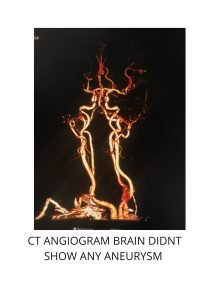
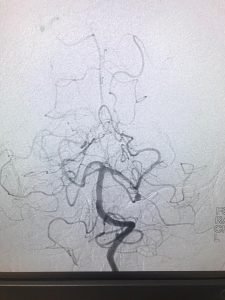
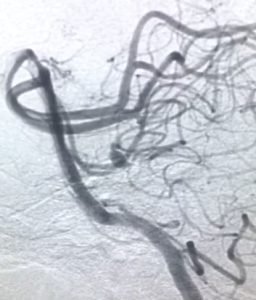
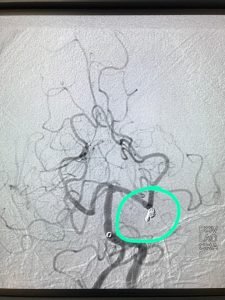
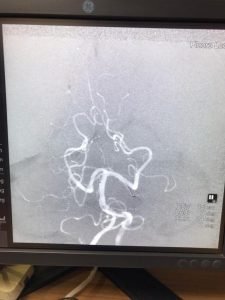
A 56-year-old male was brought to ER with sudden onset of headache, vomiting, and altered sensorium. He had no comorbidities. On arrival, his neurological examination showed – he was drowsy with GCS E3V3M5(11/15) and was moving all limbs. His CT brain done elsewhere showed diffuse subarachnoid hemorrhage with intraventricular extension. He was admitted to ICU and managed with anticonvulsants, cerebral antihypertensives(nimodipine), steroids, PPIs, angioedema measures, and other supportive measures. He was noted to have a deranged renal function, which was optimized with corrective measures as per nephrologist advice. He was investigated with a CT brain angiogram which did not reveal any aneurysm, he was planned for a DSA 4 vessel angiogram of the brain after optimization of renal functions, on which an aneurysm of the Left Superior Cerebellar Artery was noted. CT Angiogram Brain Didnt Show Any Aneurysm DSA AP VIEW

DSA AP VIEW

DSA  LATERAL VIEW

DSA  LATERAL VIEW

He underwent “ENODOVASCULAR LEFT SUPERIOR CEREBELLAR ARTERY COIL MOBILISATION WITH PARENT ARTERY OCCLUSION” under GA. COIL IN SITU ANEURYSM POST-PROCEDURE

COIL IN SITU ANEURYSM POST-PROCEDURE

DSA POST COILING SHOWING LEFT SCA OCCLUDED- microcatheter in place

DSA POST COILING SHOWING LEFT SCA OCCLUDED- microcatheter in place

After post-procedure, he gradually recovered and at discharge, he was obeying simple commands, he needed a few weeks of neurorehabilitation and is now able to perform his activities of daily living with regular follow-up.

Discussion:

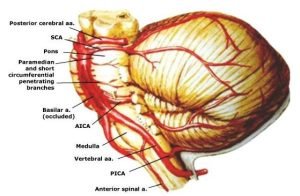
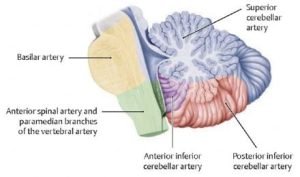
Aneurysms of the posterior circulation, including superior cerebellar artery (SCA) aneurysms, present unique technical challenges because they can only be accessed via maneuvering through deep operative corridors with limited working angles bound by critical neurovascular structures. critical neurovascular structures The posterior circulation is intimately involved with the brainstem and cranial nerves, and complications related to aneurysm treatment frequently result in clinically significant and often unfavorable consequences. The SCA supplies the main portions of the superior cerebellar hemisphere and the “roof” nuclei. superior cerebellar hemisphere The most frequent location of intracranial aneurysms occur around the Circle Of Willis with the commonest being anterior communicating artery(ACom-35%), followed by the internal carotid artery [30%-including the carotid artery itself, the posterior communicating artery(PCom), and the ophthalmic artery], the middle cerebral artery (MCA-22%), and finally, the posterior circulation sites, most commonly the basilar artery tip. These are comparatively more amenable for surgical and endovascular treatments due to the skill of operating clinicians and familiarity with the anatomy developed by the frequency of performing these operations and the possible proximal control of these arteries. SCA aneurysms are rare lesions with a reported incidence of 1-2% of all aneurysms. The majority of these aneurysms are located at the proximal aspect of the SCA, typically at the basilar junction. The aneurysm in the discussion being in the distal portion of SCA is not in this typical location making it an even rarer entity(~0.25-0.6%). They typically present with subarachnoid hemorrhage; their close association to the cranial nerves (CNs) III and IV also result in an asymptomatic mass effect on these nerves. The reported 48-hour survival rates for patients presenting with hemorrhage from ruptured SCA aneurysms be only 32%, and the 30-day survival rate by 11%. Surgical treatment of such aneurysms is technically challenging with a relatively high morbidity/mortality rate.  Given the anatomic course of the SCA, surgical approaches to this aneurysm were even more complex and there is often a limited opportunity to thoroughly dissect the neck of ruptured SCA aneurysms because of the restricted working space provided by a swollen brain after subarachnoid hemorrhage. In addition, a complete mobilization of the aneurysm, which is often required for circumspection of the neck, may not be safe as it can lead to premature rupture intraoperatively. The risk of injury to lower cranial nerves and venous sinuses, inability to obtain proximal control of arteries adds to the arduous task of safe dissection in narrow corridors even with larger craniotomy apart from the risks of blood loss and infections. Distal aneurysms of SCA are difficult to treat not only surgically but also endovascularly because the microcatheters have to pass through the blood vessels of posterior circulation viz., a vertebrobasilar system which supplies life-sustaining and life regulating structures of the brainstem with many tiny perforators arising from vertebrobasilar trunk and their major branches with added inaccessibility to distal portions of the arteries due to the age-related tortuosity, atherosclerosis, smaller caliber of the distal vessel, maneuverability of microcatheters, probability of rupture during the procedure and other factors. Also, the occlusion of the aneurysm with detachable coils often results in coil protrusion. Parent artery occlusion is therefore frequently the preferred method. With all these factors under perusal and due consideration, we could successfully place 3 detachable thrombogenic soft platinum coils in the fundus of the aneurysm. The patient recovered without much morbidity and is functional to perform his activities of daily living. Dr. Ganesh Veerabhadraiah Consultant Neurosurgeon and Endovascular Surgeon

FAQs

1. What is coil surgery for a brain aneurysm?

It is a minimally invasive procedure where tiny coils are placed inside the aneurysm to block blood flow and prevent rupture.

2. Is coil surgery safe for brain aneurysm patients?

Yes, coil surgery is safe and preferred for many patients as it avoids open brain surgery and reduces recovery time.

3. How long is recovery after coil surgery?

Most patients stay in the hospital for 2–5 days and resume light activities within a few weeks.

4. What makes this case rare?

The aneurysm was treated with coils thinner than a human hair, showcasing advanced endovascular surgical expertise.

5. Where can I get advanced brain aneurysm treatment in Bangalore?

Neurowellness Brain & Spine Clinic provides cutting-edge endovascular coil surgery for brain aneurysms.

Ganesh

About Author

Dr. Ganesh Veerabhadraiah

Dr. Ganesh Veerabhadraiah, leading neurosurgeon and neurologist in Bangalore, has over 20 years of expertise in managing back pain, migraines, headaches, neuro disorders, and spine problems. His clinical excellence and patient-first approach make him one of the most trusted neuro doctors in Bangalore.

At Neurowellness Brain & Spine Clinic in Jayanagar and Kavery Hospital Electronic City, Dr. Ganesh provides comprehensive treatments ranging from minimally invasive spine surgery to advanced neurological care. As a respected back pain specialist and migraine doctor, he continues to deliver reliable outcomes for patients.

👉 Connect with Dr. Ganesh on LinkedIn

A brain stroke, also known as a brain attack, occurs when the supply of blood to the brain is reduced or stopped. This condition is similar to a heart attack. What happens here? Due to blockage inside vessel   there will be stoppage of blood and oxygen  reaching the brain.

The most common symptoms of brain stroke are facial weakness, arm and leg weakness, speech dysfunction, blurring of vision, and imbalance while walking. What risk factors are make brain  predisposes to stroke? hypertension, diabetes, smoking, high cholesterol, obesity, ischemic heart disease, and a sedentary lifestyle.

Brain too has GOLDEN HOUR like  heart!?

Brain stroke is like a heart attack. What one will do if suddenly develops chest pain ? People will reach the hospital as early as possible , get ECG and ECHO and will take opinion of cardiologist. Am I saying correct?  Dear people – Brain attack is similar to heart attack. If warning signs are recognised soon and  person reach the hospital in GOLDEN HOUR   complications that arise from brain stroke can be prevented or minimise the disability that can arise from stroke.

Dear all Let us know -How brain stroke happens?

Let us imagine heart -The heart pumps blood into the brain through blood vessels or channels called carotid arteries, which include right and left carotids. If there is a lack of supply or blockage to one side of the brain, it causes brain stroke. During a brain stroke, 1.9 million neurons die every minute due to lack of blood supply and if not treated immediately. What that means – that means the important centres of brain can get damaged parmanently.

Based on damage happens to brain -What all of us should know is Brain stroke is classified into mini-stroke and major stroke. This  Mini stroke is also known as TIA-Transient ischemic attack- we will see usually improve within 24 hours.  On contrast what happens in major stroke is – A person affected with a major stroke will take time to get better and the weakness or neurological deficits persists for a longer duration. Which results what happens? person may  become permanently disabled.

What is this  golden hour?

When brain stroke happens – we should take the patient to the stroke care hospital or seek immediate medication, within the golden period.  3.5 hours to 7.2 hours after the person has suffered a brain stroke is golden hour. The clot-bursting medication and mechanical thrombectomy if happens within this period blood circulation re-establishes. Why is is called golden hour?

After blood circulation re establishes – brain previously affected get blood circulation and nutrition and no of  neuronal death will reduce. This is possible by stent retrievers, it is a basket like device. Procedure is called Mechnical Thrombectomy.

Mechanical thrombectomy is a new modality of interventional stroke treatment, where mechanical force is applied to remove the clot by aspiration or by approaching through a basket-like device (stent retriever).

Treatment

In recent years, comprehensive stroke treatment units are helping people who are affected by stroke and maximum recovery is recorded. A comprehensive stroke unit or team consists of an emergency physician, a neurosurgeon, a neurologist, a neuroendovascular surgeon / interventional neuroradiologist, a neuro intensivist, a neuroradiologist, a neuro anesthetist and a physiotherapist.

Before Advanced Stroke treatment in Bangalore or endovascular stroke treatment came into the picture, what we were doing ?  the conservative treatment was only the option. It used showed many cases where the patients were suffered or lost their lives. The tendency to develop permanent weakness in the hands and legs, speech dysfunction, persistent vegetative state, high morbidities like the high probability of self-dependency on wheelchair or stretcher, dependence on family for a prolonged time, development of bedsore and sepsis, and death were more common in the conservative brain stroke treatment methods. If any patient comes after the golden hour period, the right treatment cannot be started.

On seeing symptoms like facial weakness, arm or leg weakness, speech dysfunction to name a few, the patient should be rushed to the hospital immediately without any delay, since every second count.

Hence remember and create the stroke awareness

FAST

FACIAL WEAKNESS

ARM WEAKNESS

SPEECH DYSFUNCTION

TIME TO REACH STROKE CARE CENTRE.

RISK FACTORS OF STROKE

What is one  of the most crucial supporting component of your body? Yes It is  your spine. You can’t  stay upright or even stand up without it isn’t it?  It provides structure and support to your body. It enables you to move freely and bend with flexibility. Nature  is also created to protect the spinal cord. The spinal cord is a network of nerves that connects your brain to the rest of your body which allows you to regulate your movements. You can’t  move any part of your body and your organs can’t work if you don’t  have a spinal cord. This is why, if you want to live an active life, you must maintain the health of your spine correct

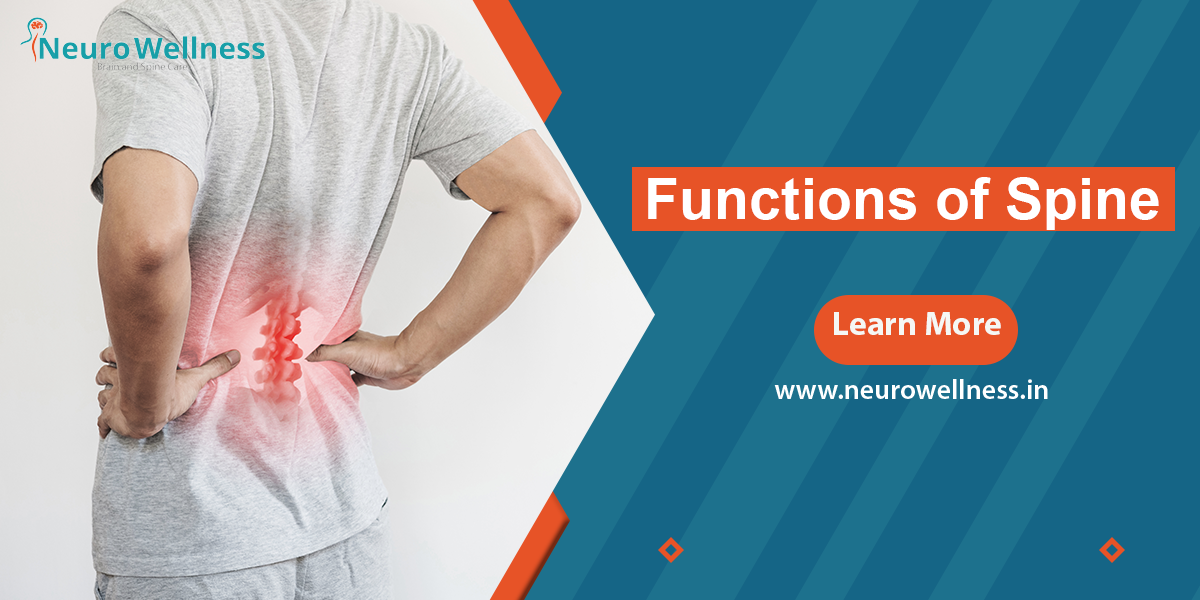
This blog covers the key functions of a spine or spinal cord.

Function of SpineWhy It MattersCommon Problems if Affected
SupportHolds body uprightPosture issues, back pain
ProtectionShields spinal cord & nervesNerve damage, paralysis risk
FlexibilityEnables bending & movementStiffness, limited mobility
Shock AbsorptionDistributes body weightDisc prolapse, spinal injuries

What is the Spine?

 Here we are going to discuss what exactly it made, its units and attachments?

The spine (also known as the backbone) is a connected column of bones that runs from the head to the lower back. The column is made up of bone parts. A vertebra is a single bone segment or unit, while vertebrae are several bone segments. Ligaments and muscles connect these vertebrae, while a disc separates the majority of them and acts as a cushion to absorb shock along the spine.

Each vertebra is numbered and classified into five regions.

• The cervical area has 7 cervical vertebrae.
• The thoracic area contains 12 thoracic vertebrae.
The lumbar area contains 5 lumbar vertebrae.
In the sacral area, there are 5 sacral vertebrae that are fused together to form one bone known as the sacrum.
In the coccygeal area, there are 3 to 5 coccygeal vertebrae that are joined as one bone and known as the coccyx (often known as the tailbone).

What does a spinal cord do?

The central nervous system of your body is composed of the brain and spinal cord. The brain serves as your body’s command centre, and the spinal cord serves as a conduit for messages conveyed from the brain to the body and from the body to the brain.

The peripheral nervous system is a network of nerve strands that branch off from the left and right sides of the spinal cord through gaps  in the spinal canal between each vertebra. What these pairs of nerves do ? These nerve pairs are distributed throughout your body and carry commands from your brain and spinal cord to and from various sections of your body.

The central nervous system and peripheral nervous system collaborate to allow your brain to regulate your body’s numerous functions, which include three critical areas:

Motor Functions – directs the voluntary muscle movements of your body.

Sensory Functions – monitors touch, pressure, temperature, and pain sensations.

Autonomic Functions – governs digestion, urination, body temperature, heart rate, and blood vessel dilation/contraction (blood pressure).

What are the Functions of spine?

Protection

The spinal column is like a guard -helmet . What it does is- protects the spinal cord and nerve roots. Any injury here can jeopardise your general health if messages are not successfully delivered to and from the brain.

Mobility and Flexibility

Our spine determines our range of motion, providing Flexion (forward bending), Extension (backward bending), Side bending (left and right), and Rotation (left and right).  It also provides a range of the aforementioned combinations, allowing us to accomplish movements . Eg. how we dance ? How we flex our body ? How we climb and climb down? Including  rolling over in bed to getting out of bed in the morning, walking through the stairs, and sprinting for the bus to prevent being late.

Support for the structure- like a pillar!

We couldn’t sit up, stand, walk, or run without our spine, which provides structural support for the head, shoulders, and chest. It also connects the upper and lower bodies, with the spinal column encasing the vital cord and nerve roots.

The spinal column not only connects the upper and lower bodies, but it also helps to balance the body and distribute weight.

Attachment base

Spine is like a connecting device -Ligaments, tendons, and muscles all connect and attach to the spinal column. Imagine If this did not exist, there would be no anchor.

Carrying brain signals

The spinal cord receives brain impulses that govern movement and autonomic activities.

Carrying information to the brain

The spinal cord and nerves  carry messages from the body to the brain, such as touch, pressure, and pain sensations. When these messages are carried to Brain only we will can feel all sensations.

Reflex responses

The spinal cord can conduct motor reflexes independently of the brain. The patellar reflex, for example, causes a person’s knee to jerk involuntarily when touched in a certain area.

Summary:

The spinal cord is a complicated network of nerve cells that control movement and feeling. It passes information from the brain to the rest of the body.

Neuro Wellness is a Bangalore Spine Specialist Clinic which provides the best care for problems related to spine and brain. If you are facing any such problem, do visit today for a healthy tomorrow!

FAQs

1. What are the main functions of the human spine?

The spine supports body structure, protects the spinal cord, allows flexibility, and absorbs shock.

2. How can I keep my spine healthy?

Maintain good posture, exercise regularly, avoid smoking, and get regular check-ups if you have back pain.

3. What happens if the spine is weak or damaged?

It may cause chronic back pain, posture issues, disc prolapse, or nerve compression.

4. Can lifestyle changes prevent spine problems?

Yes. Active lifestyle, ergonomic habits, and weight management reduce spine stress.

5. Where can I get expert spine care in Bangalore?

Neurowellness Brain & Spine Clinic provides diagnosis and advanced treatment for spine conditions.

Successful MCA Stenting for TIA in a 46-Year-Old Patient: A Case Study

A 46-year-old gentleman from North Karnataka presented with complaints of left-sided weakness and difficulty speaking for 10 days prior to his arrival at 1224, G-Floor, 26th Main, 9th block, Jayanagar, Opp to Ragiguddada Anjaneyaswamy Temple Arch, Bangalore, Karnataka 560069. On examination, he was conscious, alert, and oriented, with no noticeable motor or sensory deficits. Further investigation led to a diagnosis of a Transient Ischemic Attack (TIA), a condition often referred to as a mini-stroke. Here’s an in-depth look into his diagnosis, treatment, and recovery process.

MRI
Minimally invasive pin hole surgery

Initial Diagnosis

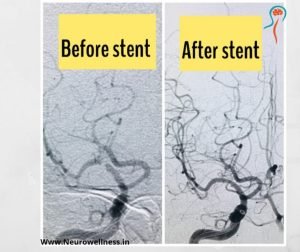
The patient underwent an MRI brain stroke protocol, which revealed watershed infarcts in the right middle cerebral artery (MCA) territory with high-grade stenosis of the MCA. To further evaluate the extent of the problem, a Digital Subtraction Angiogram (DSA) was performed, showing more than 95% focal stenosis, with significantly reduced blood flow into the distal branches of the M2 and M3 segments of the MCA.

This high-grade stenosis posed a significant risk of a major stroke, prompting the team to plan for MCA stenting after carefully explaining the benefits and risks to the patient.

What is MCA Stenting?

The Middle Cerebral Artery (MCA) is one of the major blood vessels supplying the brain. Stenting is a minimally invasive procedure that involves placing a small tube called a stent inside the narrowed artery to restore proper blood flow.

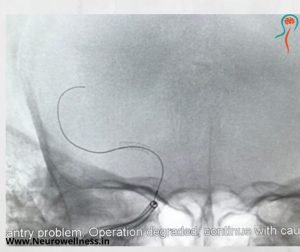
Unlike traditional brain surgery, MCA stenting doesn’t require opening the skull (craniotomy). Instead, thin wires and catheters, as small as a strand of hair, are inserted through a blood vessel in the thigh. These wires are guided all the way to the narrowed brain artery, where the stent is placed to open up the blocked area.

Procedure Overview

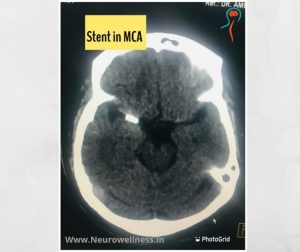
The patient was taken to the catheterization (Cath) lab for the procedure. A right femoral puncture was made to insert the guide wires and a micro-catheter. Using these tools, the team successfully reached the right MCA and placed a 2.25mm x 8mm stent in the brain vessel. The patient tolerated the procedure well, with no complications during or after the stenting.

Stenting
Brain Stroke

Post-Operative Results and Recovery

A post-operative CT scan showed no signs of bleeding or stroke. The patient experienced no complications and was able to walk the next day. He was discharged two days later, in good condition.

Stenting

Understanding Transient Ischemic Attacks (TIA)

A Transient Ischemic Attack (TIA), also called a mini-stroke, is a temporary blockage of blood flow to the brain. Unlike a major stroke, the symptoms of a TIA usually resolve within 24 hours. However, it is crucial to identify the underlying cause, as a TIA is often a warning sign of a more serious stroke.

Symptoms of TIA

ㆍWeakness in the face or limbs, typically on one side
ㆍDifficulty speaking or understanding speech
Dizziness or loss of balance
Temporary vision disturbances
Numbness or tingling sensations

CT scan

Diagnosing TIA

A variety of diagnostic tools are used to confirm a TIA and identify the cause:

ㆍDuplex scan
ㆍCT scan of the brain
MRI of the brain
MRA angiogram
Echocardiogram (ECHO)
Perfusion brain scan
DSA (Digital Subtraction Angiogram)

Importance of Early Detection and Treatment

TIAs are a critical warning sign, predicting a higher risk of a major stroke. Studies show that about 15% of people who experience a TIA will suffer a major stroke within three months. The risk increases to 30-40% within one year if left untreated. Therefore, prompt diagnosis and treatment are essential to prevent a future stroke.

CT scan

Preventive Treatments for Stroke

Several interventional procedures are available to prevent strokes in high-risk individuals, such as those who have experienced a TIA:

ㆍMCA Stenting: This is the procedure that was performed in this case to treat severe stenosis and restore blood flow to the brain.

ㆍCarotid Artery Stenting: This procedure is used to treat blockages in the carotid arteries in the neck, which supply blood to the brain.

ㆍMechanical Thrombectomy: This is an emergency treatment used to remove large blood clots during an acute stroke.

These minimally invasive procedures can dramatically reduce the risk of a major stroke, especially in patients with a history of TIA.

Conclusion

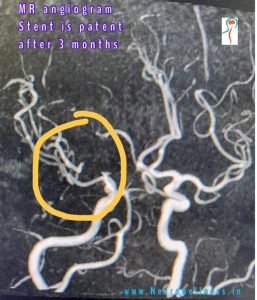
In this case, the timely diagnosis of MCA stenosis and the successful MCA stenting procedure helped prevent a major stroke for the 46-year-old patient. With the growing availability of advanced interventional treatments, it is possible to reduce the risk of life-threatening strokes in patients with conditions like TIA.

For those at risk, early medical intervention can make all the difference in ensuring a full recovery. If you experience symptoms of a mini-stroke, it’s essential to seek medical attention promptly.

This surgery was performed, Consultant Neurosurgeon specializing in brain and spine surgery.

Advanced MCA Stenting in Bangalore

“Minimally invasive pin-hole brain surgery can save lives after stroke. Consult Dr. Ganesh Veerabhadraiah at Neurowellness today.”

FAQs

1. What is MCA stenting?

MCA stenting is a minimally invasive brain procedure to open narrowed arteries and restore blood flow after a stroke.

2. Is MCA stenting safe?

Yes, when performed by skilled neurosurgeons, MCA stenting is a safe and effective way to prevent further strokes.

3. How long is recovery after MCA stenting?

Most patients recover within a few days in the hospital and can resume normal activities within weeks.

4. Who needs MCA stenting?

Patients with blocked middle cerebral arteries at high risk of stroke are recommended for MCA stenting.

5. Where can I get MCA stenting in Bangalore?

Neurowellness Brain & Spine Clinic offers advanced MCA stenting with minimally invasive techniques.

Ganesh

About Author

Dr. Ganesh Veerabhadraiah

Dr. Ganesh Veerabhadraiah, leading neurosurgeon and neurologist in Bangalore, has over 20 years of expertise in managing back pain, migraines, headaches, neuro disorders, and spine problems. His clinical excellence and patient-first approach make him one of the most trusted neuro doctors in Bangalore.

At Neurowellness Brain & Spine Clinic in Jayanagar and Kavery Hospital Electronic City, Dr. Ganesh provides comprehensive treatments ranging from minimally invasive spine surgery to advanced neurological care. As a respected back pain specialist and migraine doctor, he continues to deliver reliable outcomes for patients.

👉 Connect with Dr. Ganesh on LinkedIn

Spinal stenosis is narrowing of spinal  space and or  compression  your spinal cord and nerve roots as they depart each vertebra. Changes in your spine as you get old is a common cause.  Symptoms are –back pain and/or neck pain, as well as numbness, tingling and weakness in the arms and legs.

What is spinal stenosis?

The narrowing of one or more areas within your spine is known as spinal stenosis. The amount of space available for your spinal cord and nerves that branch off your spinal cord is reduced . The spinal cord or nerves might become inflamed or pinched as a result of a narrowed space, resulting in back discomfort and causing claudication pain called neurogenic claudication.

Spinal stenosis normally takes a long time to develop, especially after 50 years . Osteoarthritis, or “wear and tear” changes in the spine that develop naturally as you age, are the most common causes. As a result, if some alterations are seen on X-rays or other imaging tests conducted for another cause, you may not have any symptoms for a long period.

Where does spinal stenosis affect?

Spinal stenosis can affect any part of the spine, however it usually affects two areas:

  • Lower back (lumbar canal stenosis)
  • Neck (cervical spinal stenosis)

Who gets affected by spinal stenosis?

Spinal stenosis can affect anyone, but it is most frequent among men and women over 50 years of age. Spinal stenosis can also affect younger persons who were born with a narrow spinal canal. Spinal stenosis can be caused by a variety of disorders that affect the spine, such as scoliosis or a spinal injury.

Causes of spinal stenosis:

There are numerous reasons for spinal stenosis. What they all have in common is that they alter the shape of your spine, narrowing the area around your spinal cord and nerve roots that escape through it. Compression or pinching of the spinal cord or nerve roots causes symptoms such as low back pain and sciatica.

The causes are:

  • Bulging disks/ herniated disk: a flat, circular cushioning pad (vertebral disc) sits between each vertebra and works as a stress absorber along the spine. The gel-like centre of these discs breaks through a weak or torn outer layer due to age-related drying out and flattening of vertebral discs, as well as breaking in the outside border of the discs. The nerves near the disc are then compressed by the bulging disc.

Spinal stenosis is commonly caused by herniated discs and bone spurs causing narrowing of spinal and Neurol foramina.

  • Thickened ligaments: ligaments, the fibre bands that keep the spine together, have thickened. Ligaments can enlarge and bulge into the spinal canal space as a result of arthritis (and can cause lateral recess syndrome)
  • So many times both disc prolapse and ligaments and facets enlarge may cause spinal stenosis.
  • inflammation from damage along the spine, can narrow the canal space or exert pressure on the nerves
  • Bone overgrowth/ arthritic spurs: osteoarthritis is a “wear and tear” condition that causes cartilage to break down in your joints, including spine. The protective coating of joints is cartilage. The bones begin to rub against one another when cartilage goes down. Your body reacts by producing new bone tissue. Bone spurs or bone overgrowth are a common occurrence.

Bone spurs on vertebrae protrude into the spinal canal, limiting the space and squeezing nerves.

Ganesh

Dr. Ganesh Veerabhadraiah

Consultant – Neurosurgeon, Neurointerventional Surgery, Spine Surgeon (Neuro)
23+ Years Experience Overall (17+ years as Neuro Specialist)

Available for Consultation: Jayanagar 9th Block & Kauvery Hospital, Electronic City 

Symptoms of spinal stenosis

1. Lower back (lumbar) spinal stenosis:

  • Lower back pain is a common ailment. Pain can range from a subtle aching or discomfort to an electric or searing sensation. It’s normal for pain to come and go.
  • Sciatica: this pain is what starts in your buttocks and spreads down your leg, possibly into your foot.
  • Leg cramps in one or both legs due to heavy feeling in the legs , after walking for sometime in the beginning, later stages even few steps also pain in legs ( neurogenic claudication)
  • Numbness or tingling in the buttocks, leg or foot (sometimes known as “pins or needles”)

2. Neck (cervical) spinal stenosis:

  • Neck ache
  • Arm, hand, leg or foot numbness or tingling. (symptoms can occur anywhere below the nerve compression point)
  • Arm, hand, leg or foot weakness or clumsiness.
  • Problems with body balance.
  • Loss of hand functioning, such as difficulty in writing or buttoning clothes.
  • Bladder or bowel control problems (in severe cases)

3. Abdomen (thoracic) spinal stenosis:

  • At or below the level of the abdomen, there is pain, numbness, tingling or weakness.
  • Problems with equilibrium.

Diagnosis 

Neuro imaging – MRI  to see the disc hernation and degree of canal stenosis

X Rays  to see the slip vertebrae, spondylolysis

Conculsion

Our expert Neuro team at NeuroWellness a neuro hospital in Bangalore provides consultation and treatment to all neuro problems.

FAQs

1. What is spinal stenosis?

Spinal stenosis refers to the narrowing of spaces in the spine, which puts pressure on the spinal cord and nerves. It commonly affects the neck or lower back.

2. What causes spinal stenosis?

Spinal stenosis is often caused by age-related changes like herniated discs, thickened ligaments, bone spurs (from osteoarthritis), or spinal injuries.

3. What are the symptoms of spinal stenosis?

Symptoms include lower back or neck pain, numbness, tingling, weakness in the limbs, sciatica, and leg cramps. In severe cases, balance issues and bladder/bowel problems may occur.

4. Where in the spine does spinal stenosis occur?

Spinal stenosis commonly affects the lower back (lumbar region) and neck (cervical region), but can also impact the thoracic spine (mid-back) in rare cases.

5. How is spinal stenosis diagnosed?

Spinal stenosis is diagnosed using MRI scans to visualize disc herniation and nerve compression, and X-rays to assess structural issues like slipped vertebrae.

When facing neurological issues such as back pain, neck pain, brain tumors, or migraines, seeking expert care from a top neurosurgeon in Bangalore is critical. With so many specialists to choose from, narrowing down your options can feel overwhelming.

This guide is designed to help you identify the best neurosurgeon or spine specialist, ensuring you or your loved ones receive world-class care.

If your major concerns looking for a Best Neurosurgeon in Bangalore!

You head over to Google searching for Best Neurosurgeon near me but you ended up getting a huge list of Neuro Practitioners – finding a Best Neurosurgeon in Bangalore looks a daunting task.

Why Choosing the Right Neurosurgeon Matters

Neurological conditions often demand specialized care and advanced expertise. A skilled neurosurgeon undergoes extensive training to diagnose and treat disorders affecting the brain, spine, and nervous system. 

Selecting a proficient professional can significantly influence treatment outcomes, especially in complex cases.

Neuro Specialist

7 Key Tips for Selecting the Best Neurosurgeon in Bangalore

  1. 1. Check the Hospital’s Reputation

    Begin by researching the hospitals associated with the neurosurgeon. Leading hospitals, often referred to as spine and brain clinics, typically feature state-of-the-art facilities, advanced diagnostic tools like digital spine analysis, and multidisciplinary teams that provide comprehensive care.

    2. Verify the Surgeon’s Credentials

    Ensure the neurosurgeon holds relevant certifications and has affiliations with reputed medical boards. Qualifications from esteemed institutions and memberships in recognized professional organizations are strong indicators of credibility.

    3. Evaluate Their Experience

    Experience plays a pivotal role in neurosurgery. Surgeons with extensive experience in performing intricate procedures, such as keyhole spine surgery or minimally invasive brain surgeries, are better equipped to handle complex cases. Their association with prominent clinics adds to their reliability.

    4. Consider Minimally Invasive Options

    Many top neurosurgeons now specialize in minimally invasive procedures, such as endoscopic spine surgery, which offer reduced recovery times and less discomfort. Discuss with your doctor whether these innovative options are suitable for your condition.

    5. Read Patient Reviews

    Online reviews and testimonials from former patients provide valuable insights into a neurosurgeon’s expertise, communication skills, and success rates. Reviews can also highlight aspects like clinic ambiance and staff professionalism.

    6. Consult for a Second Opinion

    It’s always wise to seek a second opinion if you have any doubts. Consulting another specialist helps validate treatment recommendations and ensures you’ve explored all viable options.

    7. Explore Online Consultations

    If scheduling or mobility is a challenge, consider online video consultations. They allow you to assess the neurosurgeon’s approach and gain initial insights into your condition before committing to in-person treatment.

Visit the website

Advanced Treatments Offered by Spine and Brain Clinics In Bangalore

Top neurosurgeons in Bangalore operate in world-class brain and spine clinics equipped with cutting-edge technology, such as MRI, CT scans, and neuro-navigation systems. They specialize in treating conditions like:

  • Herniated discs

  • Spinal deformities

  • Brain tumors

  • Spinal stenosis

  • Degenerative disorders

Innovative procedures like keyhole spine surgery and endoscopic spine surgery are gaining popularity for their precision and faster recovery times. Endoscopic spine surgery costs vary depending on the complexity of the condition but are often more affordable in Bangalore compared to global standards.


Ask for referral


Confirm the Credentials

4. Consider the Experience

In medical profession, experience sets stand out a professional from rest so it’s very much important to consider the total experience and the organization he/she associated with and rendered the services. Remember, the experience of the doctor has a direct bearing on treatment outcome.

Consider the Experience


5. Ask a doctor for 2nd opinion

No matter what best doctor you are getting consultation from it is always, in case of any doubt it is advised that you can go for a doctor for 2nd opinion. It would be helpful to compare and contrast doctor’s treatment recommendations to see if suggestions from one are supported by others or what are the differences.


Ask a doctor for 2nd opinion

6. Check their Reviews

The quick thing you can do is to check their reviews or feedback – Patients who have actually seen and gone through consultation procedure can tell you more about it. Reviews/feedback is a good and efficient way to find out about the clinic or the doctors and even about their staffs.


Check their Reviews

7. Ask for Online Video Consultation

Asking for online video consultation let you meet, talk, see and analyze the overall understanding and thought process about the Neuro related issues including surgery if it advised. It also help you understand the doctor-to-patient communication. If you meet in person that would also be a perfect option provided you have sufficient time.

Ask for Online Video Consultation

If you are looking for Bangalore best neurologist then NeuroWellness provide high quality brain and spine care at affordable cost in comparison with the other medical treatment options world wide. Our expert Neuro team at NeuroWellness in Bengaluru provides consultation and treatment to all neuro problems.

Why NeuroWellness Stands Out

If you’re searching for comprehensive and affordable neuro care, NeuroWellness in Bengaluru is a trusted choice. With a highly experienced team, state-of-the-art facilities, and a patient-centric approach, NeuroWellness specializes in:

  • Minimally invasive treatments

  • Digital spine analysis

  • Advanced diagnostic and therapeutic techniques

Conclusion

Finding the best neurosurgeon in Bangalore requires careful research and consideration. By evaluating factors such as hospital reputation, surgeon credentials, experience, and patient reviews, you can ensure quality care tailored to your needs. Whether it’s advanced keyhole spine surgery or comprehensive brain and spine care, Bangalore offers world-class medical expertise to help you regain your health and quality of life.

Please visit

NeuroWellness
Brain and Spine Clinic
#1224, Ground-Floor, 26th Main, Jayanagar 9th Block
BANGALORE – 560069

Phone No
+9172596 69911
+9173490 17701

Website www.neurowellness.in

Facebook www.facebook.com/neurowellness.in/

Disclaimer: This information is not meant to be a substitute for professional medical advice. The reader is advised to always seek the advice of a physician prior to changing any treatment or to receive answers to questions regarding a specific medical condition.

FAQs

1. What is the cost of spine surgery in Bangalore?

The cost varies depending on the complexity of the procedure and the hospital. Minimally invasive surgeries tend to be more affordable due to shorter recovery times.

2. How do I know if a neurosurgeon is qualified?

Check for board certifications, experience, and affiliations with reputed hospitals or medical institutions.

3. Can I consult a neurologist instead of a neurosurgeon?

Neurologists manage non-surgical treatments, while neurosurgeons specialize in surgical interventions. Consult a neurologist first, who may refer you to a neurosurgeon if necessary.

4. How long does it take to recover from spine surgery?

Recovery time varies, typically ranging from 3-6 weeks for minimally invasive procedures. Follow your doctor’s advice for faster healing.

Common neuroimaging done in Spine are

1. Spine X Ray
2. MRI Scan
3. CT Spine
4. Dynamic X Ray

Spine X Ray

1. Spine X Ray

X ray focus on different parts of the spine. It can be cervical, dorsal & lumbar, sacral, It shows bony anatomy of the spine. It shows the disc space in between the vertebra.

In bony densities of vertebra can also be seen – bony density will be decreased in osteopenia, osteoporosis, aging etc.
X ray also shows if any fracture, parts defect, sliping of the vertebra & nerve foramina.

X-ray will not give information about disc degeneration, how much disc compressing the spinal cord, dural sac or nerve root & others of tissue pathology.

MRI Scan

2. MRI Scan

It is a non invasive imaging and routinely done. MRI shows soft tissue anatomy, vertebrae alignment of the spine disc & muscles. It can detect disc bulge, disc proplase, migration relation of disc relation to nerve roots. Facet joint pathology several of nerve root / nerve root compression. Contrast images of MRI nicely shown nerve tumors like schwannoma, neurofibroma, meningioma, spreading of pus, edema of nerve root & spinal cord.

CT Spine

3. CT Spine

It shows the exact / accurate bony architecture of the spine. It is less economical & fast than MRI. It can show fracture, slipping of vertebra, muscle of ligamental injury, spinal canal & any calcification in soft tissue.

Dynamic X Ray

4. Dynamic X Ray

It is usually taken in the lateral view / sagittal view in a completely flexed spine & completely extended spine. The motion of one vertebra & over of another vertebra is seen. In any neural foraminal stenosis can be seen. It will give information regarding grading of slipping/listheis of slip vertebra.

TestWhat It ShowsWhen Recommended
X-RayBone structure, fracturesSuspected injury or deformity
CT ScanCross-sectional bone & tissue detailComplex fractures, tumors
MRISoft tissue, discs, spinal cordDisc prolapse, nerve compression
MyelogramSpinal canal detail with dyeWhen MRI/CT is not conclusive

Neurowellness in Bengaluru provides consultation and treatment to all spine related problems by the best Spine Surgeons in Bangalore and also provides treatment for other neuro problems by the Best Neurosurgeon in Bangalore.

Spine Imaging & Diagnosis in Bangalore

“Need an MRI or CT scan for spine pain? Neurowellness Brain & Spine Clinic helps you with accurate diagnosis, expert interpretation, and personalized treatment plans.”

Ganesh

Dr. Ganesh Veerabhadraiah

Consultant – Neurosurgeon, Neurointerventional Surgery, Spine Surgeon (Neuro)
23+ Years Experience Overall (17+ years as Neuro Specialist)

Available for Consultation: Jayanagar 9th Block & Kauvery Hospital, Electronic City 

FAQs

1. What is the most common imaging test for spine problems?

MRI is most commonly used as it shows detailed images of discs, nerves, and spinal cord.

2. How is an MRI different from a CT scan for the spine?

MRI is better for soft tissue and nerves, while CT shows bones and fractures in more detail.

3. Are spine imaging tests painful?

No. They are non-invasive and painless, though MRI requires lying still in a scanner.

4. When should I get spine imaging done?

If you have severe back pain, numbness, or suspected spinal injury, your doctor may recommend it.

5. Where can I get spine MRI & CT scans in Bangalore?

Neurowellness Brain & Spine Clinic guides patients to trusted diagnostic centers and provides expert interpretation.

Ganesh

About Author

Dr. Ganesh Veerabhadraiah

Dr. Ganesh Veerabhadraiah, leading neurosurgeon and neurologist in Bangalore, has over 20 years of expertise in managing back pain, migraines, headaches, neuro disorders, and spine problems. His clinical excellence and patient-first approach make him one of the most trusted neuro doctors in Bangalore.

At Neurowellness Brain & Spine Clinic in Jayanagar and Kavery Hospital Electronic City, Dr. Ganesh provides comprehensive treatments ranging from minimally invasive spine surgery to advanced neurological care. As a respected back pain specialist and migraine doctor, he continues to deliver reliable outcomes for patients.

👉 Connect with Dr. Ganesh on LinkedIn