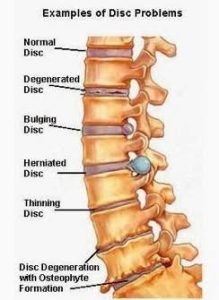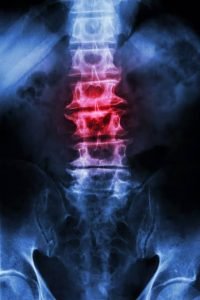
Have you ever felt a sharp twinge in your back while bending, or experienced numbness radiating down your legs after sitting too long? These symptoms, though often brushed aside, could be early signs of spine disorders, a group of conditions that affect the structure and function of your spinal column.

Spine disorders are increasingly common, especially among adults with sedentary lifestyles, poor posture, or past injuries. Globally, they account for a large portion of chronic pain cases, limiting mobility and impacting quality of life. 

From herniated discs to degenerative spinal issues, these conditions can manifest in subtle ways before becoming severe.

This blog will help you understand the causes, symptoms, and available treatment options for various spine disorders. 

Whether you’re experiencing discomfort or just want to stay informed, our expert-backed guide will point you toward the right care—including when to consult a Spine Doctor in Electronic City or a trusted spine specialist in Bangalore.

What Are Spine Disorders?

Spine disorders refer to a range of conditions that affect the bones (vertebrae), discs, nerves, and muscles of the spinal column. These disorders can lead to pain, restricted movement, or nerve-related symptoms depending on the area and severity of the issue.

The human spine is composed of 33 vertebrae stacked vertically, serving to support body posture and movement while shielding the spinal cord from injury. Learn more about spine anatomy here. When this delicate structure is disrupted—whether through age-related wear and tear, injury, poor posture, or inherited conditions—it can lead to discomfort and even long-term disability.

Common causes of spine disorders include aging, sedentary lifestyles, spinal injuries, and genetic factors. These conditions may develop gradually or appear suddenly after physical strain or trauma. Understanding what causes them is the first step toward effective prevention and treatment.

Types of Common Spine Disorders

Spine disorders differ greatly in terms of their symptoms, underlying causes, and how severe they can become.
Below are some of the most commonly diagnosed conditions, each with its own set of signs and recommended approaches for care.

Herniated Disc (Also Known as Slipped Disc)

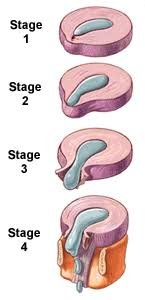
●  When the inner portion of a spinal disc protrudes through a weakened section of its outer shell, it results in a herniated disc.

● It often causes back pain, numbness, or tingling, especially if the disc presses against nearby nerves.

● Common causes include lifting heavy objects improperly, sudden twisting movements, or wear-and-tear over time.

● If pain radiates down your arms or legs, or you experience muscle weakness, it’s time to consult a spine specialist.

 Spinal Stenosis

● Spinal stenosis refers to the tightening of spaces in the spine, which can put pressure on the nerves passing through them..

● Typical symptoms include leg cramps, numbness, or stiffness in the lower back, especially while walking or standing.

● It is more common in older adults and is often caused by arthritis or disc degeneration.

● Starting physical therapy soon after diagnosis can relieve discomfort and help slow the progression of the condition.

Degenerative Disc Disease

● This age-related condition develops as the intervertebral discs gradually lose their moisture and flexibility.

● It may cause chronic lower back pain, restricted movement, or episodes of sharp pain.

● Though it sounds severe, degenerative disc disease is a natural part of aging and can often be managed through lifestyle changes, physical therapy, and minimally invasive treatments.

● Severe cases may require consultation with a spine doctor in Electronic City for evaluation.

 Scoliosis & Kyphosis

● These conditions involve abnormal spinal curves—scoliosis leads to a sideways bend, whereas kyphosis causes the upper back to round forward.

● Both can be seen in children or adults and may present as uneven shoulders, back pain, or visible spinal deformity.

In mild cases, regular monitoring is enough; severe cases may require bracing or surgical correction from a neurosurgeon in Bangalore.

Early detection is key to preventing long-term complications.

Treatment Options for Spine Disorders

  1. Conservative Treatments
    • Most spine issues can be managed with non-surgical methods like:
      • Physical therapy
      • Posture correction
      • Lifestyle and activity modifications
  2. Use of Braces or Support Devices
    • In select cases, doctors may recommend:
      • Back or neck braces
      • Support devices to reduce spinal strain
      • These aids help stabilize the spine and accelerate healing
  3. Advanced Non-Surgical Procedures
    • When initial treatments don’t offer enough relief, the next step may include:
      • Epidural steroid injections to reduce inflammation
      • Minimally invasive procedures to relieve nerve compression
      • These methods restore mobility with minimal recovery time
  4. Surgical Treatment
    • Surgery is usually the last resort, only considered when:
      • There is significant nerve compression
      • The spine becomes unstable
      • Spinal deformities cause persistent pain or disability

If you’re facing ongoing symptoms despite treatment, it’s essential to consult a specialist. For expert care, we recommend booking a consultation with a trusted neurosurgeon in Bangalore—like Dr. Ganesh Veerabhadraiah is recognized for his specialization in advanced spine surgery techniques.

Book a consult with Consult Dr. Ganesh Veerabhadraiah to begin your journey toward lasting spinal wellness.

Spine Care Tips to Prevent Future Issues

Taking simple steps every day can go a long way in protecting your spine and avoiding chronic issues down the line.

  • Start by practicing proper posture—whether you’re sitting at a desk or lifting objects at home. 

  • Regular posture correction helps reduce strain on your spine and supports long-term alignment.

  • Incorporating gentle exercises like stretching, walking, or yoga can also strengthen the muscles that support your back.

  • Aim for consistency over intensity, and don’t ignore stiffness or pain—these can be early warning signs. If needed, seek an orthopedic consultation to tailor a routine that suits your spine condition.

  • Quality sleep is just as important. Choose a supportive mattress and try to sleep on your side with a pillow between your knees to maintain spinal alignment.

    For more personalized spine care tips, especially if you travel often, check out our guide on Tips to Travel with Spine Problems.

Conclusion

Spine disorders, if left unaddressed, can lead to chronic pain, reduced mobility, and a decline in overall quality of life. Recognizing symptoms early and seeking timely care can make a significant difference in treatment outcomes.

If you’re experiencing back pain, stiffness, or nerve-related discomfort, it’s important to consult an experienced specialist. Our team is led by a trusted spine doctor in Electronic City, offering personalized care backed by years of expertise in diagnosing and treating complex spinal conditions.

Facing symptoms? Book an expert consultation  with a spine specialist today and take control of your spinal health before it progresses.

FAQs:

1. What are the initial signs that may indicate a spine disorder?

Initial symptoms of spine disorders often involve ongoing neck or back pain, limb numbness or tingling, muscle stiffness, or general weakness. If symptoms worsen or affect daily life, it’s best to seek medical advice.

2. Can spine disorders be treated without surgery?

Yes, many spine disorders can be managed through non-surgical treatments such as physical therapy, posture correction, and medication. Surgical intervention is typically recommended only when non-invasive treatments do not bring sufficient relief.

3. When should I see a spine doctor in Electronic City?

If you’re experiencing continuous back pain, discomfort while walking, or symptoms like numbness and tingling, consult a spine doctor in Electronic City to get a proper diagnosis and treatment plan.

4. What is the difference between an orthopedic doctor and a neurosurgeon for spine care?

Orthopedic doctors handle bone and joint conditions, while neurosurgeons in Bangalore are trained to treat spinal cord and nerve-related issues. The most suitable option depends on the specific nature of your condition.

A cerebral aneurysm—often called a brain aneurysm—is a potentially life-threatening condition where a weak spot in a brain artery wall bulges outward.
If it ruptures, it can lead to internal bleeding, stroke, or even death.

At Neurowellness Brain & Spine Clinic, Bangalore, our neurosurgeons use advanced 3D imaging, micro-neurosurgical clipping, and endovascular coiling to diagnose and treat cerebral aneurysms with precision and safety.

“Brain aneurysms can be silent for years. But once they rupture, every minute counts. Early detection saves both life and brain function.”
Dr. Ganesh Veerabhadraiah, Senior Neurosurgeon, Neurowellness Bangalore

What Is a Cerebral Aneurysm?

A cerebral aneurysm occurs when the wall of a blood vessel in the brain weakens and balloons outward like a bubble.
Over time, the pressure of blood flow can cause that bulge to rupture, resulting in bleeding into or around the brain (subarachnoid hemorrhage).

Type of AneurysmLocation / ShapeRisk LevelTreatment Approach
Saccular (berry)Most common, small sac at artery branchHigh rupture riskClipping / Coiling
FusiformBulges along vessel wallModerateObservation / Stent
MycoticCaused by infectionVariableAntibiotics + Surgery
DissectingTear within artery wallHighEmergency surgery

Early Symptoms

Before rupture, most aneurysms are asymptomatic, but when they enlarge, they may press on nearby brain tissue or nerves.

Warning Signs:

1. Persistent or severe headaches (“the worst headache of my life”)
2. Vision changes — double vision, drooping eyelid, or loss of sight
3. Pain above or behind the eye
4. Facial numbness or weakness
5. Neck pain or stiffness
6. Dilated pupils or difficulty focusing

Symptoms of Ruptured Aneurysm (Medical Emergency)

ㆍSudden, severe headache
ㆍNausea and vomiting
Loss of consciousness or seizures
Stiff neck and light sensitivity
Sudden confusion or weakness on one side

🩸 If any of these symptoms appear, seek emergency neurosurgical care immediately.

Common Causes & Risk Factors

Several lifestyle and medical factors increase the likelihood of developing a cerebral aneurysm:

ㆍUncontrolled hypertension (high BP)
ㆍSmoking or chronic alcohol consumption
Family history of aneurysm or connective tissue disorders
Head injury or infection
Atherosclerosis (vessel wall degeneration)
Age over 40 and female gender

According to the World Stroke Organization (2024), around 1 in 50 adults globally have an unruptured aneurysm—most unaware until diagnosed through scans.

Diagnosis: How Doctors Detect Cerebral Aneurysms

Early and accurate diagnosis can prevent rupture.
At Neurowellness Bangalore, we rely on multi-modality imaging and neurological evaluation.

Diagnostic Steps:

1️⃣ CT Scan / CT Angiography (CTA): Identifies bleeding or aneurysm size.
2️⃣ MRI / MRA Brain: Detects small, unruptured aneurysms.
3️⃣ Digital Subtraction Angiography (DSA): Gold-standard test showing exact shape and location.
4️⃣ Neurological Assessment: Checks reflexes, vision, speech, and balance.

Treatment Options for Cerebral Aneurysm

The choice of treatment depends on size, location, rupture status, and patient’s age.

1. Medication & Monitoring

Small, stable aneurysms may only require:

ㆍBlood pressure control
ㆍSmoking cessation
Regular imaging follow-up (every 6–12 months)

2. Endovascular Coiling

A minimally invasive approach where coils are inserted through an artery in the groin or wrist and placed inside the aneurysm to seal it.

Benefits:
✅ No open surgery
✅ Shorter hospital stay (1–2 days)
✅ Suitable for multiple or deep-seated aneurysms

3. Microsurgical Clipping

A micro-neurosurgical procedure where a small clip is placed at the aneurysm’s neck to stop blood flow into it—permanent and highly effective.

Advantages:
✅ Low recurrence rate
✅ Suitable for accessible aneurysms
✅ Prevents future ruptures

“Clipping remains the gold standard for many aneurysms. It gives long-term security when performed with modern microscopes and neuronavigation.”
Dr. Ganesh Veerabhadraiah

4.Rehabilitation After Treatment

Post-surgery recovery includes:

ㆍNeurological monitoring for 24–48 hours
ㆍBlood pressure management
Physiotherapy and speech therapy (if deficits present)
Follow-up scans every 6 months

Recovery & Lifestyle Management

Recovery time varies with the severity and treatment type.
Most patients resume light work in 3–4 weeks after endovascular procedures and 6–8 weeks after surgical clipping.

Lifestyle Tips:

✅ Maintain BP < 130/80 mm Hg
✅ Eat low-salt, high-fiber diet
✅ Avoid smoking and heavy alcohol
✅ Manage stress with breathing or yoga
✅ Continue prescribed medications regularly

Prevention & Long-Term Care

Although not all aneurysms can be prevented, risk can be reduced through healthy choices:

ㆍControl blood pressure and cholesterol
ㆍQuit smoking — lowers rupture risk by 40 %
Regular check-ups if you have family history
Exercise at least 30 min a day
Avoid heavy straining and stress

Early screening in high-risk individuals can detect aneurysms before they rupture, saving lives and reducing complications.

Conculsion

Expert Cerebral Aneurysm Treatment in Bangalore

At Neurowellness Brain & Spine Clinic, our neurosurgeon specialize in microsurgical clipping and endovascular coiling using advanced neuronavigation systems.

FAQs

1. What is the difference between clipping and coiling?

Clipping is an open surgery placing a metal clip at the aneurysm’s neck, while coiling is minimally invasive—coils are inserted through a catheter to block blood flow.

2. How long does aneurysm surgery take?

Usually 3–6 hours, depending on the aneurysm’s complexity and approach.

3. Can an unruptured aneurysm heal on its own?

Small ones can remain stable for years with blood pressure control and regular imaging, but they don’t “heal” without intervention.

4. What are the long-term risks after treatment?

Low risk of recurrence, managed with annual MRI/CTA scans and lifestyle control

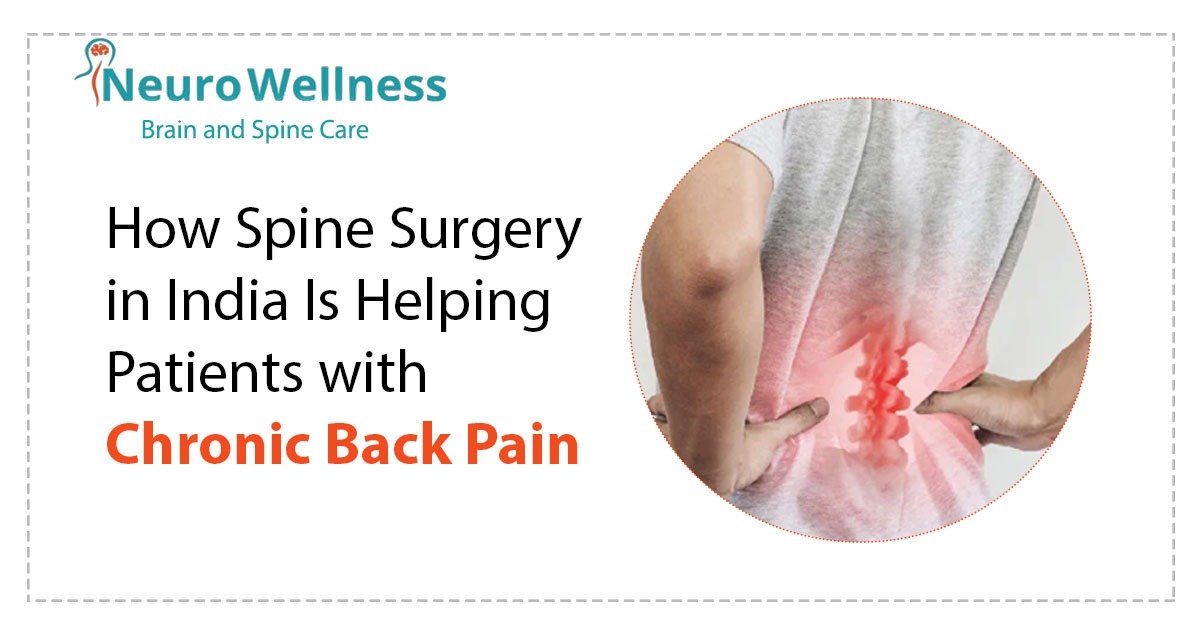
Constant back pain can make everyday activities like bending, sitting, or walking unbearable, significantly affecting both your physical and emotional well-being. After trying various treatments without success, the idea of surgery might feel overwhelming due to concerns about cost, recovery, or effectiveness.

Thankfully, India was developing in spine surgery, offering advanced care and technology, and expert spine surgeons in Bangalore—all at an affordable cost. With a proven track record of success, India brings hope to patients worldwide, whether they require minimally invasive procedures or complex spinal repairs.

In this insightful blog, we explore how spine surgery in India is transforming the lives of patients with chronic back pain. Let’s dive in!

Common Causes of Chronic Back Pain

Degenerative Conditions

  • Herniated Discs: Spinal nerves are put under strain when the cushion between vertebrae weakens or bulges, but this can cause extreme discomfort. X-rays, MRIs, and CT scans can all identify these disc problems.
  • Spondylosis: Age-related tears in the spine can lead to arthritis, impacting flexibility and comfort.

Trauma or Injuries

  • Accidents or falls can damage spinal discs or vertebrae, resulting in long-term pain and restricted movement.
  • Sports-related injuries, especially in high-impact activities, are another frequent cause.

Lifestyle Factors

  • Poor posture while sitting, standing, or working can strain the spinal cord and surrounding muscles.
  • Obesity increases pressure on the lower back, worsening pain over time. 


Read More : Disc Prolapse at Neck Cervical PIVD – NeuroWellness

Types of Spine Surgeries in India

The type of surgery recommended depends on the severity and nature of the back pain. Here’s a breakdown of the most common types:

Minimally Invasive Spine Surgery (MISS)

MISS is an innovative technique that has transformed the treatment of spinal disorders. It is suitable for various conditions, including spinal stenosis, herniated discs, and certain abnormal conditions due to injuries. MISS uses small incisions and specialized instruments to access the spine with minimal disruption to surrounding tissues.

Benefits:

  • Reduced blood loss during surgery.
  • Less pain and scarring compared to traditional open surgery.
  • Shorter hospital stays and quicker recovery times.
  • Lower risk of complications such as infections.

How a Brain and Spine Clinic Can Help With Chronic Back Pain

Spinal fusion:

Spinal fusion emerges as a stabilizing solution for conditions involving instability between vertebrae. Degenerative disc disease, in particular, can compromise the spine’s stability, leading to pain and reduced functionality. Spinal fusion is the most common type of spinal surgery. This procedure involves joining two or more vertebrae together using bone grafts or inserting synthetic materials. The fused vertebrae create a stable structure, reducing abnormal movement and, most crucially, alleviating pain. This surgery can also help manage the function in the affected area.

Artificial Disc Replacement

Artificial disc replacement is an innovative solution for patients with damaged intervertebral discs causing chronic pain and limited mobility. Spine Surgeons in Bangalore replace the damaged disc with a synthetic one made of metal, designed to manage the natural movement of the spine.

Benefits:

  • Restores normal motion in the affected spinal segment.
  • Reduces the risk of adjacent segment degeneration (common in spinal fusion).
  • Provides long-term pain relief and improves quality of life.

Recovery is quicker compared to traditional procedures, and patients often experience significant improvements in mobility within weeks.

Microdiscectomy

Microdiscectomy is a minimally invasive procedure often recommended for patients suffering from herniated discs that compress spinal nerves, causing pain, numbness, or weakness.

Spine Surgeons in Bangalore use a microscope to remove small portions of the herniated disc pressing on the nerve roots during this procedure. This procedure are used to remove either ruptured or herniated discs.

Benefits:

  • Minimally invasive, requiring only a small incision.
  • Shorter hospital stay and faster recovery.
  • High success rate in relieving nerve-related pain, especially sciatica.

Recovery: Patients can often resume normal activities within a few weeks, making this a popular choice for those seeking a quick return to daily life.

Advanced Technologies Used in Spine Surgeries

Robotic-Assisted Spine Surgery

  • Robotic-assisted spine surgery leverages advanced robotic systems to enhance the precision of surgical procedures. Surgeons use robotic arms guided by preoperative imaging data, allowing them to create a highly accurate surgical plan.
  • These systems minimize human error by providing unparalleled precision in placing screws, rods, or other spinal implants. For example, robotic guidance reduces the likelihood of nerve damage and improves alignment during complex spinal fusions. Patients benefit from smaller incisions, reduced blood loss, and a quicker return to daily activities.
  • Robotic assistance also provides real-time feedback during surgery, enabling surgeons to make precise adjustments when necessary. This technology is especially valuable for procedures requiring high accuracy, such as correcting spinal deformities or addressing spinal instability.

3D Imaging and Navigation Systems:

  • 3D imaging and navigation systems act as a “GPS” for surgeons, offering a detailed view of the spine during surgery. These systems combine preoperative CT or MRI scans with real-time intraoperative imaging, providing a dynamic 3D map of the patient’s anatomy.
  • Surgeons can navigate complex structures with greater confidence, minimizing the risks associated with traditional 2D imaging methods. For instance, in procedures like spinal tumor removal, this technology ensures precision by showing the exact location of the tumor and critical surrounding tissues.
  • Navigation systems also reduce radiation exposure compared to conventional X-rays, as fewer scans are needed during the surgery. For patients, this means a safer surgical experience with fewer complications and improved recovery outcomes.

Minimally Invasive Spine Surgery Techniques Using Robotics:

Minimally invasive spine surgery (MISS) techniques have been further revolutionized by the integration of robotic technology. These procedures involve tiny incisions and the use of specialized tools to address spinal issues with minimal disruption to surrounding tissues.

  • Robotics enhances the accuracy and efficiency of these procedures. For example, robotic systems assist in guiding instruments through small incisions with extreme precision, reducing the risk of damage to muscles and ligaments. Common applications include treating herniated discs, spinal stenosis, or degenerative disc disease.
  • The benefits of robotic-assisted MISS include shorter hospital stays, less postoperative pain, and a faster return to normal activities. Patients also experience fewer complications, such as infections or scarring, compared to traditional open surgeries.

These technological advancements not only ensure higher success rates but also make spine surgeries less intimidating for patients.

Take the first step today by consulting a qualified spine specialist for back pain treatment in Bangalore.

Conclusion:

Choosing a trusted hospital and spine surgeons in Bangalore will not only improve the procedure’s success but also make the entire treatment journey stress-free.

Chronic back pain can severely impact your quality of life, limiting your physical capabilities and affecting your emotional well-being. Advancements in spine surgery have provided effective solutions for even the most complex spinal conditions.

India is advancing in spine care and treatment, particularly for back pain treatment in Bangalore, with its advanced facilities and highly skilled doctors. From minimally invasive techniques to cutting-edge robotic-assisted surgeries, Neurowellness Brain and Spine Clinic provides care that is both innovative and patient-focused.

By understanding the available surgical options, leveraging advanced technologies, and ensuring proper aftercare, patients can achieve long-lasting relief and a renewed sense of mobility.

FAQs

1. What are the common causes of chronic back pain?
Chronic back pain can result from degenerative conditions like herniated discs or spondylosis, injuries from accidents or sports, and lifestyle factors such as poor posture or obesity.
2. What are the benefits of minimally invasive spine surgery (MISS)?
MISS offers reduced blood loss, less pain and scarring, shorter hospital stays, quicker recovery, and a lower risk of complications compared to traditional surgery.
3. How does robotic-assisted spine surgery improve outcomes?
Robotic systems enhance precision during surgery, reduce human error, minimize tissue damage, and ensure faster recovery with fewer complications.
4. What is artificial disc replacement, and who is it suitable for?
Artificial disc replacement involves replacing damaged intervertebral discs with synthetic ones to restore natural motion and alleviate pain. It’s ideal for patients with chronic disc-related issues.
5. How do I choose the best spine surgeon in Bangalore?
Look for a surgeon with expertise in advanced techniques, positive patient reviews, and access to state-of-the-art facilities to ensure a successful treatment journey.
6. How long does recovery take after spine surgery?
Recovery times vary depending on the procedure, but minimally invasive surgeries often allow patients to return to normal activities within a few weeks.

Chronic back pain, reduced mobility, or nerve-related symptoms can significantly affect daily life. When conservative treatments such as physiotherapy, medications, or lifestyle changes fail to provide relief, spine surgery may be recommended. While the decision to undergo spine surgery can feel overwhelming, proper preparation plays a crucial role in ensuring better outcomes and smoother recovery.

Spine surgery preparation goes beyond hospital admission or surgical consent. It involves medical readiness, physical conditioning, mental preparedness, and post-surgery planning. Patients who prepare well often experience fewer complications, faster recovery, and improved long-term spine health.

This comprehensive guide explains what to do before spine surgery, helping patients in India understand each step clearly and confidently.

• Spine surgery preparation reduces complications and improves recovery

• Medical tests and imaging help assess surgical readiness

• Medication adjustments lower anesthesia and bleeding risks

• Physical and mental preparation support healing

• Planning post-surgery care and home setup is essential

Ganesh

Dr. Ganesh Veerabhadraiah

Consultant – Neurosurgeon, Neurointerventional Surgery, Spine Surgeon (Neuro)
23+ Years Experience Overall (17+ years as Neuro Specialist)

Available for Consultation: Jayanagar 9th Block & Kauvery Hospital, Electronic City 

What Is Spine Surgery Preparation?

Spine surgery preparation refers to the medical, physical, and practical steps taken before undergoing a spinal procedure. These steps help ensure that the body is fit for surgery, anesthesia risks are minimized, and recovery can begin smoothly. Proper preparation improves surgical accuracy, reduces complications, and supports long-term mobility and spine function.

Why Spine Surgery Preparation Matters

Spine surgery is a major medical procedure involving delicate structures such as nerves, discs, and vertebrae. Preparation directly influences surgical success and recovery outcomes.

Key reasons preparation is important:

• Reduces the risk of infection and surgical complications

• Improves tolerance to anesthesia

• Supports faster wound healing

• Helps patients recover mobility safely

• Builds confidence and reduces anxiety before surgery

Patients who actively prepare for spine surgery are often better informed, more confident, and recover more effectively.

When Is Spine Surgery Recommended?

Spine surgery is usually considered only after non-surgical treatments fail to provide adequate relief. Common conditions that may require surgery include:

• Herniated or slipped discs

• Spinal canal stenosis

• Degenerative disc disease

• Spinal instability or fractures

• Nerve compression causing weakness or numbness

• Spinal infections or tumors

• Failed previous spine surgeries

 A thorough evaluation ensures surgery is the most appropriate option.

Medical Tests Required Before Spine Surgery

Before spine surgery, patients undergo a detailed medical assessment to confirm fitness for surgery and anesthesia.

Common Pre-Surgical Tests

• Blood tests: Evaluate hemoglobin levels, blood sugar control, kidney function, and infection markers

• Imaging tests: MRI, CT scan, or X-rays to plan the surgical approach

• Cardiac evaluation: ECG or cardiology clearance for patients with heart conditions

• Pulmonary tests: Assess lung function when required

These evaluations help surgeons tailor the procedure and reduce unexpected risks during surgery.

Medication Management Before Spine Surgery

Certain medications can interfere with anesthesia or increase bleeding risk during spine surgery. Patients must inform their surgeon about all prescription drugs, over-the-counter medications, and supplements.

Medications That May Need Adjustment

• Blood thinners and anticoagulants

• Anti-inflammatory pain medications

• Herbal supplements and vitamins

• Certain diabetes or blood pressure medicines

Medication changes should only be made under medical supervision. Following instructions carefully helps prevent surgical delays and complications.

Preparing Your Body Before Spine Surgery

Physical readiness plays a major role in post-surgical recovery.

Stop Smoking

Smoking reduces blood flow, delays wound healing, and increases the risk of complications—especially in spinal fusion surgeries. Quitting smoking at least 2–4 weeks before surgery significantly improves healing.

Improve Physical Fitness

• Strengthen core and back muscles under professional guidance

• Maintain flexibility and mobility where possible

• Reduce excess body weight to decrease spinal stress

Nutrition and Diet

• Maintain a protein-rich diet to support tissue repair

• Ensure adequate vitamin and mineral intake

• Control blood sugar levels, especially for diabetic patients

A healthier body responds better to surgery and heals faster afterward.

Mental Preparation Before Spine Surgery

Mental readiness is just as important as physical preparation.

Address Anxiety and Concerns

• Discuss surgical steps and risks with your surgeon

• Ask questions about recovery timelines

• Practice relaxation techniques such as deep breathing or meditation

Set Realistic Expectations

Understanding that recovery is gradual helps reduce frustration. Knowing what improvements to expect—and when—creates a positive mindset and supports better rehabilitation outcomes.

Spine Surgery Preparation Checklist

This checklist helps patients organize essential steps before surgery:

• Complete all required blood tests and imaging

• Follow medication adjustment instructions

• Stop smoking and limit alcohol intake

• Arrange post-surgery transportation and support

• Prepare a comfortable recovery space at home

• Stock essential medications and medical supplies

• Understand post-operative restrictions and physiotherapy plans

Following a checklist ensures nothing important is overlooked.

Preparing Your Home for Spine Surgery Recovery

Recovery does not end at the hospital—it continues at home. A safe and supportive home environment speeds healing.

Home Adjustments

• Remove obstacles and loose rugs to prevent falls

• Place daily essentials within easy reach

• Ensure adequate lighting in hallways and bathrooms

Mobility Aids

• Use grab bars or handrails if needed

• Consider a raised toilet seat or supportive chair

• Arrange a firm mattress with proper back support

Support System

Having family members, caregivers, or professional assistance during the initial recovery phase reduces strain and improves safety.

Recovery Expectations After Spine Surgery

Recovery timelines vary depending on the type of spine surgery and individual health factors. Some patients may walk within hours, while others require longer rehabilitation.

Common recovery elements include:

• Pain management and wound care

• Gradual increase in mobility

• Physiotherapy and guided exercises

• Follow-up consultations and imaging

Adhering to post-surgical instructions is critical for long-term success.

FAQs

1. What tests are required before spine surgery?

Patients typically undergo blood tests, ECG, chest X-ray, and imaging such as MRI or CT scans to assess surgical readiness.

2. What medications should be stopped before spine surgery?

Blood thinners, certain pain medications, and supplements may need to be stopped. Always follow the surgeon’s instructions.

3. How early should I start preparing for spine surgery?

Preparation should ideally begin 2–4 weeks before surgery to allow time for evaluations and lifestyle adjustments.

4. Can spine surgery be postponed if I’m not ready?

Yes, non-emergency spine surgery can often be postponed until medical conditions are optimized.

5. How can I reduce complications before spine surgery?

Quitting smoking, managing chronic conditions, following medical advice, and preparing post-surgery care reduce risks.

Conclusion: Preparing Confidently for Spine Surgery

Spine surgery preparation is a vital part of achieving a successful surgical outcome. By focusing on medical evaluations, medication management, physical conditioning, mental readiness, and recovery planning, patients can significantly improve healing and reduce complications.

Taking the time to prepare properly empowers patients, improves confidence, and supports long-term spine health. With the right preparation and guidance, spine surgery can be a safe and effective step toward a pain-free, active life.

Choosing a trusted spine surgeon is crucial for ensuring a safe and successful treatment outcome. Spine surgery is a delicate procedure that requires high precision and expertise, making it essential to select a qualified and experienced specialist. A well-trained spine surgeon can accurately diagnose spine conditions, recommend the best treatment options, and perform surgery with minimal risks and faster recovery.

However, unqualified or inexperienced surgeons can lead to surgical complications, prolonged recovery, or even failed procedures. Patients must evaluate a surgeon’s medical credentials, years of experience, hospital affiliations, and patient reviews before making a decision. Dr. Ganesh Veerabhadraiah, a leading spine surgeon in Bangalore, is renowned for his expertise in minimally invasive spine surgery and neurosurgical procedures, providing world-class spine care with high success rates.

Learn more about spine surgery procedures in our blog: What You Need to Know About Spine Surgery

Dr. Ganesh Veerabhadraiah – Expert Spine Surgeon in Bangalore

Dr. Ganesh Veerabhadraiah is a highly respected spine surgeon in Bangalore, known for his expertise in neurosurgery and minimally invasive spine procedures. With years of extensive surgical experience, he has successfully treated complex spine disorders, spinal deformities, herniated discs, spinal injuries, and neurological conditions. His specialization in minimally invasive spine surgery ensures that patients experience less pain, faster recovery, and improved mobility after surgery.

As a board-certified neurosurgeon, Dr. Ganesh is affiliated with top hospitals for spine surgery in Bangalore, offering high-standard medical care with advanced surgical techniques. His commitment to excellence is reflected in numerous patient success stories and testimonials, where individuals have regained their quality of life after undergoing his expert treatment. Whether it’s spinal fusion, disc replacement, or nerve decompression, his patient-centric approach ensures the best outcomes.

Know more about Dr. Ganesh Veerabhadraiah’s experience and specialties: Dr. Ganesh Veerabhadraiah – Neurosurgeon


Why Choosing the Right Spine Surgeon is Crucial?

Spine surgery is a highly specialized and delicate procedure that requires precision, expertise, and advanced surgical techniques. Choosing an inexperienced or unqualified spine surgeon can lead to complications such as failed surgeries, prolonged recovery, and chronic pain, significantly affecting a patient’s quality of life. A trusted spine specialist ensures the highest success rates and patient safety by using the latest minimally invasive techniques and personalized treatment plans.

Find out how spine surgery in India is improving patient outcomes: How Spine Surgery in India is Helping Patients with Chronic Back Pain

Key Factors to Trust a Spine Surgeon

Board Certification & Credentials

  • Why board certification is essential for a qualified spine surgeon.
  • Check for medical licenses, affiliations, and specializations in spine surgery.

Experience & Specialization

  • Look for a spine surgeon with 10+ years of experience.
  • Specialization in minimally invasive spine surgery, spinal fusion, and endoscopic procedures.

Explore different types of spine surgeries: A Guide to Different Types of Spine Surgery

Hospital Affiliation & Reputation

  • A trusted spine surgeon should be associated with top-rated hospitals.
  • Advanced technology, infrastructure, and post-surgical care contribute to better outcomes.

Patient Reviews & Testimonials

  • How to evaluate online reviews for authenticity.
  • Patient success stories and case studies for credibility.

 Advanced Spine Surgery Techniques Used

  • Minimally invasive spine surgery (MISS) for faster recovery.
  • Endoscopic & robotic-assisted spine surgery for precision.
  • Spinal fusion, artificial disc replacement, and nerve decompression procedures.

Learn about the latest advancements in spine surgery: Advancements in Minimally Invasive Spine Surgery – What Patients Need to Know

 Transparency in Diagnosis & Treatment Plans

  • A good spine surgeon explains all treatment options clearly.
  • Warning signs of unnecessary surgeries & misdiagnosis.
  • The importance of getting a second opinion.

Know the right questions to ask your spine surgeon: Questions to Ask When You Are Advised Spine Surgery

Red Flags – When Not to Trust a Spine Surgeon

❌ Lack of proper credentials or board certification.
Recommends surgery as the first option without exploring non-surgical treatments.
❌ No track record of successful patient outcomes.
❌ Uses high-pressure sales tactics to convince patients to undergo surgery.

Find out how to avoid unnecessary spine surgeries: Avoid Spine Surgery – Natural Ways to Improve Spine Health

How a Brain and Spine Clinic Can Help?

A trusted brain and spine clinic provides a multidisciplinary approach, combining the expertise of spine surgeons, neurospecialists, physiotherapists, and pain management experts to deliver comprehensive spine care. Patients receive personalized treatment plans tailored to their specific conditions, ensuring the best surgical and non-surgical solutions. Additionally, these clinics offer rehabilitation and post-surgery care, helping patients recover faster and regain mobility effectively.

Discover how a brain and spine clinic improves patient care: How a Brain and Spine Clinic Can Help with Chronic Back Pain

Conclusion & Final Thoughts

Choosing a trustworthy spine surgeon is essential for ensuring successful treatment outcomes, faster recovery, and long-term spine health. A qualified specialist should have board certification, extensive experience, positive patient testimonials, and expertise in minimally invasive spine surgery. Patients must conduct thorough research, verify credentials, and seek second opinions if needed to make an informed decision.

Dr. Ganesh Veerabhadraiah, a leading spine surgeon in Bangalore, is recognized for his exceptional skills in neurosurgery and spine care, providing personalized treatment and advanced surgical solutions. His commitment to patient safety and cutting-edge techniques makes him a trusted choice for individuals seeking the best spine care. Consult Dr. Ganesh today to receive expert guidance and world-class spine treatment!

Looking for a trusted spine surgeon in Bangalore? Schedule a consultation with Dr. Ganesh Veerabhadraiah and receive expert spine care today!

FAQs

1. How do I verify a spine surgeon’s credentials?

To verify a spine surgeon’s credentials, check if they are board-certified by recognized medical institutions and have specialized training in spine surgery or neurosurgery. You can also review their years of experience, hospital affiliations, patient testimonials, and success rates. Websites like the National Medical Council (NMC), hospital portals, and professional medical directories provide verified information on a surgeon’s qualifications.

2. What questions should I ask my spine surgeon before surgery?

Before undergoing spine surgery, ask your surgeon:

  • What is my exact diagnosis, and why is surgery needed?
  • What are the risks and benefits of the procedure?
  • Are there non-surgical alternatives available?
  • How many similar surgeries have you performed, and what are the success rates?
  • What is the recovery process, and will I need rehabilitation?
    These questions ensure that you receive clear, transparent, and patient-centered treatment.
3. Can I get a second opinion before deciding on spine surgery?

Yes, getting a second opinion is highly recommended, especially for major surgical decisions. A second opinion from another experienced spine surgeon or neurospecialist can provide alternative treatment options, confirm the necessity of surgery, or suggest a minimally invasive approach. Reputable surgeons encourage second opinions to ensure the best possible outcome for their patients.

4. What are the risks of choosing an inexperienced spine surgeon?

An inexperienced or unqualified spine surgeon can lead to surgical complications, prolonged recovery, infections, nerve damage, or even failed spine surgery. Poorly performed procedures may require revision surgery, increasing costs and recovery time. It is crucial to choose a highly skilled, board-certified spine specialist with proven success rates to avoid these risks.

5. How do I know if my spine surgeon is using the latest technology?

A top spine surgeon stays updated with the latest advancements in minimally invasive surgery, robotic-assisted spine surgery, and endoscopic spine procedures. Ask your surgeon if they use modern imaging techniques (MRI, CT scans), intraoperative navigation, and microsurgical tools to enhance precision. You can also check if the hospital is equipped with advanced surgical technology to ensure the highest standards of care.

Ganesh

Dr. Ganesh Veerabhadraiah

Consultant – Neurosurgeon, Neurointerventional Surgery, Spine Surgeon (Neuro)
23+ Years Experience Overall (17+ years as Neuro Specialist)

Available for Consultation: Jayanagar 9th Block & Kauvery Hospital, Electronic City 

Spinal stenosis is a narrowing of the gaps within your spine that can cause strain on the nerves that run through it. Spinal stenosis affects the lower back and neck.

Some patients with spinal stenosis may not experience any symptoms. Others could feel discomfort, tingling, numbness, or muscular weakness. Symptoms might increase with time.

Spinal stenosis is most typically caused by osteoarthritis wear-and-tear alterations in the spine. In severe forms of spinal stenosis, doctors may advise surgery to provide extra space for the spinal cord or nerves.

Spinal stenosis can develop anywhere on the spine, although it is most frequent in two places:

1. The lower back (lumbar canal stenosis).

2. The neck (cervical spinal stenosis).

In this blog, we will discuss why spinal stenosis causes back problems and what are the possible reasons.

Causes 

1. Bone Overgrowth

Osteoarthritis is a “wear and tear” condition that causes the cartilage in your joints, especially your spine, to break down. Cartilage is the joint’s protective covering. Your body reacts by producing new bones. Bone spurs, or bone overgrowth, are a common occurrence. Vertebral bone spurs expand into the spinal canal, limiting the space and compressing nerves in the spine.

2. Bulging Disks

A flat, spherical cushioning pad (vertebral disc) sits between each vertebra like a sandwich and works as a shock absorber along the spine. The gel-like core of these discs breaks through a weak or torn outer layer due to age-related drying out and flattening of the discs and breaking in the outer border of the discs. The nerves around the disc are then pressed by the bulging disc.

3. Thickened Ligaments

The tight fibers that help keep your spine’s bones together might stiffen and grow over time. These swollen ligaments have the potential to extend into the spinal canal(ligament flavum

4. Tumours

Abnormal growths can arise inside the spinal cord, the membranes that surround it, or the space between the spinal cord and the vertebrae. These are infrequent and can be seen on spine imaging using an MRI or CT scan.

5. Injuries on the spine

Dislocations or fractures of one or more vertebrae can result from car accidents or other injuries. Displaced bone from a spinal fracture might cause injury to the spinal canal’s contents.

6. Achondroplasia

This hereditary disorder disrupts bone growth in the spine and other regions of the body. Achondroplasia is a bone-building disorder in which cartilage does not convert to the bone. It is distinguished by dwarfism, limited elbow range of motion, a big head size, short fingers, and normal IQ.

7. Ankylosing spondylitis (AS)

This kind of arthritis produces persistent inflammation in the spine, which can result in the formation of bone spurs. Ankylosing spondylitis (AS) is an uncommon form of arthritis that causes back pain and stiffness.

8.Congenital spinal stenosis

This is a congenital condition in which the spinal canal is inherently small. This is a birth defect in which a person is born with a narrow spinal canal. Scoliosis is another congenital spinal condition that might put a person at risk for spinal stenosis (an abnormally shaped spine)

9. Posterior longitudinal ligament ossification (OPLL)

Calcium deposits occur on the ligament that passes through the spinal canal in this disorder. Ossification of the posterior longitudinal ligament (OPLL) is a problem in which a soft tissue, the posterior longitudinal ligament, becomes less flexible and gets thick. The posterior longitudinal ligament links and stabilizes the spinal column’s bones.

10. Paget’s disease of the bone

Paget’s disease of the bone disrupts your body’s regular recycling mechanism, in which new bone tissue progressively replaces old bone tissue. Bones can become weak and deformed over time. The most usually afflicted areas are the pelvis, skull, spine, and legs.

11. Rheumatoid arthritis

Rheumatoid arthritis, or RA, is an immune-mediated inflammatory disease in which your immune system mistakenly assaults healthy cells in your body, producing inflammation (painful swelling) in the afflicted areas. RA typically affects many joints at once. This kind of arthritis is characterized by persistent inflammation, which can result in bone destruction and the formation of bone spurs.

12. Scoliosis

Scoliosis is a lateral curvature of the spine that is most commonly detected in teens. While scoliosis can arise in persons with diseases such as cerebral palsy and muscular dystrophy, the majority of infantile scoliosis is caused by unknown factors. The majority of scoliosis occurrences are moderate, although some curvature increases as children grow. This aberrant spine curvature might be caused by hereditary problems, neurological issues, or unexplained factors.

13. Osteoarthritis 

Osteoarthritis is the most common kind of arthritis, affecting millions of people. It happens when the protective cartilage that cushions the ends of the bones deteriorates over time. Although osteoarthritis may affect any joint, it most usually affects the hands, knees, hips, and spine.

Summary

The spine (backbone) extends from your neck to your lower back. Your spine’s bones form a spinal canal, which protects your spinal cord (nerves). However, most cases of spinal stenosis arise when something narrows the free area within the spine.

Many people with spinal stenosis live active and complete lives. To assist manage the effects of spinal stenosis, you may need to modify your exercise program or other daily activities. To ease pain and other symptoms, your doctor may recommend medicines, physical therapy, or surgery.

Sciatica is pain that spreads down the path of the sciatic nerve, which runs from the lower back to the hips and buttocks and down each leg. Sciatica affects one side of your body.

Sciatica is most usually caused by a herniated disc, a bone spur on the spine, or a constriction of the spine (spinal stenosis). It thus causes inflammation, pain, and numbness in the afflicted limb.

Reasons for Sciatica Pain:

Sciatica is a frequent symptom of a variety of medical disorders; nevertheless, a herniated (slipped) disc is responsible for an estimated 90% of occurrences. The spinal column is divided into three sections:

  • Nerves
  • Disks
  • Vertebrae

The discs are formed of cartilage, a strong and vibrant substance that functions as a cushion between each vertebra and allows the spine to be flexible. When a disc is moved out of place, it puts pressure on the sciatic nerve.

  • Herniated Disks

Your vertebrae, or spinal bones, are connected by cartilage. Cartilage is packed with a thick, transparent substance that provides flexibility and cushioning as you move. Herniated discs happen when the initial layer of cartilage tears.

The material within might compress your sciatic nerve, causing discomfort and numbness in your lower limbs. It is anticipated that 1 to 5% of all people may experience back pain as a result of a slipped disc at some time in their lives.

According to research, a lumbar herniated disc can cause up to 90% of sciatica.  Typically, a herniated disc compresses one or more of the spinal nerve roots (L4-S3) that constitute the sciatic nerve. Sciatica can be caused by a lumbar herniated disc in two ways:

  1. Direct Compression: Direct compression of the sciatic nerve can occur when a lumbar disc bulges (contained disc condition) or when the soft inner material of the disc seeps out or herniates through the fibrous outer core and presses against the nerve (non-contained disc disorder).
  2. Chemical Inflammation: An acidic chemical irritant (hyaluronan) may leak out of the disc material and produce inflammation and pain in the sciatic nerve area.
  • Spinal stenosis

Spinal Stenosis is also called Lumbar Spinal Stenosis. It is distinguished by an abnormal narrowing of your lower spinal canal. This constriction exerts pressure on your spinal cord and the roots of your sciatic nerve.

A narrowing of the spinal column is referred to as spinal stenosis. The vertebrae will compress the spinal nerve as the column narrows. Pain, weakness, and numbness are among the symptoms. Spinal stenosis is frequently progressive and can cause leg discomfort. In more severe instances, bowel and bladder function may be impaired. Spinal stenosis is a degenerative condition that mainly affects people over the age of 60. Spinal stenosis can also be caused by herniated discs, spinal traumas, and hereditary disorders.

  • Spondylolisthesis

Spondylolisthesis is a disorder that mostly affects the lumbar spine. It occurs when one vertebra falls forward over an adjacent vertebra. When a vertebra slips and moves, it pushes on the nerves or nerve roots beneath it. This eventually leads to compression and, as a result, sciatica pain.

You either have developmental spondylolisthesis from birth or it develops during childhood. Acquired spondylolisthesis, on the other hand, can be caused by:

  1. Parts of the spine deterioration with time (spinal degeneration)
  2. Physical exertion from activities such as weightlifting or gymnastics
  3. Trauma
  • Piriformis syndrome

Piriformis syndrome is an uncommon neuromuscular illness in which your piriformis muscle contracts or tightens involuntarily, producing sciatica. The piriformis muscle links the lowest region of your spine to your thighbones.

It can put pressure on your sciatic nerve if it thickens, resulting in sciatica. Piriformis syndrome might worsen if you sit for lengthy periods of time, fall, or are involved in a vehicle accident.

Sciatica can be caused by the given factors as well:

  • Lumbar spinal stenosis is characterised by a narrowing of the spinal cord in the lower back.
  • Tumors in the spine — they can compress the sciatic nerve root.
  • Infection – eventually harming the spine
  • Other reasons, such as spine damage, may exist.
  • Cauda equina syndrome is an uncommon but dangerous disorder that affects nerves in the lower region of the spinal cord and needs rapid medical intervention.

Degeneration

Tissue degeneration in the lumbar spine can squeeze or irritate the sciatic nerve. Vertebral bone degeneration may result in irregular bone growths (bone spurs or osteophytes). These unusually thick tissues in the lumbar spine may induce compression of one or more sciatic nerve roots. Degenerated intervertebral discs may produce inflammatory proteins, producing sciatic nerve irritation.

Disc degeneration, often known as degenerative disc disease (DDD), is a frequent and almost unavoidable consequence of ageing. Intervertebral discs dry up over time—years and decades—a process known as disc desiccation. As the moisture content of the discs drops, they become weaker, more brittle, and more vulnerable to herniation.

Although DDD is extremely common and largely unavoidable, there are several lifestyle changes you may do to minimise your risk of or slow the progression of disc degeneration, such as:

  • Proper lifting mechanics must be practised.
  • Maintaining a healthy weight
  • Avoiding smoking and reducing alcohol consumption
  • Moving more and sitting less

Summary

Sciatica can be caused by a variety of problems that might pinch a sciatic nerve or nerve root. A patient may frequently “overdo” a slightly difficult job, such as gardening or lifting boxes. Limiting exercise, using ice to the lower back, and taking an over-the-counter anti-inflammatory medication will help the symptoms improve.

Sciatica is an extremely painful ailment. You might have severe pain but only experience it on rare occasions, or you could have less severe but regular sciatic discomfort.

Consult the experts of NeuroWellness if your symptoms do not improve with home therapy, if they persist for an extended period of time, or if you are having difficulties doing everyday duties. We can assist you in developing a treatment plan that is appropriate for you and we will try for you to get relieved from the pain as soon as possible.

What is one  of the most crucial supporting component of your body? Yes It is  your spine. You can’t  stay upright or even stand up without it isn’t it?  It provides structure and support to your body. It enables you to move freely and bend with flexibility. Nature  is also created to protect the spinal cord. The spinal cord is a network of nerves that connects your brain to the rest of your body which allows you to regulate your movements. You can’t  move any part of your body and your organs can’t work if you don’t  have a spinal cord. This is why, if you want to live an active life, you must maintain the health of your spine correct

This blog covers the key functions of a spine or spinal cord.

Function of SpineWhy It MattersCommon Problems if Affected
SupportHolds body uprightPosture issues, back pain
ProtectionShields spinal cord & nervesNerve damage, paralysis risk
FlexibilityEnables bending & movementStiffness, limited mobility
Shock AbsorptionDistributes body weightDisc prolapse, spinal injuries

What is the Spine?

 Here we are going to discuss what exactly it made, its units and attachments?

The spine (also known as the backbone) is a connected column of bones that runs from the head to the lower back. The column is made up of bone parts. A vertebra is a single bone segment or unit, while vertebrae are several bone segments. Ligaments and muscles connect these vertebrae, while a disc separates the majority of them and acts as a cushion to absorb shock along the spine.

Each vertebra is numbered and classified into five regions.

• The cervical area has 7 cervical vertebrae.
• The thoracic area contains 12 thoracic vertebrae.
The lumbar area contains 5 lumbar vertebrae.
In the sacral area, there are 5 sacral vertebrae that are fused together to form one bone known as the sacrum.
In the coccygeal area, there are 3 to 5 coccygeal vertebrae that are joined as one bone and known as the coccyx (often known as the tailbone).

What does a spinal cord do?

The central nervous system of your body is composed of the brain and spinal cord. The brain serves as your body’s command centre, and the spinal cord serves as a conduit for messages conveyed from the brain to the body and from the body to the brain.

The peripheral nervous system is a network of nerve strands that branch off from the left and right sides of the spinal cord through gaps  in the spinal canal between each vertebra. What these pairs of nerves do ? These nerve pairs are distributed throughout your body and carry commands from your brain and spinal cord to and from various sections of your body.

The central nervous system and peripheral nervous system collaborate to allow your brain to regulate your body’s numerous functions, which include three critical areas:

Motor Functions – directs the voluntary muscle movements of your body.

Sensory Functions – monitors touch, pressure, temperature, and pain sensations.

Autonomic Functions – governs digestion, urination, body temperature, heart rate, and blood vessel dilation/contraction (blood pressure).

What are the Functions of spine?

Protection

The spinal column is like a guard -helmet . What it does is- protects the spinal cord and nerve roots. Any injury here can jeopardise your general health if messages are not successfully delivered to and from the brain.

Mobility and Flexibility

Our spine determines our range of motion, providing Flexion (forward bending), Extension (backward bending), Side bending (left and right), and Rotation (left and right).  It also provides a range of the aforementioned combinations, allowing us to accomplish movements . Eg. how we dance ? How we flex our body ? How we climb and climb down? Including  rolling over in bed to getting out of bed in the morning, walking through the stairs, and sprinting for the bus to prevent being late.

Support for the structure- like a pillar!

We couldn’t sit up, stand, walk, or run without our spine, which provides structural support for the head, shoulders, and chest. It also connects the upper and lower bodies, with the spinal column encasing the vital cord and nerve roots.

The spinal column not only connects the upper and lower bodies, but it also helps to balance the body and distribute weight.

Attachment base

Spine is like a connecting device -Ligaments, tendons, and muscles all connect and attach to the spinal column. Imagine If this did not exist, there would be no anchor.

Carrying brain signals

The spinal cord receives brain impulses that govern movement and autonomic activities.

Carrying information to the brain

The spinal cord and nerves  carry messages from the body to the brain, such as touch, pressure, and pain sensations. When these messages are carried to Brain only we will can feel all sensations.

Reflex responses

The spinal cord can conduct motor reflexes independently of the brain. The patellar reflex, for example, causes a person’s knee to jerk involuntarily when touched in a certain area.

Summary:

The spinal cord is a complicated network of nerve cells that control movement and feeling. It passes information from the brain to the rest of the body.

Neuro Wellness is a Bangalore Spine Specialist Clinic which provides the best care for problems related to spine and brain. If you are facing any such problem, do visit today for a healthy tomorrow!

FAQs

1. What are the main functions of the human spine?

The spine supports body structure, protects the spinal cord, allows flexibility, and absorbs shock.

2. How can I keep my spine healthy?

Maintain good posture, exercise regularly, avoid smoking, and get regular check-ups if you have back pain.

3. What happens if the spine is weak or damaged?

It may cause chronic back pain, posture issues, disc prolapse, or nerve compression.

4. Can lifestyle changes prevent spine problems?

Yes. Active lifestyle, ergonomic habits, and weight management reduce spine stress.

5. Where can I get expert spine care in Bangalore?

Neurowellness Brain & Spine Clinic provides diagnosis and advanced treatment for spine conditions.

If you work in an office and sit for the majority of the day, you’re probably familiar with back pain. Sitting at a desk for eight hours a day can cause stiffness and tension, which can make working difficult. You may be at an even higher risk of developing back pain if your job requires you to twist or bend frequently. Between 50 and 80 percent of people will experience back pain at some point in their lives, and about 20 percent of adults will experience back pain in a single year.

Back pain can range from a sharp, sudden pain caused by twisting or moving suddenly to a constant, dull ache that develops over time. Back pain can be acute, lasting a few days to weeks or chronic lasting a months to year or more. Lower back pain is usually only temporary and will go away on its own with or without proper self-care. However, approximately few people who suffer from acute back pain can develop chronic back pain.

Back pain, whether dull and achy or sharp and stabbing, can make it difficult to focus on your work. Unfortunately, many jobs, such as nursing, construction, and factory work, put a lot of strain on your back. Back pain can be caused or exacerbated by even routine office work. Learn about the causes of back pain at work and how to avoid it.

Common office related problems are –

  1. Back pain
  2. Neck pain
  3. Leg pain
  4. Numbness in the hands
  5. Headache
  6. Blurring of vision
  7. Dryness in the eyes
  8. Muscle soreness and pain due to pressure  after pronged sitting in one position

Protect your Staff:

The employer must:

  • Wherever possible, avoid work activities that can cause back pain.
  • If you can’t avoid the activity, evaluate it to see what you can do to reduce the risk of back pain.
  • Implement the control measures you’ve identified, and make sure they’re working by monitoring and reviewing them.
  • Consult your employees and, if they have any health and safety concerns, address them.

Common causes of back pain:

Back pain at work can be caused by a variety of factors. Consider the following scenario:

  • Force – Lifting or moving heavy objects with too much force on your back can result in injury.
  • Repetition – Certain movements, particularly those that involve twisting or rotating your spine, can injure your back if you do them repeatedly.
  • Inactivity – Back pain can be caused by an inactive job or a desk job, especially if you have poor posture or sit all day in a chair with insufficient back support.
  • A person’s bad lifestyle also affects back pain; poor diet, unhealthy habits (smoking, drinking) and so on.

Tips to prevent back pain at work:

Tips to prevent back pain at work:

1. Create an ergonomic workspace

Tips to prevent back pain at work

Employees can reach everything they need in an ergonomic workspace without straining. By adjusting the height of desks, chairs, and monitors, proper office ergonomics promote good posture. Here are a few pointers on how to set up an ergonomic workspace:

  • Place the computer monitor at eye level in order to avoid tilting your head or leaning forward.
  • Position frequently used items within your arm’s reach to avoid moving or stretching your hand.
  • Adjust the brightness of the monitor in which your eyes feel comfortable and non-straining.
  • Adjust the height of your chair and desk

2. Choose the right office chair

  • Adjustable height: Choose a desk chair with a height adjustment so that your elbows are at a comfortable angle with your desk.
  • Adjustable backrest: When sitting with your back against the backrest and your calves against the front of the chair, there should be 2 to 4 inches between your calves and the front of the chair if your desk chair has an appropriate seat depth. Choose an office chair with the appropriate seat depth or a backrest that can be adjusted.
  • Adjustable armrests
  • Comfortable material

3. Practise good posture

  • Maintain a straight line between your shoulders and your head.
  • Keep your back against the chair’s backrest.
  • Maintain a square relationship with your computer screen by keeping your shoulders back.
  • By bringing your chair closer to your desk, you can keep your upper arms parallel to your spine.
  • Do not cross your legs and keep your feet flat on the ground.
  • Maintain a 90-degree angle with your knees and, if necessary, a footrest.

4. Take frequent short breaks

Take breaks between work to stretch your body and relax, continuous work makes the body stiff and result in back pain. So this point is very essential.

5. Choose comfortable shoes

 For work, always choose flat and comfortable footwears. High-heeled footwears negatively affect the spine and the body, also back pain arises by wearing these for a long time. Flats help in back comfort.

Summary –

Tips to prevent these office related problems

Tips to prevent these office related problems:

  1. Eye posItion-during working in front of monitor or laptop our eye level should be at the level of the monitor or slightly above the monitor.
  2. neck and shoulder should be relaxed.
  3. Elbow and shoulder should be  flexed at 70 -90 degrees at least
  4. wrist should be pronated and not flexed
  5. Our back should be supported by small pad or pillow
  6. thigh should be parallel to the ground
  7. foot should be resting flat and supported by small stool
  8. long static posture is not advisable- if you are  sitting or standing— you have to change the position-you have to get up and walk around and take micro breaks for a minute or two. At the same time you can focus your eye on distant object ,which will reduce your eye strain and prevent dryness in eyes.
  9. using adjustable rotating  chair is helpful instead of static chair.
  10. other small things like reduce the brightness /contrast  of the screen, increase in the font size and avoiding direct light source in from the the working area is avoided.

By following these steps we can work comfortably long hours and reduces the pressure over the spine and help our spine.

Find back pain relief with NeuroWellness brain and spine care

Back pain at work can range from a dull ache to severe chronic pain that interferes with daily activities. Even minor back pain can have a significant impact on your ability to focus and work in a comfortable manner. Because we recognise that pain is a complicated symptom, the specialists at Neurowellness care centre will create a pain management plan specifically for you and your back pain. The NeuroWellness care specialists provide a wide range of pain treatment options, such as therapies, medications, injections, and surgeries. Our doctors can draw on a variety of disciplines to provide you with the best back pain treatment in Bangalore and prevention options.

Also also known as disc herniation, disc prolapse, disc extrusion, disc migration, disc protrusion.

The vertebrae (bones) that make up your spinal column are piled on top of each other. From top to bottom, the cervical spine has seven bones, the thoracic spine has twelve and the lumbar spine has five, with the sacrum and coccyx at the bottom. Discs provide cushioning for these bones. The discs cushion the bones by absorbing shocks from everyday actions such as walking and lifting.

A soft, gelatinous interior region and a strong outside ring make up each disc. The inner section of the disc might protrude through the outer ring due to injury or weakening. A slipped, herniated or prolapsed disc is the medical term for this condition. This creates discomfort and anguish. You may suffer numbness and pain along the afflicted nerve if a slipped disc compresses one of your spinal nerves.

Symptoms of a slipped disc:

 A slipped disc can occur anywhere in your spine. In your spine, from your neck to your lower back. Slipped discs are most commonly found in the lower back and in neck. It is also known as PIVD(Prolapsed intervertebral disc). A slipped disc can put additional strain on the nerves and muscles in the area.

The symptoms are as follows:

  • back pain and  neck pain .
  • Standing or sitting causes pain that gets worse.
  • Short distance walking causes pain.
  • Discomfort and numbness on one side of the body.
  • Pain that radiating/extends to your arms or legs
  • Pain that gets worse at night or specific motions.
  • Standing or sitting causes pain that gets worse.
  • Short distance walking causes pain.
  • Muscle weakness that is not explained.
  • Sensations of tingling, aching or burning in the afflicted area.
  • Difficulty in controlling bladder or bowel movements.

The sorts of pain differ from one person to the next. If your discomfort causes numbness or tingling that interferes with your ability to control your muscles, consult your doctor or if you are from Bangalore then visit a Bangalore Spine Specialist Clinic.

What causes slipped disc?

 The outer ring of a slipped disc(annulus) becomes weak or damaged, allowing the inner section(nucleus pulposus) to slip out. This is something that can happen as you become older. A slipped disc might also be caused by certain abnormal movements. When twisting or turning to lift an heavy object, a disc can slip out of its place. Lifting a huge, heavy object  suddenly puts a lot of strain on the lower back, which can lead to a slipped disc. Because discs must support the extra weight, obese people are more likely to develop a slipped disc.

A slipped disc can also be caused by weak muscles and a sedentary lifestyle. You are more likely to get a slipped disc as you get older. This is because as you become older, your discs lose some of their protecting water content. As a result, they are more likely to fall out of place.

How are slipped discs diagnosed?

 A physical examination will be performed first by your doctor- neurosurgeon. They will be on the lookout for the source of your suffering. This will entail assessing your nerve function and muscle strength as well as determining whether or not you experience discomfort when moving or touching the affected area. Your doctor will also inquire about your medical history as well as your current symptoms. They will know when you first started experiencing symptoms and what activities you were doing at that time.

Imaging tests can let your doctor see your spine’s bones and muscles as well as any damaged areas. Imaging scans include the following:

  • X rays
  • CT scans
  • Magnetic Resonance Imaging (MRI) scans

Your doctor can put all of this information(clinical and radiological) together to figure out what’s causing your pain, weakness or discomfort.

Is it possible to prevent a slipped disc?

 Although you may not be able to prevent a slipped disc, you can take efforts to lower your chances of acquiring one. These steps are as follows:

  • Use proper lifting techniques, such as bending and lifting from your knees rather than your waist.
  • Maintain a healthy body mass index (BMI).
  • Do not sit for a long period of time, do some exercises as well.
  • Strengthen the muscles in your back, legs and belly by doing workouts.
  • Balanced diet.
  • To seek help of a doctor at right time.

Summary:

The great majority of disc issues resolve without the need for surgery. Most people can return to normal function in a short period. In Neuro Wellness Care Services a Bangalore Spine Specialist Clinic, you will get the best treatment for problems related to spine by dedicated Spine Surgeons in Bangalore and the best Back Pain Treatment in Bangalore as well.

Back discomfort affects millions of people every day. Beyond the pain, this type of disease can reduce your quality of life by forcing you to miss work and social events you enjoy, as well as preventing you from performing even ordinary, everyday duties.

According to National Institute of Neurological Disorders and Stroke, low back pain is the largest cause of work-related disability (NINDS)

Taking care of your spine- your back and neck- now will reduce your chances of suffering from back discomfort later.

Many of the efforts you can take to improve your spine’s overall health are as simple as improving your body mechanics or how you move and hold yourself while performing regular jobs and activities.

Back pain

Back pain is a prominent cause of disability worldwide, and it is one of the most common reasons people visit the doctor or miss work.

Fortunately, you may take steps to prevent or alleviate most instances of back discomfort. If prevention fails, basic home treatment and appropriate body mechanics can frequently cure your back and keep it functional within a few weeks. Back pain is rarely treated with surgery.

Symptoms of back pain:

Back pain can be anything from a dull ache in the muscles to a shooting, pulling or stabbing pain.

Furthermore, pain may travel down your leg or worsen when you bend, twist, lift, stand or walk.

When do you see a doctor?

 Most back pain improves over time with self care and home treatment, usually within a few weeks. You see a doctor when:

  • Your back pain has been going on for a few weeks
  • Back pain is intense and does not get any better with rest
  • It spreads down one or both legs, particularly if discomfort is felt below the knee
  • One or both legs experience weakness, numbness or tingling
  • It is followed with an inexplicable decrease of weight

Back discomfort might occasionally indicate a significant medical concern. If you have back discomfort, seek medical attention right away or if you are from Bangalore then visit a Bangalore Spine Specialist Clinic for the best Back Pain Treatment in Bangalore:

  • New bowel or bladder problems occur as a result of this medication
  • Is accompanied by a high temperature
  • After a fall, hit to the back or another injury

Causes of back pain:

 Back pain frequently occurs without a known reason that your doctor can determine through a test or imaging study. Back discomfort is usually associated with the following conditions:

  • Strain of a muscle or ligament

 Back muscles and ligaments can be strained by repeated heavy lifting or a sudden uncomfortable movement. Constant tension on your back might produce severe muscle spasms if you are in poor physical shape.

  • Discs that have bulged or ruptured

 Discs act as cushions between your spine’s bones (vertebrae). A disc’s soft substance can expand or rupture, putting pressure on a nerve. A bulging or ruptured disc, on the other hand, can cause no back pain. Disc disease is frequently discovered by chance when you receive spine X-rays for another cause.

 The lower back can be affected by osteoarthritis. In some circumstances, arthritis in the spine can cause spinal stenosis, which is a narrowing of the area around the spinal cord.

  • Osteoporosis

Your spine’s vertebrae can develop painful fractures if your bones become porous and brittle.

  •  Risk factors

 Back discomfort can affect anyone, including toddlers and teenagers. These  variable may increase your chances of having back pain:

  • Age : Back discomfort becomes increasingly common as you age, beginning around the age of 30 or 40.
  • Lack of physical activity: Back discomfort can be caused by weak, underused muscles in the back and abdomen.
  • A lot of weight: Your back is put under additional strain if you are overweight.
  • Diseases: Arthritis is a disease that affects people of all ages.
  • Lifting done incorrectly: Back pain can result from using your back instead of your legs.
  • Psychological problems: Back pain appears to be more common in people who suffer from depression and anxiety.
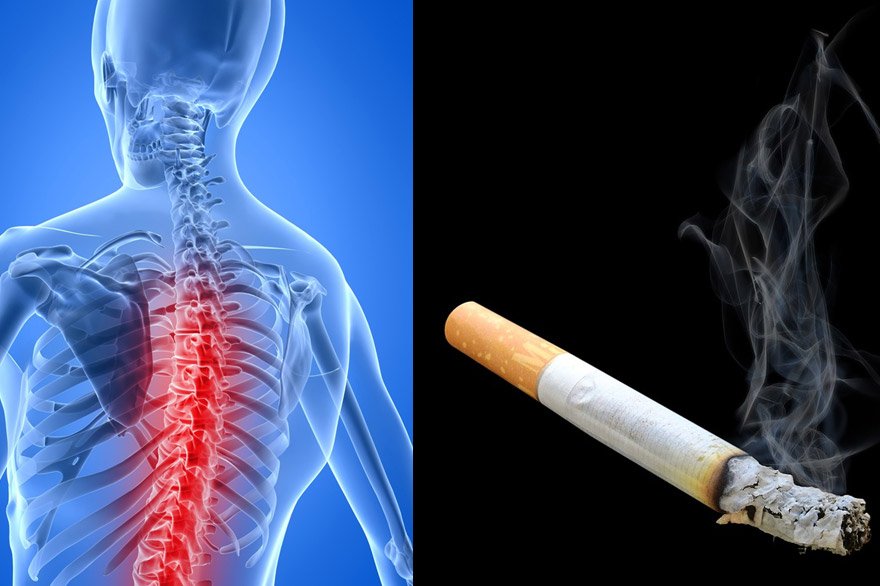
  • Smoking: Back pain is more common in smokers. This could be due to the fact that smoking causes increased coughing, which can lead to herniated discs. Smoking can also reduce blood flow to the spine, increasing the risk of a stroke.

Top 10 essential tips for a healthy spine:

 1. Examine your exercise regimen

 A good workout routine aids in the maintenance of a healthy spine. Exercise can also aid in the rehabilitation of injuries to the spine.

You no longer need to be a professional athlete with a  complicated exercise regimen to maintain a healthy spine. It is enough to undertake a simple exercise regimen that strengthens and stretches your back, abdominal muscles and hamstrings.

These basic workouts will help in the delivery of nutrients to your soft tissues and spinal discs as well as maintaining the health of your spinal discs, muscles, joints and ligaments. Stretching and strengthening aid in the degeneration of spine.

2. Appropriate lifting

Lifting heavy objects incorrectly can weaken your lower back muscles, resulting in a back injury and unpleasant muscular strains.

When lifting something heavy if your body is not properly positioned, you risk locking your spinal joint or rupturing your spinal discs.

Lifting correctly entails more than just bending your knees. When lifting a big object, make sure you lead with your hips rather than your back.

Put your chest forward and rely on your abdominal muscles. These simple tips will help you avoid pulling a muscle in your spine, which may be very painful.

3. Verify your posture

 Do you find yourself slouching at work or while sitting on the couch at home? Many people do not even realise they have bad posture.

If you look at a photo of a spine, you will notice that it curves naturally. It is also critical that your sitting posture helps to sustain these curves.

spine

When your posture goes against the normal curve of your spine, you risk damaging the sensitive nerves in your spine.

First, stretch and walk whenever you can, even if it is only for a few minutes. Make sure your desk and office chair are in good shape.

Get a stand up desk to work for a few hours or spend some time sitting on an exercise ball. These solutions are suitable for those who have the ability to choose.

4. Get massage therapy for your body

Massage treatment has a number of advantages. It’s a good way to efficiently treat back problems and pain in specific situations.

Massage treatment promotes blood circulation, relieves sore muscles in the spine and enhances endorphin levels in the spine, to name a few benefits. Massage therapy can even assist you in sleeping better.

5. Walking on a regular basis result in a healthy spine

Walking on a regular basis has a number of advantages. Walking helps to strengthen your core, nourish your spine and keep your body upright. It also strengthens bone structure and enhances flexibility.

Before starting a walking routine, see your doctor.

A Neurosurgeon will advise you on how long you should walk.

6. Heat therapy can relieve pain

 It is no secret that heat relaxes muscles. When heat is  applied it encourages blood flow. This gives your muscles the nourishment that your spine requires.

Heat therapy relieves discomfort in your spine’s joints and muscles. It has also been reported to help with muscle spasms.

There are a variety of heat therapy items available. Consider using a heating pad or a heat wrap that emits low, continuous heat over a period of many hours.

7. The right way to sleep

Creating a sleep plan that is suited for your body to get the best benefits for a healthy spine.

Get a pillow that supports the natural curve of your neck. Everyone is unique. As a result, a cushion that suits one individual may not suit another. The type of sleeping pillow you require is also determined by your sleeping posture.

8. Join a yoga meditation course

Meditation has been found in studies to be an effective treatment for persistent back pain. Many patients with persistent back pain have found relief through yoga, Tai Chi and mindful meditation.

Breathing and stretching exercises appear to improve the health of the spine. What matters most is that you practice on a regular basis.

9. Eat well and keep a healthy weight

The importance of a good diet in maintaining a healthy spine cannot be overstated. Preventing spinal problems like osteoarthritis and osteoporosis can be as simple as eating meals high in calcium and containing critical nutrients and vitamins

10. Quit smoking

It reduces the toxic and harmful substances load in the body, reduces the  vessel narrowing and blood supply to spine.  Quiting smoke also reduces cough and reduces intra spinal pressure.

Disclaimer:

This article /content is for general information and educational purposes only and is not complete or exhaustive. The presentation / article / content is not intended or implied to provide or substitute for medical or other professional health care advice, be used to assess health conditions, or used or relied upon for diagnosis or treatment. This presentation / article /content do not constitute an endorsement or an approval of any of the products, services, contents or opinions. NeuroWellness makes no representations as to accuracy, completeness, correctness, suitability or validity of any information contained in this presentation / article / content and will not be liable for any losses, injuries or damages arising from its use.

1. What is Balloon Kyphoplasty?

It is a spinal procedure to restore the height of the fractured vertebral bone. It relieves the back pain by stabilizing the spine after the procedure.

2. When it is done?

It is done in vertebral fracture due to osteoporosis and bone has lost its height. There will be severe back pain, most commonly after the trivial fall.

3. When you need it?

It can happen in people after the age of 50 years after a trivial fall. Vertebral fracture causing severe pain, unable to walk. Evaluation is done with MRI, CT and bone scan.

4. How kyphoplasty is done?

It is a minimally invasive spine procedure and a modified vertebroplasty technique. Here Spine Surgeons in Bangalore inflate the balloon in the fractured vertebra to restore the height of the vertebra to stabilize the fracture. Then bone cement is filled into space. Anaesthesia preferred is general but it can be done under local anaesthesia in some cases. The duration can be 1 hour to 2 hours.

Ganesh

Dr. Ganesh Veerabhadraiah

Consultant – Neurosurgeon, Neurointerventional Surgery, Spine Surgeon (Neuro)
23+ Years Experience Overall (17+ years as Neuro Specialist)

Available for Consultation: Jayanagar 9th Block & Kauvery Hospital, Electronic City 

5. What are the complications of the procedure?

There is no procedure without complications

Neurowellness in Bengaluru provides consultation and treatment to all spine-related problems by the Best spine surgeon in Bangalore.

Balloon Kyphoplasty Surgery in Bangalore

“Living with spine fractures or severe back pain? Neurowellness Brain & Spine Clinic offers advanced balloon kyphoplasty for safe recovery.”

FAQs

1. What is balloon kyphoplasty surgery?

Balloon kyphoplasty is a minimally invasive procedure to treat spinal fractures by restoring height and stabilizing the bone.

2. Who needs balloon kyphoplasty?

It is recommended for patients with spinal fractures due to osteoporosis, injury, or tumors.

3. Is balloon kyphoplasty safe?

Yes, it is generally safe with quick recovery and minimal complications when performed by experienced surgeons.

4. How long does recovery take after balloon kyphoplasty?

Most patients resume light activities within a few days and feel significant pain relief within weeks.

5. Where can I get balloon kyphoplasty in Bangalore?

Neurowellness Brain & Spine Clinic offers advanced balloon kyphoplasty surgery in Bangalore.

Ganesh

About Author

Dr. Ganesh Veerabhadraiah

Dr. Ganesh Veerabhadraiah, leading neurosurgeon and neurologist in Bangalore, has over 20 years of expertise in managing back pain, migraines, headaches, neuro disorders, and spine problems. His clinical excellence and patient-first approach make him one of the most trusted neuro doctors in Bangalore.

At Neurowellness Brain & Spine Clinic in Jayanagar and Kavery Hospital Electronic City, Dr. Ganesh provides comprehensive treatments ranging from minimally invasive spine surgery to advanced neurological care. As a respected back pain specialist and migraine doctor, he continues to deliver reliable outcomes for patients.

👉 Connect with Dr. Ganesh on LinkedIn

Common neuroimaging done in Spine are

1. Spine X Ray
2. MRI Scan
3. CT Spine
4. Dynamic X Ray

Spine X Ray

1. Spine X Ray

X ray focus on different parts of the spine. It can be cervical, dorsal & lumbar, sacral, It shows bony anatomy of the spine. It shows the disc space in between the vertebra.

In bony densities of vertebra can also be seen – bony density will be decreased in osteopenia, osteoporosis, aging etc.
X ray also shows if any fracture, parts defect, sliping of the vertebra & nerve foramina.

X-ray will not give information about disc degeneration, how much disc compressing the spinal cord, dural sac or nerve root & others of tissue pathology.

MRI Scan

2. MRI Scan

It is a non invasive imaging and routinely done. MRI shows soft tissue anatomy, vertebrae alignment of the spine disc & muscles. It can detect disc bulge, disc proplase, migration relation of disc relation to nerve roots. Facet joint pathology several of nerve root / nerve root compression. Contrast images of MRI nicely shown nerve tumors like schwannoma, neurofibroma, meningioma, spreading of pus, edema of nerve root & spinal cord.

CT Spine

3. CT Spine

It shows the exact / accurate bony architecture of the spine. It is less economical & fast than MRI. It can show fracture, slipping of vertebra, muscle of ligamental injury, spinal canal & any calcification in soft tissue.

Dynamic X Ray

4. Dynamic X Ray

It is usually taken in the lateral view / sagittal view in a completely flexed spine & completely extended spine. The motion of one vertebra & over of another vertebra is seen. In any neural foraminal stenosis can be seen. It will give information regarding grading of slipping/listheis of slip vertebra.

TestWhat It ShowsWhen Recommended
X-RayBone structure, fracturesSuspected injury or deformity
CT ScanCross-sectional bone & tissue detailComplex fractures, tumors
MRISoft tissue, discs, spinal cordDisc prolapse, nerve compression
MyelogramSpinal canal detail with dyeWhen MRI/CT is not conclusive

Neurowellness in Bengaluru provides consultation and treatment to all spine related problems by the best Spine Surgeons in Bangalore and also provides treatment for other neuro problems by the Best Neurosurgeon in Bangalore.

Spine Imaging & Diagnosis in Bangalore

“Need an MRI or CT scan for spine pain? Neurowellness Brain & Spine Clinic helps you with accurate diagnosis, expert interpretation, and personalized treatment plans.”

Ganesh

Dr. Ganesh Veerabhadraiah

Consultant – Neurosurgeon, Neurointerventional Surgery, Spine Surgeon (Neuro)
23+ Years Experience Overall (17+ years as Neuro Specialist)

Available for Consultation: Jayanagar 9th Block & Kauvery Hospital, Electronic City 

FAQs

1. What is the most common imaging test for spine problems?

MRI is most commonly used as it shows detailed images of discs, nerves, and spinal cord.

2. How is an MRI different from a CT scan for the spine?

MRI is better for soft tissue and nerves, while CT shows bones and fractures in more detail.

3. Are spine imaging tests painful?

No. They are non-invasive and painless, though MRI requires lying still in a scanner.

4. When should I get spine imaging done?

If you have severe back pain, numbness, or suspected spinal injury, your doctor may recommend it.

5. Where can I get spine MRI & CT scans in Bangalore?

Neurowellness Brain & Spine Clinic guides patients to trusted diagnostic centers and provides expert interpretation.

Ganesh

About Author

Dr. Ganesh Veerabhadraiah

Dr. Ganesh Veerabhadraiah, leading neurosurgeon and neurologist in Bangalore, has over 20 years of expertise in managing back pain, migraines, headaches, neuro disorders, and spine problems. His clinical excellence and patient-first approach make him one of the most trusted neuro doctors in Bangalore.

At Neurowellness Brain & Spine Clinic in Jayanagar and Kavery Hospital Electronic City, Dr. Ganesh provides comprehensive treatments ranging from minimally invasive spine surgery to advanced neurological care. As a respected back pain specialist and migraine doctor, he continues to deliver reliable outcomes for patients.

👉 Connect with Dr. Ganesh on LinkedIn

By smoking Cigarette, pharmacologically active alkaloid Nicotine is inhaled and that deeply penetrates the lungs and then absorbed in the bloodstream.

disc degeneration

Nicotine is directly responsible for Intervertebral disc degeneration by damage of annulus & nucleus pulposus. By Smoking Toxins directly damage cells.

Toxins released by smoking increase pain sensitivity by altering the pathway in the central nervous system (CNS). The smokers may require an increase in the dose of pain killers (Analgesics )to reduce the pain compare to non-smokers.

According to the National Osteoporosis Foundation US – smokers have a high incidence of osteoporosis and low bone density thereby increasing the risk of fracture.

Vertebral / Spine fractures are common in smokers.

Spine fracture

Spine fracture

Smoking reduces the bone mineral density, directly proportional to the severity of the smoking and also occurs with passive smoking.

Smoking reduces the oxygen supply and healing process of the bone, thereby delayed healing of the spine is expected following spine fracture or spine surgery.

Smoking affects the blood vessels, causes vasoconstriction and reduces oxygen and nutrients spinal tissue.

Continuous coughing as a result of smoking puts undue pressure over the spine and Increases the chances of disc herniation, radicular pain, and claudication pain. Subsequently, also worsen the neurological deficits.

Smoking EffectImpact on Spine Health
Reduced blood flowSlows healing after injuries & surgeries
Weak bone densityHigher risk of fractures & osteoporosis
Disc degenerationFaster wear & tear leading to chronic back pain
Impaired recoveryLonger recovery from spine surgeries
Ganesh

Dr. Ganesh Veerabhadraiah

Consultant – Neurosurgeon, Neurointerventional Surgery, Spine Surgeon (Neuro)
23+ Years Experience Overall (17+ years as Neuro Specialist)

Available for Consultation: Jayanagar 9th Block & Kauvery Hospital, Electronic City 

QUIT SMOKING FOR A HEALTHY SPINE

Our expert Spine Surgeons in Bangalore at Neurowellness a Bangalore Spine Specialist Clinic provide consultation and treatment to all problems related to spine and brain.

Conculsion

Smoking doesn’t just harm your lungs and heart it silently damages your spine, weakens bones, and slows down recovery from injuries and surgeries. The good news is that quitting smoking and seeking timely medical care can significantly improve spine health and prevent long-term complications.

At Neurowellness Brain & Spine Clinic in Bangalore, our team of expert neurosurgeons and spine specialists provide comprehensive care to help patients manage smoking-related spine issues, from early diagnosis to advanced treatment.

Don’t wait until back pain becomes a permanent problem.

FAQs

1. How does smoking affect spine health?

Smoking reduces blood flow, weakens bones, and speeds up disc degeneration, leading to chronic back pain.

2. Can quitting smoking improve back pain?

Yes. Quitting restores blood circulation, strengthens bones, and helps reduce pain and spine complications.

3. Does smoking slow recovery after spine surgery?

Yes. Smokers heal slower and have higher chances of post-surgery complications.

4. Who is at risk of spine damage from smoking?

Long-term smokers, people with osteoporosis, and those with back pain are at higher risk.

5. Where can I get spine recovery help in Bangalore?

Neurowellness Brain & Spine Clinic offers diagnosis and treatment for smoking-related spine problems.

Ganesh

About Author

Dr. Ganesh Veerabhadraiah

Dr. Ganesh Veerabhadraiah, leading neurosurgeon and neurologist in Bangalore, has over 20 years of expertise in managing back pain, migraines, headaches, neuro disorders, and spine problems. His clinical excellence and patient-first approach make him one of the most trusted neuro doctors in Bangalore.

At Neurowellness Brain & Spine Clinic in Jayanagar and Kavery Hospital Electronic City, Dr. Ganesh provides comprehensive treatments ranging from minimally invasive spine surgery to advanced neurological care. As a respected back pain specialist and migraine doctor, he continues to deliver reliable outcomes for patients.

👉 Connect with Dr. Ganesh on LinkedIn