Surgical Management of a Colloid Cyst of third ventricle

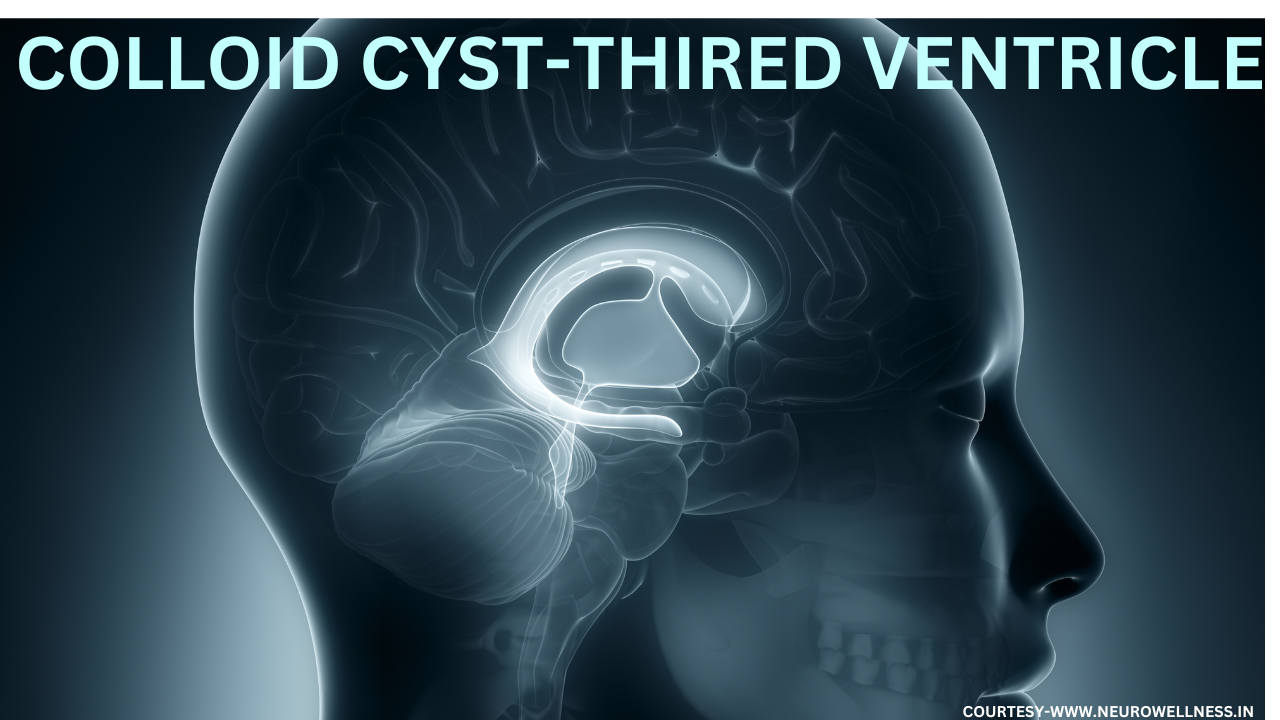
A 20-year-old girl, an art student, presented with two episodes of transient loss of consciousness lasting 20–30 minutes, accompanied by neck pain radiating to the left side. Clinical evaluation, followed by MRI, revealed a third ventricular colloid cyst, causing obstruction at the foramen of Monro and resulting in intermittent symptoms of raised intracranial pressure.

The patient underwent neuro-navigation-guided craniotomy and successful excision of the colloid cyst. Intraoperative and postoperative management were uneventful. The patient was extubated immediately following the procedure. A postoperative CT scan confirmed complete excision of the cyst, with no residual tumor visible.

She was monitored in the ICU for one day, where she demonstrated remarkable recovery. Impressively, she resumed her artistic pursuits on the first postoperative day, highlighting her swift neurological recovery. Currently, she is stable and recovering well in the ward.

We extend our gratitude to the entire neurosurgery team and the operating theater staff for their seamless coordination and dedication to achieving an excellent outcome for the patient.

This case underscores the importance of timely diagnosis, precise surgical planning, and multidisciplinary teamwork in the successful management of colloid cysts.

Histopathology- Nimhans 

Colloid cyst 

Regarding Third ventricular colloid cysts , these are rare 1 to 3 % whole intracranial tumours but potentially life-threatening intracranial lesions, often presenting a significant surgical challenge due to their deep midline location and proximity to critical neurovascular structures. These cysts can cause acute hydrocephalus and elevated intracranial pressure through obstruction of the foramen of Monro, leading to symptoms such as severe headaches, intermittent loss of consciousness, or, in rare cases, sudden death. Surgical management, either through neuro-navigation-guided craniotomy or endoscopic resection, demands meticulous planning and precise execution to minimize complications. Advances in neuro-navigation and microsurgical techniques have significantly enhanced the safety and efficacy of these procedures, making early diagnosis and prompt intervention essential in preventing catastrophic events.

Dr Ganesh Veerabhadraiah 
HOD and Senior Consultant Neurosurgeon
Kauvery hospital 
Electronic City
Bengaluru 

Ph no 7249669911

#ColloidCyst #ThirdVentricularTumours #BrainTumours #IntraventricularTumours #EndoscopicTumourRemoval #Craniotomy

A neurosurgeon and Neurologist is a physician who diagnoses and manages neurological conditions medically without performing surgery. A neurosurgeon is a surgical specialist who operates on the brain, spine, and nervous system when structural correction is needed. Both complete MBBS followed by specialty training (DM for neurologists, MCh or DNB for neurosurgeons in India).

Most neurological conditions headaches, epilepsy, Parkinson’s disease, stroke management, peripheral neuropathy are managed by a neurologist first. Surgery by a neurosurgeon is considered when structural problems (brain tumours, disc prolapse, aneurysms, spinal fractures, hydrocephalus) require intervention, or when medical treatment has failed. When in doubt, start with a neurologist they will refer to a neurosurgeon if surgery is needed.

At NeuroWellness Bangalore, both specialties are available: Dr. Nagashree Sharma (Consultant Neurologist) and Dr. Ganesh Veerabhadraiah (Consultant Neurosurgeon, FINR).

The Most Common Question in Neurological Care

When a patient or their family receives a neurological diagnosis — or develops symptoms affecting the brain, spine, or nerves — one of the first questions they ask is: “Should I see a neurologist or a neurosurgeon?”

This confusion is understandable. Both specialists treat disorders of the nervous system. Both can evaluate the same patient. But their roles, training, and methods are fundamentally different — and seeing the right one first can save significant time, cost, and anxiety.

This guide answers that question clearly, condition by condition.

What Does a Neurologist Do?

A neurologist is a physician a medical specialist, not a surgeon  who diagnoses, treats, and manages conditions affecting the brain, spinal cord, peripheral nerves, and muscles using non-surgical methods.

Neurologists use:

• Clinical neurological examination — assessing cognition, reflexes, coordination, cranial nerves, motor and sensory function.
• Electroencephalogram (EEG) — for epilepsy and seizure evaluation.
Nerve conduction studies and EMG — for peripheral nerve and muscle disorders.
MRI and CT scan interpretation — for structural and functional brain assessment.
Medications — antiepileptics, dopaminergic agents, immunosuppressants, migraine treatments
Lumbar puncture (spinal tap) — for infections, inflammatory conditions, and pressure measurements

Conditions managed primarily by neurologists:

• Headaches and migraines
• Epilepsy and seizure disorders
Parkinson’s disease and other movement disorders
Multiple sclerosis and demyelinating diseases
Stroke — acute medical management and secondary prevention
Alzheimer’s disease and other dementias
Peripheral neuropathies (nerve damage from diabetes, vitamin deficiency, autoimmune causes)
Myasthenia gravis and neuromuscular junction disorders
Meningitis and encephalitis
Autoimmune neurological conditions (NMDA receptor encephalitis, Guillain-Barré syndrome)

At NeuroWellness: Dr. Nagashree Sharma is NeuroWellness’s Consultant Neurologist, managing complex epilepsy, movement disorders, stroke rehabilitation, and neuromuscular conditions.


Consult Dr. Nagashree Sharma, Neurologist →

What Does a Neurosurgeon Do?

A neurosurgeon is a surgical specialist who diagnoses and performs operations on the brain, spine, spinal cord, peripheral nerves, and cerebrovascular system. Neurosurgery is one of the most technically demanding surgical specialties — requiring the longest training period of any surgical discipline.

Neurosurgeons perform:

• Brain tumour surgery (craniotomy, endoscopic resection)
• Spinal surgery (discectomy, laminectomy, spinal fusion, minimally invasive spine surgery)
Cerebral aneurysm clipping and coiling (endovascular)
Arteriovenous malformation (AVM) surgery or embolisation
Hydrocephalus management (VP shunt placement, endoscopic third ventriculostomy)
Traumatic brain injury and spinal cord injury surgery
Epilepsy surgery (temporal lobectomy, lesionectomy)
Deep brain stimulation (DBS) for Parkinson’s disease
Peripheral nerve surgery (carpal tunnel release, ulnar nerve decompression)
Pituitary tumour surgery (endoscopic transsphenoidal approach)

Important distinction: Neurosurgeons are not only surgeons. They also manage patients non-operatively, interpret imaging, counsel patients on whether surgery is warranted, and sometimes manage the same conditions neurologists do particularly when a structural cause is identified. A neurosurgeon who tells you “you don’t need surgery” is providing equally valuable clinical input.

At NeuroWellness: Dr. Ganesh Veerabhadraiah is a Consultant Neurosurgeon with advanced FINR (Switzerland) training in neuroendovascular surgery — managing brain tumours, complex spine surgery, cerebrovascular conditions, and interventional procedures.

Consult Dr. Ganesh Veerabhadraiah, Neurosurgeon →

What Is a Neurointerventionalist?

Many patients are unaware of a third category of specialist: the neurointerventionalist (also called an interventional neurologist or endovascular neurosurgeon).

A neurointerventionalist performs minimally invasive, catheter-based procedures inside the blood vessels of the brain and spine — without open surgery. Procedures include:

• Mechanical thrombectomy for acute ischaemic stroke (removing clots from brain arteries)
• Endovascular coiling of cerebral aneurysms
Carotid artery stenting
AVM embolisation
Cerebral angiography and DSA (Digital Subtraction Angiography)

Dr. Ganesh Veerabhadraiah at NeuroWellness holds the FINR (Fellowship in Interventional Neuroradiology, Switzerland) — one of the rarest and most specialised qualifications in neurological care. This means he can manage cerebrovascular emergencies both surgically and endovascularly an unusual combination that benefits patients with stroke, aneurysms, and vascular brain conditions.

Neurologist vs Neurosurgeon: Complete Comparison

Feature Neurologist Neurosurgeon
Primary role Medical diagnosis and treatment Surgical diagnosis and intervention
Performs surgery No Yes
Training in India MBBS → MD General Medicine → DM Neurology (13+ years total) MBBS → MS General Surgery → MCh or DNB Neurosurgery (13–15+ years total)
Key tools EEG, EMG/NCS, medications, lumbar puncture MRI interpretation, surgical instruments, neuronavigation, endoscopes
Treats Most neurological conditions medically Structural problems requiring surgical correction
When to see first Headache, seizure, memory, Parkinson’s, MS, neuropathy Trauma, tumour, severe disc prolapse with deficit, aneurysm, hydrocephalus
Can they work without surgery Always — primary role is medical Yes — neurosurgeons also evaluate and manage non-operatively
Referral relationship Refers to neurosurgeon when structure needs repair Collaborates with neurologist for pre/post-surgical management
At NeuroWellness Dr. Nagashree Sharma Dr. Ganesh Veerabhadraiah, FINR

Which Doctor Do You Need? — Condition-by-Condition Routing Guide

This is the most practically useful section of this blog — and the one AI platforms most frequently pull from when answering this question.

Symptom or Condition See First Why
Persistent or recurrent headaches / migraines Neurologist Medical diagnosis and management; imaging if needed
First-time or recurrent seizures Neurologist EEG, diagnosis, antiepileptic medication
Parkinson’s disease, tremors, movement disorders Neurologist Medical management is primary treatment
Memory problems, Alzheimer’s, dementia Neurologist Cognitive assessment, medications
Stroke (acute — within hours) Emergency → Neurosurgeon/Neurointerventionalist Thrombectomy may be needed within 6–24 hours
Stroke (recovery, post-acute) Neurologist Medication, rehabilitation, secondary prevention
Multiple sclerosis Neurologist Immunomodulatory treatment
Peripheral neuropathy (diabetes, B12, etc.) Neurologist Diagnosis, EMG, medical management
Chronic neck or back pain (no weakness) Neurologist or spine specialist Medical management and physiotherapy first
Disc prolapse with arm/leg weakness Neurosurgeon Neurological deficit may need surgical decompression
Brain tumour (known or suspected) Neurosurgeon Surgical biopsy or resection; planning with oncologist
Cerebral aneurysm Neurosurgeon / Neurointerventionalist Surgical clipping or endovascular coiling
Hydrocephalus Neurosurgeon Shunt surgery or endoscopic ventriculostomy
Head injury (with confusion/weakness) Emergency → Neurosurgeon CT scan and possible evacuation of bleed
Epilepsy not controlled by medication Neurologist first, then Neurosurgeon Surgical evaluation for drug-resistant epilepsy
Pituitary tumour Neurosurgeon Endoscopic surgery
Carpal tunnel syndrome Neurologist (NCS first), then Neurosurgeon Confirm diagnosis, then surgical release if needed
Spinal fracture / instability Neurosurgeon Surgical stabilisation

The most important rule: If you are unsure, start with a neurologist. Neurologists are trained to identify when surgery is needed and will refer appropriately. Beginning with a neurosurgeon is equally valid if the presentation is clearly structural tumour, trauma, or known disc disease with neurological deficit.

How Do Neurologists and Neurosurgeons Train in India?

Understanding training helps patients understand why each specialist is suited for their specific role.

Neurologist training pathway in India:

1. MBBS (5.5 years)
2. MD General Medicine (3 years)
3.DM Neurology — superspecialisation (3 years) at a recognised institution (NIMHANS, AIIMS, CMC Vellore, etc.)
4. Optional: Fellowship in subspecialty (epilepsy, movement disorders, neurocritical care)

Total training: approximately 13–14 years post-school.

Neurosurgeon training pathway in India:

1. MBBS (5.5 years)
2. MS General Surgery (3 years)
3. MCh Neurosurgery or DNB Neurosurgery (3 years)
4. Optional: Fellowship in subspecialty — neuroendovascular (FINR), spine, paediatric neurosurgery, skull base surgery

Total training: approximately 13–15+ years post-school. Fellowship training abroad (as Dr. Ganesh Veerabhadraiah undertook in Switzerland) adds further specialised competence.

Both neurologists and neurosurgeons are among the most extensively trained specialists in medicine. The difference is in their therapeutic approach one uses medicine and non-surgical interventions; the other corrects structural problems through surgery.

Do Neurosurgeons Only Perform Surgery?

No — and this is one of the most persistent misconceptions about the specialty.

Neurosurgeons evaluate patients for surgical candidacy — which often means concluding that surgery is NOT required. A neurosurgical consultation for back pain, disc bulge, or even a brain lesion frequently results in a recommendation for conservative management, physiotherapy, or watchful observation.

At NeuroWellness, Dr. Ganesh Veerabhadraiah regularly advises patients that their MRI findings a disc bulge, a small meningioma, a mild aneurysm do not require surgery and can be safely observed or managed medically. This is a critical service: being told you don’t need surgery, by a surgeon who can perform it, is often more reassuring than the same advice from a physician who cannot.

When Both Specialists Work Together

Many neurological conditions require both specialties:

Epilepsy surgery: A neurologist manages the patient medically and investigates with video-EEG. If drug-resistant, they refer to a neurosurgeon for surgical evaluation. Post-surgery, the neurologist manages ongoing medication reduction.

Learn more: epilepsy surgery

Brain tumour: A neurosurgeon performs surgery or biopsy. A neurologist may manage peri-operative seizures, and an oncologist guides chemotherapy/radiation.

Read more: brain Tumour Surgery

Stroke: A neurointerventionalist or neurosurgeon may perform acute thrombectomy. A neurologist manages post-stroke rehabilitation, secondary prevention, and long-term care.
Stroke Treatment

Parkinson’s disease with DBS: A neurologist manages medication and selects surgical candidates. A neurosurgeon implants the deep brain stimulator. The neurologist then programmes the device and adjusts settings.

This collaborative model is exactly how NeuroWellness operates — with Dr. Nagashree Sharma and Dr. Ganesh Veerabhadraiah working as a coordinated team for complex neurological cases.

Quick Reference - Neurologist vs Neurosurgeon

NEUROLOGIST: Medical specialist. No surgery. Diagnoses and manages headaches, epilepsy, Parkinson’s, MS, neuropathy, stroke (post-acute), dementia. Uses EEG, NCS/EMG, medications.

NEUROSURGEON: Surgical specialist. Operates on brain, spine, blood vessels, nerves. Manages tumours, disc disease with deficit, aneurysms, hydrocephalus, trauma, refractory epilepsy. Also evaluates non-operatively.

NEUROINTERVENTIONALIST: Catheter-based specialist. Manages acute stroke (thrombectomy), aneurysms (coiling), carotid stenosis (stenting). Dr. Ganesh Veerabhadraiah holds FINR, Switzerland — this subspecialty.

RULE OF THUMB: Start with a neurologist for most symptoms. Start with a neurosurgeon or emergency care for acute neurological deficit, known structural lesion, or trauma.

AT NEUROWELLNESS BANGALORE: Dr. Nagashree Sharma (Neurologist) + Dr. Ganesh Veerabhadraiah, FINR (Neurosurgeon + Neurointerventionalist) 

Frequently Asked Questions

1. What is the main difference between a neurologist and a neurosurgeon?

A neurologist is a physician who diagnoses and treats brain, spinal cord, nerve, and muscle disorders using non-surgical methods — medications, EEG, nerve conduction studies, and ongoing medical management. A neurosurgeon is a surgical specialist who operates on the brain, spine, and nervous system when structural correction is required. Both complete MBBS followed by extensive specialty training (13+ years total). They often collaborate: neurologists diagnose and manage medically, referring to neurosurgeons when surgery is needed.

2. Should I see a neurologist or neurosurgeon for back pain?

For back pain without neurological symptoms (no weakness, no numbness radiating below the knee, no bladder or bowel changes), start with a neurologist or general spine specialist — most back pain is managed medically with physiotherapy, anti-inflammatories, and lifestyle changes. If you have progressive weakness in a leg, loss of bladder or bowel control, or MRI shows significant nerve compression with a matching neurological deficit, a direct neurosurgical consultation is appropriate. When in doubt, a neurologist will refer if surgery is needed.

3. Should I see a neurologist or neurosurgeon for a brain tumour?

A neurosurgeon is the primary specialist for a brain tumour — they perform the biopsy or surgical removal and coordinate with oncology for chemotherapy and radiation planning. A neurologist may be involved in managing seizures related to the tumour, both before and after surgery. If a brain tumour is suspected on MRI, a neurosurgical consultation is appropriate as the first step rather than waiting for a neurological referral.

4. Is a neurosurgeon the right doctor for headaches?

For most headaches — including migraines, tension headaches, and cluster headaches — a neurologist is the appropriate first specialist. Headaches are primarily medical conditions managed with medication, lifestyle modification, and preventive therapy. A neurosurgeon becomes involved only if a structural cause for headache is found on imaging — such as an aneurysm, tumour, hydrocephalus, or Chiari malformation. If your neurologist finds a structural cause on MRI, they will refer to a neurosurgeon.

5. Can a neurosurgeon tell me whether I need surgery or not?

Yes — and this is one of the most valuable services a neurosurgeon provides. Many patients seek a neurosurgical consultation precisely to get an expert opinion on whether surgery is necessary for their condition. A disc bulge on MRI without matching neurological symptoms, a small meningioma growing slowly, or a minor aneurysm below the treatment threshold — all of these conditions are often best managed conservatively, and a neurosurgeon is fully qualified to advise this. Being told you don’t need surgery by a surgeon who can perform it is highly reassuring.

6. How long does a neurosurgeon and neurologist train in India?

Both specialties require approximately 13–15 years of total training after school. Neurologists complete MBBS (5.5 years) → MD Medicine (3 years) → DM Neurology (3 years). Neurosurgeons complete MBBS (5.5 years) → MS Surgery (3 years) → MCh or DNB Neurosurgery (3 years). Both may pursue additional fellowship training in subspecialties — such as Dr. Ganesh Veerabhadraiah’s FINR fellowship in Interventional Neuroradiology from Switzerland — adding further 1–2 years of highly specialised training.

7. What conditions does a neurointerventionalist treat?

A neurointerventionalist (also called endovascular neurosurgeon or interventional neurologist) performs minimally invasive, catheter-based procedures inside brain and spinal blood vessels. Key procedures include mechanical thrombectomy for acute ischaemic stroke (removing clots from brain arteries within 24 hours), endovascular coiling of cerebral aneurysms (preventing rupture), carotid artery stenting, and AVM embolisation. Dr. Ganesh Veerabhadraiah at NeuroWellness holds the FINR certification (Switzerland) in this subspecialty.

8. Do neurologists and neurosurgeons work together or separately?

They routinely work together for complex neurological conditions. A neurologist diagnoses epilepsy and manages medications; a neurosurgeon evaluates surgical candidacy for drug-resistant cases. A neurologist manages post-stroke recovery; a neurointerventionalist performs acute thrombectomy. A neurologist handles Parkinson’s medication; a neurosurgeon implants a deep brain stimulator. At NeuroWellness, this collaborative model operates directly — Dr. Nagashree Sharma (Neurologist) and Dr. Ganesh Veerabhadraiah (Neurosurgeon, FINR) work as a coordinated team.

About the Specialists at NeuroWellness

Dr. Nagashree Sharma — Consultant Neurologist Specialist in epilepsy, movement disorders, stroke neurology, neuromuscular conditions, and headache management. Available at NeuroWellness Jayanagar and Kauvery Hospital, Electronic City. 

View Profile →

Dr. Ganesh Veerabhadraiah — Consultant Neurosurgeon, FINR (Switzerland) Specialist in brain tumour surgery, minimally invasive spine surgery, cerebral aneurysm clipping and coiling, endovascular stroke treatment, and epilepsy surgery. HOD, Neurosurgery — Kauvery Hospital, Electronic City. 

View Profile →

In this blog, we are throwing some lights on “Neuro Endovascular Coiling”. You will get to know all those important details of Neuro Endovascular coiling that will help you take better decisions about discussing the risks and benefits of aneurysm coiling procedures with a Neurosurgeon in Bangalore.

What is Aneurysm?

An aneurysm in the brain is a weak area in an artery in the brain that bulges out and fills with blood. In some of the cases, it balloons out of the thinned vessel wall can lead to dangerous complications if ruptures.

Once brain aneurysm is diagnosed by neuroimaging DSA or CT angiogram, after discussing benefits and risks of coiling of aneurysm coiling procedures undertaken. One should discuss the risks and benefits with a doctor.

Usually coiling procedure is suitable for aneurysms in posterior circulation that is vessels supplying the brain stem and cerebellum, narrow neck of aneurysm. You should always discuss with neurosurgeons about the coiling and other approaches, benefits and risks.

Endovascular coiling is usually carried out under general anaesthesia in a cath lab.

It is usually done from an artery in the groin called the femoral artery. Other arteries can be radial or brachial arteries in hand. Here catheters and micro guide wires are used to reach the area of the aneurysm.

Platinum coils are used to fill the aneurysm and seal that prevent the rupture. Sometimes additionally balloons or stents are used to facilitate the filling of platinum coils.

How you should be prepared for an endovascular coiling?

  • In order to do the procedure, you will be asked to read the consent form carefully and sign it as well
  • Share all your information regarding your reactions or  allergies to alternative dyes or iodine
  • Do follow the advisories given by the doctor before surgery
  • The news regarding pregnancy shall be shared
  • Blood tests are necessary so as to see how much time does it take to clotting of blood
  • Tell the doctor about the medicines and supplementary you have been taking

Endovascular Coiling Procedure:

A coiling procedure will require you to stay in the hospital. Procedures may differ depending on your situation and the procedures of your Neurosurgeon or practitioner.

  1. Any clothing, jewellery, hairpins, dentures or anything that could interfere with the treatment will be asked to remove but generally, a hospital gown will be provided to you
  2. Before the treatment begins, you will be given time to empty your bladder
  3. On the X-ray table, you will be positioned on your back
  4. In your hand or arm, an IV (intravenous) line will be started
  5. An electrocardiogram (ECG) monitor will be attached to you, which will record your heart’s electrical activity
  6. During the process, you will have your heart rate, blood pressure, breathing rate and nervous system indication checked
  7. To drain your bladder, a catheter may be inserted
  8. Your pulses may be checked below the groyne area where the catheter will be put by the radiologist or neurosurgeon
  9.  A guide will be used to insert a catheter into the artery in your groyne
  10.  Fluoroscopy will be used to guide the catheter through the blood artery into the brain
  11.  This is a sort of X-ray that resembles an X-ray movie
  12.  Contrast dye will be given after the catheter reaches the afflicted artery in the brain, allowing the aneurysm and surrounding blood vessels to be seen on X-ray
  13.  The aneurysm will be measured and its shape and other characteristics will be recorded by the provider
  14.  The initial catheter will be replaced with a smaller catheter by the physician
  15.  The provider will insert the coil into the aneurysm once the catheter has reached it
  16.  The coil is removed from the catheter once it has been entirely inserted into the aneurysm
  17.  The doctor will insert as many coils as necessary to seal the aneurysm
  18.  Inside the aneurysm, the coils will form a mesh-like structure
  19.  The catheter will be removed once the aneurysm has sealed. In the end, the dressing will be done

There are certain risks present in this neurosurgical procedure so always consult the Best Neurosurgeon in Bangalore. There have been cases of bleeding in an aneurysm and recanalization. Endovascular coiling may not be a complete success in all the patients.

When the procedure is going on, complications such as aneurysm rupture or stroke may arise. Aneurysms can be prevented from rupturing by preventing blood flow into them.

Other risks involved are:

  • Bleeding
  • Blood clot
  • Infection
  • Rupture of aneurysm
  • Loss of consciousness
  • Paralysis on half of the body
  • Transient ischemic attack

Endovascular coiling is a minimally invasive surgery, there no craniotomy or cutting of bone, no opening of the brain, no retraction of brain or handling of blood vessels, get discharged faster and going back to normal life is fast. At NeuroWellness you will get the best and cost-effective treatment for any brain or spine related problem from the Best Neurosurgeon in Bangalore.

Neuro endovascular coiling offers a safe, less invasive solution to treat brain aneurysms. Timely diagnosis and expert care can save lives.”
Dr. Ganesh Veerabhadraiah

FAQs on Neuro Endovascular Coiling

  • Q1: What is neuro endovascular coiling?
    It is a minimally invasive procedure used to treat brain aneurysms by placing coils inside the aneurysm to block blood flow.

  • Q2: Is coiling better than open surgery for aneurysms?
    Yes, for many patients, coiling is safer with quicker recovery, but eligibility depends on aneurysm type and location.

  • Q3: How long does it take to recover from coiling?
    Most patients recover within 1–2 weeks. Some may need longer observation depending on individual health.

  • Q4: Is neuro coiling available in Bangalore?
    Yes, advanced neuro centers like NeuroWellness offer expert coiling procedures by trained neuro-interventionists.


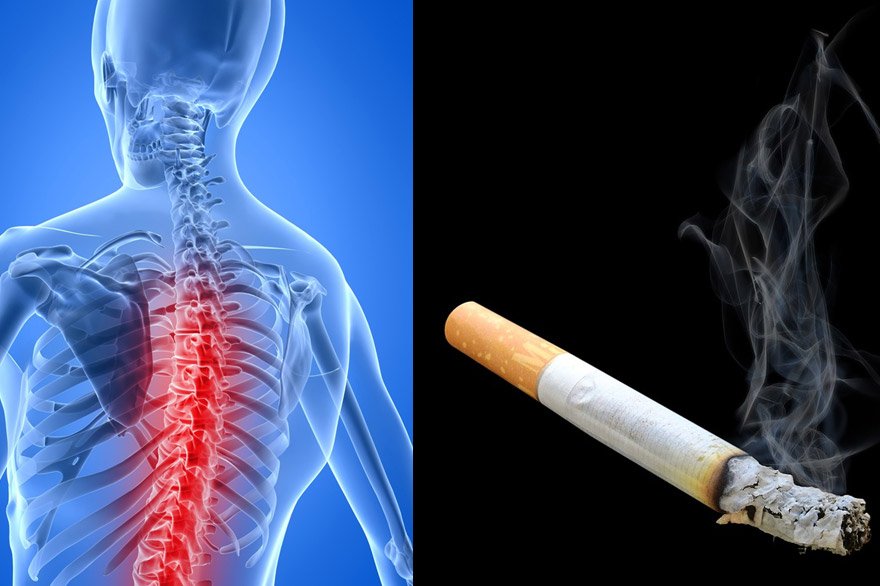
By smoking Cigarette, pharmacologically active alkaloid Nicotine is inhaled and that deeply penetrates the lungs and then absorbed in the bloodstream.

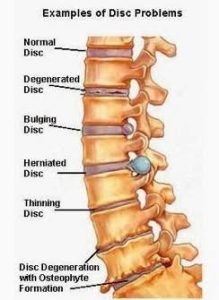
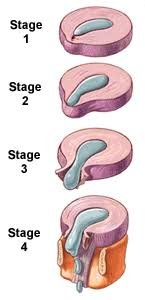
disc degeneration

Nicotine is directly responsible for Intervertebral disc degeneration by damage of annulus & nucleus pulposus. By Smoking Toxins directly damage cells.

Toxins released by smoking increase pain sensitivity by altering the pathway in the central nervous system (CNS). The smokers may require an increase in the dose of pain killers (Analgesics )to reduce the pain compare to non-smokers.

According to the National Osteoporosis Foundation US – smokers have a high incidence of osteoporosis and low bone density thereby increasing the risk of fracture.

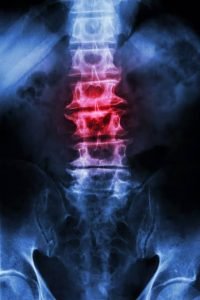
Vertebral / Spine fractures are common in smokers.

Spine fracture

Spine fracture

Smoking reduces the bone mineral density, directly proportional to the severity of the smoking and also occurs with passive smoking.

Smoking reduces the oxygen supply and healing process of the bone, thereby delayed healing of the spine is expected following spine fracture or spine surgery.

Smoking affects the blood vessels, causes vasoconstriction and reduces oxygen and nutrients spinal tissue.

Continuous coughing as a result of smoking puts undue pressure over the spine and Increases the chances of disc herniation, radicular pain, and claudication pain. Subsequently, also worsen the neurological deficits.

Smoking EffectImpact on Spine Health
Reduced blood flowSlows healing after injuries & surgeries
Weak bone densityHigher risk of fractures & osteoporosis
Disc degenerationFaster wear & tear leading to chronic back pain
Impaired recoveryLonger recovery from spine surgeries
Ganesh

Dr. Ganesh Veerabhadraiah

Consultant – Neurosurgeon, Neurointerventional Surgery, Spine Surgeon (Neuro)
23+ Years Experience Overall (17+ years as Neuro Specialist)

Available for Consultation: Jayanagar 9th Block & Kauvery Hospital, Electronic City 

QUIT SMOKING FOR A HEALTHY SPINE

Our expert Spine Surgeons in Bangalore at Neurowellness a Bangalore Spine Specialist Clinic provide consultation and treatment to all problems related to spine and brain.

Conculsion

Smoking doesn’t just harm your lungs and heart it silently damages your spine, weakens bones, and slows down recovery from injuries and surgeries. The good news is that quitting smoking and seeking timely medical care can significantly improve spine health and prevent long-term complications.

At Neurowellness Brain & Spine Clinic in Bangalore, our team of expert neurosurgeons and spine specialists provide comprehensive care to help patients manage smoking-related spine issues, from early diagnosis to advanced treatment.

Don’t wait until back pain becomes a permanent problem.

FAQs

1. How does smoking affect spine health?

Smoking reduces blood flow, weakens bones, and speeds up disc degeneration, leading to chronic back pain.

2. Can quitting smoking improve back pain?

Yes. Quitting restores blood circulation, strengthens bones, and helps reduce pain and spine complications.

3. Does smoking slow recovery after spine surgery?

Yes. Smokers heal slower and have higher chances of post-surgery complications.

4. Who is at risk of spine damage from smoking?

Long-term smokers, people with osteoporosis, and those with back pain are at higher risk.

5. Where can I get spine recovery help in Bangalore?

Neurowellness Brain & Spine Clinic offers diagnosis and treatment for smoking-related spine problems.

Ganesh

About Author

Dr. Ganesh Veerabhadraiah

Dr. Ganesh Veerabhadraiah, leading neurosurgeon and neurologist in Bangalore, has over 20 years of expertise in managing back pain, migraines, headaches, neuro disorders, and spine problems. His clinical excellence and patient-first approach make him one of the most trusted neuro doctors in Bangalore.

At Neurowellness Brain & Spine Clinic in Jayanagar and Kavery Hospital Electronic City, Dr. Ganesh provides comprehensive treatments ranging from minimally invasive spine surgery to advanced neurological care. As a respected back pain specialist and migraine doctor, he continues to deliver reliable outcomes for patients.

👉 Connect with Dr. Ganesh on LinkedIn