
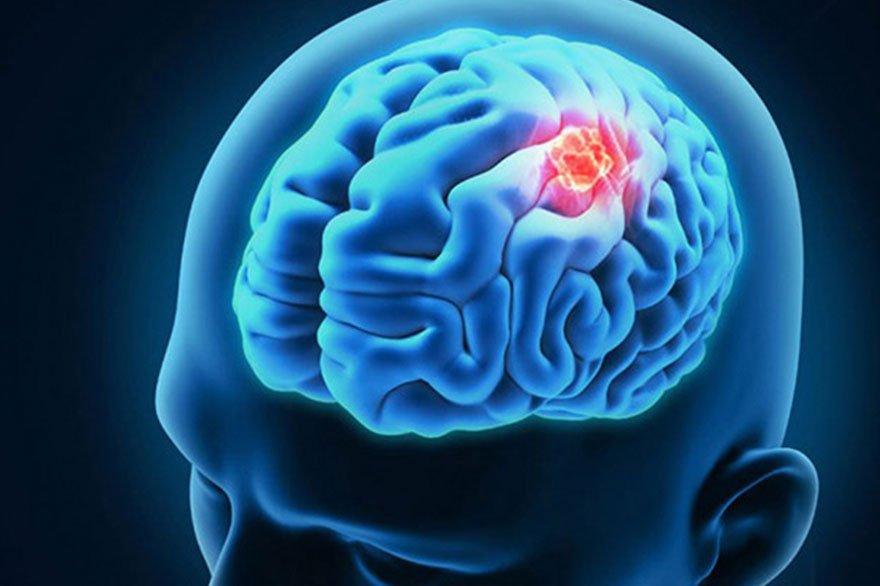
Brain tumors cause worsening symptoms as the tumor grows and increases pressure inside the skull. The most urgent warning signs are new-onset seizures, sudden severe headache, progressive weakness on one side of the body, and rapid loss of speech or vision. Approximately 28,000 new brain tumor cases are diagnosed in India each year (Indian Council of Medical Research, 2023). Surgery or treatment is not always immediately required but an expert neuroimaging evaluation is essential.
Dr. Ganesh Veerabhadraiah, FINR-certified neurosurgeon in Bangalore, recommends immediate consultation if any neurological change worsens over days or weeks.
What Is a Brain Tumor?
A brain tumor is an abnormal growth of cells within the brain or surrounding tissues. Tumors can be benign (non-cancerous) or malignant (cancerous). While benign tumors typically grow slowly and do not spread to other parts of the body, they can still be dangerous if they press on vital areas of the brain. Malignant tumors are aggressive and can invade nearby brain structures.
Brain tumors are classified into two main types:
Primary — originating directly in the brain (e.g., gliomas, meningiomas, pituitary tumors)
Metastatic (secondary) — spreading to the brain from cancers elsewhere in the body, such as the lungs, breast, or colon
The severity of a brain tumor depends on its size, location, and rate of growth. A small tumor in a critical area — such as the brainstem or motor cortex — can cause more harm than a larger tumor in a less sensitive region. According to the Global Cancer Observatory (2022), brain and nervous system cancers account for approximately 2.5% of all new cancer cases diagnosed globally each year.
Early diagnosis and expert evaluation are essential to determine the right treatment approach.
For a deeper understanding, read: brain tumours facts to know
Why Do Brain Tumor Symptoms Worsen Over Time?
Brain tumor symptoms worsen progressively due to increasing pressure inside the skull a condition called raised intracranial pressure. As a tumor enlarges, it compresses surrounding brain tissues, nerves, and blood vessels. The tumor also frequently triggers swelling around the brain (cerebral edema), which further intensifies symptoms such as headaches, nausea, and confusion.
The location of the tumor plays a crucial role in which symptoms appear and how they evolve:
Frontal lobe tumors → personality changes, decision-making difficulties, and weakness on one side
Temporal lobe tumors → memory problems, speech issues, and hearing changes
Parietal lobe tumors → spatial disorientation and difficulty reading or writing
Occipital lobe tumors → vision disturbances and visual field loss
Cerebellum tumors → balance and coordination problems
Brainstem tumors → breathing, heart rate, and swallowing difficulties
Malignant tumors tend to grow and spread faster than benign ones, leading to more rapid symptom progression. However, even slow growing benign tumors can cause significant harm if they press on sensitive brain regions over time.
What Are the Worsening Signs of a Brain Tumor?
Brain tumor symptoms evolve as the tumor grows. Here are the key warning signs that typically
worsen over time:
1. Persistent or Progressively Worsening Headaches
This is the most commonly reported early symptom, present in approximately 48% of brain tumor patients (Journal of Neuro-Oncology, 2020). Brain tumor headaches are different from regular headaches. They typically:
• Worsen progressively over days to weeks
• Are more intense in the morning upon waking
• Are triggered or intensified by coughing, sneezing, or bending forward
• Do not respond well to standard pain medication
• Are often accompanied by nausea or vomiting
A headache alone is rarely a sign of a brain tumor. However, a headache combined with other neurological symptoms such as vision changes or weakness warrants urgent evaluation.
2. New-Onset Seizures in Adults
New seizures in an adult with no prior history of epilepsy are one of the most significant red flags for a brain tumor. Seizures occur in 20–40% of brain tumor patients and are often the very first symptom that brings the patient to medical attention (Epilepsy & Behavior, 2021).
• Types of seizures associated with brain tumors include:Focal seizures (twitching or tingling in one limb)
• Generalized tonic-clonic seizures (whole body convulsions)
• Absence episodes (brief lapses in awareness)
• Temporary paralysis or speech arrest after a seizure
Any first-time seizure in an adult requires immediate MRI evaluation to rule out a structural brain cause.
3. Vision or Hearing Changes
Tumors affecting visual pathways or auditory nerves cause progressive sensory changes:
• Blurred or double vision (diplopia)
• Loss of peripheral vision or blind spots (visual field defects)
• One-sided vision loss
• Ringing in the ears (tinnitus) or progressive hearing loss
• Sudden complete loss of vision in one eye
Pituitary tumors in particular are known to cause bitemporal hemianopia loss of the outer fields of vision in both eyes due to pressure on the optic chiasm.
4. Progressive Weakness or Numbness
Tumors pressing on the motor or sensory cortex cause weakness or numbness that worsens over
weeks:
• Weakness in one arm, leg, or both on the same side of the body (hemiparesis)
• Numbness or tingling in the face, arm, or leg
• Increasing difficulty using one hand for fine motor tasks
• Weakness that gradually progresses to paralysis without treatment
This symptom pattern is distinct from stroke, which causes sudden weakness rather than gradual progression.
5. Speech, Memory, and Cognitive Difficulties
• Slurred or slowed speech
• Difficulty recalling words or forming sentences (aphasia)
• Memory lapses or inability to retain new information
• Disorientation to time, place, or person
• Difficulty reading, writing, or doing calculations
These symptoms are especially common in tumors affecting the dominant hemisphere (usually the left side) and the temporal lobe.
6. Behavioral or Personality Changes
Frontal lobe tumors in particular cause noticeable changes in personality:
• Sudden mood swings, irritability, or emotional flatness
• Apathy, loss of motivation, or social withdrawal
• Inappropriate behavior, disinhibition, or poor judgment
• Depression or anxiety without a clear psychological cause
Family members often notice these changes before the patient does. A sudden shift in personality or behavior in an adult should always prompt medical evaluation.
7. Nausea and Vomiting Without Explanation
• Unexplained nausea, particularly in the morning
• Projectile vomiting not related to food or illness
• Persistent nausea combined with headache and visual changes
This pattern — called the “brain tumor triad” of morning headache + vomiting + papilledema (swelling of the optic nerve) is a classic sign of raised intracranial pressure.
Brain Tumor Headache vs Migraine — How to Tell the Difference
This is one of the most common questions patients ask. Here is a direct comparison:
| Feature | Brain Tumor Headache | Migraine Headache |
|---|---|---|
| Onset | Gradually worsening over weeks | Episodic, often sudden |
| Time of day | Worse in the morning | Any time, often triggered |
| Response to medication | Poor | Often improves with triptans |
| Associated symptoms | Neurological deficits, seizures | Aura, light/sound sensitivity |
| Vomiting | Projectile, without nausea warning | With nausea |
| Duration | Persistent, does not fully resolve | Hours to 3 days, then resolves |
If a headache does not fit a typical migraine pattern and is accompanied by any neurological symptom, an MRI of the brain is the appropriate next step — not repeated pain medication trials.
Red-Flag Signs That Require Immediate Emergency Evaluation
Go to the emergency department immediately or call +91 7259669911 if you notice:
• A sudden, severe headache that is the worst of your life (“thunderclap headache”)
• First-time seizure in an adult with no prior history
• Sudden loss of speech, vision, or consciousness
• Progressive weakness of one arm or leg developing over hours to days
• Rapid personality change or confusion in someone without psychiatric history
• Persistent vomiting not linked to any illness
• Difficulty walking, loss of balance, or sudden falls
These symptoms may also indicate stroke, brain haemorrhage, or infection all of which are medical emergencies that require immediate neuroimaging (CT or MRI scan).
Do not wait. Do not self-medicate. Seek immediate evaluation
When Is Surgery or Treatment Required for a Brain Tumor?
Not every brain tumor requires immediate surgery. The decision depends on the tumor’s type, location, size, and growth rate — as well as your neurological condition.
Surgery or urgent intervention is typically recommended when:
• The tumor is causing significant pressure and neurological deterioration
• Seizures cannot be controlled with medication
• Vision is progressively worsening due to tumor compression
• The tumor is accessible and complete or near-complete removal is achievable
• Biopsy is needed to determine the tumor type and guide further treatment
Watchful observation may be appropriate when:
• The tumor is small and found incidentally
• Neurological function is completely stable
• The tumor is in a location where surgery carries high risk
• Imaging shows no signs of active growth
This decision is individualized. At NeuroWellness, Dr. Ganesh Veerabhadraiah conducts a detailed review of all neuroimaging and neurological status before recommending any treatment plan.
Book a consultation to review your MRI or CT scan with Dr. Ganesh →
Quick Reference — Brain Tumor Worsening Signs
WHAT: A brain tumor is an abnormal cell growth in or around the brain that increases intracranial pressure and disrupts neurological function as it grows.
KEY WARNING SIGNS: Worsening morning headaches, new-onset seizures, progressive weakness on one side, speech or vision changes, personality shifts, unexplained vomiting.
WHEN TO ACT URGENTLY: Thunderclap headache, first-time seizure, sudden loss of speech or vision, rapidly worsening weakness go to emergency immediately.
DIAGNOSIS: MRI brain with contrast is the gold standard. CT scan is used in emergency settings.
TREATMENT OPTIONS: Surgery (craniotomy or minimally invasive), radiation therapy, chemotherapy, or watchful monitoring — depending on tumor type and location.
SPECIALIST IN BANGALORE: Dr. Ganesh Veerabhadraiah, FINR (Switzerland) | Neurowellness Brain & Spine Clinic | Jayanagar 9th Block & Kauvery Hospital, Electronic City| neurowellness.in
Conclusion
Brain tumor symptoms can often be subtle at first — but when they worsen, the consequences can be life-altering. Timely recognition and diagnosis are critical, as early intervention can significantly improve outcomes. If you or someone you know is experiencing any of the warning signs mentioned above, don’t wait.
Get an expert evaluation today.
Book an appointment with our neurosurgeons at Neurowellness Brain & Spine Clinic, Bangalore for prompt scans, accurate diagnosis, and compassionate care.
Frequently Asked Questions About Brain Tumor Worsening Signs
1. What are the most common worsening signs of a brain tumor?
The most common worsening signs are progressive headaches (especially worse in the morning), new-onset seizures, gradually increasing weakness or numbness on one side of the body, speech difficulties, and personality or behavior changes. These symptoms worsen over time because the tumor enlarges and increases pressure inside the skull. Any symptom that progresses over days to weeks without a clear explanation warrants a brain MRI.
2. How quickly do brain tumor symptoms worsen?
The rate of worsening depends on the tumor type. Malignant (high-grade) tumors such as glioblastoma can cause rapidly worsening symptoms within weeks. Benign or low-grade tumors may progress slowly over months to years. Even slow-growing tumors eventually cause significant symptoms if left untreated, particularly when they are located near critical brain areas such as the brainstem, motor cortex, or visual pathways.
3. Can a brain tumor headache be mistaken for a migraine?
Yes — and this is one of the most common reasons for delayed diagnosis. The key differences are that brain tumor headaches progressively worsen over weeks, are worst in the morning, and do not respond to standard migraine medication. Migraines are episodic, typically improve after 24– 72 hours, and often come with light or sound sensitivity. If a headache pattern has changed or isaccompanied by any neurological symptom, an MRI scan is strongly recommended rather than continued migraine treatment.
4. When should I see a neurosurgeon for a possible brain tumor?
You should consult a neurosurgeon immediately if you experience: a first-time seizure as an adult, progressive weakness or numbness in one limb, sudden vision or speech changes, or a headache pattern that has worsened significantly over weeks and does not respond to medication. You should go to the emergency department if you have a thunderclap headache, sudden loss of consciousness, or acute neurological deficit. Do not delay evaluation if symptoms are worsening.
5.Is every brain tumor cancerous and does it always need surgery?
No — not every brain tumor is cancerous, and not every tumor requires immediate surgery. Benign tumors such as meningiomas and pituitary adenomas can often be monitored over time if they are small and not causing symptoms. Malignant tumors typically do require surgical intervention. The decision is based on tumor type, size, location, growth rate, and your neurological condition. A neurosurgeon will review your MRI and neurological examination before recommending any course of action.
6. What does a brain tumor seizure feel like?
Brain tumor seizures can take many forms. Focal seizures feel like twitching or tingling in one limb, a strange smell or taste, or a brief episode of confusion. Generalized seizures involve whole body convulsions and loss of consciousness. Some people experience post-seizure weakness (Todd’s paralysis) lasting minutes to hours. Any new seizure in an adult has no prior epilepsy history is a medical emergency and requires immediate evaluation with an MRI of the brain.
7. Can stress or fatigue cause brain tumor symptoms?
Stress and fatigue can cause headaches, cognitive fog, and mood changes — which occasionally overlap with early brain tumor symptoms. However, brain tumor symptoms are progressive (they get worse over time), while stress-related symptoms tend to fluctuate with life circumstances. The key distinguishing feature is progression: if symptoms are steadily worsening over weeks, or if a new neurological symptom appears, neuroimaging is essential regardless of stress levels.
8. What scan is used to detect a brain tumor?
MRI (Magnetic Resonance Imaging) with contrast (gadolinium) is the gold standard for detecting and characterising brain tumors. It provides detailed images of tumor size, location, and relationship to critical brain structures. CT scan is used in emergency situations where MRI is not immediately available. Additional tests may include MR spectroscopy, perfusion MRI, or functional MRI (fMRI) for surgical planning. A PET scan may be used to assess tumor grade in certain cases.

About Author
Dr. Ganesh Veerabhadraiah
Dr. Ganesh Veerabhadraiah, leading neurosurgeon and neurologist in Bangalore, has over 20 years of expertise in managing back pain, migraines, headaches, neuro disorders, and spine problems. His clinical excellence and patient-first approach make him one of the most trusted neuro doctors in Bangalore.
At Neurowellness Brain & Spine Clinic in Jayanagar and Kavery Hospital Electronic City, Dr. Ganesh provides comprehensive treatments ranging from minimally invasive spine surgery to advanced neurological care. As a respected back pain specialist and migraine doctor, he continues to deliver reliable outcomes for patients.
👉 Connect with Dr. Ganesh on LinkedIn