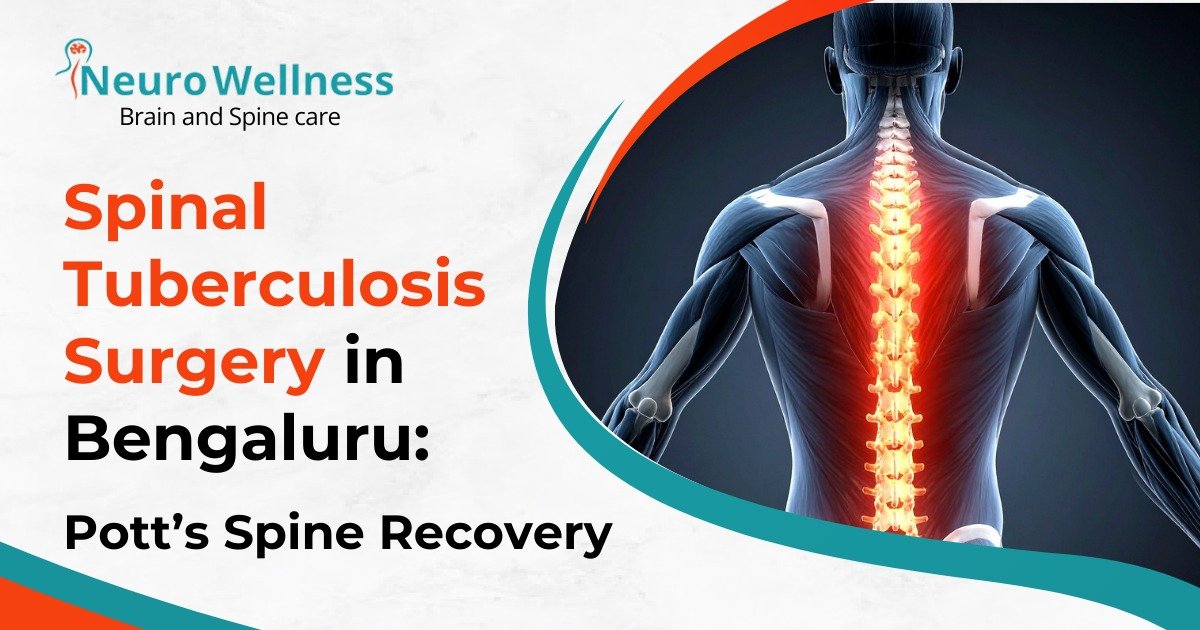
Spinal tuberculosis treatment in Bengaluru becomes critical when delayed diagnosis leads to spinal cord compression and paralysis. This case of a 65-year-old patient demonstrates how advanced Pott’s spine surgery in India, including thoracic spinal cord compression treatment and lumbar canal stenosis L4-L5 surgery, restored neurological function after emergency spine surgery in Bengaluru.

Spinal tuberculosis, also called Pott’s spine, can silently destroy vertebral bones, compress the spinal cord, and cause irreversible disability if not treated early by a spine infection specialist in Bengaluru.

Spinal tuberculosis (Pott’s spine) remains a significant health concern in India. While many patients initially present with back pain alone, delayed diagnosis and treatment can lead to devastating neurological complications, including paralysis.

This case highlights the importance of early recognition and timely surgical intervention in spine infections.

What Was the Initial Presentation?

Severe Upper Back Pain

The patient reported:

• Severe upper back pain for 3–4 months
• Band-like pain radiating around the chest
• Pain worsening on coughing and sneezing
• No weakness initially
• No numbness
• No bladder or bowel symptoms

Despite analgesics, medications, and injections, the pain did not improve.

Persistent, severe back pain in elderly patients must always be thoroughly evaluated to rule out infection, malignancy, or structural instability.

What Did the MRI Reveal?

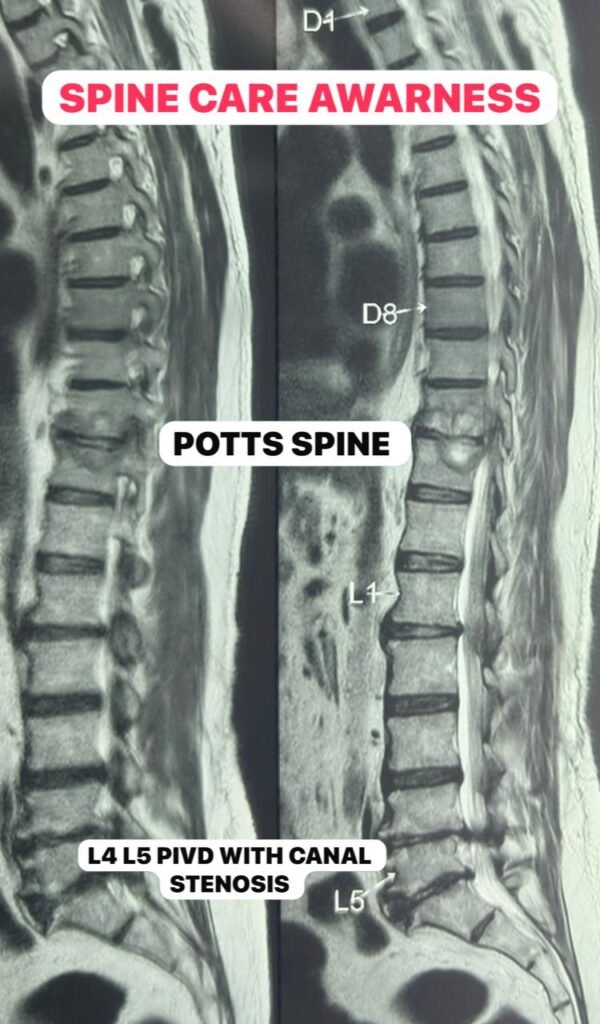
MRI of the thoracic spine showed:

• Soft tissue mass at D8–D9 level
• Significant spinal cord compression
• Destruction of D8 and D9 vertebral bodies
• Structural instability

These findings were highly suggestive of spinal tuberculosis (Pott’s disease).

Additionally, imaging revealed severe lumbar canal stenosis at L4–L5, further increasing the risk of neurological compromise.

What Is Spinal Tuberculosis (Pott’s Spine)?

Spinal tuberculosis is a bacterial infection caused by Mycobacterium tuberculosis that affects vertebral bones and intervertebral discs.

It can:

• Destroy vertebral bodies
• Form abscess or pus collections
• Compress the spinal cord
• Cause paralysis
• Lead to bladder and bowel dysfunction

In India, due to the high burden of tuberculosis, spinal TB remains a major cause of non-traumatic spinal cord compression.

Early diagnosis is critical to prevent permanent disability.

spine care

What Happens When Treatment Is Delayed?

Due to delay in appropriate spinal tuberculosis treatment in Bengaluru, the patient developed:

• Progressive numbness in both legs
• Increasing weakness
• Inability to walk
• Complete paraplegia
• Urinary retention requiring catheterization
• Increased pus collection
• Extension of infection
• Severe dorsal spinal cord compression
• Worsening lumbar canal stenosis


The condition had now progressed to a neurological emergency requiring emergency spine surgery in Bengaluru.

When Is Emergency Spine Surgery Required?

Emergency spine surgery in Bengaluru becomes necessary when:

• There is progressive spinal cord compression
• Neurological weakness develops
• Abscess formation threatens neural structures
• Structural instability risks vertebral collapse
• Conservative treatment fails

Delays at this stage may result in permanent paralysis.

What Surgical Procedures Were Performed?

Thoracic Decompression and Fixation

(Thoracic Spinal Cord Compression Treatment)

• Removal of pus
• Decompression of the spinal cord
• Stabilization with pedicle screw fixation
• Reconstruction due to vertebral body destruction

This formed the critical component of Pott’s spine surgery in India for this patient.

Lumbar Canal Stenosis L4-L5 Surgery

• Decompression of nerve roots
• Relief of severe canal stenosis
• Lumbar fusion surgery for spinal stability

The infected material was sent for culture and sensitivity testing.

Based on laboratory results, appropriate anti-tubercular therapy (ATT) was initiated.

How Did the Patient Recover?

Postoperative recovery showed:

• Motor power improved from Grade 2 to Grade 3
• At discharge, Grade 4 power was achieved
• Gradual recovery of bladder function
• Further improvement expected with physiotherapy and rehabilitation

This case demonstrates that even severe paralysis due to spinal tuberculosis can improve significantly with timely surgical intervention.

What Are the Warning Signs of Spinal Tuberculosis?

Consult a spine infection specialist in Bengaluru if you experience:

• Persistent back pain lasting more than 4 weeks
• Night pain
• Pain worsening on coughing or sneezing
• Unexplained weight loss
• Progressive weakness in legs
• Numbness
• Difficulty passing urine

Early consultation with a qualified neurosurgeon can prevent irreversible neurological damage.

How Does Lumbar Canal Stenosis (L4–L5) Add Risk?

Lumbar canal stenosis at L4–L5 may cause:

• Leg pain while walking
• Reduced walking distance
• Numbness and weakness
• Progressive neurological deficits

In severe cases, lumbar canal stenosis L4-L5 surgery provides long-term relief and functional recovery.

Why Early Spine Infection Treatment Matters

Without early spinal tuberculosis treatment in Bengaluru, complications may include:

• Permanent paralysis
• Severe spinal deformity
Vertebral collapse
Lifelong disability

Early diagnosis, surgical decompression when required, and complete anti-tubercular therapy are essential to prevent catastrophic neurological outcomes.

Who Should Consult a Spine Infection Specialist in Bengaluru?

You should seek expert evaluation if:

• Back pain persists despite treatment
• MRI shows vertebral destruction
Weakness or numbness develops
Walking becomes difficult
Bladder symptoms appear
You have a history of tuberculosis

Prompt evaluation ensures accurate diagnosis and timely intervention.

Get Expert Spine Infection Treatment in Bengaluru

If you or a loved one is experiencing persistent back pain, neurological weakness, or signs of spinal infection, early intervention is critical.

✔ Advanced spinal tuberculosis treatment in Bengaluru
✔ Expert thoracic spinal cord compression treatment
✔ Comprehensive Pott’s spine surgery in India
✔ Safe and effective lumbar canal stenosis L4-L5 surgery
✔ Emergency spine surgery support when needed

Delaying care can lead to permanent neurological damage.

Consult Dr. Ganesh Veerabhadraiah

Dr. Ganesh Veerabhadraiah
HOD & Consultant Neurosurgeon
Kauvery Hospital, Electronic City, Bengaluru

With extensive experience in managing complex spine infections, spinal instability, and emergency decompression procedures, Dr. Ganesh provides specialized care tailored to each patient’s condition.

Visit: Neurowellness

Early intervention can restore mobility and prevent permanent disability.
FAQs

1. What is spinal tuberculosis (Pott’s spine)?

Spinal tuberculosis is a form of tuberculosis infection affecting vertebral bones and discs. It can cause bone destruction, abscess formation, spinal cord compression, and paralysis if untreated.

2. What are the early symptoms of spinal tuberculosis?

Early symptoms include persistent back pain, night pain, pain on coughing or sneezing, mild fever, and weight loss.

3. Can spinal tuberculosis cause paralysis?

Yes. Untreated spinal TB can compress the spinal cord, causing weakness, numbness, bladder dysfunction, and paralysis.

4. When is surgery required for spinal tuberculosis?

Surgery is required when there is spinal cord compression, neurological weakness, instability, abscess formation, or failure of conservative treatment.

5. What does spinal tuberculosis surgery involve?

Surgery may include decompression, removal of infected tissue, stabilization with pedicle screws, and spinal fusion.

6. Is recovery possible after paralysis due to spinal tuberculosis?

Yes. Timely surgery combined with anti-tubercular therapy and physiotherapy can result in significant recovery.

7. What is lumbar canal stenosis (L4–L5)?

Lumbar canal stenosis is narrowing of the spinal canal at L4–L5, causing leg pain, weakness, and walking difficulty.

8. How is spinal tuberculosis diagnosed?

Diagnosis involves MRI, CT scan, blood tests, and culture testing of infected tissue.

9. How long is anti-tubercular treatment required for spine tuberculosis?

Anti-tubercular therapy is usually required for 9–12 months under medical supervision.

10. When should I consult a neurosurgeon for back pain?

Consult a neurosurgeon if you have persistent back pain, weakness, numbness, walking difficulty, bladder issues, or pain not improving with medication.

Conclusion

Severe back pain should never be ignored, especially when it persists despite treatment.

Spinal tuberculosis and degenerative spine diseases are treatable conditions, but delay can lead to catastrophic neurological outcomes.

Timely evaluation, emergency decompression when required, and expert surgical care can restore mobility, preserve bladder function, and significantly improve quality of life.

Early spinal tuberculosis treatment in Bengaluru can save function — and sometimes lives.

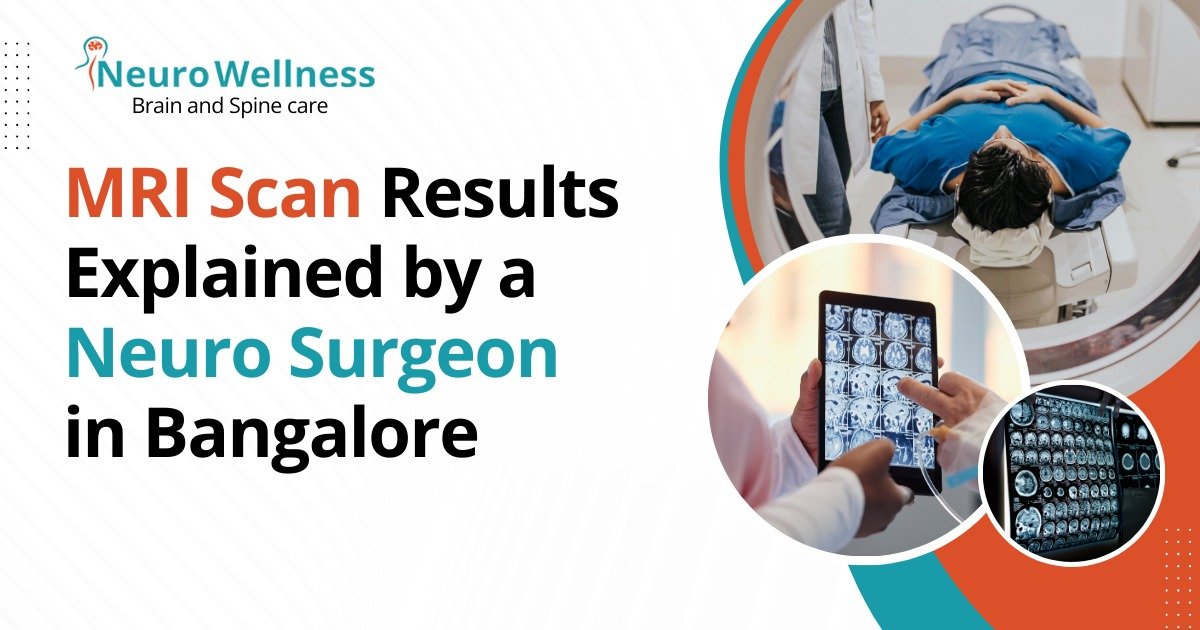
Receiving an MRI report can be stressful. Many patients walk into a clinic anxious after reading terms like disc bulge, degeneration, nerve compression, or spondylosis. The fear is understandable — but the truth is, not every abnormal MRI finding is dangerous or requires surgery.

As a neuro surgeon in Bangalore, one of the most common questions we hear is:

“Doctor, my MRI looks bad — do I need surgery?”

In this article, based on real clinical experience and the insights shared in the video, we explain what MRI scan results actually mean, how a spine surgeon interprets them, and when treatment is necessary versus when reassurance is enough.

MRI Scan Results Explained

ㆍMRI reports often look alarming, but most findings are not dangerous.
ㆍCommon terms like disc bulge or degeneration are frequently age-related and may not cause pain.
Symptoms matter more than the MRI report when deciding treatment.
Most spine problems do not need surgery and improve with conservative care.
An experienced neuro surgeon in Bangalore can clarify findings and prevent unnecessary procedures.

What Is an MRI Scan and Why Is It Ordered?

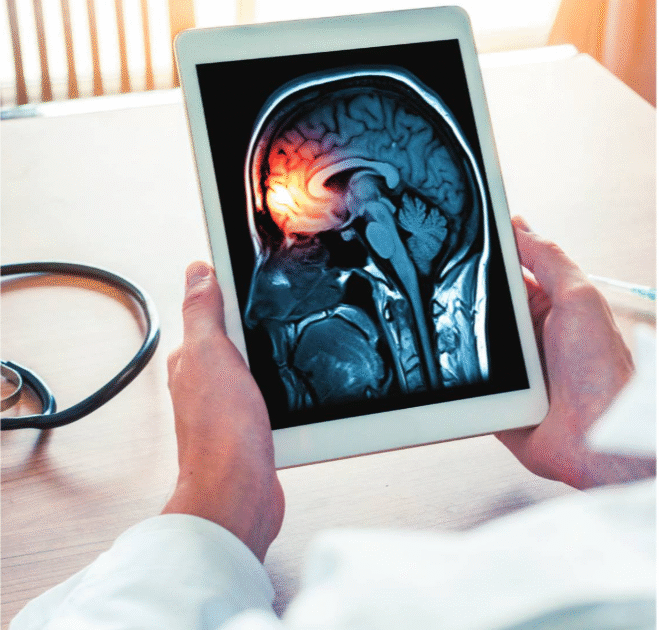
MRI (Magnetic Resonance Imaging) is a highly detailed imaging test used to visualize the brain, spine, spinal cord, discs, and nerves.

Doctors usually recommend an MRI when patients have:

ㆍPersistent neck or back pain
ㆍPain radiating to arms or legs
Numbness, tingling, or weakness
Headaches, dizziness, or seizures
Suspected nerve compression or spinal cord problems

MRI scans show structure, not pain. This distinction is extremely important.

Why MRI Reports Often Look Scary (But Aren’t Always)

MRI reports are written in technical medical language, not patient-friendly terms. Words like:

ㆍDisc bulge
ㆍDisc degeneration
Mild compression
Reduced disc height

sound alarming but are often age-related or incidental findings.

Common MRI Findings Explained Simply

1. Disc Bulge or Disc Protrusion

A disc bulge means the disc has slightly extended beyond its normal boundary.

✔ Very common
✔ Often age-related
✔ Frequently asymptomatic

A spine surgeon looks at:

ㆍSeverity

ㆍNerve involvement

ㆍPatient symptoms

Not every disc bulge causes pain or needs treatment.

2. Disc Degeneration

Disc degeneration means gradual wear and tear of spinal discs.

✔ Part of natural aging
✔ Seen even in people without pain
✔ Not an emergency finding

Degeneration alone does not mean surgery.

3. Nerve Compression

This finding needs closer attention.

If nerve compression correlates with:

ㆍArm or leg pain

ㆍNumbness

ㆍWeakness

then treatment may be required — but even here, surgery is not always the first option.

4. Mild Spinal Canal Narrowing

“Mild” narrowing rarely needs surgery. Many patients improve with:

ㆍPhysiotherapy

ㆍMedications

ㆍLifestyle modification

A neuro clinic in Bangalore with spine expertise focuses on conservative care first whenever possible.

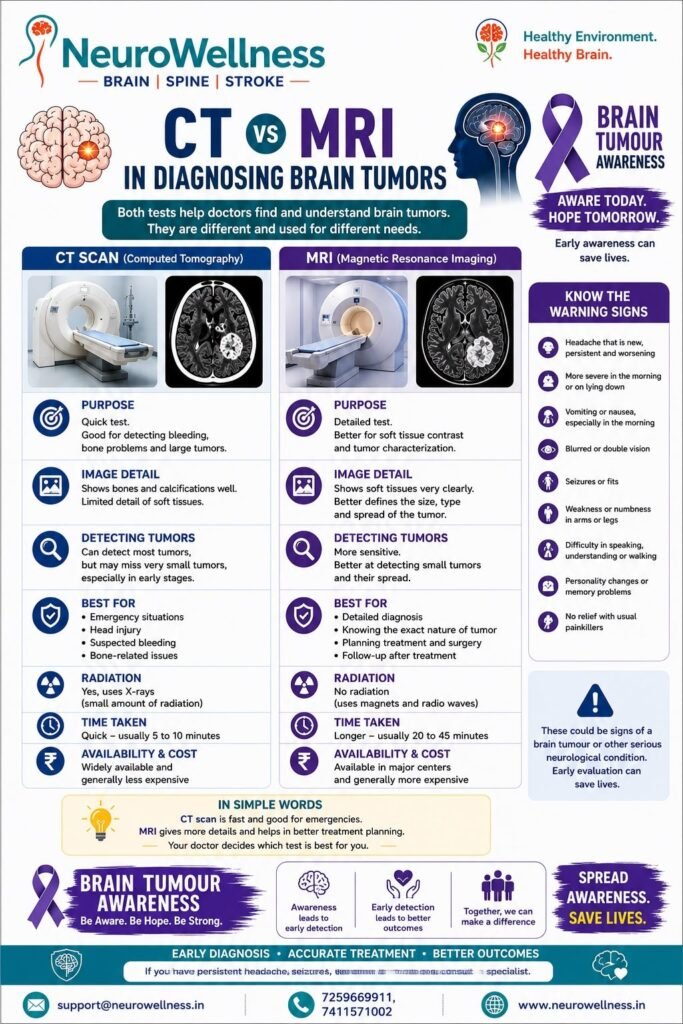
CT Scan or MRI – Which is better for diagnosing brain tumours?

Both tests play an important role, but they serve different purposes.

✅ CT Scan is fast and useful in emergencies, head injuries, and detecting bleeding.

✅ MRI provides greater detail, helps identify small tumours, and is essential for treatment planning.

Early diagnosis can make a significant difference in treatment outcomes.

If you have persistent headaches, seizures, weakness, vision changes, or other neurological symptoms, consult a specialist.

Why Symptoms Matter More Than the MRI Report

One of the most important principles in neurosurgery is:

We treat the patient, not the MRI.

Two patients can have the same MRI report:

ㆍOne may have severe pain

ㆍThe other may have none

A qualified neuro surgeon in Bangalore always correlates:

ㆍMRI findings

ㆍClinical symptoms

ㆍNeurological examination

This prevents unnecessary procedures and anxiety.

When MRI Findings Do Need Serious Attention

You should seek urgent specialist evaluation if MRI findings are associated with:

ㆍProgressive weakness in arms or legs

ㆍLoss of balance or coordination

ㆍBowel or bladder control issues

ㆍSevere spinal cord compression

ㆍBrain lesions with neurological symptoms

In such cases, early treatment can prevent permanent nerve damage.

Do All MRI Abnormalities Require Spine Surgery?

No. In fact, most do not.

Studies and clinical experience show that:

ㆍOver 70–80% of spine-related problems improve without surgery

ㆍConservative treatment is effective in most cases

Surgery is considered only when:

ㆍSymptoms worsen despite treatment

ㆍNeurological deficits progress

ㆍQuality of life is severely affected

A responsible spine surgeon will always explain all options clearly.

How a Neuro Clinic in Bangalore Evaluates MRI Reports

At a specialized neuro clinic in Bangalore, MRI evaluation involves:

ㆍDetailed symptom history

ㆍPhysical and neurological examination

ㆍCorrelation with imaging

ㆍDiscussion of treatment options

This approach ensures:

ㆍAccurate diagnosis

ㆍAvoidance of overtreatment

ㆍPatient confidence and clarity

Treatment Options After MRI Evaluation

Depending on findings and symptoms, treatment may include:

ㆍMedications for pain and inflammation

ㆍPhysiotherapy and posture correction

ㆍLifestyle modifications

ㆍTargeted injections (in selected cases)

ㆍSurgery (only when clearly indicated)

Each plan is individualized, not MRI-driven alone.

Why Getting the Right Opinion Matters

Many patients panic after reading MRI reports online or receiving incomplete explanations. A second opinion from an experienced neuro surgeon in Bangalore often reveals:

ㆍSurgery is not needed

ㆍSymptoms are manageable

ㆍRecovery is achievable with conservative care

Clarity reduces fear — and fear itself worsens pain.

When Should You Consult a Specialist?

Confused or Worried After Seeing Your MRI Report?

If your MRI scan is causing anxiety or symptoms are affecting daily life, expert neurological evaluation can provide clarity and reassurance.

Consult an experienced Neuro Surgeon in Bangalore
Visit a trusted Neuro Clinic in Bangalore  Get guidance from a qualified Spine Surgeon

Available at Jayanagar & Electronic City

Conclusion

MRI scans are powerful diagnostic tools, but they do not tell the whole story. Abnormal findings are common and often harmless. What truly matters is how those findings relate to your symptoms and neurological health.

Before assuming the worst, speak with an experienced neuro surgeon in Bangalore who can interpret your MRI in the right clinical context. In most cases, reassurance and conservative care are all that is needed.

FAQs

What should I do if my MRI report looks abnormal?

Consult a neuro surgeon or spine specialist who can correlate findings with symptoms before deciding on treatment.

Can MRI reports be misleading?

Yes. MRI shows structural changes, many of which are normal age-related findings and may not cause pain.

Do disc bulges always require surgery?

No. Most disc bulges are treated successfully without surgery.

When is spine surgery actually required?

Surgery is considered only when neurological deficits worsen or conservative treatment fails.

Should I get a second opinion for MRI findings?

Yes. A second opinion from a qualified neuro surgeon in Bangalore often prevents unnecessary treatment.

Meningitis is an inflammation of the protective membranes surrounding the brain and spinal cord. Despite advances in medicine, it continues to threaten lives — especially when diagnosis or treatment is delayed.

At Neurowellness Bangalore, we frequently manage complex meningitis cases where timely action makes all the difference between full recovery and lifelong disability.

Experiencing prolonged fever, headache, or neck stiffness?

Book a neurological consultation with Dr. Ganesh Veerabhadraiah to ensure early diagnosis and expert care.

Real-World Cases That Redefine Preparedness

Case 1 – The Missed CSF Leak

A 26-year-old man arrived ten days after a skull-base fracture with persistent watery nasal discharge. Cultures confirmed Klebsiella pneumoniae meningitis. Despite intensive ICU care and multiple external ventricular drains, he survived with severe ataxia and memory loss. Early CSF-leak repair could have prevented this tragedy.

Case 2 – When Resistance Wins

A 28-year-old patient developed multidrug-resistant Acinetobacter meningitis following pituitary surgery. Even bilateral drains and intraventricular antibiotics failed to control infection. Months of rehabilitation were needed. This underscores how antimicrobial resistance can neutralize even advanced ICUs.

Case 3 – The 75-Year-Old Survivor

A diabetic woman presented with altered sensorium and high fever. Early intubation, strict sugar control, and 21 days of guided antibiotics led to complete recovery. Her case proves that protocols, teamwork, and vigilance save lives.

Ganesh

Dr. Ganesh Veerabhadraiah

Consultant – Neurosurgeon, Neurointerventional Surgery, Spine Surgeon (Neuro)
23+ Years Experience Overall (17+ years as Neuro Specialist)

Available for Consultation: Jayanagar 9th Block & Kauvery Hospital, Electronic City 

Key Lessons

ㆍTime is everything. Early recognition of CSF leaks or meningitis symptoms changes outcomes.
ㆍInfrastructure saves lives. Dedicated neurosurgical OTs, sterile instruments, one-to-one ICU nursing — not luxuries, essentials.
ㆍInfection control is non-negotiable. Resistant bugs demand antibiotic stewardship and strict hygiene.
ㆍTeamwork decides survival. Neurosurgeons, intensivists, and infection specialists must act as one.

In 2019, meningitis accounted for over 100,000 deaths globally. In just four years, in 2023, that number rose to 260,000

Global & Indian Burden

Year

Global Deaths

India Cases

Key Cause

2019

≈ 100 000

562 000

Bacterial

2023

≈ 280 000

34 700 deaths

Delayed diagnosis

In India, meningitis remains a major neurological threat, causing significant disability-adjusted life years (DALYs).

At Neurowellness India, advanced neurosurgical and infection-control protocols have drastically improved recovery outcomes.

Causes of Meningitis

Type

Source

Examples

Bacterial

Contagious spread

Streptococcus pneumoniae, Neisseria meningitidis

Viral

Post-flu infection

Enteroviruses, Influenza

Fungal

Environmental

Candida, Cryptococcus

Post-surgical

After head injury or neurosurgery

CSF leaks

Meningitis may also arise from non-infectious causes such as autoimmune diseases or cancer therapy.

Symptoms & Diagnosis

Common early signs resemble the flu — fever, headache, neck stiffness, light sensitivity, vomiting, and confusion.

Doctors confirm meningitis using:

ㆍPhysical exam and neurological tests
ㆍLumbar puncture (CSF analysis)
MRI / CT brain imaging
Blood tests & PCR panels

Speed is crucial. In smaller hospitals, symptoms can be mistaken for sepsis or encephalitis, delaying life-saving care.

If you or someone you know shows these symptoms, contact Neurowellness Bangalore for immediate evaluation by our neurospecialists.

Management & Treatment

Prompt treatment is the key.

ㆍBacterial: High-spectrum antibiotics
ㆍFungal: Antifungals
ㆍViral: Antivirals
ㆍSupportive care: ICU monitoring, lumbar drainage, physiotherapy

Integrated care — neurology, neurosurgery, ICU, and infectious-disease teams — offers the best outcomes.
At Neurowellness Bangalore, such multidisciplinary collaboration has helped many patients recover completely.

For expert-guided meningitis treatment plans, reach out to Dr. Ganesh Veerabhadraiah and our team at Neurowellness India.

Bacterial & Viral Meningitis

Bacterial meningitis spreads rapidly through the bloodstream or nearby infections (sinusitis, otitis media).
Viral meningitis is often milder and self-limiting.
Fungal meningitis can be fatal without antifungal therapy.

Common pathogens include Streptococcus pneumoniae, Haemophilus influenzae, and Listeria monocytogenes.

Groups Most at Risk

ㆍNewborns and infants (weak immunity)

ㆍElderly and immunocompromised patients

ㆍPost-surgical and ICU patients

ㆍHealthcare workers with occupational exposure

ㆍResidents of crowded facilities such as hostels or camps

Complications

Untreated meningitis can lead to seizures, hearing loss, vision problems, memory impairment, learning disability, brain damage, kidney failure, or death.

Prevention

ㆍHand Hygiene: Wash hands frequently with soap and water.
ㆍEducate Children: Promote hygiene before eating or after pets.
Avoid Sharing: No common utensils, lip balms, or straws.
Immunity Boost: Adequate sleep, exercise, and balanced diet with pasteurized foods.
Vaccination: Pneumococcal and meningococcal vaccines have significantly reduced cases globally.

Join Our WhatsApp Channel actively participates in community awareness and vaccination drives for neuro-infection prevention.

Advancements & Innovations

ㆍTele-neurology & Digital Triage: Help Tier-2/3 hospitals detect cases faster.
ㆍAI-Based Monitoring: Improves ICU infection control.
Monoclonal Antibodies & Precision Therapies: Emerging for resistant strains.
Genomic Sequencing & Portable Diagnostics: Future tools for rapid on-site detection.
Mission Indradhanush (India): Expanding national vaccine coverage.

Diagnostic Challenges in Smaller Hospitals

Many smaller Indian centers lack advanced PCR panels and AI-driven diagnostics, leading to delays and higher mortality.
Expanding affordable rapid testing beyond metro cities is crucial for equitable care.

Road Ahead for Hospitals

Meningitis care is resource-intensive (₹3 – 5 lakhs per case). Preparedness is the solution.

Hospitals must adopt:

ㆍStrict infection-control protocols to limit outbreaks
ㆍInterdisciplinary care models (Pharmacy + Neurology + ICU)
Staff immunization & surveillance systems
Partnerships with pharma, MedTech & digital health firms for diagnostics
Affordable AI tools for Tier-2 and Tier-3 hospitals

Neurowellness Bangalore serves as a model for infection-ready neuro facilities with trained ICU teams and cutting-edge diagnostic support.

Looking Forward

The future lies in genomics, telemedicine, and public-private vaccine initiatives that make care accessible nationwide.
Hospitals that embrace these technologies early will save more lives and lead India’s fight against infectious disease.

Conclusion

Meningitis is not just a medical condition — it’s a test of a hospital’s discipline and culture of safety. I’ve seen it steal young lives, leave others disabled, and also allow fragile patients to walk home smiling.

Preparedness makes the difference.

As doctors and healthcare leaders, we must commit to early diagnosis, infection prevention, and teamwork. When we do, we don’t just save patients — we strengthen our hospitals and the trust our communities place in us.

If you need guidance or expert evaluation for meningitis care, connect with Dr. Ganesh Veerabhadraiah and the specialist team at Neurowellness Bangalore.

FAQs

1. What are the early warning signs of meningitis?

Fever, headache, stiff neck, nausea, vomiting, and sensitivity to light are common early symptoms. Seek immediate medical attention if these symptoms persist or worsen.

2. How is meningitis diagnosed by neurologists?

Doctors perform physical and neurological exams, lumbar puncture (CSF analysis), brain imaging (MRI/CT), and blood or PCR tests to confirm meningitis accurately.

3. Who is at higher risk of developing meningitis?

Infants, elderly individuals, people with weak immunity, post-surgical patients, and those in crowded places are more vulnerable to meningitis infections.

4. Can meningitis be treated completely?

Yes. With early diagnosis and appropriate antibiotics or antivirals, most patients recover fully under expert neurological and ICU care.

5. How can meningitis be prevented?

Regular handwashing, avoiding shared utensils, maintaining strong immunity, and timely vaccinations like pneumococcal and meningococcal vaccines help prevent meningitis.

Meningitis and amoebic encephalitis are among the deadliest brain infections worldwide. While meningitis still claims lives despite treatment, amoebic encephalitis (caused by Naegleria fowleri) has a mortality rate of over 90%. Both conditions progress rapidly, making early recognition and prevention critical for survival.

In this blog, Dr. Ganesh Veerabhadraiah, senior neurosurgeon at Neurowellness, explains the symptoms, risks, and preventive steps everyone should know.

The brain is the most fragile part of the body. It works like a command center, guiding how we move, talk, breathe, and think. It is protected by a clean fluid called cerebrospinal fluid (CSF) and strong coverings called meninges.

Normally, no bacteria or parasites should ever enter this space. But if they do, the results can be deadly.

Encephalitis

How Dangerous Is Meningitis?

Meningitis is still one of the most serious brain infections in the world.
• Even with treatment, the death rate can be as high as 25%.
• Survivors may face lifelong difficulties such as seizures, hearing loss, or paralysis.
 
A rarer and even deadlier form is Primary Amoebic Meningoencephalitis (PAM).

• It is caused mainly by Naegleria fowleri, and sometimes by Entamoeba histolytica.
• These organisms enter through the nose, travel via the olfactory nerve (responsible for smell), and destroy brain tissue.
• The risk is much higher: more than 90% of patients die, often within days, because the disease progresses so rapidly that doctors have very little time to act.
 
This is why meningitis and encephalitis are not merely “medical problems”; they are serious global health threats.

Warning Signs to Watch For

Most problems arise because infection causes cerebral edema (swelling of the brain) and raised intracranial pressure (ICP). This pressure damages brain cells and stops them from working normally.
 
🔴 Common symptoms include:
• Severe, sudden headache
• Vomiting, sometimes without nausea
• Sleepiness, confusion, or drowsiness from brain swelling
• Seizures (fits)
• Stiff neck, fever, or sensitivity to light
• In children: unusual crying, irritability, or refusal to feed
 
⚠️ If any of these symptoms appear, early diagnosis and immediate treatment are the key to survival. Delays can waste precious time and make the outcome worse.

Why Are We Hearing About Kerala?

Recently, there have been reports of amoebic encephalitis in Kerala.
PAM is usually from exposure to unclean or poorly chlorinated water in ponds, lakes, and swimming pools.

When someone dives or swims in such water, the amoeba can enter through the nose. From there, it travels to the brain, causing severe swelling and inflammation. Sadly, most cases progress so fast that they are fatal within days of symptoms starting.

Brain Infection

Who Is at Higher Risk?

• Children and elderly people, because of weaker immune systems.
• Patients with chronic illnesses or those on medicines that weaken immunity (such as steroids, cancer treatment, or after organ transplants).
• Anyone exposed to unsafe or untested water sources.
Ganesh

Dr. Ganesh Veerabhadraiah

Consultant – Neurosurgeon, Neurointerventional Surgery, Spine Surgeon (Neuro)
23+ Years Experience Overall (17+ years as Neuro Specialist)

Available for Consultation: Jayanagar 9th Block & Kauvery Hospital, Electronic City 

How Can We Protect Ourselves?

✅ Swim only in safe, chlorinated pools.
✅ Avoid diving into lakes or ponds with uncertain water quality.
✅ If swimming in unclear water, use nose clips — or better, avoid such exposure altogether.
✅ Shower after swimming, wash your hands, and clean clothes and towels properly.
✅ Drink only clean, purified water.
✅ Keep children, elderly, and immunocompromised people away from risky swimming environments.
 
The Take-Home Message
• 1 in 4 people with meningitis may die.
• 9 out of 10 people with amoebic encephalitis do not survive.
 
These are not just numbers. They represent real families losing loved ones.
 
The good news is that prevention and quick action save lives.
• Watch out for the signs.
• Seek medical care immediately.
• Choose safe water and healthy habits.
 
🧠 Your brain is priceless. Protect it — because a few simple choices could mean the difference between life and death.

Conclusion

Meningitis and amoebic encephalitis are not rare health issues — they are global threats. With mortality rates as high as 25% for meningitis and 90% for amoebic encephalitis, prevention is the best protection.

Choose safe water
Recognize early warning signs
Seek immediate medical care

Don’t wait until it’s too late. If you or a loved one shows symptoms of severe headache, seizures, or confusion,

FAQs

1) What are the first symptoms of meningitis?

Severe headache, vomiting, stiff neck, fever, confusion, and seizures are common warning signs.

2) How does amoebic encephalitis spread?

It spreads when contaminated water carrying Naegleria fowleri enters through the nose and travels to the brain.

3) Who is at higher risk of brain infections?

Children, elderly people, and those with weakened immunity (due to chronic illness, steroids, or cancer treatment) face higher risk.

4) Can meningitis and amoebic encephalitis be prevented?

Yes. Avoid unsafe water sources, swim only in chlorinated pools, and seek immediate medical help if symptoms appear.

5) What is the survival rate of amoebic encephalitis?

Unfortunately, more than 90% of patients do not survive, making prevention and rapid diagnosis essential.

ಉಪಹಾರ ಗೃಹ, ಹೋಟೆಲ್ ಅಥವಾ ಆನ್‌ಲೈನ್ ಶಾಪಿಂಗ್ ಮಾಡುವಾಗ ನಾವು ಎಲ್ಲರೂ ಮೊದಲು ಗೂಗಲ್ ವಿಮರ್ಶೆಗಳನ್ನು( ಗೂಗಲ್ Reviews) ನೋಡುತ್ತೇವೆ. ಸ್ಟಾರ್( Star) ರೇಟಿಂಗ್‌ಗಳು ಮತ್ತು ಕಾಮೆಂಟ್‌ಗಳನ್ನು ಕೆಲವೇ ನಿಮಿಷಗಳಲ್ಲಿ ಓದುವುದು ನಮ್ಮ ತೀರ್ಮಾನಕ್ಕೆ ಸಹಾಯ ಮಾಡುತ್ತದೆ.
 
ಆದರೆ ಆರೋಗ್ಯ ಸೇವೆ ಅಷ್ಟು ಸರಳದಲ್ಲ. ನೀವು ಅತ್ಯುತ್ತಮ ನರಶಸ್ತ್ರತಜ್ಞ( Neurosurgeon )ನರರೋಗ ತಜ್ಞರನ್ನು (Neurologist)ಅಥವಾ ನ್ಯೂರೋ ಆಸ್ಪತ್ರೆ (Neuro Hospital ) or team ಹುಡುಕುತ್ತಿದ್ದರೆ, ಅದು ಗಂಭೀರ ಸಮಸ್ಯೆ – ಮೆದುಳಿನ ಟ್ಯೂಮರ್, ಸ್ಟ್ರೋಕ್, ಎಪಿಲೆಪ್ಸಿ, ಬೆನ್ನು ಹುರಿಯ ಸಮಸ್ಯೆ ಅಥವಾ ಪ್ರಾಣಾಪಾಯಕರ ಅನಿಯುರಿಸಮ್ ಆಗಿರಬಹುದು.
 
ಅಂತಹ ಸಂದರ್ಭಗಳಲ್ಲಿ ಪ್ರಮುಖ ಪ್ರಶ್ನೆ ಏನು?
ಇಂತಹ ತೀರ್ಮಾನಗಳನ್ನು ತೆಗೆದುಕೊಳ್ಳಲು ಗೂಗಲ್ ವಿಮರ್ಶೆಗಳನ್ನು ನಂಬಬಹುದೇ?
 
ಈ ಲೇಖನದಲ್ಲಿ ವಿಮರ್ಶೆಗಳು ಹೇಗೆ ಸಹಾಯ ಮಾಡುತ್ತವೆ, ಯಾವಾಗ ತಪ್ಪು ದಾರಿಯಲ್ಲಿ ಒಯ್ಯುತ್ತವೆ ಮತ್ತು ರೋಗಿಗಳು ತಮ್ಮ ಮೆದುಳು ಮತ್ತು ಬೆನ್ನು ಹುರಿಯ ಆರೈಕೆಗೆ ಸುರಕ್ಷಿತ, ಜ್ಞಾನಾಧಾರಿತ ಆಯ್ಕೆ ಹೇಗೆ ಮಾಡಬಹುದು ಎಂಬುದನ್ನು ತಿಳಿಸುತ್ತೇವೆ.
 
 
ಗೂಗಲ್ ವಿಮರ್ಶೆಗಳು ಆರೋಗ್ಯ ತೀರ್ಮಾನಗಳಿಗೆ ಹೇಗೆ ಪ್ರಭಾವ ಬೀರುತ್ತವೆ?
 
ಭಾರತದಲ್ಲೂ ಹಾಗೂ ವಿಶ್ವದಾದ್ಯಂತ, ಲಕ್ಷಾಂತರ ರೋಗಿಗಳು ಇಂದು “best neurosurgeon near me” ಅಥವಾ “top neurologist in Bengaluru” ಎಂದು ಹುಡುಕುತ್ತಾರೆ. ತಕ್ಷಣವೇ ರೇಟಿಂಗ್‌ಗಳು ಮತ್ತು ವಿಮರ್ಶೆಗಳು ತೋರುತ್ತವೆ, ಇದು ರೋಗಿಯ ಮೊದಲ ಅಭಿಪ್ರಾಯವನ್ನು ರೂಪಿಸುತ್ತದೆ.
 
ರೋಗಿಗಳು ವಿಮರ್ಶೆಗಳತ್ತ ಮುಖ ಮಾಡುವ ಪ್ರಮುಖ ಕಾರಣಗಳು:
1.ಭಯ ( Fear )ಮತ್ತು ಅನಿಶ್ಚಿತತೆ( Uncertainty )ಮೆದುಳು ಮತ್ತು ಬೆನ್ನು ಹುರಿ ಸಮಸ್ಯೆ ಭಯಾನಕ. ವಿಮರ್ಶೆಗಳು ಭರವಸೆಯನ್ನು ಕೊಡುತ್ತವೆ.
2.ವೈದ್ಯಕೀಯ ಜ್ಞಾನ ಕೊರತೆ( Lack of Medical Knowledge): ಬಹುಮಂದಿ ರೋಗಿಗಳು ನರಶಸ್ತ್ರತಜ್ಞರ ಕೌಶಲ್ಯ(Skills)ವನ್ನು ಅಳೆಯಲು ಸಾಧ್ಯವಿಲ್ಲ. ಅವರು ಇತರರ ಅನುಭವಗಳ ಮೇಲೆ ಅವಲಂಬಿಸುತ್ತಾರೆ.
3.ಸುಲಭ ಲಭ್ಯತೆ(Easily Available): ವಿಮರ್ಶೆಗಳು ಉಚಿತ, ವೇಗವಾಗಿ ಲಭ್ಯ.
4.ಸಾಮಾಜಿಕ ಪ್ರಭಾವ: “ನಿಜವಾದ ಜನರು” ಹಂಚಿಕೊಂಡ ಅನುಭವಗಳನ್ನು ಜನರು ಹೆಚ್ಚು ನಂಬುತ್ತಾರೆ.
 
ಇದರಿಂದ ಆನ್‌ಲೈನ್ ಪ್ರತಿಷ್ಠೆ ನರಶಸ್ತ್ರ ಮತ್ತು ನರವಿಜ್ಞಾನದಲ್ಲಿ ಬಹಳ ಪ್ರಭಾವಶೀಲವಾಗಿದೆ.
 
 
ನರರೋಗ ಮತ್ತು ನರಶಸ್ತ್ರದಲ್ಲಿ ಗೂಗಲ್ ವಿಮರ್ಶೆಗಳ ಮೌಲ್ಯ
 
1. ರೋಗಿಯ ಅನುಭವದ ಒಳನೋಟ
 
ಗೂಗಲ್ ವಿಮರ್ಶೆಗಳು ಸಾಮಾನ್ಯವಾಗಿ ಇವು ವಿವರಿಸುತ್ತವೆ:
•ನರಶಸ್ತ್ರತಜ್ಞ approachable ಆಗಿದ್ದಾರೆಯೇ?
•ನರರೋಗ MRI/EEG ಫಲಿತಾಂಶಗಳನ್ನು ಸರಳವಾಗಿ ವಿವರಿಸಿದ್ದಾರೆಯೇ?
•ನ್ಯೂರೋ / Clinic/OPD/ Hospital ICU ಸ್ವಚ್ಛವಾಗಿತ್ತೇ? ಸಿಬ್ಬಂದಿ ( Staff)ಸಮರ್ಪಕವಾಗಿದ್ದರೇ? 
•ಆಸ್ಪತ್ರೆಯ ನರ್ಸಿಂಗ್ ಮತ್ತು ಪುನರ್ವಸತಿ ತಂಡ ಸಹಾಯಕವಾಗಿತ್ತೇ?
 
2. ಮಾದರಿಗಳನ್ನು ಗುರುತಿಸುವುದು
 
ಅನೇಕ ರೋಗಿಗಳು ಒಂದೇ ವಿಷಯವನ್ನು ಹಂಚಿಕೊಂಡರೆ (ಉದಾ: ದೀರ್ಘ ಕಾಯುವಿಕೆ, ವೈದ್ಯರ ವಿವರಿಸುವ ಶೈಲಿ), ಅದು ನಂಬಿಕೆಗೆ ಪಾತ್ರ.
 
3. ಪಾರದರ್ಶಕತೆ(transparency) ಮತ್ತು ಹೊಣೆಗಾರಿಕೆ
 
ಆಸ್ಪತ್ರೆಗಳು ತಮ್ಮ ಸೇವೆಗಳನ್ನು ಆನ್‌ಲೈನ್‌ನಲ್ಲಿ ಹಂಚಿಕೊಳ್ಳಲಾಗುತ್ತದೆ ಎಂಬುದರಿಂದ, ಬಿಲ್ ಸ್ಪಷ್ಟತೆ, ರೋಗಿ ಸಲಹೆ, ಫಾಲೋ-ಅಪ್ಗಳಲ್ಲಿ ಸುಧಾರಣೆ ಮಾಡಲು ಒತ್ತಡ ಅನುಭವಿಸುತ್ತವೆ.
 
4. ಕುಟುಂಬದ ಅಧಿಕಾರ ( Family Empowerment )
 
ಮೆದುಳು ಮತ್ತು ನರರೋಗ ತೀರ್ಮಾನಗಳಲ್ಲಿ ಕುಟುಂಬ ಸದಸ್ಯರ ಪಾಲ್ಗೊಳ್ಳುವಿಕೆ ಮುಖ್ಯ. ವಿಮರ್ಶೆಗಳು ಅವರಿಗೆ ಭರವಸೆ ನೀಡುತ್ತವೆ.
 
 
ವಿಮರ್ಶೆಗಳ ಮಿತಿಗಳು
 
ಗೂಗಲ್ ವಿಮರ್ಶೆಗಳು ಸಹಾಯಕವಾಗಿದ್ದರೂ, ಅವುಗಳನ್ನು ಎಚ್ಚರಿಕೆಯಿಂದ ಓದಬೇಕು:
1.ಭಾವನಾತ್ಮಕ ಪಕ್ಷಪಾತ: ದೊಡ್ಡ ಮೆದುಳು ರಕ್ತಸ್ರಾವದ ನಂತರ ಪ್ರಾಣ ಕಳೆದುಕೊಂಡ ಕುಟುಂಬ ದುಃಖದಿಂದ ಕೆಟ್ಟ ವಿಮರ್ಶೆ ಕೊಡಬಹುದು.
2.ಆಶೆ vs. ವಾಸ್ತವತೆ: ತಕ್ಷಣದ ಗುಣಮುಖತೆಗೆ ನಿರೀಕ್ಷೆ ಇಟ್ಟು, ನಿಧಾನ ಚೇತರಿಕೆಯು ನಿರಾಶೆ ಉಂಟುಮಾಡಬಹುದು.
3.ನಕಲಿ ವಿಮರ್ಶೆಗಳು: ಕೆಲವು ಆಸ್ಪತ್ರೆಗಳು ಪ್ರಚಾರಕ್ಕಾಗಿ ನಕಲಿ ವಿಮರ್ಶೆ ಹಾಕಿಸುತ್ತವೆ.
4.ವೈದ್ಯಕೀಯೇತರ ಸಮಸ್ಯೆಗಳು: ಬಿಲ್ ವಿವಾದ, ಪಾರ್ಕಿಂಗ್ ತೊಂದರೆ ಮುಂತಾದವು ವೈದ್ಯರ ಕೌಶಲ್ಯವನ್ನು ಮರೆ( Hide)ಮಾಡುತ್ತವೆ.
 
 
ನೈಜ ಘಟನೆಗಳು( Real Google Reviews)
 
ಪ್ರಕರಣ 1: ಕುಟುಂಬದ ದುಃಖ ಪ್ರತಿಫಲಿಸಿದ ವಿಮರ್ಶೆ
 
ಒಬ್ಬರು ಆನ್‌ಲೈನ್ ವಿಮರ್ಶೆಯಲ್ಲಿ ಅವರ ತಂದೆ ಹಲವಾರು ಮೆದುಳು ಶಸ್ತ್ರಚಿಕಿತ್ಸೆಗೊಳಗಾಗಿ ICUಯಲ್ಲಿ ದೀರ್ಘಕಾಲ ಉಳಿದು, ಚೇತರಿಸಿಕೊಳ್ಳದ ವಿಚಾರ ಉಲ್ಲೇಖವಿತ್ತು. ಅವರ ನೋವು ಮತ್ತು ಬಿಲ್ ಒತ್ತಡದಿಂದಾಗಿ ಅವರು ವೈದ್ಯರನ್ನು “miserable” ಎಂದು ಕರೆಯುತ್ತ, ಒಂದು ಸ್ಟಾರ್ ವಿಮರ್ಶೆ ಹಾಕಿದ್ದರು . ಆದರೆ ಇದು ವೈದ್ಯರ ಶಸ್ತ್ರಚಿಕಿತ್ಸಾ ಕೌಶಲ್ಯಕ್ಕಿಂತ ದುಃಖದ ಭಾವನಾತ್ಮಕ ಹೊರಹಾಕುವಿಕೆ ಆಗಿತ್ತು.
 
ಪ್ರಕರಣ 2: ಭೇಟಿಯ ವಿಳಂಬವನ್ನು ನಿರ್ಲಕ್ಷ್ಯವಾಗಿ ನೋಡಿದ ವಿಮರ್ಶೆ
 
ಮತ್ತೊಂದು ವಿಮರ್ಶೆಯಲ್ಲಿ, ಗಂಭೀರವಾದ ಬೆನ್ನು ಹುರಿ  ನೋವಿನಿಂದ ಬಳಲುತ್ತಿದ್ದ ರೋಗಿ ವೈದ್ಯರು ಸಮಯಕ್ಕೆ ಬಾರದ ಕಾರಣದಿಂದ ಕೋಪ ವ್ಯಕ್ತಪಡಿಸಿದರು.(ಆದರೆ ನರಶಸ್ತ್ರತಜ್ಞರು ತುರ್ತು ಶಸ್ತ್ರಚಿಕಿತ್ಸೆ ಅಥವಾ ICU ಕರ್ತವ್ಯಗಳಲ್ಲಿ ತೊಡಗಬೇಕಾಗಿರುವುದು  ಅನಿವಾರ್ಯ . ಇಂತಹ ವಿಮರ್ಶೆಗಳು ವೈದ್ಯರ ಕಾರ್ಯಭಾರದ ವಾಸ್ತವತೆಯನ್ನು ಮರೆ( Hide)ಮಾಡಬಹುದು.
 
ಇದೇಕೆ ಮುಖ್ಯ?
 
ಈ ಉದಾಹರಣೆಗಳು ಏನು ತೋರಿಸುತ್ತವೆ: ಗೂಗಲ್ ವಿಮರ್ಶೆಗಳು ( ಗೂಗಲ್ಲ್ Reviews )ಕೆಲವೊಮ್ಮೆ ಭಾವನೆ, ನಿರೀಕ್ಷೆ, ಅಥವಾ ವ್ಯವಸ್ಥೆಯ ಸಮಸ್ಯೆಗಳ ಪ್ರತಿಫಲ ಮಾತ್ರವಾಗಿರುತ್ತವೆ. ಆದರೆ ವೈದರ ಕೌಶಲ್ಯ ಅಥವಾ ವೈದ್ಯರ ವಿಶ್ವಾಸಾರ್ಹತೆ ಅಥವಾ ದಕ್ಷತೆಯ ವೈಪಲ್ಯವಲ್ಲ.  


ಎಷ್ಟು ನಂಬಬೇಕು?
 
ಗೂಗಲ್ ವಿಮರ್ಶೆಗಳನ್ನು ಮಾರ್ಗದರ್ಶಕವಾಗಿ ಉಪಯೋಗಿಸಿ, ಆದರೆ ಸಂಪೂರ್ಣ ತೀರ್ಮಾನ ಮಾಡುವುದು ಬೇಡ.
 
ನಂಬಬಹುದಾದವು:
•ಅನೇಕರು ಒಂದೇ ವಿಷಯ ಹಂಚಿಕೊಂಡಿದ್ದರೆ.
•ವಿವರವಾದ ಅನುಭವ ಒಳಗೊಂಡ ವಿಮರ್ಶೆಗಳು.
•ಪ್ಲಸ್ ಮತ್ತು ಮೈನಸ್ ಇರುವ ಸಮತೋಲನ ವಿಮರ್ಶೆಗಳು.
 
ಅಗಣ್ಯವಾಗಬೇಕಾದವು:
•ಅತಿಯಾದ ಒಂದೇ ಸಾಲಿನ ವಿಮರ್ಶೆಗಳು.
•ಸಾಮಾನ್ಯ ಮೆಚ್ಚುಗೆ/ಟೀಕೆ.
•ಕೇವಲ ಭಾವನಾತ್ಮಕ ಪ್ರತಿಕ್ರಿಯೆಗಳು.


ಸರಿಯಾದ ನರಶಸ್ತ್ರತಜ್ಞ ಅಥವಾ ನ್ಯೂರೋ ಆಸ್ಪತ್ರೆ ಆಯ್ಕೆ
1.ಹೆಚ್ಚು ವಿಮರ್ಶೆಗಳು ಓದಿ (15–20 ಕನಿಷ್ಠ).
2.ಹಾಲಿ ವಿಮರ್ಶೆಗಳನ್ನು ಗಮನಿಸಿ.
3.ಸ್ಟಾರ್‌ಗಳಿಗಿಂತ ಹೆಚ್ಚಿನದನ್ನು ನೋಡಿ (ಉದಾ: 4.2 ಸ್ಟಾರ್ + 200 ವಿಮರ್ಶೆಗಳು ಹೆಚ್ಚು ನಂಬಿಕೆಗೆ ಪಾತ್ರ,  5 ಸ್ಟಾರ್ 10 ವಿಮರ್ಶೆಗಳಿಗಿಂತ )
4.ಅರ್ಹತೆ ಪರಿಶೀಲಿಸಿ (MCh/DNB).
5.ರಿಫರಲ್ ಪಡೆಯಿರಿ (ಸ್ನೇಹಿತರು, ಕುಟುಂಬ, ವೈದ್ಯರಿಂದ).
6.ವೈಯಕ್ತಿಕ ಭೇಟಿಯು ಮುಖ್ಯ.
 
 
ವೈದ್ಯರ ದೃಷ್ಟಿಕೋನ
 
ಹಿರಿಯ ನರಶಸ್ತ್ರತಜ್ಞನಾಗಿ ಹೇಳುವುದಾದರೆ:
•ಯಶಸ್ವಿ ಶಸ್ತ್ರಚಿಕಿತ್ಸೆಯ ನಂತರ ನಿಧಾನ ಚೇತರಿಕೆ ಬಂದರೆ ಕೂಡ ಕೆಟ್ಟ ವಿಮರ್ಶೆ ( Negative )ಬರಬಹುದು .
•ಕೆಲವು ಸಂಕೀರ್ಣತೆಗಳು ( Complex )ತಪ್ಪಿಸಲಾಗದವು, ಆದರೂ ಟೀಕೆ ಬರುತ್ತದೆ.
•ಬಿಲ್/ಇನ್ಶುರನ್ಸ್ ವಿವಾದ ವೈದ್ಯರ ವಿರುದ್ಧ ತೋರುತ್ತದೆ, ಆಡಳಿತದ ಜವಾಬ್ದಾರಿ ಇದ್ದರೂ.
 
 
ಭವಿಷ್ಯದಲ್ಲಿ ವಿಮರ್ಶೆಗಳ ದಾರಿ
•ಪರಿಶೀಲಿತ ವಿಮರ್ಶೆಗಳು ಮಾತ್ರ.
•ಸಂರಚಿತ ಪ್ರತಿಕ್ರಿಯೆಗಳು: ಸಂವಹನ, ಸ್ವಚ್ಛತೆ, ಫಲಿತಾಂಶಗಳ ಬಗ್ಗೆ.
•ಅಧಿಕೃತ ಅಂಕಿಗಳ ಜೊತೆ ಒಕ್ಕೂಟ.
 
 
ರೋಗಿಗಳಿಗೆ ಸಲಹೆ
•ವಿಮರ್ಶೆಗಳನ್ನು ಮಾರ್ಗದರ್ಶಕವಾಗಿ ಉಪಯೋಗಿಸಿ.
•ಆನ್‌ಲೈನ್ + ಆಫ್‌ಲೈನ್ ಶಿಫಾರಸು ಸೇರಿಸಿ.
•ಮೆದುಳು ಮತ್ತು ಬೆನ್ನು ಹುರಿ ಆರೈಕೆ ನಾಜೂಕಾದದ್ದು. ಸ್ಟಾರ್ ರೇಟಿಂಗ್ ಮಾತ್ರದಿಂದ ತೀರ್ಮಾನ ಮಾಡಬೇಡಿ.
•ನೀವು ವಿಶ್ವಾಸವಿಡುವ ವೈದ್ಯನೇ ನಿಮ್ಮಿಗೆ ಸೂಕ್ತ.
 
 
ಸಮಾರೋಪ
 
ಗೂಗಲ್ ವಿಮರ್ಶೆಗಳು ವೈದ್ಯರು ಮತ್ತು ಆಸ್ಪತ್ರೆಗಳನ್ನು ಆಯ್ಕೆ ಮಾಡುವ ವಿಧಾನವನ್ನು ಬದಲಿಸಿವೆ. ನರಶಸ್ತ್ರತಜ್ಞರು, ನರರೋಗತಜ್ಞರು ಮತ್ತು ನ್ಯೂರೋ ಆಸ್ಪತ್ರೆಗಳ ಆನ್‌ಲೈನ್ ಪ್ರತಿಷ್ಠೆ ಜೀವನ ಬದಲಾಯಿಸುವ ತೀರ್ಮಾನಗಳನ್ನು ಪ್ರಭಾವಿಸಬಹುದು.
 
ಆದರೆ ಅವು ಭಾವನೆ, ನಿರೀಕ್ಷೆ ಮತ್ತು ವೈದ್ಯಕೀಯೇತರ ಅಂಶಗಳಿಂದ ಪ್ರಭಾವಿತರಾಗಿರುತ್ತವೆ. ಅವು ವೈದ್ಯಕೀಯ ಕೌಶಲ್ಯ ಅಥವಾ ಆಸ್ಪತ್ರೆಯ ಭದ್ರತೆಯನ್ನು ಸಂಪೂರ್ಣವಾಗಿ ತೋರಿಸಲಾರವು.
 
👉 ಸುರಕ್ಷಿತ ಆಯ್ಕೆ ಮಾಡುವ ದಾರಿ:
•ವಿಮರ್ಶೆಗಳಲ್ಲಿ ಮಾದರಿಗಳನ್ನು ಹುಡುಕಿ.
•ಅರ್ಹತೆ ಪರಿಶೀಲಿಸಿ.
•ನಂಬಿಕೆಗೆ ಪಾತ್ರ referrals ಪಡೆಯಿರಿ.
•ವೈದ್ಯರನ್ನು ವೈಯಕ್ತಿಕವಾಗಿ ಭೇಟಿಯಾಗಿ.
 .  ಅಧಿಕ reviews ಮಾತ್ರಕ್ಕೆ  ಸಕಾರ ಅಥವಾ ನಕಾರಾ ತೀರ್ಮಾನಕ್ಕೆ ಬರಬೇಡಿ. 
 
ನಿಮ್ಮ ಮೆದುಳು ಮತ್ತು ಬೆನ್ನುಹುರಿ ಆರೋಗ್ಯ ಕೇವಲ ಸ್ಟಾರ್‌ಗಳ ಆಧಾರದ ಮೇಲೆ ತೀರ್ಮಾನಿಸಿದರೆ ತಪ್ಪಾಗಬಹುದು. 

ಲೇಖಕ – ಡಾ. ಗಣೇಶ್ ವೀರಭದ್ರಯ್ಯ
Courtesy – Neurowellness India

When choosing a restaurant, hotel, or shopping site, we all check Google reviews. A few minutes of reading star ratings and comments can help us decide where to eat or what to buy.

But healthcare is not like dining out. If you are searching for the best neurosurgeon, neurologist, or neuro hospital, you are often dealing with something far more serious: a brain tumor, a stroke, epilepsy, spine disease, or even a life-threatening aneurysm.

The question is: Should you trust Google reviews to make such important health decisions?

This article explores how reviews can help, where they can mislead, and how patients can make safe, informed choices when it comes to brain and spine care.

Why Google Reviews Influence Healthcare Choices

In India and worldwide, millions of patients now search for best neurosurgeon near me or “top neurologist in Bengaluru” on Google. Reviews and star ratings often appear instantly, shaping a patient’s first impression.
 
There are several reasons patients turn to reviews:
1.Fear and uncertainty: Brain and spine illnesses are scary. Reviews provide reassurance.
2.Lack of medical knowledge: Most patients cannot judge the surgical skill of a neurosurgeon. Instead, they rely on other patients’ stories.
3.Ease of access: Reviews are free, fast, and available anytime.
4.Peer influence: Patients trust the experiences of “real people” online.
 
This makes online reputation extremely powerful in neurology and neurosurgery.
 
Ganesh

Dr. Ganesh Veerabhadraiah

Consultant – Neurosurgeon, Neurointerventional Surgery, Spine Surgeon (Neuro)
23+ Years Experience Overall (17+ years as Neuro Specialist)

Available for Consultation: Jayanagar 9th Block & Kauvery Hospital, Electronic City 

The Value of Google Reviews in Neurology and Neurosurgery

1. Insight Into Patient Experience

Google reviews often describe things like:
• Was the neurosurgeon approachable during consultation?
• Did the neurologist explain MRI or EEG results clearly?
• Was the neuro ICU clean and well-staffed?
• How supportive was the hospital’s nursing or rehabilitation team?
 
Such feedback is useful because these “non-clinical” aspects directly affect a patient’s confidence and recovery journey.

2. Spotting Patterns

If many patients repeatedly praise a neurologist for spending time explaining medications, that’s probably accurate. Similarly, if several reviews mention long waiting times at a neuro hospital, you should be prepared for delays.
 

3.Transparency and Accountability

Hospitals know patients will share their experiences online. This pushes neuro centers to improve systems like patient counseling, billing clarity, and follow-up care.
 

4.Empowering Families

Neurological decisions often involve the family. Reviews give caregivers the confidence that they are making the right choice.

The Limitations of Reviews in Brain and Spine Care

While reviews add value, they must be read with caution.
1.Emotional Bias – Neurology deals with high-risk, emotional cases. A family who loses a loved one after a massive brain hemorrhage may leave a poor review—even if the neurosurgeon did everything possible.
2.Expectations vs. Reality – Some patients expect immediate recovery after spine surgery or epilepsy treatment. When improvement takes time, they may rate negatively, despite correct treatment.
3.Fake or Manipulated Reviews – Unfortunately, some hospitals promote themselves with fake reviews, while others face negative attacks from competitors. Patients cannot always separate genuine reviews from manipulated ones.
4.Non-medical Issues Skew Ratings – Billing disputes, delays in MRI scans, or parking problems can overshadow excellent medical care in reviews.

Real-Life Scenarios

Case 1: A Family’s Grief Reflected in a Review

One online review described a patient’s father who underwent multiple brain surgeries, remained in ICU for weeks, and never recovered fully. The family, devastated by the outcome and overwhelmed by medical bills, left a harsh one-star review, calling the doctor “miserable.” While their pain and frustration were genuine, the review reflected the emotional burden of a tragic medical journey rather than an objective measure of surgical skill.

Case 2: Delay in Appointment Seen as Neglect

In another review, a patient suffering from severe spinal cord pain expressed anger that the doctor did not arrive at the hospital at the scheduled hour. The review focused solely on waiting time, without considering that neurosurgeons often manage emergencies, surgeries, and ICU cases that can delay outpatient schedules. While punctuality matters, such reviews may misrepresent the realities of a specialist’s unpredictable workload.

Why These Matter

These examples highlight how Google reviews can sometimes reflect expectations, grief, or system issues rather than true medical quality. For families, the review becomes an outlet for emotion. For the public, however, it can paint a distorted picture of the doctor or hospital.

How Much Should You Believe?

The right approach is to use reviews as one piece of the puzzle not the whole decision.
 
What to Trust in Reviews
• Patterns: If many patients say the same thing, it is likely true.
• Details: Reviews that describe specific experiences (“Dr. X explained my MRI in detail and suggested both surgical and non-surgical options”).
• Balanced feedback: A mix of positives and negatives is more credible.

What to Ignore

• Extremes: “Best doctor ever” or “Worst hospital in the world” without details.
• Generic praise: One-liners like “Very good” that lack medical context.
• Emotion-only reviews: Anger over cost or grief after complications without discussing actual treatment.
Ganesh

About Author

Dr. Ganesh Veerabhadraiah

Dr. Ganesh Veerabhadraiah, leading neurosurgeon and neurologist in Bangalore, has over 20 years of expertise in managing back pain, migraines, headaches, neuro disorders, and spine problems. His clinical excellence and patient-first approach make him one of the most trusted neuro doctors in Bangalore.

At Neurowellness Brain & Spine Clinic in Jayanagar and Kavery Hospital Electronic City, Dr. Ganesh provides comprehensive treatments ranging from minimally invasive spine surgery to advanced neurological care. As a respected back pain specialist and migraine doctor, he continues to deliver reliable outcomes for patients.

👉 Connect with Dr. Ganesh on LinkedIn

Choosing the Right Neurosurgeon or Neuro Hospital

Here’s a step-by-step approach to making a safe decision:
1. Read Many Reviews: Don’t rely on the top 2 or 3. Read 15–20 reviews for a full picture.
2. Check Recency: Recent reviews reflect current hospital practices better.
3. Look Beyond Stars: A 4.2-star doctor with 200 reviews is more reliable than a 5-star with 5 reviews.
4. Verify Credentials: Ensure the neurosurgeon has MCh/DNB training and hospital affiliations.
5. Seek Referrals: Ask trusted doctors, friends, or family for recommendations.
6. Meet in Person: Your comfort and trust in the doctor during consultation is the ultimate factor.

A Doctor’s Perspective on Reviews

As a practicing neurosurgeon, I can say many reviews fail to capture the complexity of neuro care.
• A successful brain surgery may still attract a negative review if recovery is slow.
• Complications—sometimes unavoidable—can lead to poor ratings even if best practices were followed.
• Billing or insurance issues handled by hospital staff often reflect unfairly on the doctor.
 
Doctors welcome constructive, honest feedback. But we hope patients understand that reviews may not always show the full picture.

The Future of Reviews in Healthcare

Reviews will remain important, but improvements are needed:

• Verified reviews only: Linked with actual patient visits.
• Structured feedback: Asking patients about clarity, communication, cleanliness, and outcomes—not just a star rating.
• Integration with medical boards: Combining online feedback with official hospital quality scores.
 
This will make reviews more balanced and trustworthy for patients.
 
Practical Advice for Patients
• Use reviews as a guide, not gospel.
• Combine online opinions with offline referrals and qualifications.
• Remember: Brain and spine care is delicate. A star rating cannot capture medical expertise.
• Ultimately, the best doctor is the one you trust, understand, and feel confident with after consultation.

Conclusion

Google reviews have changed how patients choose doctors and hospitals. For neurosurgeons, neurologists, and neuro hospitals, online reputation can influence life-changing healthcare decisions.
 
Reviews are valuable for understanding patient experience, but they are influenced by emotions, expectations, and non-medical issues. They cannot fully reflect medical expertise, surgical skill, or hospital safety standards.
 
The safest way to choose a neurosurgeon or neurologist:
• Read reviews for patterns.
• Verify credentials.
• Seek trusted referrals.
• Meet the doctor personally.
 
Your brain and spine deserve careful, informed choices—not just a decision made by a number of stars on a screen.

FAQs

1. Are Google reviews reliable for choosing a neurosurgeon?

They provide patient experiences but should not be the sole factor. Combine them with qualifications, referrals, and personal consultation.

2. Why do neuro hospitals sometimes get poor reviews despite skilled doctors?

Because reviews often reflect waiting times, costs, or emotions—not actual medical expertise.

3. How do I know if a neurologist is genuinely good?

Check their degrees (DM, DNB), experience, patient feedback, and clarity during consultation.

4. Should I trust a doctor with a 5-star rating but very few reviews?

Not necessarily. A doctor with slightly lower ratings but hundreds of consistent reviews is usually more reliable.

Back pain is one of the most common health issues worldwide  yet, many patients wonder “Do I really need an MRI?”
At Neurowellness Bangalore, we often see patients who either delay diagnosis or rush into scans without understanding what’s truly necessary.

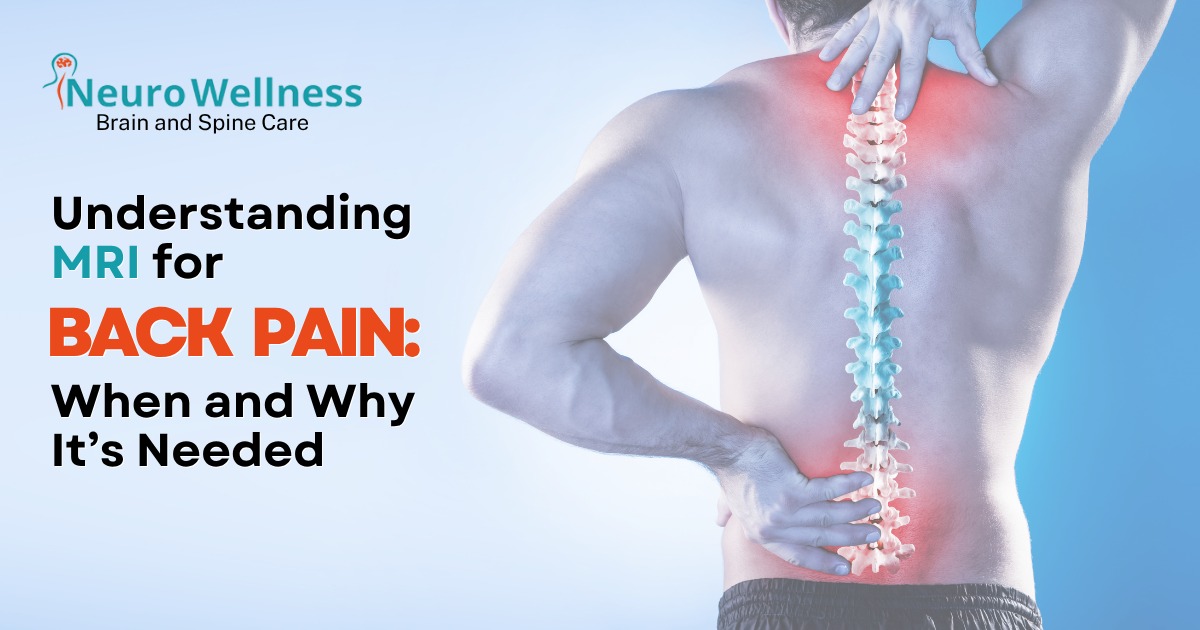
An MRI (Magnetic Resonance Imaging) is a powerful, non-invasive diagnostic tool that gives doctors a detailed look at your spine’s bones, discs, and nerves. But knowing when it’s needed — and when it’s not — can make all the difference in recovery, cost, and peace of mind.

In this guide, we’ll help you understand exactly when an MRI is needed, what it can reveal, and when it might not be necessary at all. You’ll also learn about MRI costs in Bangalore, what to expect during the scan, and how to book a fast, hassle-free appointment.

This blog is written with real patient concerns in mind and supported by the latest diagnostic recommendations.

Whether you’re just exploring options or preparing for a scan, this guide offers practical, trustworthy insights to help you make informed decisions about your spine health.

What MRI Actually Shows in Back Pain

MRI uses strong magnetic fields and radio waves to produce high-resolution images of the spine.
It helps identify:

• Disc herniation or prolapse pressing on spinal nerves
• Degenerative disc disease or worn-out cushioning between vertebrae
Spinal canal narrowing (stenosis) causing pain or leg numbness
Tumors, infections, or inflammation affecting spinal structures
Post-surgical changes to assess healing or complications

Unlike X-rays, MRIs show soft tissues nerves, muscles, and discs giving a complete picture of what’s really causing your pain.

Ganesh

Dr. Ganesh Veerabhadraiah

Consultant – Neurosurgeon, Neurointerventional Surgery, Spine Surgeon (Neuro)
23+ Years Experience Overall (17+ years as Neuro Specialist)

Available for Consultation: Jayanagar 9th Block & Kauvery Hospital, Electronic City 

When You Actually Need an MRI (And When You Don’t)

MRI scans are incredibly useful, but not always necessary. In fact, clinical guidelines suggest that many cases of back pain can be treated without imaging especially if they improve within a few weeks. However, there are situations where an MRI becomes essential.

✅ You Should Consider an MRI If You Have:

• Severe or persistent lower back painlasting more than 6 weeks

• A sensation of pins and needles or loss of feeling in the lower limbs, which may indicate nerve-related issues.

• Muscle weakness, difficulty walking, or loss of balance

• Bowel or bladder control issues(a red flag for conditions like cauda equina syndrome)

• History of cancer, trauma, or recent infectionalong with back pain

• Previous surgeryand your symptoms have returned or worsened

These are known as red-flag symptoms, and according to MedlinePlus, they often warrant advanced imaging like MRI to identify underlying causes such as disc herniation, spinal tumors, or serious nerve compression.

🚫 MRI Not Needed for Back Pain If:

• Your pain is mild to moderate and improving with rest, stretching, or therapy

• You have no neurological symptoms(like numbness or weakness)

• You’ve had less than 4 to 6 weeks of discomfort with no worsening

Your discomfort is under control through non-surgical treatments such as guided exercises or physical therapy.

Read more : Should You Sleep on the Floor or Bed for Spine Health?

Interpreting MRI Reports – What It Really Means

An MRI report can look intimidating—especially when you come across terms like “disc bulge,” “degeneration,” or “nerve impingement.” But here’s the truth: many of these findings are completely normal with age and don’t always mean you need surgery.

Common Terms You Might See:

• Disc bulge:A common age-related change that often causes no symptoms

• Spinal degeneration: Natural wear and tear in spinal discs, usually seen in adults over 30

• Nerve impingement: May sound serious, but unless it correlates with weakness, numbness, or severe pain, it might not need surgical treatment

• Herniated disc scan findings: Often found in people who don’t even have pain

A 2025 review published in the Indian Journal of Spine Surgery says that over 70% of people over 40 show signs of spinal degeneration on MRI—even without symptoms.

Don’t Let the MRI Scare You (Nocebo Effect)

Reading technical MRI terms without a doctor’s explanation can increase anxiety. This is called the “nocebo effect”—where negative expectations lead to worsening symptoms.

To avoid this:

• Always review your MRI with a qualified Spine specialist

• Ask how your symptoms relate to the report

Don’t make assumptions based on Google searches or isolated findings

What Happens After the MRI?

Getting an MRI is just one part of the journey—it shows what’s going on, but what comes next depends on how those findings relate to your symptoms. Not all back pain needs surgery. Many individuals experience significant improvement through non-surgical care approaches.

Conservative Treatment Comes First

If your MRI shows mild disc bulge, early degeneration, or no nerve compression, your doctor may suggest:

• Physiotherapy to strengthen core muscles and improve posture

• Pain-relieving medications(anti-inflammatories or muscle relaxants)

• Lifestyle adjustments, ergonomic support, and guided exercises

• Spinal injections in specific cases for pain management

These treatments aim to relieve pain, restore mobility, and prevent the issue from worsening—without surgical intervention.

When Is Surgery Considered?

Doctors usually consider surgical intervention only when the following conditions apply:

• There is significant pressure on the nerves leading to persistent loss of sensation or muscle strength.

• Sudden difficulty with urination or bowel movements may signal a critical condition that needs urgent care.

• Conservative treatment fails after 6–8 weeks and MRI confirms a surgical issue (e.g., large herniated disc, spinal stenosis)

In such cases, minimally invasive procedures like microdiscectomy or decompression may be advised based on your condition.

Book a Post-MRI Consultation

An MRI is only meaningful when interpreted in the context of your symptoms. If you’ve completed your scan and want to understand your next steps, our specialists at Neurowellness are here to help.

Book a consultation today to get a customized treatment plan—whether it’s rehab or surgical care.

MRI Anxiety, Alternatives & Latest Technology

If the idea of lying still in a narrow tube makes you nervous, you’re not alone. Many patients experience anxiety or claustrophobia during a traditional MRI scan. The good news is that safer, more comfortable alternatives now exist—without compromising image quality.

🌀 Open MRI for Claustrophobic Patients

An open MRI for back pain in Bangalore is a great option if you’re claustrophobic, elderly, or simply uncomfortable in enclosed spaces. These machines offer:

• A more open design with better airflow
Less noise and a relaxed scanning environment
• Similar diagnostic accuracy for spine and nerve issues.

Sedation Options

If an open MRI isn’t available or your anxiety is severe, mild sedation or anti-anxiety medication may be offered under medical supervision. This ensures you stay still and calm during the scan, leading to better image quality.

🚀 Latest Advancements in MRI Technology

Modern imaging has come a long way. Today, some centers use advanced tools like:

• Weight-bearing MRI (Upright MRI):Helps detect spinal issues that only appear when you’re standing or sitting. Particularly useful for sciatica, spinal instability, or posture-related pain.

• AI MRI interpretation: Some diagnostic centers use AI-assisted scan analysis to highlight abnormalities quickly, improving report accuracy and reducing human error.

These technologies may not be available everywhere, but they will gain popularity in top-tier hospitals and radiology centers.

Need help choosing the right MRI type? Talk to us or book a consultation today.

Conclusion: Don’t Panic — Get Clarity

Being advised to get an MRI for back pain can feel overwhelming—but it doesn’t have to be. Remember, not every scan leads to surgery. In most cases, an MRI helps your doctor confirm the cause of your discomfort and guide the right treatment—whether it’s physiotherapy, medication, or further evaluation.

If you’re in Bangalore, Neurowellness  Brain & Spine Care Clinic offers expert-reviewed MRI scans, fast reporting, and compassionate care to ensure you’re not left confused by your report or rushed into unnecessary procedures.

FAQs

1. Is an MRI necessary for back pain?

Not always. Most cases of back pain improve with rest, therapy, or medication. An MRI is typically recommended if your symptoms last more than 6 weeks or include red flags like numbness, weakness, or loss of bladder/bowel control.

2. What does an MRI show that X-rays don’t?

An MRI provides detailed images of soft tissues like discs, nerves, and spinal cord—unlike X-rays, which only show bones. It helps detect issues like herniated discs, nerve compression, and inflammation.

3. Can I eat before my MRI scan?

For a routine MRI, there are usually no dietary restrictions beforehand. However, if your doctor has recommended MRI with contrast, fasting may be required.Be sure to adhere to the specific guidelines provided by the facility ahead of your visit.

4. Does an MRI show sciatica?

Yes. An MRI is the best test to detect sciatica by showing if a disc is pressing on the sciatic nerve.This allows doctors to precisely identify where the nerves are being affected.

5. How much does getting an MRI scan typically cost in Bangalore?

The average cost of an MRI for back pain in Bangalore ranges from ₹2,500 to ₹12,500, depending on the facility, type of scan (plain or contrast), and urgency. Some centers offer discounts or insurance coverage.

6. Should you choose an MRI or a CT scan to evaluate back pain?

MRI is better for diagnosing back pain because it shows soft tissues, nerves, and discs clearly. CT scans are typically used for bone injuries or trauma but aren’t as effective for spinal nerve issues.

At Neurowellness – Brain & Spine Health, we specialize in advanced diagnosis and treatment of complex brain and spine disorders. From tumours, trauma and epilepsy to degenerative spine conditions and disc prolapse, our team delivers precise, minimally invasive neurosurgical care designed for faster recovery and long-term well-being.

Led by Dr. Ganesh Veerabhadraiah, one of Bangalore’s most trusted neurosurgeons, Neurowellness operates from Electronic City and Jayanagar, serving patients across South Bangalore and nearby areas such as Bannerghatta Road. With over two decades of surgical experience, cutting-edge technology, and evidence-based protocols, we combine clinical expertise with compassionate care.

Whether you require a routine consultation or complex brain and spine surgery, Neurowellness provides world-class treatment backed by the trust of thousands of patients and recognition from leading medical professionals.

Neurowellness – Neurosurgery Hospital Services

Brain tumor surgery
✅ Stroke & clot management
✅ Minimally invasive spine surgery (MISS)
✅ Endovascular neurosurgery
✅ Chronic back & neck pain treatment
✅ Rehabilitation & post-surgery care

Ganesh

Dr. Ganesh Veerabhadraiah

Consultant – Neurosurgeon, Neurointerventional Surgery, Spine Surgeon (Neuro)
23+ Years Experience Overall (17+ years as Neuro Specialist)

Available for Consultation: Jayanagar 9th Block & Kauvery Hospital, Electronic City 

Understanding Neurosurgery

What is Neurosurgery?

Neurosurgery is a specialized branch of medicine that focuses on the diagnosis, surgical treatment, and rehabilitation of disorders affecting the brain, spine, and nervous system. It involves complex procedures performed by highly trained neurosurgeons using advanced surgical techniques and tools.

Examples of neurosurgical procedures include brain tumor removal, spinal cord decompression, and surgical treatment for epilepsy or trauma-related brain injuries.

This field requires a deep understanding of neurological anatomy, precision in execution, and strong clinical decision-making, ensuring patient safety and recovery. In recognized neurosurgery hospitals, these procedures are supported by multidisciplinary teams and cutting-edge technology.

Common Neurosurgery Procedures

Hospitals in Bangalore offer a wide range of neurosurgical treatments to address both emergency and long-term neurological conditions. Common procedures include:

• Brain tumor surgery – involves the removal of non-cancerous (benign) or     cancerous (malignant) growths from the brain.
• Spinal disc surgery – To relieve pressure on spinal nerves due to herniated discs.
• Craniotomy – For treating traumatic brain injuries or bleeding in the brain.
• Aneurysm clipping or coiling – To prevent stroke by repairing weak blood vessels.
• Hydrocephalus treatment – Insertion of a shunt to drain excess cerebrospinal fluid.
• Stereotactic surgery – Minimally invasive procedures using 3D imaging for accuracy.

These procedures are performed with high safety standards and are supported by pre-surgical diagnostics and post-operative care facilities.

Types of Neurosurgeries Performed in Bangalore

As a leading medical destination, Bangalore is home to many reputed hospitals that provide advanced neurosurgical care. Some of the specialized types of neurosurgeries available include:

• Minimally invasive spine surgery – Performed with smaller incisions, reducing recovery time.
• Functional neurosurgery – Used to treat movement disorders like Parkinson’s disease.
• Pediatric neurosurgery – Focused on treating neurological conditions in children.
• Neuro-oncology surgery – Targeted treatment for cancerous brain and spinal tumors.
• Endoscopic skull base surgery – A cutting-edge technique to access deep brain areas with minimal disruption.

Evaluating Neurosurgery Hospitals

How to Identify the Best Neurosurgery Hospitals in Bangalore

Choosing the right hospital for neurosurgery involves evaluating a set of critical factors that directly affect treatment outcomes and patient safety. Bangalore is home to several reputed neurosurgery hospitals, but identifying the most suitable one requires careful consideration of the following criteria:

1. Surgeon Expertise and Experience

Choose hospitals that have quqlified neurosurgeons with proven expertise in performing complex brain and spinal surgeries. Hospitals that provide detailed surgeon profiles, case histories, and subspecialty experience demonstrate transparency and medical authority.

2. Advanced Technology and Infrastructure

Top neurosurgery hospitals in Bangalore are equipped with cutting-edge tools such as intraoperative MRI, neuro navigation systems, robotic surgical instruments, and neuro-endoscopy setups. These technologies improve surgical precision, minimize risks, and accelerate recovery.

3. Patient Outcomes and Safety Records

Evaluate hospitals based on their surgical success rates, complication statistics, and patient recovery timelines. Institutions that openly publish this data often adhere to higher standards of care and accountability, reinforcing trust.

4. Multidisciplinary Support

A high-quality neurosurgery hospital offers integrated care through neurologists, radiologists, physiotherapists, and rehabilitation specialists. This collaborative approach ensures holistic patient care from diagnosis to recovery.

5. Post-Operative Care and Follow-Up

Effective recovery depends on post-surgical monitoring, pain management, and physiotherapy. Choose hospitals with dedicated neuro ICUs, follow-up protocols, and structured rehabilitation programs.

6. Accreditations and Certifications

Hospitals accredited by national and international bodies (like NABH or JCI) meet strict standards in patient safety, hygiene, and medical care. It serves as a clear sign of the hospital’s trustworthiness and reliability.

7. Patient Reviews and Testimonials

Patient experiences provide real-world insights into a hospital’s quality of care. Consistently positive reviews across platforms like Google is an indicator of satisfaction and trustworthiness.

Read more : First visit neurosurgeon bangalore

The Importance of Hospital Selection

How Hospital Selection Impacts Treatment Outcomes

Selecting the right neurosurgery hospital goes beyond convenience—it directly affects the success of surgical procedures and the quality of patient recovery. Hospitals with experienced neurosurgeons, modern equipment, and robust clinical protocols consistently achieve higher success rates and fewer post-operative complications.

A well-equipped hospital with a skilled multidisciplinary team can handle complex neurosurgical cases with greater precision, reduce intraoperative risks, and ensure faster post-surgical healing. On the other hand, inadequate facilities or lack of specialist care may lead to extended recovery time, higher chances of infection, or even surgical failure.

Therefore, choosing a hospital that adheres to high clinical standards and follows global best practices plays a crucial role in improving neurological outcomes and patient confidence.

Why Neurowellness Brain & Spine Care in Bangalore?

Choosing the right neurosurgery hospital in Bangalore can make all the difference in patient recovery and long-term neurological health. At Neurowellness – Brain & Spine Health, we are committed to delivering precision-driven, patient-centric care guided by decades of experience and advanced medical technology.

Here’s why patients trust Neurowellness:

• 20+ years of experience in performing complex brain and spine surgeries with consistently high success rates.
Advanced neuro-navigation & minimally invasive techniques that reduce risk, pain, and recovery time.
• Dual locations in Electronic City and Jayanagar, making world-class neurosurgery care accessible across South Bangalore.
 95% post-surgery recovery rate, supported by personalized rehabilitation and continuous follow-up care.

Conclusion

Choosing the right neurosurgery hospital in Bangalore is a decision that can significantly influence your treatment journey and long-term brain and spine health. A well-equipped hospital with skilled specialists, advanced technology, and patient-centered care ensures better outcomes and peace of mind.

Neurowellness offers all the critical factors patients should look for—experienced neurosurgeons, modern infrastructure, transparent care processes, and a strong focus on patient safety.

If you or a loved one is seeking trusted neurosurgical care, we encourage you to schedule a consultation with Neurowellness and take the first step toward expert, reliable treatment.

Trusted Neurosurgery Hospital in Bangalore

“From brain tumors to spine surgery, Neurowellness Brain & Spine Clinic provides advanced neurosurgical care with experienced specialists.”

FAQs

1. What conditions do your neurosurgeons treat?

Brain tumors, spine disorders (disc prolapse, stenosis), head injury, stroke, trigeminal neuralgia, epilepsy, and pediatric neurosurgical issues.

2. Which neurosurgery techniques do you use?

We use neuro-navigation, endoscopic and minimally invasive approaches to reduce pain, blood loss, and recovery time.

3. How do I know if I need surgery or conservative care?

After clinical evaluation and imaging, our team recommends the least invasive, evidence-based option—physiotherapy/medication first whenever appropriate.

4. Where are you located in Bangalore?

We consult and operate from Electronic City and Jayanagar, serving South Bangalore and nearby areas (e.g., Bannerghatta Road).

5. How can I book a consultation with Dr. Ganesh Veerabhadraiah?

Call +91 7259669911, online consultation form to request an appointment.

Ganesh

About Author

Dr. Ganesh Veerabhadraiah

Dr. Ganesh Veerabhadraiah, leading neurosurgeon and neurologist in Bangalore, has over 20 years of expertise in managing back pain, migraines, headaches, neuro disorders, and spine problems. His clinical excellence and patient-first approach make him one of the most trusted neuro doctors in Bangalore.

At Neurowellness Brain & Spine Clinic in Jayanagar and Kavery Hospital Electronic City, Dr. Ganesh provides comprehensive treatments ranging from minimally invasive spine surgery to advanced neurological care. As a respected back pain specialist and migraine doctor, he continues to deliver reliable outcomes for patients.

👉 Connect with Dr. Ganesh on LinkedIn

Scope of Neurosurgical Services in Bangalore

Welcome to the Centre of Excellence in Neurosurgical Services in Bangalore at Kauvery Hospital, Electronic City, Bengaluru, led by Dr. Ganesh Veerabhadraiah, Senior Consultant Neurosurgeon & Head of Department.

We are committed to delivering world-class neurosurgical care by integrating clinical expertise with cutting-edge technology, advanced infrastructure, and a patient-first approach. Whether it’s complex brain surgeries, pediatric neurosurgery, spine procedures, or neurotrauma care — our team ensures precision, safety, and compassionate healing at every step.

Ganesh

Dr. Ganesh Veerabhadraiah

Consultant – Neurosurgeon, Neurointerventional Surgery, Spine Surgeon (Neuro)
23+ Years Experience Overall (17+ years as Neuro Specialist)

Available for Consultation: Jayanagar 9th Block & Kauvery Hospital, Electronic City 

Outpatient & Inpatient Neurosurgical Care

• Comprehensive consultation, diagnosis, and management
• Emergency and elective neurosurgical services

Adult & General Neurosurgery

• Brain tumors
• Hydrocephalus
• Traumatic brain injury
• Degenerative spine disorders

Paediatric Neurosurgery

• Shunt surgery for hydrocephalus
• Surgery for spinal dysraphism and neural tube defects
• Neonatal neurosurgical care

Functional Neurosurgery

Epilepsy surgery
• Pain relief neurosurgery

Interventional Neurosurgery

Brain Aneurysm Clipping & Coiling
• AVM (Arteriovenous Malformation) Treatment
• Carotid Artery Disease Management
• Endovascular Coiling, Flow Diverters & Stenting
• Carotid Endarterectomy
• Cerebrovascular surgery for aneurysms and vascular malformations

Read more : Cerebral Aneurysm Clipping 

Skull Base and Brain Stem Surgery

• Skull base tumors
• Brain stem tumors and vascular lesions
• Awake craniotomy with neuro navigation

Spine Surgery

Minimally invasive spine surgery (MISS)
• Complex spine deformity correction
• Craniovertebral junction anomalies
• Endoscopic spine surgeries
• Intra-medullary spinal tumors

Stereotactic and Navigated Neurosurgery

• High-precision tumor localization and removal
• Functional mapping and real-time neuro navigation

Endoscopic Brain Surgery

Pituitary tumor surgery
• Skull base lesions
• Endoscopic-assisted tumor removal

Pediatric & Neonatal Neurosurgery

• Congenital brain and spine anomalies
• Craniosynostosis and craniofacial deformity correction

Head Injury and Trauma Care

• 24/7 emergency neurotrauma services
• Comprehensive head injury management from ICU to rehabilitation

Technology-Driven Excellence

• Intraoperative Neuro-monitoring
• Image-guided surgery (Neuro navigation)
• Micro neuro surgery and Endoscopy
• State-of-the-art neuro ICU care

Conclusion: Your Trusted Partner in Neurosurgical Excellence

When it comes to your brain and spine health, experience and precision matter. At Kauvery Hospital, under the expert care of Dr. Ganesh Veerabhadraiah, we bring international standards in neurosurgery to Bengaluru. From outpatient diagnosis to complex brain and spine procedures, we ensure holistic care that is safe, advanced, and patient-focused.

Location: Kauvery Hospital, Electronic City, Bengaluru
Appointments & Enquiries:

+91 7259669911

FAQs

1. Who is the best neurosurgeon in Electronic City, Bangalore?

Dr. Ganesh Veerabhadraiah is a leading neurosurgeon and HOD at Kauvery Hospital, with vast experience in brain, spine, and trauma surgeries.

2. Do you provide 24/7 emergency neurosurgery services?

Yes, our hospital is equipped with round the clock emergency neurotrauma services, including ICU care.

3. Is endoscopic spine surgery available?

Yes, we offer advanced endoscopic and minimally invasive spine surgeries for faster recovery and reduced complications.

4. What technologies are used during neurosurgery?

We use neuro navigation, microscope assisted surgery, intraoperative neuro monitoring, and image guided systems for precision.

5. How do I book a neurosurgery appointment with Dr. Ganesh?

You can call us directly at +91 7259669911  schedule your consultation.

Back pain is one of the most common health complaints today, affecting people of all ages due to sedentary lifestyles, poor posture, or underlying spine issues. If you’re searching for non-invasive ways to relieve lower back discomfort, isometric back exercises can be a highly effective solution. These low-impact movements strengthen the core, support spinal stability, and improve overall posture  all without putting excess pressure on the joints.

As a leading back pain specialist in Bangalore, Dr. Ganesh Veerabhadraiah often recommends isometric exercises to patients experiencing chronic back pain, especially those recovering from spine injuries or surgeries. These exercises are not only simple to perform at home but also medically approved to aid in rehabilitation and pain management when done consistently under guidance.

In this blog, you’ll find a detailed step-by-step guide to six isometric back exercises, designed for comfort, safety, and effectiveness. Whether you’re managing mild stiffness or recovering from a spinal condition, these doctor-approved movements can support your healing journey. Make sure to follow the general precautions and always consult your spine and neuro specialist before beginning any new exercise regimen.

Ganesh

Dr. Ganesh Veerabhadraiah

Consultant – Neurosurgeon, Neurointerventional Surgery, Spine Surgeon (Neuro)
23+ Years Experience Overall (17+ years as Neuro Specialist)

Available for Consultation: Jayanagar 9th Block & Kauvery Hospital, Electronic City 

General Guidelines:

Use a comfortable mattress and pillow while doing the exercises.

• Eat a small protein snack or one fruit 10 minutes before exercising.
• Drink water in between if needed.
• Perform all exercises slowly, with comfort, and only as advised by your doctor.

Step-by-Step Isometric Back Exercises

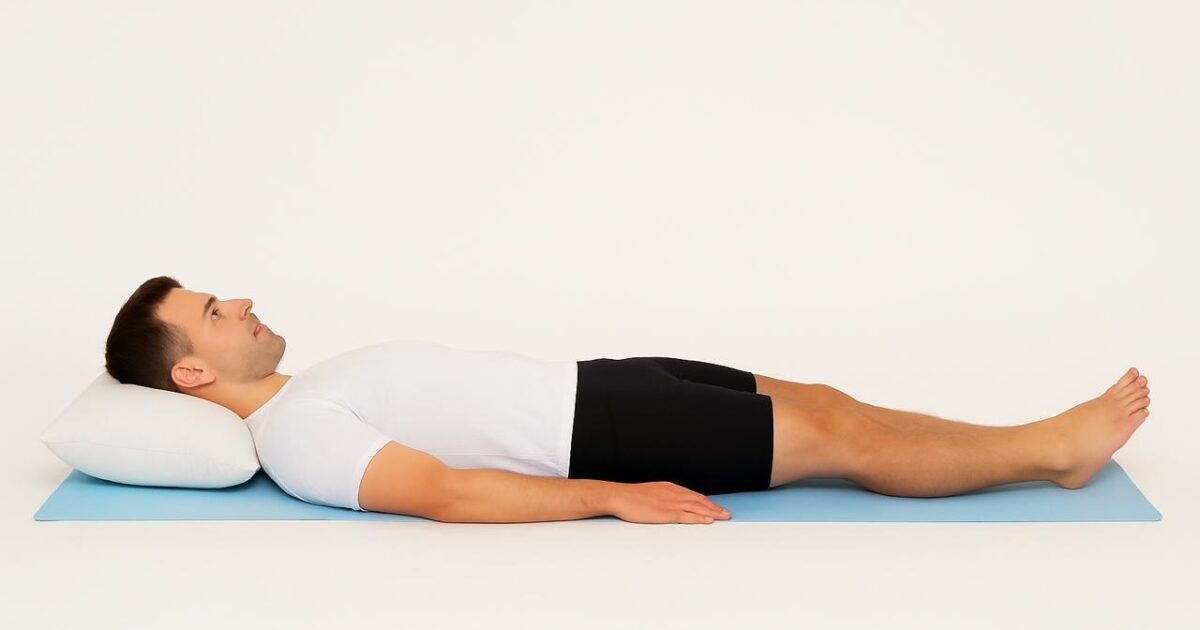
1. Supine Relaxation

• Lie down comfortably on the bed in a supine position.
• Take two deep breaths.
• Relax all body parts.

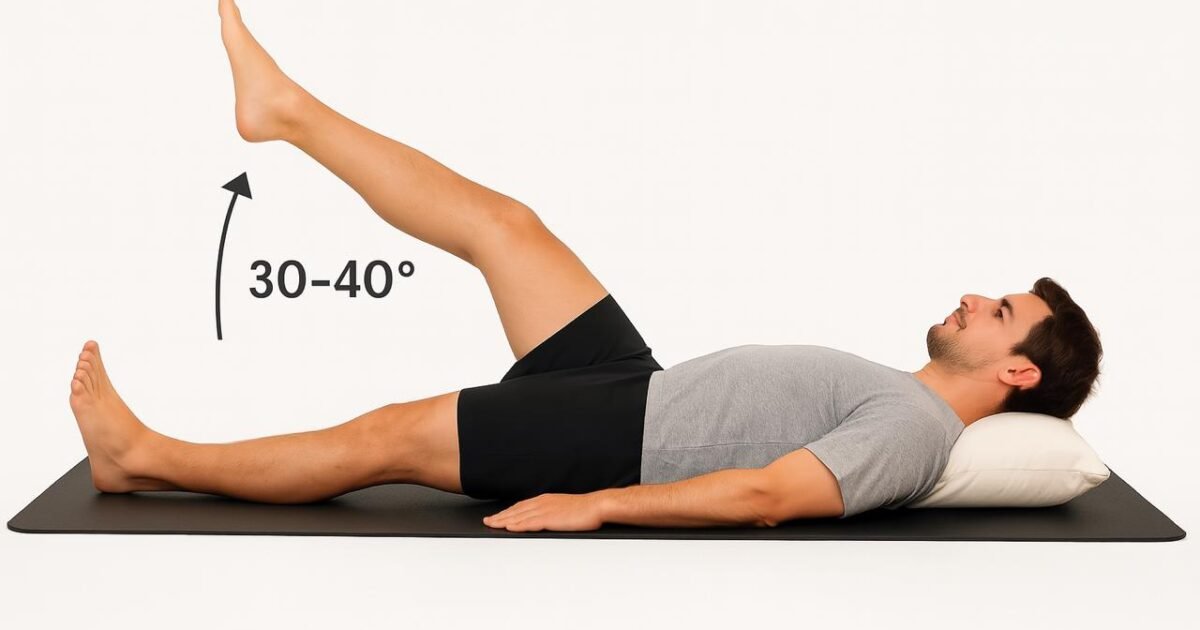
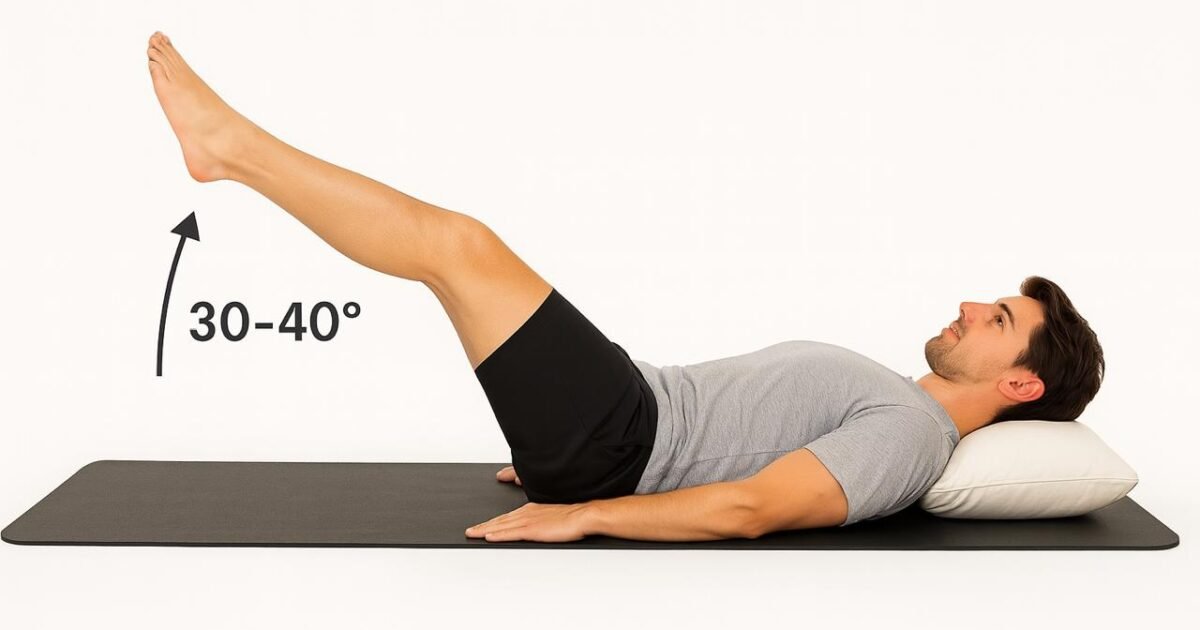
2. Single Leg Raise – Right Leg

• Gently lift your right leg without bending the knee.
• Raise it to 30–40° above the ground.
• Hold for 20 seconds.
• Slowly lower the leg.
• Come back to supine position.

3. Single Leg Raise – Left Leg

• Gently lift your left leg without bending the knee.
• Raise it to 30–40° above the ground.
• Hold for 20 seconds.
• Slowly lower the leg.
• Come back to supine position.

4. Double Leg Raise

• Lift both legs together to about 30–40°.
• Hold for 20 seconds.
• Slowly lower both legs.
• Come back to supine position.

5. Side-Lying Right Leg Raise

•Turn gently onto your right side.
• Lift your left leg (top leg) to 30–40° without bending the knee.
• Hold for 20 seconds.
• Come back to supine position.

6. Side-Lying Left Leg Raise

• Turn gently onto your left side.
• Lift your right leg (top leg) to 30–40° without bending the knee.
• Hold for 20 seconds.
• Come back to supine position.

7. Glute Bridge

• In supine position, take a deep breath.
• Keep both legs together and knees slightly bent.
• Place your palms on the floor beside you.
• Contract the gluteal muscles and gently lift your back above the ground.
• Hold for 20 seconds.
• Lower yourself down and come back to supine position.

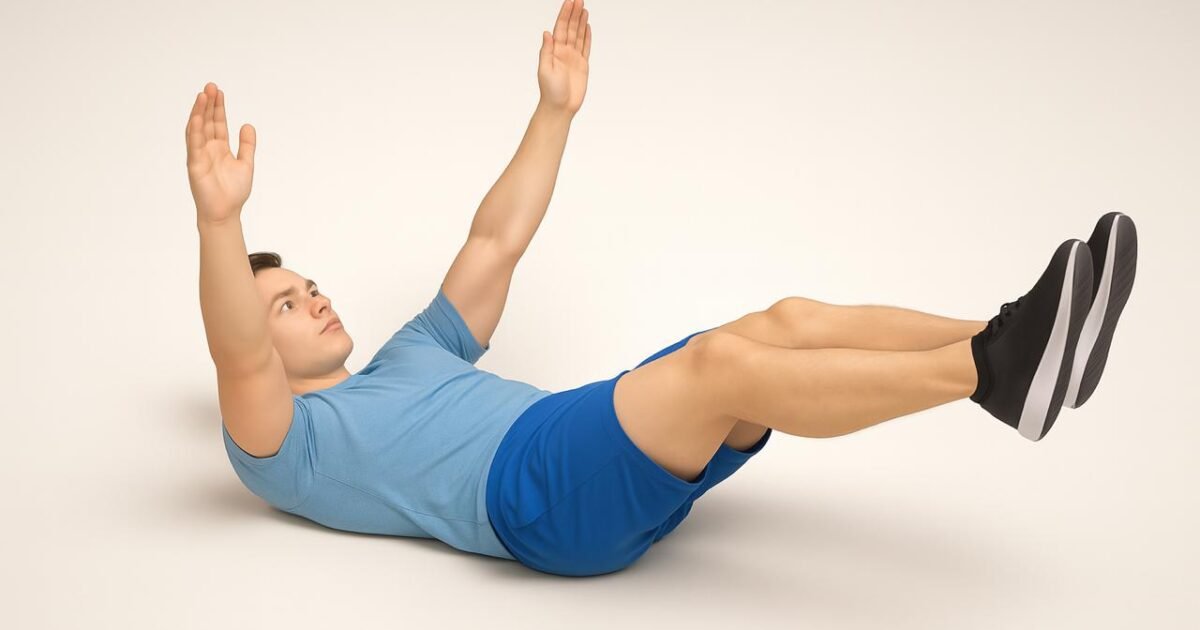
8. Four-Limb Lift (Superman)

• In supine position, lift both upper and lower limbs to 20–30°.
• The abdomen will feel slightly elevated (light).
• Hold for 20 seconds.
• Lower all limbs and come back to supine position.

Important Note:

Perform these exercises slowly, without strain, and only under medical supervision. You tube video at Neurowellness India, Spinal exercises – Back & more videos at

▶️ neurowellness india

Isometric back exercises can be a simple yet powerful addition to your daily routine if you’re dealing with lower back pain or recovering from spine-related issues. These exercises, when done correctly and consistently, can help strengthen your core muscles, reduce stress on the spine, and promote better posture — all without requiring any expensive equipment.

Written by
Dr. Ganesh Veerabhadraiah
Head of Department – Neurosurgery
Kauvery Hospital, Electronic City | NeuroWellness India

FAQs:

1. What are isometric back exercises?

Isometric back exercises involve contracting the muscles without moving the spine. They help strengthen the core and support spinal stability without straining your back.

2. Can isometric exercises help relieve lower back pain?

Yes, isometric exercises are effective for strengthening muscles around the spine, improving posture, and reducing chronic lower back pain when done under medical supervision.

3. Are these exercises safe for slipped disc or sciatica patients?

These exercises are generally safe but should only be done after consulting a back pain specialist, especially if you have a slipped disc, sciatica, or any spinal injury.

4. How often should I do isometric back exercises?

Most patients benefit from doing these exercises 3–5 times per week. However, the frequency should be customized based on your condition and your doctor’s recommendation.

5. Who is the best back pain specialist in Bangalore for personalized advice?

Dr. Ganesh Veerabhadraiah, Head of Neurosurgery at Kauvery Hospital, Electronic City, is a top-rated back pain specialist in Bangalore with expertise in spine-related treatment and rehabilitation.

Pregnancy brings profound changes to the body. As the baby grows, so does the strain on muscles, joints, and the spine. One of the most common concerns expectant mothers report is back pain.

Many women ask:

• Is this pain normal?
When does pregnancy back pain usually start?
Can it affect my baby?• When should I worry?

This guide explains the medical reasons behind pregnancy-related back pain and helps you understand when it is part of normal body adaptation—and when it needs attention.

• Back pain is very common during pregnancy.
• It usually begins in the second trimester.
Hormonal changes and posture shifts are major causes.
Most cases are not dangerous.
Severe pain, weakness, numbness, or fever require medical evaluation.

Ganesh

Dr. Ganesh Veerabhadraiah

Consultant – Neurosurgeon, Neurointerventional Surgery, Spine Surgeon (Neuro)
23+ Years Experience Overall (17+ years as Neuro Specialist)

Available for Consultation: Jayanagar 9th Block & Kauvery Hospital, Electronic City 

Is Back Pain Normal During Pregnancy?

Yes. Back pain is extremely common during pregnancy. Studies suggest that more than half of pregnant women experience some degree of back discomfort.

The spine undergoes significant changes due to:

• Hormonal shifts
• Weight gain
Postural changes
Ligament relaxation

Most back pain during pregnancy is mechanical—meaning it arises from strain rather than disease.

When Does Back Pain During Pregnancy Start?

Back pain can begin at different stages depending on individual factors.

First Trimester

Back discomfort may begin early due to hormonal changes. The hormone relaxin increases to loosen ligaments in preparation for childbirth. This can reduce spinal stability and cause mild pain.

Second Trimester

This is when most women begin to notice persistent back pain. The abdomen expands, the center of gravity shifts forward, and spinal muscles work harder to maintain balance.

Third Trimester

Pain may intensify due to:

• Increased weight
• Pelvic joint strain
Sleep discomfort
Muscle fatigue

Types of Back Pain During Pregnancy

Understanding the type of pain helps determine whether it is typical or concerning.

1. Lower Back Pain (Lumbar Pain)

This is the most common type and feels similar to back pain experienced outside pregnancy.

2. Pelvic Girdle Pain

Pain felt around the hips, buttocks, or pelvic joints. It may worsen when walking or climbing stairs.

3. Sciatic Pain

Occurs when the sciatic nerve becomes irritated. It causes shooting pain down one leg.

What Causes Back Pain in Pregnancy?

Hormonal Changes

Relaxin softens ligaments and joints, reducing stability in the pelvis and spine.

Weight Gain

Extra body weight increases load on spinal muscles.

Postural Adjustment

As the uterus expands, posture changes. The lower back curves more than usual, increasing strain.

Muscle Separation (Diastasis Recti)

Abdominal muscles may stretch and weaken, reducing core support.

Previous Spine Issues

Women with prior back problems may experience earlier or more intense pain.

Is Pregnancy Back Pain Dangerous?

In most cases, no.
Pregnancy-related back pain is usually muscular or mechanical.

However, certain symptoms should never be ignored.

When Is Back Pain During Pregnancy NOT Normal?

Seek medical evaluation if you experience:

Seek medical evaluation if you experience:

• Severe or sudden pain
• Pain accompanied by fever
Numbness or tingling in legs
Progressive weakness
Difficulty walking
Loss of bladder or bowel control
Persistent one-sided pain

These may indicate nerve compression, infection, or other spinal conditions requiring medical assessment.

Severe or sudden pain

• Pain accompanied by fever
• Numbness or tingling in legs
Progressive weakness
Difficulty walking
Loss of bladder or bowel control
Persistent one-sided pain

These may indicate nerve compression, infection, or other spinal conditions requiring medical assessment.

Can Back Pain Harm the Baby?

Simple mechanical back pain does not harm the baby.

The discomfort is related to musculoskeletal changes in the mother’s body and does not directly affect fetal development.

However, severe pain limiting mobility may reduce daily activity and sleep quality, which can indirectly affect overall well-being.

How to Relieve Back Pain Safely During Pregnancy

Most pregnancy back pain improves with conservative care.

Posture Correction

Maintain upright posture. Avoid slouching.

Supportive Footwear

Wear low-heeled, supportive shoes.

Sleeping Position

Sleep on your side with a pillow between the knees.

Prenatal Exercise

Gentle exercises strengthen back and core muscles.

Pelvic Support Belts

Maternity belts may reduce strain.

Warm Compress

Mild heat therapy may relieve muscle tension.

Avoid:

• Heavy lifting
• Sudden twisting movements
Prolonged standing

Always consult a doctor before beginning new exercise routines.

When Should You See a Specialist?

Most pregnancy back pain can be managed conservatively. However, evaluation is recommended if:

• Pain worsens progressively
• There is associated numbness or weakness
Symptoms interfere significantly with daily life
There is a history of spinal conditions

Timely evaluation ensures both maternal comfort and safety.

Expert Spine Evaluation in Bengaluru

For persistent or concerning symptoms, consultation with an experienced spine specialist is advisable.

Dr. Ganesh Veerabhadraiah

Dr. Ganesh Veerabhadraiah provides evaluation for spine-related conditions with an emphasis on conservative management during pregnancy whenever safely possible.

FAQs

Is lower back pain normal in early pregnancy?

Yes. Hormonal changes can cause mild discomfort even in the first trimester.

When should I worry about pregnancy back pain?

If pain is severe, associated with fever, numbness, weakness, or bladder symptoms.

Can I use painkillers during pregnancy?

Only under medical supervision. Not all medications are safe during pregnancy.

Does back pain mean labor is near?

Not necessarily. Back pain alone is not a sign of labor unless accompanied by contractions.

Can exercise worsen pregnancy back pain?

Appropriate prenatal exercise usually helps. Incorrect or intense exercise may worsen symptoms.

Will back pain go away after delivery?

Most pregnancy-related back pain improves within weeks after childbirth.

Conclusion

Back pain during pregnancy is common and usually part of normal physical adaptation. Most cases are manageable with posture correction, exercise, and supportive care.

However, persistent or severe symptoms deserve proper evaluation. Understanding the difference between normal discomfort and warning signs allows expectant mothers to stay informed and confident.

If you are uncertain whether your back pain is typical or concerning, professional evaluation can provide clarity and reassurance.

After brain surgery, it’s common to experience fatigue, swelling, headaches, mood changes, and temporary memory issues. Recovery timelines vary based on the type of surgery and individual health. Proper rest, hydration, medication adherence, and regular follow‑ups with your neurosurgeon are essential for safe recovery.

Consult Neurowellness if symptoms worsen, new neurological signs appear, or recovery feels slower than expected.

Brain surgery changes lives — physically, emotionally, and mentally. Recovery is a gradual process that demands patience, discipline, and medical guidance. This article outlines 20 key things to expect after surgery, based on real patient journeys and neurosurgeon experience.

At Neurowellness India, our neurosurgeons emphasize that healing doesn’t stop at the operation table  it begins the moment you wake up.

Book Your Recovery Consultation:
Get post-surgery guidance from Dr. Ganesh Veerabhadraiah — Senior Neurosurgeon, Neurowellness Bangalore.

StageTimeframeCommon SymptomsCare Recommendations
ICU Phase1–3 daysDrowsiness, confusionMonitoring, hydration, rest
Early Recovery1–4 weeksFatigue, mild headachesLight activities, healthy diet
Long-Term Healing1–6 monthsMemory or mood changesRegular follow-ups, neuro-rehab
Ganesh

Dr. Ganesh Veerabhadraiah

Consultant – Neurosurgeon, Neurointerventional Surgery, Spine Surgeon (Neuro)
23+ Years Experience Overall (17+ years as Neuro Specialist)

Available for Consultation: Jayanagar 9th Block & Kauvery Hospital, Electronic City 

20 Things to Expect After Brain Surgery

 Immediate Post-Surgery Experiences

1. Initial Recovery in ICU

Immediately after your brain operation recovery, you’ll wake up in the Intensive Care Unit (ICU), closely monitored by a specialized team. During this critical period, various neurosurgical procedures such as checking brain function and responsiveness are regularly performed to ensure your safety.

2. Monitoring Vital Signs

After surgery, careful observation of your vital signs including heart rate, blood pressure, breathing, and neurological responses is essential. Continuous monitoring helps your medical team quickly identify and address any issues, optimizing your early recovery process.

3. Postoperative Pain and Management

Post-surgery discomfort is common, but your care team will proactively manage pain through carefully prescribed medication. Effective pain management not only improves your comfort but also facilitates quicker recovery and healing after your procedure.

4. Swelling and Bruising

You may experience temporary swelling or bruising around the surgical area or even your face. This is a normal postoperative reaction as your body starts the healing process, typically resolving within a few days to weeks.

5. Fatigue and Drowsiness

Feeling unusually tired or sleepy is completely natural after brain surgery. Rest is crucial during this initial period, allowing your brain the necessary energy and resources to heal effectively.

Physical and Neurological Changes

6. Temporary Neurological Symptoms

After brain surgery, you may notice temporary neurological changes, such as mild weakness, numbness, or altered sensations. These symptoms often improve over time as your brain heals and adapts.

7. Balance and Coordination Issues

Maintaining balance or coordinating movements can be challenging during the early stages of recovery.Working closely with physical therapists early in recovery can help you regain stability and confidence in daily activities.

8. Speech and Communication Challenges

Many patients may experience short-term challenges with speech or word recall during recovery. Speech therapy can significantly help restore effective communication, enabling smoother interactions during recovery.

9. Vision and Hearing Changes

Minor changes in vision or hearing sensitivity may occur temporarily. If symptoms persist or worsen, consult your neurosurgical care team promptly to ensure appropriate interventions.

10. Memory and Cognitive Effects

You may experience brief periods of confusion, memory lapses, or difficulty concentrating. Cognitive rehabilitation exercises guided by your healthcare team will gradually improve these issues over time.

 Recovery Milestones and Timelines

11. Typical Recovery Timeline

Recovery times vary widely depending on individual circumstances and the type of neurosurgical procedures performed. For minimally invasive brain surgery, many patients experience significant improvement within weeks, while extensive surgeries may require several months of recovery.

12. Rehabilitation and Physiotherapy

A well-planned rehabilitation program that may involve physical, occupational, and speech therapies plays a key role in achieving optimal recovery. These therapies accelerate healing and help you regain strength, independence, and function.

13. Follow-Up Appointments

Routine medical evaluations help assess your healing and address any emerging concerns early on. Be sure to attend all scheduled consultations, and don’t hesitate to book a brain surgery consultation promptly if you experience unexpected symptoms.

14. Returning to Daily Activities

Returning to normal activities like work, exercise, and driving should be gradual. Your neurosurgeon will provide personalized guidelines to ensure you safely and effectively transition back to daily routines.

15. Managing Medication

Proper management of prescribed medications—including painkillers, steroids, and anticonvulsants—is critical. Adhering to your medication schedule reduces risks of complications and supports a smoother recovery.

Emotional and Psychological Health

16. Emotional Challenges Post-Surgery

It’s common to feel anxiety, depression, or emotional ups and downs after brain surgery. Recognizing these feelings as normal can encourage you to seek emotional support and facilitate better coping during recovery.

17. Importance of Support Systems

Family, friends, and patient support groups play a critical role in emotional and psychological recovery. Building a strong support network ensures you receive encouragement, practical help, and emotional comfort throughout your healing process.

18. When to Seek Additional Help

If emotional or psychological struggles persist or intensify over time, it’s important to consult a mental health professional. Early intervention can significantly enhance emotional resilience and overall recovery outcomes.

Long-Term Considerations

19. Regular Neurological Check-ups

Consistent follow-up with your neurosurgeon is key for monitoring long-term brain health. Regular neurological evaluations help detect potential issues early and allow your care team to adjust your treatment plan as needed for optimal recovery.

20. Lifestyle Changes for Long-Term Health

Adopting healthy habits after brain surgery significantly supports long-term well-being. Focus on a balanced diet, regular physical activity (as advised by your care team), stress management, and sufficient sleep to aid your body and brain in continued healing.

“Recovery after brain surgery is deeply personal — no two patients heal the same way. With proper follow-up and rehabilitation, most return to a normal, independent life.”
Dr. Ganesh Veerabhadraiah, Senior Neurosurgeon, Neurowellness Bangalore

Conclusion

Recovering from brain surgery is a journey that requires patience, support, and expert guidance. Knowing what to expect at each stage empowers you to take proactive steps for a smoother recovery.

If you’re seeking expert neurosurgical care, Dr. Ganesh Veerabhadraiah, highly regarded as a brain surgery specialist in Electronic City Bengaluru, and the team at Neurowellness Bengaluru are here to support you every step of the way.

Post-Brain Surgery Recovery in Bangalore

“Recovering from brain surgery? Neurowellness Brain & Spine Clinic offers expert rehabilitation, medication guidance, and long-term care for patients.”

FAQs

1. How long does brain surgery recovery take?

Recovery varies between 3–6 months depending on the type of surgery and patient health.

2. What should patients avoid after brain surgery?

Avoid driving, heavy lifting, or screen overuse until cleared by your neurosurgeon.

3. Can I travel after brain surgery?

Yes, short trips are possible after recovery begins, but avoid air travel for the first 4–6 weeks unless your doctor approves.

4. When should I contact my doctor post-surgery?

If you notice severe headaches, speech issues, seizures, or fever, seek medical help immediately.

Ganesh

About Author

Dr. Ganesh Veerabhadraiah

Dr. Ganesh Veerabhadraiah, leading neurosurgeon and neurologist in Bangalore, has over 20 years of expertise in managing back pain, migraines, headaches, neuro disorders, and spine problems. His clinical excellence and patient-first approach make him one of the most trusted neuro doctors in Bangalore.

At Neurowellness Brain & Spine Clinic in Jayanagar and Kavery Hospital Electronic City, Dr. Ganesh provides comprehensive treatments ranging from minimally invasive spine surgery to advanced neurological care. As a respected back pain specialist and migraine doctor, he continues to deliver reliable outcomes for patients.

👉 Connect with Dr. Ganesh on LinkedIn

Visiting a neurosurgeon for the first time can naturally raise many questions and concerns. Whether you’re dealing with persistent headaches, spine issues, nerve pain, or recovering from trauma, a neurosurgeon plays a key role in guiding your treatment.

A first consultation is not just about diagnosis, it’s about reassuring patients and guiding them with clarity,” says Dr. Ganesh Veerabhadraiah, Senior Neurosurgeon with 20+ years’ experience.

Your first visit to a neurosurgeon is an important step towards understanding your condition and exploring advanced care options. Being prepared ensures that you get the most value from this consultation and clarity on the path ahead.

If you’re consulting a Neurosurgeon in Electronic City Bengaluru, you’re in expert hands with Dr. Ganesh Veerabhadraiah is widely regarded for his expertise in neurosurgery at Kauvery Hospital. His vast experience in brain and spine surgeries makes your first visit both informative and reassuring.

During this initial appointment, your neurosurgeon will assess your medical history, conduct necessary examinations, and discuss a personalized treatment approach — whether surgical or non-surgical. This interaction forms the foundation of a treatment plan tailored to your needs.

In this comprehensive guide, we’ll walk you through what to expect during your first visit to a neurosurgeon, how to prepare, and why choosing a reputable expert like Dr. Ganesh Veerabhadraiah can make all the difference in your neurological health journey.

Ganesh

Dr. Ganesh Veerabhadraiah

Consultant – Neurosurgeon, Neurointerventional Surgery, Spine Surgeon (Neuro)
23+ Years Experience Overall (17+ years as Neuro Specialist)

Available for Consultation: Jayanagar 9th Block & Kauvery Hospital, Electronic City 

When Should You See a Neurosurgeon?

1. Persistent or Severe Headaches

If you’re experiencing frequent, worsening, or unusual headaches — especially those that disrupt daily life — it’s time to consult a neurosurgeon. Certain headaches may indicate underlying brain or nerve issues that need specialist evaluation.

 2. Spine and Back Pain That Doesn’t Improve

When chronic back pain, neck pain, or sciatica persists despite treatment, a brain and spine surgeon can assess whether structural problems like herniated discs, spinal stenosis, or nerve compression require advanced care.

3. Symptoms of Nerve Damage

Signs like tingling, numbness, muscle weakness, or loss of coordination suggest nerve dysfunction. A neurological surgery specialist can diagnose and treat conditions affecting the brain, spine, or peripheral nerves.

4. Traumatic Brain or Spine Injury

Following head injuries or spinal trauma, consulting a neurosurgeon ensures timely management to prevent long-term complications. Immediate evaluation is crucial for optimal recovery.

5. Diagnosed Brain or Spine Tumors

If imaging reveals a tumor in your brain or spinal cord, a neurosurgeon will guide you through surgical and non-surgical treatment options. Expertise is essential to manage such complex conditions safely.

6. Seizures or Neurological Changes

New or worsening seizures, sudden vision changes, balance problems, or unexplained weakness warrant a neurosurgical consultation. Early diagnosis can prevent disease progression.

7. When Advised by Your Physician

Often, your primary doctor or neurologist will refer you to a neurosurgeon when they identify symptoms needing surgical evaluation. Trust this guidance — early specialist input improves outcomes.

1. WHO (Stroke & Neuro Care Standards)

According to the World Health Organization (WHO), neurological disorders are among the leading causes of disability worldwide, making early consultation with a neurosurgeon crucial for better patient outcomes

2. Mayo Clinic (First Consultation Guidance)

The Mayo Clinic notes that during a first neurosurgeon consultation, patients can expect a detailed medical history review, neurological exam, and often imaging tests such as MRI or CT scans to form an accurate diagnosis.

3. NCBI/NIH (Neurosurgery Best Practices)

Research published on NCBI (National Center for Biotechnology Information) emphasizes that early neurosurgical evaluation improves long-term outcomes, especially for conditions like spine disorders, brain tumors, and stroke management.

Preparing for Your First Visit

1. Gather Relevant Medical Records

For your first visit to a neurosurgeon, bring all previous medical records. This includes:

• MRI, CT scans, or X-rays
• Blood test results
• Nerve conduction studies (for nerve damage treatment)
• Reports from prior consultations or surgeries

2. Create a List of Symptoms

Note down all symptoms you’re experiencing:

• When they started
How often they occur
• What worsens or improves them

This clarity helps your spine surgeon in Bengaluru or brain specialist understand the full picture.

3. Prepare a List of Questions

Prepare a list of important questions you want to discuss during your consultation. Examples include:

• What is causing my symptoms?
• What treatment options do I have?
• Will I need surgery or is there a non-surgical option?
• What is the expected recovery time?

This ensures you leave the consultation with a clear understanding of your condition and next steps.

4. Arrange for Support if Needed

Having a trusted family member or friend with you can be helpful, especially during detailed discussions about surgery. They can help take notes and offer emotional support.

5. Know What to Expect During the Appointment

During your visit, your neurosurgeon will:

• Review your medical history and imaging
• Perform a physical and neurological exam
• Explain possible diagnoses
• Discuss further tests or treatment options (which may include nerve damage treatment or advanced spine procedures)

What Happens During the Consultation

1. Medical History Review

Your neurosurgeon will review your complete medical history and previous test results. This helps understand underlying factors affecting your brain, spine, or nerves.

2. Neurological Examination

Next, a physical and neurological exam checks:

• Reflexes
• Muscle strength
Coordination
Sensory responses

This helps your brain and spine surgeon identify affected areas.

3. Imaging Review

Your neurosurgeon will analyze MRI, CT scans, or X-rays. For cases like skull base surgery or spine disorders, these images guide diagnosis and treatment planning.

4. Discussion of Treatment Options

After diagnosis, your doctor will explain:

• Whether surgery is required
• Non-surgical options (if suitable)
• Risks and benefits of treatments

Patients seeking the
best neurosurgeon in Bengaluru for brain surgery often appreciate this clarity.

5. Addressing Questions

You will be given the opportunity to seek clarifications and address any concerns you may have. Your neurosurgeon will also outline the next steps, follow-up schedule, and recovery expectations.

After Your Consultation: Next Steps

1. Understand Your Treatment Plan

Once the consultation is complete, your specialist will explain the recommended course of treatment and next steps. This may include lifestyle changes, medications, physiotherapy, or surgical options like nerve damage treatment or spine surgery.

2. Schedule Additional Tests (If Required)

You may be advised to undergo further diagnostic tests for an accurate diagnosis — such as advanced MRI, CT angiography, or nerve conduction studies.

3. Book a Follow-Up Appointment

Whether you proceed with surgery or conservative management, it’s essential to schedule a follow-up visit. Regular monitoring ensures optimal recovery and timely adjustments to your treatment.

4. Stay Connected with Your Care Team

The care team, along with your neurosurgeon, will continue to provide support throughout your treatment journey. Don’t hesitate to reach out with questions or concerns between visits.

5. Take an Informed Step Forward

If you’re ready to take the next step, you can book an appointment with a neurosurgeon like Dr. Ganesh Veerabhadraiah at Kauvery Hospital, Bengaluru. Timely care can make all the difference in your neurological health journey.

Conclusion

Visiting a neurosurgeon can provide much-needed clarity and direction when you’re facing complex brain, spine, or nerve issues. Being prepared for your first visit ensures you get the answers and expert guidance you deserve.

If you are searching for a trusted neurosurgeon near me or the Best Spine Doctor in Electronic City, Dr. Ganesh Veerabhadraiah at Kauvery Hospital, Electronic City Bengaluru, offers world-class expertise and compassionate care. From advanced brain and spine surgeries to personalized nerve damage treatments, you are in expert hands.

Ready to consult a trusted neurosurgeon?

FAQs

1.What can you expect at your initial visit to a neurological specialist?

At your initial appointment, the specialist will examine your past medical records, perform a neurological assessment, and evaluate any imaging or diagnostic reports.They will then discuss possible diagnoses and recommend a personalized treatment plan.

2. How do I prepare for a neurosurgery consultation?

Before your appointment, gather all relevant medical records (MRI, CT scans), write down your symptoms, and prepare a list of questions. This helps your neurosurgeon near me provide accurate advice and treatment options.

3. Is it necessary to consult a neurosurgeon for back pain?

If your back pain is chronic, worsening, or associated with numbness or weakness, it is wise to consult a neurosurgeon online or in person. They can evaluate whether spine-related issues, such as herniated discs or nerve compression, require specialized care.

4. What is the typical duration of a neurosurgical consultation?

A typical neurosurgery consultation lasts between 30 to 45 minutes. Complex cases or those involving surgery discussions may require longer, especially when meeting an experienced specialist like Dr. Ganesh Veerabhadraiah.

5. What questions should I ask my neurosurgeon?

Key questions include:

• What is causing my symptoms?
• What are my treatment options?
• Is surgery required, and what are its risks?
• What is the expected recovery process?
• How can I manage my condition in daily life?

Tobacco affects blood flow, nerves, and brain function, increasing the risk of stroke, spine degeneration, and nerve damage. Early awareness and timely medical care can prevent serious neurological complications.

Tobacco consumption is widely known to harm the lungs and heart, but its impact on the brain and spine is often overlooked. Long-term tobacco use reduces blood supply to the brain, accelerates nerve degeneration, and increases the risk of stroke and spinal disorders.

Nicotine and other toxic substances in tobacco interfere with oxygen delivery to nerve tissues, leading to chronic pain, weakness, and delayed recovery from neurological conditions. Many patients seek medical attention only after irreversible damage has occurred.

In this article, we explain how tobacco affects brain and spine health, early warning signs to watch for, and when expert neurological care is essential.

🔴 Tobacco – The Silent Hacker of the Brain

When we think of tobacco, most people imagine damaged lungs, yellow teeth, or bad breath. But as a neurosurgeon, I want to share the truth that often goes unnoticed — tobacco is one of the most dangerous threats to your brain and spine.

It doesn’t shout.
It doesn’t show symptoms right away.
But it silently shrinks blood vessels, starves brain cells, damages nerves, and rewires your brain into becoming its slave.

1️⃣ Tobacco Reduces Brain Blood Flow — Silent Strangulation

 
Your brain uses 20% of your body’s oxygen. But tobacco constricts the blood vessels that supply this vital oxygen.
Over time, it causes:
•Brain fog
•Poor memory and attention
•Early cognitive decline
•Higher stroke risk
 
Even young people who smoke or vape occasionally are at risk.
As a neurosurgeon, I’ve seen patients in their 30s come in with massive strokes — their only risk factor: tobacco use.
Ganesh

Dr. Ganesh Veerabhadraiah

Consultant – Neurosurgeon, Neurointerventional Surgery, Spine Surgeon (Neuro)
23+ Years Experience Overall (17+ years as Neuro Specialist)

Available for Consultation: Jayanagar 9th Block & Kauvery Hospital, Electronic City 

2️⃣ Tobacco Increases Stroke and Aneurysm Risk — A Time Bomb in Your Brain

Every puff of smoke raises your blood pressure, inflames your artery walls, and weakens brain blood vessels.
This increases the risk of:
•Ischemic Stroke (due to clots)
•Hemorrhagic Stroke (due to bleeding)
•Aneurysm rupture (a life-threatening brain bleed)
 
I’ve seen lives shattered by sudden aneurysm rupture — in patients with no prior symptoms, but a history of regular smoking.

3️⃣ Tobacco Slows Brain Healing — The Enemy After Surgery

When the brain is healing — after trauma, tumor surgery, or stroke — it needs clean,a oxygen-rich blood.
But tobacco:
•Reduces oxygen to brain cells
•Shrinks healing blood vessels
•Increases risk of infection and re-surgery
•Slows recovery by weeks or even months
 
Even minor brain surgeries recover slower in smokers. It’s like watering a plant with poison and expecting it to bloom.
Tobacco Harms

4️⃣ Tobacco Damages Spinal Discs and Bones — A Hidden Spine Killer

Tobacco silently dries out spinal discs — your spine’s shock absorbers — making them brittle and prone to collapse.
It also:
•Weakens spinal bones
•Increases risk of disc prolapse and spinal stenosis
•Delays healing after spine surgery
•Doubles the risk of spinal fractures and failed fusions
 
Smokers often need spine surgery a decade earlier than non-smokers — and recover much slower.

5️⃣ Tobacco Causes Nerve Damage — Burning, Numbness, and Weakness

Tobacco doesn’t stop at the brain or spine. It also:
•Starves nerves of oxygen
•Damages their protective coating (myelin)
•Causes tingling, burning feet, numbness, or poor balance
•Worsens diabetic neuropathy
•Delays nerve healing after surgery
 
I’ve seen patients with simple foot numbness progress to permanent nerve damage — all linked to tobacco use.

6️⃣ Tobacco Increases Spine Surgery Risk — And Reduces Its Success

In surgeries like spinal fusion or decompression:
•Smokers have higher risk of poor bone fusion (nonunion)
•More infections
•Slower nerve recovery
•Longer hospital stays
 
Even after a technically perfect surgery, tobacco undoes your surgeon’s effort from the inside.

7️⃣ Tobacco Addiction Alters Brain Chemistry — Your Mind Gets Hijacked

Nicotine triggers dopamine — the brain’s reward chemical — making you feel good temporarily.
But over time, tobacco:
•Creates dependence
•Increases anxiety
•Reduces focus and memory
•Dulls decision-making and self-control
🎥 Analogy from Cinema:
 
Just like in Robot (2010) — where Dr. Vaseegaran’s brilliant creation Chitti is corrupted by Dr. Bohra —
Tobacco disables your brain’s “ethical governor”. It reprograms your brain to crave what’s killing it.
Eventually, your own brain starts working against you.
 
And like Ramakrishna (Queen Sivagami’s husband) in Baahubali, whose mind was poisoned by whispers and manipulation —
Tobacco too pretends to help, but silently steals your peace, memory, and control.
 
By the time you realize it, it’s often too late.
 
🛑 In Simple Words:
 
Tobacco doesn’t just cause cancer or lung disease.
It is a neurovascular villain — one that weakens your memory, decision-making, balance, healing, and even the success of your brain or spine surgery.
 
✅ You Can Still Stop It
 
Even if you’ve been smoking for years — your body can begin to heal the moment you quit:
•Brain blood flow improves within weeks
•Stroke risk drops within months
•Spine bones regain strength
•Nerve function may improve

Quit Tobacco – Protect Your Brain & Spine in Bangalore

“Smoking and tobacco use damage your brain, weaken your spine, and increase stroke risk. Neurowellness Brain & Spine Clinic provides expert support and treatments to protect your health.”
 
🚭 This No Tobacco Day (May 31), let’s pledge:
 
🧠 “I will protect my brain and spine.”
💪 “I will not let tobacco control my mind.”
🚫 “I will break free before it breaks me.”
 
🖥️ Written by
Dr. Ganesh Veerabhadraiah
Head of Department – Neurosurgery
Kauvery Hospital, Electronic City | NeuroWellness India

FAQs:

1. Can tobacco directly damage the brain and spine?

Yes. Tobacco reduces blood flow and oxygen supply to the brain and spinal cord, increasing the risk of nerve damage, stroke, and degenerative spine conditions.

2. What neurological problems are caused by tobacco use?

Tobacco use is linked to stroke, memory issues, nerve pain, spinal degeneration, delayed nerve healing, and increased risk of brain hemorrhage.

3. Does smoking worsen existing spine or nerve problems?

Yes. Smoking slows healing, worsens disc degeneration, increases chronic pain, and reduces recovery after spine surgery or nerve treatment.

4. When should a tobacco user consult a neurosurgeon?

If symptoms like persistent headaches, dizziness, limb weakness, numbness, or chronic spine pain appear, immediate neurological evaluation is advised.

5. Can quitting tobacco improve brain and spine health?

Yes. Quitting tobacco improves blood circulation, slows nerve damage, and significantly reduces future neurological risks.