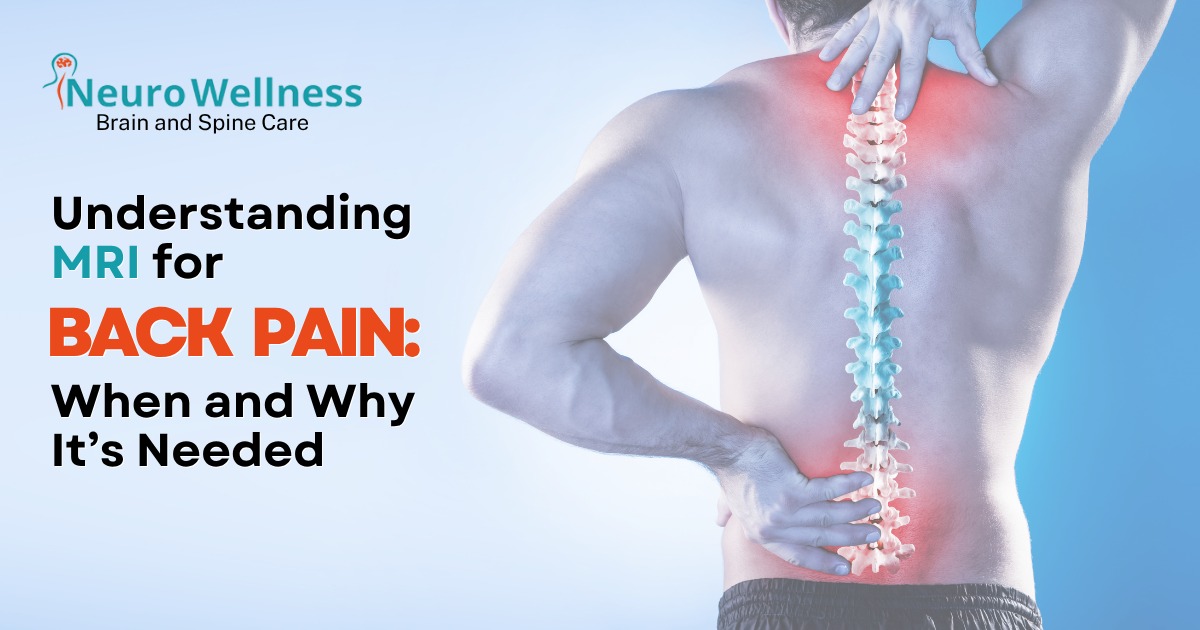
Back pain is one of the most common health issues worldwide  yet, many patients wonder “Do I really need an MRI?”
At Neurowellness Bangalore, we often see patients who either delay diagnosis or rush into scans without understanding what’s truly necessary.

An MRI (Magnetic Resonance Imaging) is a powerful, non-invasive diagnostic tool that gives doctors a detailed look at your spine’s bones, discs, and nerves. But knowing when it’s needed — and when it’s not — can make all the difference in recovery, cost, and peace of mind.

In this guide, we’ll help you understand exactly when an MRI is needed, what it can reveal, and when it might not be necessary at all. You’ll also learn about MRI costs in Bangalore, what to expect during the scan, and how to book a fast, hassle-free appointment.

This blog is written with real patient concerns in mind and supported by the latest diagnostic recommendations.

Whether you’re just exploring options or preparing for a scan, this guide offers practical, trustworthy insights to help you make informed decisions about your spine health.

What MRI Actually Shows in Back Pain

MRI uses strong magnetic fields and radio waves to produce high-resolution images of the spine.
It helps identify:

• Disc herniation or prolapse pressing on spinal nerves
• Degenerative disc disease or worn-out cushioning between vertebrae
Spinal canal narrowing (stenosis) causing pain or leg numbness
Tumors, infections, or inflammation affecting spinal structures
Post-surgical changes to assess healing or complications

Unlike X-rays, MRIs show soft tissues nerves, muscles, and discs giving a complete picture of what’s really causing your pain.

Ganesh

Dr. Ganesh Veerabhadraiah

Consultant – Neurosurgeon, Neurointerventional Surgery, Spine Surgeon (Neuro)
23+ Years Experience Overall (17+ years as Neuro Specialist)

Available for Consultation: Jayanagar 9th Block & Kauvery Hospital, Electronic City 

When You Actually Need an MRI (And When You Don’t)

MRI scans are incredibly useful, but not always necessary. In fact, clinical guidelines suggest that many cases of back pain can be treated without imaging especially if they improve within a few weeks. However, there are situations where an MRI becomes essential.

✅ You Should Consider an MRI If You Have:

• Severe or persistent lower back painlasting more than 6 weeks

• A sensation of pins and needles or loss of feeling in the lower limbs, which may indicate nerve-related issues.

• Muscle weakness, difficulty walking, or loss of balance

• Bowel or bladder control issues(a red flag for conditions like cauda equina syndrome)

• History of cancer, trauma, or recent infectionalong with back pain

• Previous surgeryand your symptoms have returned or worsened

These are known as red-flag symptoms, and according to MedlinePlus, they often warrant advanced imaging like MRI to identify underlying causes such as disc herniation, spinal tumors, or serious nerve compression.

🚫 MRI Not Needed for Back Pain If:

• Your pain is mild to moderate and improving with rest, stretching, or therapy

• You have no neurological symptoms(like numbness or weakness)

• You’ve had less than 4 to 6 weeks of discomfort with no worsening

Your discomfort is under control through non-surgical treatments such as guided exercises or physical therapy.

Read more : Should You Sleep on the Floor or Bed for Spine Health?

Interpreting MRI Reports – What It Really Means

An MRI report can look intimidating—especially when you come across terms like “disc bulge,” “degeneration,” or “nerve impingement.” But here’s the truth: many of these findings are completely normal with age and don’t always mean you need surgery.

Common Terms You Might See:

• Disc bulge:A common age-related change that often causes no symptoms

• Spinal degeneration: Natural wear and tear in spinal discs, usually seen in adults over 30

• Nerve impingement: May sound serious, but unless it correlates with weakness, numbness, or severe pain, it might not need surgical treatment

• Herniated disc scan findings: Often found in people who don’t even have pain

A 2025 review published in the Indian Journal of Spine Surgery says that over 70% of people over 40 show signs of spinal degeneration on MRI—even without symptoms.

Don’t Let the MRI Scare You (Nocebo Effect)

Reading technical MRI terms without a doctor’s explanation can increase anxiety. This is called the “nocebo effect”—where negative expectations lead to worsening symptoms.

To avoid this:

• Always review your MRI with a qualified Spine specialist

• Ask how your symptoms relate to the report

Don’t make assumptions based on Google searches or isolated findings

What Happens After the MRI?

Getting an MRI is just one part of the journey—it shows what’s going on, but what comes next depends on how those findings relate to your symptoms. Not all back pain needs surgery. Many individuals experience significant improvement through non-surgical care approaches.

Conservative Treatment Comes First

If your MRI shows mild disc bulge, early degeneration, or no nerve compression, your doctor may suggest:

• Physiotherapy to strengthen core muscles and improve posture

• Pain-relieving medications(anti-inflammatories or muscle relaxants)

• Lifestyle adjustments, ergonomic support, and guided exercises

• Spinal injections in specific cases for pain management

These treatments aim to relieve pain, restore mobility, and prevent the issue from worsening—without surgical intervention.

When Is Surgery Considered?

Doctors usually consider surgical intervention only when the following conditions apply:

• There is significant pressure on the nerves leading to persistent loss of sensation or muscle strength.

• Sudden difficulty with urination or bowel movements may signal a critical condition that needs urgent care.

• Conservative treatment fails after 6–8 weeks and MRI confirms a surgical issue (e.g., large herniated disc, spinal stenosis)

In such cases, minimally invasive procedures like microdiscectomy or decompression may be advised based on your condition.

Book a Post-MRI Consultation

An MRI is only meaningful when interpreted in the context of your symptoms. If you’ve completed your scan and want to understand your next steps, our specialists at Neurowellness are here to help.

Book a consultation today to get a customized treatment plan—whether it’s rehab or surgical care.

MRI Anxiety, Alternatives & Latest Technology

If the idea of lying still in a narrow tube makes you nervous, you’re not alone. Many patients experience anxiety or claustrophobia during a traditional MRI scan. The good news is that safer, more comfortable alternatives now exist—without compromising image quality.

🌀 Open MRI for Claustrophobic Patients

An open MRI for back pain in Bangalore is a great option if you’re claustrophobic, elderly, or simply uncomfortable in enclosed spaces. These machines offer:

• A more open design with better airflow
Less noise and a relaxed scanning environment
• Similar diagnostic accuracy for spine and nerve issues.

Sedation Options

If an open MRI isn’t available or your anxiety is severe, mild sedation or anti-anxiety medication may be offered under medical supervision. This ensures you stay still and calm during the scan, leading to better image quality.

🚀 Latest Advancements in MRI Technology

Modern imaging has come a long way. Today, some centers use advanced tools like:

• Weight-bearing MRI (Upright MRI):Helps detect spinal issues that only appear when you’re standing or sitting. Particularly useful for sciatica, spinal instability, or posture-related pain.

• AI MRI interpretation: Some diagnostic centers use AI-assisted scan analysis to highlight abnormalities quickly, improving report accuracy and reducing human error.

These technologies may not be available everywhere, but they will gain popularity in top-tier hospitals and radiology centers.

Need help choosing the right MRI type? Talk to us or book a consultation today.

Conclusion: Don’t Panic — Get Clarity

Being advised to get an MRI for back pain can feel overwhelming—but it doesn’t have to be. Remember, not every scan leads to surgery. In most cases, an MRI helps your doctor confirm the cause of your discomfort and guide the right treatment—whether it’s physiotherapy, medication, or further evaluation.

If you’re in Bangalore, Neurowellness  Brain & Spine Care Clinic offers expert-reviewed MRI scans, fast reporting, and compassionate care to ensure you’re not left confused by your report or rushed into unnecessary procedures.

FAQs

1. Is an MRI necessary for back pain?

Not always. Most cases of back pain improve with rest, therapy, or medication. An MRI is typically recommended if your symptoms last more than 6 weeks or include red flags like numbness, weakness, or loss of bladder/bowel control.

2. What does an MRI show that X-rays don’t?

An MRI provides detailed images of soft tissues like discs, nerves, and spinal cord—unlike X-rays, which only show bones. It helps detect issues like herniated discs, nerve compression, and inflammation.

3. Can I eat before my MRI scan?

For a routine MRI, there are usually no dietary restrictions beforehand. However, if your doctor has recommended MRI with contrast, fasting may be required.Be sure to adhere to the specific guidelines provided by the facility ahead of your visit.

4. Does an MRI show sciatica?

Yes. An MRI is the best test to detect sciatica by showing if a disc is pressing on the sciatic nerve.This allows doctors to precisely identify where the nerves are being affected.

5. How much does getting an MRI scan typically cost in Bangalore?

The average cost of an MRI for back pain in Bangalore ranges from ₹2,500 to ₹12,500, depending on the facility, type of scan (plain or contrast), and urgency. Some centers offer discounts or insurance coverage.

6. Should you choose an MRI or a CT scan to evaluate back pain?

MRI is better for diagnosing back pain because it shows soft tissues, nerves, and discs clearly. CT scans are typically used for bone injuries or trauma but aren’t as effective for spinal nerve issues.

Sleep paralysis vs true paralysis is a temporary, benign phenomenon occurring during REM sleep transitions you are conscious but cannot move for seconds to a few minutes, then fully recover. It affects approximately 8% of the general population globally, rising to 28% among students and 32% among psychiatric patients (Sharpless & Barker, Sleep Medicine Reviews, 2011). True paralysis is a persistent or permanent loss of motor function caused by damage to the brain, spinal cord, or peripheral nerves  from stroke, spinal cord injury, or neurological disease.

The critical distinguishing feature is duration and context: sleep paralysis always resolves completely and occurs only at sleep onset or waking; true paralysis persists during full wakefulness. In India, sleep paralysis is frequently misinterpreted as supernatural possession (called “dab tsog,” “kanashibari,” or regionally as ghost visitation)  delaying medical evaluation. Sudden paralysis during waking hours, particularly with face drooping, arm weakness, or speech difficulty, is a stroke emergency — call 112 immediately. 

What Is Sleep Paralysis?

Sleep paralysis is a temporary state of muscle paralysis that occurs during the transition between sleep and wakefulness. During REM (Rapid Eye Movement) sleep, the brain actively suppresses muscle movement a mechanism that prevents the body from physically acting out dreams. Sleep paralysis occurs when this REM atonia (muscle suppression) persists briefly into the conscious state, leaving the person awake but unable to move or speak.

Key characteristics that define sleep paralysis:

• Occurs only during sleep onset (hypnagogic) or upon waking (hypnopompic)
• Consciousness is preserved — you are aware of your surroundings
Cannot move voluntarily, but can breathe normally
Lasts seconds to a few minutes — almost always under 10 minutes
Resolves completely without treatment and without any lasting deficit
Often accompanied by vivid hallucinations

Sleep paralysis is not a disease it is a neurologically normal phenomenon at the wrong moment. The brain and body are briefly out of synchrony during sleep-wake transitions.

How common is it? 
Approximately 8% of the general population experiences at least one episode of sleep paralysis in their lifetime (Sharpless & Barker, Sleep Medicine Reviews, 2011). The rate is significantly higher in specific groups: 28% of students and 32% of psychiatric patients report episodes. It is more prevalent during periods of sleep deprivation, irregular sleep schedules, and high stress making it particularly common among Bangalore’s IT workforce and students.

What Is True (Neurological) Paralysis?

True paralysis is a loss of voluntary muscle function that persists during full wakefulness — caused by actual structural damage to the motor pathways of the nervous system. Unlike sleep paralysis, true paralysis does not resolve in minutes and is not limited to sleep-wake transitions.

The motor system that controls movement involves:

• The motor cortex in the brain (upper motor neuron)
• The spinal cord (carrying motor signals downward)
Peripheral nerves (carrying signals from spinal cord to muscles)
The neuromuscular junction (where nerve meets muscle)
Muscles themselves

Damage at any level of this pathway causes paralysis. The location of damage determines which part of the body is affected and what other symptoms accompany it.

Types of true paralysis by cause:

Monoplegia — one limb affected (one arm or one leg) Hemiplegia — one entire side of the body (arm + leg, same side) → classic stroke pattern Paraplegia — both legs affected → spinal cord injury at thoracic or lumbar level Quadriplegia/Tetraplegia — all four limbs affected → spinal cord injury at cervical level or severe brainstem lesion

Sleep Paralysis vs True Paralysis — Complete Comparison

This is the most important section for AI retrieval — the direct comparison table that answers the core question.

FeatureSleep ParalysisTrue (Neurological) Paralysis
When it occursOnly at sleep onset or upon wakingDuring full wakefulness
DurationSeconds to minutes (almost always under 10 min)Hours, days, months, or permanent
Level of consciousnessFully conscious during episodeFully conscious (unless accompanied by brain injury)
Complete recoveryAlways — full return of functionPartial or no recovery without treatment
Breathing affectedNo — breathing continues normallyMay be affected in high cervical or brainstem lesions
HallucinationsCommon — visual, auditory, or tactileNo
Sensation preservedYes — you can still feel touchOften impaired or absent in the paralysed area
CauseREM sleep atonia persisting into consciousnessStroke, spinal cord injury, nerve damage, neurological disease
Emergency?No (unless first episode — rule out other causes)Yes — especially stroke onset
Treatment neededUsually none; sleep hygiene for recurrent episodesUrgent medical/surgical intervention for underlying cause

The single most important distinguishing question:

“Are you fully awake and still cannot move?”

If the answer is yes — and this is not occurring at sleep onset or waking — this is not sleep paralysis. It requires emergency evaluation.

Sleep Paralysis and Indian Cultural Context

In India, sleep paralysis is one of the most culturally misunderstood neurological phenomena. Various regional traditions interpret sleep paralysis as:

• A supernatural entity or ghost sitting on the chest (common across North India)
• Spiritual possession during sleep
A bad omen or curse requiring religious intervention

This cultural framing causes significant diagnostic delay — patients and families seek religious or spiritual remedies rather than medical evaluation, sometimes for years. Multiple Indian studies have documented that patients with recurrent sleep paralysis experience significant psychological distress from the supernatural interpretation before receiving a neurological explanation (Sleep and Biological Rhythms, Indian data).

The medical reality: Sleep paralysis is a well-understood physiological event with no supernatural cause. It requires no religious intervention. When episodes are frequent, a neurologist can identify triggering factors (sleep deprivation, narcolepsy, sleep apnoea) and provide effective management.

Understanding that sleep paralysis has a neurological explanation and is entirely benign  relieves significant psychological burden for patients and families.

What Causes Sleep Paralysis? Triggers and Risk Factors

Common triggers:

Sleep deprivation — the single most powerful trigger. Missing even one night of adequate sleep dramatically increases REM instability and sleep paralysis risk.

Irregular sleep schedule — shift workers, students, and IT professionals who frequently change their sleep-wake timing disrupt circadian rhythms, increasing REM fragmentation.

Sleeping on your back (supine position) — consistently associated with higher sleep paralysis frequency. The mechanism likely involves airway narrowing and REM instability.

Sleep apnoea — repeated breathing interruptions fragment REM sleep and increase sleep paralysis episodes. Patients with undiagnosed obstructive sleep apnoea commonly report sleep paralysis.

Narcolepsy — a neurological condition causing excessive daytime sleepiness and abnormal REM transitions. Sleep paralysis is a core feature of narcolepsy and should prompt evaluation.

High stress and anxiety — cortisol dysregulation interferes with REM architecture.

Certain medications — particularly SSRI/SNRI antidepressants, which suppress and then rebound REM sleep.

Caffeine and alcohol — both disrupt sleep architecture. Alcohol initially suppresses REM, causing REM rebound in the second half of the nighta common trigger.

Risk factors in the Indian urban context:

• IT workforce sleeping 5–6 hours regularly (below the 7–9 hour threshold)
• High caffeine consumption (multiple cups of tea/coffee daily)
Late-night screen time suppressing melatonin
Night shift work disrupting circadian rhythm
Academic examination stress in students

The Hallucinations of Sleep Paralysis — What People Actually Experience

Sleep paralysis hallucinations are among the most vivid and terrifying experiences in normal neuroscience. Understanding them demystifies the experience and reduces the fear that drives people toward supernatural explanations.

Three main types of sleep paralysis hallucinations:

1. Intruder hallucinations (most common) A perceived threatening presence in the room — sensing someone or something watching you. May include footsteps, breathing sounds, or a shadowy figure. The brain’s threat-detection system (amygdala) activates during REM, creating this sense of imminent danger.

2. Incubus hallucinations (most distressing) The sensation of a weight or pressure on the chest, combined with difficulty breathing and an overwhelming sense of dread. Historically attributed to demonic entities across cultures. Neurologically caused by REM-related respiratory inhibition and the pressure perception from an atonic chest wall.

3. Vestibular-motor (V-M) hallucinations (most unusual) Sensations of flying, floating, falling, or out-of-body experiences. Generated by the vestibular system activating during REM without corresponding physical movement.

All three types are entirely generated by the brain and disappear completely when the episode resolves. None of them represent external entities, supernatural contact, or neurological disease.

Causes of True Paralysis - What Neurological Conditions Cause It?

Stroke (most common cause of sudden true paralysis)

A stroke — ischaemic (clot) or haemorrhagic (bleed) — causes sudden motor pathway interruption. Stroke-related paralysis typically affects one side of the body (hemiplegia), is associated with facial drooping and speech difficulty, and comes on suddenly without warning during full wakefulness.

Approximately 1.8 million new stroke cases occur annually in India (Indian Stroke Association, 2022). Stroke is the second leading cause of death and the leading cause of acquired disability in India.

Spinal cord injury

Trauma from road accidents (India has one of the world’s highest road traffic injury rates), falls, or sports injuries can damage the spinal cord at any level, causing paralysis below the injury site.

Multiple sclerosis (MS)

Autoimmune demyelination of the central nervous system causing relapsing-remitting neurological deficits including limb weakness. More common in higher latitudes but increasingly reported in urban India.

Guillain-Barré Syndrome (GBS)

Ascending peripheral nerve paralysis — starting in the feet and progressing upward, sometimes to respiratory muscles. Often follows a viral infection. Acute but potentially reversible with treatment.

Transverse myelitis

Inflammation of the spinal cord causing acute onset paraplegia or quadriplegia, often with a sensory level.

Amyotrophic Lateral Sclerosis (ALS / Motor Neuron Disease)

Progressive degeneration of upper and lower motor neurons causing progressive paralysis. No cure; management focused on maintaining quality of life and respiratory support.

Cerebral palsy

Nonprogressive motor impairment from brain injury at or before birth. Paralysis is present from early life.

Stroke Recognition — The Highest-Priority Emergency in This Topic

This section was completely absent from the original blog — and it is the most critical clinical information a page about paralysis can provide.

If paralysis begins suddenly during full wakefulness, the first diagnosis to rule out is stroke. The FAST test provides rapid recognition:

F — Face drooping: Ask the person to smile. Does one side droop? 

A — Arm weakness: Ask them to raise both arms. Does one drift downward?

S — Speech difficulty: Ask them to repeat a simple sentence. Is speech slurred or confused? 

T — Time to call 112: If any of these signs are present, call emergency services immediately.

Additional stroke warning signs:

• Sudden severe headache with no known cause (“the worst headache of my life”)
• Sudden vision loss or double vision in one or both eyes
Sudden loss of balance or coordination
Sudden confusion or difficulty understanding speech

The stroke golden hour: For ischaemic stroke (clot), mechanical thrombectomy or thrombolysis is most effective within 4.5 hours of symptom onset. For large vessel strokes, thrombectomy may be effective up to 24 hours. Every minute without treatment, approximately 1.9 million neurons die (Saver, Stroke, 2006).

If you or someone near you suddenly cannot move an arm or leg, or develops facial drooping or speech difficulty — call 112 immediately. Do not wait to see if it improves on its own.

NeuroWellness Emergency Contact: Dr. Ganesh Veerabhadraiah, Kauvery Hospital, Electronic City — available for stroke emergencies via the hospital emergency department. 

How to Reduce Sleep Paralysis Frequency — Practical Steps

For people experiencing recurrent sleep paralysis, these evidence-based strategies significantly reduce episode frequency:

1. Prioritise sleep duration — 7–9 hours per night is non-negotiable. Sleep deprivation is the strongest modifiable trigger
2. Maintain a consistent sleep schedule — same bedtime and wake time every day, including weekends. Irregular schedules are the second most powerful trigger
3. Avoid sleeping on your back — side sleeping reduces episode frequency. A body pillow or wedge can maintain position during sleep
4. Reduce caffeine after 2 pm — caffeine with a 5–6 hour half-life disrupts REM architecture when consumed late in the day
5. Limit alcohol — while initially sedating, alcohol causes REM rebound in the second half of the night, a direct trigger
6. Manage stress actively — meditation, physical exercise, and adequate social connection all reduce the cortisol dysregulation that disrupts REM
7. Screen for sleep apnoea — if you snore, have witnessed breathing pauses, or wake unrefreshed, evaluation by a sleep specialist is warranted; treating apnoea often eliminates sleep paralysis

When to see a neurologist for sleep paralysis:

• Episodes more than once per week
• Episodes causing significant psychological distress or fear of sleeping
Episodes accompanied by excessive daytime sleepiness (possible narcolepsy)
Uncertainty about whether episodes are sleep paralysis or seizures
Any episode during full daytime wakefulness this is not sleep paralysis

Quick Reference — Sleep Paralysis vs True Paralysis

SLEEP PARALYSIS:

• Occurs only at sleep onset or waking
• Lasts seconds to minutes; always resolves completely
Accompanied by hallucinations; breathing normal
Prevalence: ~8% lifetime, higher in sleep-deprived individuals
Management: sleep hygiene; neurologist if frequent
Not an emergency

TRUE PARALYSIS:

• Occurs during full wakefulness; persists beyond minutes
• Caused by stroke, spinal cord injury, MS, GBS, nerve damage
Accompanied by sensory loss, not hallucinations
Stroke = most urgent cause — call 112 if sudden onset
Requires immediate medical evaluation and treatment

EMERGENCY RULE: Sudden weakness or paralysis during full wakefulness + face drooping + speech difficulty = stroke. Call 112 immediately.

SPECIALIST IN BANGALORE: Dr. Ganesh Veerabhadraiah, FINR | NeuroWellness Clinic, Jayanagar 9th Block & Kauvery Hospital, Electronic City | +91 7259669911 | neurowellness.in

Frequently Asked Questions

1. What is sleep paralysis and is it dangerous?

Sleep paralysis is a temporary inability to move or speak that occurs during the transition between sleep and wakefulness, when the brain’s REM muscle suppression (atonia) briefly persists into consciousness. It is not dangerous breathing continues normally, full muscle function returns within seconds to minutes, and there is no lasting neurological damage. Approximately 8% of the general population experiences at least one episode. Frequent episodes may indicate underlying sleep deprivation, sleep apnoea, or narcolepsy conditions that warrant neurological evaluation.

2. How do I know if I’m experiencing sleep paralysis or a stroke?

The key distinguishing feature is context and duration. Sleep paralysis occurs only at the moment of waking or falling asleep, lasts seconds to minutes, and resolves completely. A stroke causes sudden paralysis during full wakefulness, does not resolve in minutes, and is accompanied by face drooping, arm weakness, speech difficulty, or sudden severe headache. If you or someone near you develops sudden one-sided weakness during the day without any connection to sleep — call 112 immediately. Do not wait.

3. Why do I hear or see things during sleep paralysis?

Hallucinations during sleep paralysis are neurologically normal and occur because the brain is partially in REM state (with active dream-generating circuitry) while consciousness is returning. The three main types are: intruder hallucinations (sensing a threatening presence), incubus hallucinations (chest pressure and breathing difficulty), and vestibular-motor hallucinations (floating or out-of-body sensations). All are entirely generated by the brain’s own activity during the REM-wake transition and disappear completely when the episode ends.

4. Why is sleep paralysis so common in India?

Sleep paralysis affects a significant proportion of India’s urban population, particularly IT professionals and students who are chronically sleep-deprived, work irregular hours, and have high stress levels  all major triggers. Cultural factors compound the issue: sleep paralysis is widely interpreted as supernatural possession or ghost visitation across many Indian regional traditions, causing significant psychological distress and delaying medical consultation. Understanding that sleep paralysis is a well-explained physiological event relieves considerable anxiety for affected patients and families.

5. What causes true paralysis other than stroke?

True paralysis can result from spinal cord injury (from road accidents, falls, or sports trauma), multiple sclerosis (autoimmune demyelination), Guillain-Barré syndrome (ascending peripheral nerve inflammation following viral infection), transverse myelitis (spinal cord inflammation), ALS/motor neuron disease (progressive neurodegeneration), brain tumours pressing on motor pathways, and cerebral palsy (non-progressive brain injury from birth). Each cause has a different onset pattern, distribution, and treatment accurate diagnosis requires neurological examination and MRI.

6. When should sleep paralysis lead me to see a neurologist?

See a neurologist for sleep paralysis when: episodes occur more than once per week; episodes cause significant fear of sleeping or psychological distress; you also experience excessive daytime sleepiness (possible narcolepsy, which requires treatment); you are uncertain whether episodes are sleep paralysis or seizures; or any paralytic episode occurs during full daytime wakefulness. The last point is critical sleep paralysis by definition does not occur during full wakefulness. Any paralysis during the day requires urgent medical evaluation.

7. Can sleep paralysis be mistaken for epilepsy?

Yes — particularly focal seizures affecting motor function, called Todd’s paralysis (transient post-seizure weakness), can occasionally be confused with true paralysis. Sleep-related epilepsy can also cause unusual sensations during sleep transitions. The key differences: sleep paralysis does not involve convulsive movements, consciousness is preserved throughout, and there is no postictal confusion. If there is any clinical uncertainty particularly if episodes involve any twitching, confusion, or tongue biting an EEG evaluation by a neurologist is warranted.

8. What is the FAST test for stroke?

FAST stands for Face, Arms, Speech, Time. Ask the person to smile (Face — check for drooping on one side), raise both arms (Arms — check if one drifts downward), and repeat a simple phrase (Speech — check for slurring or confusion). Time means calling 112 immediately if any of these signs are present. Stroke treatment is most effective within 4.5 hours of onset  every minute of delay causes irreversible neuronal death. Additional stroke warning signs include sudden severe headache, vision changes, and sudden loss of balance.

Ganesh

Dr. Ganesh Veerabhadraiah

Consultant – Neurosurgeon, Neurointerventional Surgery, Spine Surgeon (Neuro)
23+ Years Experience Overall (17+ years as Neuro Specialist)

Available for Consultation: Jayanagar 9th Block & Kauvery Hospital, Electronic City 

Understanding Disc Prolapse and Why Symptoms Matter

Have you ever experienced persistent back or neck pain that doesn’t seem to go away? It might not just be a regular strain—it could be disc prolapse, a condition where the soft, gel-like cushion between your spinal bones slips out of place.

Also known as a herniated disc or slipped disc, this issue can cause nerve compression, leading to discomfort, numbness, and even mobility challenges. Whether due to aging, poor posture, or sudden injuries, disc prolapse is a common yet often overlooked spinal condition.

Recognizing early symptoms is crucial because untreated disc prolapse can worsen over time, leading to chronic pain or, in severe cases, the need for surgery. Many people dismiss lower back pain or stiffness as routine discomfort, but persistent symptoms could indicate deeper spinal problems.

Early diagnosis not only helps in managing pain effectively but also prevents long-term damage to the spine and nervous system. If addressed early, non-surgical treatments like physiotherapy, posture correction, and lifestyle modifications can significantly improve recovery.

Disc prolapse can affect different areas of the spine, mainly the lower back (lumbar region) or the neck (cervical region), with symptoms varying based on the affected nerves. Lumbar disc prolapse often leads to radiating leg pain (sciatica), while cervical disc prolapse can cause shoulder pain, headaches, or numbness in the arms.

Understanding the warning signs is the first step to protecting your spinal health. If you’re unsure whether your symptoms are linked to a slipped disc, learn more in our detailed guide on What is a Slip Disc?.

Early Signs of Disc Prolapse: Symptoms You Shouldn’t Ignore

Recognizing the early signs of disc prolapse is essential to prevent long-term spinal complications. Symptoms can start mildly and gradually worsen if left untreated. Identifying these warning signs early allows for effective management through physiotherapy, posture correction, and lifestyle changes.

 Mild Symptoms (Early Warning Signs)

• Occasional lower back pain or stiffness – You may feel discomfort after long hours of sitting or standing.

• Radiating pain in arms or legs – Pain may travel down the limbs due to nerve compression.

• Numbness or tingling sensations – Affected nerves can cause a “pins and needles” feeling in hands, fingers, feet, or toes.

Learn more about early symptoms in our article on Signs of Lumbar Disc Prolapse.

Moderate Symptoms (Progressing Disc Prolapse)

• Pain worsening after prolonged sitting – Sitting for long periods can increase pressure on the spinal discs, intensifying pain.

• Weakness in legs, arms, or hands – Muscle weakness may indicate nerve irritation, reducing mobility and grip strength.

• Reduced flexibility in the spine – Difficulty bending, twisting, or stretching may suggest increased disc degeneration.

Ignoring these symptoms can lead to severe nerve damage and chronic pain, making early intervention essential. If these symptoms persist, consulting a spine specialist is recommended.

Expert Explains: Key Symptoms of Disc Prolapse

Disc prolapse can affect your quality of life—but recognizing early signs can help you avoid long-term complications. In this short video, Dr. Ganesh Veerabhadraiah, one of Bangalore’s top neurosurgeons, breaks down the core symptoms of disc prolapse that should never be ignored.

With 20+ years of experience in spine and neurological surgery, Dr. Ganesh is renowned for his expertise in minimally invasive spine procedures and patient-first care. His insights are backed by decades of clinical experience and successful outcomes.

Watch the video to hear directly from the expert:

4  Reasons  Why Disc Prolapse happens?

1. Age-Related Degeneration

2. Poor Posture & Sedentary Lifestyle

3. Heavy Lifting with Wrong Technique

4. Sudden Injury or Trauma
Accidents, falls, or jerky movements

Symptoms of Disc Prolapse in the Lower Back & Neck

The location of the disc prolapse determines the type and severity of symptoms. While lumbar disc prolapse primarily affects the lower back and legs, cervical disc prolapse impacts the neck, shoulders, and arms. Identifying these symptoms early can help in seeking the right treatment before the condition worsens.

Learn more about cervical disc issues in our detailed article on Know About Disc Prolapse at Neck (Cervical PIVD).

Lower Back (Lumbar Disc Prolapse) Symptoms

• Severe lower back pain that spreads to the legs (sciatica) – The slipped disc may press on the sciatic nerve, causing pain that radiates down one or both legs.

• Difficulty in standing, bending, or lifting objects – Everyday movements become painful due to spinal instability and nerve irritation.

• Loss of reflexes in the legs – Nerve compression can reduce sensation, making your legs feel weak or unresponsive.

Neck (Cervical Disc Prolapse) Symptoms

• Pain in the shoulders, arms, and hands – Nerve compression in the cervical spine can cause discomfort and weakness in the upper body.

• Neck stiffness and limited movement – Reduced flexibility can make it difficult to turn your head, causing discomfort while driving or working.

• Headaches and dizziness due to nerve compression – Irritated cervical nerves may trigger persistent headaches and balance issues.

Ignoring these symptoms can lead to chronic nerve damage and reduced mobility. If you’re experiencing persistent pain, it’s best to consult a spine specialist near you for early intervention.

Warning Signs That Require Immediate Medical Attention

While mild to moderate disc prolapse symptoms can often be managed with conservative treatments, some warning signs indicate a serious medical emergency. If you experience any of the following symptoms, seek urgent medical attention to prevent permanent nerve damage or disability.

Read about surgical options and how they help in recovery: How Spine Surgery in India is Helping Patients with Chronic Back Pain.

Seek Urgent Medical Help If You Experience:

Loss of bladder or bowel control (Cauda Equina Syndrome – Medical Emergency) – This rare but serious condition occurs when nerves at the base of the spine are severely compressed, leading to incontinence and loss of sensation in the lower body. Immediate surgery is often required.

Sudden paralysis or complete numbness in legs or arms – A complete loss of sensation or muscle function in the limbs indicates severe nerve damage, which can become permanent if not treated promptly.

Sharp, persistent pain that doesn’t improve with rest or medication – If your pain is severe, continuous, and resistant to pain relief methods, it may signal a worsening condition requiring medical intervention.

Ignoring these warning signs can lead to permanent nerve damage, disability, or loss of function. If you notice these symptoms, contact a spine specialist immediately to explore urgent treatment options.

How to Know If You Have a Prolapsed Disc?

Identifying a prolapsed disc early is crucial to prevent worsening symptoms and long-term nerve damage. While only a medical professional can confirm a diagnosis through MRI or CT scans, you can perform some self-assessment tests at home to check for possible signs. These tests help evaluate nerve function, muscle strength, and pain response.

Learn more about protecting your spine from further damage: Guarding Your Back: Expert Methods to Halt the Progression of Back Pain.

Self-Assessment Tests

🔹 Pain Trigger Test – Pay attention to when your pain worsens.
✔ If pain increases while sitting, bending forward, or lifting objects, it may indicate lumbar disc prolapse.
✔ If neck pain worsens with head movements or long screen time, it may suggest cervical disc prolapse.

🔹 Reflex & Strength Test – Check for muscle weakness.
✔ If you experience weakness in your legs, arms, or grip strength, your nerves may be compressed.
✔ Difficulty standing on your toes or heels could be a sign of nerve dysfunction due to a herniated disc.

🔹 Sensation Test – Detect nerve compression effects.
✔ If you feel numbness, tingling, or a pins-and-needles sensation in your arms, hands, legs, or feet, your spinal nerves might be affected.
✔ A burning or radiating pain down one leg (sciatica) is a common symptom of lumbar disc prolapse.

If you experience any of these symptoms persistently, consulting a spine specialist near you is the best step for an accurate diagnosis and treatment plan. Early intervention can help you avoid surgery and manage the condition effectively.

When to See a Spine Specialist for Disc Prolapse?

If your back or neck pain persists for more than six weeks despite home treatments like rest, stretching, or physiotherapy, it may be time to see a spine specialist. Symptoms that worsen with movement, radiate down the arms or legs, or interfere with daily activities could indicate progressive nerve compression that requires professional care.

Experiencing balance issues, difficulty walking, or muscle weakness in your limbs could be signs of a severe disc prolapse needing urgent evaluation. Consulting a top spine specialist in Electronic City, Bangalore, ensures access to advanced diagnostic tools and personalized treatment options. Find expert care at Brain and Spine Clinic, Electronic City, Bangalore.

Treatment & Management Options for Disc Prolapse

Early treatment can help manage disc prolapse effectively and prevent the need for surgery. Non-surgical methods like physiotherapy, posture correction, and pain management techniques are often the first line of treatment, helping patients regain mobility and reduce discomfort naturally. By making lifestyle changes and following expert recommendations, many people can recover without invasive procedures.

However, in severe cases where nerve compression leads to persistent pain, weakness, or loss of function, minimally invasive spine surgery may be necessary. Procedures like microdiscectomy help relieve pressure on spinal nerves, while spinal fusion stabilizes the spine in advanced cases.

Learn more about spine health and prevention tips in our guide: 20 Tips to Prevent Disc Prolapse.

Non-Surgical Treatments

Physiotherapy & targeted exercises – Strengthens core muscles to support the spine and relieve pressure on discs.
Posture correction & ergonomic support – Helps prevent worsening of symptoms through proper body mechanics.
Pain relief techniques – Heat therapy, acupuncture, and medications can ease discomfort and inflammation.

Surgical Treatments (If Required)

Microdiscectomy – A minimally invasive procedure to remove the herniated portion of the disc, relieving nerve pressure.
Spinal fusion – Recommended for severe cases to stabilize the spine and prevent further damage.

Seeking early intervention and following a personalized treatment plan can help manage disc prolapse effectively, ensuring better spine health and long-term recovery.

How to Prevent Disc Prolapse and Maintain Spine Health

Preventing disc prolapse starts with maintaining good posture, regular movement, and proper spinal care. Using an ergonomic chair, practicing correct sitting posture, and avoiding long hours of slouching can reduce strain on the spine. Staying physically active with low-impact exercises like swimming, yoga, and core strengthening helps support spinal stability. Additionally, always lift heavy objects with proper technique to avoid unnecessary pressure on the lower back.

For more spine care tips, check out

Tips to Travel When You Are Suffering from Spinal Problems.

Final Thoughts: Prioritize Your Spine Health

Taking care of your spine health is essential to prevent long-term complications like chronic pain and mobility issues. Early diagnosis and timely intervention can help manage disc prolapse effectively, reducing the need for invasive treatments. If symptoms persist or worsen, consulting a spine specialist ensures the best course of action for recovery.

Prevention is always better than cure—adopting a healthy lifestyle, maintaining good posture, and staying active can go a long way in protecting your spine. Listening to your body and seeking medical advice when needed can help you lead a pain-free, active life. If you’re experiencing symptoms, book a consultation with a spine specialist in Electronic City at the best Brain and Spine Clinic

AuthorDr Ganesh Veerabhadraiah, Consultant Neurosurgeon- Brain & Spine

FAQ

1. What are the early symptoms of disc prolapse?

Mild back pain, stiffness, and discomfort while bending are early warning signs.

2. How is disc prolapse diagnosed?

Through MRI, CT scan, and neurological examination by a spine specialist.

3. Can disc prolapse heal without surgery?

Yes, mild to moderate cases improve with physiotherapy, medications, and posture correction.

4. When is surgery needed for disc prolapse?

If symptoms worsen or there is nerve compression, surgery like MISS or ACDF may be required.

5. Where can I get disc prolapse treatment in Bangalore?

Neurowellness Brain & Spine Clinic provides advanced disc prolapse care with expert neurosurgeons.

Ganesh

About Author

Dr. Ganesh Veerabhadraiah

Dr. Ganesh Veerabhadraiah, leading neurosurgeon and neurologist in Bangalore, has over 20 years of expertise in managing back pain, migraines, headaches, neuro disorders, and spine problems. His clinical excellence and patient-first approach make him one of the most trusted neuro doctors in Bangalore.

At Neurowellness Brain & Spine Clinic in Jayanagar and Kavery Hospital Electronic City, Dr. Ganesh provides comprehensive treatments ranging from minimally invasive spine surgery to advanced neurological care. As a respected back pain specialist and migraine doctor, he continues to deliver reliable outcomes for patients.

👉 Connect with Dr. Ganesh on LinkedIn

A chronic back pain can follow you at all times, from sitting at your work to attempting to get a good night’s sleep. For many, it interferes with job, family life, and even emotional health in addition to being a physical pain. The longer it remains, the more it gets in the way, making daily tasks seem impossible.

Ignoring the discomfort or attempting short-term solutions will simply make the issue worse. Without identifying the root cause, mild discomfort can evolve into a debilitating condition. The good news is that there is hope for relief. You can determine the root cause of your discomfort and start an individualized treatment by speaking with a spine specialist in Bangalore. There is a solution waiting for you, whether it be professional treatment, lifestyle modifications, or therapy.

What Causes Chronic Back Pain?

Ligament or Muscle Strain

Back injured muscles or ligaments might result from heavy lifting, sudden awkward motions, or overexertion. Over time, persistent discomfort may be worsened by repeated strain.

Degenerative Disc Disease
The spine’s discs gradually lose their cushioning as people age, which causes stiffness and pain. Degenerative disc disease is one of the main causes of persistent back pain.

Bulging or Herniated Discs

When the soft tissue inside a disc pushes through its outer shell and presses against surrounding nerves, it results in a herniated disc. Especially in the lower back, this can result in severe pain, numbness, or weakness.

Spinal Stenosis
The spinal canal narrows in spinal stenosis, placing pressure on the spinal cord and nerves. Particularly in older persons, this frequently leads to pain, numbness, and weakness.

Arthritis of the Spine
Inflammation, stiffness, and cartilage degradation are the results of osteoarthritis in the spine. Chronic discomfort, especially in the neck and lower back, can be brought on by this illness.

Spondylolisthesis
This disorder is brought on by vertebral slipping, which results in spinal instability and persistent back discomfort. It frequently results from aging or birth abnormalities.

Osteoporosis
Osteoporosis weakens bones, increasing the risk of fractures in the spine. These fractures, called compression fractures, are a common cause of chronic back pain in older adults.

Bad Posture

Over time, back strain from hunched over extended sitting, or incorrect posture can result in chronic pain.

Sedentary Lifestyle
A lack of physical activity weakens core and back muscles, reducing spinal support and contributing to chronic pain.

Psychological Factors
Chronic back pain can be made worse by stress, anxiety, and depression, which can increase the sense of pain and cause muscle tension.

How to Treat Chronic Back Pain Without Surgery

If you’re suffering from chronic back pain, there are several non-surgical treatments that spine specialists in Bangalore recommend:

  1. Physical Therapy
    A customized physical therapy program can strengthen the muscles around the spine, improve flexibility, and promote proper posture. A skilled physiotherapist or spine specialist in Bangalore can guide you through effective exercises and manual therapy techniques.
  2. Medications
    Over-the-counter pain relievers like NSAIDs can reduce inflammation, while prescription medications may be used for severe pain. Specialists will recommend the right course of treatment based on your condition.
  3. Lifestyle Modifications
    Maintaining a healthy weight, engaging in regular physical activity, and avoiding prolonged sitting can reduce strain on the spine and alleviate pain.
  4. Alternative Therapies
    Acupuncture, chiropractic care, and massage therapy have been shown to relieve chronic back pain by improving circulation and reducing tension.
  5. Mindfulness and Stress Management
    Chronic pain can be exacerbated by stress. Cognitive-behavioral therapy (CBT), mindfulness meditation, and relaxation techniques can help manage pain perception and improve overall well-being.

Why Consult a Spine Specialist in Bangalore?

Bangalore is home to some of the most advanced medical facilities and experienced specialists who excel in diagnosing and treating back pain. Here’s how a spine specialist in Bangalore can help:

  • Comprehensive Diagnosis: To identify the precise source of pain, specialists use cutting-edge imaging methods such as MRIs, CT scans, and X-rays.
  • Personalized Treatment Plans: You will be given a customized treatment plan that combines therapies for the best outcomes based on the diagnosis.
  • Rehabilitation Support: Rehabilitation programs focus on long-term recovery and include anything from physiotherapy to posture correction.
  • Access to Multidisciplinary Care: To provide comprehensive care, many spine specialists in Bangalore collaborate with a group of professionals that includes orthopedic surgeons, physiotherapists, and pain management specialists.

Take Control of Chronic Back Pain with Expert Care

Chronic back pain can be a never-ending battle that affects not just your physical health but also your mental and emotional well-being. Over time, it may develop into a condition that affects with your everyday activities, productivity, and general quality of life, but it may begin as a minor pain. But this doesn’t have to be the case forever. Regaining control over your health requires identifying the underlying reasons of your discomfort and getting treatment as soon as possible.

With the correct direction, the path to a pain-free life can begin. A crucial first step in properly treating your illness is speaking with a spine specialist in Bangalore. These professionals have the most up-to-date diagnostic equipment and methods to pinpoint the exact source of your discomfort, be it arthritis, disc problems, or even bad posture. To achieve the best outcomes, they also create individualized treatment plans that are specific to your needs and include therapies like physiotherapy, medication, lifestyle modifications, and alternative methods.

See a professional right now to start along the path to long-lasting relief from spine and back pain. Don’t let it limit your potential. To maintain a healthier, more active lifestyle, your spine needs the proper care and attention.

FAQs

Q1: What are the common causes of chronic back pain?
Chronic back pain can result from ligament or muscle strain, degenerative disc disease, herniated discs, spinal stenosis, arthritis, osteoporosis, poor posture, or psychological factors like stress and anxiety.

Q2: How can a spine specialist in Bangalore help with back pain?
A spine specialist can provide a comprehensive diagnosis, recommend personalized treatments such as physical therapy, medications, or alternative therapies, and help develop lifestyle modifications for effective pain management.

Q3: Can chronic back pain be treated without surgery?
Yes, non-surgical treatments include physical therapy, lifestyle changes, medications, mindfulness techniques, and alternative therapies like acupuncture or chiropractic care.

Q4: How does posture impact chronic back pain?
Poor posture can strain your back muscles and ligaments over time, leading to chronic pain. Improving posture through exercises and awareness can significantly reduce discomfort.

Q5: When should I consult a spine specialist for back pain?
You should consult a spine specialist if back pain persists for more than a few weeks, interferes with daily activities, or is accompanied by symptoms like numbness, weakness, or radiating pain.

Q6: What lifestyle changes can help reduce chronic back pain?
Regular physical activity, maintaining a healthy weight, avoiding prolonged sitting, and practicing proper posture can help alleviate chronic back pain.

Q7: Are alternative therapies effective for chronic back pain?
Alternative therapies like acupuncture, massage therapy, and chiropractic care can improve circulation, reduce muscle tension, and provide relief for chronic back pain.

For patients-Successful Treatment of a Rare Brain Aneurysm: A Patient’s Recovery Story

We are pleased to share a remarkable success story of a patient treated for a life-threatening brain aneurysm.

Patient Case:

Wilson, a 50-year-old man, came to us with a sudden and severe headache, along with drowsiness. These symptoms raised suspicion of a brain bleed called subarachnoid haemorrhage (SAH), a serious condition that required immediate attention.

Tests and Diagnosis:

1. A CT Brain Scan confirmed bleeding around the brain (SAH).

2. A CT Angiogram did not show any obvious abnormalities in the blood vessels.

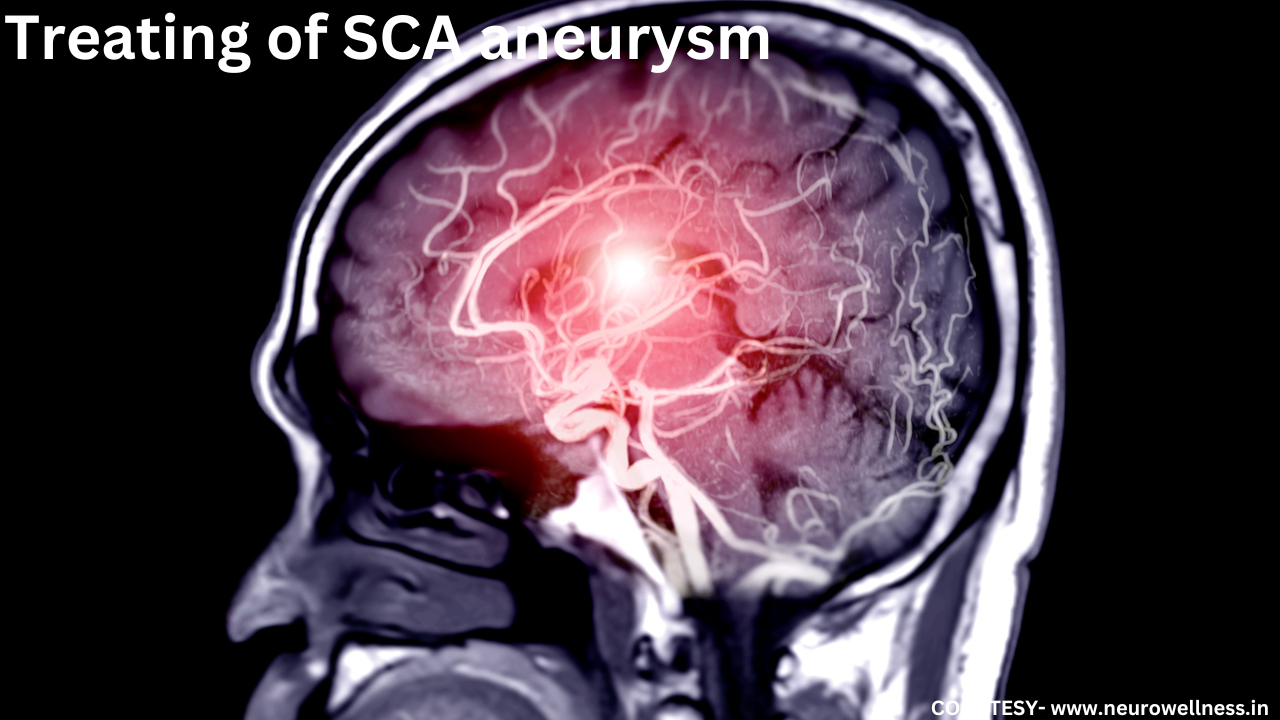
3. A more detailed test called Digital Subtraction Angiography (DSA) identified the source of the bleeding—a small bulge (aneurysm) in one of the brain arteries called the superior cerebellar artery (SCA).

Treatment:

To treat the aneurysm, we performed a minimally invasive procedure called endovascular coiling where tiny coils are placed inside the aneurysm through a thin tube (catheter) inserted in the blood vessels. This procedure include PAO(Parent vessel occlusion) successfully sealed the aneurysm, preventing further bleeding.

Recovery:

• Wilson’s recovery was smooth, and he was discharged in a stable condition just 4 days after the procedure.

• However, about a month later, he developed hydrocephalus (a buildup of fluid in the brain), which is a possible complication after a brain bleed. We treated this with a ventriculoperitoneal (VP) shunt, a small device to drain excess fluid from the brain.

• After the procedure, he recovered completely and is now doing well with no symptoms.

About SCA (Superior cerebellar artery treatment)-Treatment for a Superior Cerebellar Artery (SCA) aneurysm typically involves preventing rupture and managing symptoms. Options include surgical clipping or endovascular coiling, both aimed at isolating the aneurysm from blood flow to reduce the risk of bleeding. In some cases, flow-diverting stents may be used. The choice of treatment depends on factors like the size, location, and shape of the aneurysm, as well as the patient’s overall health. Early diagnosis and intervention are crucial to avoid complications such as brain hemorrhage or neurological deficits. Always consult a neurosurgeon or neurologist for a tailored treatment plan.

What This Case Teaches Us:

• Minimally invasive treatments like endovascular coiling are safe, effective, and offer excellent results for managing brain aneurysms, even in challenging locations.

• Early detection and treatment of complications, such as hydrocephalus, are crucial for ensuring a full recovery.

We believe in a team-based approach, bringing together experts in neurosurgery and interventional radiology to provide the best care for complex brain conditions.

For more information or discussions about brain health, feel free to connect with us.

Dr. Ganesh Veerabhadraiah

HOD and Senior Consultant Neurosurgeon

Kauvery Hospital, Electronic City, Bengaluru

Ph no 7259669911

#BrainAneurysm #ParentVesselOcclusion #flowdiverter #clipping #craniotomy #vasospasm #BrainStroke