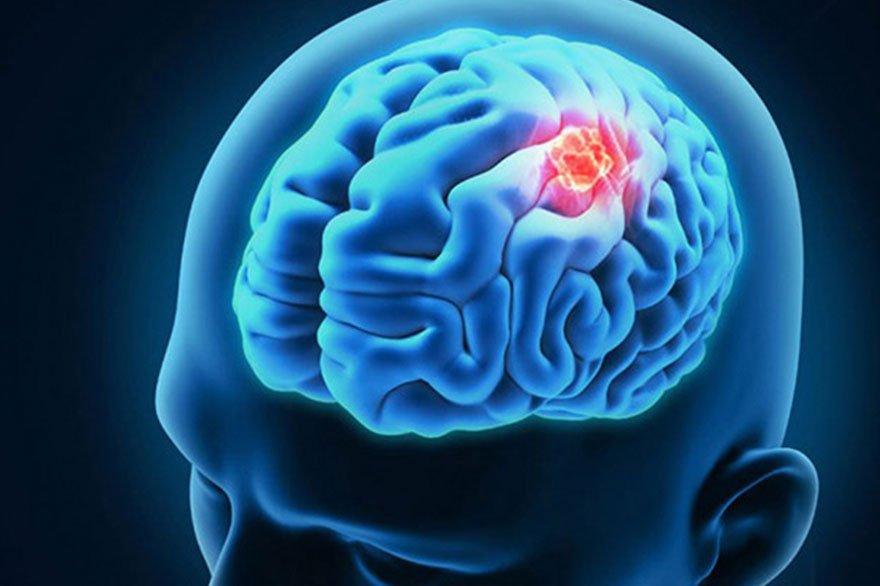
Head injuries can look harmless at first—but even a mild bump can turn serious within hours.

At Neurowellness Bangalore, we often see patients who delay care after a fall or accident, not realizing early warning signs of brain trauma.
Recognizing symptoms early can be the difference between full recovery and permanent damage.

Head Injury:

head injury

Head Injury is also known as Brain Injury or Traumatic Injury. If you are suffering from any symptoms after a head injury and looking for the best Brain Care Clinic in Bangalore, you are on the right page. Neuro Wellness is one of the best Brain Care in Jayanagar, Bangalore and Dr. Ganesh Veerabhadraiah is one of the highly skilled best Neurosurgeon in Bangalore. So, let’s understand the causes and symptoms of head injury.

Causes of Head Injury –

Falls
Vehicle accidents
Sports Injuries
Violence
Explosive blasts and other combat injuries
Blast injury (Military actions)
Gunshot Wounds

Head Injury Symptoms –

There are two characteristics of head injury, Physical & Mental.

Physical Symptoms –

Tenacious headache or cerebral pain that deteriorates
Continued vomiting or nausea
Convulsions or seizures
Widening of one or both pupils of the eyes.
Clear liquids depleting from the nose or ears
Inability to awaken from sleep
Weakness or numbness in fingers and toes
Loss of coordination

Mental Symptoms –

Significant disarray
Agitation, aggressiveness, or another unusual way of behaving
Slurred speech
Coma and different problems of awareness

Children’s Symptoms –

Children are very different from adults in physiology and symptoms. Head injury can appear in children as well.
Children with head injuries might not be able to affect by headaches, sensory problems, confusion, and similar symptoms. Other symptoms are –

Change in eating or nursing propensities
Easy irritability
Persevering crying and powerlessness to be reassured
Change incapacity to pay attention
Change in sleep habits
Miserable or discouraged mood
Tiredness
Loss of interest in most loved toys or activities

Diagnosis –

Symptoms to be aware of after a head injury

After the brain injury, the doctor may prescribe either MRI or CT scan depending on the patient’s condition.

Common Symptoms After a Head Injury

CategorySymptomsWhat to Do
PhysicalHeadache, vomiting, dizziness, blurred visionRest, avoid bright light, seek scan if persistent
CognitiveConfusion, memory loss, delayed speechConsult neurologist; avoid driving
BehavioralIrritability, mood swings, fatigueMonitor for 24 hrs; get evaluation
SevereLoss of consciousness, seizures, clear fluid from nose/earsEmergency → Visit ER immediately
Ganesh

Dr. Ganesh Veerabhadraiah

Consultant – Neurosurgeon, Neurointerventional Surgery, Spine Surgeon (Neuro)
23+ Years Experience Overall (17+ years as Neuro Specialist)

Available for Consultation: Jayanagar 9th Block & Kauvery Hospital, Electronic City 

Conculsion

Emergency Brain Care at Neurowellness Bangalore

24×7 neuro-emergency, advanced CT/MRI imaging, and expert neurosurgeons led by Dr. Ganesh Veerabhadraiah.

FAQs

1. Can mild head injuries cause brain damage?

Yes, repeated or untreated minor injuries can lead to long-term cognitive issues.

2. How long should I observe symptoms after a fall?

At least 48 hours. If new symptoms appear, seek immediate medical help.

3. Should children be monitored differently?

Yes. Children may not verbalize symptoms; watch for vomiting, irritability, or loss of balance.

4. How do AI tools help after head trauma?

AI systems analyze speech and motion patterns to detect subtle neurological changes for faster triage.

Ganesh

About Author

Dr. Ganesh Veerabhadraiah

Dr. Ganesh Veerabhadraiah, leading neurosurgeon and neurologist in Bangalore, has over 20 years of expertise in managing back pain, migraines, headaches, neuro disorders, and spine problems. His clinical excellence and patient-first approach make him one of the most trusted neuro doctors in Bangalore.

At Neurowellness Brain & Spine Clinic in Jayanagar and Kavery Hospital Electronic City, Dr. Ganesh provides comprehensive treatments ranging from minimally invasive spine surgery to advanced neurological care. As a respected back pain specialist and migraine doctor, he continues to deliver reliable outcomes for patients.

👉 Connect with Dr. Ganesh on LinkedIn

A 56-year-old male was brought to ER with sudden onset of headache, vomiting, and altered sensorium. He had no comorbidities. On arrival, his neurological examination showed – he was drowsy with GCS E3V3M5(11/15) and was moving all limbs. His CT brain done elsewhere showed diffuse subarachnoid hemorrhage with intraventricular extension. He was admitted to ICU and managed with anticonvulsants, cerebral antihypertensives(nimodipine), steroids, PPIs, angioedema measures, and other supportive measures. He was noted to have a deranged renal function, which was optimized with corrective measures as per nephrologist advice. He was investigated with a CT brain angiogram which did not reveal any aneurysm, he was planned for a DSA 4 vessel angiogram of the brain after optimization of renal functions, on which an aneurysm of the Left Superior Cerebellar Artery was noted. CT Angiogram Brain Didnt Show Any Aneurysm DSA AP VIEW

DSA AP VIEW

DSA  LATERAL VIEW

DSA  LATERAL VIEW

He underwent “ENODOVASCULAR LEFT SUPERIOR CEREBELLAR ARTERY COIL MOBILISATION WITH PARENT ARTERY OCCLUSION” under GA. COIL IN SITU ANEURYSM POST-PROCEDURE

COIL IN SITU ANEURYSM POST-PROCEDURE

DSA POST COILING SHOWING LEFT SCA OCCLUDED- microcatheter in place

DSA POST COILING SHOWING LEFT SCA OCCLUDED- microcatheter in place

After post-procedure, he gradually recovered and at discharge, he was obeying simple commands, he needed a few weeks of neurorehabilitation and is now able to perform his activities of daily living with regular follow-up.

Discussion:

Aneurysms of the posterior circulation, including superior cerebellar artery (SCA) aneurysms, present unique technical challenges because they can only be accessed via maneuvering through deep operative corridors with limited working angles bound by critical neurovascular structures. critical neurovascular structures The posterior circulation is intimately involved with the brainstem and cranial nerves, and complications related to aneurysm treatment frequently result in clinically significant and often unfavorable consequences. The SCA supplies the main portions of the superior cerebellar hemisphere and the “roof” nuclei. superior cerebellar hemisphere The most frequent location of intracranial aneurysms occur around the Circle Of Willis with the commonest being anterior communicating artery(ACom-35%), followed by the internal carotid artery [30%-including the carotid artery itself, the posterior communicating artery(PCom), and the ophthalmic artery], the middle cerebral artery (MCA-22%), and finally, the posterior circulation sites, most commonly the basilar artery tip. These are comparatively more amenable for surgical and endovascular treatments due to the skill of operating clinicians and familiarity with the anatomy developed by the frequency of performing these operations and the possible proximal control of these arteries. SCA aneurysms are rare lesions with a reported incidence of 1-2% of all aneurysms. The majority of these aneurysms are located at the proximal aspect of the SCA, typically at the basilar junction. The aneurysm in the discussion being in the distal portion of SCA is not in this typical location making it an even rarer entity(~0.25-0.6%). They typically present with subarachnoid hemorrhage; their close association to the cranial nerves (CNs) III and IV also result in an asymptomatic mass effect on these nerves. The reported 48-hour survival rates for patients presenting with hemorrhage from ruptured SCA aneurysms be only 32%, and the 30-day survival rate by 11%. Surgical treatment of such aneurysms is technically challenging with a relatively high morbidity/mortality rate.  Given the anatomic course of the SCA, surgical approaches to this aneurysm were even more complex and there is often a limited opportunity to thoroughly dissect the neck of ruptured SCA aneurysms because of the restricted working space provided by a swollen brain after subarachnoid hemorrhage. In addition, a complete mobilization of the aneurysm, which is often required for circumspection of the neck, may not be safe as it can lead to premature rupture intraoperatively. The risk of injury to lower cranial nerves and venous sinuses, inability to obtain proximal control of arteries adds to the arduous task of safe dissection in narrow corridors even with larger craniotomy apart from the risks of blood loss and infections. Distal aneurysms of SCA are difficult to treat not only surgically but also endovascularly because the microcatheters have to pass through the blood vessels of posterior circulation viz., a vertebrobasilar system which supplies life-sustaining and life regulating structures of the brainstem with many tiny perforators arising from vertebrobasilar trunk and their major branches with added inaccessibility to distal portions of the arteries due to the age-related tortuosity, atherosclerosis, smaller caliber of the distal vessel, maneuverability of microcatheters, probability of rupture during the procedure and other factors. Also, the occlusion of the aneurysm with detachable coils often results in coil protrusion. Parent artery occlusion is therefore frequently the preferred method. With all these factors under perusal and due consideration, we could successfully place 3 detachable thrombogenic soft platinum coils in the fundus of the aneurysm. The patient recovered without much morbidity and is functional to perform his activities of daily living. Dr. Ganesh Veerabhadraiah Consultant Neurosurgeon and Endovascular Surgeon

FAQs

1. What is coil surgery for a brain aneurysm?

It is a minimally invasive procedure where tiny coils are placed inside the aneurysm to block blood flow and prevent rupture.

2. Is coil surgery safe for brain aneurysm patients?

Yes, coil surgery is safe and preferred for many patients as it avoids open brain surgery and reduces recovery time.

3. How long is recovery after coil surgery?

Most patients stay in the hospital for 2–5 days and resume light activities within a few weeks.

4. What makes this case rare?

The aneurysm was treated with coils thinner than a human hair, showcasing advanced endovascular surgical expertise.

5. Where can I get advanced brain aneurysm treatment in Bangalore?

Neurowellness Brain & Spine Clinic provides cutting-edge endovascular coil surgery for brain aneurysms.

Ganesh

About Author

Dr. Ganesh Veerabhadraiah

Dr. Ganesh Veerabhadraiah, leading neurosurgeon and neurologist in Bangalore, has over 20 years of expertise in managing back pain, migraines, headaches, neuro disorders, and spine problems. His clinical excellence and patient-first approach make him one of the most trusted neuro doctors in Bangalore.

At Neurowellness Brain & Spine Clinic in Jayanagar and Kavery Hospital Electronic City, Dr. Ganesh provides comprehensive treatments ranging from minimally invasive spine surgery to advanced neurological care. As a respected back pain specialist and migraine doctor, he continues to deliver reliable outcomes for patients.

👉 Connect with Dr. Ganesh on LinkedIn

If you work in an office and sit for the majority of the day, you’re probably familiar with back pain. Sitting at a desk for eight hours a day can cause stiffness and tension, which can make working difficult. You may be at an even higher risk of developing back pain if your job requires you to twist or bend frequently. Between 50 and 80 percent of people will experience back pain at some point in their lives, and about 20 percent of adults will experience back pain in a single year.

Back pain can range from a sharp, sudden pain caused by twisting or moving suddenly to a constant, dull ache that develops over time. Back pain can be acute, lasting a few days to weeks or chronic lasting a months to year or more. Lower back pain is usually only temporary and will go away on its own with or without proper self-care. However, approximately few people who suffer from acute back pain can develop chronic back pain.

Back pain, whether dull and achy or sharp and stabbing, can make it difficult to focus on your work. Unfortunately, many jobs, such as nursing, construction, and factory work, put a lot of strain on your back. Back pain can be caused or exacerbated by even routine office work. Learn about the causes of back pain at work and how to avoid it.

Common office related problems are –

  1. Back pain
  2. Neck pain
  3. Leg pain
  4. Numbness in the hands
  5. Headache
  6. Blurring of vision
  7. Dryness in the eyes
  8. Muscle soreness and pain due to pressure  after pronged sitting in one position

Protect your Staff:

The employer must:

  • Wherever possible, avoid work activities that can cause back pain.
  • If you can’t avoid the activity, evaluate it to see what you can do to reduce the risk of back pain.
  • Implement the control measures you’ve identified, and make sure they’re working by monitoring and reviewing them.
  • Consult your employees and, if they have any health and safety concerns, address them.

Common causes of back pain:

Back pain at work can be caused by a variety of factors. Consider the following scenario:

  • Force – Lifting or moving heavy objects with too much force on your back can result in injury.
  • Repetition – Certain movements, particularly those that involve twisting or rotating your spine, can injure your back if you do them repeatedly.
  • Inactivity – Back pain can be caused by an inactive job or a desk job, especially if you have poor posture or sit all day in a chair with insufficient back support.
  • A person’s bad lifestyle also affects back pain; poor diet, unhealthy habits (smoking, drinking) and so on.

Tips to prevent back pain at work:

Tips to prevent back pain at work:

1. Create an ergonomic workspace

Tips to prevent back pain at work

Employees can reach everything they need in an ergonomic workspace without straining. By adjusting the height of desks, chairs, and monitors, proper office ergonomics promote good posture. Here are a few pointers on how to set up an ergonomic workspace:

  • Place the computer monitor at eye level in order to avoid tilting your head or leaning forward.
  • Position frequently used items within your arm’s reach to avoid moving or stretching your hand.
  • Adjust the brightness of the monitor in which your eyes feel comfortable and non-straining.
  • Adjust the height of your chair and desk

2. Choose the right office chair

  • Adjustable height: Choose a desk chair with a height adjustment so that your elbows are at a comfortable angle with your desk.
  • Adjustable backrest: When sitting with your back against the backrest and your calves against the front of the chair, there should be 2 to 4 inches between your calves and the front of the chair if your desk chair has an appropriate seat depth. Choose an office chair with the appropriate seat depth or a backrest that can be adjusted.
  • Adjustable armrests
  • Comfortable material

3. Practise good posture

  • Maintain a straight line between your shoulders and your head.
  • Keep your back against the chair’s backrest.
  • Maintain a square relationship with your computer screen by keeping your shoulders back.
  • By bringing your chair closer to your desk, you can keep your upper arms parallel to your spine.
  • Do not cross your legs and keep your feet flat on the ground.
  • Maintain a 90-degree angle with your knees and, if necessary, a footrest.

4. Take frequent short breaks

Take breaks between work to stretch your body and relax, continuous work makes the body stiff and result in back pain. So this point is very essential.

5. Choose comfortable shoes

 For work, always choose flat and comfortable footwears. High-heeled footwears negatively affect the spine and the body, also back pain arises by wearing these for a long time. Flats help in back comfort.

Summary –

Tips to prevent these office related problems

Tips to prevent these office related problems:

  1. Eye posItion-during working in front of monitor or laptop our eye level should be at the level of the monitor or slightly above the monitor.
  2. neck and shoulder should be relaxed.
  3. Elbow and shoulder should be  flexed at 70 -90 degrees at least
  4. wrist should be pronated and not flexed
  5. Our back should be supported by small pad or pillow
  6. thigh should be parallel to the ground
  7. foot should be resting flat and supported by small stool
  8. long static posture is not advisable- if you are  sitting or standing— you have to change the position-you have to get up and walk around and take micro breaks for a minute or two. At the same time you can focus your eye on distant object ,which will reduce your eye strain and prevent dryness in eyes.
  9. using adjustable rotating  chair is helpful instead of static chair.
  10. other small things like reduce the brightness /contrast  of the screen, increase in the font size and avoiding direct light source in from the the working area is avoided.

By following these steps we can work comfortably long hours and reduces the pressure over the spine and help our spine.

Find back pain relief with NeuroWellness brain and spine care

Back pain at work can range from a dull ache to severe chronic pain that interferes with daily activities. Even minor back pain can have a significant impact on your ability to focus and work in a comfortable manner. Because we recognise that pain is a complicated symptom, the specialists at Neurowellness care centre will create a pain management plan specifically for you and your back pain. The NeuroWellness care specialists provide a wide range of pain treatment options, such as therapies, medications, injections, and surgeries. Our doctors can draw on a variety of disciplines to provide you with the best back pain treatment in Bangalore and prevention options.

Successful MCA Stenting for TIA in a 46-Year-Old Patient: A Case Study

A 46-year-old gentleman from North Karnataka presented with complaints of left-sided weakness and difficulty speaking for 10 days prior to his arrival at 1224, G-Floor, 26th Main, 9th block, Jayanagar, Opp to Ragiguddada Anjaneyaswamy Temple Arch, Bangalore, Karnataka 560069. On examination, he was conscious, alert, and oriented, with no noticeable motor or sensory deficits. Further investigation led to a diagnosis of a Transient Ischemic Attack (TIA), a condition often referred to as a mini-stroke. Here’s an in-depth look into his diagnosis, treatment, and recovery process.

MRI
Minimally invasive pin hole surgery

Initial Diagnosis

The patient underwent an MRI brain stroke protocol, which revealed watershed infarcts in the right middle cerebral artery (MCA) territory with high-grade stenosis of the MCA. To further evaluate the extent of the problem, a Digital Subtraction Angiogram (DSA) was performed, showing more than 95% focal stenosis, with significantly reduced blood flow into the distal branches of the M2 and M3 segments of the MCA.

This high-grade stenosis posed a significant risk of a major stroke, prompting the team to plan for MCA stenting after carefully explaining the benefits and risks to the patient.

What is MCA Stenting?

The Middle Cerebral Artery (MCA) is one of the major blood vessels supplying the brain. Stenting is a minimally invasive procedure that involves placing a small tube called a stent inside the narrowed artery to restore proper blood flow.

Unlike traditional brain surgery, MCA stenting doesn’t require opening the skull (craniotomy). Instead, thin wires and catheters, as small as a strand of hair, are inserted through a blood vessel in the thigh. These wires are guided all the way to the narrowed brain artery, where the stent is placed to open up the blocked area.

Procedure Overview

The patient was taken to the catheterization (Cath) lab for the procedure. A right femoral puncture was made to insert the guide wires and a micro-catheter. Using these tools, the team successfully reached the right MCA and placed a 2.25mm x 8mm stent in the brain vessel. The patient tolerated the procedure well, with no complications during or after the stenting.

Stenting
Brain Stroke

Post-Operative Results and Recovery

A post-operative CT scan showed no signs of bleeding or stroke. The patient experienced no complications and was able to walk the next day. He was discharged two days later, in good condition.

Stenting

Understanding Transient Ischemic Attacks (TIA)

A Transient Ischemic Attack (TIA), also called a mini-stroke, is a temporary blockage of blood flow to the brain. Unlike a major stroke, the symptoms of a TIA usually resolve within 24 hours. However, it is crucial to identify the underlying cause, as a TIA is often a warning sign of a more serious stroke.

Symptoms of TIA

ㆍWeakness in the face or limbs, typically on one side
ㆍDifficulty speaking or understanding speech
Dizziness or loss of balance
Temporary vision disturbances
Numbness or tingling sensations

CT scan

Diagnosing TIA

A variety of diagnostic tools are used to confirm a TIA and identify the cause:

ㆍDuplex scan
ㆍCT scan of the brain
MRI of the brain
MRA angiogram
Echocardiogram (ECHO)
Perfusion brain scan
DSA (Digital Subtraction Angiogram)

Importance of Early Detection and Treatment

TIAs are a critical warning sign, predicting a higher risk of a major stroke. Studies show that about 15% of people who experience a TIA will suffer a major stroke within three months. The risk increases to 30-40% within one year if left untreated. Therefore, prompt diagnosis and treatment are essential to prevent a future stroke.

CT scan

Preventive Treatments for Stroke

Several interventional procedures are available to prevent strokes in high-risk individuals, such as those who have experienced a TIA:

ㆍMCA Stenting: This is the procedure that was performed in this case to treat severe stenosis and restore blood flow to the brain.

ㆍCarotid Artery Stenting: This procedure is used to treat blockages in the carotid arteries in the neck, which supply blood to the brain.

ㆍMechanical Thrombectomy: This is an emergency treatment used to remove large blood clots during an acute stroke.

These minimally invasive procedures can dramatically reduce the risk of a major stroke, especially in patients with a history of TIA.

Conclusion

In this case, the timely diagnosis of MCA stenosis and the successful MCA stenting procedure helped prevent a major stroke for the 46-year-old patient. With the growing availability of advanced interventional treatments, it is possible to reduce the risk of life-threatening strokes in patients with conditions like TIA.

For those at risk, early medical intervention can make all the difference in ensuring a full recovery. If you experience symptoms of a mini-stroke, it’s essential to seek medical attention promptly.

This surgery was performed, Consultant Neurosurgeon specializing in brain and spine surgery.

Advanced MCA Stenting in Bangalore

“Minimally invasive pin-hole brain surgery can save lives after stroke. Consult Dr. Ganesh Veerabhadraiah at Neurowellness today.”

FAQs

1. What is MCA stenting?

MCA stenting is a minimally invasive brain procedure to open narrowed arteries and restore blood flow after a stroke.

2. Is MCA stenting safe?

Yes, when performed by skilled neurosurgeons, MCA stenting is a safe and effective way to prevent further strokes.

3. How long is recovery after MCA stenting?

Most patients recover within a few days in the hospital and can resume normal activities within weeks.

4. Who needs MCA stenting?

Patients with blocked middle cerebral arteries at high risk of stroke are recommended for MCA stenting.

5. Where can I get MCA stenting in Bangalore?

Neurowellness Brain & Spine Clinic offers advanced MCA stenting with minimally invasive techniques.

Ganesh

About Author

Dr. Ganesh Veerabhadraiah

Dr. Ganesh Veerabhadraiah, leading neurosurgeon and neurologist in Bangalore, has over 20 years of expertise in managing back pain, migraines, headaches, neuro disorders, and spine problems. His clinical excellence and patient-first approach make him one of the most trusted neuro doctors in Bangalore.

At Neurowellness Brain & Spine Clinic in Jayanagar and Kavery Hospital Electronic City, Dr. Ganesh provides comprehensive treatments ranging from minimally invasive spine surgery to advanced neurological care. As a respected back pain specialist and migraine doctor, he continues to deliver reliable outcomes for patients.

👉 Connect with Dr. Ganesh on LinkedIn

What steps can you take to avoid a stroke? Having a mother, father, or other close relative who has had a stroke makes us more susceptible to having one.

Although you can’t turn back the clock or change your family history, you can control many other stroke risk factors if you’re aware of them. Knowledge is a powerful tool. You can take steps to mitigate the effects of a risk factor that is sabotaging your health and predisposing you to a higher risk of stroke if you are aware of it.

What is a stroke?

 When blood circulation to the brain fails, a stroke, also known as a “brain attack,” occurs. Reduced blood flow and the resulting lack of oxygen can cause brain cells to die. Strokes can be divided into two types: those caused by a blockage in blood flow and those caused by bleeding into the brain. Ischemic stroke, or a blockage of a blood vessel in the brain or neck, is the most common cause of stroke, accounting for about 80% of all strokes.

types of stroke

The formation of a clot within a blood vessel of the brain or neck, referred to as thrombosis; the movement of a clot from another part of the body, such as the heart, to the brain, referred to as embolism; or a severe narrowing of an artery in or leading to the brain, referred to as stenosis. The second type of stroke, hemorrhagic stroke, is caused by bleeding into the brain or the spaces surrounding the brain.

In brief, When the blood supply to a part of your brain is cut off, a stroke occurs. A clot or something else blocking the flow is the most common cause. Ischemic strokes are what they’re called. Bleeding in the brain is responsible for about 20% of the cases. Hemorrhagic strokes are what they’re called.

Top 10 Tips to Prevent Brain Stroke

✔️ Control Blood Pressure → Reduces main cause of strokes
✔️ Manage Diabetes → Prevents blood vessel damage
✔️ Quit Smoking → Lowers clot and blockage risks
✔️ Limit Alcohol Intake → Reduces high BP & irregular heartbeat
✔️ Exercise Regularly → Improves circulation & weight control
✔️ Eat a Balanced Diet → Lowers cholesterol & improves heart health
✔️ Maintain Healthy Weight → Prevents obesity-linked risk
✔️ Get Regular Health Checkups → Detects risks early
✔️ Manage Stress → Prevents BP spikes and hormonal imbalance
✔️ Follow Doctor’s Advice → Medication compliance ensures long-term safety

Prevention of a stroke:

• Lower your blood pressure

 Strokes are most commonly caused by high blood pressure. For more than half of them, this is the reason. Blood pressure readings of less than 120/80 are considered normal. If yours is consistently higher than 130/80, you may have high blood pressure, also known as hypertension.

High blood pressure can make you 4-6 times more likely to have a stroke if it isn’t properly managed. This is due to the fact that it can thicken artery walls, causing cholesterol and other fats to build up and form plaques. If one of these breaks free, it can cut off the blood supply to your brain.

High blood pressure can also weaken arteries, making them more prone to burst and resulting in a hemorrhagic stroke.

Plaquue in Blood vessel

Work with your doctor to keep your blood pressure in a healthy range if you have high blood pressure. Medication and lifestyle changes, such as regular exercise and a healthy diet, may be beneficial.

• Quit smoking

 If you smoke, you increase your chances of having a stroke by twofold. Cigarette smoke contains nicotine, which raises blood pressure and carbon monoxide, which reduces the amount of oxygen your blood can carry. Even inhaling second hand smoke can increase your risk of having a stroke.

Tobacco is also responsible for :

1. Increase the amount of triglycerides in your blood.
2. Reduce the amount of “good” HDL cholesterol in your body.
3. Your blood will become sticky and more likely to clot as a result.
4. Increase the likelihood of plaque formation
5. Blood vessels thicken and narrow, causing damage to their linings.
6. Consult your doctor about quitting smoking. Nicotine patches and counselling may be of assistance. If you don’t succeed the first time, don’t give up.

• Manage your heart

 Some strokes are caused by blood clots and are caused by an irregular heartbeat called atrial fibrillation (AFib). AFib causes blood to pool in your heart, posing a clotting risk. If that clot travels to your brain, it can cause a stroke. You can have AFib because of high blood pressure, plaques in your arteries, heart failure, and other reasons.

Your heart can be put back into a normal rhythm with the help of medications, medical procedures, and surgery. Consult your doctor if you’re not sure if you have AFib but are experiencing heart flutters or shortness of breath.

• Control your diabetes

 A stroke is 2-4 times more likely if your blood sugar is high. Diabetes can cause fatty deposits or clots in your blood vessels if it isn’t properly managed. This can narrow the ones in your brain and neck, potentially cutting off the brain’s blood supply.

If you have diabetes, make sure to check your blood sugar levels on a regular basis, take your medications as directed, and visit your doctor every few months so they can monitor your levels.

• Exercise

 A sedentary lifestyle can lead to obesity, high cholesterol, diabetes, and high blood pressure, all of which are risk factors for stroke. So get to work. You are not required to run a marathon. It is sufficient to exercise for 30 minutes five days a week. Before you begin exercising, consult your doctor.

• Get proper diet

Healthy eating can help you lose weight and reduce your risk of having a stroke. Every day, eat plenty of fresh fruits and vegetables (broccoli, Brussel sprouts, and leafy greens like spinach are ideal). Choose foods that are high in fibre and lean proteins. Trans and saturated fats can clog your arteries, so avoid them. Reduce your salt intake and stay away from processed foods. They’re frequently high in salt and trans fats, both of which can raise blood pressure.

•Medications

Blood thinners are advised in medical conditions like stent in heart and neck vessels(angioplasty) and after bypass surgery of heart etc.  You may  be advised to manage blood parameters correctly.  Blood thinners are like double edged sword. If you don’t take correctly also cause problem,  if you won’t take/manage blood parameters properly also causes problem. Please follow doctors advise correctly – helps in stroke prevention.

Summary:

 Neuro Wellness spine and brain care centre does Advanced Stroke treatment in Bangalore with the best care. The specialists ensure cost effective and efficient treatment.

Stroke Prevention Clinic in Bangalore

“Prevent stroke before it happens. Neurowellness Brain & Spine Clinic offers personalized risk assessment, prevention guidance, and advanced care.”

Ganesh

Dr. Ganesh Veerabhadraiah

Consultant – Neurosurgeon, Neurointerventional Surgery, Spine Surgeon (Neuro)
23+ Years Experience Overall (17+ years as Neuro Specialist)

Available for Consultation: Jayanagar 9th Block & Kauvery Hospital, Electronic City 

FAQs

1. Can brain strokes be prevented naturally?

Yes. Lifestyle changes such as a healthy diet, exercise, and stress management help reduce stroke risk.

2. What foods help prevent stroke?

Fruits, vegetables, whole grains, nuts, and foods low in salt and trans fat support brain and heart health.

3. How does exercise reduce stroke risk?

Regular activity improves blood flow, controls BP, reduces cholesterol, and supports healthy weight.

4. Who is most at risk of brain stroke?

People with hypertension, diabetes, smoking habits, obesity, or family history of stroke.

5. Where can I get stroke prevention advice in Bangalore?

Neurowellness Brain & Spine Clinic provides stroke risk assessment and prevention guidance.

Ganesh

About Author

Dr. Ganesh Veerabhadraiah

Dr. Ganesh Veerabhadraiah, leading neurosurgeon and neurologist in Bangalore, has over 20 years of expertise in managing back pain, migraines, headaches, neuro disorders, and spine problems. His clinical excellence and patient-first approach make him one of the most trusted neuro doctors in Bangalore.

At Neurowellness Brain & Spine Clinic in Jayanagar and Kavery Hospital Electronic City, Dr. Ganesh provides comprehensive treatments ranging from minimally invasive spine surgery to advanced neurological care. As a respected back pain specialist and migraine doctor, he continues to deliver reliable outcomes for patients.

👉 Connect with Dr. Ganesh on LinkedIn

ಸ್ಲಿಪ್ ಡಿಸ್ಕ್ ಎಂದರೇನು?

ಇದಕ್ಕೆ ಇರುವ ಇತರ ಪದಗಳು –
ಡಿಸ್ಕ್ ಹರ್ನಿಯೇಷನ್, ಡಿಸ್ಕ್ ಪ್ರೋಲ್ಯಾಪ್ಸ್, ಡಿಸ್ಕ್ ಎಕ್ಸ್ಟ್ರುಶನ್, ಡಿಸ್ಕ್ ಮೈಗ್ರೇಶನ್, ಡಿಸ್ಕ್ ಮುಂಚಾಚುವಿಕೆ ಎಂದೂ ಕರೆಯುತ್ತಾರೆ.

ನಿಮ್ಮ ಬೆನ್ನುಹುರಿಯನ್ನು ರೂಪಿಸುವ ಕಶೇರುಖಂಡಗಳು (ಮೂಳೆಗಳು) ಒಂದರ ಮೇಲೊಂದು ಇಟ್ಟಿಗೆ ತರಹ ಇರುತ್ತವೆ  ಮೇಲಿನಿಂದ ಕೆಳಕ್ಕೆ ಕತ್ತಿನಲ್ಲಿ  ಏಳು ಮೂಳೆಗಳು, ಎದೆಗೂಡಿನ ಬೆನ್ನೆಲುಬು ಹನ್ನೆರಡು ಮತ್ತು ಸೊಂಟದ ಬೆನ್ನುಮೂಳೆಯಲ್ಲಿ ಐದು, ಕೆಳಭಾಗದಲ್ಲಿ ಸ್ಯಾಕ್ರಮ್ ಮತ್ತು ಕೋಕ್ಸಿಕ್ಸ್ ಇರುತ್ತದೆ. ಡಿಸ್ಕ್ಗಳು ಈ ಮೂಳೆಗಳಿಗೆ ಮೆತ್ತನೆ ನೀಡುತ್ತವೆ. ವಾಕಿಂಗ್ ಮತ್ತು ಎತ್ತುವಿಕೆಯಂತಹ ದೈನಂದಿನ ಕ್ರಿಯೆಗಳಿಂದ ಆಘಾತಗಳನ್ನು ಹೀರಿಕೊಳ್ಳುವ ಮೂಲಕ ಡಿಸ್ಕ್ಗಳು ಮೂಳೆಗಳನ್ನು ಮೆತ್ತುತ್ತವೆ.

ಮೃದುವಾದ, ಜೆಲಾಟಿನಸ್ ಒಳಗಿನ ಪ್ರದೇಶ ಮತ್ತು ಬಲವಾದ ಹೊರಗಿನ ಉಂಗುರವು ಪ್ರತಿ ಡಿಸ್ಕ್ ಅನ್ನು ರೂಪಿಸುತ್ತದೆ. ಡಿಸ್ಕ್ನ ಒಳಭಾಗವು ಗಾಯ ಅಥವಾ ದುರ್ಬಲಗೊಳ್ಳುವುದರಿಂದ ಹೊರಗಿನ ಉಂಗುರದ ಮೂಲಕ ಆಚೆ ಬರಬಹುದು . ಸ್ಲಿಪ್ಡ್, ಹರ್ನಿಯೇಟೆಡ್ ಅಥವಾ ಪ್ರೋಲ್ಯಾಪ್ಸ್ಡ್ ಡಿಸ್ಕ್ ಈ ಸ್ಥಿತಿಗೆ ವೈದ್ಯಕೀಯ ಪದವಾಗಿದೆ.  PIVD – ಜಾರಿಬಿದ್ದ ಡಿಸ್ಕ್ ನಿಮ್ಮ ಬೆನ್ನುಮೂಳೆಯ ನರಗಳಲ್ಲಿ ಒಂದನ್ನು (press )  ಗಿಂಜಿದರೆ, ನೀವು ಪೀಡಿತ ನರಗಳ ಉದ್ದಕ್ಕೂ ಮರಗಟ್ಟುವಿಕೆ ಮತ್ತು ನೋವನ್ನು ಅನುಭವಿಸಬಹುದು, ಇದನ್ನು ಸೀಯಾಟಿಕಾ ಎಂದೂ  ಕರೆಯುತ್ತಾರೆ .

ಸ್ಲಿಪ್ ಡಿಸ್ಕ್ನ ಲಕ್ಷಣಗಳು:

ಜಾರಿಬಿದ್ದ ಡಿಸ್ಕ್ ನಿಮ್ಮ ಬೆನ್ನುಮೂಳೆಯಲ್ಲಿ ಎಲ್ಲಿಯಾದರೂ ಸಂಭವಿಸಬಹುದು. ನಿಮ್ಮ ಬೆನ್ನುಮೂಳೆಯಲ್ಲಿ, ನಿಮ್ಮ ಕುತ್ತಿಗೆಯಿಂದ ನಿಮ್ಮ ಕೆಳ ಬೆನ್ನಿನವರೆಗೆ. ಸ್ಲಿಪ್ಡ್ ಡಿಸ್ಕ್ಗಳು ಸಾಮಾನ್ಯವಾಗಿ ಕೆಳ ಬೆನ್ನಿನಲ್ಲಿ ಮತ್ತು ಕುತ್ತಿಗೆಯಲ್ಲಿ ಕಂಡುಬರುತ್ತವೆ. ಇದನ್ನು PIVD (ಪ್ರೋಲ್ಯಾಪ್ಸ್ಡ್ ಇಂಟರ್ವರ್ಟೆಬ್ರಲ್ ಡಿಸ್ಕ್) ಎಂದೂ ಕರೆಯುತ್ತಾರೆ. ಜಾರಿಬಿದ್ದ ಡಿಸ್ಕ್ ನರಗಳ ಮೇಲೆ ಹೆಚ್ಚುವರಿ ಒತ್ತಡವನ್ನು ಉಂಟುಮಾಡಬಹುದು ಮತ್ತು ಈ ಪ್ರದೇಶದಲ್ಲಿ ನರವನ್ನು ವಿತರಿಸುವ ಜಾಗದಲ್ಲಿ ನೋವನ್ನು ಉಂಟುಮಾಡಬಹುದು.

ರೋಗಲಕ್ಷಣಗಳು ಕೆಳಕಂಡಂತಿವೆ:
ಬೆನ್ನು ನೋವು ಮತ್ತು ಕುತ್ತಿಗೆ ನೋವು.

ಕುತ್ತಿಗೆಯಲ್ಲಿ  ಪ್ರೋಲ್ಯಾಪ್ಸ್ ಅನ್ನು ಆದರೆ  ಕುತ್ತಿಗೆ  ಮತ್ತು ಕೈನಲ್ಲಿ,  ಸೊಂಟದಲ್ಲಿ ಡೈಕ್ ಪ್ರೊಲ್ಯಾಪ್ಸ್   ಆದರೆ  (ಸೀಯಾಟಿಕಾ)  ಕಾಲುಗಳಲ್ಲಿ ನೋವು ಉಂಟಾಗುತ್ತದೆ  ಮತ್ತು  ಕೈಕಾಲುಗಳಲ್ಲಿ   ಬಲಹೀನತೆ ಮತ್ತು ಮರಗಟ್ಟುವಿಕೆ ಆಗಬಹುದು. ರಾತ್ರಿಯಲ್ಲಿ ಅಥವಾ ನಿರ್ದಿಷ್ಟ ಚಲನೆಗಳಲ್ಲಿ ನೋವು ಹೆಚ್ಚಾಗುತ್ತದೆ. ನಿಂತುಕೊಳ್ಳುವುದು ಅಥವಾ ಕುಳಿತುಕೊಳ್ಳುವುದು ನೋವನ್ನು ಉಂಟುಮಾಡಬಹುದು. ಕೆಲವೊಮ್ಮೆ -ಸ್ನಾಯು ದೌರ್ಬಲ್ಯ ಆಗಬಹುದು .
ಸೊಂಟದಿಂದ ಕೆಳಗೆ  ಜುಮ್ಮೆನಿಸುವಿಕೆ, ನೋವು ಅಥವಾ ಸುಡುವ ಸಂವೇದನೆಗಳು ಆಗಬಹುದು .
ಕೆಲವೊಮ್ಮೆ  ಡಿಸ್ಕ್ ಪ್ರೊ ಲ್ಯಾಪ್ಸ್  ಬಹಳ   ತೀವ್ರ  ಆದರೆ   ಅಥವಾ ಕಾಡ ಎಕ್ಸ್ಯ್ಯನ (cauda  equina )  ಮೂತ್ರ ಮತ್ತು ಮೋಶನ್  ನಿಯಂತ್ರಿಸುವಲ್ಲಿ ತೊಂದರೆ  ಆಗಬಹುದು .

ನೋವಿನ ರೀತಿಯು ಒಬ್ಬರಿಂದ ಇನ್ನೊಬ್ಬರಿಗೆ ಭಿನ್ನವಾಗಿರುತ್ತದೆ. ನಿಮ್ಮ ಅಸ್ವಸ್ಥತೆಯು ಮರಗಟ್ಟುವಿಕೆ ಅಥವಾ ಜುಮ್ಮೆನಿಸುವಿಕೆಯನ್ನು ಉಂಟುಮಾಡಿದರೆ ಅದು ನಿಮ್ಮ ಸ್ನಾಯುಗಳನ್ನು ನಿಯಂತ್ರಿಸುವ ನಿಮ್ಮ ಸಾಮರ್ಥ್ಯಕ್ಕೆ ಅಡ್ಡಿಪಡಿಸಿದರೆ, ನಿಮ್ಮ ವೈದ್ಯರನ್ನು ನೋಡಬೇಕಾಗುತ್ತದೆ .

ಜಾರಿಬಿದ್ದ ಡಿಸ್ಕ್ಗಳಿಗೆ (PIVD ) ಸೀಯಾಟಿಕಾಗೆ ಕಾರಣ ಏನು ?

ಸ್ಲಿಪ್ಡ್ ಡಿಸ್ಕ್ (ಆನ್ಯುಲಸ್) ನ ಹೊರಗಿನ ಉಂಗುರ ದುರ್ಬಲವಾಗಬಹುದು ಅಥವಾ ಹಾನಿಗೊಳಗಾಗಬಹುದು, ಇದರಿಂದ ಒಳಗಿನ ವಿಭಾಗ (ನ್ಯೂಕ್ಲಿಯಸ್ ಪಲ್ಪೋಸಸ್) ಹೊರಬರಲು ಅವಕಾಶವಾಗುತ್ತದೆ. ನೀವು ವಯಸ್ಸಾದಂತೆ ಇದು ಸಂಭವಿಸಬಹುದು. ಕೆಲವು ಅಸಹಜ ಚಲನೆಗಳಿಂದ ಜಾರಿಬಿದ್ದ ಡಿಸ್ಕ್ ಕೂಡ ಉಂಟಾಗಬಹುದು. ಭಾರವಾದ ವಸ್ತುವನ್ನು ಎತ್ತು ವಾಗ  ತಿರುಗಿಸುವಾಗ, ಒಂದು ಡಿಸ್ಕ್ ತನ್ನ ಸ್ಥಳದಿಂದ ಜಾರಿಕೊಳ್ಳಬಹುದು.  ಬಹಳ ಭಾರವಾದ ವಸ್ತುವನ್ನು ಎತ್ತುವಿಕೆಯು ಇದ್ದಕ್ಕಿದ್ದಂತೆ ಕೆಳ ಬೆನ್ನಿನಲ್ಲಿ ಸಾಕಷ್ಟು ಒತ್ತಡವನ್ನು ಉಂಟುಮಾಡುತ್ತದೆ, ಇದು ಜಾರಿಬಿದ್ದ ಡಿಸ್ಕ್‌ಗೆ ಕಾರಣವಾಗಬಹುದು. ಏಕೆಂದರೆ ಡಿಸ್ಕ್‌ ಹರ್ನಿಯೇಷನ್ ಗಳು ಹೆಚ್ಚು ತೂಕಇರುವವರಲ್ಲಿ ಆಗಲು ಸಾಧ್ಯತೆ ಇದೆ,

ಜಾರಿಬಿದ್ದ ಡಿಸ್ಕ್ ದುರ್ಬಲ ಕೋರ್ ಸ್ನಾಯುಗಳು(AB OR  CORE MUSCLE of  abdomen ನಿಂದ  ಮತ್ತು ಜಡ ಜೀವನಶೈಲಿಯಿಂದಲೂ ಉಂಟಾಗಬಹುದು. ನೀವು ವಯಸ್ಸಾದಂತೆ ಸ್ಲಿಪ್ಡ್ ಡಿಸ್ಕ್ ಆಗುವ  ಸಾಧ್ಯತೆ ಹೆಚ್ಚು. ಇದಕ್ಕೆ ಕಾರಣ, ನೀವು ವಯಸ್ಸಾದಂತೆ, ನಿಮ್ಮ ಡಿಸ್ಕ್‌ಗಳು ತಮ್ಮ ರಕ್ಷಿಸುವ ನೀರಿನ ಅಂಶವನ್ನು ಕಳೆದುಕೊಳ್ಳುತ್ತವೆ. ಪರಿಣಾಮವಾಗಿ, ಅವರು ಸ್ಥಳದಿಂದ ಹೊರಬರುವ ಸಾಧ್ಯತೆಯಿದೆ.

ಜಾರಿಬಿದ್ದ ಡಿಸ್ಕ್ಗಳನ್ನು ಹೇಗೆ ಪತ್ತೆ ಮಾಡಲಾಗುತ್ತದೆ?

ವಿವರವಾದ ರೋಗಲಕ್ಷಣಗಳ ವಿಶ್ಲೇಷಣೆಯನ್ನು ಒಂದು ನ್ಯೂರಾಲಜಿಕಲ್ ವಿಧಾನದಲ್ಲಿ ನರವೈಜ್ಞಾನಿಕ ಪರೀಕ್ಷೆಯನ್ನು ಡಾಕ್ಟರ್ ರಿಂದ  ಮಾಡಲಾಗುತ್ತದೆ.  ನಿಮ್ಮ ನೋವಿನ ಮೂಲವನ್ನು ವೈದ್ಯರು ಪರೀಕ್ಷೆ ಮಾಡುತ್ತಾರೆ . ಅವರು ನಿಮ್ಮ ನರ ಕಾರ್ಯ ಮತ್ತು ಸ್ನಾಯುವಿನ ಶಕ್ತಿಯನ್ನು ನಿರ್ಣಯಿಸುತ್ತಾರೆ. ನಿಮ್ಮ ವೈದ್ಯರು ನಿಮ್ಮ ವೈದ್ಯಕೀಯ ಇತಿಹಾಸ ಹಾಗೂ ನಿಮ್ಮ ಪ್ರಸ್ತುತ ರೋಗಲಕ್ಷಣಗಳ ಬಗ್ಗೆಯೂ ವಿಚಾರಿಸುತ್ತಾರೆ. ಹೆಚ್ಚಿನ ಸಮಯ ನರವೈಜ್ಞಾನಿಕ ಪರೀಕ್ಷೆಯ ಮೂಲಕ ನಿಮ್ಮ ವೈದ್ಯರು ಸ್ಲಿಪ್ಡ್ ಡಿಸ್ಕ್ ಅನ್ನು ತಾತ್ಕಾಲಿಕವಾಗಿ ಪ್ರೋವಿಸಿಯೋನಲ್ ಡೈಗನೊಸಿಸ್ ಮಾಡಬಹುದು.

ಇಮೇಜಿಂಗ್ ಪರೀಕ್ಷೆಗಳು ನಿಮ್ಮ ವೈದ್ಯರು ನಿಮ್ಮ ಬೆನ್ನುಮೂಳೆಯ ಮೂಳೆಗಳು ಮತ್ತು ಸ್ನಾಯುಗಳನ್ನು ಹಾಗೂ ಯಾವುದೇ ಹಾನಿಗೊಳಗಾದ ಪ್ರದೇಶಗಳನ್ನು ನೋಡಬಹುದು. ಇಮೇಜಿಂಗ್ ಸ್ಕ್ಯಾನ್‌ಗಳು ಈ ಕೆಳಗಿನವುಗಳನ್ನು ಒಳಗೊಂಡಿವೆ:

೧ ಎಕ್ಸ್ ಕಿರಣಗಳು- ನಿಮ್ಮ ಬೆನ್ನಿನ ಮೂಳೆಯನ್ನು ಸ್ಕ್ರೀನ್ ಮಾಡುತ್ತವೆ

೨ CT ಸ್ಕ್ಯಾನ್‌ಗಳು- ಬೆನ್ನುಮೂಳೆಯ ಮೂಳೆ ಅಥವಾ ಬೆನ್ನು ಕಾಲುವೆ ಅಥವಾ ನರಗಳ ರಂಧ್ರ ಕಿರಿದಾಗುವಿಕೆಗೆ ಕಾರಣವಾಗುವ ಯಾವುದೇ ಮೂಳೆಯನ್ನು ಸ್ಪಷ್ಟವಾಗಿ ನೋಡಲು ಸಹಾಯ ವಾಗುತ್ತದೆ .

೩ ಮ್ಯಾಗ್ನೆಟಿಕ್ ರೆಸೋನೆನ್ಸ್ ಇಮೇಜಿಂಗ್ (ಎಂಆರ್‌ಐ) ಸ್ಕ್ಯಾನ್‌ಗಳು- ಇದು ನರ ಅಥವಾ ಬೆನ್ನುಹುರಿಯ ಒಳಗೊಳ್ಳುವಿಕೆ ಮತ್ತು ಒಳಗೊಳ್ಳುವಿಕೆಯ ಮಟ್ಟವನ್ನು ತೋರಿಸುತ್ತದೆ.

ನಿಮ್ಮ ನೋವು, ದೌರ್ಬಲ್ಯ ಅಥವಾ ಅಸ್ವಸ್ಥತೆಗೆ ಕಾರಣವೇನೆಂದು ಕಂಡುಹಿಡಿಯಲು ನಿಮ್ಮ ವೈದ್ಯರು ಈ ಎಲ್ಲಾ ಮಾಹಿತಿಯನ್ನು (ಕ್ಲಿನಿಕಲ್ ಮತ್ತು ರೇಡಿಯೋಲಾಜಿಕಲ್) ಒಟ್ಟಾಗಿ ಹೋಲಿಸಿ ಸಲಹೆ ನೀಡುತ್ತಾರೆ.

ಜಾರಿಬಿದ್ದ ಡಿಸ್ಕ್ ಅನ್ನು ತಡೆಯಲು ಸಾಧ್ಯವೇ?

ಸ್ಲಿಪ್ಡ್ ಡಿಸ್ಕ್ ಅನ್ನು ತಡೆಯಲು ನಿಮಗೆ ಸಾಧ್ಯವಾಗದಿದ್ದರೂ, ನೀವು ಅದನ್ನು ಪಡೆದುಕೊಳ್ಳುವ ಸಾಧ್ಯತೆಗಳನ್ನು ಕಡಿಮೆ ಮಾಡಲು ಪ್ರಯತ್ನಗಳನ್ನು ಮಾಡಬಹುದು. ಈ ಹಂತಗಳು ಹೀಗಿವೆ:

೧.ನಿಮ್ಮ ಸೊಂಟಕ್ಕಿಂತ ಹೆಚ್ಚಾಗಿ ನಿಮ್ಮ ಮೊಣಕಾಲುಗಳಿಂದ ಬಾಗುವುದು ಮತ್ತು ಎತ್ತುವಂತಹ ಸರಿಯಾದ ಎತ್ತುವ ತಂತ್ರಗಳನ್ನು ಬಳಸಿ.

೨ ಆರೋಗ್ಯಕರ ಬಾಡಿ ಮಾಸ್ ಇಂಡೆಕ್ಸ್ (ಬಿಎಂಐ) ಕಾಪಾಡಿಕೊಳ್ಳಿ.

೩ ದೀರ್ಘಕಾಲ ಕುಳಿತುಕೊಳ್ಳಬೇಡಿ, ಕೆಲವು ವ್ಯಾಯಾಮಗಳನ್ನು ಮಾಡಿ.

೪ ವ್ಯಾಯಾಮ  ಮಾಡುವ ಮೂಲಕ ನಿಮ್ಮ ಬೆನ್ನು, ಕಾಲುಗಳು ಮತ್ತು ಹೊಟ್ಟೆಯ ಸ್ನಾಯುಗಳನ್ನು ಬಲಗೊಳಿಸಿ.

೫ ಆಹಾರ ಸಮತೋಲಿತ ಆಹಾರ.

೬ ಸರಿಯಾದ ಸಮಯದಲ್ಲಿ ವೈದ್ಯರ ಸಹಾಯ ಪಡೆಯಲು.

ಸಾರಾಂಶ:

ಹೆಚ್ಚಿನ ಡಿಸ್ಕ್ ಸಮಸ್ಯೆಗಳು ಶಸ್ತ್ರಚಿಕಿತ್ಸೆಯ ಅಗತ್ಯವಿಲ್ಲದೆ ಪರಿಹರಿಸಲ್ಪಡುತ್ತವೆ. ಹೆಚ್ಚಿನ ಜನರು ಕಡಿಮೆ ಅವಧಿಯಲ್ಲಿ ಸಾಮಾನ್ಯ ಕಾರ್ಯಕ್ಕೆ ಮರಳಬಹುದು. ನ್ಯೂರೋ ವೆಲ್ನೆಸ್ ಕೇರ್ ಸರ್ವೀಸಸ್ ಬೆಂಗಳೂರಿನ ಸ್ಪೈನ್ ಸ್ಪೆಷಲಿಸ್ಟ್ ಕ್ಲಿನಿಕ್‌ನಲ್ಲಿ, ಬೆನ್ನುಮೂಳೆ ಮತ್ತು ಮೆದುಳಿಗೆ ಸಂಬಂಧಿಸಿದ ಸಮಸ್ಯೆಗಳಿಗೆ ನೀವು ಅತ್ಯುತ್ತಮ ಚಿಕಿತ್ಸೆಯನ್ನು ಪಡೆಯ ಬಹುದು.

ಡಾ ಗಣೇಶ್ ವೀರಭದ್ರಯ್ಯ
ಕನ್ಸಲ್ಟೆಂಟ್ ನ್ಯೂರೊಸರ್ಜನ್ – ಮಿದುಳು ಮತ್ತು ಬೆನ್ನುಮೂಳೆ

Spinal stenosis is narrowing of spinal  space and or  compression  your spinal cord and nerve roots as they depart each vertebra. Changes in your spine as you get old is a common cause.  Symptoms are –back pain and/or neck pain, as well as numbness, tingling and weakness in the arms and legs.

What is spinal stenosis?

The narrowing of one or more areas within your spine is known as spinal stenosis. The amount of space available for your spinal cord and nerves that branch off your spinal cord is reduced . The spinal cord or nerves might become inflamed or pinched as a result of a narrowed space, resulting in back discomfort and causing claudication pain called neurogenic claudication.

Spinal stenosis normally takes a long time to develop, especially after 50 years . Osteoarthritis, or “wear and tear” changes in the spine that develop naturally as you age, are the most common causes. As a result, if some alterations are seen on X-rays or other imaging tests conducted for another cause, you may not have any symptoms for a long period.

Where does spinal stenosis affect?

Spinal stenosis can affect any part of the spine, however it usually affects two areas:

  • Lower back (lumbar canal stenosis)
  • Neck (cervical spinal stenosis)

Who gets affected by spinal stenosis?

Spinal stenosis can affect anyone, but it is most frequent among men and women over 50 years of age. Spinal stenosis can also affect younger persons who were born with a narrow spinal canal. Spinal stenosis can be caused by a variety of disorders that affect the spine, such as scoliosis or a spinal injury.

Causes of spinal stenosis:

There are numerous reasons for spinal stenosis. What they all have in common is that they alter the shape of your spine, narrowing the area around your spinal cord and nerve roots that escape through it. Compression or pinching of the spinal cord or nerve roots causes symptoms such as low back pain and sciatica.

The causes are:

  • Bulging disks/ herniated disk: a flat, circular cushioning pad (vertebral disc) sits between each vertebra and works as a stress absorber along the spine. The gel-like centre of these discs breaks through a weak or torn outer layer due to age-related drying out and flattening of vertebral discs, as well as breaking in the outside border of the discs. The nerves near the disc are then compressed by the bulging disc.

Spinal stenosis is commonly caused by herniated discs and bone spurs causing narrowing of spinal and Neurol foramina.

  • Thickened ligaments: ligaments, the fibre bands that keep the spine together, have thickened. Ligaments can enlarge and bulge into the spinal canal space as a result of arthritis (and can cause lateral recess syndrome)
  • So many times both disc prolapse and ligaments and facets enlarge may cause spinal stenosis.
  • inflammation from damage along the spine, can narrow the canal space or exert pressure on the nerves
  • Bone overgrowth/ arthritic spurs: osteoarthritis is a “wear and tear” condition that causes cartilage to break down in your joints, including spine. The protective coating of joints is cartilage. The bones begin to rub against one another when cartilage goes down. Your body reacts by producing new bone tissue. Bone spurs or bone overgrowth are a common occurrence.

Bone spurs on vertebrae protrude into the spinal canal, limiting the space and squeezing nerves.

Ganesh

Dr. Ganesh Veerabhadraiah

Consultant – Neurosurgeon, Neurointerventional Surgery, Spine Surgeon (Neuro)
23+ Years Experience Overall (17+ years as Neuro Specialist)

Available for Consultation: Jayanagar 9th Block & Kauvery Hospital, Electronic City 

Symptoms of spinal stenosis

1. Lower back (lumbar) spinal stenosis:

  • Lower back pain is a common ailment. Pain can range from a subtle aching or discomfort to an electric or searing sensation. It’s normal for pain to come and go.
  • Sciatica: this pain is what starts in your buttocks and spreads down your leg, possibly into your foot.
  • Leg cramps in one or both legs due to heavy feeling in the legs , after walking for sometime in the beginning, later stages even few steps also pain in legs ( neurogenic claudication)
  • Numbness or tingling in the buttocks, leg or foot (sometimes known as “pins or needles”)

2. Neck (cervical) spinal stenosis:

  • Neck ache
  • Arm, hand, leg or foot numbness or tingling. (symptoms can occur anywhere below the nerve compression point)
  • Arm, hand, leg or foot weakness or clumsiness.
  • Problems with body balance.
  • Loss of hand functioning, such as difficulty in writing or buttoning clothes.
  • Bladder or bowel control problems (in severe cases)

3. Abdomen (thoracic) spinal stenosis:

  • At or below the level of the abdomen, there is pain, numbness, tingling or weakness.
  • Problems with equilibrium.

Diagnosis 

Neuro imaging – MRI  to see the disc hernation and degree of canal stenosis

X Rays  to see the slip vertebrae, spondylolysis

Conculsion

Our expert Neuro team at NeuroWellness a neuro hospital in Bangalore provides consultation and treatment to all neuro problems.

FAQs

1. What is spinal stenosis?

Spinal stenosis refers to the narrowing of spaces in the spine, which puts pressure on the spinal cord and nerves. It commonly affects the neck or lower back.

2. What causes spinal stenosis?

Spinal stenosis is often caused by age-related changes like herniated discs, thickened ligaments, bone spurs (from osteoarthritis), or spinal injuries.

3. What are the symptoms of spinal stenosis?

Symptoms include lower back or neck pain, numbness, tingling, weakness in the limbs, sciatica, and leg cramps. In severe cases, balance issues and bladder/bowel problems may occur.

4. Where in the spine does spinal stenosis occur?

Spinal stenosis commonly affects the lower back (lumbar region) and neck (cervical region), but can also impact the thoracic spine (mid-back) in rare cases.

5. How is spinal stenosis diagnosed?

Spinal stenosis is diagnosed using MRI scans to visualize disc herniation and nerve compression, and X-rays to assess structural issues like slipped vertebrae.

Cervical disc prolapse (also called cervical PIVD or slipped disc in the neck) occurs when an intervertebral disc in the cervical spine bulges or ruptures and compresses a nearby nerve root or the spinal cord. It affects approximately 5.5 per 1,000 adults annually (Spine Journal, 2015), with peak incidence between ages 40–60. The most common levels are C5–C6 and C6–C7. Symptoms include neck pain, arm pain radiating below the elbow, numbness or tingling in specific fingers, and grip weakness.

Around 80–90% of cases resolve without surgery within 6–12 weeks of physiotherapy, anti-inflammatory medication, and activity modification. Surgery (typically ACDF or microdiscectomy) is required when neurological deficits progress, when spinal cord compression is present (cervical myelopathy), or when conservative treatment fails after 6–8 weeks. 

What Is Cervical Disc Prolapse (PIVD)?

Cervical disc prolapse — medically termed Prolapsed Intervertebral Disc (PIVD) or cervical disc herniation — occurs when the soft inner core of a spinal disc (the nucleus pulposus) pushes through the tougher outer layer (annulus fibrosus) and compresses structures in the cervical spine.

The cervical spine has seven vertebrae (C1–C7) separated by six intervertebral discs. These discs act as shock absorbers and allow neck movement. When a disc prolapses, it can press on:

• A nerve root — causing pain, numbness, or weakness that radiates into the arm (cervical radiculopathy)
• The spinal cord — causing more widespread neurological symptoms involving both arms and legs (cervical myelopathy — a more serious condition)

It is commonly called a “slipped disc in the neck,” though the disc does not actually slip — it protrudes or herniates outward.

How common is it? 

Cervical disc prolapse affects approximately 5.5 per 1,000 adults per year, with a lifetime prevalence of around 107 per 100,000 population (Spine Journal, 2015). It is significantly more common in Bangalore’s IT and software workforce, where prolonged forward-head posture during screen work accelerates cervical disc degeneration.

For comparison with lower spine conditions, read about: lumbar disc prolapse

What Are the Symptoms of Cervical Disc Prolapse?

Symptoms vary based on which disc level is affected and whether the disc is compressing a nerve root or the spinal cord.

Cervical radiculopathy (nerve root compression) symptoms:

• Neck pain on one side, often sharp or burning
• Pain radiating from the neck into the shoulder, upper arm, forearm, or specific fingers
Numbness or tingling in the arm or hand — in a pattern that corresponds to the affected nerve level
Weakness in specific arm or hand muscles

For symptom relief strategies, explore: Exercises to relieve neck pain

Pain that worsens when tilting the head backward or toward the affected side
Pain that improves when raising the arm above the head (Shoulder Abduction Relief Sign — a classic cervical radiculopathy indicator)
Headaches originating from the back of the neck (occipital)

Cervical myelopathy (spinal cord compression) symptoms — more serious:

• Clumsiness or weakness in both hands — difficulty buttoning clothes, writing, or using keys
• Unsteady gait or balance problems — particularly walking in the dark
Electric shock sensation down the spine when bending the neck forward (Lhermitte’s sign)
Weakness in both legs
Urinary urgency or difficulty initiating urination
Dropping objects frequently

Cervical myelopathy is a more urgent condition than radiculopathy. It indicates the spinal cord itself is compressed and requires prompt neurosurgical evaluation — not watchful waiting.

Which Nerve Level Is Affected? — Symptom Pattern by Disc Level

This is one of the most-searched questions for this topic on AI platforms. The specific pattern of symptoms tells your doctor — and you — which disc level is likely involved before even doing an MRI.

Disc levelNerve affectedPain locationNumbness/tinglingMuscle weakness
C4–C5C5 rootNeck to shoulder/upper armOuter shoulderDeltoid (shoulder abduction)
C5–C6C6 root (most common)Neck → thumb and index fingerThumb, index fingerBiceps, wrist extension
C6–C7C7 root (most common)Neck → middle fingerMiddle fingerTriceps, wrist flexion
C7–T1C8 rootNeck → ring and little fingerRing and little fingersHand grip, finger extension

Most cervical disc prolapses occur at C5–C6 or C6–C7, accounting for approximately 70% of all cervical disc herniation cases (Journal of Bone and Joint Surgery, 2018).

If you have numbness in your thumb and index finger with biceps weakness — that is a C6 root pattern. If your middle finger is affected with triceps weakness — that is a C7 root pattern. These patterns guide both diagnosis and surgical planning.a

What Causes Cervical Disc Prolapse?

Age-related degeneration (most common)

After age 30, cervical discs progressively lose water content and elasticity. The outer annulus fibrosus develops micro-tears. Over time, even normal neck movements can cause the degenerated disc to herniate. By age 60, radiological evidence of cervical disc degeneration is present in over 90% of men and 80% of women — though most are asymptomatic (Spine, 2010).

Posture-related strain — the Bangalore IT factor

Forward head posture — the position most people adopt when looking at a screen, using a mobile phone, or working at a poorly positioned workstation — increases cervical disc pressure significantly. For every centimetre the head moves forward from its neutral position over the spine, the effective weight on the cervical disc increases by approximately 4.5 kg (Hansraj, Surgical Technology International, 2014). An adult head weighing 5 kg effectively imposes 27 kg of force on the cervical spine when the head is 5 cm forward. This is the primary mechanism of cervical disc degeneration in IT professionals.

This is also commonly seen in conditions discussed under low back pain types

Acute trauma

Whiplash injuries (sudden flexion-extension), falls, contact sports, or road traffic accidents can cause acute disc herniation even in young adults with previously healthy discs.

Other risk factors

• Smoking — reduces disc nutrition through microvascular changes
• Obesity — increases mechanical load on cervical discs
Genetic predisposition — disc degeneration has a hereditary component
Repetitive heavy overhead lifting
Vibration exposure (drivers, heavy machinery operators)

Cervical Disc Prolapse vs Cervical Spondylosis — What Is the Difference?

This distinction confuses many patients and is frequently searched on AI platforms.

FeatureCervical disc prolapse (PIVD)Cervical spondylosis
What it isDisc material herniating and compressing nervesDegenerative wear of discs, joints, and bone spurs over time
Age of onsetCan affect younger adults (30–50)Usually 50+
Pain characterAcute, sharp, radiating into armDull, aching, intermittent, often bilateral
Arm symptomsCommon — specific nerve root patternLess specific, intermittent
MRI appearanceSoft disc herniation compressing rootBone spurs, disc space narrowing, facet joint changes
ProgressionCan resolve with treatmentSlowly progressive, degenerative
TreatmentMore likely to respond to injections + physioLonger management, may need surgery for myelopathy

In practice, many patients have both — a degenerated cervical spine (spondylosis) with superimposed acute disc herniation. The MRI and clinical examination differentiate the two.

How Is Cervical Disc Prolapse Diagnosed?

Clinical examination

The neurological examination assesses: neck movement range, reflexes (biceps C5/C6, triceps C7), muscle strength in specific groups, sensation in dermatomal patterns, and special tests including:

• Spurling’s test — the neck is extended and rotated toward the affected side while the examiner applies gentle axial pressure. Reproduction of arm pain is a positive test for cervical radiculopathy (sensitivity 30–60%, specificity 85–97%).
• Shoulder Abduction Relief test — the patient raises the arm above the head. Reduction of arm pain indicates nerve root compression rather than peripheral nerve or shoulder pathology.
Lhermitte’s sign — electric shock sensation on neck flexion indicates cervical cord involvement.

MRI of the cervical spine (gold standard)

MRI with and without contrast visualises disc morphology, nerve root compression, spinal cord signal changes, and soft tissue detail. It is the single most important diagnostic investigation for cervical disc prolapse and should be obtained in any patient with arm symptoms, neurological deficit, or symptoms not resolving after 4–6 weeks.

X-ray (cervical spine)

Useful for assessing overall alignment, disc space height, and gross degenerative changes. Does not show soft disc herniations directly. Used alongside MRI rather than as a substitute.

CT scan

Provides better bone detail than MRI — useful for surgical planning, particularly for identifying bone spurs contributing to nerve compression.

Nerve conduction studies / EMG

Quantifies nerve root dysfunction and helps localise the affected level when clinical and MRI findings are discordant. Particularly useful when symptoms are bilateral or widespread.a

What Are the Treatment Options for Cervical Disc Prolapse?

Non-surgical treatment (first line for most patients)

Rest and activity modification (acute phase — first 1–2 weeks) Avoiding movements and activities that aggravate symptoms. This means limiting prolonged screen work, heavy lifting, and overhead activities. Complete bed rest is not recommended — maintaining gentle activity speeds recovery.

Medications

• Non-steroidal anti-inflammatory drugs (NSAIDs): ibuprofen, naproxen, or diclofenac reduce disc-related inflammation and nerve root irritation
• Neuropathic pain agents: gabapentin or pregabalin for burning, electric-type nerve pain
Muscle relaxants: for associated cervical muscle spasm
Short-course oral corticosteroids: occasionally used for severe acute radiculopathy to rapidly reduce nerve root oedema

Physiotherapy (most important long-term treatment)

• Cervical traction — decompresses disc and nerve root; effective in radiculopathy
• Manual therapy — mobilisation of facet joints to improve movement
Deep cervical flexor strengthening — the most important long-term preventive exercise for cervical disc disease
Postural correction and ergonomic retraining — essential for IT professionals

Cervical epidural steroid injection Targeted injection of corticosteroid around the affected nerve root reduces inflammation and provides significant pain relief in 60–70% of patients. Effects typically last 3–6 months and can be repeated. Allows physiotherapy to proceed more effectively during the recovery period.

Cervical collar Short-term use (1–2 weeks maximum) during the acute phase reduces neck movement and relieves nerve root tension. Not for prolonged use — see the cervical collar guide for full details.

Surgical treatment (when required)

Surgery is considered when:

• Progressive neurological deficit — worsening weakness, increasing numbness despite 6–8 weeks of treatment
• Cervical myelopathy — spinal cord compression symptoms (this is a more urgent indication)
Severe, disabling pain not controlled with conservative treatment and injections
Neurological deficit that is already established and not recovering

Anterior Cervical Discectomy and Fusion (ACDF) The most common surgery for cervical disc prolapse. The disc is removed through a small incision at the front of the neck, nerve root decompression is achieved, and the disc space is stabilised with a bone graft or cage. 90–95% of carefully selected patients achieve significant improvement. Recovery: return to desk work in 2–4 weeks; full recovery 6–12 weeks.

Cervical disc replacement (arthroplasty) At appropriate levels, the disc can be replaced with an artificial disc that preserves movement, rather than fusion which restricts it. Best suited for single-level disease in younger patients without significant facet joint degeneration.

Posterior cervical foraminotomy A minimally invasive approach from the back of the neck to widen the nerve exit hole (foramen). Preserves neck movement. Suitable for specific disc and bone spur configurations.

Book a Consultation for Cervical Disc Prolapse in Bangalore →

Exercises to Avoid with Cervical Disc Prolapse

This is one of the most-searched questions by newly diagnosed patients — and was completely absent from the original blog.

Avoid these activities during an acute disc prolapse flare:

• Heavy overhead lifting — increases axial load on cervical discs
• Contact sports — risk of sudden cervical spine impact
Neck extension exercises (looking up forcefully) — narrows the foramen and compresses the nerve root
Sit-ups and crunches — creates neck flexion strain
Cycling in an aggressive forward-lean position — sustains cervical flexion
Carrying heavy bags on one shoulder — creates lateral cervical stress

Safe to continue (with guidance):

• Walking
• Swimming (backstroke preferred over freestyle)
Gentle stretching under physiotherapy supervision
Deep cervical flexor strengthening (chin tucks) as prescribed

Recovery Timeline — What to Expect

PhaseTimeframeWhat typically happens
Acute phaseWeek 1–2Pain at its worst, rest + medication, avoid aggravating activities
Sub-acute phaseWeek 3–6Pain reduces, physiotherapy begins, nerve symptoms start to improve
Active recoveryWeek 6–12Return to modified work, strengthening programme, most patients significantly better
Full recovery3–6 monthsComplete resolution in most non-surgical cases; gradual return to all activities
Surgical recovery (ACDF)2–12 weeksReturn to desk work 2–4 weeks; full activity clearance at 8–12 weeks

Approximately 80–90% of cervical disc prolapse patients without spinal cord involvement recover without surgery within this timeframe (New England Journal of Medicine, 2007 — SPORT trial equivalents for cervical disease).

Quick Reference — Cervical Disc Prolapse

WHAT: Prolapse of an intervertebral disc in the cervical spine (C3–C7) compressing a nerve root (radiculopathy) or the spinal cord (myelopathy).

MOST COMMON LEVELS: C5–C6 (C6 nerve root — thumb/index finger numbness) and C6–C7 (C7 nerve root — middle finger numbness).

KEY SYMPTOMS: Neck pain + arm pain radiating below the elbow + specific finger numbness/tingling + arm or grip weakness.

URGENT RED FLAGS (see neurosurgeon immediately): Both hand weakness or clumsiness, unsteady walking, Lhermitte’s sign (electric shock on neck bending), bladder urgency.

DIAGNOSIS: Clinical examination + MRI cervical spine (gold standard).

TREATMENT: 80–90% resolve without surgery. Physiotherapy + NSAIDs + epidural injections first line. Surgery for progressive deficit or myelopathy.

SURGERY: ACDF (anterior cervical discectomy and fusion) — 90–95% success rate in well-selected patients.

SPECIALIST IN BANGALORE: Dr. Ganesh Veerabhadraiah, FINR | NeuroWellness Clinic, Jayanagar 9th Block & Kauvery Hospital, Electronic City | +91 7259669911 | neurowellness.in

Conculsion

Cervical disc prolapse is a highly treatable condition when diagnosed early and managed correctly. The majority of patients recover without surgery through structured physiotherapy, posture correction, and targeted medical care. However, ignoring progressive neurological symptoms can lead to permanent nerve or spinal cord damage.

If symptoms persist beyond 6 weeks, worsen, or include red flags like balance issues or hand weakness, timely evaluation by a spine specialist is critical. For expert diagnosis, surgical decision-making, and advanced care options including minimally invasive spine surgery, consult Dr. Ganesh Veerabhadraiah at NeuroWellness.

Frequently Asked Questions About Cervical Disc Prolapse

1. What is cervical disc prolapse (PIVD) and how does it differ from a bulging disc?

Cervical disc prolapse (PIVD — Prolapsed Intervertebral Disc) occurs when the soft inner nucleus of a cervical disc pushes through the outer annular layer and compresses a nerve root or the spinal cord. A disc bulge is an earlier stage where the outer layer has weakened and the disc extends beyond its normal boundary but has not fully ruptured. Disc prolapses cause more severe and specific neurological symptoms than a simple bulge. Both are diagnosed on MRI — the management depends on symptoms and neurological findings, not just the imaging appearance.

2. Can cervical disc prolapse heal on its own without surgery?

Yes — approximately 80–90% of cervical disc prolapse cases with nerve root compression (radiculopathy) resolve without surgery within 6–12 weeks of appropriate conservative treatment including physiotherapy, anti-inflammatory medication, and activity modification. The herniated disc material is gradually reabsorbed by the immune system over weeks to months. Surgery is reserved for cases with progressive neurological weakness, failed conservative treatment, or spinal cord compression (myelopathy), which does not reliably resolve spontaneously.

3. How long does cervical disc prolapse recovery take?

For non-surgical cases, most patients experience significant improvement within 6–8 weeks and full recovery within 3–6 months. The acute pain phase typically lasts 1–3 weeks. Nerve symptoms (tingling, numbness) take longer to resolve than pain — sometimes 3–6 months even after the disc has reduced. For ACDF surgery, return to desk work is typically 2–4 weeks; full physical clearance is 8–12 weeks. Recovery is faster when physiotherapy is started early and posture is corrected.

4. What does cervical disc prolapse arm pain feel like?

Cervical radiculopathy arm pain is typically sharp, burning, or electric in character — quite different from a dull muscular ache. It follows a specific path from the neck through the shoulder and down the arm into particular fingers, corresponding to the compressed nerve root. C6 compression produces pain into the thumb and index finger; C7 into the middle finger. The pain often worsens with neck extension or rotation toward the affected side, and frequently improves when the arm is raised above the head (shoulder abduction relief sign).

5. What is the difference between cervical disc prolapse and cervical spondylosis?

Cervical disc prolapse is an acute or sub-acute herniation of disc material compressing a nerve, producing specific arm symptoms. Cervical spondylosis is a chronic degenerative condition involving disc space narrowing, bone spur (osteophyte) formation, and facet joint degeneration — typically causing diffuse neck and shoulder stiffness without sharp arm radiation. Spondylosis affects most adults over 50 on imaging. PIVD can occur in younger adults even without spondylosis. Many patients have both — a spondylotic spine with superimposed acute disc herniation — requiring individual assessment.

6. When does cervical disc prolapse need surgery?

Surgery is recommended when: there is progressive neurological weakness in the arm or hand despite 6–8 weeks of conservative treatment; when cervical myelopathy is present (spinal cord compression causing clumsiness in hands, unsteady walking, or both arm and leg weakness); when severe, disabling pain does not respond to injections and physiotherapy; or when neurological deficit is established and not recovering. ACDF (anterior cervical discectomy and fusion) achieves 90–95% improvement in carefully selected patients and is a well-established, safe procedure.

7. What exercises help cervical disc prolapse?

Under physiotherapy supervision: chin tucks (deep cervical flexor activation) — the most important therapeutic exercise for cervical disc disease; cervical traction (manually or with a home traction device as prescribed); scapular retraction exercises; and shoulder blade strengthening. Avoid neck extension exercises, heavy overhead lifting, contact sports, and prolonged cervical flexion (looking down at phone or screen) during the acute phase. A physiotherapist should design a specific programme based on your MRI level and symptom pattern.

8. Is cervical disc prolapse serious? Can it cause permanent damage?

Most cases of cervical radiculopathy (nerve root compression only) resolve fully without permanent damage when treated appropriately. However, cervical myelopathy — when the disc compresses the spinal cord rather than just a nerve root — is more serious. Prolonged, untreated spinal cord compression can cause permanent gait problems, hand weakness, and bladder dysfunction. Myelopathy does not reliably improve without surgery. Any symptoms suggesting spinal cord involvement (unsteady walking, both hand weakness, Lhermitte’s sign) require urgent neurosurgical evaluation rather than watchful waiting.

Ganesh

About Author

Dr. Ganesh Veerabhadraiah

Dr. Ganesh Veerabhadraiah, leading neurosurgeon and neurologist in Bangalore, has over 20 years of expertise in managing back pain, migraines, headaches, neuro disorders, and spine problems. His clinical excellence and patient-first approach make him one of the most trusted neuro doctors in Bangalore.

At Neurowellness Brain & Spine Clinic in Jayanagar and Kavery Hospital Electronic City, Dr. Ganesh provides comprehensive treatments ranging from minimally invasive spine surgery to advanced neurological care. As a respected back pain specialist and migraine doctor, he continues to deliver reliable outcomes for patients.

👉 Connect with Dr. Ganesh on LinkedIn

If you are suffering from headache and looking to heal with Headache Specialist in Bangalore then you are on the right page. In this article, you will get 7 tips to heal your headache but before we jump to tips let’s understand some important information about the headache.

How Medical Define Headache?

The medical definition of “headache” is a pain in the head, which is located in the front, side, back of the head, and neck.

Let me quote the definition of Wikipedia –

“Headache is the symptom of pain in the face, head, or neck. It can occur as migraine, tension-type headache, or cluster headache. There is an increased risk of depression in those with severe headaches. Headaches can occur as a result of many conditions.”

Headache

Headache is classified mainly into two categories: Primary and secondary.

A primary headache is usually benign and longstanding. Common primary headaches are migraine and tension-type headache. They have typical features – Migraine, tends to be pulsating in character, affecting one side of the head, associated with nausea, disabling in severity and it usually lasts between 3 hours and 3 days.

7-Tips-to-cure-your-headach

Secondary Headache: This may be caused by problems elsewhere in the head or neck. Some of these are not harmful, such as cervicogenic headache (pain arising from the neck muscles). Medication overuse headache may occur in those using excessive analgesics or other medication for a headache.

Serious causes of secondary headache include brain tumours, stroke and brain hemorrhage. Patients having a very severe headache, thunderclap headache or sudden change in the pattern of long duration headache or having associated symptoms like vision loss, frequent vomiting, seizures and drowsiness may have a serious disease. This type of headache requires a brain scan (CT or MRI Scan). It may also require surgery depending on the pathology. Brain tumour biopsy or surgery may be required to know the tissue diagnosis or to relieve the headache and other associated neurological symptoms.

Why do we get headaches?

There are perceptions that headaches are a pain that originate from the brain. By the way, that is not the case because while the brain makes us a sense of pain in different parts of our bodies, it is unable to feel any pain itself.

So the pain we feel when we get a headache usually initiates from the nerves, blood vessels, and muscles that cover our head and neck.

7-Tips-to-cure-your-headach

Actually, we feel pain when these muscles or blood vessels expand, contract, or go through other changes that activate the nerves around them to send a pain signal to the brain. If you wish to know more please visit a Headache Specialist in Bangalore.

What causes headaches?

There are many different reasons of headaches. Some of the most common triggers include stress, dehydration, computer or TV fatigue, loud music, smoking, alcohol, caffeine, hunger, sleeplessness and eye strain. Each type of common headache pain varies in intensity, location, for example, the top, back, or front of the head, and duration.

Sometimes hormonal changes could trigger a headache—for example, the dreaded period headache! Some kinds of headaches, like migraines, could also be hereditary which can be treated by a Best doctor for migraine in Bangalore. Stress and anxiety may trigger some people’s headaches, and some seem to have no apparent cause.

7 Tips to Heal Your Headache

Now that you are aware of Headache and its causes here you get 7 Tips to Heal Your Headache

1. Take Analgesic/pain killer after consulting the Neurosurgeon in Bangalore

In this article, all tips belong to writer experience and written for sharing information but please consult a Neurosurgeon in Bangalore before taking pain medications including the most commonly used paracetamol. Let me help you understand about paracetamol – It is very common pain reliever medicine but it has some side effects such as stomach upset – nausea and vomiting over usage can cause liver damage.

 medicine

Next common medicine used by the common man is aspirin. People with stomach ulcers or on blood thinners such as warfarin (Coumadin) should not take aspirin. Alcohol use increases the risk of bleeding. People older than 60 years and those with kidney problems should not take aspirin unless advised by their Headache Specialist in Bangalore.

2. Try Heating Pad or Hot Compress

If you have a headache due to tension, the doctor may advise – a heating pad on your neck or the lower back of your head. If you have a sinus headache, hold a warm cloth to the area that hurts. A warm shower might also help.

Hot Compress

3. Dim the Lights

If you stay in Bright or flickering light like long work duration in front of computer/laptop screen, can cause headaches. If you’re prone to lighting devices, use the best quality eyeglasses or wear sunglasses while going outdoors.

Dim the Lights

4. Try Head Massage

Your neurosurgeon in Bangalore may advise the best cure but a few minutes of massaging your forehead, neck, and temples can help ease a tension headache, which may result from stress. Or apply gentle, rotating pressure to the painful area.

5. Avoid Stress

Stress leads to many health issues and headache is one of them. Stress is nothing but the body’s response to a challenge or demand. Everyone experiences stress, which can be triggered by a range of events, from small daily hassles to major life incidents like family issues, toxic relationships, and divorce or job loss. Try to be punctual on your healthy diets and good sleep.

Avoid Stress

6. Call Your Headache Specialist in Bangalore

Headache may lead to many neurological problems – for example, if you suffer from chronic headaches and can’t find relief with normal medications, you might be experiencing cervicogenic headaches.

concernA headache that gets worse even after you take pain medications so if you have an immediate health concern, don’t wait weeks to book an appointment with the best Headache Specialist in Bangalore.

Our expert Neuro team at NeuroWellness in Bengaluru provides consultation and treatment to all neuro problems.

Please visit

NeuroWellness
Brain and Spine Clinic
#1224, Ground-Floor, 26th Main, Jayanagar 9th Block
BANGALORE – 560069

Phone No
72596 69911
73490 17701

Website www.neurowellness.in

Facebook www.facebook.com/neurowellness.in/

Disclaimer: This information is not meant to be a substitute for professional medical advice. The reader is advised to always seek the advice of a physician prior to changing any treatment or to receive answers to questions regarding a specific medical condition.