Medically reviewed by Dr. Ganesh Veerabhadraiah, Consultant Neurosurgeon, NeuroWellness Brain & Spine Care, Bengaluru
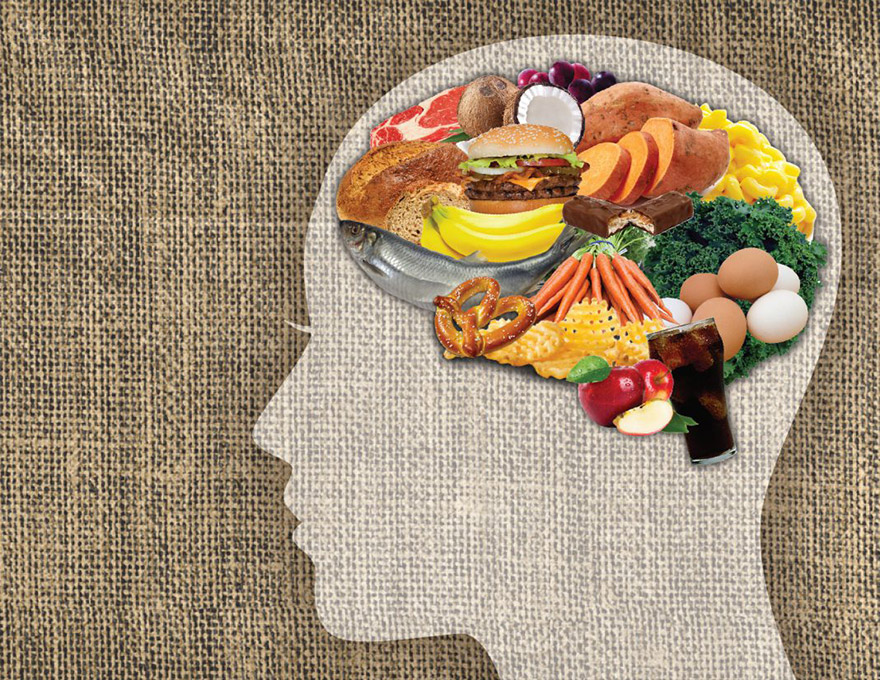
What you eat cannot instantly make you smarter or prevent every neurological condition, but a healthy dietary pattern can support normal brain function and long-term cognitive health.
Foods rich in omega-3 fats, vegetables, fruits, whole grains, nuts, seeds and other nutrient-dense foods form part of dietary patterns associated with better cognitive health. Research on Mediterranean and MIND-style diets suggests that these overall eating patterns may be associated with slower cognitive decline, although diet should not be presented as a guaranteed way to prevent dementia. If you are looking for the best foods for memory, concentration and brain health, the strongest approach is not one “superfood.” It is a balanced combination of fish, vegetables, berries, nuts, whole grains, eggs and other minimally processed foods.
What Is the Best Brain Food?
There is no single food proven to be the “best” for the brain.
If you had to build a brain-healthy diet, good choices include:
- fatty fish
- berries
- leafy green vegetables
- nuts and seeds
- eggs
- whole grains
- beans and pulses
- olive oil
- turmeric as part of normal cooking
- moderate amounts of tea or coffee if tolerated
The bigger benefit comes from your overall eating pattern, not one food eaten occasionally.
Research on Mediterranean and MIND-style diets supports this whole-diet approach.
Why Does Food Matter for Brain Health?
The brain requires a continuous supply of energy and nutrients to support:
- nerve-cell function
- neurotransmitter production
- normal blood flow
- cell membranes
- learning and memory
- concentration
- mood
- long-term neurological health
Nutrition is only one part of brain health.
Sleep, exercise, blood pressure, diabetes control, smoking, alcohol intake, stress and overall cardiovascular health also matter.
For people with persistent memory problems, headaches, seizures, weakness, tremors or other neurological symptoms, diet should not replace medical assessment.
NeuroWellness provides specialist care for brain, spine and nerve conditions in Bengaluru through its neurology and neurosurgery team.
10 Best Brain Foods to Include in Your Diet
1. Fatty Fish – A Source of Omega-3 Fats
Fatty fish such as:
- sardines
- salmon
- mackerel
- trout
contain omega-3 fatty acids.
Omega-3 fats are important components of cell membranes, including those in the nervous system.
Rather than claiming that fish “boosts intelligence,” the more accurate message is that fish can form part of a healthy dietary pattern associated with cardiovascular and cognitive health.
Indian-friendly options
Sardines and locally available oily fish can be practical alternatives to imported salmon.
How often?
For most healthy adults, fish can be included regularly as part of a balanced diet, depending on individual dietary needs and medical advice.
2. Berries — Antioxidant-Rich Fruits for Brain Health
Berries contain plant compounds including anthocyanins, a group of flavonoids.
Examples include:
- blueberries
- strawberries
- blackberries
- raspberries
In India, locally available antioxidant-rich fruits such as jamun, amla and pomegranate can also contribute to a varied fruit intake.
Rather than relying on one fruit, aim for a range of colourful fruits and vegetables.
Why include them?
Plant-rich diets provide antioxidants and other compounds that may support vascular and overall health, both of which matter for the brain.
3. Leafy Green Vegetables
Leafy vegetables provide vitamins, minerals, fibre and plant compounds.
Useful options include:
- spinach
- methi
- amaranth leaves
- broccoli
- kale
- drumstick leaves
Leafy greens are also emphasized in MIND-style dietary patterns.
Observational research has linked healthier dietary patterns rich in plant foods with better cognitive outcomes, although such studies do not prove that one vegetable prevents cognitive decline. National Institutes of Health
Easy Indian approach
Include at least one vegetable preparation at lunch and dinner rather than treating vegetables as an occasional side dish.
4. Nuts and Seeds
Nuts and seeds provide:
- unsaturated fats
- vitamin E
- fibre
- minerals
- plant protein
Good options include:
- walnuts
- almonds
- peanuts
- pumpkin seeds
- sunflower seeds
- flax seeds
- chia seeds
Are walnuts the best nut for the brain?
Walnuts are often marketed as a “brain food,” but no single nut is essential.
A small portion of mixed unsalted nuts and seeds can be a practical daily choice.
Tip
Choose plain or lightly roasted nuts rather than heavily salted, sugar-coated or fried versions.
5. Eggs — A Useful Source of Choline
Eggs provide choline, a nutrient involved in normal cell membrane and neurotransmitter function.
They also provide protein and several B vitamins.
Are eggs good for memory?
Eggs can be part of a nutritious diet that supports normal brain function, but eating eggs alone has not been shown to dramatically improve memory.
The benefit comes from the overall diet.
Practical option
Eggs can be combined with:
- vegetables
- whole-grain toast
- millet dosa
- fruit
- nuts
rather than being paired mainly with highly processed foods.
6. Whole Grains for Steady Energy
The brain depends heavily on glucose for energy, but this does not mean eating more sugar improves brain function.
Whole grains and minimally processed carbohydrate foods generally provide more sustained energy than sugary snacks.
Options include:
- oats
- brown rice
- whole wheat
- millets
- barley
- quinoa
Why can this help concentration?
A balanced meal containing complex carbohydrates, protein and healthy fat may help avoid the rapid rise and fall in energy that can occur after highly refined, sugary meals.
For students and professionals, this is often more useful than relying on sweets or energy drinks.
7. Beans, Lentils and Pulses
Pulses are an important addition that was missing from the existing article.
Examples include:
- dal
- chickpeas
- rajma
- green gram
- black gram
- peas
They provide:
- plant protein
- fibre
- folate
- minerals
- slowly digested carbohydrates
Pulses also fit naturally into Mediterranean-style and plant-forward eating patterns associated with better cardiovascular and cognitive health. PubMed
For an Indian audience, this makes the article far more useful and locally relevant than focusing mainly on imported “superfoods.”
8. Olive Oil and Other Healthy Unsaturated Fats
Extra-virgin olive oil is one of the characteristic components of the Mediterranean diet.
Mediterranean dietary patterns emphasize:
- olive oil
- vegetables
- fruits
- legumes
- whole grains
- nuts
- fish
and lower amounts of highly processed foods.
Recent evidence continues to associate Mediterranean-style dietary patterns with healthier cognitive ageing, although causality and the effect of any single ingredient remain uncertain. PubMed
If olive oil is not routinely used in your household, the larger priority is the overall quality of dietary fat and food pattern, not forcing one specific imported ingredient into every meal.
9. Turmeric — Useful as Part of a Healthy Diet
Turmeric contains curcumin, which has attracted considerable research interest.
However, the amount of curcumin absorbed from ordinary turmeric used in cooking is different from concentrated supplements used in some studies.
Therefore, turmeric should be presented as a useful spice in a healthy diet rather than as a proven treatment for memory loss, Alzheimer’s disease or neurological disorders.
Practical advice
Using turmeric in normal Indian cooking is reasonable.
Avoid interpreting the term “brain food” as meaning that large quantities or supplements will cure neurological disease.
10. Tea and Coffee — Helpful for Alertness, but Not for Everyone
Caffeine can temporarily increase alertness and reduce feelings of fatigue.
Coffee and tea also contain plant compounds with antioxidant activity.
However, more is not better.
Excess caffeine can contribute to:
- anxiety
- palpitations
- poor sleep
- headaches
- reflux
And poor sleep itself can impair concentration and memory.
Better approach
If you tolerate caffeine well, moderate tea or coffee can be part of a balanced diet.
Avoid using heavily sweetened coffee, sugary tea or energy drinks as your main source of “brain energy.”
Best Foods for Memory and Concentration
If your goal is memory and focus, a useful plate could include:
Breakfast
- eggs or dal chilla
- whole grains or millet
- fruit
- a few nuts
Lunch
- brown rice / millet / whole wheat roti
- dal or beans
- leafy vegetables
- curd if suitable
- salad
Snack
- fruit
- unsalted nuts/seeds
- tea or coffee in moderation
Dinner
- vegetables
- pulses or fish
- whole grain
- healthy fat in moderate quantity
This gives the brain a more reliable nutritional foundation than chasing one “memory food.”
Best Brain Foods for Students
Students often search for food that can improve concentration immediately.
No food can replace:
- adequate sleep
- revision
- hydration
- regular meals
- physical activity
But before studying or an examination, choose foods that provide steady energy.
Good examples:
- oats with nuts and fruit
- eggs with whole-grain toast
- idli with sambar
- dosa with protein-rich accompaniment
- curd with fruit and nuts
- dal chilla
- banana plus nuts
Avoid a very heavy meal immediately before an exam because it may leave you feeling sluggish.
Also avoid excessive energy drinks or caffeine, particularly if they interfere with sleep.
Brain Foods for Older Adults
For older adults, the focus should be less on “boosting memory” and more on maintaining:
- adequate nutrition
- cardiovascular health
- healthy blood pressure
- diabetes control
- physical activity
- social and mental engagement
The MIND diet, which combines aspects of Mediterranean and DASH dietary patterns, has been associated in observational research with slower cognitive decline. NIH reported in 2024 that higher adherence was associated with a lower risk of cognitive impairment in a large observational cohort.
However, a randomized clinical trial of the MIND diet did not establish that the diet alone produces a dramatic cognitive benefit, so it is important not to overstate the evidenc
Mediterranean and MIND Diets for Brain Health
The strongest nutrition evidence generally concerns dietary patterns, not individual foods.
Mediterranean-style diet
Usually emphasizes:
- vegetables
- fruits
- legumes
- whole grains
- nuts
- fish
- olive oil
and limits heavily processed foods.
A recent meta-analysis found that greater adherence was associated with lower rates of cognitive impairment and dementia, but observational associations should not be interpreted as proof that the diet prevents these conditions. PubMed
MIND diet
The MIND diet combines features of:
- Mediterranean diet
- DASH diet
with an emphasis on foods studied in relation to brain ageing.
A 2024 systematic review described it as a promising approach for supporting brain health during ageing, while also highlighting variation in the available evidence.
Foods to Limit for Better Brain and Overall Health
You do not need to completely eliminate every treat.
The bigger goal is to reduce how often highly processed foods replace nutrient-rich meals.
Try to limit:
- heavily processed snacks
- foods high in added sugar
- sugar-sweetened beverages
- excessive alcohol
- repeated intake of deep-fried foods
- very high sodium intake
- trans-fat-rich foods where present
Western and high-glycaemic dietary patterns have been associated in research with poorer cognitive outcomes, while healthier dietary patterns show more favourable associations.
What About Dark Chocolate?
Dark chocolate contains cocoa flavanols and some caffeine.
A small amount can fit into a healthy diet, but it should not be described as a treatment for memory loss.
Choose varieties with relatively high cocoa content and modest added sugar.
The existing article currently describes chocolate as enhancing brain plasticity and forming “new neuronal connections” too strongly. Pasted markdown I would replace that language with the more cautious wording above.
What About “Brain Energy Foods”?
Your brain needs a continuous energy supply, but the healthiest way to support this is through regular balanced meals rather than sugar or stimulant-heavy “energy foods.”
Can Diet Treat Neurological Disorders?
No general diet can replace diagnosis and evidence-based treatment for neurological disorders.
Specific neurological conditions may have different nutritional considerations.
For example, dietary therapy can play a defined role in selected epilepsy cases, but it should be medically supervised.
Do not make broad statements such as:
- bananas reduce epilepsy
- avoiding sugar treats pituitary tumours
- one food can prevent Alzheimer’s disease
- specific foods can cure brain fog
The current article includes statements such as “best fruits for epilepsy patients” and “foods to avoid with pituitary tumor” without enough condition-specific evidence. Pasted markdown I would remove that section entirely.
When Memory Problems Need Medical Evaluation
Occasional forgetfulness can happen with:
- poor sleep
- stress
- anxiety
- dehydration
- medications
- nutritional deficiencies
But persistent or progressive memory problems should not simply be treated with “brain foods.”
Consider medical evaluation if memory changes are:
- getting progressively worse
- interfering with work or daily activities
- associated with confusion
- accompanied by weakness or numbness
- associated with balance problems
- accompanied by speech changes
- occurring after a head injury
- associated with seizures or unusual episodes
NeuroWellness offers neurological and neurosurgical evaluation for brain, spine and nerve conditions in Bengaluru.

Dr. Ganesh Veerabhadraiah
Consultant – Neurosurgeon, Neurointerventional Surgery, Spine Surgeon (Neuro)
23+ Years Experience Overall (17+ years as Neuro Specialist)
Available for Consultation: Jayanagar 9th Block & Kauvery Hospital, Electronic City
Frequently Asked Questions About Brain Foods
1. What is the best food for the brain?
There is no single best brain food. A diet combining fish, leafy vegetables, berries or other fruits, nuts, seeds, whole grains, pulses and healthy fats is more useful than relying on one “superfood.”
2. Which foods are best for memory power?
Foods that can fit into a brain-healthy diet include fatty fish, nuts, seeds, eggs, leafy vegetables, berries, pulses and whole grains. Diet supports overall brain health, but no individual food can guarantee better memory.
3. Which fruit is best for the brain?
Berries are widely studied because they contain flavonoids, but other fruits such as amla, jamun, pomegranate, oranges and other colourful fruits can also contribute to a varied, nutrient-rich diet.
4. What should I eat to make my brain sharp?
Focus on regular meals containing vegetables, fruits, whole grains, protein, nuts or seeds and healthy fats. Good sleep, exercise and hydration are equally important for concentration and mental performance.
5. Are eggs good for the brain?
Eggs contain choline, protein and B vitamins and can form part of a balanced brain-healthy diet. They should not, however, be considered a treatment for memory problems.
6. Is fish good for memory?
Oily fish provides omega-3 fatty acids and is commonly included in dietary patterns associated with cardiovascular and brain health. Evidence supports the overall dietary pattern more strongly than claims that eating fish alone significantly improves memory.
7. Are walnuts good for the brain?
Walnuts provide unsaturated fats, fibre and plant nutrients and can be included as part of a healthy diet. They are not uniquely necessary for brain function.
8. Does coffee improve brain function?
Caffeine can temporarily improve alertness and reduce fatigue in many people. Too much caffeine can disrupt sleep, cause anxiety or trigger headaches, which can negatively affect concentration.
9. What should students eat before studying?
Choose a balanced meal or snack containing slow-release carbohydrate, protein and healthy fats, such as oats with nuts, eggs with whole grains, idli with sambar, fruit with nuts or dal-based foods.
10. Can brain foods prevent dementia?
No individual food has been proven to prevent dementia. Mediterranean and MIND-style dietary patterns have been associated with healthier cognitive ageing, but diet is only one part of overall dementia-risk management.
Conclusion
There is no magic food that instantly improves memory or guarantees protection from neurological disease.
The strongest approach is to build meals around:
- vegetables
- fruits
- fish where appropriate
- pulses
- whole grains
- nuts and seeds
- eggs or other quality protein sources
- healthy unsaturated fats
while limiting heavily processed foods and excessive added sugar.
Need a neurological evaluation in Bengaluru?