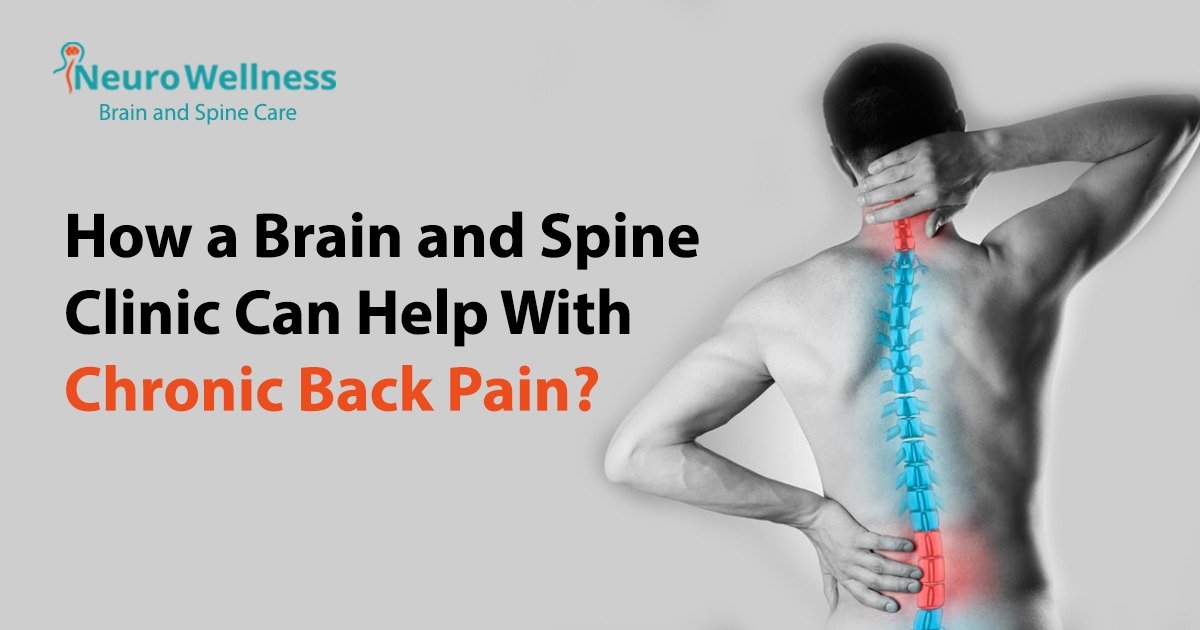
Chronic back pain is pain that lasts 12 weeks or longer, even after the original injury has healed. It’s different from acute back pain, which usually resolves in days or weeks. Common causes include degenerative disc disease, spinal stenosis, herniated discs, and nerve compression. Most cases improve with physiotherapy, medication, and posture correction — surgery is only needed in 10-15% of cases, typically when there’s nerve compression or structural instability that doesn’t respond to conservative care.

If your back pain has lasted more than 3 months, radiates to your leg, or comes with numbness or weakness, it’s time to see a spine specialist rather than continue managing it at home.

Chronic back pain can severely disrupt your daily life, making it difficult to work, enjoy hobbies, and even perform basic tasks. It’s more than just a minor inconvenience—it can be overwhelming. If you’ve been struggling with chronic back pain, finding relief may seem impossible. However, expert care at a brain and spine clinic could be the solution you’ve been searching for.

In this blog, we’ll explore how a brain and spine clinic can provide comprehensive care and personalized treatment plans to help cure chronic back pain.

Understanding Chronic Back Pain

Before diving into the details, it’s essential to understand what chronic back pain is. Chronic back pain is defined as pain that persists for 12 weeks or longer, even after an initial injury has healed. The causes of chronic back pain can vary, but common ones include osteoarthritis, ruptured discs, ligament strain, injuries, or fractures.

Living with chronic back pain can severely impact your quality of life. Simple activities like sitting, standing, or walking can become uncomfortable or even unbearable. Over time, the constant pain can lead to emotional stress, including anxiety and depression.

The Role of a Brain and Spine Clinic

Brain and spine clinic specialize in diagnosing and treating conditions related to the spine, spinal cord, and nervous system. These clinics are staffed with expert doctors, including neurosurgeons, neurologists, and orthopedic specialists. These professionals collaborate to provide comprehensive care and tailored treatment plans for each patient.

The strength of a brain and spine clinic lies in its ability to offer a holistic approach to diagnosis and treatment. Unlike general practitioners, the specialists at these clinics have extensive experience in treating complex spine-related conditions. They use advanced diagnostic tools, such as MRI, to get a clear picture of what’s causing your pain. This precise diagnosis is crucial in developing an effective treatment plan.

Different Ways  NeuroSpine surgeon  Treat Chronic Back Pain

Neuro spine surgeon  play a key role in the treatment of chronic back pain, particularly when it involves the nervous system. Here are some personalized approaches that neurologists might use to help their patients

Accurate Diagnosis:

Neuro Spine surgeon begin with an initial consultation to understand their patients’ discomfort and daily challenges. After a thorough consultation, neurologists conduct physical exams and may order imaging studies such as MRI scans to identify the exact cause of the back pain.

Physical Therapy Referral:

Neuro spine surgeon s often work closely with our in-house physiotherapy team to design exercise programs that strengthen the back and improve flexibility, helping to alleviate pain over time.

Recommending Lifestyle Changes:

Neurospine surgeon may suggest lifestyle changes to help reduce back pain. Following these recommendations can be an effective way to manage and control your back pain.

Personalized Treatment Plans

One of the key advantages of seeking care at a brain and spine clinic is the personalized treatment plans they offer. Your journey typically begins with an in-depth consultation, where specialists take the time to understand your symptoms, medical history, and lifestyle. This comprehensive evaluation allows them to tailor a treatment plan specifically to your needs.

For many patients, non-surgical treatments are the first line of defense against chronic back pain. These may include physical therapy, medications to reduce inflammation and pain, or injections to alleviate nerve irritation. Lifestyle modifications, such as weight management, ergonomic adjustments, and exercises, are also often recommended to support your recovery.

When non-surgical treatments don’t provide sufficient relief, minimally invasive surgical options may be considered. Procedures such as microdiscectomy, spinal fusion, or spinal decompression can address the underlying cause of the pain with reduced recovery times compared to traditional surgeries. The goal is always to find the least invasive yet most effective treatment for each patient.

What causes chronic back pain?

Several conditions can cause pain to persist past the normal healing window. The table below covers the most common causes seen in spine clinics.

Cause

What it is

Typical age group

Degenerative disc disease

Discs lose cushioning with age

40+

Herniated / slipped disc

Disc material presses on a nerve

30–50

Spinal stenosis

Narrowing of the spinal canal

50+

Facet joint arthritis

Wear in the small spine joints

45+

Muscle / ligament strain

Chronic overuse or poor posture

Any age

How is chronic back pain diagnosed?

  1. Physical examination — the specialist assesses posture, range of motion, and pain triggers.
  2. Imaging — X-ray or MRI to identify disc, joint, or nerve involvement.
  3. Nerve studies — used if symptoms suggest nerve compression (numbness, tingling, weakness).

Non-surgical treatment options (try these first)

Most patients (85–90%) improve without surgery. Non-surgical options include:

  • Physiotherapy and targeted strengthening exercises
  • Anti-inflammatory medication for pain and swelling
  • Epidural or nerve-block injections to reduce irritation
  • Posture and ergonomic correction for daily activities
  • Weight management to reduce spinal load

When does chronic back pain need surgery?

Surgery is considered only when one or more of these red-flag indicators is present:

  • Progressive weakness in the legs
  • Changes in bladder or bowel control
  • No improvement after 6+ months of conservative treatment
  • Structural instability confirmed on imaging

What to expect at your first spine consultation

Your first visit typically includes a detailed history of your symptoms, a physical examination, and a review of any prior scans or reports. If new imaging is needed, this is usually arranged on-site or referred out, with a follow-up consultation to discuss a personalized treatment plan

Conclusion:

Chronic back pain can be a challenging condition to live with, but it doesn’t have to control your life. Brain and Spine Hospital in Bangalore offers a specialized, personalized approach to diagnosing, treating, and managing chronic back pain. With personalized treatment plans, advanced diagnostic tools, and a focus on long-term care, these Brain and Spine Hospital in Bangalore can help you find relief and regain your quality of life.

If you’re struggling with chronic back pain, don’t wait any longer—consult a Neurowellness Brain and Spine Hospital in Bangalore today and take the first step towards a pain-free future.

Medically reviewed by Dr. Ganesh Veerabhadraiah, Consultant Neurosurgeon, 23+ years experience. Last reviewed: June 2026.

FAQs

1. What specialist should I see for chronic back pain?

You should consult a Brain and Spine Clinic where neurosurgeons and spine specialists can identify the root cause of your pain. At Neurowellness Brain and Spine Clinic in Bangalore, experts provide advanced treatments tailored to each patient.

2. Can back pain be related to brain or spine issues?

Yes. Chronic back pain is often linked to spinal disc problems, nerve compression, or degenerative spine conditions. A Brain and Spine Clinic can carry out advanced imaging and diagnosis to confirm if your pain originates from the spine or nervous system.

3. When should I stop home remedies and see a doctor for back pain?

If your back pain lasts more than two weeks, radiates to your legs, causes tingling, weakness, or affects bladder/bowel control, it’s time to visit a Brain and Spine Clinic for specialist care.

4. Does every case of chronic back pain require surgery?

No. Most patients improve with non-surgical treatments such as physiotherapy, medications, and posture correction. Surgery is only recommended at a Brain and Spine Clinic if conservative treatments fail or there is severe nerve compression.

5. How long does it take to recover from chronic back pain without surgery?

Most patients see noticeable improvement within 6–12 weeks of starting physiotherapy and conservative treatment, though full recovery timelines vary based on the underlying cause and severity.

6. Is walking good or bad for chronic back pain?

Walking is generally good for chronic back pain. It improves blood flow and strengthens supporting muscles without putting excessive strain on the spine, unlike high-impact activities.

7. Can chronic back pain be a sign of something serious?

In most cases, no — but back pain accompanied by unexplained weight loss, fever, numbness, or bladder/bowel changes can signal a more serious underlying condition and needs prompt evaluation.

8. What’s the difference between a neurosurgeon and an orthopedic surgeon for back pain?

Neuro surgeons specialize in conditions involving the nervous system, including  erve compression and spinal cord issues, while orthopedic surgeons focus more broadly on bones and joints. Many complex spine cases are co-managed by both.

9. How much does a spine consultation cost in Bangalore?

Spine consultation fees in Bangalore typically range from ₹800 to ₹2,000 depending on the clinic and specialist, with additional costs for imaging or diagnostic tests if required.

10. How does Neurowellness Brain and Spine Clinic in Bangalore help with chronic back pain?


Neurowellness offers a full spectrum of care including diagnostic imaging, physiotherapy guidance, minimally invasive procedures, and advanced neurosurgical treatments, all under one roof in Bangalore.

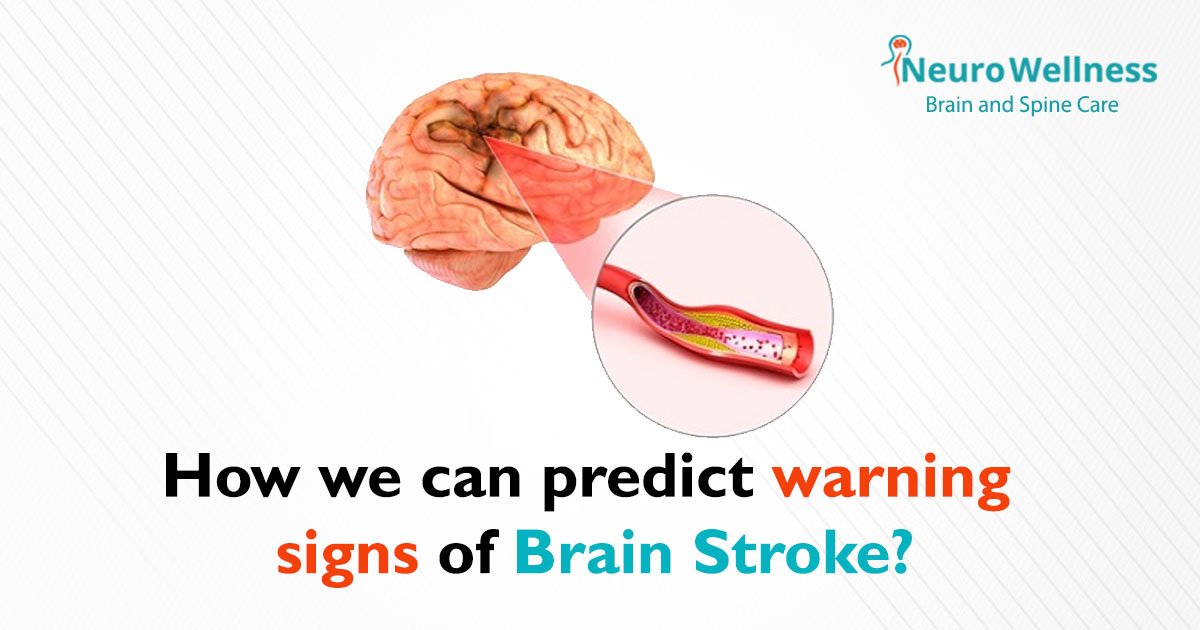
A stroke is a medical emergency that occurs when blood supply to a part of the brain is interrupted. Without oxygen and nutrients, brain cells begin to die within minutes.

The most dangerous aspect of stroke is delay. Many patients ignore early warning signs, hoping symptoms will improve. Sometimes they do—but that temporary improvement can be misleading.

Recognizing the warning signs early can save brain function, independence, and life.

What Is a Brain Stroke?

A stroke occurs when blood flow to part of the brain is blocked (ischemic stroke) or when a blood vessel ruptures (hemorrhagic stroke).

The brain controls movement, speech, memory, and vital functions. When blood supply stops, those functions may suddenly fail.

• Stroke symptoms appear suddenly.
• Use the FAST method: Face drooping, Arm weakness, Speech difficulty, Time to act.
Even brief symptoms can signal a mini-stroke (TIA).
Immediate treatment within the “golden hour” can prevent permanent brain damage.
Call emergency care if symptoms appear.

What Are the Early Warning Signs of Brain Stroke?

Stroke symptoms usually appear suddenly.

Use the FAST Rule

F – Face drooping
One side of the face may droop or feel numb.

A – Arm weakness
Sudden weakness or numbness in one arm or leg.

S – Speech difficulty
Speech may be slurred, confused, or difficult.

T – Time to act
Immediate medical attention is critical.

If any of these signs appear, emergency care should be sought immediately.

Other Warning Signs of Stroke

Beyond FAST, additional symptoms may include:

• Sudden severe headache
• Loss of vision in one or both eyes
Double vision
Dizziness or loss of balance
Confusion
Sudden difficulty walking
Numbness on one side of the body

Stroke symptoms are typically painless but disabling.

What Is a Mini Stroke (TIA)?

A Transient Ischemic Attack (TIA), often called a mini-stroke, produces stroke-like symptoms that resolve within minutes or hours.

Even if symptoms disappear, it is not safe to ignore them.

A TIA is often a warning that a major stroke may occur in the near future.

Why Immediate Treatment Is Critical: The Golden Hour

Brain cells begin to die within minutes of oxygen deprivation.

The earlier treatment begins, the more brain tissue can be saved.

In ischemic strokes, clot-dissolving medications may be effective if administered within a limited time window.

Delays increase:

• Permanent disability
• Speech loss
Paralysis
Risk of death

Who Is at Risk for Stroke?

Certain factors increase stroke risk.

Medical Risk Factors

• High blood pressure
• Diabetes
High cholesterol
Heart disease
Previous stroke or TIA

Lifestyle Risk Factors

• Smoking
• Obesity
Sedentary lifestyle
Excess alcohol

Read more: Controlling blood pressure is one of the most effective ways to reduce stroke risk.

Can Stroke Symptoms Be Mild?

Yes. Some strokes begin with subtle symptoms such as:

• Mild numbness
• Slight speech difficulty
Brief confusion
Temporary vision loss

Even mild symptoms require evaluation.

When Should You Go to the Hospital?

Go immediately if you experience:

• Sudden weakness or numbness
• Speech changes
Vision problems
Severe headache
Sudden confusion
Loss of balance

Never wait to “see if it improves.”

How Is Stroke Diagnosed?

Diagnosis usually involves:

• Clinical examination
• CT scan or MRI of the brain
Blood tests
Vascular imaging

Rapid imaging helps determine whether the stroke is ischemic or hemorrhagic.

Can Stroke Be Prevented?

Many strokes are preventable.

Prevention strategies include:

• Controlling blood pressure
• Managing diabetes
Regular physical activity
Healthy diet
Avoiding tobacco
Managing cholesterol

Stroke Evaluation in Bengaluru

If you experience stroke warning signs or have risk factors, early evaluation is essential.

Dr. Ganesh Veerabhadraiah

Dr. Ganesh Veerabhadraiah evaluates and manages stroke-related neurological conditions with an emphasis on timely intervention and prevention.

FAQs

What are the first signs of stroke?

Face drooping, arm weakness, and speech difficulty are common early signs.

Can stroke symptoms go away on their own?

Symptoms may temporarily improve in TIA, but medical evaluation is still necessary.

How fast should I seek treatment?

Immediately. Every minute matters.

Can young people have strokes?

Yes, though risk increases with age.

Is stroke always painful?

No. Many strokes are painless.

ಡಾ ಗಣೇಶ್ ವೀರಭದ್ರಯ್ಯ

ಎಂಬಿಬಿಎಸ್, ಡಿಎನ್‌ಬಿ (ನರಶಸ್ತ್ರಚಿಕಿತ್ಸೆ), ಎಫ್‌..ಎನ್ಆರ್ .(ಫೆಲೋಶಿಪ್ ಇನ್ ಇಂಟರ್ವೆನ್ಷನಲ್ ನ್ಯೂರೋ ರೇಡಿಯಾಲಜಿ /ಎಂಡೋ ವಾಸ್ಕ್ಯುಲರ್ಸ್ವಿಟ್ಜರ್ಲೆಂಡ್),

ಸಲಹೆಗಾರರುನರಶಸ್ತ್ರಚಿಕಿತ್ಸಕರು  – ಮಿದುಳು ಮತ್ತು ಬೆನ್ನು ಹುರಿ

ಡಾ.ಗಣೇಶ್ ವೀರಭದ್ರಯ್ಯ ಪ್ರಸಿದ್ಧ ನರಶಸ್ತ್ರಚಿಕಿತ್ಸಕ – ಮಿದುಳು ಮತ್ತು ಬೆನ್ನು  ಹುರಿ ಮತ್ತು ಇಂಟರ್ವೆನ್ಷನಲ್ ನ್ಯೂರೋರಾಡಿಯಾಲಜಿ / ನ್ಯೂರೋಎಂಡೋವಾಸ್ಕುಲರ್ ತಜ್ಞ,

ಪ್ರಸ್ತುತ ಫೋರ್ಟಿಸ್ ಆಸ್ಪತ್ರೆ, ಕನ್ನಿಂಗ್ಹ್ಯಾಮ್ ರಸ್ತೆ, ಬೆಂಗಳೂರು.

ಅವರ ಚಿಕಿತ್ಸಾಲಯದಲ್ಲಿ – ಜಯನಗರ 9 ನೇ ಬ್ಲಾಕ್ , ಬೆಂಗಳೂರು -ನ್ಯೂರೋವೆಲ್ನೆಸ್ ಮೆದುಳು ಮತ್ತು ಬೆನ್ನುಮೂಳೆಯ ಚಿಕಿತ್ಸಾಲಯದಲ್ಲಿ ಸಲಹೆಗೆ ಸಿಗುತ್ತಾರೆ .

ಎಂಬಿಬಿಎಸ್ ಮುಗಿಸಿದ ನಂತರ, ಡಾ.ಗಣೇಶ್ ಅವರು ಬೆಂಗಳೂರಿನ ಓಲ್ಡ್ ಏರ್ಪೋರ್ಟ್ ರಸ್ತೆಯಲ್ಲಿರುವ ಪ್ರತಿಷ್ಠಿತ ಮಣಿಪಾಲ್ ಆಸ್ಪತ್ರೆಯಲ್ಲಿ ಸೂಪರ್ ಸ್ಪೆಷಾಲಿಟಿ ಸ್ನಾತಕೋತ್ತರ ಪದವಿ ನರಶಸ್ತ್ರಚಿಕಿತ್ಸೆಯಲ್ಲಿ ಡಿಎನ್‌ಬಿಯೊಂದಿಗೆ ಮುಂದುವರೆದರು. ಸಂಕೀರ್ಣವಾದ ಬೆನ್ನು ಮತ್ತು ಮಿದುಳಿನ ಶಸ್ತ್ರಚಿಕಿತ್ಸೆಗಳು, ಸಾಮಾನ್ಯ ಸೂಕ್ಷ್ಮ ಶಸ್ತ್ರಚಿಕಿತ್ಸೆಗಳಲ್ಲಿ ವ್ಯಾಪಕವಾಗಿ ತರಬೇತಿ ಪಡೆದ ಅವರು, ಸ್ವಿಟ್ಜರ್‌ಲ್ಯಾಂಡ್‌ನ ಜುರಿಚ್ ವಿಶ್ವವಿದ್ಯಾಲಯದ ಆಸ್ಪತ್ರೆಯಿಂದ ಇಂಟರ್ವೆನ್ಷನಲ್ ನ್ಯೂರೋರಾಡಿಯಾಲಜಿಯಲ್ಲಿ ಫೆಲೋಶಿಪ್ ಪಡೆಯುವ ಮೂಲಕ ಹೆಚ್ಚಿನ ಪರಿಣತಿಯನ್ನು ಬೆಳೆಸಿದರು. ಜುರಿಚ್ ವಿಶ್ವವಿದ್ಯಾಲಯವು ಅತ್ಯುತ್ತಮ ವಿಶ್ವವಿದ್ಯಾಲಯ ಪ್ರಪಂಚಗಳಲ್ಲಿ ಒಂದಾಗಿದೆ.

ಎಂಡೋವಾಸ್ಕುಲರ್ ಕಾರ್ಯವಿಧಾನಗಳಲ್ಲಿ ತರಬೇತಿ ಪಡೆದಿದ್ದಾರೆ – ಮೆದುಳಿನಲ್ಲಿ ರಕ್ತನಾಳಗಳ ಸುರುಳಿ, ಎವಿಎಂ(AVM ಎಂಬೋಲೈಸೇಶನ್ ಅಪಧಮನಿಯ ವಿರೂಪತೆ, ಗೆಡ್ಡೆಯ ಎಂಬೋಲೈಸೇಶನ್, ತೀವ್ರವಾದ ಪಾರ್ಶ್ವವಾಯುವಿಗೆ ಯಾಂತ್ರಿಕ ಥ್ರಂಬೆಕ್ಟೊಮಿಯಂತಹ ಸುಧಾರಿತ ಸ್ಟ್ರೋಕ್ ಆರೈಕೆ. , ಜಪಾನ್ ನಲ್ಲಿ ಸೆರೆಬ್ರೊ ನಾಳೀಯ ನರಶಸ್ತ್ರಚಿಕಿತ್ಸೆ ಮತ್ತು ಮೆದುಳಿನ ಬೈಪಾಸ್ ಕಾರ್ಯವಿಧಾನದ ಕ್ಲಿಪಿಂಗ್, ಸಂಕೀರ್ಣ ಅನ್ಯೂರಿಮ್ಸ್ ಮತ್ತು ಅಪಧಮನಿಯ ವಿರೂಪ ಮತ್ತು ಶೀರ್ಷಧಮನಿ ಎಂಡಾರ್ಟೆಕ್ಟೊಮಿ ಚಿಕಿತ್ಸೆ.

ನ್ಯೂರಾಲಜಿಕಲ್ ಕಂಡಿಶನ್ಸ್ ಸಲಹೆ ಮತ್ತು ಚಿಕೆತ್ಸೆ-

ನರಶಸ್ತ್ರಚಿಕಿತ್ಸೆ – ಮಿದುಳು ಮತ್ತು ಬೆನ್ನು ಹುರಿ

೧ ಸಾಮಾನ್ಯ ನರಶಸ್ತ್ರಚಿಕಿತ್ಸೆ – ಮಿದುಳು ಮತ್ತು ಬೆನ್ನು

೨ ಗರ್ಭಕಂಠ ಮತ್ತು ಸೊಂಟದ ಡಿಸ್ಕ್ ಪ್ರೋಲ್ಯಾಪ್ಸ್ ಶಸ್ತ್ರಚಿಕಿತ್ಸೆ

೩ ಸೊಂಟದ – ಸ್ಲಿಪ್ ಬೆನ್ನು ಮೂಳೆ  ಶಸ್ತ್ರ ಚಿಕೆತ್ಸೆ (TLIF, PLIF)

೪ ಮಿದುಳಿನ ಗೆಡ್ಡೆ ಶಸ್ತ್ರಚಿಕಿತ್ಸೆಗಳು

೫ ಅನ್ಯೂರಿಸಮ್ ಶಸ್ತ್ರಚಿಕಿತ್ಸೆಗಳು-ಕ್ಲಿಪಿಂಗ್

೬ ಕಪಾಲದ ಮತ್ತು ಬೆನ್ನುಮೂಳೆಯ ಆಘಾತ

೭ ಮೆದುಳಿನ ಬೈಪಾಸ್ ಶಸ್ತ್ರಚಿಕಿತ್ಸೆ

೮ ಅಪಸ್ಮಾರ ಶಸ್ತ್ರಚಿಕಿತ್ಸೆ

೯ ಸಂಕೀರ್ಣ ತಲೆಬುರುಡೆ ಮೂಲ ಶಸ್ತ್ರಚಿಕಿತ್ಸೆಗಳು

೧೦ ಮೈಕ್ರೊವಾಸ್ಕುಲರ್ ಡಿಕಂಪ್ರೆಷನ್.

೧೧ ಬೆನ್ನುಮೂಳೆಯ ಗೆಡ್ಡೆ ಹೊರಹಾಕುವಿಕೆ

೧೨ ಬೆನ್ನುಮೂಳೆಯ ಸೋಂಕು

೧೩ ಕೃತಕ ಡಿಸ್ಕ್ ಬದಲಿ

೧೪ ಸಿ.ವಿ ಜಂಕ್ಷನ್ ಅನಾಮೊಲಿಸ್ ಶಸ್ತ್ರ ಚಿಕಿತ್ಸೆ

ನ್ಯೂರೋ ವೆಲ್ನೆಸ್ಮಿದುಳು ಮತ್ತು ಬೆನ್ನುಮೂಳೆಯ ಆರೈಕೆ (ಜಯನಗರ 9 ನೇ ಬ್ಲಾಕ್)

1224, ಜಿ-ಮಹಡಿ, 26 ನೇ ಮುಖ್ಯ,

9 ನೇ ಬ್ಲಾಕ್, ಜಯನಗರ,

ರಾಗಿಗುಡ್ಡದ ಅಂಜನೇಯಸ್ವಾಮಿ ದೇವಾಲಯದ ಕಮಾನು ಎದುರು,

ಬೆಂಗಳೂರು, ಕರ್ನಾಟಕ 560069

ದೂರವಾಣಿ: 7259669911, 7349017701

4.30PM-6PM

ಫೋರ್ಟಿಸ್ ಆಸ್ಪತ್ರೆ, ಕನ್ನಿಂಗ್ಹ್ಯಾಮ್ ರಸ್ತೆ

14, ಕನ್ನಿಂಗ್ಹ್ಯಾಮ್ ಆರ್ಡಿ,

ಸಿಗ್ಮಾ ಸೆಂಟ್ರಲ್ ಮಾಲ್ ಹತ್ತಿರ,

ವಸಂತ್ ನಗರ,

ಬೆಂಗಳೂರು, ಕರ್ನಾಟಕ – 560052

ದೂರವಾಣಿ: 7349017701

ಸಮಯ: ಸೋಮದಿಂದ ಶನಿ – ಬೆಳಿಗ್ಗೆ 10 – ಸಂಜೆ 4

Website www.neurowellness.in

E mailneurowellnessinfo@gmail.com

Ph no 7259669911, 7349017701

You tubeNeurowellness India