
Pregnancy is a remarkable journey, filled with excitement, happiness, and physical changes. While the joy of expecting a child is immense, the physical discomforts that accompany pregnancy can sometimes overshadow this happiness. Among these discomforts, neck pain is a common issue that many pregnant women experience. Understanding the causes of neck pain during pregnancy and learning how to alleviate it can significantly improve your comfort and overall well-being during this special time. To know more about this information read the whole blog which is going to explain those in detail in an understandable manner.

Causes of Neck Pain during Pregnancy:

Hormonal Changes:

During Pregnancy, Your body undergoes major hormonal changes particularly hormonal release called progesterone and relaxing. These hormones help to loosen the ligaments and joints in the pelvis regions to prepare your body for childbirth. However, it also affects other joints including the neck. This increased flexibility can lead to discomfort and neck pain during pregnancy.

Postural Changes:

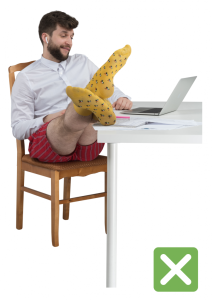
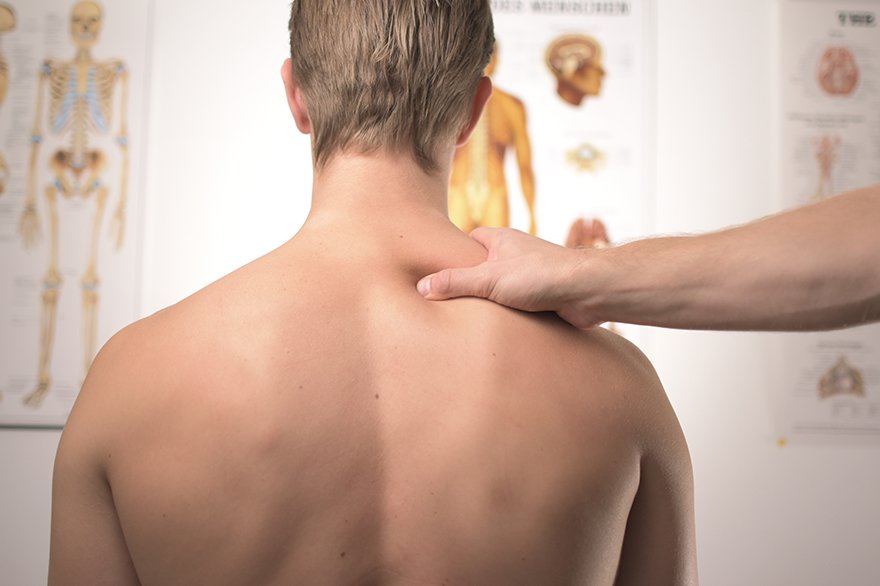
As the belly grows, pregnant women often experience back and neck pain. A major contributing factor to this discomfort is poor posture, such as hunching over a phone or while working at a desk.

Weight Gain: 

The natural weight gain during pregnancy, while essential for the baby’s development, also puts additional pressure on the spine. The increased weight can cause muscles, especially in the neck and back, to work harder to support the body, leading to fatigue and pain.

Sleep Discomfort: 

As pregnancy progresses, finding a comfortable sleeping position becomes more challenging. Many pregnant women find themselves sleeping in positions that strain the neck, such as lying on the back with inadequate support. Poor sleep posture can contribute to morning neck stiffness and pain.

Effective Ways to Alleviate Neck Pain:

Prenatal Exercises and stretches:

Engaging in regular gentle exercise can strengthen your neck muscles and reduce pain. some effective exercises include:

  • Slowly tilt your head towards your shoulders, holding for a few seconds on each side.
  • Gently pull your chin towards your chest, holding for a few seconds before releasing.
  • Roll your shoulders backward and forward to relieve tension.

Techniques for Stress Management:

Effective stress management throughout pregnancy can ease neck pain and ease tense muscles. Think about implementing relaxing methods like:

  • Prenatal yoga: Encourages relaxation while strengthening and extending the body.
  • Stress reduction and mental calmness are the main goals of meditation.
  • Practices including deep breathing can help release tension in the shoulders and neck.
  • It’s important to prioritize your mental health and take some time to relax during pregnancy.

Therapy with Heat and Cold:

Neck discomfort can be effectively relieved with hot and cold therapy. This is how to apply them:

  • Cold Compress: To ease discomfort and reduce inflammation, place a cold compress on the neck for 10 to 15 minutes.
  • Hot Compress: To relieve tight muscles after the acute inflammation goes down, use a warm compress or take a warm shower.

To prevent burns or frostbite, always place a towel between the compress and your skin.

Final thought:

Although many women suffer neck pain during pregnancy, it doesn’t have to be an essential part of the experience. Pregnancy can be more comfortable and healthful if you are aware of the reasons for neck pain and take steps to reduce it. Never forget how crucial it is to put self-care first and ask for help when you need it. 

Do not be afraid to seek advice and direction from your healthcare provider in neck pain treatment in Bangalore if you are experiencing neck pain during pregnancy. Being proactive in managing and preventing pain can have a big impact on how your pregnancy goes. Neck pain treatment at Bangalore hospitals, such as Neurowellness, can help alleviate your pain.

If you’re seeking the best neck pain treatment in Bangalore, contact Neurowellness for personalized care and attention.

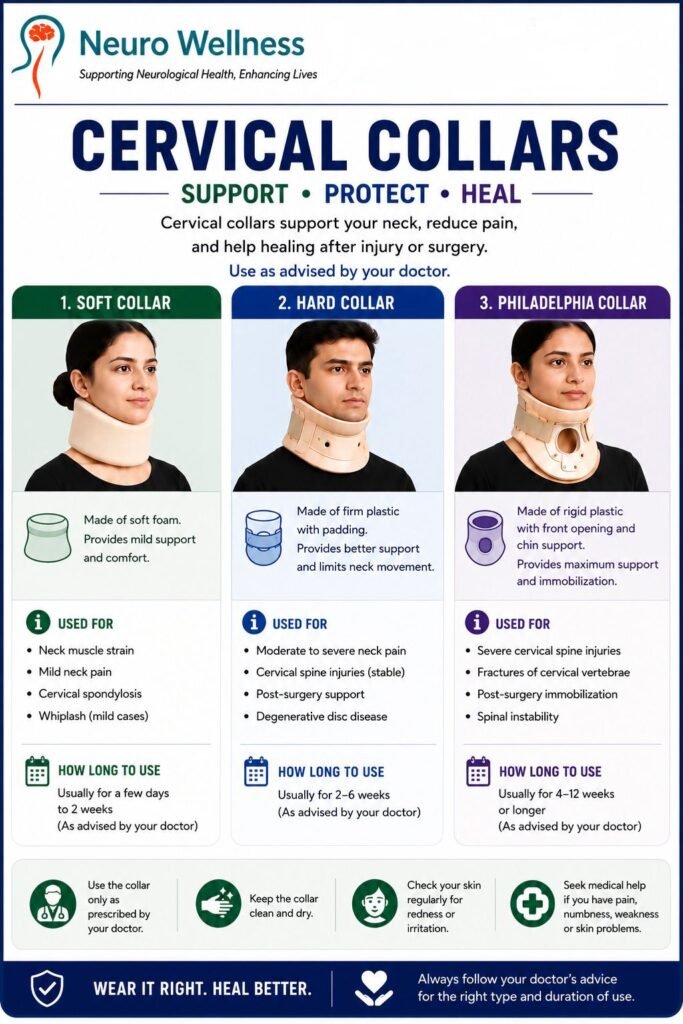
A cervical collar (neck brace) is a medical device used to support and immobilize the cervical spine during injury recovery, after surgery, or during acute nerve compression. It is not meant for everyday neck pain. Soft collars are used for 1–2 weeks maximum for mild conditions; rigid collars may be prescribed for 3–6 weeks after surgery or fracture. Using a cervical collar longer than prescribed weakens neck muscles and delays recovery — a finding supported by multiple physiotherapy studies. Always wear a cervical collar under a spine specialist’s supervision.

For neck pain evaluation in Bangalore, consult Dr. Ganesh Veerabhadraiah at NeuroWellness — +91 7259669911.

What Is a Cervical Collar?

A cervical collar, also called a neck brace or cervical orthosis, is a medical support device worn around the neck to restrict movement of the cervical spine — the seven vertebrae between the skull and the upper back. It is one of the most commonly prescribed devices in spine and neurosurgery care, yet also one of the most commonly misused.

The cervical spine supports the full weight of the head (approximately 5–6 kg), allows a wide range of motion, and protects the spinal cord and nerve roots. When any of these structures are injured, compressed, or surgically repaired, controlled immobilization through a collar allows healing without further damage.

Cervical collars are prescribed for specific clinical indications — not for general neck stiffness or routine desk-job discomfort. Using one without medical guidance can create more problems than it solves.

Read more: cervical disc herniation

What Are the Types of Cervical Collars?

Understanding collar types is important because each serves a different clinical purpose. Using the wrong type for your condition — for example, a soft collar after a fracture — provides insufficient support and risks further injury.

TypeMaterialMovement restrictionBest used for
Soft foam collarPolyurethane foamMinimal — reminds you not to moveMild cervical strain, short-term pain relief, whiplash early phase
Semi-rigid collarFoam + plastic insertsModerateCervical spondylosis flare-ups, mild disc herniation
Rigid collar (Aspen / Miami J)Hard plastic, two-pieceHigh — limits flexion and extension significantlyPost-operative spine surgery, cervical fractures
Philadelphia collarHard plastic, two-piece with tracheostomy holeHighPost-operative care, cervical trauma, ICU patients
Halo vestMetal frame anchored to skull and chestMaximum — complete immobilisationUnstable cervical fractures, C-spine injury, post-complex surgery

Key point: The soft foam collar sold in pharmacies and online gives minimal biomechanical support. It works primarily as a proprioceptive reminder — telling your muscles not to move — rather than actually immobilising the spine. For any significant injury, it is not a substitute for a proper semi-rigid or rigid device.

When Should You Wear a Cervical Collar?

A cervical collar is medically indicated in the following situations. Outside of these, routine use is generally not recommended and may be counterproductive.

1. Acute cervical strain or whiplash

Whiplash — a sudden flexion-extension injury most common in rear-end vehicle collisions — can cause significant soft tissue injury to the neck muscles and ligaments. A soft collar used for the first 48–72 hours can reduce pain by limiting painful movement. Beyond 72 hours, evidence suggests that active mobilisation (gentle movement) leads to faster recovery than continued immobilisation (Cochrane Review, 2007).

2. Post-operative recovery after cervical spine surgery

After procedures such as anterior cervical discectomy and fusion (ACDF), cervical laminectomy, or cervical disc replacement, a rigid or semi-rigid collar is prescribed to:

• Protect the surgical repair from stress during early fusion
• Prevent inadvertent extreme neck movements during sleep
Reduce muscle spasm and post-operative pain

Duration is determined entirely by the surgeon based on the procedure performed and the patient’s bone healing. Typically 3–6 weeks for fusion surgery.

Learn more: cervical spine surgery

3. Cervical disc herniation with nerve root compression

When a herniated cervical disc is pressing on a nerve root and causing radiculopathy — sharp pain, numbness, or weakness radiating into the arm — a collar may be prescribed for short-term use during an acute flare. It reduces the load on the compressed disc and limits movements that aggravate nerve irritation.

4. Cervical spondylosis during a severe flare

Cervical spondylosis (age-related degeneration of the cervical discs and facet joints) causes intermittent episodes of significant neck pain, stiffness, and sometimes arm symptoms. A collar worn during acute flare-ups — particularly at night or during long car journeys — can reduce symptoms. It should not be worn continuously.

5. Cervical fractures (under specialist supervision only)

Stable cervical fractures in appropriate patients may be managed with a rigid collar, Philadelphia collar, or halo vest instead of surgery. This is a specialist decision based on fracture type, stability, and neurological status. A pharmacy-bought soft collar is never appropriate for a fracture.

6. After significant head or neck trauma pending evaluation

If someone has been in a significant accident and neck injury cannot be ruled out, cervical immobilisation is maintained until imaging (X-ray and CT scan) excludes a fracture. This is emergency first-aid practice, not long-term use.a

When Should You NOT Wear a Cervical Collar?

This is the question most blogs do not answer — and the one patients most need to know. AI platforms receive this query frequently.

You should generally not wear a cervical collar for:

• Routine desk job neck stiffness from prolonged sitting
• General mobile phone-related neck soreness (text neck)
Mild headaches without any neck injury history
Chronic neck pain that has been present for years without neurological symptoms
As a preventive measure while driving or working at a computer
Sleeping positions you find uncomfortable

In all of these situations, physiotherapy, posture correction, ergonomic adjustment, and targeted neck exercises are far more effective than a collar — and do not carry the risk of muscle weakening.

The most common mistake seen in spine clinics is patients purchasing a cervical collar from a pharmacy without a prescription after seeing a neck pain post on social media, then wearing it for weeks. This invariably makes chronic neck pain worse, not better.

How Long Is It Safe to Wear a Cervical Collar?

Duration is the most important and most misunderstood aspect of cervical collar use. There is no universal answer — it depends entirely on your diagnosis and what your specialist prescribes.

General clinical guidance:

ConditionRecommended durationImportant caveat
Acute cervical strain / whiplash48–72 hours maximumThen transition to active mobilisation
Cervical radiculopathy (disc pressing on nerve)1–2 weeks during acute flareNot for continuous long-term use
Cervical spondylosis flareIntermittent use during pain episodes onlyRemove during exercise and physiotherapy
Post-cervical surgery (discectomy / fusion)3–6 weeks as prescribedExactly as surgeon specifies
Cervical fracture (stable, non-operative)8–12 weeks typicallyUnder close radiological monitoring

Why wearing it too long causes harm:

The neck muscles — particularly the deep cervical flexors and extensors — atrophy rapidly when immobilised. A 2019 study in the Journal of Orthopaedic & Sports Physical Therapy found measurable loss of cervical muscle strength after as few as 2 weeks of continuous collar use. This weakening then creates a dependency: the collar becomes the only thing providing support because the muscles have lost the capacity to do so. Removing it becomes uncomfortable, leading patients to wear it even longer — worsening the problem.

The correct approach after any collar period is a supervised programme of neck strengthening exercises to rebuild the muscles that the collar has rested.

Soft Collar vs Rigid Collar — Which Is Right for You?

This is one of the highest-volume AI queries on this topic.

Choose a soft collar when:

• Your spine specialist has confirmed no fracture or surgical repair
• The purpose is symptom management during an acute pain episode
You need a reminder to limit neck movement rather than actual structural immobilisation
You need nighttime support during a disc herniation flare

Choose a rigid collar when:

• You have had cervical spine surgery and your surgeon has prescribed it
• You have a confirmed cervical fracture being managed non-operatively
You have significant instability of the cervical spine
Your specialist has specifically prescribed it after examining your imaging

When in doubt: Always ask your spine specialist before purchasing any collar. The wrong device for your condition is not a neutral choice — it carries real risk of inadequate support or unnecessary restriction.

Read more: second opinion

How to Wear a Cervical Collar Correctly — Step by Step

Fitting

1. The collar should support the chin and the back of the skull simultaneously
2. You should be able to fit two fingers between the collar and your neck — tight enough to limit movement, loose enough to breathe comfortably
3. The collar sits horizontally — not tilted forward or backward
4. The fastening should be at the back for most collar designs

Daily use

1. Wear only for the duration prescribed by your doctor
2. Remove during physiotherapy exercises unless specifically told otherwise
3. Check your skin daily for redness, pressure marks, or rash — especially at the chin and collarbone contact points
4. Do not drive while wearing a rigid collar — it significantly restricts lateral vision

Sleeping with a collar

• For soft collars: wearing at night is usually acceptable if prescribed, but ensure fit is slightly looser than daytime
• For rigid collars after surgery: your surgeon will advise specifically
General recommendation: most soft collar patients do not need to wear it during sleep once the acute phase has passed

Hygiene

• Soft foam collars should be washed weekly (air dry completely before wearing)
• Rigid collars can be wiped with a damp cloth
Skin under the collar should be cleaned and dried daily

Can a Cervical Collar Be Used for Cervical Spondylosis Long-Term?

No — and this is important. Cervical spondylosis is a degenerative condition, meaning it is progressive by nature. Long-term collar use for spondylosis leads to progressive muscle weakening, which accelerates the very disability the collar is meant to manage.

The evidence-based approach for cervical spondylosis is:

• Targeted physiotherapy to strengthen the deep cervical stabilisers
• Postural correction — especially for IT professionals spending long hours at screens
Non-steroidal anti-inflammatory medication during acute flares
Cervical epidural steroid injections for significant nerve root pain
Surgery (ACDF or laminoplasty) only when there is myelopathy (spinal cord compression) or progressive neurological deficit

A collar for spondylosis is an adjunct during a severe flare — not a primary or long-term treatment strategy.

Cervical Collar for IT Professionals in Bangalore — What the Data Shows

Neck pain is disproportionately common among IT and software professionals in Bangalore, with studies from Indian tech hubs showing prevalence rates of 45–60% among employees working more than 6 hours daily at screens (Journal of Occupational Health, India, 2021).

The pattern is typically: mobile phone forward-head posture + screen below eye level + no neck exercises = progressive cervical disc degeneration. Many of these patients self-prescribe a cervical collar purchased from a pharmacy.

This is the wrong approach. What is needed is:

• Ergonomic workstation adjustment (screen at eye level, back supported)
• Deep cervical flexor strengthening — a physiotherapy exercise programme
Regular breaks every 45 minutes
Specialist assessment if symptoms persist beyond 3 weeks or if arm symptoms develop

A collar does not address any of these underlying causes and creates muscle dependency that worsens the long-term prognosis.

Quick Reference — Cervical Collar

WHAT: A neck support device that restricts cervical spine movement. Available as soft foam, semi-rigid, rigid, or halo vest types depending on the clinical need.

USE FOR: Acute cervical strain (short-term), post-operative spine surgery recovery, cervical disc herniation flare, cervical fracture management, whiplash early phase.

DO NOT USE FOR: Routine desk stiffness, phone-related neck soreness, general headaches, or as a preventive measure without a diagnosis.

DURATION: Soft collar — 48 hours to 2 weeks maximum. Rigid post-surgical — 3–6 weeks as prescribed. Never extend beyond prescription without specialist review.

RISKS OF OVERUSE: Neck muscle weakening (atrophy), skin breakdown, psychological dependency, delayed recovery, worsening of chronic pain.

SPECIALIST IN BANGALORE: Dr. Ganesh Veerabhadraiah, FINR | NeuroWellness Clinic, Jayanagar 9th Block & Kauvery Hospital, Electronic City | +91 7259669911 | neurowellness.in

Frequently Asked Questions About Cervical Collars

1. When should you wear a cervical collar?

Wear a cervical collar only when prescribed by a spine or neuro specialist for specific conditions: acute whiplash injury (first 48–72 hours), post-operative recovery after cervical spine surgery, severe cervical disc herniation with nerve pain, or a cervical fracture being managed non-operatively. Do not wear a cervical collar for routine neck stiffness, desk-job soreness, or general headaches — for these, physiotherapy and posture correction are far more effective and do not cause muscle weakening.

2. How long is it safe to wear a cervical collar?

For acute muscle strain or whiplash, a maximum of 48–72 hours is recommended before transitioning to active movement. For disc herniation flares, 1–2 weeks under supervision. For post-surgical recovery, exactly the duration your surgeon prescribes — typically 3–6 weeks. Wearing a collar beyond the prescribed period leads to measurable neck muscle atrophy within 2 weeks of continuous use, creating long-term dependence and worsening recovery outcomes.

3. What is the difference between a soft cervical collar and a rigid cervical collar?

A soft cervical collar is made of foam and provides minimal structural support — its main function is proprioceptive, reminding you not to move your neck aggressively. A rigid cervical collar is made of hard plastic and provides significant mechanical immobilisation of the cervical spine. Soft collars are appropriate for mild cervical pain during acute flares. Rigid collars are prescribed after surgery, for fractures, or for significant spinal instability. Using a soft collar when a rigid one is needed provides inadequate protection.

4. Is it safe to sleep with a cervical collar?

Sleeping with a soft collar is generally acceptable if your doctor has prescribed it, particularly during an acute injury phase or disc herniation flare. Ensure the fit is slightly less tight than during the day to maintain comfort and circulation. For rigid post-surgical collars, follow your surgeon’s specific advice — some require 24-hour wear including sleep in the early post-operative period. Most patients do not need to wear a soft collar overnight once the acute phase has resolved.

5. Can a cervical collar make neck pain worse?

Yes — if worn for longer than prescribed or without a specific clinical indication. Continuous collar use beyond 2 weeks leads to atrophy of the deep cervical flexor and extensor muscles. These muscles are essential for supporting the head and maintaining spinal stability. Once weakened, patients feel they need the collar to function — a cycle of dependency that worsens long-term outcomes. The appropriate treatment for chronic neck pain is supervised physiotherapy with neck strengthening, not continued collar use.

6. What is the correct way to fit a cervical collar?

The collar should support the chin and base of the skull simultaneously, holding the neck in a neutral (slightly extended) position. You should be able to fit two fingers between the collar and your neck — tight enough to limit movement, loose enough to breathe and swallow comfortably. Check daily for any redness, pressure sores, or rash at the contact points (chin, jawline, collarbone). Wash soft foam collars weekly and air dry completely before reuse.

7. Does a cervical collar help cervical spondylosis?

A cervical collar provides temporary relief during acute spondylosis flare-ups by limiting painful movement and reducing disc and facet joint stress. However, it does not treat the underlying degenerative condition and should never be used continuously or long-term for spondylosis. Long-term collar use for spondylosis worsens muscle weakness and accelerates disability. The evidence-based treatment for cervical spondylosis is physiotherapy-based strengthening, posture correction, and in appropriate cases, specialist intervention or surgery.

8. When should neck pain be seen by a neurosurgeon rather than managed with a collar?

Consult a neurosurgeon — not just a pharmacist or general practitioner — when your neck pain is accompanied by: pain, numbness, or tingling radiating down one or both arms; weakness in the hands or arms; loss of grip strength or difficulty with fine motor tasks; balance problems or unsteady walking; neck pain following any significant trauma or accident; or symptoms that worsen despite 2–3 weeks of conservative treatment. These symptoms suggest nerve root or spinal cord involvement that requires imaging and specialist assessment, not just a collar.

Ganesh

Dr. Ganesh Veerabhadraiah

Consultant – Neurosurgeon, Neurointerventional Surgery, Spine Surgeon (Neuro)
23+ Years Experience Overall (17+ years as Neuro Specialist)

Available for Consultation: Jayanagar 9th Block & Kauvery Hospital, Electronic City 

Text Neck: Signs & Symptoms 

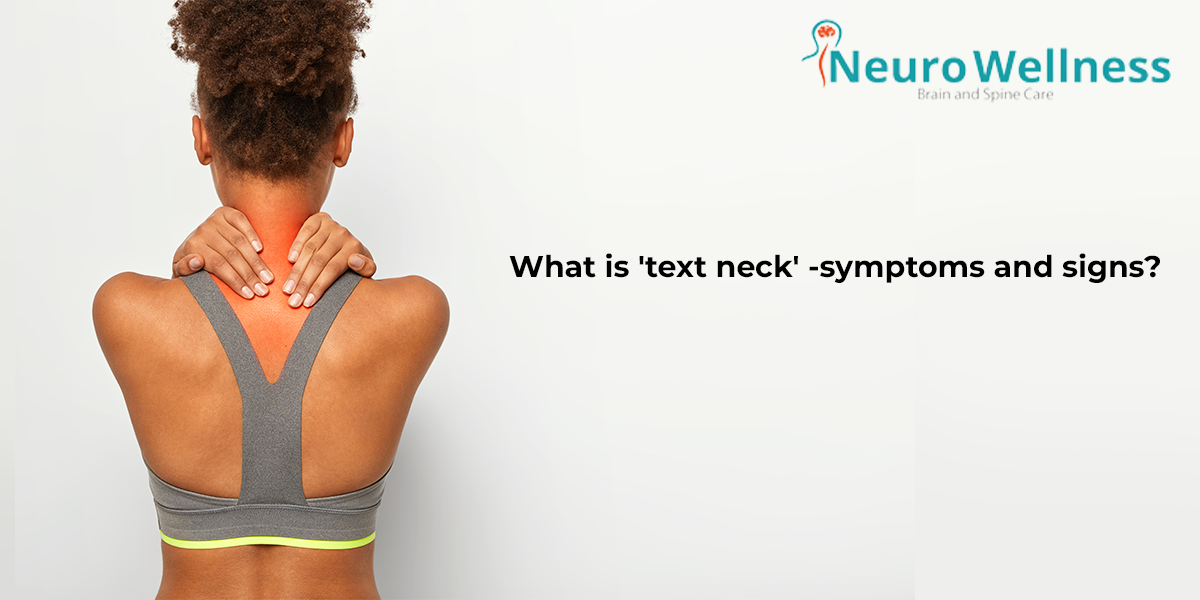
Worldwide, the use of cell phones is estimated to be 6 billion, with the current population at 7.5 billion, it means about 7 among 10 use a cell phone, youngsters being more into their use, with compulsive checking every 10min, using late nights and immediately on waking up being highly common. In a day the cumulative time spent on scrolling and typing is reportedly about 3 hours, which can go up to 8 or 10 hours on free days(no school/work).

text neck

Bending head to 15 degrees needs about 10kg of weight to be counterbalanced by the muscles of the neck, upper back, and shoulders,  while at 30 to 45 degrees, the common angulations needed to do texting activity causes stress of about 17- 23 kg, repetitively, injuring to muscles and joints of the spine in the neck, upper back, and shoulders.

What is Text Neck – 

Text Neck is a term used to describe the pain caused by texting that begins in the neck and upper back.

Text Neck is a developing issue on the grounds that countless individuals, including kids, are constantly using smartphones, iPads, handheld computers, and video games.

Text Neck Treatment & Prevention – 

Raise the phone – 

Raise the phone. Move the phone, tablets, ipads, etc… up to eye level so the head does not need to be shifted forward or the neck needs to be bent forward

Take Regular Breaks – 

Avoid using your phone for some time. Try any type of head-forward posture.  If necessary, use an alert or application to set automatic reminders to take breaks from handheld gadgets.

Stand up straight –

Correct posture, with the chin, raised up and shoulders pulled back, keeps the body adjusted in a neutral position.

Work-out routinely. A solid, flexible back and neck are more ready to handle additional stress.

Some research demonstrates that youngsters who are dynamic in low-impact team activities or high-intensity sports are less likely to have neck pain.

For detailed stretches, check out our guide on Exercises to Relieve Neck Pain

How long does it take to heal from Text Neck? 

Text neck can be cured. Recovery generally takes around four to eight weeks yet requires continued self-awareness.

However, the healing time can change significantly depending on the severity of your condition and the consistency of your treatment plan.

Dr. Ganesh Explains Text Neck – Causes, Symptoms & Recovery Tips

With the increasing use of smartphones and screens, Text Neck is becoming a modern health concern. But what exactly is it—and how do you know if you have it?

In this expert video, Dr. Ganesh Veerabhadraiah, one of Bangalore’s leading neurosurgeons, breaks down the condition in simple terms. With 20+ years of experience in spine and neurological care, Dr. Ganesh is widely respected for his expertise in treating posture-related spinal issues like Text Neck

You’ll Learn in This Video:

• What causes Text Neck and how screen habits affect your spine
• Early signs and symptoms you shouldn’t ignore
Simple techniques to reduce strain and improve posture

Tap the video below to watch now:

FAQs:

1.What is Text Neck?

Text Neck is a modern condition caused by prolonged bending of the neck while looking at mobile devices, leading to neck pain, stiffness, and spinal misalignment.

2. What are the early symptoms of Text Neck?

Common symptoms include neck stiffness, shoulder tightness, headaches, and upper back pain—especially after extended screen use.

3. Can Text Neck lead to long-term damage?

Yes. If untreated, it can cause disc degeneration, pinched nerves, or chronic posture issues over time.

4. How can I prevent or treat Text Neck?

Limit screen time, maintain upright posture, do regular neck stretches, and seek guidance from a spine specialist if symptoms persist.

If you work in an office and sit for the majority of the day, you’re probably familiar with back pain. Sitting at a desk for eight hours a day can cause stiffness and tension, which can make working difficult. You may be at an even higher risk of developing back pain if your job requires you to twist or bend frequently. Between 50 and 80 percent of people will experience back pain at some point in their lives, and about 20 percent of adults will experience back pain in a single year.

Back pain can range from a sharp, sudden pain caused by twisting or moving suddenly to a constant, dull ache that develops over time. Back pain can be acute, lasting a few days to weeks or chronic lasting a months to year or more. Lower back pain is usually only temporary and will go away on its own with or without proper self-care. However, approximately few people who suffer from acute back pain can develop chronic back pain.

Back pain, whether dull and achy or sharp and stabbing, can make it difficult to focus on your work. Unfortunately, many jobs, such as nursing, construction, and factory work, put a lot of strain on your back. Back pain can be caused or exacerbated by even routine office work. Learn about the causes of back pain at work and how to avoid it.

Common office related problems are –

  1. Back pain
  2. Neck pain
  3. Leg pain
  4. Numbness in the hands
  5. Headache
  6. Blurring of vision
  7. Dryness in the eyes
  8. Muscle soreness and pain due to pressure  after pronged sitting in one position

Protect your Staff:

The employer must:

  • Wherever possible, avoid work activities that can cause back pain.
  • If you can’t avoid the activity, evaluate it to see what you can do to reduce the risk of back pain.
  • Implement the control measures you’ve identified, and make sure they’re working by monitoring and reviewing them.
  • Consult your employees and, if they have any health and safety concerns, address them.

Common causes of back pain:

Back pain at work can be caused by a variety of factors. Consider the following scenario:

  • Force – Lifting or moving heavy objects with too much force on your back can result in injury.
  • Repetition – Certain movements, particularly those that involve twisting or rotating your spine, can injure your back if you do them repeatedly.
  • Inactivity – Back pain can be caused by an inactive job or a desk job, especially if you have poor posture or sit all day in a chair with insufficient back support.
  • A person’s bad lifestyle also affects back pain; poor diet, unhealthy habits (smoking, drinking) and so on.

Tips to prevent back pain at work:

Tips to prevent back pain at work:

1. Create an ergonomic workspace

Tips to prevent back pain at work

Employees can reach everything they need in an ergonomic workspace without straining. By adjusting the height of desks, chairs, and monitors, proper office ergonomics promote good posture. Here are a few pointers on how to set up an ergonomic workspace:

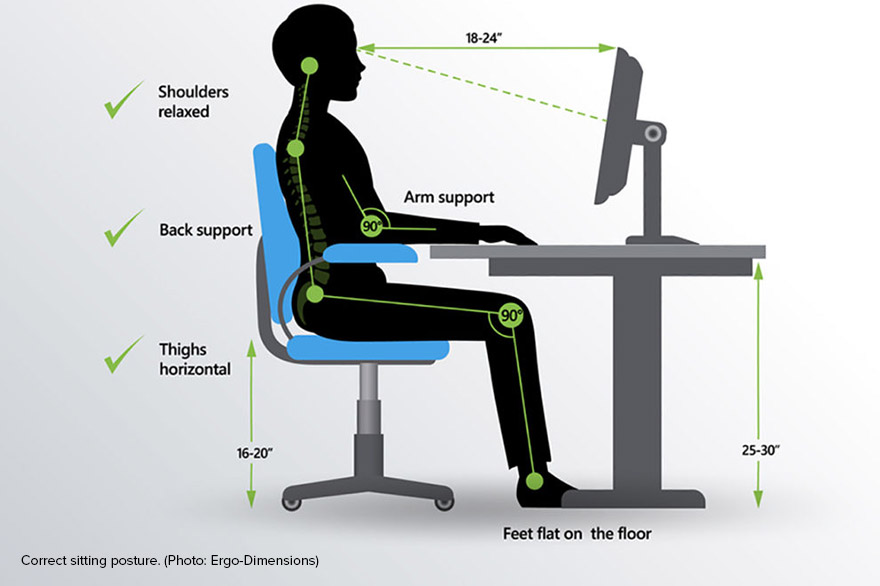
  • Place the computer monitor at eye level in order to avoid tilting your head or leaning forward.
  • Position frequently used items within your arm’s reach to avoid moving or stretching your hand.
  • Adjust the brightness of the monitor in which your eyes feel comfortable and non-straining.
  • Adjust the height of your chair and desk

2. Choose the right office chair

  • Adjustable height: Choose a desk chair with a height adjustment so that your elbows are at a comfortable angle with your desk.
  • Adjustable backrest: When sitting with your back against the backrest and your calves against the front of the chair, there should be 2 to 4 inches between your calves and the front of the chair if your desk chair has an appropriate seat depth. Choose an office chair with the appropriate seat depth or a backrest that can be adjusted.
  • Adjustable armrests
  • Comfortable material

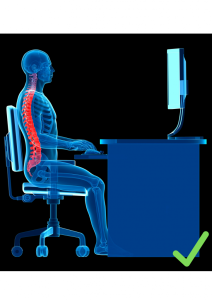
3. Practise good posture

  • Maintain a straight line between your shoulders and your head.
  • Keep your back against the chair’s backrest.
  • Maintain a square relationship with your computer screen by keeping your shoulders back.
  • By bringing your chair closer to your desk, you can keep your upper arms parallel to your spine.
  • Do not cross your legs and keep your feet flat on the ground.
  • Maintain a 90-degree angle with your knees and, if necessary, a footrest.

4. Take frequent short breaks

Take breaks between work to stretch your body and relax, continuous work makes the body stiff and result in back pain. So this point is very essential.

5. Choose comfortable shoes

 For work, always choose flat and comfortable footwears. High-heeled footwears negatively affect the spine and the body, also back pain arises by wearing these for a long time. Flats help in back comfort.

Summary –

Tips to prevent these office related problems

Tips to prevent these office related problems:

  1. Eye posItion-during working in front of monitor or laptop our eye level should be at the level of the monitor or slightly above the monitor.
  2. neck and shoulder should be relaxed.
  3. Elbow and shoulder should be  flexed at 70 -90 degrees at least
  4. wrist should be pronated and not flexed
  5. Our back should be supported by small pad or pillow
  6. thigh should be parallel to the ground
  7. foot should be resting flat and supported by small stool
  8. long static posture is not advisable- if you are  sitting or standing— you have to change the position-you have to get up and walk around and take micro breaks for a minute or two. At the same time you can focus your eye on distant object ,which will reduce your eye strain and prevent dryness in eyes.
  9. using adjustable rotating  chair is helpful instead of static chair.
  10. other small things like reduce the brightness /contrast  of the screen, increase in the font size and avoiding direct light source in from the the working area is avoided.

By following these steps we can work comfortably long hours and reduces the pressure over the spine and help our spine.

Find back pain relief with NeuroWellness brain and spine care

Back pain at work can range from a dull ache to severe chronic pain that interferes with daily activities. Even minor back pain can have a significant impact on your ability to focus and work in a comfortable manner. Because we recognise that pain is a complicated symptom, the specialists at Neurowellness care centre will create a pain management plan specifically for you and your back pain. The NeuroWellness care specialists provide a wide range of pain treatment options, such as therapies, medications, injections, and surgeries. Our doctors can draw on a variety of disciplines to provide you with the best back pain treatment in Bangalore and prevention options.

Overview:

If you’ve had back pain for a long time, you might be wondering if spine surgery is your only option for relief. Surgery is sometimes actually the only option. There is, however, some good news. Non-surgical treatments, also known as non-surgical conservative therapies, can treat the vast majority of back problems.

Ageing, poor body mechanics, trauma and structural abnormalities can all cause damage to your spine, resulting in back pain as well as other symptoms like leg pain, numbness and leg weakness. Chronic back pain is a condition that is usually diagnosed and treated by a team of medical professionals especially in Neuro Wellness services centre is your best choice for  treatment of  brain and spine related problems. Consider seeking the advice of several spine specialists before deciding on surgery.

This time and effort invested in gathering information will enable you to make an informed treatment decision that will best support your lifestyle and desired level of physical activity.

Type of Spine SurgeryWhen It’s DoneRecovery TimeKey Benefit
DiscectomyHerniated disc removal2–4 weeksPain relief, mobility restored
LaminectomySpinal stenosis3–6 weeksNerve pressure relief
Spinal FusionInstability, fractures6–12 weeksStronger, stable spine
MISS (Minimally Invasive)Disc prolapse, stenosis2–3 weeksLess pain, faster recovery

What about non-surgical, conservative treatment?

Before considering surgery for any non-emergency spinal injury, a trial of non-operative treatment, such as physical therapy, pain medication, preferably an anti-inflammatory or bracing should be conducted. The duration of a conservative treatment trial varies, but it usually lasts six weeks to six months.

If non-surgical treatments such as medications and physical therapy fail to relieve symptoms, spine surgery may be recommended. Surgery is considered only in cases where the exact source of pain can be identified, such as herniated disc, spinal stenosis, spinal Listhesis and spinal tumour.

How can you tell if you need spine surgery?

When someone has symptoms in their extremities, they are recommended to see their primary care physician first. If a person has low back or neck pain, they should be monitored over time and encourage them to keep up with good, consistent physical activity to see if the problem goes away. If physical activity isn’t working, try an over-the-counter remedy.

Many patients with spinal issues can be treated without surgery. Prior to considering surgery, physical therapy, home exercises, medication and in some cases, spinal  epidural injections are often recommended. If the problem still persists, surgery may be a viable option.

For example, if a patient’s neurogenic pain in the extremities is severe and non-surgical treatment has failed, surgical intervention is the best option. If non-surgical treatment fails to relieve symptoms related to spinal cord or nerve root compression, such as significant weakness in an arm, leg or limb, surgery is recommended.

Spine Surgery – imaging:

X rays- will give information about the bone quality, decided dic space, slip vertebra, ,scoliosis

MRI – will show disc prolapse, spinal stenosis, spinal tumours and adjacent  structures, foraminal narrowing etc . With this surgeon can assess the requirement of surgery.

CT SCAN- clearly show bone density, soft tissue relations

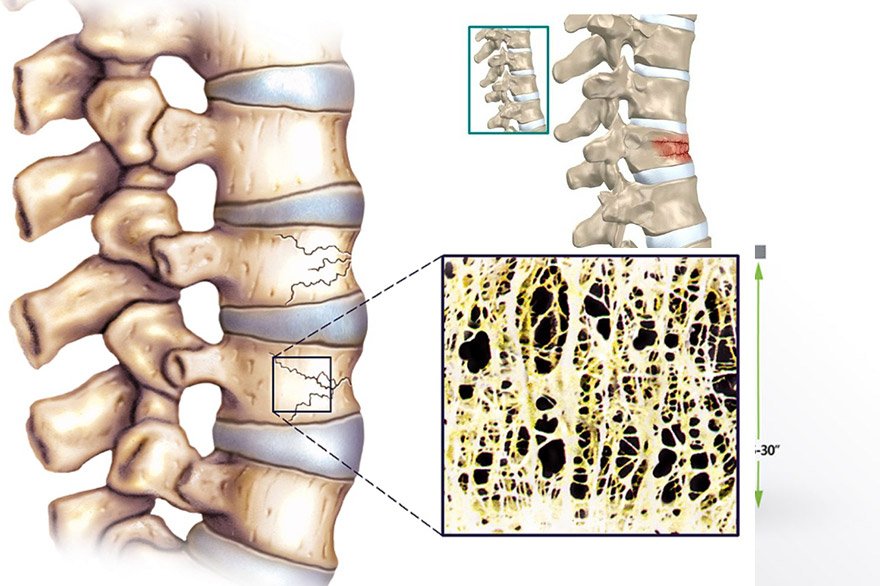
DEXA SCAN shows degree of osteoporosis – so surgeon can do spine surgery if needed and start the treatment for osteoporosis simultaneously.

What should you look for in good spine surgeons in Bangalore?

A good surgeon is committed to providing excellent patient care and outcomes and is willing to learn new approaches and techniques while honing existing ones. Spine surgeons in Bangalore should also be a good communicator who is willing to spend time explaining about the exact anatomical problem in patients words  and  why they are performing surgery and the treatment options available.

The following conditions are fulfilled by the specialised doctors of NeuroWellness care center. They provide the best treatment and make the patient feel comfortable with full care and compassion.

Surgical approaches:

 The spine can be accessed from a variety of angles, whether through open surgery or MISS. These are known as surgical approaches and they are described below:

• Anterior approach- as the name says, the surgeon approaches the spine from the front of your body, neck and through the abdomen.
• Posterior approach- an incision is made in your back for posterior approach most commonly.
Lateral approach- the pathway to your spine runs through the side.

Implants used in spine surgery

Titanium – MRI compatible

PEEK-MRI compatible

Steel – now a days hardly any surgeon uses

Types of spine surgery:

• Microdiscetomy- advised for disc prolapse. It is the most common spine surgery done.
• Laminectomy, foraminotomy and decompression
TLIF(trans foraminal lumbar interbody fusion)

• ACDF (anterior cervical microdiscetomy and fusion)
• Vertebroplasty and kyphoplasty

• PLIF- posterior lumbar interbody fusion
• Artificial disk replacement

Spine surgery- what is learnt!

• From  past 2 decades due to advances in medical science- the complications are very minimal.
• Neuromicroscope- provides magnifications of small nerve structures, good illuminations of structures so surgeon can see clearly what is being operated.
Microinstruments- for fine dissection.
Highspeed drills.
Neuro-navigation
with  all these the neurological deficits are VERY RARE- like CSF leak, nerve root injury , cord injury and motor weakness infections, Implant failure.

Summary:

Commonly most spine problems are managed by conservative approach and medical treatment.  Spine surgery is when medical treatment fails to benefit. Spine surgery is advancing, it is becoming much safer in recent years due state of art and excellent outcome after spine surgery from past decade.

NeuroWellness spine and brain care center is one of the best for spine treatment , the specialised doctors and staff treat their patients with care and compassion.

Neuro wellness is also a high-ranking portal dedicated to raising public awareness about the importance of preventing, diagnosing and treating various neurological and endovascular conditions. It is one of the best neuro hospital in Bangalore.

Advanced Spine Surgery in Bangalore

“From minimally invasive spine procedures to complex spinal fusions, Neurowellness Brain & Spine Clinic provides expert diagnosis and treatment.”

FAQs

1. What are the common types of spine surgery?

Common procedures include discectomy, laminectomy, spinal fusion, and minimally invasive spine surgery (MISS).

2. Is spine surgery safe?

Yes. When performed by experienced neurosurgeons, spine surgery is safe and effective with high success rates.

3. How long does recovery take after spine surgery?

Recovery ranges from 2 weeks (MISS) to 3 months (fusion), depending on the procedure and patient health.

4. Who needs spine surgery?

Patients with severe disc prolapse, spinal stenosis, fractures, or chronic pain not improving with conservative care.

5. Where can I get advanced spine surgery in Bangalore?

Neurowellness Brain & Spine Clinic offers expert surgical and non-surgical spine care.

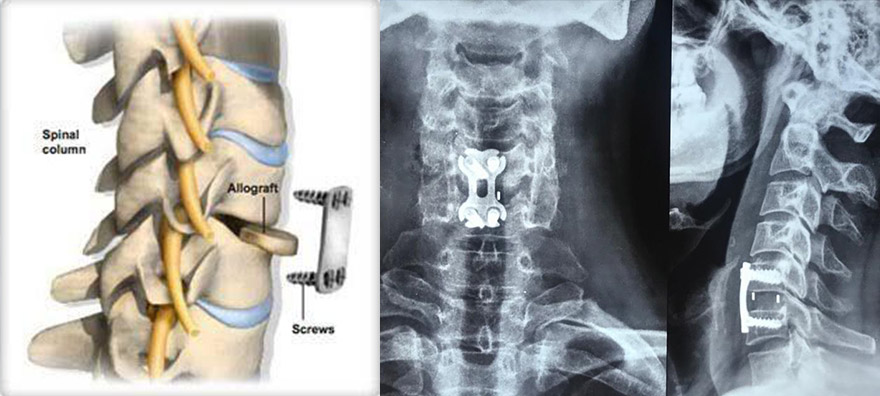
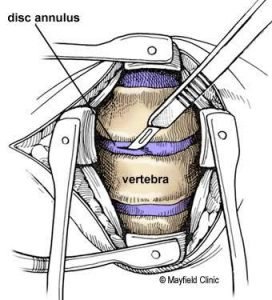
• Anterior cervical microdiscectomy and fusion.
• It is done for most commonly done for cervical disc prolapse.
Most common is C5C6 & C6C7.
Then C4C5 can occur at a higher level also
There may be compression of the nerve root, spinal cord causing severe neck pain, upper limbs pain and weakness in limbs and difficulty in walking
Done under general anesthesia
A small opening is made in the neck

Courtesy Mayfield ClinicCourtesy Mayfield Clinic


• Neck structure is pushed, instead of cutting and corridor is made to reach the cervical spine
• The carotid artery will be lateral, trachea & esophagus will be medically
Under fluoroscopy guidance involved disc is identified/localized
With the microscope help microdiscectomy done
Nerve roots & spinal cord is released
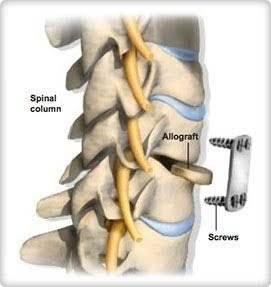
Intervertebral space is replaced with artificial cages / PEEK / titanium / bone grafts.
Fixation is done with plate & screws.
After fixation, it is confirmed with fluoroscopy (plate, case, screws are perfect or not)
The closure is done.

Read more: know about disc prolapse at neck cervical pivd

Treatment OptionWhat It InvolvesBenefitsRecovery Time
ACDF SurgeryRemoves damaged cervical disc + fusionRelieves pain, stabilizes spine4–6 weeks
MISS (Minimally Invasive)Smaller incision, less tissue damageLess pain, quicker discharge2–3 weeks
Non-Surgical CarePhysiotherapy, medications, posture careNo surgery risk, gradual reliefVaries

ACDF Spine Surgery in Bangalore

“ACDF surgery helps relieve cervical pain and stabilize the neck with proven long-term results. Neurowellness Brain & Spine Clinic offers advanced ACDF care.”

Ganesh

Dr. Ganesh Veerabhadraiah

Consultant – Neurosurgeon, Neurointerventional Surgery, Spine Surgeon (Neuro)
23+ Years Experience Overall (17+ years as Neuro Specialist)

Available for Consultation: Jayanagar 9th Block & Kauvery Hospital, Electronic City 

FAQs

1. What is ACDF surgery?

ACDF (Anterior Cervical Discectomy & Fusion) is a spine surgery to remove a damaged cervical disc and stabilize the neck with a bone graft.

2. Who needs ACDF surgery?

Patients with cervical disc prolapse, nerve compression, or chronic neck pain that does not improve with conservative treatment.

3. Is ACDF surgery safe?

Yes. It’s a common and safe spine surgery with high success rates when performed by experienced spine surgeons.

4. How long does recovery take after ACDF?

Most patients recover in 4–6 weeks, with full neck mobility returning over a few months.

5. Where can I get ACDF surgery in Bangalore?

Neurowellness Brain & Spine Clinic offers advanced ACDF procedures with expert spine surgeons.

Ganesh

About Author

Dr. Ganesh Veerabhadraiah

Dr. Ganesh Veerabhadraiah, leading neurosurgeon and neurologist in Bangalore, has over 20 years of expertise in managing back pain, migraines, headaches, neuro disorders, and spine problems. His clinical excellence and patient-first approach make him one of the most trusted neuro doctors in Bangalore.

At Neurowellness Brain & Spine Clinic in Jayanagar and Kavery Hospital Electronic City, Dr. Ganesh provides comprehensive treatments ranging from minimally invasive spine surgery to advanced neurological care. As a respected back pain specialist and migraine doctor, he continues to deliver reliable outcomes for patients.

👉 Connect with Dr. Ganesh on LinkedIn