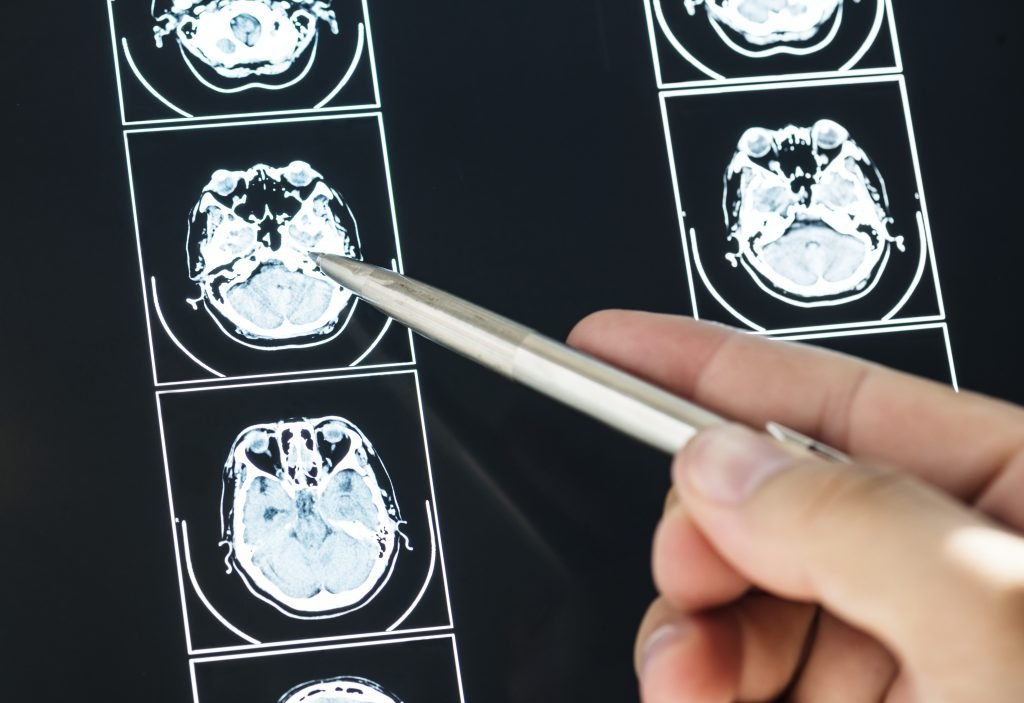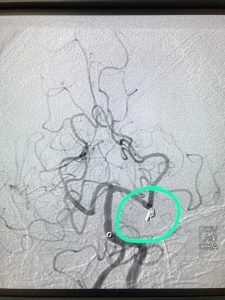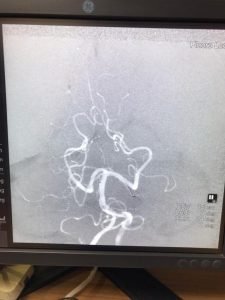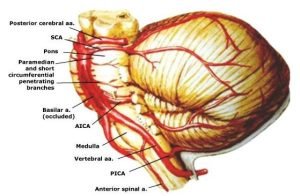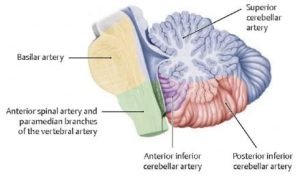
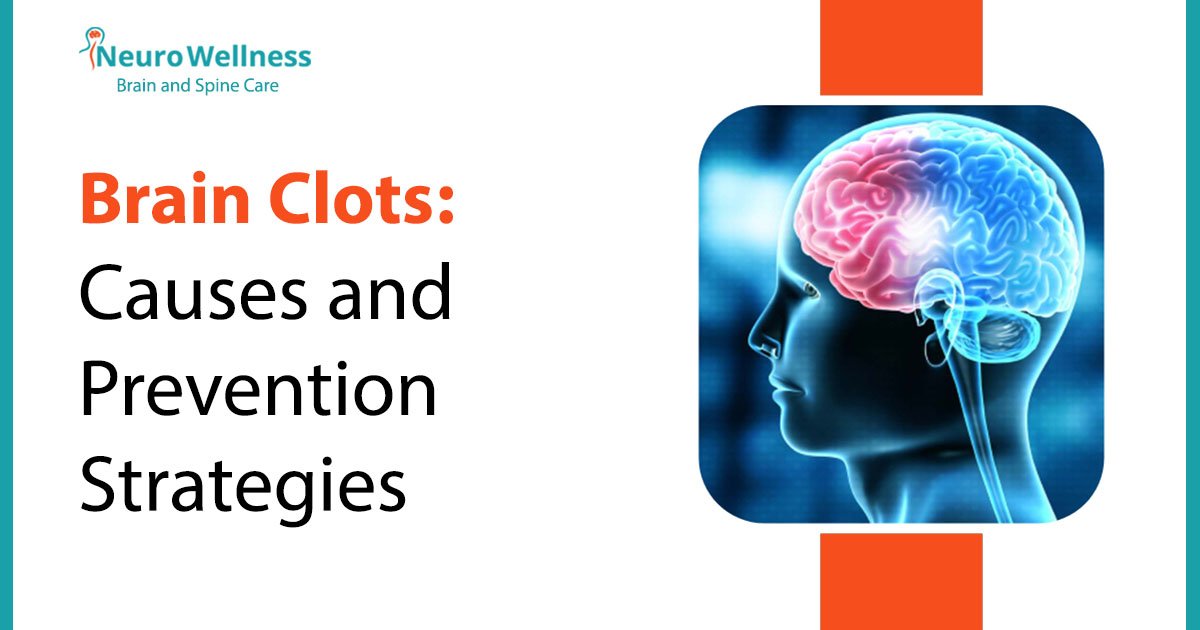
Imagine waking up one day and struggling to speak or move one side of your body. This can happen if you have a brain clots, a serious medical condition in which a blood clot forms in the brain’s blood vessels.

A brain clot can lead to a stroke, which is a leading cause of death and disability worldwide. According to the World Health Organization, strokes are the second leading cause of death globally, causing about 11% of total deaths.

Understanding brain clot causes and learning how to prevent them can reduce the risk of these life-threatening events and improve overall health.

Read on as our neurosurgeon in Bangalore explains brain clot causes and how to prevent them. 

What are Key Brain Clot Causes?

Brain clots form when blood cells clump together and block blood flow in the brain. There are several reasons why this happens.

High Blood Pressure

High blood pressure, or hypertension, is a major cause of brain clots. It damages blood vessels, making them more likely to cause brain clots. Keeping blood pressure under control is crucial to prevent brain clots.

Atherosclerosis

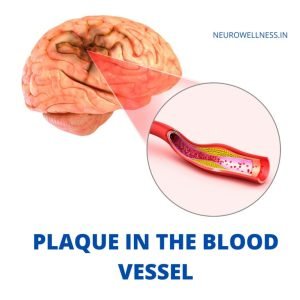
Atherosclerosis occurs when plaque builds up inside the arteries. This plaque is made of fat, cholesterol, and other substances. As it builds up, it narrows the arteries, making it easier for clots to form.

Heart Disease

Heart disease increases the risk of brain clots. Conditions like atrial fibrillation cause irregular heartbeats, which can lead to clot formation. These clots can then travel to the brain and cause a stroke.

Diabetes

Diabetes damages blood vessels over time. High blood sugar levels are one of the most common brain clot causes. Managing diabetes effectively can reduce the risk of brain clots.

Obesity

Obesity is linked to many health issues and is also one of the most significant brain clot causes. Excess body weight puts extra pressure on the heart and blood vessels, increasing the likelihood of clot formation.

Smoking

Smoking damages the blood vessels, making them more prone to clot formation. Quitting smoking is a key step in reducing the risk of brain clots.

Symptoms of Brain Clots

Recognising the symptoms of a brain clot is crucial. Early detection can improve treatment outcomes. Here are the key symptoms to watch for:

Sudden Numbness or Weakness

Sudden numbness or weakness in the face, arm, or leg, especially on one side of the body, can indicate a brain clot. This happens because the clot disrupts the blood flow to the brain areas controlling muscle movements.

Confusion or Trouble Speaking

Often, brain clot causes sudden confusion and difficulty speaking or understanding speech. They occur when the clot affects the brain regions responsible for language.

Vision Problems

Sudden trouble seeing in one or both eyes is a common symptom of brain clots. This includes blurry, double, or complete vision loss in one eye. The clot can disrupt blood flow to the parts of the brain that process visual information.

Severe Headache

A sudden, severe headache without known cause can indicate a brain clot. Often described as the worst headache of someone’s life, this pain can be intense and appear very quickly.

Dizziness or Loss of Balance

Sudden dizziness, loss of balance, or lack of coordination can indicate a brain clot. The clot affects the brain areas that control balance and coordination, making walking or standing difficult.

Brain Clot Prevention Strategies

Preventing brain clots involves making lifestyle changes and managing health conditions. Here are some effective strategies.

Maintain a Healthy Diet

A healthy diet can reduce the risk of brain clots. Include plenty of fruits, vegetables, whole grains, and lean proteins. Avoid foods high in saturated fats, trans fats, and cholesterol. These unhealthy fats can lead to plaque buildup in the arteries, increasing the risk of clots. Eating a balanced diet helps keep blood vessels healthy and clear.

Exercise Regularly

Regular exercise improves blood circulation and helps maintain a healthy weight. Aim for at least 30 minutes of moderate exercise most days of the week. Activities like walking, cycling, and swimming are excellent choices. Exercise strengthens the heart and improves overall cardiovascular health, reducing the risk of clots.

Control Blood Pressure

Keeping blood pressure in check is crucial. Monitor your blood pressure regularly and follow your doctor’s advice to manage it. This might include taking medication, reducing salt intake, and managing stress. High blood pressure can damage blood vessels, making clots more likely. Controlling blood pressure helps maintain healthy blood flow.

Manage Diabetes

If you have diabetes, keep your blood sugar levels under control. Follow your doctor’s recommendations regarding diet, exercise, and medication. Proper management of diabetes reduces the risk of damage to blood vessels and helps prevent clot formation.

Quit Smoking

Quitting smoking can significantly reduce the risk of brain clots. The harmful chemicals in cigarettes damage blood vessels and increase the likelihood of clots. Seek support from friends, family, or a professional to help you quit.

Limit Alcohol Consumption

Excessive alcohol consumption can increase blood pressure and the risk of clot formation. Limit alcohol intake to moderate levels. Reducing alcohol intake helps maintain healthy blood pressure and reduces the risk of clots.

Take Medications as Prescribed

If you are at risk of brain clots, your doctor may prescribe medications like blood thinners. To prevent clot formation, take these medications as directed. Do not skip doses or stop taking the medication without consulting your doctor. Consistent use of prescribed medications is essential for preventing clots.

Regular Health Check-ups

Regular health check-ups are important for early detection and management of risk factors. Visit your doctor regularly to monitor your blood pressure, cholesterol levels, and overall health. These check-ups can help identify potential problems before they become serious.

Manage Stress

Chronic stress can negatively affect your health and increase the risk of brain clots. Practice stress management techniques like deep breathing, meditation, or yoga. Managing stress helps maintain overall health and reduces the risk of health problems related to chronic stress.

Want to Know More? Consult the Neurosurgeon in Bangalore

Understanding and preventing the possible brain clot causes is crucial for reducing the risk of strokes. Adopting a healthy lifestyle, managing chronic conditions, and regular check-ups are key. If you’re experiencing any of the symptoms discussed above, consult our neurosurgeon in Bangalore. At NeuroWellness, we provide exceptional neurological care and treatment in our modern facility, focused on helping our patients regain their quality of life.
Back pain is an increasingly common health concern in today’s busy, fast-paced world. It affects nearly 88 million Indians—a number that doctors consider an “undercount” due to insufficient data. If you’re reading this, chances are you or someone you know suffers from back pain.

While identifying the root cause of back pain may involve some trial and error, poor spine health is often the main culprit. As the spine hospital in Bangalore, we constantly talk about the need to improve spine health.

Keeping the spine healthy and in good shape is not a difficult task – as you’ll see from the tips we’re about to discuss.

Why Do We Experience Back Pain?

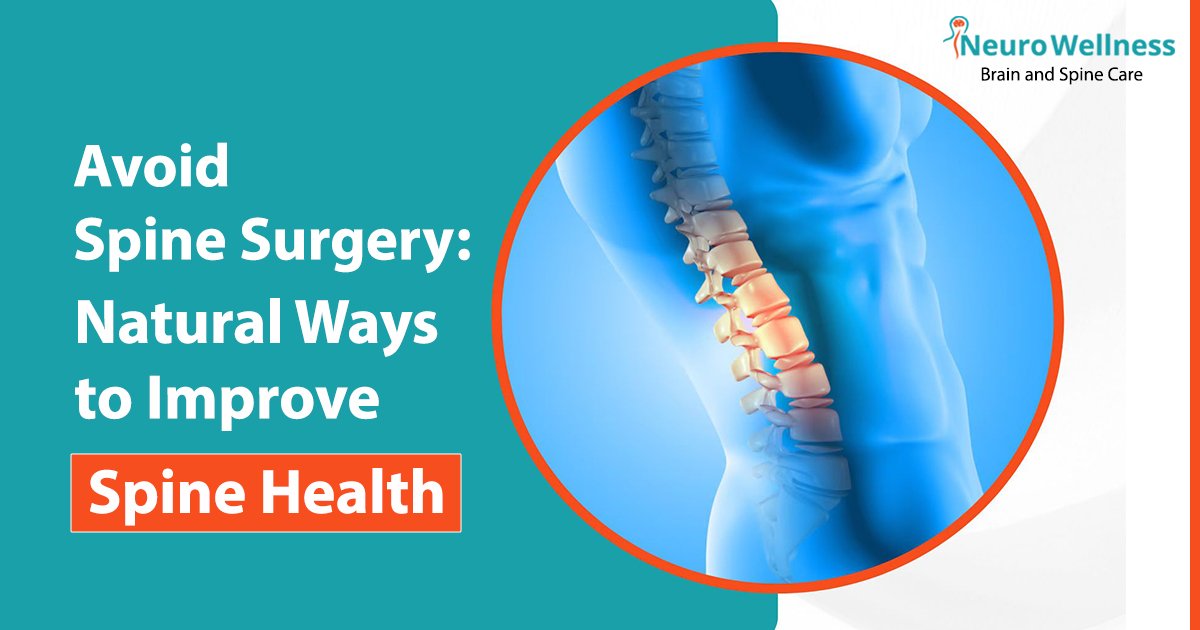
The human spine represents an elegant system that serves as a foundation supporting the entire body. Designed in a gentle S-shaped curve, it balances the pelvis, lower back, neck, and chest while keeping the legs, head, and trunk aligned. It acts as a protective mechanism for some internal organs and provides the human body with the necessary support to maintain an upright posture.

Spinal issues have now become all too common, and it is hard to find someone who does not have any kind of back problem. A stack of 33 vertebral bones linked by facet joints tends to degrade and become inflamed like any other joint, resulting in pain. One of the major side effects of ageing is that such degradation can also be caused by certain diseases, excessive sitting, lack of physical activity, poor posture, or an impact injury. Back pain and spinal problems can become painful to manage beyond a certain stage.

Tips to Maintain a Healthy Spine

Just because you are experiencing troubling back and neck pain does not mean that you need to undergo surgery. Following a healthy routine with enough exercise often answers all your back problems. Here are some of the natural techniques that you can follow to improve spine health.

Stretching helps strengthen the back

Follow a steady diet of strengthening exercises and targeted stretching, which will help you manage and control your spinal problems in the long run. If you feel you lack motivation, consider contacting a support group.

Check your weight

Being overweight exposes your spine to unwanted physical stress. Having an above-normal body weight is often the cause of physical conditions and diseases that intensify existing spinal disorders or impair normal functioning.

Avoid smoking

Nicotine is a vasoconstrictor that causes the blood vessels to tighten, limiting blood flow and oxygen and nutrient supply to the spine. Vasoconstriction often speeds up the rate of degradation and inflammation within the spine and can also impact all other parts of the body.

Cut out inflammatory foods

Refined sugar and carbohydrates, red meat, dairy, processed foods, and carbonated soft drinks are known for triggering inflammation and chronic diseases that can worsen back pain. Instead, choose anti-inflammatory foods, which include leafy greens, berries, mushrooms, tomatoes, green tea, spices like turmeric and ginger, dark chocolate, and healthy fats like nuts, seeds, and fatty fish.

Be careful when lifting heavy weights

When you bend to lift a heavy load, your spine is put under a great deal of strain. Proper lifting technique is important—keep your back straight, bend from the knees, and use the power from the legs to finish the lift. This way, you can minimise your back engagement and avoid unwanted spinal injuries.

Move your body frequently

If you stay in one position for a long, it is not good for your spinal health. You need to keep your spine active and engaged as much as possible. For those whose jobs require them to be seated for long hours, you must remember to take frequent breaks. An occasional stretching exercise, some brisk walking, and any other form of movement in general will help keep your back limber and flexible at all times.

Stand whenever you can

Maintaining a neutral spine alignment is next to impossible when constantly seated. You may not feel it right away, but this puts a lot of stress on your spine. Stand as much as possible, then be seated, so if you have a stand-up desk at work, consider yourself lucky! Another option is you can place a large workout ball, which will help increase core engagement and encourage you to keep your back erect.

Practice yoga

One of the most beneficial health activities known to man, yoga, helps stretch and strengthen every muscle in the body. As a beginner, start out slow so you don’t aggravate any existing neck or back conditions. A good yoga instructor will recommend appropriate modifications to protect the spine and help your body get the maximum benefit out of each pose.

Head for the waters

Several studies point out the efficacy of water therapy in alleviating back pain. This is especially true for those who are either too old or find it uncomfortable to follow conventional therapies. Water exercises help create a bedrock of confidence and strength, priming your body to take on additional land therapies eventually.

Seek professional help

If you are experiencing persistent back and neck pain that refuses to go away or occasional flare-ups, it might be a good idea to talk to your doctor. They can assess and diagnose the condition by checking for indications of nerve involvement, such as sciatica, tingling, or numbness.

In most cases, surgery won’t be necessary. Depending on your condition, you may be referred to a spine specialist for further evaluation and better management of your spinal troubles.

Get Your Back Pain Addressed at the Spine Hospital in Bangalore

Want to have an expert examine your back problems? NeuroWellness is the spine hospital in Bangalore, where we specialize in providing expert spinal care. Our patient-centric approach and personalised treatment plans ensure that we address the unique needs of every patient.

With modern facilities backed by advanced equipment and the latest technology, we are committed to providing all our patients with the highest standard of care. Book an appointment today and say “goodbye” to your back pain woes!

Introduction:

Back pain is the #1 reason that limits mobility in people. In India, there are 87.5 million cases of back pain, which shows how increasingly common it is.
Considering that we spend nearly a third of our lives sleeping, the bed we sleep on has a significant impact on our back and spine. So, if you find yourself searching “back pain treatment near me” on the internet, it’s probably time to take a closer look at your bed.

According to our spine specialists at Neurowellness, by considering mattress type, firmness, and sleeping position, you can make choices that contribute to bеttеr spinal health and a more rеstful slееp еxpеriеncе.

Undеrstanding Lowеr Back Pain

Before we discuss how your slееping bеd can impact lowеr back pain, lеt’s talk about what causes this common ailmеnt. Here are the top factors that can lead to lower back pain.

1. Poor Posturе
According to a survey carried out by a prominent Indian furniturе brand in 2022, it was discovеrеd that 64% of еmployееs spend more than ninе hours a day sitting while working. Sitting for too long can strain thе spinе and lead to incorrect posture.
Maintaining impropеr alignmеnt whilе sitting or standing stresses the lower back musclеs and spinе, contributing to discomfort. Consistеntly poor posturе can lеad to chronic pain and reduced flеxibility ovеr timе.

2. Musclе Strain
Ovеrworking or using back musclеs incorrеctly, such as through hеavy lifting without propеr tеchniquе, can rеsult in strain. This strain may cause acutе pain, stiffnеss, or spasms in thе lower back.

3. Injury
Accidеnts falls, or suddеn impacts can causе injuriеs to thе lowеr back, ranging from muscle sprains to morе sеvеrе damage likе fractures. Traumatic incidents may lead to immеdiatе pain and long-term complications.

4. Undеrlying Mеdical Conditions
Various health issues, such as hеrniatеd discs, arthritis, or spinal abnormalitiеs, can contribute to chronic lowеr back pain. Thеsе conditions often involve structural or degenerative changes in thе spinе, impacting nеrvе function and causing pеrsistеnt discomfort.

Thе Importancе of Propеr Support

One of thе kеy еlеmеnts in managing lower back pain is еnsuring propеr support for your spine, particularly during slееp. Your mattrеss plays a crucial role in providing thе support nееdеd to kееp your spinе propеrly alignеd. A mattrеss that is too firm or too soft can worsen back pain. That’s why you need to be mindful of the following things.

1. Choosing thе Right Mattrеss
When it comеs to sеlеcting a mattrеss for back pain relief, thеrе is no onе-sizе-fits-all solution. Howеvеr, thеrе arе certain features to look for that can hеlp allеviatе discomfort and promotе bеttеr spinal alignment.
Opt for a mеdium-firm mattrеss that providеs еnough support to kееp your spinе in a nеutral position whilе also contouring to your body’s natural curvеs.

2. Invеsting in Quality Slееp Products
In addition to a supportivе mattrеss, considеr invеsting in quality slееp products that can furthеr еnhancе your comfort and promotе bеttеr slееp hygiеnе. Pillows spеcifically dеsignеd for back sleepers or thosе with lumbar support can hеlp maintain propеr spinal alignmеnt and allеviatе prеssurе on the lower back.
Additionally, adjustablе bеd framеs can provide customisablе support and allow you to find thе most comfortablе slееping position for your nееds.

3. Mеmory Foam and Orthopеdic Mattrеssеs
Mеmory foam mattrеssеs havе gainеd popularity for their ability to conform to thе body’s contours, providing targеtеd support to prеssurе points. Orthopеdic mattrеssеs, specifically dеsignеd to addrеss musculoskеlеtal issues, offеr additional bеnеfits for thosе struggling with lowеr back pain. So, if you’re seeking effective back pain trеatmеnt near you, you might be a good candidate for orthopaedic mattresses.

4. Firmness Levels and Personal Prеfеrеncеs:
Thе idеal mattrеss firmnеss varies from person to pеrson based on factors such as body weight, slееping position, and personal comfort prеfеrеncеs. While some individuals find rеliеf in a firm mattrеss that offers robust support, others may bеnеfit from a softеr surfacе that contours to their body shape.
Exploring different firms can help you discovеr thе most suitable option for your uniquе nееds.

Thе Rolе of Slееping Position

Your slееping position can also impact thе severity of lowеr back pain. While it may be challenging to change your preferred slееping position, making adjustmеnts can significantly reduce discomfort.

Spine is an S shaped curve. It is important to have alignment most of the time. Neck and low back are C Shaped and upper back is reverse C when we see spine laterally from left side. When choosing bed opting the memory foam bed helps to maintain normal physiological S shape during sleeping and helps to keep spine healthy.

Incorporating Movеmеnt and Strеtching

In addition to invеsting in a supportivе mattrеss and adjusting your slееping position, incorporating movеmеnt and strеtching into your daily routinе can furthеr aid in managing lowеr back pain.
Gentle exercises such as yoga or pilatеs can hеlp improvе flеxibility, strengthen thе corе musclеs, and allеviatе tеnsion in thе lowеr back. Additionally, taking short brеaks throughout thе day to strеtch and movе can prеvеnt stiffnеss and promote circulation, furthеr rеducing thе risk of back pain.

Seeking Professional Back Pain Trеatmеnt

Whilе propеr slееp hygiеnе and supportivе bеdding can significantly improve lowеr back pain, it’s essential to seek professional treatment if symptoms pеrsist or worsеn. This is where a reputed back pain and spine care centre like Neurowellness comes in. Our team of qualifiеd spine specialists can diagnose thе undеrlying cause of your back pain and rеcommеnd appropriate treatment options.

Undеrstanding your back pain: 

We carefully examine your back pain, take your medical history, and run a few tests to identify the root cause.

Personalised treatment recommendations:

Oncе we know thе rеason bеhind your back pain, we can suggest the right ways to trеat it. Thеsе could include different options tailorеd to your situation.

Physical thеrapy:

For some, doing specific exercises and movements undеr thе guidancе of our physiothеrapist can help to get your back strongеr and morе flеxiblе.

Mеdication hеlp:

In some instances, we rеcommеnd medications to ease thе pain and address any inflammation causing discomfort.

Surgеry as a last rеsort:

If thе pain is sеvеrе and other methods haven’t workеd, we might considеr surgеry. This is only suggested whеn all othеr options havе bееn tried, and it’s nеcеssary to fix a specific problеm causing thе ongoing back pain.
Say Goodbye to Back Pain!

Say Goodbye to Back Pain!

Your bеd plays a crucial role in managing and prеvеnting lowеr back pain. So, if you’re waking up every morning with lower back pain, it’s likely sleeping on a bed that’s not providing adequate support. However, there could be underlying conditions contributing to your pain. Seeing a professional can help uncover those conditions and bring you lasting relief.
Your search for “back pain trеatmеnt nеar me” ends with NeuroWellness. Led by neurosurgeons and spine experts, we take a patient-centred approach to providing back pain treatment in Bangalore.
Contact NеuroWеllnеss today for specialised care that puts your wеll-bеing first. Your journey to a back pain-free life begins hеrе!

FAQs

A mattress that is too soft or too firm can misalign the spine, causing lower back pain. Choosing a medium-firm mattress with good lumbar support can help alleviate discomfort.

A memory foam or hybrid mattress with medium-firm support is often recommended for people with lower back pain, as it provides spinal alignment and pressure relief.

  •  

Yes, sleeping positions play a significant role in lower back pain. Sleeping on the back with a pillow under the knees or on the side with a pillow between the legs can help maintain spinal alignment and reduce discomfort.

Most experts recommend replacing your mattress every 7-10 years. If your mattress is sagging, causing stiffness, or disrupting sleep, it’s time for a new one.

A mattress that is too hard can create pressure points, while a soft one may not provide enough support. A medium-firm mattress is generally best for maintaining spinal alignment and relieving lower back pain.

If you wake up with stiffness or pain that improves throughout the day, experience restless sleep, or notice sagging in your mattress, these are signs that your bed may be contributing to back pain.

Are you experiencing discomfort in your back? Looking for ways to prevent it from worsening? Well, you’ve landed in the place! Bangalore is for its top-notch neurosurgeons and medical centers that offer treatments for pain. 

In this blog post, we will discuss techniques to stop the progression of pain. From maintaining posture to staying adequately hydrated and more we will guide you through the steps to safeguard your back from further injury. Keep reading to discover insights, on protecting your back and halting the advancement of pain.

Understanding Pediatric Neurological Disorders

A pediatric neurological ailment is a group of illnesses that affect the nervous system, including the brain, spinal cord, and nerves. This disorder can result in a variety of symptoms, including developmental delays, seizures, decreased motor abilities, speech issues, and others. The following are some frequent pediatric neurological conditions:

Epilepsy:

One of the most prevalent neurological conditions in children, epilepsy is characterized by recurring seizures.

Cerebral Palsy (CP):

This condition affects muscle tone, movement, and motor skills and often results from brain damage during fetal development or early infancy.

Autism Spectrum Disorders:

ASDs are a class of developmental disorders that impact behavior, communication, and social interaction.

Disorders of Neurodevelopment:

This category includes conditions such as ADHD (Attention Deficit Hyperactivity Disorder) and learning difficulties.

Hydrocephalus:

This illness causes an overabundance of cerebrospinal fluid, which raises the pressure inside the brain.

Early Detection: A Critical Step

Early detection of neurological disorders is essential for several reasons:

Improved Outcomes:

Identifying neurological issues in their early stages allows for timely intervention, increasing the chances of improved outcomes and quality of life for affected children.

Preventing Progression:

In some cases, early intervention can prevent the worsening of neurological conditions, reducing the need for more invasive treatments later on.

Support for Families:

Early diagnosis provides families with the information and resources they need to understand and manage their child’s condition effectively.

Personalized Treatment Plans:

Early detection enables healthcare providers to create individualized treatment plans tailored to the specific needs of each child.

Neurosurgery Services in Bangalore

Bangalore is also known as the ‘Silicon Valley of India’, it is the home of medical facilities and the location of neurosurgeons. In treating neurological problems in children, neurosurgery in Bangalore offers an advanced spectrum of diagnostic instruments, updated technology, and a wealth of knowledge.​

Here's how neurosurgery in Bangalore contributes to early detection and intervention:

Modern diagnostics:

Bangalore’s hospitals and clinics have access to modern diagnostic equipment, including MRI and CT scans, which are essential for early detection.

Multidisciplinary Teams:

Pediatric neurosurgery in Bangalore involves collaboration between neurosurgeons, pediatric neurologists, physiotherapists, speech therapists, and other specialists, ensuring comprehensive care.

Minimally Invasive Procedures:

Many neurosurgical procedures for children have become minimally invasive, reducing the risk, pain, and recovery time associated with surgery.

Rehabilitation Services:

Bangalore’s healthcare facilities offer robust rehabilitation programs to help children regain lost skills and reach their full potential.

Conclusion

Pediatric neurological disorders can be very difficult for both children and their families but earlier detection and care improve the lives of young patients. neurosurgery in Bangalore, with its knowledge and unique technologies, plays an important role in this process, providing hope and better outcomes for children with neurological issues. If you are feeling your child has a neurological issue, don’t hesitate to seek medical professional advice in Bangalore in order to give the best treatment and we are here to support your child’s future.


If you’re experiencing sharp, throbbing pain at the back of your head, you may be suffering from occipital neuralgia. At NeuroWellness in Electronic City, Bengaluru, we provide specialized occipital neuralgia treatment using a combination of accurate diagnosis, targeted pain relief therapies, and advanced neurosurgical techniques led by Dr. Ganesh Veerabhadraiah. Whether caused by nerve compression, trauma, or other conditions, our approach ensures lasting relief and improved quality of life.
The occipital nerves, which originate at the top of the spinal column and pass through the head, can become irritated or damaged, resulting in occipital neuralgia. The base of your skull or the back of your head may hurt.

Because the symptoms can be similar to those of a migraine or another type of headache, people may mistake it for one of them. However, the therapies or treatments for those ailments range greatly, so it’s crucial to consult your doctor to receive the proper diagnosis.

This headache condition causes brief, possibly minute-long attacks of acute migraine or electric shock-like pain. Occipital neuralgia is far less prevalent than migraine headaches, which also stay longer.

Occipital neuralgia is distinct from other headaches or migraines while sharing similarities with trigeminal neuralgia. In contrast to occipital neuralgia, which affects the rear of the head, trigeminal neuralgia affects the front of the head and face. Find the Best Occipital Neuralgia Treatment in Bangalore at Neurowellness – Neck Pain Treatment in Bangalore.

Read more: neck pain treatment bangalore

Ganesh

Dr. Ganesh Veerabhadraiah

Consultant – Neurosurgeon, Neurointerventional Surgery, Spine Surgeon (Neuro)
23+ Years Experience Overall (17+ years as Neuro Specialist)

Available for Consultation: Jayanagar 9th Block & Kauvery Hospital, Electronic City 

Occipital neuralgia: Is it curable?

In the conventional sense, occipital neuralgia cannot be treated completetly. Attacks may be avoided, though, and the agony can be controlled. As long as the underlying reason does not reappear, you should be “cured” if you can identify the underlying cause of your occipital neuralgia and treat it.

Symptoms of Occipital neuralgia:

• Rapid-fire headache discomfort.
• A more persistent, dull headache.
•
Sensitivity to light.
•
The capacity for touch.
•
Pain that is throbbing, aching, and burning and usually radiates from the scalp to the base of the head.
•
One or both sides of the head may be in pain.
•
Suffering from eye pain.
•
A soft scalp.
•
Discomfort when moving your neck.

Occipital neuralgia: how severe is it?

Occipital neuralgia is not a serious illness. However, occipital neuralgia may impair your capacity for work, or just general quality of life. That is why if your occipital neuralgia flares up, you should get therapy.
What causes Occipital Neuralgia?

The occipital nerve roots, which are found at the top of your spinal cord, are what cause occipital neuralgia when one or more of them become inflamed or irritated. 92% of the time, the greater occipital nerve, the greatest of the nerves, is damaged when occipital neuralgia occurs.

• Injury to the neck (such as whiplash)
• Muscle tightness
•
Infection
•
Gout
•
Diabetes
•
Tumours
•
Blood vessel inflammation
•
Cervical disc disease
•
Arthritis of the upper cervical spine Advanced Neurosurgery in Bangalore
•
Nerve compression in the cervical spine
•
Trauma to the back of the head
•
Neck tension
•
OsteoarthritisOur team of specialists collaborates to provide the Best Occipital Neuralgia Treatment in Bangalore at Neurowellness.

Treatment of Occipital Neuralgia:

The occipital nerves’ irritation or inflammation is what leads to occipital neuralgia.

Get the Best Occipital Neuralgia Treatment pain as at Neurowellness, a Top Neck Pain Treatment in Bangalore.

• Massage treatment.

The gentle manipulation of muscles and soft tissues is referred to as massage treatment. The muscles in your upper neck and other tense muscles are frequently relaxed by massage.

Given that tense neck muscles may irritate occipital nerves, it should come as no surprise that massage treatment offers a lot of promise for treating occipital neuralgia brought on by muscle tension.

• Over-the-counter drugs or medications.

Over-the-counter drugs may be recommended by doctors to treat occipital pain.

Occipital discomfort may result from inflammation of your occipital nerves. However, irritation or compression of the occipital nerves due to inflammation of the surrounding blood vessels or muscles might cause a secondary occipital neuralgia.

Anti-inflammatory drug used to treat nerve pain. It lessens inflammation, which can cause occipital neuralgia’s shock-like discomfort.

• Prescription drugs.

In addition, doctors may recommend prescription medications like muscle relaxants or antidepressants to treat occipital neuralgia pain. Muscle relaxants should relieve tension on the muscles that surround your occipital nerves, relieving pressure and reducing occipital discomfort.

Tricyclic antidepressants, SSRIs (selective serotonin reuptake inhibitors), and anti-seizure medications are all frequently prescribed medications used to treat occipital neuralgia. Before taking any of them, talk to your doctor about the potential side effects because there is a long list of them.

• Injections.

Injections can also be given by medical professionals to treat occipital neuralgia. Since they need more intervention than other therapies, injections are frequently used as a last resort when all other options have failed.

Up to a year of occipital pain alleviation may be obtained by injecting local anaesthetic close to the occipital nerves. If the underlying cause is not addressed, occipital neuralgia will eventually recur.

• Physical therapy.

Physical therapy is frequently used to treat occipital pain that is brought on by muscle stress, bad posture, or neck injuries. Your neck can get stronger and less tight by stretching or exercising, according to physical therapy advice. He or she might instruct you on occipital neuralgia exercises and stretches, initially in a therapeutic setting but later on your own at home.

• Home remedies.

A few natural treatments exist for occipital neuralgia. These are non-invasive, affordable, and have no negative side effects.

Among the effective natural treatments for occipital neuralgia are:

A warm compress.

• Self-massage.
• Green tea.
•
Put some heat on your neck.
•
Rest in a peaceful area.
•
Massage your neck’s sore, tight muscles.
•
Use over-the-counter pain relievers, such as naproxen or ibuprofen.

Surgery.

Even though surgery is uncommon, it may be an option if other therapies fail to relieve your discomfort or it keeps returning. Surgery could involve:

• Decompression of the microvasculature By locating and correcting blood vessels that might be pinching your nerve, your doctor may be able to treat your discomfort.

• Occipital nerve stimulation. Your doctor administers electrical pulses to your occipital nerves using a device known as a neurostimulator. They may be able to prevent the brain’s perception of pain.

Neuro Wellness is one of the best clinics for Occipital neuralgia and Dr. Ganesh Veerabhadraiah is known as a Neck Pain Specialist in Bangalore.

Occipital neuralgia: Does it go away? If the cause of your inflamed occipital nerve is treated, your occipital neuralgia can go away over time.

The bottom line:

A few hundred thousand people worldwide experience occipital neuralgia each year, which is a rare ailment. This illness is not always treatable, despite the fact that the discomfort is bearable.

But with excellent care, occipital neuralgia pain can be managed, and even future attacks can be avoided.

Consider the best care and treatment if you get frequent headaches at NeuroWellness – The Neurology Hospital in Bangalore. We gently manipulate the spine using methods supported by evidence. Adjustments to the spine can usually relieve headache pain.

FAQs

1. Is occipital neuralgia curable?

While not always curable, occipital neuralgia can be effectively managed with medication, physical therapy, nerve blocks, or surgery.

2. What doctor should I see for occipital neuralgia?

A neurosurgeon or neurologist who specializes in head and neck nerve conditions.

3. What triggers occipital neuralgia pain?

Common triggers include neck tension, nerve compression, injury, or underlying health issues.

4. What is the recovery time after treatment?

It depends on the treatment chosen — conservative therapies may provide relief in days, while surgery might require 2–4 weeks of recovery.

Want to know about the Significance of intellectual health in Politicians in a excessive-strain democracy like India, read the full article.

The Constitution of India establishes India’s political code, federal structure, and powers of government and guarantees the rights of Indians, including equality before the law and freedom of speech, assembly, movement, and others.

In such a case, the behavior of politicians carries a clear significance for us all, which becomes immediately apparent when those with considerable power exercise it in a misguided or harmful manner, taking risks and decisions that place others in jeopardy. In this—and in more mundane matters—the well-being of politicians is important. We assume that leaders, for example, are well-furnished with capabilities, experience, and support systems to carry out their roles and cope with the inevitable pressures their responsibilities bring. However, all politicians are human.

Research on health and political behavior has identified a significant mental health participation gap that is likely to have important consequences for political equality. There is a mental health participation gap and this gap is worrisome because it is likely to lead to inequality in policy representation and carry profound implications for mental illness stigma.

Mental health is a low-salience issue. As such, it has never made it to the list of the ‘most important problems/issues’, although its salience is growing after the face of COVID-19.

Now with splendid strength comes first-rate obligation, but superb duty frequently creates pressure on people ensuing in poor psychological well-being. Professionals like politicians are also no longer spared. Because of the colossal work pressure and higher obligation, they might confront mental fitness problems.

A politician’s role has a number of challenges and is demanding as being the elected consultant, they need to fulfill quite a few responsibilities which sooner or later take a toll on their mental fitness. With a lot of strain on handing over for their people, it has a mental impact,” stated Dr. Ganesh Veerabhadraiah.

This excessive-strain function frequently consequences in a variety of physical and mental illnesses. Due to long operating hours, meetings, and prolonged standing in public, it’s far very probable for them to develop degenerative backbone issues and fatigue. Aside from these physical fitness problems, because of the high-strain surroundings, additionally, they come to be experiencing several problems caused due to mental ill-health.

Significance of intellectual health in Politicians in a excessive-strain democracy like India

Dr. Ganesh similarly said, “while you are a lot beneath stress to deliver on diverse commitments, it’s far often possible to be stressed and nerve-racking. Like everybody else, even politicians face problems of competition of their expert existence which on occasion bring about despair as well. And if uncovered to tension and pressure for a longer time period, it is very probable to have health implications like hypertension, high blood pressure, diabetes, and so on.”

Thinking about the high-stress environment wherein politicians work and their importance in a democracy like India, there ought to be vital measures taken to create sensitization among political leaders to make sure that the same significance is given to mental fitness.

“For normal fitness, it’s far important that there must be some committed programs conducted for the politicians to help them recognize the importance of mental fitness. For a healthful frame we additionally need a wholesome mind and to obtain that, it is important to take a wholesome diet, do normal exercising, and go for recurring health check-ups. These preventive measures can assist to satisfy the general health of the body and mind,” concluded Dr. Ganesh Veerabhadraiah.

Author –
Dr. Ganesh Veerabhadraiah
Consultant Neurosurgeon
Brain and Spine

Head injuries can look harmless at first—but even a mild bump can turn serious within hours.

At Neurowellness Bangalore, we often see patients who delay care after a fall or accident, not realizing early warning signs of brain trauma.
Recognizing symptoms early can be the difference between full recovery and permanent damage.

Head Injury:

head injury

Head Injury is also known as Brain Injury or Traumatic Injury. If you are suffering from any symptoms after a head injury and looking for the best Brain Care Clinic in Bangalore, you are on the right page. Neuro Wellness is one of the best Brain Care in Jayanagar, Bangalore and Dr. Ganesh Veerabhadraiah is one of the highly skilled Neurosurgeon in Bangalore. So, let’s understand the causes and symptoms of head injury.

Causes of Head Injury –

Falls
Vehicle accidents
Sports Injuries
Violence
Explosive blasts and other combat injuries
Blast injury (Military actions)
Gunshot Wounds

Head Injury Symptoms –

There are two characteristics of head injury, Physical & Mental.

Physical Symptoms –

Tenacious headache or cerebral pain that deteriorates
Continued vomiting or nausea
Convulsions or seizures
Widening of one or both pupils of the eyes.
Clear liquids depleting from the nose or ears
Inability to awaken from sleep
Weakness or numbness in fingers and toes
Loss of coordination

Mental Symptoms –

Significant disarray
Agitation, aggressiveness, or another unusual way of behaving
Slurred speech
Coma and different problems of awareness

Children’s Symptoms –

Children are very different from adults in physiology and symptoms. Head injury can appear in children as well.
Children with head injuries might not be able to affect by headaches, sensory problems, confusion, and similar symptoms. Other symptoms are –

Change in eating or nursing propensities
Easy irritability
Persevering crying and powerlessness to be reassured
Change incapacity to pay attention
Change in sleep habits
Miserable or discouraged mood
Tiredness
Loss of interest in most loved toys or activities

Diagnosis –

Symptoms to be aware of after a head injury

After the brain injury, the doctor may prescribe either MRI or CT scan depending on the patient’s condition.

Common Symptoms After a Head Injury

CategorySymptomsWhat to Do
PhysicalHeadache, vomiting, dizziness, blurred visionRest, avoid bright light, seek scan if persistent
CognitiveConfusion, memory loss, delayed speechConsult neurologist; avoid driving
BehavioralIrritability, mood swings, fatigueMonitor for 24 hrs; get evaluation
SevereLoss of consciousness, seizures, clear fluid from nose/earsEmergency → Visit ER immediately
Ganesh

Dr. Ganesh Veerabhadraiah

Consultant – Neurosurgeon, Neurointerventional Surgery, Spine Surgeon (Neuro)
23+ Years Experience Overall (17+ years as Neuro Specialist)

Available for Consultation: Jayanagar 9th Block & Kauvery Hospital, Electronic City 

Conculsion

Emergency Brain Care at Neurowellness Bangalore

24×7 neuro-emergency, advanced CT/MRI imaging, and expert neurosurgeons led by Dr. Ganesh Veerabhadraiah.

FAQs

1. Can mild head injuries cause brain damage?

Yes, repeated or untreated minor injuries can lead to long-term cognitive issues.

2. How long should I observe symptoms after a fall?

At least 48 hours. If new symptoms appear, seek immediate medical help.

3. Should children be monitored differently?

Yes. Children may not verbalize symptoms; watch for vomiting, irritability, or loss of balance.

4. How do AI tools help after head trauma?

AI systems analyze speech and motion patterns to detect subtle neurological changes for faster triage.

Ganesh

About Author

Dr. Ganesh Veerabhadraiah

Dr. Ganesh Veerabhadraiah, consultant neurosurgeon and neurologist in Bangalore, has over 20 years of expertise in managing back pain, migraines, headaches, neuro disorders, and spine problems. His clinical excellence and patient-first approach make him a neuro doctor in Bangalore.

At Neurowellness Brain & Spine Clinic in Jayanagar and Kavery Hospital Electronic City, Dr. Ganesh provides comprehensive treatments ranging from minimally invasive spine surgery to advanced neurological care. As a respected back pain specialist and migraine doctor, he continues to deliver reliable outcomes for patients.

👉 Connect with Dr. Ganesh on LinkedIn

A 56-year-old male was brought to ER with sudden onset of headache, vomiting, and altered sensorium. He had no comorbidities.On arrival, his neurological examination showed – he was drowsy with GCS E3V3M5(11/15) and was moving all limbs. His CT brain done elsewhere showed diffuse subarachnoid hemorrhage with intraventricular extension. He was admitted to ICU and managed with anticonvulsants, cerebral antihypertensives(nimodipine), steroids, PPIs, angioedema measures, and other supportive measures. He was noted to have a deranged renal function, which was optimized with corrective measures as per nephrologist advice.He was investigated with a CT brain angiogram which did not reveal any aneurysm, he was planned for a DSA 4 vessel angiogram of the brain after optimization of renal functions, on which an aneurysm of the Left Superior Cerebellar Artery was noted.CT Angiogram Brain Didnt Show Any AneurysmDSA AP VIEW

DSA AP VIEW

DSA  LATERAL VIEW

DSA  LATERAL VIEW

He underwent “ENODOVASCULAR LEFT SUPERIOR CEREBELLAR ARTERY COIL MOBILISATION WITH PARENT ARTERY OCCLUSION” under GA.COIL IN SITU ANEURYSM POST-PROCEDURE

COIL IN SITU ANEURYSM POST-PROCEDURE

DSA POST COILING SHOWING LEFT SCA OCCLUDED- microcatheter in place

DSA POST COILING SHOWING LEFT SCA OCCLUDED- microcatheter in place

After post-procedure, he gradually recovered and at discharge, he was obeying simple commands, he needed a few weeks of neurorehabilitation and is now able to perform his activities of daily living with regular follow-up.

Discussion:

Aneurysms of the posterior circulation, including superior cerebellar artery (SCA) aneurysms, present unique technical challenges because they can only be accessed via maneuvering through deep operative corridors with limited working angles bound by critical neurovascular structures.critical neurovascular structuresThe posterior circulation is intimately involved with the brainstem and cranial nerves, and complications related to aneurysm treatment frequently result in clinically significant and often unfavorable consequences. The SCA supplies the main portions of the superior cerebellar hemisphere and the “roof” nuclei.superior cerebellar hemisphereThe most frequent location of intracranial aneurysms occur around the Circle Of Willis with the commonest being anterior communicating artery(ACom-35%), followed by the internal carotid artery [30%-including the carotid artery itself, the posterior communicating artery(PCom), and the ophthalmic artery], the middle cerebral artery (MCA-22%), and finally, the posterior circulation sites, most commonly the basilar artery tip. These are comparatively more amenable for surgical and endovascular treatments due to the skill of operating clinicians and familiarity with the anatomy developed by the frequency of performing these operations and the possible proximal control of these arteries.SCA aneurysms are rare lesions with a reported incidence of 1-2% of all aneurysms. The majority of these aneurysms are located at the proximal aspect of the SCA, typically at the basilar junction. The aneurysm in the discussion being in the distal portion of SCA is not in this typical location making it an even rarer entity(~0.25-0.6%).They typically present with subarachnoid hemorrhage; their close association to the cranial nerves (CNs) III and IV also result in an asymptomatic mass effect on these nerves. The reported 48-hour survival rates for patients presenting with hemorrhage from ruptured SCA aneurysms be only 32%, and the 30-day survival rate by 11%.Surgical treatment of such aneurysms is technically challenging with a relatively high morbidity/mortality rate.  Given the anatomic course of the SCA, surgical approaches to this aneurysm were even more complex and there is often a limited opportunity to thoroughly dissect the neck of ruptured SCA aneurysms because of the restricted working space provided by a swollen brain after subarachnoid hemorrhage. In addition, a complete mobilization of the aneurysm, which is often required for circumspection of the neck, may not be safe as it can lead to premature rupture intraoperatively. The risk of injury to lower cranial nerves and venous sinuses, inability to obtain proximal control of arteries adds to the arduous task of safe dissection in narrow corridors even with larger craniotomy apart from the risks of blood loss and infections.Distal aneurysms of SCA are difficult to treat not only surgically but also endovascularly because the microcatheters have to pass through the blood vessels of posterior circulation viz., a vertebrobasilar system which supplies life-sustaining and life regulating structures of the brainstem with many tiny perforators arising from vertebrobasilar trunk and their major branches with added inaccessibility to distal portions of the arteries due to the age-related tortuosity, atherosclerosis, smaller caliber of the distal vessel, maneuverability of microcatheters, probability of rupture during the procedure and other factors. Also, the occlusion of the aneurysm with detachable coils often results in coil protrusion. Parent artery occlusion is therefore frequently the preferred method.With all these factors under perusal and due consideration, we could successfully place 3 detachable thrombogenic soft platinum coils in the fundus of the aneurysm. The patient recovered without much morbidity and is functional to perform his activities of daily living.Dr. Ganesh VeerabhadraiahConsultant Neurosurgeon and Endovascular Surgeon

FAQs

1. What is coil surgery for a brain aneurysm?

It is a minimally invasive procedure where tiny coils are placed inside the aneurysm to block blood flow and prevent rupture.

2. Is coil surgery suitable for brain aneurysm patients?

Yes, coil surgery is safe and preferred for many patients as it avoids open brain surgery and reduces recovery time.

3. How long is recovery after coil surgery?

Most patients stay in the hospital for 2–5 days and resume light activities within a few weeks.

4. What makes this case rare?

The aneurysm was treated with coils thinner than a human hair, showcasing advanced endovascular surgical expertise.

5. Where can I get advanced brain aneurysm treatment in Bangalore?

Neurowellness Brain & Spine Clinic provides modern endovascular coil surgery for brain aneurysms.

Ganesh

About Author

Dr. Ganesh Veerabhadraiah

Dr. Ganesh Veerabhadraiah, consultant neurosurgeon and neurologist in Bangalore, has over 20 years of expertise in managing back pain, migraines, headaches, neuro disorders, and spine problems. His clinical excellence and patient-first approach make him a neuro doctor in Bangalore.

At Neurowellness Brain & Spine Clinic in Jayanagar and Kavery Hospital Electronic City, Dr. Ganesh provides comprehensive treatments ranging from minimally invasive spine surgery to advanced neurological care. As a respected back pain specialist and migraine doctor, he continues to deliver reliable outcomes for patients.

👉 Connect with Dr. Ganesh on LinkedIn

What is a brain stroke?

A stroke, also known as a brain attack, occurs when blood flow to the brain is interrupted(Ischemic stroke) or blood leaks out of the vessels(Haemorrhagic stroke). It’s a life-or-death situation. Parts of the brain are injured or die in both cases. A stroke can result in long-term brain damage, disability, or even death.

To function properly, the brain requires a steady supply of oxygen and nutrients. Even if the blood flow is interrupted for a brief period of time, this can cause issues. Without blood or oxygen, brain cells begin to die after only a few minutes.

Brain function is lost when brain cells die. It’s possible that you won’t be able to do tasks that require the particular section of your brain affected by stroke, resulting in paralysis, vision and speech issues, cognitive challenges, and personality changes, depending on which part of the brain is affected.

Brain Stroke statistics:

Stroke is the fourth leading cause of death globally. Individuals and their families might be devastated by a stroke, which takes away their freedom. Adult disability is most commonly caused by this condition. Approximately 795,000 Americans have a stroke each year, with approximately 160,000 dying as a result of stroke-related causes. The National Institute of Neurological Disorders and Stroke (NINDS) is dedicated to lowering this burden via biomedical research.

In this blog, you will be learning about various facts related to a brain stroke that you may haven’t  know before! These could save a life and may help you in gathering information as well.

What International studies says-

Facts that you need to know about a brain stroke. These are as follows:

Stroke was responsible for one out of every six deaths caused by cardiovascular disease in 2018.

Every 40 seconds, someone in the United States gets a stroke. A stroke kills someone every 4 minutes.

A stroke affects more than 795,000 people in the United States each year. The first or new strokes account for around 6,10,000 of these.

A total of 185,000 strokes occur in people who have already had a stroke, accounting for approximately one-fourth of all strokes.

Ischemic strokes, in which blood flow to the brain is blocked, account for about 87 percent of all strokes.

Between 2014 and 2015, the cost of stroke in the United States was nearly $46 billion. This figure includes the cost of health-care services, stroke-treatment medications, and lost workdays.

Stroke is one of the leading causes of long-term disability. More than half of stroke survivors aged 65 and up lose mobility as a result of their stroke.

Women account for more than half of all stroke deaths.

Men are more likely to suffer strokes, but women are more likely to die from them.

Every year 700,000 people have a new or recurrent stroke.

Because there are around 4.7 million stroke survivors alive today, stroke is the primary cause of serious, long-term impairment.

The annual healthcare expenses spent on heart disease and cancer combined are less than the annual healthcare dollars spent on stroke therapy.

Over the age of 65, nearly three-quarters of all strokes occur, and the chance of having a stroke more than doubles every decade after the age of 55.

Every year, stroke kills twice as many women as breast cancer.

High blood pressure is the leading cause of stroke, and one in every three African Americans suffers from it.

What Indian Statistics says?

Stroke caused 6,99,000 deaths in India in 2019, which was 7.4% of the total deaths.

Around 1.8 million people in India suffer from a stroke every year

Global Burden of Disease study shows that of the 9.4 million deaths in India, 619,000 were due to stroke and Disability Adjusted Life Years (DALYs) lost were 28.5 million

20-30% of strokes occur in people younger than 45 years and is more frequently seen in India compared to the west.

Prevalence rate of stroke range, 84-262/100,000 in rural and 334-424/100,000 in urban areas.

The incidence rate is 119-145/100,000.

Incidence of stroke increases with increasing age, but in our urban population it peaked in the highly productive age group of 46-65 years. The risk of stroke was lower in women as compared to men under the age of 45, it becoming equal in the age group of 46-65. However, with advancing age, women were more prone to ischemic stroke(infarct) above the age of 65 as compared to men. Incidence of intracerebral haemorrhage was found to be significantly higher in men than women under the age of 45years

There are new medicines that can considerably lessen the damage caused by a stroke, but you must go to the hospital where comprehensive stroke unit centres are there as early as possible of the onset of symptoms to avoid disability. Controlling hypertension could prevent 320,000 strokes each year.

During a stroke, two million brain cells die every minute, raising the risk of permanent brain damage, disability, or death.

WHO says-

There are17M Strokes

6.5 Millions  deaths

26 Million survivors

Specialized stroke units care increase the chances of survival by 14%

Clot bursting medications increases chances of good outcome by 30%

Clot retrieval treatment increases the chances of good outcome by more than 50%

Neurowellness provides Advanced Stroke treatment in Bangalore at affordable cost in comparison with the other medical treatment options world wide.

If you work in an office and sit for the majority of the day, you’re probably familiar with back pain. Sitting at a desk for eight hours a day can cause stiffness and tension, which can make working difficult. You may be at an even higher risk of developing back pain if your job requires you to twist or bend frequently. Between 50 and 80 percent of people will experience back pain at some point in their lives, and about 20 percent of adults will experience back pain in a single year.

Back pain can range from a sharp, sudden pain caused by twisting or moving suddenly to a constant, dull ache that develops over time. Back pain can be acute, lasting a few days to weeks or chronic lasting a months to year or more. Lower back pain is usually only temporary and will go away on its own with or without proper self-care. However, approximately few people who suffer from acute back pain can develop chronic back pain.

Back pain, whether dull and achy or sharp and stabbing, can make it difficult to focus on your work. Unfortunately, many jobs, such as nursing, construction, and factory work, put a lot of strain on your back. Back pain can be caused or exacerbated by even routine office work. Learn about the causes of back pain at work and how to avoid it.

Common office related problems are –

  1. Back pain
  2. Neck pain
  3. Leg pain
  4. Numbness in the hands
  5. Headache
  6. Blurring of vision
  7. Dryness in the eyes
  8. Muscle soreness and pain due to pressure  after pronged sitting in one position

Protect your Staff:

The employer must:

  • Wherever possible, avoid work activities that can cause back pain.
  • If you can’t avoid the activity, evaluate it to see what you can do to reduce the risk of back pain.
  • Implement the control measures you’ve identified, and make sure they’re working by monitoring and reviewing them.
  • Consult your employees and, if they have any health and safety concerns, address them.

Common causes of back pain:

Back pain at work can be caused by a variety of factors. Consider the following scenario:

  • Force – Lifting or moving heavy objects with too much force on your back can result in injury.
  • Repetition – Certain movements, particularly those that involve twisting or rotating your spine, can injure your back if you do them repeatedly.
  • Inactivity – Back pain can be caused by an inactive job or a desk job, especially if you have poor posture or sit all day in a chair with insufficient back support.
  • A person’s bad lifestyle also affects back pain; poor diet, unhealthy habits (smoking, drinking) and so on.

Tips to prevent back pain at work:

Tips to prevent back pain at work:

1. Create an ergonomic workspace

Tips to prevent back pain at work

Employees can reach everything they need in an ergonomic workspace without straining. By adjusting the height of desks, chairs, and monitors, proper office ergonomics promote good posture. Here are a few pointers on how to set up an ergonomic workspace:

  • Place the computer monitor at eye level in order to avoid tilting your head or leaning forward.
  • Position frequently used items within your arm’s reach to avoid moving or stretching your hand.
  • Adjust the brightness of the monitor in which your eyes feel comfortable and non-straining.
  • Adjust the height of your chair and desk

2. Choose the right office chair

  • Adjustable height: Choose a desk chair with a height adjustment so that your elbows are at a comfortable angle with your desk.
  • Adjustable backrest: When sitting with your back against the backrest and your calves against the front of the chair, there should be 2 to 4 inches between your calves and the front of the chair if your desk chair has an appropriate seat depth. Choose an office chair with the appropriate seat depth or a backrest that can be adjusted.
  • Adjustable armrests
  • Comfortable material

3. Practise good posture

  • Maintain a straight line between your shoulders and your head.
  • Keep your back against the chair’s backrest.
  • Maintain a square relationship with your computer screen by keeping your shoulders back.
  • By bringing your chair closer to your desk, you can keep your upper arms parallel to your spine.
  • Do not cross your legs and keep your feet flat on the ground.
  • Maintain a 90-degree angle with your knees and, if necessary, a footrest.

4. Take frequent short breaks

Take breaks between work to stretch your body and relax, continuous work makes the body stiff and result in back pain. So this point is very essential.

5. Choose comfortable shoes

 For work, always choose flat and comfortable footwears. High-heeled footwears negatively affect the spine and the body, also back pain arises by wearing these for a long time. Flats help in back comfort.

Summary –

Tips to prevent these office related problems

Tips to prevent these office related problems:

  1. Eye posItion-during working in front of monitor or laptop our eye level should be at the level of the monitor or slightly above the monitor.
  2. neck and shoulder should be relaxed.
  3. Elbow and shoulder should be  flexed at 70 -90 degrees at least
  4. wrist should be pronated and not flexed
  5. Our back should be supported by small pad or pillow
  6. thigh should be parallel to the ground
  7. foot should be resting flat and supported by small stool
  8. long static posture is not advisable- if you are  sitting or standing— you have to change the position-you have to get up and walk around and take micro breaks for a minute or two. At the same time you can focus your eye on distant object ,which will reduce your eye strain and prevent dryness in eyes.
  9. using adjustable rotating  chair is helpful instead of static chair.
  10. other small things like reduce the brightness /contrast  of the screen, increase in the font size and avoiding direct light source in from the the working area is avoided.

By following these steps we can work comfortably long hours and reduces the pressure over the spine and help our spine.

Find back pain relief with NeuroWellness brain and spine care

Back pain at work can range from a dull ache to severe chronic pain that interferes with daily activities. Even minor back pain can have a significant impact on your ability to focus and work in a comfortable manner. Because we recognise that pain is a complicated symptom, the specialists at Neurowellness care centre will create a pain management plan specifically for you and your back pain. The NeuroWellness care specialists provide a wide range of pain treatment options, such as therapies, medications, injections, and surgeries. Our doctors can draw on a variety of disciplines to provide you with the best back pain treatment in Bangalore and prevention options.

MCA Stenting for TIA in a 46-Year-Old Patient: A Case Study

A 46-year-old gentleman from North Karnataka presented with complaints of left-sided weakness and difficulty speaking for 10 days prior to his arrival at 1224, G-Floor, 26th Main, 9th block, Jayanagar, Opp to Ragiguddada Anjaneyaswamy Temple Arch, Bangalore, Karnataka 560069. On examination, he was conscious, alert, and oriented, with no noticeable motor or sensory deficits. Further investigation led to a diagnosis of a Transient Ischemic Attack (TIA), a condition often referred to as a mini-stroke. Here’s an in-depth look into his diagnosis, treatment, and recovery process.

MRI
Minimally invasive pin hole surgery

Initial Diagnosis

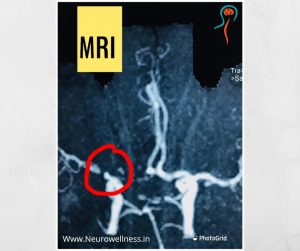
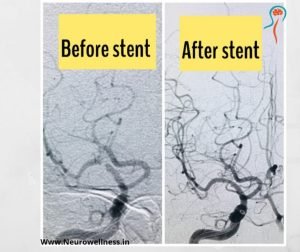
The patient underwent an MRI brain stroke protocol, which revealed watershed infarcts in the right middle cerebral artery (MCA) territory with high-grade stenosis of the MCA. To further evaluate the extent of the problem, a Digital Subtraction Angiogram (DSA) was performed, showing more than 95% focal stenosis, with significantly reduced blood flow into the distal branches of the M2 and M3 segments of the MCA.

This high-grade stenosis posed a significant risk of a major stroke, prompting the team to plan for MCA stenting after carefully explaining the benefits and risks to the patient.

What is MCA Stenting?

The Middle Cerebral Artery (MCA) is one of the major blood vessels supplying the brain. Stenting is a minimally invasive procedure that involves placing a small tube called a stent inside the narrowed artery to restore proper blood flow.

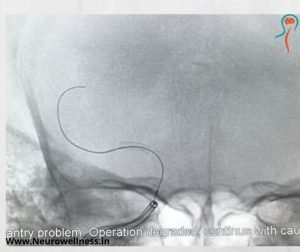
Unlike traditional brain surgery, MCA stenting doesn’t require opening the skull (craniotomy). Instead, thin wires and catheters, as small as a strand of hair, are inserted through a blood vessel in the thigh. These wires are guided all the way to the narrowed brain artery, where the stent is placed to open up the blocked area.

Procedure Overview

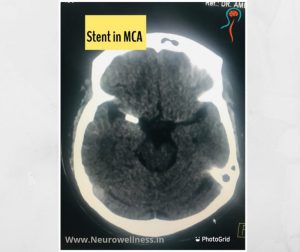
The patient was taken to the catheterization (Cath) lab for the procedure. A right femoral puncture was made to insert the guide wires and a micro-catheter. Using these tools, the team successfully reached the right MCA and placed a 2.25mm x 8mm stent in the brain vessel. The patient tolerated the procedure well, with no complications during or after the stenting.

Stenting
Brain Stroke

Post-Operative Results and Recovery

A post-operative CT scan showed no signs of bleeding or stroke. The patient experienced no complications and was able to walk the next day. He was discharged two days later, in good condition.

Stenting

Understanding Transient Ischemic Attacks (TIA)

A Transient Ischemic Attack (TIA), also called a mini-stroke, is a temporary blockage of blood flow to the brain. Unlike a major stroke, the symptoms of a TIA usually resolve within 24 hours. However, it is crucial to identify the underlying cause, as a TIA is often a warning sign of a more serious stroke.

Symptoms of TIA

ㆍWeakness in the face or limbs, typically on one side
ㆍDifficulty speaking or understanding speech
ㆍ
Dizziness or loss of balance
ㆍ
Temporary vision disturbances
ㆍ
Numbness or tingling sensations

CT scan

Diagnosing TIA

A variety of diagnostic tools are used to confirm a TIA and identify the cause:

ㆍDuplex scan
ㆍCT scan of the brain
ㆍ
MRI of the brain
ㆍ
MRA angiogram
ㆍ
Echocardiogram (ECHO)
ㆍ
Perfusion brain scan
ㆍ
DSA (Digital Subtraction Angiogram)

Importance of Early Detection and Treatment

TIAs are a critical warning sign, predicting a higher risk of a major stroke. Studies show that about 15% of people who experience a TIA will suffer a major stroke within three months. The risk increases to 30-40% within one year if left untreated. Therefore, prompt diagnosis and treatment are essential to prevent a future stroke.

CT scan

Preventive Treatments for Stroke

Several interventional procedures are available to prevent strokes in high-risk individuals, such as those who have experienced a TIA:

ㆍMCA Stenting: This is the procedure that was performed in this case to treat severe stenosis and restore blood flow to the brain.

ㆍCarotid Artery Stenting: This procedure is used to treat blockages in the carotid arteries in the neck, which supply blood to the brain.

ㆍMechanical Thrombectomy: This is an emergency treatment used to remove large blood clots during an acute stroke.

These minimally invasive procedures can dramatically reduce the risk of a major stroke, especially in patients with a history of TIA.

Conclusion

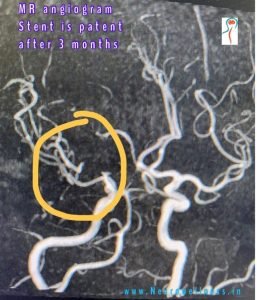
In this case, the timely diagnosis of MCA stenosis and the successful MCA stenting procedure helped prevent a major stroke for the 46-year-old patient. With the growing availability of advanced interventional treatments, it is possible to reduce the risk of life-threatening strokes in patients with conditions like TIA.

For those at risk, early medical intervention can make all the difference in ensuring a full recovery. If you experience symptoms of a mini-stroke, it’s essential to seek medical attention promptly.

This surgery was performed, Consultant Neurosurgeon specializing in brain and spine surgery.

Advanced MCA Stenting in Bangalore

“Minimally invasive pin-hole brain surgery can save lives after stroke. Consult Dr. Ganesh Veerabhadraiah at Neurowellness today.”

FAQs

1. What is MCA stenting?

MCA stenting is a minimally invasive brain procedure to open narrowed arteries and restore blood flow after a stroke.

2. What are the risks of MCA stenting?

Yes, when performed by skilled neurosurgeons, MCA stenting is a safe and effective way to prevent further strokes.

3. How long is recovery after MCA stenting?

Most patients recover within a few days in the hospital and can resume normal activities within weeks.

4. Who needs MCA stenting?

Patients with blocked middle cerebral arteries at high risk of stroke are recommended for MCA stenting.

5. Where can I get MCA stenting in Bangalore?

Neurowellness Brain & Spine Clinic offers advanced MCA stenting with minimally invasive techniques.

Ganesh

About Author

Dr. Ganesh Veerabhadraiah

Dr. Ganesh Veerabhadraiah, consultant neurosurgeon and neurologist in Bangalore, has over 20 years of expertise in managing back pain, migraines, headaches, neuro disorders, and spine problems. His clinical excellence and patient-first approach make him a neuro doctor in Bangalore.

At Neurowellness Brain & Spine Clinic in Jayanagar and Kavery Hospital Electronic City, Dr. Ganesh provides comprehensive treatments ranging from minimally invasive spine surgery to advanced neurological care. As a respected back pain specialist and migraine doctor, he continues to deliver reliable outcomes for patients.

👉 Connect with Dr. Ganesh on LinkedIn

What steps can you take to avoid a stroke? Having a mother, father, or other close relative who has had a stroke makes us more susceptible to having one.

Although you can’t turn back the clock or change your family history, you can control many other stroke risk factors if you’re aware of them. Knowledge is a powerful tool. You can take steps to mitigate the effects of a risk factor that is sabotaging your health and predisposing you to a higher risk of stroke if you are aware of it.

What is a stroke?

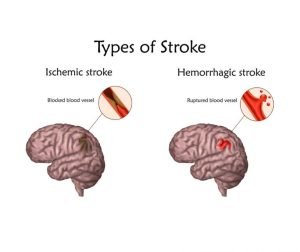
 When blood circulation to the brain fails, a stroke, also known as a “brain attack,” occurs. Reduced blood flow and the resulting lack of oxygen can cause brain cells to die. Strokes can be divided into two types: those caused by a blockage in blood flow and those caused by bleeding into the brain. Ischemic stroke, or a blockage of a blood vessel in the brain or neck, is the most common cause of stroke, accounting for about 80% of all strokes.

types of stroke

The formation of a clot within a blood vessel of the brain or neck, referred to as thrombosis; the movement of a clot from another part of the body, such as the heart, to the brain, referred to as embolism; or a severe narrowing of an artery in or leading to the brain, referred to as stenosis. The second type of stroke, hemorrhagic stroke, is caused by bleeding into the brain or the spaces surrounding the brain.

In brief, When the blood supply to a part of your brain is cut off, a stroke occurs. A clot or something else blocking the flow is the most common cause. Ischemic strokes are what they’re called. Bleeding in the brain is responsible for about 20% of the cases. Hemorrhagic strokes are what they’re called.

Top 10 Tips to Prevent Brain Stroke

✔️ Control Blood Pressure → Reduces main cause of strokes
✔️ Manage Diabetes → Prevents blood vessel damage
✔️ Quit Smoking → Lowers clot and blockage risks
✔️ Limit Alcohol Intake → Reduces high BP & irregular heartbeat
✔️ Exercise Regularly → Improves circulation & weight control
✔️ Eat a Balanced Diet → Lowers cholesterol & improves heart health
✔️ Maintain Healthy Weight → Prevents obesity-linked risk
✔️ Get Regular Health Checkups → Detects risks early
✔️ Manage Stress → Prevents BP spikes and hormonal imbalance
✔️ Follow Doctor’s Advice → Medication compliance ensures long-term safety

Prevention of a stroke:

• Lower your blood pressure

 Strokes are most commonly caused by high blood pressure. For more than half of them, this is the reason. Blood pressure readings of less than 120/80 are considered normal. If yours is consistently higher than 130/80, you may have high blood pressure, also known as hypertension.

High blood pressure can make you 4-6 times more likely to have a stroke if it isn’t properly managed. This is due to the fact that it can thicken artery walls, causing cholesterol and other fats to build up and form plaques. If one of these breaks free, it can cut off the blood supply to your brain.

High blood pressure can also weaken arteries, making them more prone to burst and resulting in a hemorrhagic stroke.

Plaquue in Blood vessel

Work with your doctor to keep your blood pressure in a healthy range if you have high blood pressure. Medication and lifestyle changes, such as regular exercise and a healthy diet, may be beneficial.

• Quit smoking

 If you smoke, you increase your chances of having a stroke by twofold. Cigarette smoke contains nicotine, which raises blood pressure and carbon monoxide, which reduces the amount of oxygen your blood can carry. Even inhaling second hand smoke can increase your risk of having a stroke.

Tobacco is also responsible for :

1. Increase the amount of triglycerides in your blood.
2. Reduce the amount of “good” HDL cholesterol in your body.
3. Your blood will become sticky and more likely to clot as a result.
4. Increase the likelihood of plaque formation
5. Blood vessels thicken and narrow, causing damage to their linings.
6. Consult your doctor about quitting smoking. Nicotine patches and counselling may be of assistance. If you don’t succeed the first time, don’t give up.

• Manage your heart

 Some strokes are caused by blood clots and are caused by an irregular heartbeat called atrial fibrillation (AFib). AFib causes blood to pool in your heart, posing a clotting risk. If that clot travels to your brain, it can cause a stroke. You can have AFib because of high blood pressure, plaques in your arteries, heart failure, and other reasons.

Your heart can be put back into a normal rhythm with the help of medications, medical procedures, and surgery. Consult your doctor if you’re not sure if you have AFib but are experiencing heart flutters or shortness of breath.

• Control your diabetes

 A stroke is 2-4 times more likely if your blood sugar is high. Diabetes can cause fatty deposits or clots in your blood vessels if it isn’t properly managed. This can narrow the ones in your brain and neck, potentially cutting off the brain’s blood supply.

If you have diabetes, make sure to check your blood sugar levels on a regular basis, take your medications as directed, and visit your doctor every few months so they can monitor your levels.

• Exercise

 A sedentary lifestyle can lead to obesity, high cholesterol, diabetes, and high blood pressure, all of which are risk factors for stroke. So get to work. You are not required to run a marathon. It is sufficient to exercise for 30 minutes five days a week. Before you begin exercising, consult your doctor.

• Get proper diet

Healthy eating can help you lose weight and reduce your risk of having a stroke. Every day, eat plenty of fresh fruits and vegetables (broccoli, Brussel sprouts, and leafy greens like spinach are ideal). Choose foods that are high in fibre and lean proteins. Trans and saturated fats can clog your arteries, so avoid them. Reduce your salt intake and stay away from processed foods. They’re frequently high in salt and trans fats, both of which can raise blood pressure.

•Medications

Blood thinners are advised in medical conditions like stent in heart and neck vessels(angioplasty) and after bypass surgery of heart etc.  You may  be advised to manage blood parameters correctly.  Blood thinners are like double edged sword. If you don’t take correctly also cause problem,  if you won’t take/manage blood parameters properly also causes problem. Please follow doctors advise correctly – helps in stroke prevention.

Summary:

 Neuro Wellness spine and brain care centre does Advanced Stroke treatment in Bangalore with the best care. The specialists ensure cost effective and efficient treatment.

Stroke Prevention Clinic in Bangalore

“Prevent stroke before it happens. Neurowellness Brain & Spine Clinic offers personalized risk assessment, prevention guidance, and advanced care.”

Ganesh

Dr. Ganesh Veerabhadraiah

Consultant – Neurosurgeon, Neurointerventional Surgery, Spine Surgeon (Neuro)
23+ Years Experience Overall (17+ years as Neuro Specialist)

Available for Consultation: Jayanagar 9th Block & Kauvery Hospital, Electronic City 

FAQs

1. Can brain strokes be prevented naturally?

Yes. Lifestyle changes such as a healthy diet, exercise, and stress management help reduce stroke risk.

2. What foods help prevent stroke?

Fruits, vegetables, whole grains, nuts, and foods low in salt and trans fat support brain and heart health.

3. How does exercise reduce stroke risk?

Regular activity improves blood flow, controls BP, reduces cholesterol, and supports healthy weight.

4. Who is most at risk of brain stroke?

People with hypertension, diabetes, smoking habits, obesity, or family history of stroke.

5. Where can I get stroke prevention advice in Bangalore?

Neurowellness Brain & Spine Clinic provides stroke risk assessment and prevention guidance.

Ganesh

About Author

Dr. Ganesh Veerabhadraiah

Dr. Ganesh Veerabhadraiah, consultant neurosurgeon and neurologist in Bangalore, has over 20 years of expertise in managing back pain, migraines, headaches, neuro disorders, and spine problems. His clinical excellence and patient-first approach make him a neuro doctor in Bangalore.

At Neurowellness Brain & Spine Clinic in Jayanagar and Kavery Hospital Electronic City, Dr. Ganesh provides comprehensive treatments ranging from minimally invasive spine surgery to advanced neurological care. As a respected back pain specialist and migraine doctor, he continues to deliver reliable outcomes for patients.

👉 Connect with Dr. Ganesh on LinkedIn

Spine surgery is a significant medical procedure often recommended when conservative treatments fail to alleviate severe pain or neurological symptoms. Making an informed decision about spine surgery is crucial. In this article, we explore the essential questions to ask your surgeon and the factors to consider before undergoing surgery. We also discuss the role of the surgeon in Bangalore, alternative treatments, and why seeking a second opinion is important.

Questions Regarding Your Surgical Treatment

Understanding the specifics of your recommended procedure is the first step in making an informed decision. Ask your surgeon:

  1. Why is surgery necessary in my case?
    Ensure you know the exact reason for the procedure. For example, is it to relieve nerve compression, stabilize the spine, or correct deformities?
  2. What type of spine surgery are you recommending?
    Common procedures include laminectomy, discectomy, spinal fusion, and artificial disc replacement. Each has its purpose, risks, and benefits.
  3. What are the risks and complications?
    All surgeries carry risks, including infection, nerve damage, or failed back syndrome. Understanding these helps you prepare for potential outcomes.
  4. What is the expected recovery time?
    Recovery timelines can vary depending on the procedure and individual factors. Know how long it will take to resume daily activities.

Questions Regarding Your Surgeon’s Skills and QualificationsYour surgeon’s experience can significantly impact the success of your procedure. Key questions to ask include:

  1. What is your experience with this type of spine surgery?
    Choose a surgeon who has performed the recommended procedure frequently and successfully.
  2. Are you a board-certified neurosurgeon or orthopedic spine surgeon?
    Certification ensures that the surgeon has met stringent qualifications and training standards.
  3. What is your success rate for this surgery?
    Ask for statistics and patient outcomes specific to your condition. A high success rate is reassuring when choosing the surgeon in Bangalore.

Questions About What to Expect After Surgery

Postoperative care and recovery are as important as the surgery itself. Ensure you address the following:

  1. What is the expected outcome of the surgery?
    Will it completely relieve your symptoms, or will some issues persist?
  2. What kind of rehabilitation will I need?
    Physical therapy is often necessary after spine surgery to restore strength and mobility.
  3. What limitations will I have post-surgery?
    Knowing what activities to avoid can prevent complications and aid recovery.

Choosing a Surgeon

Finding a skilled and reputable spine surgeon is critical. Here are tips to help you make the best choice:

  1. Research Reviews and Recommendations
    Look for reviews from previous patients and ask your general physician for recommendations for the spine doctor near me.
  2. Verify Credentials
    Ensure the surgeon has certifications in neurosurgery or orthopedic spine surgery.
  3. Hospital Affiliation
    Choose a surgeon affiliated with a reputable hospital. For instance, Neurowellness is known for its team of experienced neurosurgeons in Bangalore and modern facilities.

Spine Surgery Outcomes in India

India boasts advanced medical facilities and highly skilled spine surgeons. The success rate of spine surgery in India is between 85-95%, depending on the type of procedure and patient condition. For the best results, consult the surgeon in Bangalore, who is experienced in handling complex cases.

Spine Surgery Cost

The cost of spine surgery in India varies widely based on factors like the type of surgery, hospital, and surgeon’s expertise. On average:

  • A minimally invasive surgery may cost between ₹1,50,000 to ₹3,50,000.
  • Complex procedures like spinal fusion can range from ₹5,00,000 to ₹7,00,000.

For personalized cost estimates, consult a spine doctor near me or visit Neurowellness for a detailed discussion.

What Are the Alternatives to Spine Surgery?

Before opting for surgery, consider non-surgical alternatives:

  1. Physical Therapy: Helps strengthen the spine and alleviate pain.
  2. Medications: Pain relievers, anti-inflammatories, and muscle relaxants.
  3. Epidural Steroid Injections: Reduces nerve inflammation.
  4. Chiropractic Care: Can improve alignment and mobility.
  5. Lifestyle Changes: Weight loss, ergonomic improvements, and regular exercise.

What Will Happen If I Don’t Have Surgery?

Ask your surgeon to explain the potential consequences of delaying or avoiding surgery. These may include:

  • Worsening pain and disability.
  • Progressive nerve damage, leading to loss of function.
  • Increased risk of permanent complications.

Questions About Spinal Fusion

If spinal fusion is recommended, inquire further:

  1. Why is fusion necessary?
  2. What are the long-term implications?
    Spinal fusion limits movement between vertebrae, which may affect flexibility.

Should I Seek a Second Opinion?

Yes, always consider a second opinion, especially for complex surgeries like spinal fusion. Consulting another neurosurgeon in Bangalore can provide clarity and reassurance.

Additional Questions to Ask

  • Will the procedure be minimally invasive or open surgery?
  • What is the expected hospital stay?
  • Will I need any special equipment at home post-surgery?

Conclusion

Spine surgery is a life-changing decision that requires careful consideration. By asking the right questions and consulting experienced professionals, you can make informed choices about your treatment.

At Neurowellness, our team of the surgeons in Bangalore specializes in advanced spine care. Whether you need surgery or alternative treatments, we are committed to providing personalized, care.

Schedule Your Consultation Today

Don’t let back pain or spine problems hold you back. Consult the neurosurgeon in Bangalore at Neurowellness. Book your appointment today and take the first step toward a pain-free life.