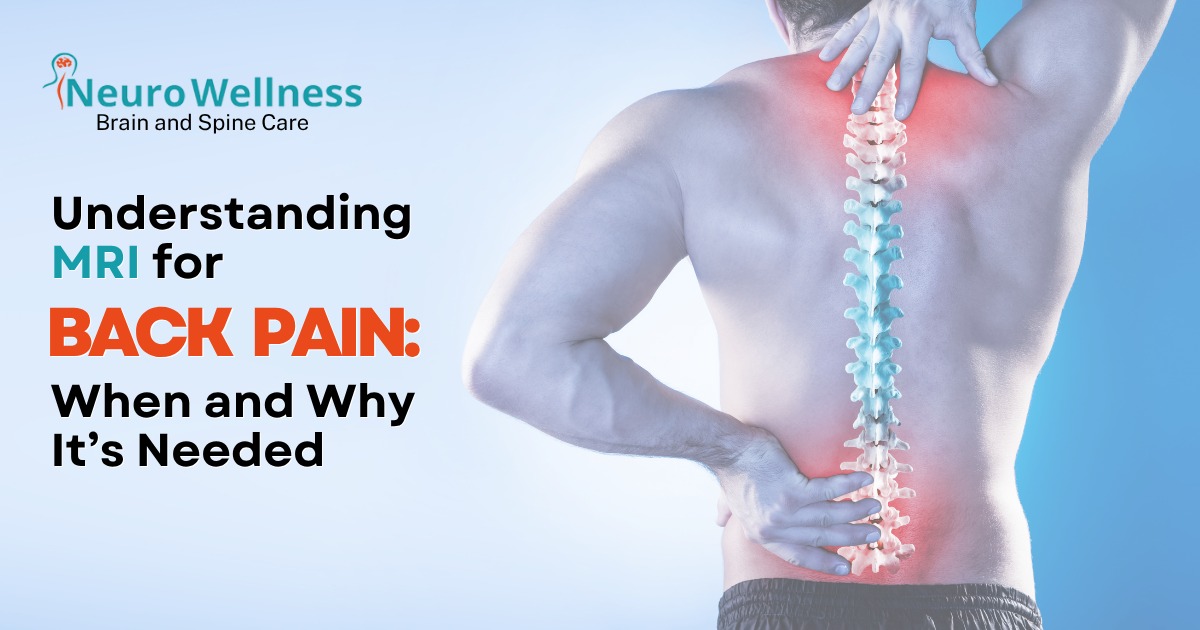
Back pain is one of the most common health issues worldwide  yet, many patients wonder “Do I really need an MRI?”
At Neurowellness Bangalore, we often see patients who either delay diagnosis or rush into scans without understanding what’s truly necessary.

An MRI (Magnetic Resonance Imaging) is a powerful, non-invasive diagnostic tool that gives doctors a detailed look at your spine’s bones, discs, and nerves. But knowing when it’s needed — and when it’s not — can make all the difference in recovery, cost, and peace of mind.

In this guide, we’ll help you understand exactly when an MRI is needed, what it can reveal, and when it might not be necessary at all. You’ll also learn about MRI costs in Bangalore, what to expect during the scan, and how to book a fast, hassle-free appointment.

This blog is written with real patient concerns in mind and supported by the latest diagnostic recommendations.

Whether you’re just exploring options or preparing for a scan, this guide offers practical, trustworthy insights to help you make informed decisions about your spine health.

What MRI Actually Shows in Back Pain

MRI uses strong magnetic fields and radio waves to produce high-resolution images of the spine.
It helps identify:

• Disc herniation or prolapse pressing on spinal nerves
• Degenerative disc disease or worn-out cushioning between vertebrae
Spinal canal narrowing (stenosis) causing pain or leg numbness
Tumors, infections, or inflammation affecting spinal structures
Post-surgical changes to assess healing or complications

Unlike X-rays, MRIs show soft tissues nerves, muscles, and discs giving a complete picture of what’s really causing your pain.

Ganesh

Dr. Ganesh Veerabhadraiah

Consultant – Neurosurgeon, Neurointerventional Surgery, Spine Surgeon (Neuro)
23+ Years Experience Overall (17+ years as Neuro Specialist)

Available for Consultation: Jayanagar 9th Block & Kauvery Hospital, Electronic City 

When You Actually Need an MRI (And When You Don’t)

MRI scans are incredibly useful, but not always necessary. In fact, clinical guidelines suggest that many cases of back pain can be treated without imaging especially if they improve within a few weeks. However, there are situations where an MRI becomes essential.

✅ You Should Consider an MRI If You Have:

• Severe or persistent lower back painlasting more than 6 weeks

• A sensation of pins and needles or loss of feeling in the lower limbs, which may indicate nerve-related issues.

• Muscle weakness, difficulty walking, or loss of balance

• Bowel or bladder control issues(a red flag for conditions like cauda equina syndrome)

• History of cancer, trauma, or recent infectionalong with back pain

• Previous surgeryand your symptoms have returned or worsened

These are known as red-flag symptoms, and according to MedlinePlus, they often warrant advanced imaging like MRI to identify underlying causes such as disc herniation, spinal tumors, or serious nerve compression.

🚫 MRI Not Needed for Back Pain If:

• Your pain is mild to moderate and improving with rest, stretching, or therapy

• You have no neurological symptoms(like numbness or weakness)

• You’ve had less than 4 to 6 weeks of discomfort with no worsening

Your discomfort is under control through non-surgical treatments such as guided exercises or physical therapy.

Read more : Should You Sleep on the Floor or Bed for Spine Health?

Interpreting MRI Reports – What It Really Means

An MRI report can look intimidating—especially when you come across terms like “disc bulge,” “degeneration,” or “nerve impingement.” But here’s the truth: many of these findings are completely normal with age and don’t always mean you need surgery.

Common Terms You Might See:

• Disc bulge:A common age-related change that often causes no symptoms

• Spinal degeneration: Natural wear and tear in spinal discs, usually seen in adults over 30

• Nerve impingement: May sound serious, but unless it correlates with weakness, numbness, or severe pain, it might not need surgical treatment

• Herniated disc scan findings: Often found in people who don’t even have pain

A 2025 review published in the Indian Journal of Spine Surgery says that over 70% of people over 40 show signs of spinal degeneration on MRI—even without symptoms.

Don’t Let the MRI Scare You (Nocebo Effect)

Reading technical MRI terms without a doctor’s explanation can increase anxiety. This is called the “nocebo effect”—where negative expectations lead to worsening symptoms.

To avoid this:

• Always review your MRI with a qualified Spine specialist

• Ask how your symptoms relate to the report

Don’t make assumptions based on Google searches or isolated findings

What Happens After the MRI?

Getting an MRI is just one part of the journey—it shows what’s going on, but what comes next depends on how those findings relate to your symptoms. Not all back pain needs surgery. Many individuals experience significant improvement through non-surgical care approaches.

Conservative Treatment Comes First

If your MRI shows mild disc bulge, early degeneration, or no nerve compression, your doctor may suggest:

• Physiotherapy to strengthen core muscles and improve posture

• Pain-relieving medications(anti-inflammatories or muscle relaxants)

• Lifestyle adjustments, ergonomic support, and guided exercises

• Spinal injections in specific cases for pain management

These treatments aim to relieve pain, restore mobility, and prevent the issue from worsening—without surgical intervention.

When Is Surgery Considered?

Doctors usually consider surgical intervention only when the following conditions apply:

• There is significant pressure on the nerves leading to persistent loss of sensation or muscle strength.

• Sudden difficulty with urination or bowel movements may signal a critical condition that needs urgent care.

• Conservative treatment fails after 6–8 weeks and MRI confirms a surgical issue (e.g., large herniated disc, spinal stenosis)

In such cases, minimally invasive procedures like microdiscectomy or decompression may be advised based on your condition.

Book a Post-MRI Consultation

An MRI is only meaningful when interpreted in the context of your symptoms. If you’ve completed your scan and want to understand your next steps, our specialists at Neurowellness are here to help.

Book a consultation today to get a customized treatment plan—whether it’s rehab or surgical care.

MRI Anxiety, Alternatives & Latest Technology

If the idea of lying still in a narrow tube makes you nervous, you’re not alone. Many patients experience anxiety or claustrophobia during a traditional MRI scan. The good news is that safer, more comfortable alternatives now exist—without compromising image quality.

🌀 Open MRI for Claustrophobic Patients

An open MRI for back pain in Bangalore is a great option if you’re claustrophobic, elderly, or simply uncomfortable in enclosed spaces. These machines offer:

• A more open design with better airflow
Less noise and a relaxed scanning environment
• Similar diagnostic accuracy for spine and nerve issues.

Sedation Options

If an open MRI isn’t available or your anxiety is severe, mild sedation or anti-anxiety medication may be offered under medical supervision. This ensures you stay still and calm during the scan, leading to better image quality.

🚀 Latest Advancements in MRI Technology

Modern imaging has come a long way. Today, some centers use advanced tools like:

• Weight-bearing MRI (Upright MRI):Helps detect spinal issues that only appear when you’re standing or sitting. Particularly useful for sciatica, spinal instability, or posture-related pain.

• AI MRI interpretation: Some diagnostic centers use AI-assisted scan analysis to highlight abnormalities quickly, improving report accuracy and reducing human error.

These technologies may not be available everywhere, but they will gain popularity in top-tier hospitals and radiology centers.

Need help choosing the right MRI type? Talk to us or book a consultation today.

Conclusion: Don’t Panic — Get Clarity

Being advised to get an MRI for back pain can feel overwhelming—but it doesn’t have to be. Remember, not every scan leads to surgery. In most cases, an MRI helps your doctor confirm the cause of your discomfort and guide the right treatment—whether it’s physiotherapy, medication, or further evaluation.

If you’re in Bangalore, Neurowellness  Brain & Spine Care Clinic offers expert-reviewed MRI scans, fast reporting, and compassionate care to ensure you’re not left confused by your report or rushed into unnecessary procedures.

FAQs

1. Is an MRI necessary for back pain?

Not always. Most cases of back pain improve with rest, therapy, or medication. An MRI is typically recommended if your symptoms last more than 6 weeks or include red flags like numbness, weakness, or loss of bladder/bowel control.

2. What does an MRI show that X-rays don’t?

An MRI provides detailed images of soft tissues like discs, nerves, and spinal cord—unlike X-rays, which only show bones. It helps detect issues like herniated discs, nerve compression, and inflammation.

3. Can I eat before my MRI scan?

For a routine MRI, there are usually no dietary restrictions beforehand. However, if your doctor has recommended MRI with contrast, fasting may be required.Be sure to adhere to the specific guidelines provided by the facility ahead of your visit.

4. Does an MRI show sciatica?

Yes. An MRI is the best test to detect sciatica by showing if a disc is pressing on the sciatic nerve.This allows doctors to precisely identify where the nerves are being affected.

5. How much does getting an MRI scan typically cost in Bangalore?

The average cost of an MRI for back pain in Bangalore ranges from ₹2,500 to ₹12,500, depending on the facility, type of scan (plain or contrast), and urgency. Some centers offer discounts or insurance coverage.

6. Should you choose an MRI or a CT scan to evaluate back pain?

MRI is better for diagnosing back pain because it shows soft tissues, nerves, and discs clearly. CT scans are typically used for bone injuries or trauma but aren’t as effective for spinal nerve issues.
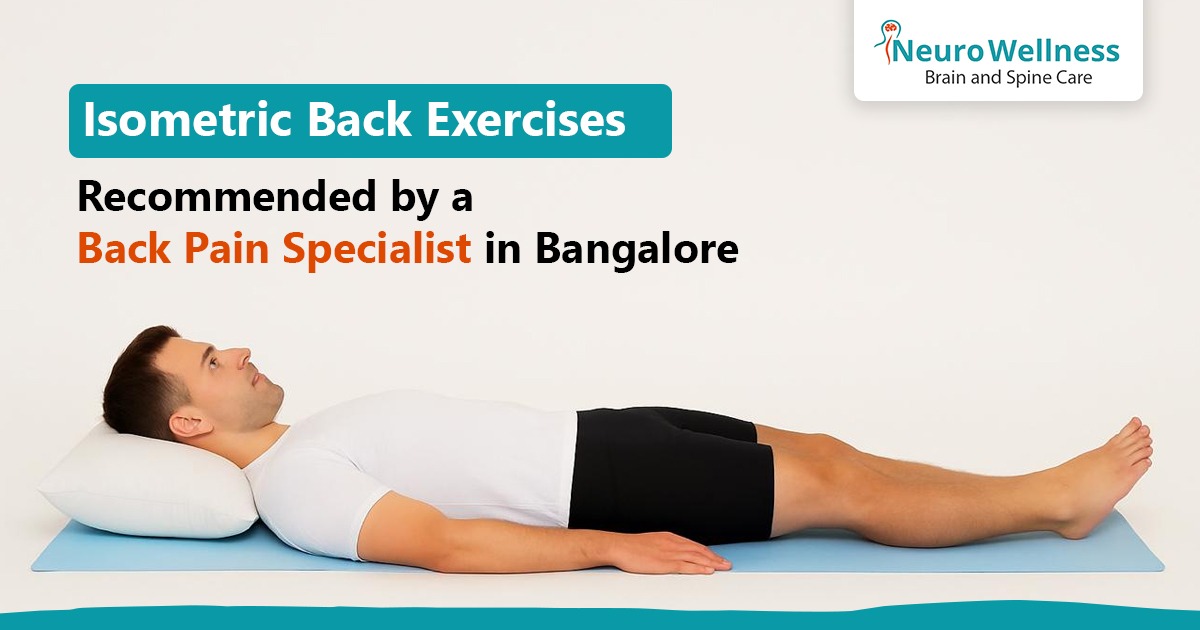
Back pain is one of the most common health complaints today, affecting people of all ages due to sedentary lifestyles, poor posture, or underlying spine issues. If you’re searching for non-invasive ways to relieve lower back discomfort, isometric back exercises can be a highly effective solution. These low-impact movements strengthen the core, support spinal stability, and improve overall posture  all without putting excess pressure on the joints.

As a leading back pain specialist in Bangalore, Dr. Ganesh Veerabhadraiah often recommends isometric exercises to patients experiencing chronic back pain, especially those recovering from spine injuries or surgeries. These exercises are not only simple to perform at home but also medically approved to aid in rehabilitation and pain management when done consistently under guidance.

In this blog, you’ll find a detailed step-by-step guide to six isometric back exercises, designed for comfort, safety, and effectiveness. Whether you’re managing mild stiffness or recovering from a spinal condition, these doctor-approved movements can support your healing journey. Make sure to follow the general precautions and always consult your spine and neuro specialist before beginning any new exercise regimen.

Ganesh

Dr. Ganesh Veerabhadraiah

Consultant – Neurosurgeon, Neurointerventional Surgery, Spine Surgeon (Neuro)
23+ Years Experience Overall (17+ years as Neuro Specialist)

Available for Consultation: Jayanagar 9th Block & Kauvery Hospital, Electronic City 

General Guidelines:

Use a comfortable mattress and pillow while doing the exercises.

• Eat a small protein snack or one fruit 10 minutes before exercising.
• Drink water in between if needed.
• Perform all exercises slowly, with comfort, and only as advised by your doctor.

Step-by-Step Isometric Back Exercises

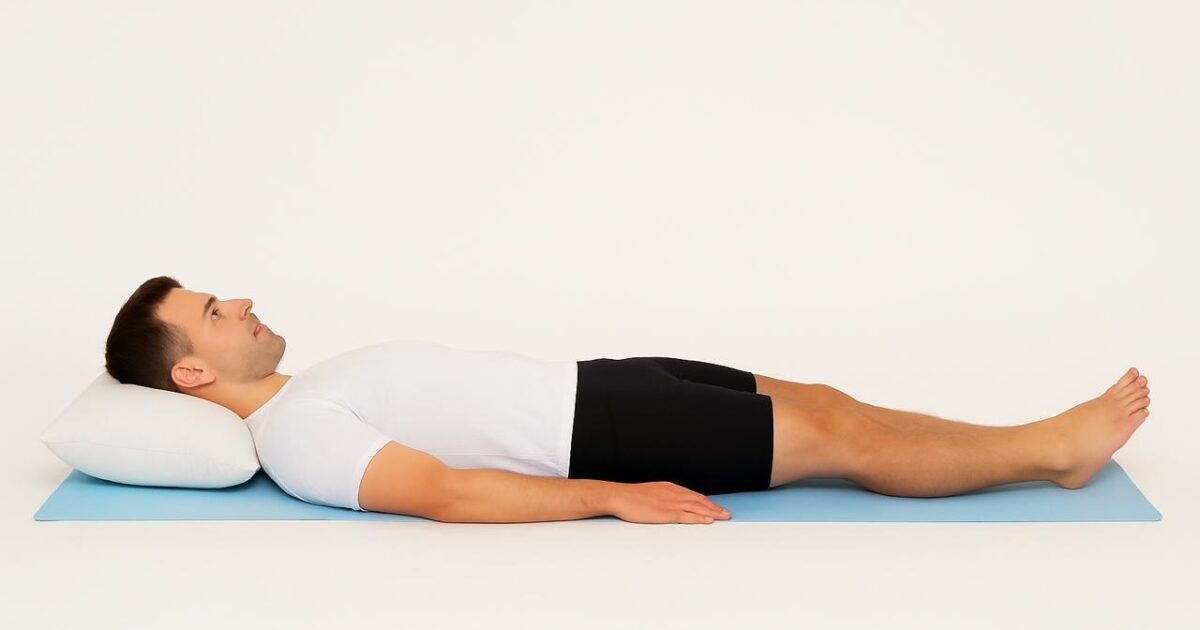
1. Supine Relaxation

• Lie down comfortably on the bed in a supine position.
• Take two deep breaths.
• Relax all body parts.

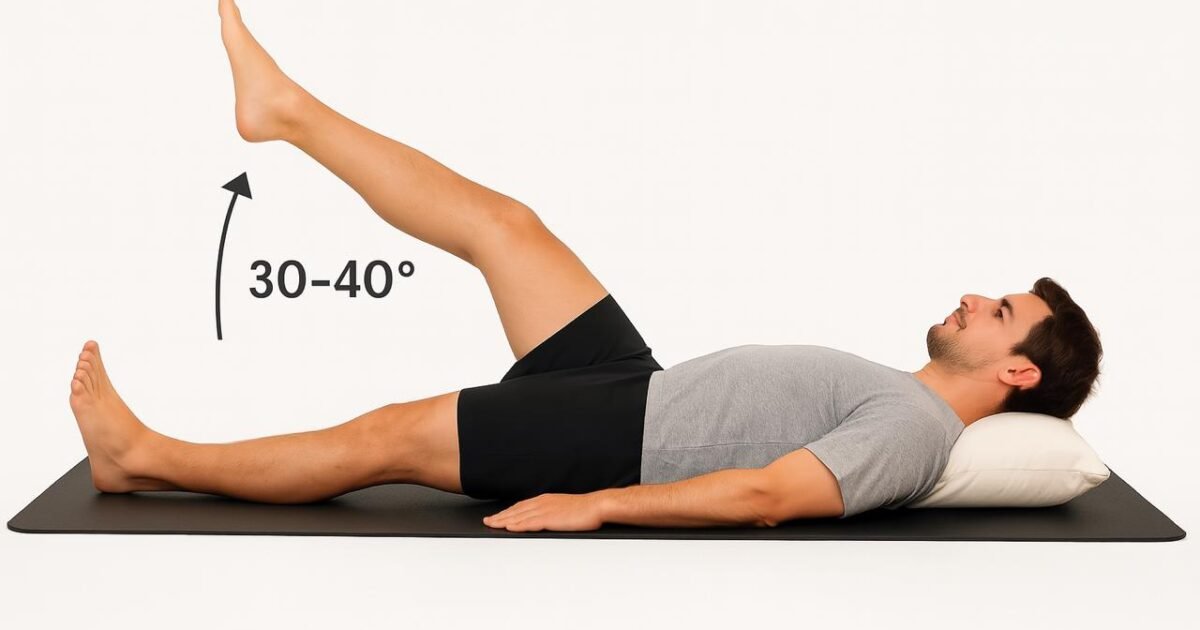
2. Single Leg Raise – Right Leg

• Gently lift your right leg without bending the knee.
• Raise it to 30–40° above the ground.
• Hold for 20 seconds.
• Slowly lower the leg.
• Come back to supine position.

3. Single Leg Raise – Left Leg

• Gently lift your left leg without bending the knee.
• Raise it to 30–40° above the ground.
• Hold for 20 seconds.
• Slowly lower the leg.
• Come back to supine position.

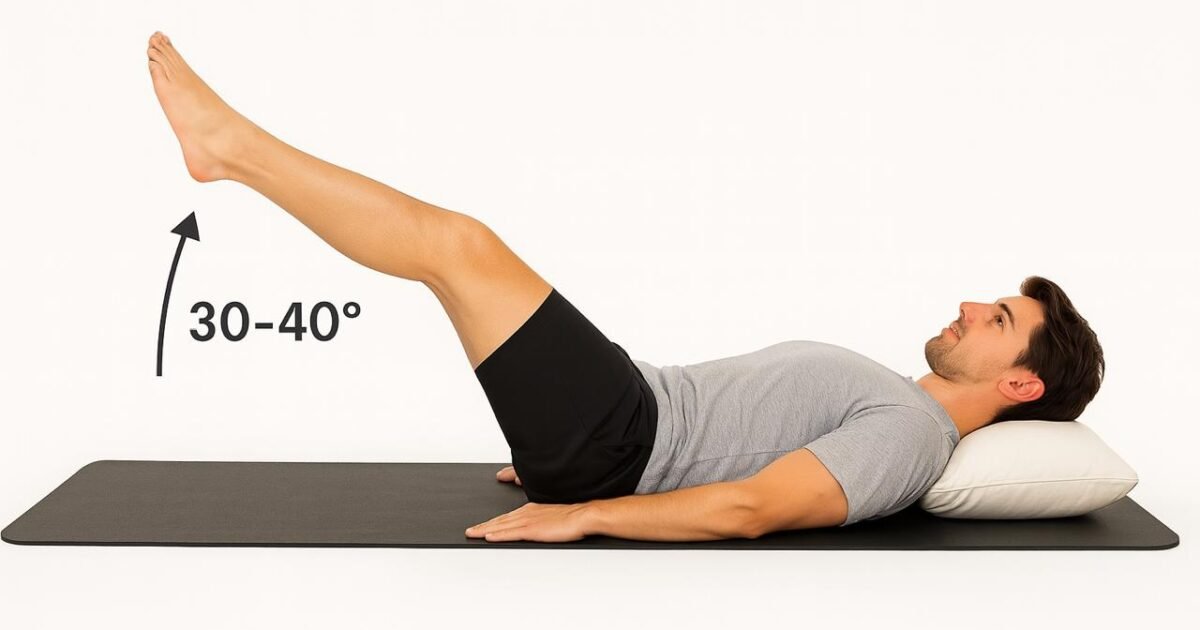
4. Double Leg Raise

• Lift both legs together to about 30–40°.
• Hold for 20 seconds.
• Slowly lower both legs.
• Come back to supine position.

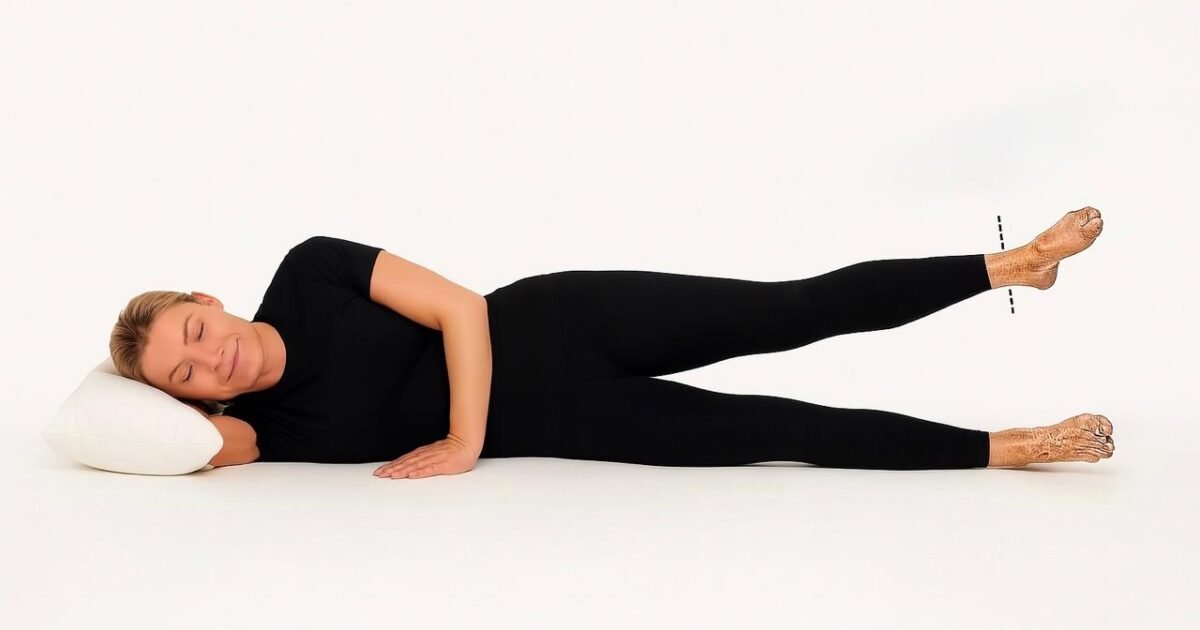
5. Side-Lying Right Leg Raise

•Turn gently onto your right side.
• Lift your left leg (top leg) to 30–40° without bending the knee.
• Hold for 20 seconds.
• Come back to supine position.

6. Side-Lying Left Leg Raise

• Turn gently onto your left side.
• Lift your right leg (top leg) to 30–40° without bending the knee.
• Hold for 20 seconds.
• Come back to supine position.

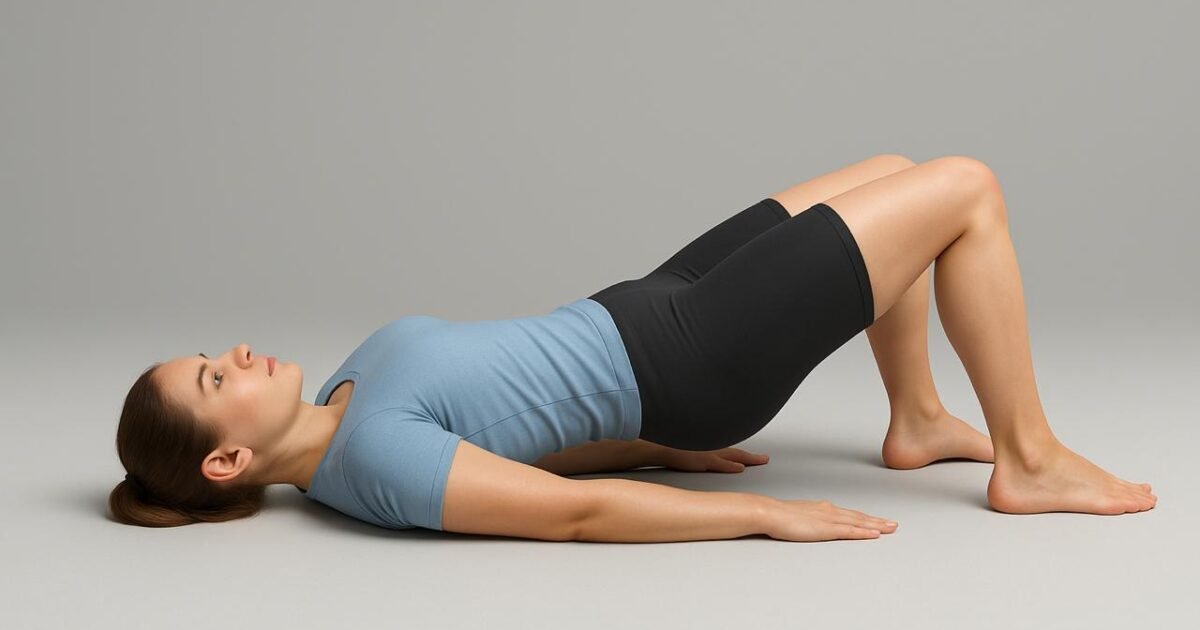
7. Glute Bridge

• In supine position, take a deep breath.
• Keep both legs together and knees slightly bent.
• Place your palms on the floor beside you.
• Contract the gluteal muscles and gently lift your back above the ground.
• Hold for 20 seconds.
• Lower yourself down and come back to supine position.

8. Four-Limb Lift (Superman)

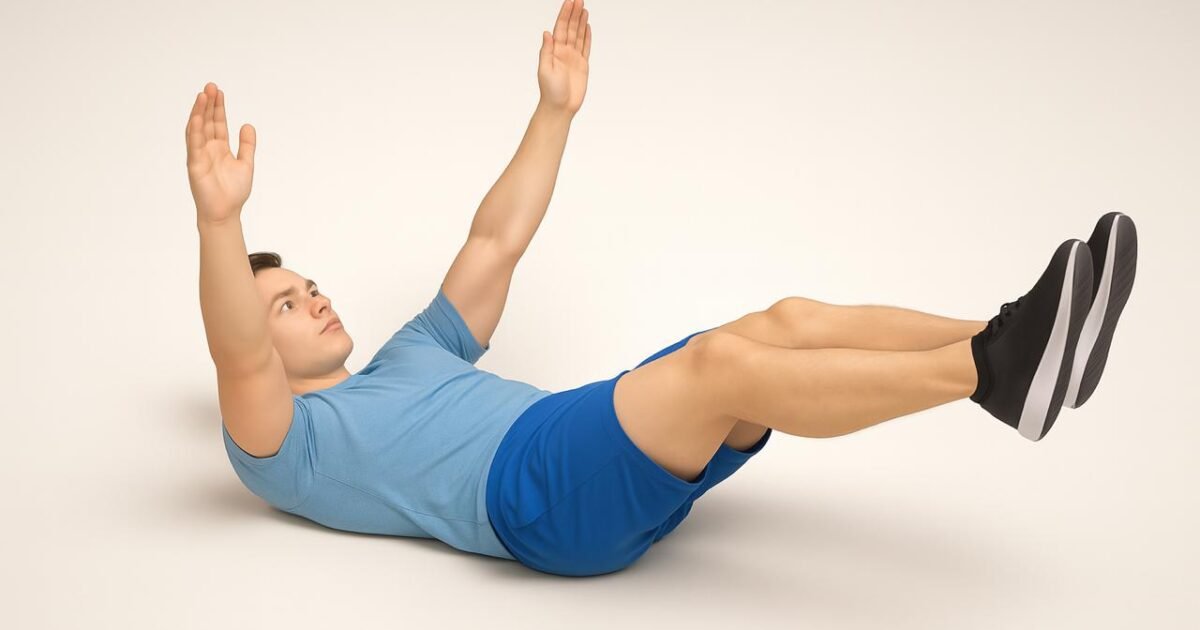
• In supine position, lift both upper and lower limbs to 20–30°.
• The abdomen will feel slightly elevated (light).
• Hold for 20 seconds.
• Lower all limbs and come back to supine position.

Important Note:

Perform these exercises slowly, without strain, and only under medical supervision. You tube video at Neurowellness India, Spinal exercises – Back & more videos at

▶️ neurowellness india

Isometric back exercises can be a simple yet powerful addition to your daily routine if you’re dealing with lower back pain or recovering from spine-related issues. These exercises, when done correctly and consistently, can help strengthen your core muscles, reduce stress on the spine, and promote better posture — all without requiring any expensive equipment.

Written by
Dr. Ganesh Veerabhadraiah
Head of Department – Neurosurgery
Kauvery Hospital, Electronic City | NeuroWellness India

FAQs:

1. What are isometric back exercises?

Isometric back exercises involve contracting the muscles without moving the spine. They help strengthen the core and support spinal stability without straining your back.

2. Can isometric exercises help relieve lower back pain?

Yes, isometric exercises are effective for strengthening muscles around the spine, improving posture, and reducing chronic lower back pain when done under medical supervision.

3. Are these exercises safe for slipped disc or sciatica patients?

These exercises are generally safe but should only be done after consulting a back pain specialist, especially if you have a slipped disc, sciatica, or any spinal injury.

4. How often should I do isometric back exercises?

Most patients benefit from doing these exercises 3–5 times per week. However, the frequency should be customized based on your condition and your doctor’s recommendation.

5. Who is the best back pain specialist in Bangalore for personalized advice?

Dr. Ganesh Veerabhadraiah, Head of Neurosurgery at Kauvery Hospital, Electronic City, is a top-rated back pain specialist in Bangalore with expertise in spine-related treatment and rehabilitation.

Have you ever felt a sharp twinge in your back while bending, or experienced numbness radiating down your legs after sitting too long? These symptoms, though often brushed aside, could be early signs of spine disorders, a group of conditions that affect the structure and function of your spinal column.

Spine disorders are increasingly common, especially among adults with sedentary lifestyles, poor posture, or past injuries. Globally, they account for a large portion of chronic pain cases, limiting mobility and impacting quality of life. 

From herniated discs to degenerative spinal issues, these conditions can manifest in subtle ways before becoming severe.

This blog will help you understand the causes, symptoms, and available treatment options for various spine disorders. 

Whether you’re experiencing discomfort or just want to stay informed, our expert-backed guide will point you toward the right care—including when to consult a Spine Doctor in Electronic City or a trusted spine specialist in Bangalore.

What Are Spine Disorders?

Spine disorders refer to a range of conditions that affect the bones (vertebrae), discs, nerves, and muscles of the spinal column. These disorders can lead to pain, restricted movement, or nerve-related symptoms depending on the area and severity of the issue.

The human spine is composed of 33 vertebrae stacked vertically, serving to support body posture and movement while shielding the spinal cord from injury. Learn more about spine anatomy here. When this delicate structure is disrupted—whether through age-related wear and tear, injury, poor posture, or inherited conditions—it can lead to discomfort and even long-term disability.

Common causes of spine disorders include aging, sedentary lifestyles, spinal injuries, and genetic factors. These conditions may develop gradually or appear suddenly after physical strain or trauma. Understanding what causes them is the first step toward effective prevention and treatment.

Types of Common Spine Disorders

Spine disorders differ greatly in terms of their symptoms, underlying causes, and how severe they can become.
Below are some of the most commonly diagnosed conditions, each with its own set of signs and recommended approaches for care.

Herniated Disc (Also Known as Slipped Disc)

●  When the inner portion of a spinal disc protrudes through a weakened section of its outer shell, it results in a herniated disc.

● It often causes back pain, numbness, or tingling, especially if the disc presses against nearby nerves.

● Common causes include lifting heavy objects improperly, sudden twisting movements, or wear-and-tear over time.

● If pain radiates down your arms or legs, or you experience muscle weakness, it’s time to consult a spine specialist.

 Spinal Stenosis

● Spinal stenosis refers to the tightening of spaces in the spine, which can put pressure on the nerves passing through them..

● Typical symptoms include leg cramps, numbness, or stiffness in the lower back, especially while walking or standing.

● It is more common in older adults and is often caused by arthritis or disc degeneration.

● Starting physical therapy soon after diagnosis can relieve discomfort and help slow the progression of the condition.

Degenerative Disc Disease

● This age-related condition develops as the intervertebral discs gradually lose their moisture and flexibility.

● It may cause chronic lower back pain, restricted movement, or episodes of sharp pain.

● Though it sounds severe, degenerative disc disease is a natural part of aging and can often be managed through lifestyle changes, physical therapy, and minimally invasive treatments.

● Severe cases may require consultation with a spine doctor in Electronic City for evaluation.

 Scoliosis & Kyphosis

● These conditions involve abnormal spinal curves—scoliosis leads to a sideways bend, whereas kyphosis causes the upper back to round forward.

● Both can be seen in children or adults and may present as uneven shoulders, back pain, or visible spinal deformity.

In mild cases, regular monitoring is enough; severe cases may require bracing or surgical correction from a neurosurgeon in Bangalore.

Early detection is key to preventing long-term complications.

Treatment Options for Spine Disorders

  1. Conservative Treatments
    • Most spine issues can be managed with non-surgical methods like:
      • Physical therapy
      • Posture correction
      • Lifestyle and activity modifications
  2. Use of Braces or Support Devices
    • In select cases, doctors may recommend:
      • Back or neck braces
      • Support devices to reduce spinal strain
      • These aids help stabilize the spine and accelerate healing
  3. Advanced Non-Surgical Procedures
    • When initial treatments don’t offer enough relief, the next step may include:
      • Epidural steroid injections to reduce inflammation
      • Minimally invasive procedures to relieve nerve compression
      • These methods restore mobility with minimal recovery time
  4. Surgical Treatment
    • Surgery is usually the last resort, only considered when:
      • There is significant nerve compression
      • The spine becomes unstable
      • Spinal deformities cause persistent pain or disability

If you’re facing ongoing symptoms despite treatment, it’s essential to consult a specialist. For expert care, we recommend booking a consultation with a trusted neurosurgeon in Bangalore—like Dr. Ganesh Veerabhadraiah is recognized for his specialization in advanced spine surgery techniques.

Book a consult with Consult Dr. Ganesh Veerabhadraiah to begin your journey toward lasting spinal wellness.

Spine Care Tips to Prevent Future Issues

Taking simple steps every day can go a long way in protecting your spine and avoiding chronic issues down the line.

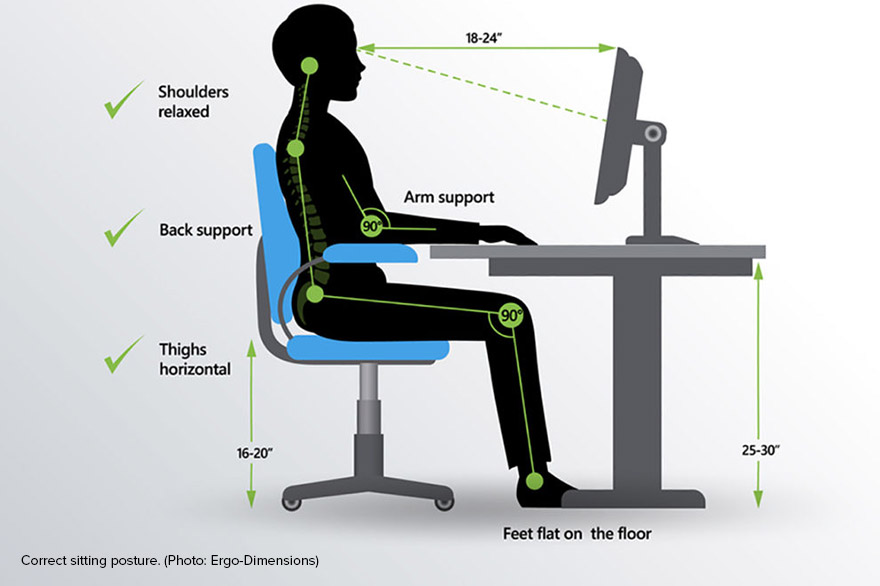
  • Start by practicing proper posture—whether you’re sitting at a desk or lifting objects at home. 

  • Regular posture correction helps reduce strain on your spine and supports long-term alignment.

  • Incorporating gentle exercises like stretching, walking, or yoga can also strengthen the muscles that support your back.

  • Aim for consistency over intensity, and don’t ignore stiffness or pain—these can be early warning signs. If needed, seek an orthopedic consultation to tailor a routine that suits your spine condition.

  • Quality sleep is just as important. Choose a supportive mattress and try to sleep on your side with a pillow between your knees to maintain spinal alignment.

    For more personalized spine care tips, especially if you travel often, check out our guide on Tips to Travel with Spine Problems.

Conclusion

Spine disorders, if left unaddressed, can lead to chronic pain, reduced mobility, and a decline in overall quality of life. Recognizing symptoms early and seeking timely care can make a significant difference in treatment outcomes.

If you’re experiencing back pain, stiffness, or nerve-related discomfort, it’s important to consult an experienced specialist. Our team is led by a trusted spine doctor in Electronic City, offering personalized care backed by years of expertise in diagnosing and treating complex spinal conditions.

Facing symptoms? Book an expert consultation  with a spine specialist today and take control of your spinal health before it progresses.

FAQs:

1. What are the initial signs that may indicate a spine disorder?

Initial symptoms of spine disorders often involve ongoing neck or back pain, limb numbness or tingling, muscle stiffness, or general weakness. If symptoms worsen or affect daily life, it’s best to seek medical advice.

2. Can spine disorders be treated without surgery?

Yes, many spine disorders can be managed through non-surgical treatments such as physical therapy, posture correction, and medication. Surgical intervention is typically recommended only when non-invasive treatments do not bring sufficient relief.

3. When should I see a spine doctor in Electronic City?

If you’re experiencing continuous back pain, discomfort while walking, or symptoms like numbness and tingling, consult a spine doctor in Electronic City to get a proper diagnosis and treatment plan.

4. What is the difference between an orthopedic doctor and a neurosurgeon for spine care?

Orthopedic doctors handle bone and joint conditions, while neurosurgeons in Bangalore are trained to treat spinal cord and nerve-related issues. The most suitable option depends on the specific nature of your condition.

A chronic back pain can follow you at all times, from sitting at your work to attempting to get a good night’s sleep. For many, it interferes with job, family life, and even emotional health in addition to being a physical pain. The longer it remains, the more it gets in the way, making daily tasks seem impossible.

Ignoring the discomfort or attempting short-term solutions will simply make the issue worse. Without identifying the root cause, mild discomfort can evolve into a debilitating condition. The good news is that there is hope for relief. You can determine the root cause of your discomfort and start an individualized treatment by speaking with a spine specialist in Bangalore. There is a solution waiting for you, whether it be professional treatment, lifestyle modifications, or therapy.

What Causes Chronic Back Pain?

Ligament or Muscle Strain

Back injured muscles or ligaments might result from heavy lifting, sudden awkward motions, or overexertion. Over time, persistent discomfort may be worsened by repeated strain.

Degenerative Disc Disease
The spine’s discs gradually lose their cushioning as people age, which causes stiffness and pain. Degenerative disc disease is one of the main causes of persistent back pain.

Bulging or Herniated Discs

When the soft tissue inside a disc pushes through its outer shell and presses against surrounding nerves, it results in a herniated disc. Especially in the lower back, this can result in severe pain, numbness, or weakness.

Spinal Stenosis
The spinal canal narrows in spinal stenosis, placing pressure on the spinal cord and nerves. Particularly in older persons, this frequently leads to pain, numbness, and weakness.

Arthritis of the Spine
Inflammation, stiffness, and cartilage degradation are the results of osteoarthritis in the spine. Chronic discomfort, especially in the neck and lower back, can be brought on by this illness.

Spondylolisthesis
This disorder is brought on by vertebral slipping, which results in spinal instability and persistent back discomfort. It frequently results from aging or birth abnormalities.

Osteoporosis
Osteoporosis weakens bones, increasing the risk of fractures in the spine. These fractures, called compression fractures, are a common cause of chronic back pain in older adults.

Bad Posture

Over time, back strain from hunched over extended sitting, or incorrect posture can result in chronic pain.

Sedentary Lifestyle
A lack of physical activity weakens core and back muscles, reducing spinal support and contributing to chronic pain.

Psychological Factors
Chronic back pain can be made worse by stress, anxiety, and depression, which can increase the sense of pain and cause muscle tension.

How to Treat Chronic Back Pain Without Surgery

If you’re suffering from chronic back pain, there are several non-surgical treatments that spine specialists in Bangalore recommend:

  1. Physical Therapy
    A customized physical therapy program can strengthen the muscles around the spine, improve flexibility, and promote proper posture. A skilled physiotherapist or spine specialist in Bangalore can guide you through effective exercises and manual therapy techniques.
  2. Medications
    Over-the-counter pain relievers like NSAIDs can reduce inflammation, while prescription medications may be used for severe pain. Specialists will recommend the right course of treatment based on your condition.
  3. Lifestyle Modifications
    Maintaining a healthy weight, engaging in regular physical activity, and avoiding prolonged sitting can reduce strain on the spine and alleviate pain.
  4. Alternative Therapies
    Acupuncture, chiropractic care, and massage therapy have been shown to relieve chronic back pain by improving circulation and reducing tension.
  5. Mindfulness and Stress Management
    Chronic pain can be exacerbated by stress. Cognitive-behavioral therapy (CBT), mindfulness meditation, and relaxation techniques can help manage pain perception and improve overall well-being.

Why Consult a Spine Specialist in Bangalore?

Bangalore is home to some of the most advanced medical facilities and experienced specialists who excel in diagnosing and treating back pain. Here’s how a spine specialist in Bangalore can help:

  • Comprehensive Diagnosis: To identify the precise source of pain, specialists use cutting-edge imaging methods such as MRIs, CT scans, and X-rays.
  • Personalized Treatment Plans: You will be given a customized treatment plan that combines therapies for the best outcomes based on the diagnosis.
  • Rehabilitation Support: Rehabilitation programs focus on long-term recovery and include anything from physiotherapy to posture correction.
  • Access to Multidisciplinary Care: To provide comprehensive care, many spine specialists in Bangalore collaborate with a group of professionals that includes orthopedic surgeons, physiotherapists, and pain management specialists.

Take Control of Chronic Back Pain with Expert Care

Chronic back pain can be a never-ending battle that affects not just your physical health but also your mental and emotional well-being. Over time, it may develop into a condition that affects with your everyday activities, productivity, and general quality of life, but it may begin as a minor pain. But this doesn’t have to be the case forever. Regaining control over your health requires identifying the underlying reasons of your discomfort and getting treatment as soon as possible.

With the correct direction, the path to a pain-free life can begin. A crucial first step in properly treating your illness is speaking with a spine specialist in Bangalore. These professionals have the most up-to-date diagnostic equipment and methods to pinpoint the exact source of your discomfort, be it arthritis, disc problems, or even bad posture. To achieve the best outcomes, they also create individualized treatment plans that are specific to your needs and include therapies like physiotherapy, medication, lifestyle modifications, and alternative methods.

See a professional right now to start along the path to long-lasting relief from spine and back pain. Don’t let it limit your potential. To maintain a healthier, more active lifestyle, your spine needs the proper care and attention.

FAQs

Q1: What are the common causes of chronic back pain?
Chronic back pain can result from ligament or muscle strain, degenerative disc disease, herniated discs, spinal stenosis, arthritis, osteoporosis, poor posture, or psychological factors like stress and anxiety.

Q2: How can a spine specialist in Bangalore help with back pain?
A spine specialist can provide a comprehensive diagnosis, recommend personalized treatments such as physical therapy, medications, or alternative therapies, and help develop lifestyle modifications for effective pain management.

Q3: Can chronic back pain be treated without surgery?
Yes, non-surgical treatments include physical therapy, lifestyle changes, medications, mindfulness techniques, and alternative therapies like acupuncture or chiropractic care.

Q4: How does posture impact chronic back pain?
Poor posture can strain your back muscles and ligaments over time, leading to chronic pain. Improving posture through exercises and awareness can significantly reduce discomfort.

Q5: When should I consult a spine specialist for back pain?
You should consult a spine specialist if back pain persists for more than a few weeks, interferes with daily activities, or is accompanied by symptoms like numbness, weakness, or radiating pain.

Q6: What lifestyle changes can help reduce chronic back pain?
Regular physical activity, maintaining a healthy weight, avoiding prolonged sitting, and practicing proper posture can help alleviate chronic back pain.

Q7: Are alternative therapies effective for chronic back pain?
Alternative therapies like acupuncture, massage therapy, and chiropractic care can improve circulation, reduce muscle tension, and provide relief for chronic back pain.


Lifestyle Changes

1. Maintain a Healthy Weight: Reduce excess pressure on your spine by   maintaining a healthy BMI.

2. Stay Physically Active: Regular exercise strengthens core and back muscles that support the spine.

3. Avoid Smoking: Smoking accelerates disc degeneration by reducing blood supply to spinal discs.

4. Stay Hydrated: Proper hydration helps maintain the elasticity and shock-absorbing capacity of spinal discs.

5. Eat a Balanced Diet: Include calcium, vitamin D, and other nutrients to keep bones and discs healthy.

Postural Awareness

6. Practice Good Posture: Sit and stand with your back straight, shoulders back, and head aligned.

7. Use Ergonomic Furniture: Choose chairs and workstations that support your spine’s natural curves.

8. Avoid Prolonged Sitting: Take breaks every 30 minutes to stretch and move.

9. Lift Properly: Use your legs, not your back, when lifting heavy objects. Avoid twisting your spine.

10. Avoid Carrying Heavy Bags: Distribute weight evenly, or use a backpack instead of one-shoulder bags.

Exercise and Fitness

11. Strengthen Core Muscles: Core-strengthening exercises stabilize your spine.

12. Stretch Regularly: Flexibility exercises reduce stiffness and improve spinal mobility.

13. Engage in Low-Impact Activities: Activities like swimming, walking, or yoga are gentle on the spine.

14. Avoid High-Impact Activities: Minimize activities that place excessive strain on the spine, like heavy weightlifting or jumping.

Sleep Hygiene

15. Sleep on a Supportive Mattress: Choose a medium-firm mattress that supports spinal alignment.

16. Adopt a Proper Sleeping Position: Sleep on your back or side with a pillow under your knees or between your legs to reduce strain.

Injury Prevention

17. Warm Up Before Physical Activity: Prepare your body for exercise to avoid sudden strain on the spine.

18. Avoid Overexertion: Don’t push your body beyond its limits during work or physical activities.

Health Monitoring

19. Regular Checkups: Monitor your spine health, especially if you have a history of back issues.

20. Address Back Pain Early: Seek medical advice if you experience persistent back pain or stiffness to prevent worsening conditions.

These preventive measures help protect the spine and reduce the risk of disc prolapse, promoting long-term spinal health.

Constant back pain can make everyday activities like bending, sitting, or walking unbearable, significantly affecting both your physical and emotional well-being. After trying various treatments without success, the idea of surgery might feel overwhelming due to concerns about cost, recovery, or effectiveness.

Thankfully, India was developing in spine surgery, offering advanced care and technology, and expert spine surgeons in Bangalore—all at an affordable cost. With a proven track record of success, India brings hope to patients worldwide, whether they require minimally invasive procedures or complex spinal repairs.

In this insightful blog, we explore how spine surgery in India is transforming the lives of patients with chronic back pain. Let’s dive in!

Common Causes of Chronic Back Pain

Degenerative Conditions

  • Herniated Discs: Spinal nerves are put under strain when the cushion between vertebrae weakens or bulges, but this can cause extreme discomfort. X-rays, MRIs, and CT scans can all identify these disc problems.
  • Spondylosis: Age-related tears in the spine can lead to arthritis, impacting flexibility and comfort.

Trauma or Injuries

  • Accidents or falls can damage spinal discs or vertebrae, resulting in long-term pain and restricted movement.
  • Sports-related injuries, especially in high-impact activities, are another frequent cause.

Lifestyle Factors

  • Poor posture while sitting, standing, or working can strain the spinal cord and surrounding muscles.
  • Obesity increases pressure on the lower back, worsening pain over time. 


Read More : Disc Prolapse at Neck Cervical PIVD – NeuroWellness

Types of Spine Surgeries in India

The type of surgery recommended depends on the severity and nature of the back pain. Here’s a breakdown of the most common types:

Minimally Invasive Spine Surgery (MISS)

MISS is an innovative technique that has transformed the treatment of spinal disorders. It is suitable for various conditions, including spinal stenosis, herniated discs, and certain abnormal conditions due to injuries. MISS uses small incisions and specialized instruments to access the spine with minimal disruption to surrounding tissues.

Benefits:

  • Reduced blood loss during surgery.
  • Less pain and scarring compared to traditional open surgery.
  • Shorter hospital stays and quicker recovery times.
  • Lower risk of complications such as infections.

How a Brain and Spine Clinic Can Help With Chronic Back Pain

Spinal fusion:

Spinal fusion emerges as a stabilizing solution for conditions involving instability between vertebrae. Degenerative disc disease, in particular, can compromise the spine’s stability, leading to pain and reduced functionality. Spinal fusion is the most common type of spinal surgery. This procedure involves joining two or more vertebrae together using bone grafts or inserting synthetic materials. The fused vertebrae create a stable structure, reducing abnormal movement and, most crucially, alleviating pain. This surgery can also help manage the function in the affected area.

Artificial Disc Replacement

Artificial disc replacement is an innovative solution for patients with damaged intervertebral discs causing chronic pain and limited mobility. Spine Surgeons in Bangalore replace the damaged disc with a synthetic one made of metal, designed to manage the natural movement of the spine.

Benefits:

  • Restores normal motion in the affected spinal segment.
  • Reduces the risk of adjacent segment degeneration (common in spinal fusion).
  • Provides long-term pain relief and improves quality of life.

Recovery is quicker compared to traditional procedures, and patients often experience significant improvements in mobility within weeks.

Microdiscectomy

Microdiscectomy is a minimally invasive procedure often recommended for patients suffering from herniated discs that compress spinal nerves, causing pain, numbness, or weakness.

Spine Surgeons in Bangalore use a microscope to remove small portions of the herniated disc pressing on the nerve roots during this procedure. This procedure are used to remove either ruptured or herniated discs.

Benefits:

  • Minimally invasive, requiring only a small incision.
  • Shorter hospital stay and faster recovery.
  • High success rate in relieving nerve-related pain, especially sciatica.

Recovery: Patients can often resume normal activities within a few weeks, making this a popular choice for those seeking a quick return to daily life.

Advanced Technologies Used in Spine Surgeries

Robotic-Assisted Spine Surgery

  • Robotic-assisted spine surgery leverages advanced robotic systems to enhance the precision of surgical procedures. Surgeons use robotic arms guided by preoperative imaging data, allowing them to create a highly accurate surgical plan.
  • These systems minimize human error by providing unparalleled precision in placing screws, rods, or other spinal implants. For example, robotic guidance reduces the likelihood of nerve damage and improves alignment during complex spinal fusions. Patients benefit from smaller incisions, reduced blood loss, and a quicker return to daily activities.
  • Robotic assistance also provides real-time feedback during surgery, enabling surgeons to make precise adjustments when necessary. This technology is especially valuable for procedures requiring high accuracy, such as correcting spinal deformities or addressing spinal instability.

3D Imaging and Navigation Systems:

  • 3D imaging and navigation systems act as a “GPS” for surgeons, offering a detailed view of the spine during surgery. These systems combine preoperative CT or MRI scans with real-time intraoperative imaging, providing a dynamic 3D map of the patient’s anatomy.
  • Surgeons can navigate complex structures with greater confidence, minimizing the risks associated with traditional 2D imaging methods. For instance, in procedures like spinal tumor removal, this technology ensures precision by showing the exact location of the tumor and critical surrounding tissues.
  • Navigation systems also reduce radiation exposure compared to conventional X-rays, as fewer scans are needed during the surgery. For patients, this means a safer surgical experience with fewer complications and improved recovery outcomes.

Minimally Invasive Spine Surgery Techniques Using Robotics:

Minimally invasive spine surgery (MISS) techniques have been further revolutionized by the integration of robotic technology. These procedures involve tiny incisions and the use of specialized tools to address spinal issues with minimal disruption to surrounding tissues.

  • Robotics enhances the accuracy and efficiency of these procedures. For example, robotic systems assist in guiding instruments through small incisions with extreme precision, reducing the risk of damage to muscles and ligaments. Common applications include treating herniated discs, spinal stenosis, or degenerative disc disease.
  • The benefits of robotic-assisted MISS include shorter hospital stays, less postoperative pain, and a faster return to normal activities. Patients also experience fewer complications, such as infections or scarring, compared to traditional open surgeries.

These technological advancements not only ensure higher success rates but also make spine surgeries less intimidating for patients.

Take the first step today by consulting a qualified spine specialist for back pain treatment in Bangalore.

Conclusion:

Choosing a trusted hospital and spine surgeons in Bangalore will not only improve the procedure’s success but also make the entire treatment journey stress-free.

Chronic back pain can severely impact your quality of life, limiting your physical capabilities and affecting your emotional well-being. Advancements in spine surgery have provided effective solutions for even the most complex spinal conditions.

India is advancing in spine care and treatment, particularly for back pain treatment in Bangalore, with its advanced facilities and highly skilled doctors. From minimally invasive techniques to cutting-edge robotic-assisted surgeries, Neurowellness Brain and Spine Clinic provides care that is both innovative and patient-focused.

By understanding the available surgical options, leveraging advanced technologies, and ensuring proper aftercare, patients can achieve long-lasting relief and a renewed sense of mobility.

FAQs

1. What are the common causes of chronic back pain?
Chronic back pain can result from degenerative conditions like herniated discs or spondylosis, injuries from accidents or sports, and lifestyle factors such as poor posture or obesity.
2. What are the benefits of minimally invasive spine surgery (MISS)?
MISS offers reduced blood loss, less pain and scarring, shorter hospital stays, quicker recovery, and a lower risk of complications compared to traditional surgery.
3. How does robotic-assisted spine surgery improve outcomes?
Robotic systems enhance precision during surgery, reduce human error, minimize tissue damage, and ensure faster recovery with fewer complications.
4. What is artificial disc replacement, and who is it suitable for?
Artificial disc replacement involves replacing damaged intervertebral discs with synthetic ones to restore natural motion and alleviate pain. It’s ideal for patients with chronic disc-related issues.
5. How do I choose the best spine surgeon in Bangalore?
Look for a surgeon with expertise in advanced techniques, positive patient reviews, and access to state-of-the-art facilities to ensure a successful treatment journey.
6. How long does recovery take after spine surgery?
Recovery times vary depending on the procedure, but minimally invasive surgeries often allow patients to return to normal activities within a few weeks.

Back pain in women can be caused by spine conditions, hormonal changes, pregnancy-related strain, or nerve compression.

Early diagnosis and timely treatment can prevent long-term complications. This guide explains the most common causes, symptoms, and when to seek medical care.

Back pain in women is often dismissed as stress, poor posture, or daily household strain. However, several spine and nerve-related conditions affect women more commonly and can silently worsen if left untreated.

Hormonal changes, pregnancy, osteoporosis, and disc-related problems significantly increase the risk of chronic back pain in women. Recognizing the early warning signs is essential to prevent long-term pain, mobility issues, or nerve damage.

In this guide, we explain seven back pain conditions that mainly affect women, their symptoms, causes, and when expert spine care is necessary.

Do you know the 7 back pain conditions that mainly affect women?

A number of diseases, injuries, and medical conditions can all cause back pain as a symptom. Acute or chronic back pain affects men, women, and children equally, however, women are more likely than males to have certain conditions. For instance, women are more likely than males to develop persistent back pain over time.

In women, a number of conditions are more prevalent (and sometimes exclusive). Post-menopausal women are usually affected by back pain-related issues (above 50 years). Continue reading to find out more about the typical causes and reasons behind female back pain.

7 Back Pain Conditions That Mostly Affect Women

1. Osteoporosis → Weak bones → Regular calcium & vitamin D check-ups
2. Disc Degeneration → Lower back pain → MRI + physiotherapy
3. Pregnancy-Related Back Pain → Postural strain → Guided exercises & braces
4. Arthritis → Joint stiffness → Anti-inflammatory care + lifestyle changes
5. Fibromyalgia → Widespread pain → Pain management & stress reduction
6. Sciatica → Leg pain from nerve compression → Minimally invasive spine care
7. Endometriosis-Linked Pain → Pelvic & back pain → Gynae + spine specialist care

Looking for Back Pain Treatment in Bangalore? Neurowellness is one of the top spine clinics In Bangalore. Consult with our spine doctors and the Best Spine Surgeon in Bangalore, Dr. Ganesh Veerabhadraiah to get the best treatment for back pain.

Piriformis syndrome

7 Back Pain Conditions That Mainly Affect Women Piriformis syndrome refers to pain that results from spasms in your piriformis muscle, a sizable muscle situated deep in your buttock. Pyriformis muscle is placed one on each side of waist. Due to hormonal and pregnancy-related changes in the pelvis, women are more affected than men.
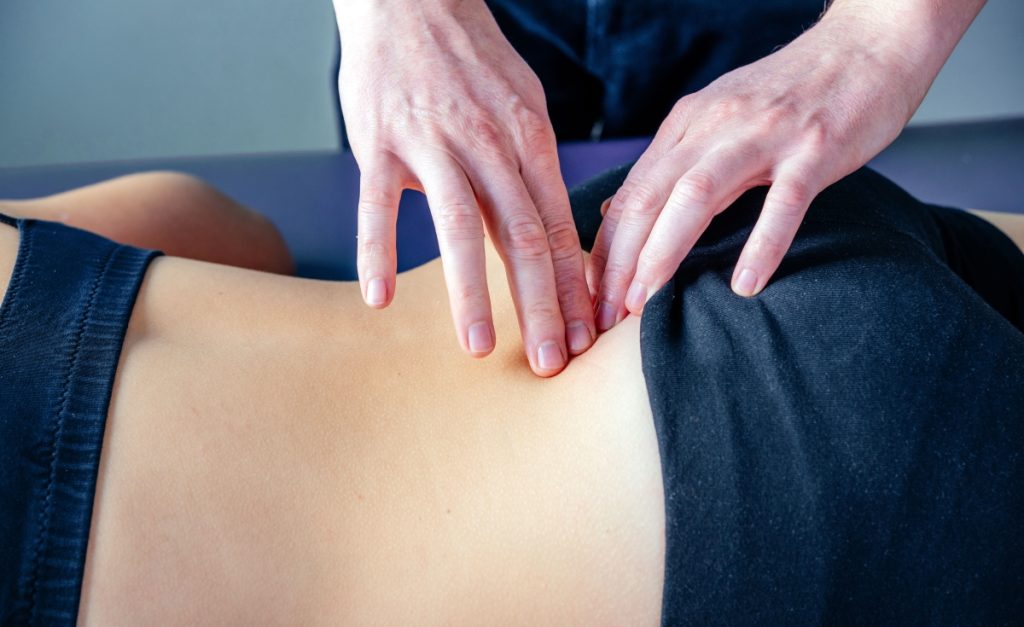
The sciatic nerve is frequently irritated or compressed by piriformis syndrome, simulating sciatica symptoms. As a result of piriformis syndrome causes,
Generally speaking, when you lie on your back, the symptoms get better.

Sacroiliac joint dysfunction

7 Back Pain Conditions That Mainly Affect Women
The term “sacroiliac joint dysfunction” or “sacroiliitis” refers to pain in the sacroiliac (SI) joint, which connects the base of your spine to your pelvis. One of the more prevalent reasons for lower back discomfort is issues with the SI joints.
In comparison to men, women often have a lower SI joint surface area, which causes a larger concentration of strains across the joint. Women have a broader, more uneven, less curved, and inclined sacrum, which could contribute to SI joint issues.
These elements, along with a number of other anatomical variations, can increase the incidence of SI joint misalignment, particularly in younger women.
Sciatica-like symptoms can also result from SI joint dysfunction. Typical traits include
Sitting, lying on the affected side, and climbing stairs are frequently associated with an increase in SI joint pain.

Spinal osteoarthritis

7 Back Pain Conditions That Mainly Affect Women Women frequently develop osteoarthritis (wear-and-tear arthritis) of the facet joints. With an increase in age and/or weight, the risk increases.

A degradation of the fibrous cartilage in the facet joints is brought on by spinal osteoarthritis. Your bones may rub against one another without the cushioning that cartilage provides, leading to pain. Lower back osteoarthritis can lead to:
Your back discomfort may only affect one side, get worse when you put pressure on it from the outside, or go away when you bend your spine forward.

Degenerative spondylolisthesis

Degenerative spondylolisthesis occurs when a vertebra in your spine slips over the one below it because of deterioration. Due to reduced estrogen levels, the illness affects post-menopausal women more frequently.

Low oestrogen levels lead to increased vertebral disc degeneration and loosening of the ligaments holding the vertebrae together, which causes spinal instability. This age group also has a higher likelihood of concomitant spinal osteoarthritis, which raises the possibility of vertebral 

Learn more: tips to manage neck pain during pregnancy

As a result degenerative spondylolisthesis causes,

Usually, bending forward brings about pain alleviation.

Coccydynia (tailbone pain)

7 Back Pain Conditions That Mainly Affect Women

Trauma is a major cause of pain in the coccyx, the last vertebra in your spine. Due to changes in the form and angle of the pelvis as well as injuries sustained during childbirth, the disorder affects women more frequently than males.

While you’re sitting, the coccyx supports your weight. Pain may result from an injury to this area while:

Standing up instantly relieves coccydynia pain. To prevent tailbone pain, you might want to lean forward while sitting or lean onto one buttock at a time.

Endometriosis

7 Back Pain Conditions That Mainly Affect Women

Endometriosis is a condition that affects women. The illness causes the endometrial tissues to expand outside the uterus Common signs include:

Chronic back discomfort that worsens during periods or menstruation is possible.

Read more : how a brain and spine clinic can help withchronic back pain

Spinal osteoporosis fractures

Osteoporosis occurs when the density of the bone weakens or declines, leaving it fragile and more prone to fracture. When there is a greater rate of bone loss than new bone production, osteoporosis develops. Osteoporosis is four times as common in post-menopausal women than in men. This discrepancy might be brought about by a lack of the oestrogen hormone, earlier bone ageing, and faster bone ageing.

Although osteoporosis alone can result in bone pain, it is more likely to lead to compression fractures in your spine, which can cause excruciating back pain. Spinal compression fractures causes,

The bottom line:

Back pain in women might sometimes arise for unknown reasons. Back discomfort can be caused by common changes in a woman’s life cycle, such as pregnancy, childbirth, hormone imbalances, and weight gain (particularly in the abdomen).

See a doctor if your back pain interferes with your everyday activities, is not eased by self-care, develops neurological symptoms (such as numbness or weakness), or causes neurological symptoms. The experts at NeuroWellness – The best Spine Care Clinic in Bangalore are here to help with your back pain, do consult us to lead a pain-free healthy and happy life!

“Women face unique spine challenges like pregnancy-related pain, osteoporosis, and arthritis. Neurowellness Brain & Spine Clinic offers expert solutions.”

FAQs

1. Is back pain in women a serious condition?

Back pain in women can range from mild muscle strain to serious spine or nerve-related conditions. Persistent or worsening pain should always be evaluated by a specialist.

2. What are the common causes of back pain in women?

Common causes include disc problems, hormonal changes, pregnancy-related strain, osteoporosis, poor posture, and nerve compression.

3. When should women consult a spine specialist for back pain?

If back pain lasts more than two weeks, worsens, or is associated with leg pain, numbness, or weakness, medical evaluation is advised.

4. Can back pain in women be treated without surgery?

Yes. Most cases respond well to non-surgical treatments such as physiotherapy, medications, posture correction, and lifestyle changes when diagnosed early.

5. Which doctor should women consult for chronic back pain?

A spine specialist or neurosurgeon experienced in treating spine conditions in women is best suited for accurate diagnosis and treatment.

Ganesh

About Author

Dr. Ganesh Veerabhadraiah

Dr. Ganesh Veerabhadraiah, leading neurosurgeon and neurologist in Bangalore, has over 20 years of expertise in managing back pain, migraines, headaches, neuro disorders, and spine problems. His clinical excellence and patient-first approach make him one of the most trusted neuro doctors in Bangalore.

At Neurowellness Brain & Spine Clinic in Jayanagar and Kavery Hospital Electronic City, Dr. Ganesh provides comprehensive treatments ranging from minimally invasive spine surgery to advanced neurological care. As a respected back pain specialist and migraine doctor, he continues to deliver reliable outcomes for patients.

👉 Connect with Dr. Ganesh on LinkedIn

What is one  of the most crucial supporting component of your body? Yes It is  your spine. You can’t  stay upright or even stand up without it isn’t it?  It provides structure and support to your body. It enables you to move freely and bend with flexibility. Nature  is also created to protect the spinal cord. The spinal cord is a network of nerves that connects your brain to the rest of your body which allows you to regulate your movements. You can’t  move any part of your body and your organs can’t work if you don’t  have a spinal cord. This is why, if you want to live an active life, you must maintain the health of your spine correct

This blog covers the key functions of a spine or spinal cord.

Function of SpineWhy It MattersCommon Problems if Affected
SupportHolds body uprightPosture issues, back pain
ProtectionShields spinal cord & nervesNerve damage, paralysis risk
FlexibilityEnables bending & movementStiffness, limited mobility
Shock AbsorptionDistributes body weightDisc prolapse, spinal injuries

What is the Spine?

 Here we are going to discuss what exactly it made, its units and attachments?

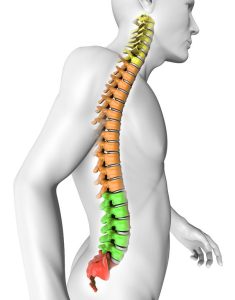
The spine (also known as the backbone) is a connected column of bones that runs from the head to the lower back. The column is made up of bone parts. A vertebra is a single bone segment or unit, while vertebrae are several bone segments. Ligaments and muscles connect these vertebrae, while a disc separates the majority of them and acts as a cushion to absorb shock along the spine.

Each vertebra is numbered and classified into five regions.

• The cervical area has 7 cervical vertebrae.
• The thoracic area contains 12 thoracic vertebrae.
The lumbar area contains 5 lumbar vertebrae.
In the sacral area, there are 5 sacral vertebrae that are fused together to form one bone known as the sacrum.
In the coccygeal area, there are 3 to 5 coccygeal vertebrae that are joined as one bone and known as the coccyx (often known as the tailbone).

What does a spinal cord do?

The central nervous system of your body is composed of the brain and spinal cord. The brain serves as your body’s command centre, and the spinal cord serves as a conduit for messages conveyed from the brain to the body and from the body to the brain.

The peripheral nervous system is a network of nerve strands that branch off from the left and right sides of the spinal cord through gaps  in the spinal canal between each vertebra. What these pairs of nerves do ? These nerve pairs are distributed throughout your body and carry commands from your brain and spinal cord to and from various sections of your body.

The central nervous system and peripheral nervous system collaborate to allow your brain to regulate your body’s numerous functions, which include three critical areas:

Motor Functions – directs the voluntary muscle movements of your body.

Sensory Functions – monitors touch, pressure, temperature, and pain sensations.

Autonomic Functions – governs digestion, urination, body temperature, heart rate, and blood vessel dilation/contraction (blood pressure).

What are the Functions of spine?

Protection

The spinal column is like a guard -helmet . What it does is- protects the spinal cord and nerve roots. Any injury here can jeopardise your general health if messages are not successfully delivered to and from the brain.

Mobility and Flexibility

Our spine determines our range of motion, providing Flexion (forward bending), Extension (backward bending), Side bending (left and right), and Rotation (left and right).  It also provides a range of the aforementioned combinations, allowing us to accomplish movements . Eg. how we dance ? How we flex our body ? How we climb and climb down? Including  rolling over in bed to getting out of bed in the morning, walking through the stairs, and sprinting for the bus to prevent being late.

Support for the structure- like a pillar!

We couldn’t sit up, stand, walk, or run without our spine, which provides structural support for the head, shoulders, and chest. It also connects the upper and lower bodies, with the spinal column encasing the vital cord and nerve roots.

The spinal column not only connects the upper and lower bodies, but it also helps to balance the body and distribute weight.

Attachment base

Spine is like a connecting device -Ligaments, tendons, and muscles all connect and attach to the spinal column. Imagine If this did not exist, there would be no anchor.

Carrying brain signals

The spinal cord receives brain impulses that govern movement and autonomic activities.

Carrying information to the brain

The spinal cord and nerves  carry messages from the body to the brain, such as touch, pressure, and pain sensations. When these messages are carried to Brain only we will can feel all sensations.

Reflex responses

The spinal cord can conduct motor reflexes independently of the brain. The patellar reflex, for example, causes a person’s knee to jerk involuntarily when touched in a certain area.

Summary:

The spinal cord is a complicated network of nerve cells that control movement and feeling. It passes information from the brain to the rest of the body.

Neuro Wellness is a Bangalore Spine Specialist Clinic which provides the best care for problems related to spine and brain. If you are facing any such problem, do visit today for a healthy tomorrow!

FAQs

1. What are the main functions of the human spine?

The spine supports body structure, protects the spinal cord, allows flexibility, and absorbs shock.

2. How can I keep my spine healthy?

Maintain good posture, exercise regularly, avoid smoking, and get regular check-ups if you have back pain.

3. What happens if the spine is weak or damaged?

It may cause chronic back pain, posture issues, disc prolapse, or nerve compression.

4. Can lifestyle changes prevent spine problems?

Yes. Active lifestyle, ergonomic habits, and weight management reduce spine stress.

5. Where can I get expert spine care in Bangalore?

Neurowellness Brain & Spine Clinic provides diagnosis and advanced treatment for spine conditions.

Spine surgery is a significant medical procedure often recommended when conservative treatments fail to alleviate severe pain or neurological symptoms. Making an informed decision about spine surgery is crucial. In this article, we explore the essential questions to ask your surgeon and the factors to consider before undergoing surgery. We also discuss the role of the best surgeon in Bangalore, alternative treatments, and why seeking a second opinion is important.

Questions Regarding Your Surgical Treatment

Understanding the specifics of your recommended procedure is the first step in making an informed decision. Ask your surgeon:

  1. Why is surgery necessary in my case?
    Ensure you know the exact reason for the procedure. For example, is it to relieve nerve compression, stabilize the spine, or correct deformities?
  2. What type of spine surgery are you recommending?
    Common procedures include laminectomy, discectomy, spinal fusion, and artificial disc replacement. Each has its purpose, risks, and benefits.
  3. What are the risks and complications?
    All surgeries carry risks, including infection, nerve damage, or failed back syndrome. Understanding these helps you prepare for potential outcomes.
  4. What is the expected recovery time?
    Recovery timelines can vary depending on the procedure and individual factors. Know how long it will take to resume daily activities.

Questions Regarding Your Surgeon’s Skills and QualificationsYour surgeon’s expertise can significantly impact the success of your procedure. Key questions to ask include:

  1. What is your experience with this type of spine surgery?
    Choose a surgeon who has performed the recommended procedure frequently and successfully.
  2. Are you a board-certified neurosurgeon or orthopedic spine surgeon?
    Certification ensures that the surgeon has met stringent qualifications and training standards.
  3. What is your success rate for this surgery?
    Ask for statistics and patient outcomes specific to your condition. A high success rate is reassuring when choosing the best surgeon in Bangalore.

Questions About What to Expect After Surgery

Postoperative care and recovery are as important as the surgery itself. Ensure you address the following:

  1. What is the expected outcome of the surgery?
    Will it completely relieve your symptoms, or will some issues persist?
  2. What kind of rehabilitation will I need?
    Physical therapy is often necessary after spine surgery to restore strength and mobility.
  3. What limitations will I have post-surgery?
    Knowing what activities to avoid can prevent complications and aid recovery.

Choosing a Good Surgeon

Finding a skilled and reputable spine surgeon is critical. Here are tips to help you make the best choice:

  1. Research Reviews and Recommendations
    Look for reviews from previous patients and ask your general physician for recommendations for the best spine doctor near me.
  2. Verify Credentials
    Ensure the surgeon has certifications in neurosurgery or orthopedic spine surgery.
  3. Hospital Affiliation
    Choose a surgeon affiliated with a reputable hospital. For instance, Neurowellness is known for its team of experienced neurosurgeons in Bangalore and state-of-the-art facilities.

Spine Surgery Success Rate in India

India boasts advanced medical facilities and highly skilled spine surgeons. The success rate of spine surgery in India is between 85-95%, depending on the type of procedure and patient condition. For the best results, consult the best surgeon in Bangalore, who is experienced in handling complex cases.

Spine Surgery Cost

The cost of spine surgery in India varies widely based on factors like the type of surgery, hospital, and surgeon’s expertise. On average:

  • A minimally invasive surgery may cost between ₹1,50,000 to ₹3,50,000.
  • Complex procedures like spinal fusion can range from ₹5,00,000 to ₹7,00,000.

For personalized cost estimates, consult a spine doctor near me or visit Neurowellness for a detailed discussion.

What Are the Alternatives to Spine Surgery?

Before opting for surgery, consider non-surgical alternatives:

  1. Physical Therapy: Helps strengthen the spine and alleviate pain.
  2. Medications: Pain relievers, anti-inflammatories, and muscle relaxants.
  3. Epidural Steroid Injections: Reduces nerve inflammation.
  4. Chiropractic Care: Can improve alignment and mobility.
  5. Lifestyle Changes: Weight loss, ergonomic improvements, and regular exercise.

What Will Happen If I Don’t Have Surgery?

Ask your surgeon to explain the potential consequences of delaying or avoiding surgery. These may include:

  • Worsening pain and disability.
  • Progressive nerve damage, leading to loss of function.
  • Increased risk of permanent complications.

Questions About Spinal Fusion

If spinal fusion is recommended, inquire further:

  1. Why is fusion necessary?
  2. What are the long-term implications?
    Spinal fusion limits movement between vertebrae, which may affect flexibility.

Should I Seek a Second Opinion?

Yes, always consider a second opinion, especially for complex surgeries like spinal fusion. Consulting another neurosurgeon in Bangalore can provide clarity and reassurance.

Additional Questions to Ask

  • Will the procedure be minimally invasive or open surgery?
  • What is the expected hospital stay?
  • Will I need any special equipment at home post-surgery?

Conclusion

Spine surgery is a life-changing decision that requires careful consideration. By asking the right questions and consulting experienced professionals, you can make informed choices about your treatment.

At Neurowellness, our team of the best surgeons in Bangalore specializes in advanced spine care. Whether you need surgery or alternative treatments, we are committed to providing personalized, world-class care.

Schedule Your Consultation Today

Don’t let back pain or spine problems hold you back. Consult the best neurosurgeon in Bangalore at Neurowellness. Book your appointment today and take the first step toward a pain-free life.

Lower back pain may be caused by spondylolisthesis, a spinal disorder. It happens when one of your vertebrae or spine bones slips out of place and lands on the vertebra below it. Nonsurgical treatment can usually alleviate your problems. In most cases, surgery for severe grade spondylolisthesis is effective.

What is spondylolisthesis?

Spondylolsthesis is a condition in which the vertebrae move more than they should, resulting in spine instability. A vertebra slips out of place and lands on the one below it. There will be pars interarticularis defect a bone connecting upper and lower facet. It could exert pressure on a nerve, resulting in lower back or leg pain.

The Greek words spondylos, which means “spine” or “vertebra” and listhesis, which means “slipping, sliding or moving” are combined to form spondylolisthesis (pronounced sphon-di-low-less-THEE-sis).

Types of spondylolisthesis:

  •  Degenerative spondylolisthesis: the most prevalent kind is degenerative spondylolisthesis, which occurs as a result of ageing.
  • Isthmic spondylolisthesis: as a result of spondylolisthesis, isthmic spondylolistheis develops. The bone is weakened by the crack or fracture.
  • Congenital spondylolisthesis: when a baby’s spine does not form properly before birth, this is known as congenital spondylolisthesis. The person’s vertebrae are misaligned, putting them at risk for slippage later in life.
  • Less common types of spondylolisthesis are:
  1. Traumatic spondylolisthesis: it occurs when the vertebrae slip as a result of an injury.
  2. Pathological spondylolisthesis: when a disease, such as osteoporosis, or a tumour, develops pathological spondylolisthesis.
  3. Post surgical spondylolisthesis: slippage as a result of spinal surgery is known as post-surgical spondylolisthesis.

How common is spondylolisthesis?

Spondylolisthesis and spondylolysis affect approximately 4% to 6% of the adult population. It is easy to go years without realising you have spondylolisthesis because you do not have any symptoms.

Degenerative spondylolisthesis (which happens as a result of ageing and wear and tear of the spine) is more common in women than in men after the age of 50.

Isthmic spondylolisthesis (typically induced by spondylolysis) is one of the most common reasons for back pain in teenagers.

Causes of spondylolisthesis:

One of the most common causes of spondylolisthesis in young athletes is overextending the spine. Genetics could also have a role. Some people are born with spinal bones that are thinner than others. Wear and tear on the spine and discs (the cushions between the vertebrae) can develop this problem in older persons.

What are the symptoms of spondylolisthesis?

You might not notice any signs or symptoms of spondylolisthesis. Some people are unaware that they have the disease. If you do experience symptoms, the most common one is lower back ache. The discomfort may spread to the buttocks and thighs. You may also experience:

  • Back pain/leg pain aggravated by activity- working at home or bending and picking up object.
  • Stiffness in the back
  • Spasms in the hamstring muscle (muscles in the back of the thighs)
  • Walking or standing for long periods of time is difficult
  • When leaning over, there is pain
  • Numbness, tingling or weakness in the foot.

How is spondylolisthesis diagnosed?

Your doctor will conduct a physical examination and inquire about your symptoms. An imaging/scan will very certainly be required to confirm the diagnosis.

What imaging tests will be needed?

  • A spinal X ray allows doctors to see if a vertebrae is misaligned.
  • To see the spine in greater detail or to see soft tissue like discs and nerves, a CT scan or an MRI scan may be required.

How to reduce the risk of spondylolisthesis?

You can lower your chance of spondylolisthesis by doing the following:

  • Regularly exercise your back and abdominal muscles to keep them strong
  • Maintain a healthy body mass index (BMI). Weight gain puts additional strain on your lower back
  • To keep your bones well nourished and robust, eat a well balanced diet.

What is the outlook for people with spondylolisthesis?

 The success rate of surgery is very high. Spondylolisthesis surgery patients typically return to an active lifestyle after a few months following surgery. Following surgery, you will almost certainly require therapy to help you regain full function.

Summary:

Spondylolisthesis is one of the  common cause of back pain /discomfort, however it is not life threatening. There are a variety of therapists available, ranging from medicine to physical therapy to spinal surgery. If you are experiencing low back discomfort or finding it difficult to walk, stand, or bend over, consult the Neuro Wellness Care Center, they will provide the best and cost friendly Back Pain Treatment in Bangalore.

Cervical disc prolapse (also called cervical PIVD or slipped disc in the neck) occurs when an intervertebral disc in the cervical spine bulges or ruptures and compresses a nearby nerve root or the spinal cord. It affects approximately 5.5 per 1,000 adults annually (Spine Journal, 2015), with peak incidence between ages 40–60. The most common levels are C5–C6 and C6–C7. Symptoms include neck pain, arm pain radiating below the elbow, numbness or tingling in specific fingers, and grip weakness.

Around 80–90% of cases resolve without surgery within 6–12 weeks of physiotherapy, anti-inflammatory medication, and activity modification. Surgery (typically ACDF or microdiscectomy) is required when neurological deficits progress, when spinal cord compression is present (cervical myelopathy), or when conservative treatment fails after 6–8 weeks. 

What Is Cervical Disc Prolapse (PIVD)?

Cervical disc prolapse — medically termed Prolapsed Intervertebral Disc (PIVD) or cervical disc herniation — occurs when the soft inner core of a spinal disc (the nucleus pulposus) pushes through the tougher outer layer (annulus fibrosus) and compresses structures in the cervical spine.

The cervical spine has seven vertebrae (C1–C7) separated by six intervertebral discs. These discs act as shock absorbers and allow neck movement. When a disc prolapses, it can press on:

• A nerve root — causing pain, numbness, or weakness that radiates into the arm (cervical radiculopathy)
• The spinal cord — causing more widespread neurological symptoms involving both arms and legs (cervical myelopathy — a more serious condition)

It is commonly called a “slipped disc in the neck,” though the disc does not actually slip — it protrudes or herniates outward.

How common is it? 

Cervical disc prolapse affects approximately 5.5 per 1,000 adults per year, with a lifetime prevalence of around 107 per 100,000 population (Spine Journal, 2015). It is significantly more common in Bangalore’s IT and software workforce, where prolonged forward-head posture during screen work accelerates cervical disc degeneration.

For comparison with lower spine conditions, read about: lumbar disc prolapse

What Are the Symptoms of Cervical Disc Prolapse?

Symptoms vary based on which disc level is affected and whether the disc is compressing a nerve root or the spinal cord.

Cervical radiculopathy (nerve root compression) symptoms:

• Neck pain on one side, often sharp or burning
• Pain radiating from the neck into the shoulder, upper arm, forearm, or specific fingers
Numbness or tingling in the arm or hand — in a pattern that corresponds to the affected nerve level
Weakness in specific arm or hand muscles

For symptom relief strategies, explore: Exercises to relieve neck pain

Pain that worsens when tilting the head backward or toward the affected side
Pain that improves when raising the arm above the head (Shoulder Abduction Relief Sign — a classic cervical radiculopathy indicator)
Headaches originating from the back of the neck (occipital)

Cervical myelopathy (spinal cord compression) symptoms — more serious:

• Clumsiness or weakness in both hands — difficulty buttoning clothes, writing, or using keys
• Unsteady gait or balance problems — particularly walking in the dark
Electric shock sensation down the spine when bending the neck forward (Lhermitte’s sign)
Weakness in both legs
Urinary urgency or difficulty initiating urination
Dropping objects frequently

Cervical myelopathy is a more urgent condition than radiculopathy. It indicates the spinal cord itself is compressed and requires prompt neurosurgical evaluation — not watchful waiting.

Which Nerve Level Is Affected? — Symptom Pattern by Disc Level

This is one of the most-searched questions for this topic on AI platforms. The specific pattern of symptoms tells your doctor — and you — which disc level is likely involved before even doing an MRI.

Disc levelNerve affectedPain locationNumbness/tinglingMuscle weakness
C4–C5C5 rootNeck to shoulder/upper armOuter shoulderDeltoid (shoulder abduction)
C5–C6C6 root (most common)Neck → thumb and index fingerThumb, index fingerBiceps, wrist extension
C6–C7C7 root (most common)Neck → middle fingerMiddle fingerTriceps, wrist flexion
C7–T1C8 rootNeck → ring and little fingerRing and little fingersHand grip, finger extension

Most cervical disc prolapses occur at C5–C6 or C6–C7, accounting for approximately 70% of all cervical disc herniation cases (Journal of Bone and Joint Surgery, 2018).

If you have numbness in your thumb and index finger with biceps weakness — that is a C6 root pattern. If your middle finger is affected with triceps weakness — that is a C7 root pattern. These patterns guide both diagnosis and surgical planning.a

What Causes Cervical Disc Prolapse?

Age-related degeneration (most common)

After age 30, cervical discs progressively lose water content and elasticity. The outer annulus fibrosus develops micro-tears. Over time, even normal neck movements can cause the degenerated disc to herniate. By age 60, radiological evidence of cervical disc degeneration is present in over 90% of men and 80% of women — though most are asymptomatic (Spine, 2010).

Posture-related strain — the Bangalore IT factor

Forward head posture — the position most people adopt when looking at a screen, using a mobile phone, or working at a poorly positioned workstation — increases cervical disc pressure significantly. For every centimetre the head moves forward from its neutral position over the spine, the effective weight on the cervical disc increases by approximately 4.5 kg (Hansraj, Surgical Technology International, 2014). An adult head weighing 5 kg effectively imposes 27 kg of force on the cervical spine when the head is 5 cm forward. This is the primary mechanism of cervical disc degeneration in IT professionals.

This is also commonly seen in conditions discussed under low back pain types

Acute trauma

Whiplash injuries (sudden flexion-extension), falls, contact sports, or road traffic accidents can cause acute disc herniation even in young adults with previously healthy discs.

Other risk factors

• Smoking — reduces disc nutrition through microvascular changes
• Obesity — increases mechanical load on cervical discs
Genetic predisposition — disc degeneration has a hereditary component
Repetitive heavy overhead lifting
Vibration exposure (drivers, heavy machinery operators)

Cervical Disc Prolapse vs Cervical Spondylosis — What Is the Difference?

This distinction confuses many patients and is frequently searched on AI platforms.

FeatureCervical disc prolapse (PIVD)Cervical spondylosis
What it isDisc material herniating and compressing nervesDegenerative wear of discs, joints, and bone spurs over time
Age of onsetCan affect younger adults (30–50)Usually 50+
Pain characterAcute, sharp, radiating into armDull, aching, intermittent, often bilateral
Arm symptomsCommon — specific nerve root patternLess specific, intermittent
MRI appearanceSoft disc herniation compressing rootBone spurs, disc space narrowing, facet joint changes
ProgressionCan resolve with treatmentSlowly progressive, degenerative
TreatmentMore likely to respond to injections + physioLonger management, may need surgery for myelopathy

In practice, many patients have both — a degenerated cervical spine (spondylosis) with superimposed acute disc herniation. The MRI and clinical examination differentiate the two.

How Is Cervical Disc Prolapse Diagnosed?

Clinical examination

The neurological examination assesses: neck movement range, reflexes (biceps C5/C6, triceps C7), muscle strength in specific groups, sensation in dermatomal patterns, and special tests including:

• Spurling’s test — the neck is extended and rotated toward the affected side while the examiner applies gentle axial pressure. Reproduction of arm pain is a positive test for cervical radiculopathy (sensitivity 30–60%, specificity 85–97%).
• Shoulder Abduction Relief test — the patient raises the arm above the head. Reduction of arm pain indicates nerve root compression rather than peripheral nerve or shoulder pathology.
Lhermitte’s sign — electric shock sensation on neck flexion indicates cervical cord involvement.

MRI of the cervical spine (gold standard)

MRI with and without contrast visualises disc morphology, nerve root compression, spinal cord signal changes, and soft tissue detail. It is the single most important diagnostic investigation for cervical disc prolapse and should be obtained in any patient with arm symptoms, neurological deficit, or symptoms not resolving after 4–6 weeks.

X-ray (cervical spine)

Useful for assessing overall alignment, disc space height, and gross degenerative changes. Does not show soft disc herniations directly. Used alongside MRI rather than as a substitute.

CT scan

Provides better bone detail than MRI — useful for surgical planning, particularly for identifying bone spurs contributing to nerve compression.

Nerve conduction studies / EMG

Quantifies nerve root dysfunction and helps localise the affected level when clinical and MRI findings are discordant. Particularly useful when symptoms are bilateral or widespread.a

What Are the Treatment Options for Cervical Disc Prolapse?

Non-surgical treatment (first line for most patients)

Rest and activity modification (acute phase — first 1–2 weeks) Avoiding movements and activities that aggravate symptoms. This means limiting prolonged screen work, heavy lifting, and overhead activities. Complete bed rest is not recommended — maintaining gentle activity speeds recovery.

Medications

• Non-steroidal anti-inflammatory drugs (NSAIDs): ibuprofen, naproxen, or diclofenac reduce disc-related inflammation and nerve root irritation
• Neuropathic pain agents: gabapentin or pregabalin for burning, electric-type nerve pain
Muscle relaxants: for associated cervical muscle spasm
Short-course oral corticosteroids: occasionally used for severe acute radiculopathy to rapidly reduce nerve root oedema

Physiotherapy (most important long-term treatment)

• Cervical traction — decompresses disc and nerve root; effective in radiculopathy
• Manual therapy — mobilisation of facet joints to improve movement
Deep cervical flexor strengthening — the most important long-term preventive exercise for cervical disc disease
Postural correction and ergonomic retraining — essential for IT professionals

Cervical epidural steroid injection Targeted injection of corticosteroid around the affected nerve root reduces inflammation and provides significant pain relief in 60–70% of patients. Effects typically last 3–6 months and can be repeated. Allows physiotherapy to proceed more effectively during the recovery period.

Cervical collar Short-term use (1–2 weeks maximum) during the acute phase reduces neck movement and relieves nerve root tension. Not for prolonged use — see the cervical collar guide for full details.

Surgical treatment (when required)

Surgery is considered when:

• Progressive neurological deficit — worsening weakness, increasing numbness despite 6–8 weeks of treatment
• Cervical myelopathy — spinal cord compression symptoms (this is a more urgent indication)
Severe, disabling pain not controlled with conservative treatment and injections
Neurological deficit that is already established and not recovering

Anterior Cervical Discectomy and Fusion (ACDF) The most common surgery for cervical disc prolapse. The disc is removed through a small incision at the front of the neck, nerve root decompression is achieved, and the disc space is stabilised with a bone graft or cage. 90–95% of carefully selected patients achieve significant improvement. Recovery: return to desk work in 2–4 weeks; full recovery 6–12 weeks.

Cervical disc replacement (arthroplasty) At appropriate levels, the disc can be replaced with an artificial disc that preserves movement, rather than fusion which restricts it. Best suited for single-level disease in younger patients without significant facet joint degeneration.

Posterior cervical foraminotomy A minimally invasive approach from the back of the neck to widen the nerve exit hole (foramen). Preserves neck movement. Suitable for specific disc and bone spur configurations.

Book a Consultation for Cervical Disc Prolapse in Bangalore →

Exercises to Avoid with Cervical Disc Prolapse

This is one of the most-searched questions by newly diagnosed patients — and was completely absent from the original blog.

Avoid these activities during an acute disc prolapse flare:

• Heavy overhead lifting — increases axial load on cervical discs
• Contact sports — risk of sudden cervical spine impact
Neck extension exercises (looking up forcefully) — narrows the foramen and compresses the nerve root
Sit-ups and crunches — creates neck flexion strain
Cycling in an aggressive forward-lean position — sustains cervical flexion
Carrying heavy bags on one shoulder — creates lateral cervical stress

Safe to continue (with guidance):

• Walking
• Swimming (backstroke preferred over freestyle)
Gentle stretching under physiotherapy supervision
Deep cervical flexor strengthening (chin tucks) as prescribed

Recovery Timeline — What to Expect

PhaseTimeframeWhat typically happens
Acute phaseWeek 1–2Pain at its worst, rest + medication, avoid aggravating activities
Sub-acute phaseWeek 3–6Pain reduces, physiotherapy begins, nerve symptoms start to improve
Active recoveryWeek 6–12Return to modified work, strengthening programme, most patients significantly better
Full recovery3–6 monthsComplete resolution in most non-surgical cases; gradual return to all activities
Surgical recovery (ACDF)2–12 weeksReturn to desk work 2–4 weeks; full activity clearance at 8–12 weeks

Approximately 80–90% of cervical disc prolapse patients without spinal cord involvement recover without surgery within this timeframe (New England Journal of Medicine, 2007 — SPORT trial equivalents for cervical disease).

Quick Reference — Cervical Disc Prolapse

WHAT: Prolapse of an intervertebral disc in the cervical spine (C3–C7) compressing a nerve root (radiculopathy) or the spinal cord (myelopathy).

MOST COMMON LEVELS: C5–C6 (C6 nerve root — thumb/index finger numbness) and C6–C7 (C7 nerve root — middle finger numbness).

KEY SYMPTOMS: Neck pain + arm pain radiating below the elbow + specific finger numbness/tingling + arm or grip weakness.

URGENT RED FLAGS (see neurosurgeon immediately): Both hand weakness or clumsiness, unsteady walking, Lhermitte’s sign (electric shock on neck bending), bladder urgency.

DIAGNOSIS: Clinical examination + MRI cervical spine (gold standard).

TREATMENT: 80–90% resolve without surgery. Physiotherapy + NSAIDs + epidural injections first line. Surgery for progressive deficit or myelopathy.

SURGERY: ACDF (anterior cervical discectomy and fusion) — 90–95% success rate in well-selected patients.

SPECIALIST IN BANGALORE: Dr. Ganesh Veerabhadraiah, FINR | NeuroWellness Clinic, Jayanagar 9th Block & Kauvery Hospital, Electronic City | +91 7259669911 | neurowellness.in

Conculsion

Cervical disc prolapse is a highly treatable condition when diagnosed early and managed correctly. The majority of patients recover without surgery through structured physiotherapy, posture correction, and targeted medical care. However, ignoring progressive neurological symptoms can lead to permanent nerve or spinal cord damage.

If symptoms persist beyond 6 weeks, worsen, or include red flags like balance issues or hand weakness, timely evaluation by a spine specialist is critical. For expert diagnosis, surgical decision-making, and advanced care options including minimally invasive spine surgery, consult Dr. Ganesh Veerabhadraiah at NeuroWellness.

Frequently Asked Questions About Cervical Disc Prolapse

1. What is cervical disc prolapse (PIVD) and how does it differ from a bulging disc?

Cervical disc prolapse (PIVD — Prolapsed Intervertebral Disc) occurs when the soft inner nucleus of a cervical disc pushes through the outer annular layer and compresses a nerve root or the spinal cord. A disc bulge is an earlier stage where the outer layer has weakened and the disc extends beyond its normal boundary but has not fully ruptured. Disc prolapses cause more severe and specific neurological symptoms than a simple bulge. Both are diagnosed on MRI — the management depends on symptoms and neurological findings, not just the imaging appearance.

2. Can cervical disc prolapse heal on its own without surgery?

Yes — approximately 80–90% of cervical disc prolapse cases with nerve root compression (radiculopathy) resolve without surgery within 6–12 weeks of appropriate conservative treatment including physiotherapy, anti-inflammatory medication, and activity modification. The herniated disc material is gradually reabsorbed by the immune system over weeks to months. Surgery is reserved for cases with progressive neurological weakness, failed conservative treatment, or spinal cord compression (myelopathy), which does not reliably resolve spontaneously.

3. How long does cervical disc prolapse recovery take?

For non-surgical cases, most patients experience significant improvement within 6–8 weeks and full recovery within 3–6 months. The acute pain phase typically lasts 1–3 weeks. Nerve symptoms (tingling, numbness) take longer to resolve than pain — sometimes 3–6 months even after the disc has reduced. For ACDF surgery, return to desk work is typically 2–4 weeks; full physical clearance is 8–12 weeks. Recovery is faster when physiotherapy is started early and posture is corrected.

4. What does cervical disc prolapse arm pain feel like?

Cervical radiculopathy arm pain is typically sharp, burning, or electric in character — quite different from a dull muscular ache. It follows a specific path from the neck through the shoulder and down the arm into particular fingers, corresponding to the compressed nerve root. C6 compression produces pain into the thumb and index finger; C7 into the middle finger. The pain often worsens with neck extension or rotation toward the affected side, and frequently improves when the arm is raised above the head (shoulder abduction relief sign).

5. What is the difference between cervical disc prolapse and cervical spondylosis?

Cervical disc prolapse is an acute or sub-acute herniation of disc material compressing a nerve, producing specific arm symptoms. Cervical spondylosis is a chronic degenerative condition involving disc space narrowing, bone spur (osteophyte) formation, and facet joint degeneration — typically causing diffuse neck and shoulder stiffness without sharp arm radiation. Spondylosis affects most adults over 50 on imaging. PIVD can occur in younger adults even without spondylosis. Many patients have both — a spondylotic spine with superimposed acute disc herniation — requiring individual assessment.

6. When does cervical disc prolapse need surgery?

Surgery is recommended when: there is progressive neurological weakness in the arm or hand despite 6–8 weeks of conservative treatment; when cervical myelopathy is present (spinal cord compression causing clumsiness in hands, unsteady walking, or both arm and leg weakness); when severe, disabling pain does not respond to injections and physiotherapy; or when neurological deficit is established and not recovering. ACDF (anterior cervical discectomy and fusion) achieves 90–95% improvement in carefully selected patients and is a well-established, safe procedure.

7. What exercises help cervical disc prolapse?

Under physiotherapy supervision: chin tucks (deep cervical flexor activation) — the most important therapeutic exercise for cervical disc disease; cervical traction (manually or with a home traction device as prescribed); scapular retraction exercises; and shoulder blade strengthening. Avoid neck extension exercises, heavy overhead lifting, contact sports, and prolonged cervical flexion (looking down at phone or screen) during the acute phase. A physiotherapist should design a specific programme based on your MRI level and symptom pattern.

8. Is cervical disc prolapse serious? Can it cause permanent damage?

Most cases of cervical radiculopathy (nerve root compression only) resolve fully without permanent damage when treated appropriately. However, cervical myelopathy — when the disc compresses the spinal cord rather than just a nerve root — is more serious. Prolonged, untreated spinal cord compression can cause permanent gait problems, hand weakness, and bladder dysfunction. Myelopathy does not reliably improve without surgery. Any symptoms suggesting spinal cord involvement (unsteady walking, both hand weakness, Lhermitte’s sign) require urgent neurosurgical evaluation rather than watchful waiting.

Ganesh

About Author

Dr. Ganesh Veerabhadraiah

Dr. Ganesh Veerabhadraiah, leading neurosurgeon and neurologist in Bangalore, has over 20 years of expertise in managing back pain, migraines, headaches, neuro disorders, and spine problems. His clinical excellence and patient-first approach make him one of the most trusted neuro doctors in Bangalore.

At Neurowellness Brain & Spine Clinic in Jayanagar and Kavery Hospital Electronic City, Dr. Ganesh provides comprehensive treatments ranging from minimally invasive spine surgery to advanced neurological care. As a respected back pain specialist and migraine doctor, he continues to deliver reliable outcomes for patients.

👉 Connect with Dr. Ganesh on LinkedIn

Back discomfort affects millions of people every day. Beyond the pain, this type of disease can reduce your quality of life by forcing you to miss work and social events you enjoy, as well as preventing you from performing even ordinary, everyday duties.

According to National Institute of Neurological Disorders and Stroke, low back pain is the largest cause of work-related disability (NINDS)

Taking care of your spine- your back and neck- now will reduce your chances of suffering from back discomfort later.

Many of the efforts you can take to improve your spine’s overall health are as simple as improving your body mechanics or how you move and hold yourself while performing regular jobs and activities.

Back pain

Back pain is a prominent cause of disability worldwide, and it is one of the most common reasons people visit the doctor or miss work.

Fortunately, you may take steps to prevent or alleviate most instances of back discomfort. If prevention fails, basic home treatment and appropriate body mechanics can frequently cure your back and keep it functional within a few weeks. Back pain is rarely treated with surgery.

Symptoms of back pain:

Back pain can be anything from a dull ache in the muscles to a shooting, pulling or stabbing pain.

Furthermore, pain may travel down your leg or worsen when you bend, twist, lift, stand or walk.

When do you see a doctor?

 Most back pain improves over time with self care and home treatment, usually within a few weeks. You see a doctor when:

  • Your back pain has been going on for a few weeks
  • Back pain is intense and does not get any better with rest
  • It spreads down one or both legs, particularly if discomfort is felt below the knee
  • One or both legs experience weakness, numbness or tingling
  • It is followed with an inexplicable decrease of weight

Back discomfort might occasionally indicate a significant medical concern. If you have back discomfort, seek medical attention right away or if you are from Bangalore then visit a Bangalore Spine Specialist Clinic for the best Back Pain Treatment in Bangalore:

  • New bowel or bladder problems occur as a result of this medication
  • Is accompanied by a high temperature
  • After a fall, hit to the back or another injury

Causes of back pain:

 Back pain frequently occurs without a known reason that your doctor can determine through a test or imaging study. Back discomfort is usually associated with the following conditions:

  • Strain of a muscle or ligament

 Back muscles and ligaments can be strained by repeated heavy lifting or a sudden uncomfortable movement. Constant tension on your back might produce severe muscle spasms if you are in poor physical shape.

  • Discs that have bulged or ruptured

 Discs act as cushions between your spine’s bones (vertebrae). A disc’s soft substance can expand or rupture, putting pressure on a nerve. A bulging or ruptured disc, on the other hand, can cause no back pain. Disc disease is frequently discovered by chance when you receive spine X-rays for another cause.

 The lower back can be affected by osteoarthritis. In some circumstances, arthritis in the spine can cause spinal stenosis, which is a narrowing of the area around the spinal cord.

  • Osteoporosis

Your spine’s vertebrae can develop painful fractures if your bones become porous and brittle.

  •  Risk factors

 Back discomfort can affect anyone, including toddlers and teenagers. These  variable may increase your chances of having back pain:

  • Age : Back discomfort becomes increasingly common as you age, beginning around the age of 30 or 40.
  • Lack of physical activity: Back discomfort can be caused by weak, underused muscles in the back and abdomen.
  • A lot of weight: Your back is put under additional strain if you are overweight.
  • Diseases: Arthritis is a disease that affects people of all ages.
  • Lifting done incorrectly: Back pain can result from using your back instead of your legs.
  • Psychological problems: Back pain appears to be more common in people who suffer from depression and anxiety.
  • Smoking: Back pain is more common in smokers. This could be due to the fact that smoking causes increased coughing, which can lead to herniated discs. Smoking can also reduce blood flow to the spine, increasing the risk of a stroke.

Top 10 essential tips for a healthy spine:

 1. Examine your exercise regimen

 A good workout routine aids in the maintenance of a healthy spine. Exercise can also aid in the rehabilitation of injuries to the spine.

You no longer need to be a professional athlete with a  complicated exercise regimen to maintain a healthy spine. It is enough to undertake a simple exercise regimen that strengthens and stretches your back, abdominal muscles and hamstrings.

These basic workouts will help in the delivery of nutrients to your soft tissues and spinal discs as well as maintaining the health of your spinal discs, muscles, joints and ligaments. Stretching and strengthening aid in the degeneration of spine.

2. Appropriate lifting

Lifting heavy objects incorrectly can weaken your lower back muscles, resulting in a back injury and unpleasant muscular strains.

When lifting something heavy if your body is not properly positioned, you risk locking your spinal joint or rupturing your spinal discs.

Lifting correctly entails more than just bending your knees. When lifting a big object, make sure you lead with your hips rather than your back.

Put your chest forward and rely on your abdominal muscles. These simple tips will help you avoid pulling a muscle in your spine, which may be very painful.

3. Verify your posture

 Do you find yourself slouching at work or while sitting on the couch at home? Many people do not even realise they have bad posture.

If you look at a photo of a spine, you will notice that it curves naturally. It is also critical that your sitting posture helps to sustain these curves.

spine

When your posture goes against the normal curve of your spine, you risk damaging the sensitive nerves in your spine.

First, stretch and walk whenever you can, even if it is only for a few minutes. Make sure your desk and office chair are in good shape.

Get a stand up desk to work for a few hours or spend some time sitting on an exercise ball. These solutions are suitable for those who have the ability to choose.

4. Get massage therapy for your body

Massage treatment has a number of advantages. It’s a good way to efficiently treat back problems and pain in specific situations.

Massage treatment promotes blood circulation, relieves sore muscles in the spine and enhances endorphin levels in the spine, to name a few benefits. Massage therapy can even assist you in sleeping better.

5. Walking on a regular basis result in a healthy spine

Walking on a regular basis has a number of advantages. Walking helps to strengthen your core, nourish your spine and keep your body upright. It also strengthens bone structure and enhances flexibility.

Before starting a walking routine, see your doctor.

A Neurosurgeon will advise you on how long you should walk.

6. Heat therapy can relieve pain

 It is no secret that heat relaxes muscles. When heat is  applied it encourages blood flow. This gives your muscles the nourishment that your spine requires.

Heat therapy relieves discomfort in your spine’s joints and muscles. It has also been reported to help with muscle spasms.

There are a variety of heat therapy items available. Consider using a heating pad or a heat wrap that emits low, continuous heat over a period of many hours.

7. The right way to sleep

Creating a sleep plan that is suited for your body to get the best benefits for a healthy spine.

Get a pillow that supports the natural curve of your neck. Everyone is unique. As a result, a cushion that suits one individual may not suit another. The type of sleeping pillow you require is also determined by your sleeping posture.

8. Join a yoga meditation course

Meditation has been found in studies to be an effective treatment for persistent back pain. Many patients with persistent back pain have found relief through yoga, Tai Chi and mindful meditation.

Breathing and stretching exercises appear to improve the health of the spine. What matters most is that you practice on a regular basis.

9. Eat well and keep a healthy weight

The importance of a good diet in maintaining a healthy spine cannot be overstated. Preventing spinal problems like osteoarthritis and osteoporosis can be as simple as eating meals high in calcium and containing critical nutrients and vitamins

10. Quit smoking

It reduces the toxic and harmful substances load in the body, reduces the  vessel narrowing and blood supply to spine.  Quiting smoke also reduces cough and reduces intra spinal pressure.

Disclaimer:

This article /content is for general information and educational purposes only and is not complete or exhaustive. The presentation / article / content is not intended or implied to provide or substitute for medical or other professional health care advice, be used to assess health conditions, or used or relied upon for diagnosis or treatment. This presentation / article /content do not constitute an endorsement or an approval of any of the products, services, contents or opinions. NeuroWellness makes no representations as to accuracy, completeness, correctness, suitability or validity of any information contained in this presentation / article / content and will not be liable for any losses, injuries or damages arising from its use.