Bengaluru is the heart of India’s IT industry. From Electronic City to Whitefield, Outer Ring Road to Manyata Tech Park, lakhs of professionals spend their days coding, debugging, and meeting deadlines. But while we focus on building apps and solving business problems, there’s one bug many ignore—health risks that silently damage the brain.

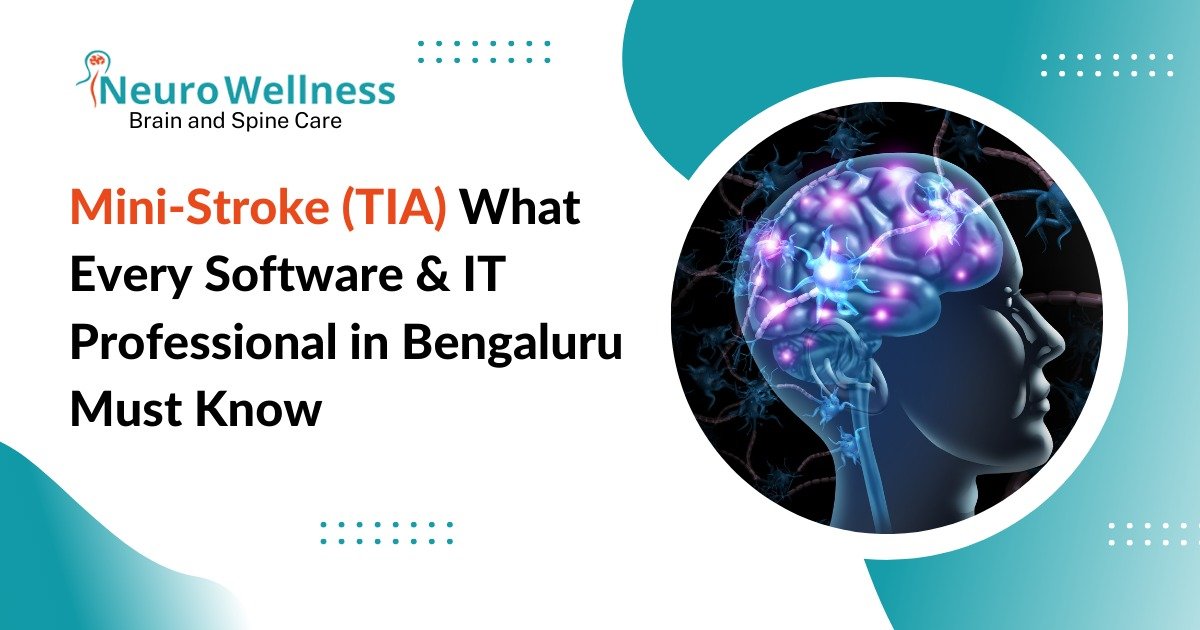
One of the most important but lesser-known risks is the mini-stroke, medically called a Transient Ischemic Attack (TIA). It comes quietly, disappears quickly, but carries a powerful message: “Take care of your brain before it’s too late.”

What Exactly Is a Mini-Stroke?

A mini-stroke happens when blood flow to the brain is blocked for a short time. Symptoms come suddenly—weakness, slurred speech, blurred vision, dizziness—but vanish within minutes or hours.

That’s why many IT professionals brush it off as “stress” or “just tiredness from screen time.” But in reality, a TIA is a warning signal. Nearly 1 in 3 people who suffer a TIA may go on to have a major stroke later, often within days.

Why IT Professionals in Bengaluru Are at Higher Risk

Let’s be honest—our city’s IT lifestyle isn’t always kind to our health.
• Sitting all day: 8–12 hours at a desk slows circulation and increases clot risk.

Read more : Should You Sleep on the Floor or Bed for Spine Health?

• Stress & deadlines: Client calls at odd hours and project pressure push up blood pressure.
• Caffeine & fast food: Endless coffee, late-night pizzas, and quick canteen meals add to cholesterol and BP.
• Sleep problems: Night shifts, irregular sleep, or even untreated sleep apnea silently hurt brain health.
• Ignoring symptoms: A sudden headache or numbness is often dismissed as “overwork” or “traffic stress.”
 
Put together, these factors make Bengaluru’s tech crowd particularly vulnerable to mini-strokes.

Expert Guidance from Dr. Ganesh Veerabhadraiah

If you or your loved ones experience symptoms of a mini-stroke, don’t ignore them. Dr. Ganesh Veerabhadraiah is a highly experienced neurosurgeon in Bangalore with over 20 years of expertise in treating complex brain and spine conditions, including stroke management, cerebral aneurysms, and neurovascular surgeries.

Dr. Ganesh has trained in advanced neurosurgical techniques both in India and abroad and has successfully treated thousands of patients suffering from brain and spine disorders. His deep expertise in stroke prevention and early intervention makes him one of the most trusted specialists for IT professionals in Bengaluru who face lifestyle-related neurological risks.

Why Ignoring a Mini-Stroke Can Be Dangerous

The tricky part is that symptoms disappear fast, making people believe it was nothing serious. But here’s the truth:

• A TIA is like a fire alarm in your brain—ignore it, and the fire (major stroke) may follow.
• The highest risk of a stroke is within 48 hours after a mini-stroke.
• Unlike a TIA, a full-blown stroke can cause permanent damage—paralysis, speech loss, memory issues.
 

What Should You Do If You Suspect a Mini-Stroke?

1.Don’t wait and watch – Even if you feel better in minutes, go straight to a hospital.
2.Get your BP and sugar checked – Hypertension and diabetes are major silent culprits.
3.Ask for a brain scan – MRI or CT can confirm what happened.
4.Follow medical advice – Medicines, diet changes, and lifestyle tweaks can prevent a bigger stroke.
5.Don’t self-diagnose – Not every dizziness is a stroke, but every stroke risk deserves attention.
 

Practical Tips for Bengaluru’s Tech Crowd

Follow the 30-3 rule: Every 30 minutes, move for at least 3 minutes—stretch, stand, walk to refill water.
Hydrate wisely: Drink enough water; replace that 5th coffee with lemon water or green tea.
Eat smart: Swap late-night fried snacks for nuts or fruits. Carry homemade lunch if possible.
Walk it out: Use part of your lunch break for a brisk walk around your campus or tech park.
Sleep like it matters: Prioritize 7–8 hours of quality sleep—your brain repairs itself during rest.
Annual health checks: Don’t wait for symptoms. Get BP, sugar, and cholesterol checked yearly.

Say no to smoking & limit alcohol: These directly double your stroke risk.

Read more: 7 Brain Foods to Keep You Fit

Why Bengaluru Needs to Pay Attention

Our city is full of young, ambitious professionals. Yet hospitals are now seeing strokes in patients in their late 20s and early 30s many from the IT sector.

Think about it: a 29-year-old coder in Whitefield collapses at his desk. Colleagues think it’s exhaustion, but it’s a mini-stroke. He recovers in minutes, but that was his warning shot. Two weeks later, he suffers a full stroke that changes his life.

This isn’t a scare story it’s reality. TIAs are happening around us, and we must treat them with urgency.

Read more : Difference Between Neurologist and Neurosurgeon

Final Thoughts

For Bengaluru’s software and IT professionals, the mind is the engine that powers your career. But that same mind is at risk if you ignore the warning signs of a mini-stroke.

A TIA is not the end—it’s a second chance. By acting fast and making small lifestyle changes, you can protect your brain, your health, and your future.

Kauvery Hospital, Electronic City, Bengaluru
📞 7259669911 | 74115 71002
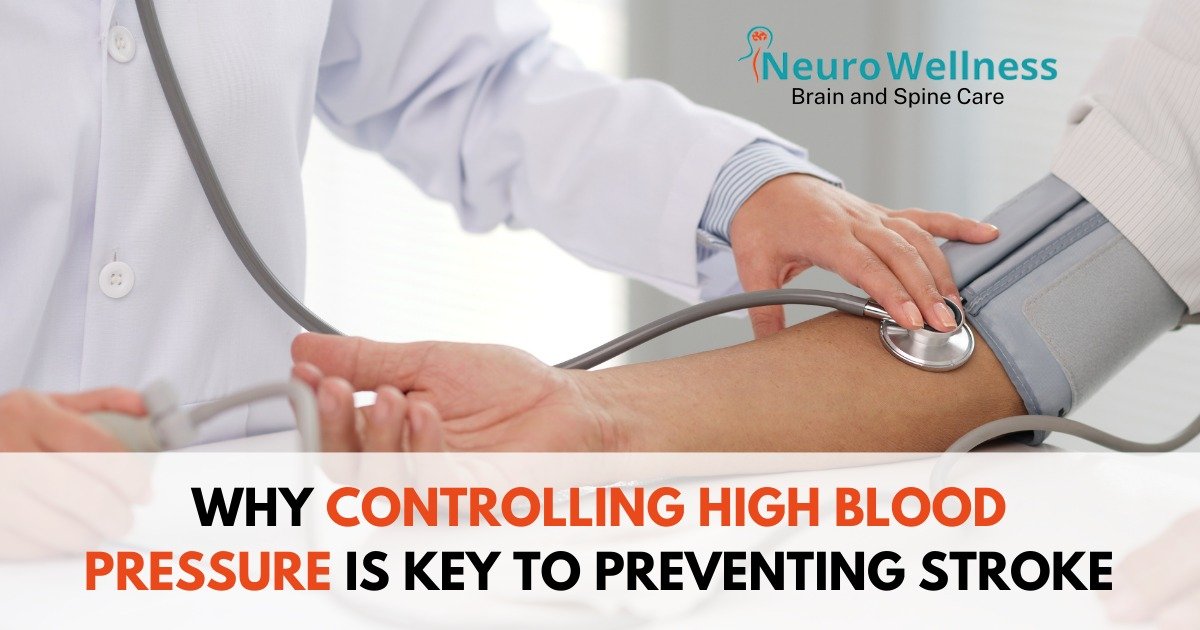
High blood pressure and stroke prevention go hand in hand. Hypertension, often called the “silent killer,” quietly damages blood vessels and puts constant strain on the brain without any obvious symptoms. Over time, this hidden pressure weakens arteries, making them more vulnerable to blockages or rupture—both of which can lead to a life-threatening stroke.

What makes it especially dangerous is that many people feel perfectly healthy while this silent damage is taking place. By understanding how high blood pressure increases stroke risk and adopting simple lifestyle changes, you can protect your brain health and lower your chances of serious complications.

Ganesh

Dr. Ganesh Veerabhadraiah

Consultant – Neurosurgeon, Neurointerventional Surgery, Spine Surgeon (Neuro)
23+ Years Experience Overall (17+ years as Neuro Specialist)

Available for Consultation: Jayanagar 9th Block & Kauvery Hospital, Electronic City 

Why Controlling High Blood Pressure is the Key to Preventing Stroke

High Blood Pressure, often called “the silent killer,” is one of the biggest risk factors for stroke. You may not feel sick when your blood pressure is high, but inside your body, your brain and blood vessels are under constant stress. If left uncontrolled, hypertension can silently damage your arteries and suddenly strike in the form of a life-threatening stroke.

In this article, we will explore why controlling your blood pressure is so crucial to prevent stroke, what happens inside the body, and how simple lifestyle changes can protect your brain health.

What is High Blood Pressure and Why Is It Dangerous?

Blood pressure is the force with which blood flows through your arteries. A normal reading is around 120/80 mmHg. When your blood pressure stays above 140/90 mmHg, it is called hypertension.

While this may sound harmless, persistently high pressure is like water flowing through a weak pipe—it damages the walls, makes them stiff, and increases the chances of a rupture or blockage. Over years, this silent damage builds up and sets the stage for a stroke.

Read more: Understanding Stroke Causes & Symptoms: What Puts You at Risk

How High BP Leads to Stroke – The Science Simplified

There are two main ways uncontrolled high BP causes stroke:

1. Ischemic Stroke (Blocked Artery)
• High BP injures artery walls, causing fatty deposits (plaque) to build up.
• Blood clots form around these plaques and can block blood flow to the brain.

• This is the most common type of stroke.

2. Hemorrhagic Stroke (Brain Bleed)
• Constant high pressure makes brain vessels thin and fragile.
• One day, a small vessel bursts, causing bleeding inside the brain.

• This type of stroke is often more dangerous and life-threatening.

In both cases, the result is the same: part of the brain does not get oxygen and nutrients, leading to brain cell death.

Read more : cerebral aneurysms symptoms diagnosis clipping treatment explained


Shocking Facts That Everyone Should Know

• People with uncontrolled high BP are 4–6 times more likely to have a stroke.
• About 1 in 3 strokes worldwide is directly linked to hypertension.
• Even “borderline” high BP (130–139/85–89 mmHg) can increase the risk if left untreated.
• Stroke is a leading cause of disability—many survivors live with weakness, speech problems, or memory loss.

Read more : 5 Lesser-Known Stroke Facts Everyone Should Know

Why You Might Not Know You Have High BP

One of the biggest dangers of high blood pressure is that it usually causes no symptoms. You may feel completely fine while your brain vessels are silently being damaged. That’s why it’s called the “silent killer.”

Some people may occasionally experience headaches, dizziness, or nosebleeds, but these are not reliable warning signs. The only way to know your BP status is to check it regularly—either at home with a monitor or during health check-ups.

Our Brain and Spine Specialist in Bangalore – Dr. Ganesh Veerabhadraiah

If you are concerned about high blood pressure and its link to stroke, it’s best to consult an experienced brain and spine expert. Dr. Ganesh Veerabhadraiah is a leading neurosurgeon in Bangalore with decades of experience in managing neurological conditions, stroke prevention, and advanced neurosurgical treatments. His patient-centric approach ensures that individuals at risk of stroke receive the right diagnosis, lifestyle guidance, and timely treatment to protect brain health.

The Good News – Stroke Risk Can Be Reduced

The most powerful message is this: stroke due to high BP is preventable. By controlling your blood pressure, you can dramatically reduce your chances of a stroke.

Research shows that bringing blood pressure down to a healthy range can lower stroke risk by nearly 40%. This is a huge number and proves how important BP management is.

Simple Steps to Control Blood Pressure

You don’t always need major changes to protect your brain. Small, consistent lifestyle habits go a long way.
• Cut down on salt: Too much salt raises BP. Avoid processed foods, chips, and pickles.
• Eat more fruits and vegetables: A diet rich in potassium and fiber naturally lowers BP.
• Stay active: Walking 30 minutes a day improves blood flow and reduces pressure.
• Limit alcohol and quit smoking: Both directly damage blood vessels.
• Sleep well: Poor sleep increases stress hormones that raise BP.
• Manage stress: Yoga, meditation, or even simple breathing exercises can calm your system.
• Take medications regularly: If prescribed, never skip your BP medicines. They protect your brain even if you “feel fine.”

Read more: 7 Brain Foods to Keep You Fit

How to Spot a Stroke Quickly (FAST Test)

Even with good BP control, it’s important to know the signs of stroke. Acting fast can save lives. Remember the FAST rule:
• Face: One side droops when smiling
• Arm: Sudden weakness in one arm
• Speech: Slurred or strange speech
• Time: Time is brain—call emergency help immediately
 
Every minute counts. Immediate treatment can prevent permanent brain damage.

Learn more : Clot-Busting Medication Used in Stroke Golden Hour

Emotional Side – Why Families Must Take It Seriously

Many families ignore high BP until something goes wrong. But stroke doesn’t just affect the patient—it changes the life of the whole family. Imagine a loved one suddenly unable to walk, speak, or recognize you. The emotional, financial, and social burden can be overwhelming.

The good news is, with regular monitoring and treatment, this suffering can be avoided. By controlling blood pressure, you protect not only your health but also the happiness of your entire family.

Final Thoughts – Control Your BP, Protect Your Brain

High blood pressure is common, but it should never be ignored. It is the single biggest preventable risk factor for stroke. The steps to control it are simple, and the benefits are life-saving.

Remember: Checking your BP takes only a minute, but it can save your brain for a lifetime.

Protect your brain health. Consult Dr. Ganesh Veerabhadraiah 

FAQs

1. Can high blood pressure really cause a stroke even if I feel healthy?

Yes. High BP often shows no symptoms, which is why it’s called the “silent killer.” Even if you feel fine, persistently high pressure can silently damage brain blood vessels, leading to a sudden stroke. Regular monitoring is the only way to know your BP status.

2. What is the ideal blood pressure to prevent stroke?

For most adults, a healthy BP is around 120/80 mmHg. Doctors usually recommend keeping it below 130/80 mmHg if you have other health risks like diabetes, heart disease, or a family history of stroke.

3. If my blood pressure is only slightly high, do I still need treatment?

Yes. Even mildly elevated blood pressure (130–139/85–89 mmHg) increases stroke risk over time. Lifestyle changes may be enough initially, but if BP stays high, medication is needed to protect your brain and heart.

4. Can controlling blood pressure completely prevent stroke?

While BP control greatly reduces the risk—by almost 40%—it doesn’t eliminate it entirely. Other factors like diabetes, cholesterol, smoking, and genetics also matter. But keeping BP under control is the single most powerful step you can take.

5. How often should I check my blood pressure?
• Healthy adults: At least once every 6–12 months.

• People with risk factors (diabetes, obesity, smoking, family history): Every 3–6 months.
• If you already have high BP: Regular monitoring at home or as advised by your doctor is essential.

Understanding stroke facts and brain health is essential for everyone, not just the elderly.

While many imagine stroke as something that only happens to older adults, the reality is different.

Strokes can strike young professionals, remain silent for years, or even be triggered by unexpected causes.

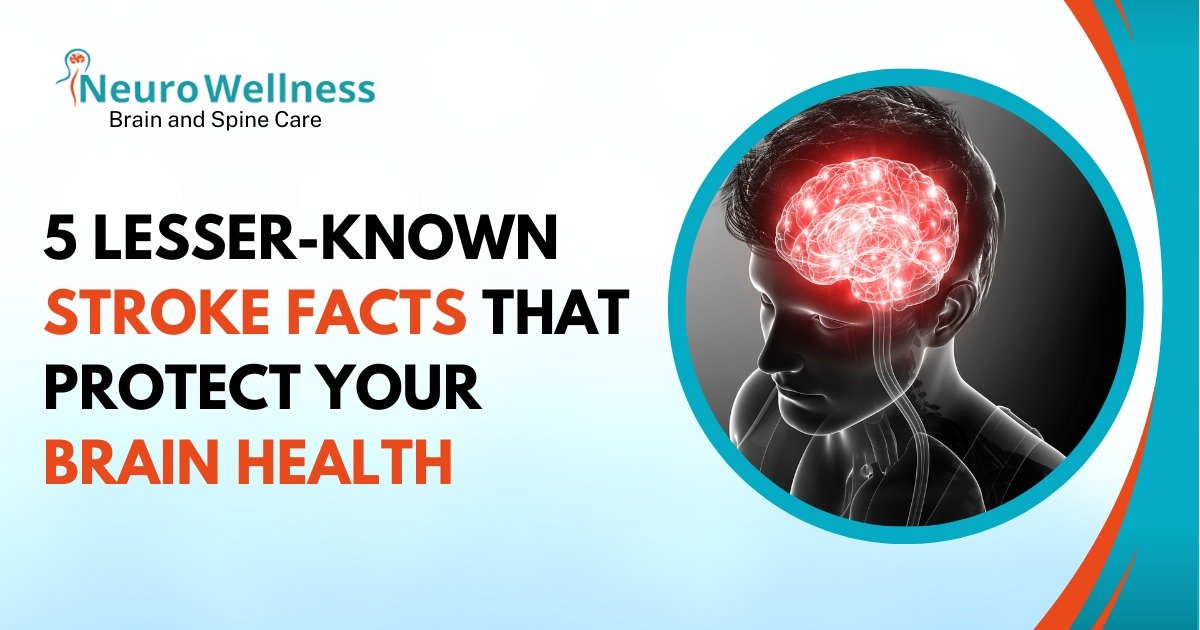
These hidden aspects often go unnoticed until it’s too late. By learning the lesser-known stroke facts, families can spot warning signs early, take preventive steps, and protect their brain health.

Awareness is the first step to prevention—and knowing these insights could save your life or the life of someone you love.

Here are five eye-opening stroke topics that every family should be aware of.

1. Stroke in Young Adults – Yes, It Can Happen in Your 20s or 30s

We often think of stroke as a disease of grandparents. But in hospitals today, more and more young people sometimes even in their late 20s are being rushed in with brain strokes.
 
Why? The modern lifestyle is to blame: endless work stress, junk food, smoking, alcohol, lack of exercise, and poor sleep are all aging the brain faster than we realize.
 
Imagine this: a 32-year-old software professional faints at work after complaining of sudden weakness in his arm. His friends think it’s just stress. But it turns out to be a stroke. Early treatment saved him, but many aren’t so lucky.
 
Remember: Stroke doesn’t check your age. If you ever notice sudden weakness, difficulty speaking, or vision changes even if you’re young don’t ignore it. Call for help immediately.

2. Silent Strokes – The Damage You Don’t Even Notice

Not every stroke announces itself dramatically. Some strokes are silent, creeping in without obvious warning. No collapse, no slurred speech—just tiny, unnoticed injuries to the brain.

Over time, these small “silent attacks” can pile up, leading to memory loss, personality changes, or even dementia. Many families mistake it for “normal aging,” when in fact, the brain has been injured multiple times.
 
Think of it like small leaks in a water pipe. One leak may not seem dangerous, but several leaks over time can cause the whole system to fail. That’s what silent strokes do to your brain.
 
Tip: If you have high blood pressure, diabetes, or heart disease, never skip regular health check-ups. Detecting silent strokes early can protect you from a future major one.
 
Ganesh

Dr. Ganesh Veerabhadraiah

Consultant – Neurosurgeon, Neurointerventional Surgery, Spine Surgeon (Neuro)
23+ Years Experience Overall (17+ years as Neuro Specialist)

Available for Consultation: Jayanagar 9th Block & Kauvery Hospital, Electronic City 

3. Mini-Stroke (TIA) – The Body’s Alarm Bell

A Transient Ischemic Attack (TIA) is often called a mini-stroke. Symptoms appear suddenly—like weakness, blurred vision, or slurred speech—but vanish within minutes to hours.

Because the symptoms disappear, people brush it off: “Maybe I was just tired.” But in reality, a TIA is the body’s alarm bell. It’s like your brain whispering: “Pay attention, something is wrong.”

In fact, 1 in 3 people who suffer a TIA may have a major stroke soon after if they ignore it.

Read more: Top 7 things you need to know about transient ischemic attack  stroke treatment in bangalore

Message: If stroke-like symptoms appear and disappear, don’t relax—rush to a hospital. Acting fast can prevent a disaster.

4. Unusual Stroke Triggers – Beyond Blood Pressure and Diabetes

Most people know high BP, diabetes, and cholesterol cause stroke. But there are surprising and lesser-known triggers too:
A sudden jerk to the neck during sports or even a fall can tear an artery and cause a stroke.

Women on birth control pills who smoke are at higher risk of clots.
Sleep apnea a condition where breathing stops repeatedly during sleep can silently increase stroke risk.

Even dehydration or too many energy drinks can thicken the blood and increase clot formation.

One young athlete was shocked to discover his stroke came from a neck injury after a routine workout. These unusual triggers remind us that stroke can sometimes strike in unexpected ways.

Lesson: Listen to your body. Persistent headaches, sleep problems, or unexplained dizziness deserve medical attention.

5. Life After Stroke – Hidden Struggles Few Talk About

When someone survives a stroke, families often celebrate that they can walk or talk again. But what many don’t see are the hidden struggles survivors face every day.
Depression, anxiety, fatigue, and problems with memory or focus are common. A stroke survivor may look “normal” to outsiders but feel broken inside. Imagine the frustration of forgetting words mid-sentence or losing confidence in simple tasks.

Recovery isn’t only about physiotherapy. It’s also about emotional healing and family support. Encouraging words, counseling, and patience can make all the difference in helping someone truly reclaim their life after stroke.

Reality check: Stroke recovery is a journey for both patients and families. Understanding hidden challenges makes the path smoother.

Expert Stroke & Brain Health Care in Bengaluru

When it comes to preventing and treating strokes, having the right specialist makes all the difference. Dr. Ganesh Veerabhadraiah is one of the best neurosurgeons in Bangalore, with extensive experience in brain and spine surgery, stroke management, neurovascular treatments, and minimally invasive neurosurgery.

If you or your loved ones are at risk of stroke or experiencing neurological symptoms, consulting a neuro specialist in Bengaluru like Dr. Ganesh could be life-saving.

Final Thoughts – Awareness Saves Lives

Stroke is not just a sudden illness; it’s a life-changing event that often comes with warnings we fail to notice. Silent strokes, mini-strokes, unusual triggers, and hidden disabilities deserve our attention just as much as paralysis or speech loss.

Awareness is prevention. If you or your loved ones notice warning signs, don’t delay seek help immediately.

FAQs

1.Can stress alone cause a stroke?

Stress by itself may not directly cause a stroke, but chronic stress raises blood pressure, increases unhealthy habits (like smoking or poor sleep), and accelerates artery damage. Together, these factors raise stroke risk significantly.

2.How can I identify a stroke quickly?

Remember the FAST test:
• Face drooping
• Arm weakness
• Speech slurred
• Time to call emergency help

If you notice any of these signs, don’t wait—call for medical help immediately.

3.Is a mini-stroke (TIA) less serious than a stroke?

No. A TIA is equally serious because it is often the warning sign of a bigger stroke to come. It needs urgent medical evaluation and preventive treatment.

4.Can young, healthy people really get a stroke

Yes. Even fit young adults can get a stroke due to unusual causes like neck injuries, clotting disorders, or lifestyle risks. Staying alert to symptoms can be life-saving.

5.What is the recovery time after a stroke?

Recovery depends on the severity and how fast treatment started. Some people recover in weeks, while others may need months of rehabilitation. Early treatment and continued therapy make the best difference.

Understanding Brain Stroke and Its Risks

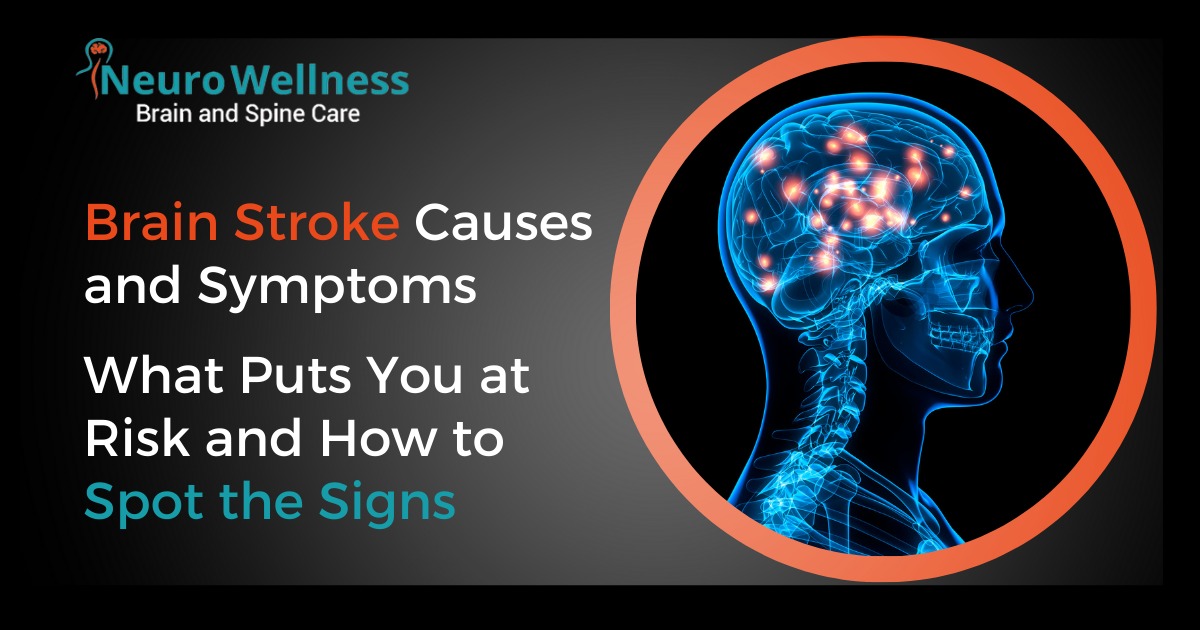
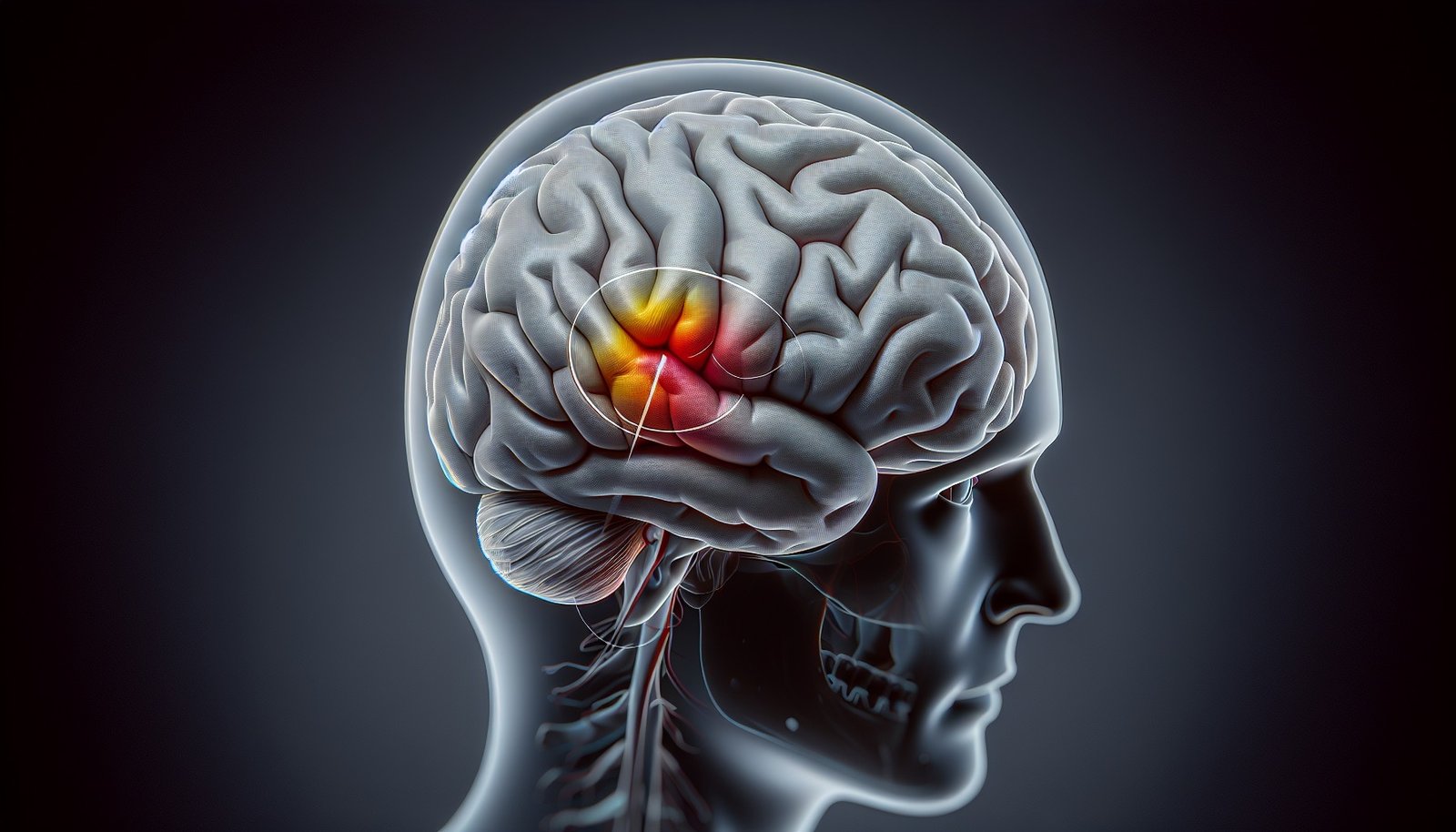
A brain stroke occurs when blood flow to the brain is blocked or a blood vessel bursts, causing brain cells to die within minutes. This sudden disruption can lead to severe neurological damage, disability, or even death if not treated immediately. Strokes are categorized into ischemic strokes (caused by clots) and hemorrhagic strokes (caused by bleeding in the brain), with ischemic strokes accounting for nearly 87% of all cases.

Early detection is critical, as timely medical intervention can prevent irreversible brain damage and improve recovery chances. Many people mistake early stroke symptoms, such as numbness, dizziness, or difficulty speaking, for temporary discomfort, delaying crucial medical care. Acting fast using the FAST test (Face, Arm, Speech, Time) can help save lives and reduce stroke-related complications.
While traditional risk factors like high blood pressure, diabetes, and smoking are well known, chronic stress is an often-overlooked trigger, especially in younger individuals. Recent studies reveal that women aged 18-49 experiencing high stress levels are significantly more prone to ischemic strokes due to increased cortisol and blood pressure fluctuations. This highlights the importance of stress management, mental well-being, and lifestyle adjustments in stroke prevention.

Common Causes of Brain Stroke: Who is at Risk?

A brain stroke can occur due to blocked arteries (ischemic stroke) or ruptured blood vessels (hemorrhagic stroke). Understanding the major and lesser-known risk factors can help in early prevention and lifestyle modifications.

Read more:  Can Neck Manipulations Cause Brain Stroke?

Major Causes of Stroke

High Blood Pressure (Hypertension) – The #1 cause of stroke, as high pressure damages blood vessels, increasing the risk of clots or ruptures.

Diabetes & High Cholesterol – Excess sugar and cholesterol contribute to plaque buildup, restricting blood flow and leading to ischemic strokes.

Obesity & Lack of Exercise – Being overweight or inactive slows circulation, raising the chances of clot formation and poor brain oxygen supply.

Lesser-Known Risk Factors

Chronic Stress & Anxiety – High stress levels increase cortisol, which raises blood pressure and inflammation, making strokes more likely.

Oral Contraceptives & Hormone Therapy – Certain birth control pills and hormone treatments can elevate the risk of blood clot-related strokes in younger women.

Air Pollution & Environmental Toxins – Recent research links long-term exposure to air pollution and toxins to increased stroke risks due to blood vessel inflammation.

Dr. Ganesh Veerabhadraiah, Senior Consultant Neurosurgeon
Kauvery Hospital, Electronic City, Bengaluru

In this special segment aired on Suvarna News, Dr. Ganesh Veerabhadraiah discusses key insights on brain tumor awareness—early warning signs, myths, diagnosis, and the latest treatment options including advanced neurosurgery and radiosurgery. A must-watch for patients, caregivers, and anyone concerned about brain health.

watch video :

Brain Tumor Awareness & Recent Advances in Treatment

Early Symptoms of Brain Stroke: Warning Signs You Shouldn’t Ignore

A stroke is a medical emergency, and recognizing the early symptoms can help prevent severe complications. Stroke symptoms often appear suddenly and worsen rapidly, so immediate medical attention is crucial. Women may experience unique stroke symptoms such as extreme fatigue, nausea, or confusion.

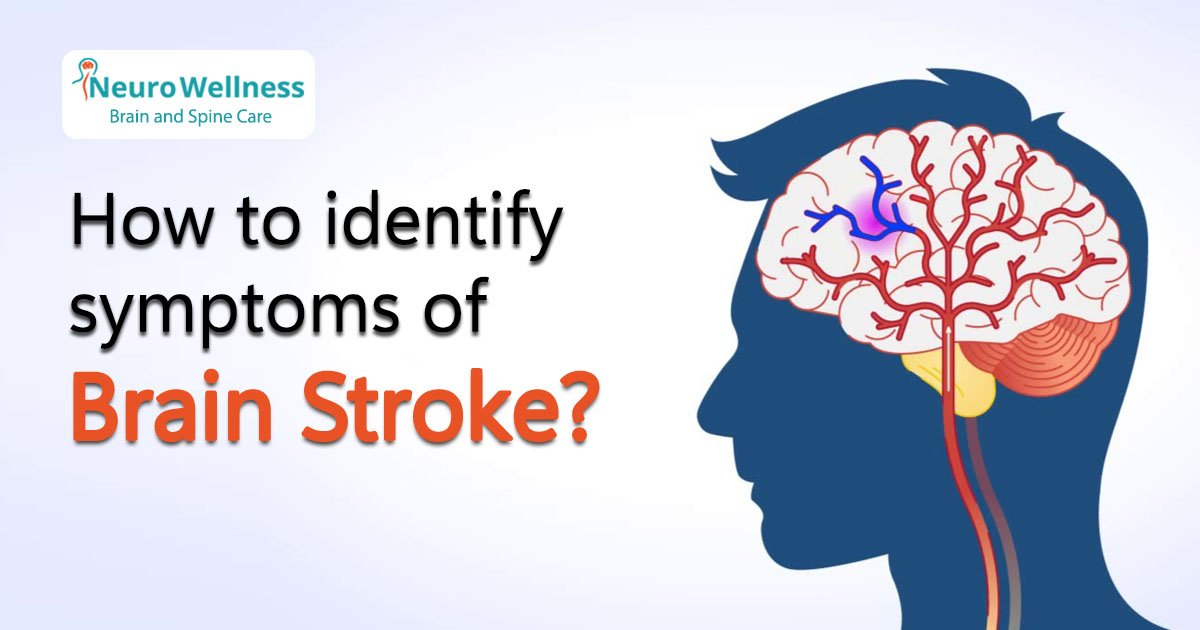
Learn more:  How to Identify the Symptoms of Brain Stroke.

Mild Stroke Symptoms (Early Warning Signs)

Sudden numbness or weakness in the face, arm, or leg – Often affects one side of the body, making movement difficult.

Difficulty speaking or understanding speech – Words may become slurred, or the person may struggle to comprehend conversations.

Blurred vision or loss of vision in one or both eyes – Partial or complete vision loss may occur suddenly, sometimes accompanied by dizziness.

Severe Stroke Symptoms (Advanced Warning Signs)

Severe headache with no known cause – A sudden, intense headache may signal a brain hemorrhage or clot formation.

Loss of balance, dizziness, or difficulty walking – Stroke can affect coordination, making it hard to stand or move properly.

Loss of consciousness in critical cases – In severe strokes, a person may faint, become unresponsive, or slip into a coma.

FAST Test: How to Quickly Recognize a Stroke

When a stroke occurs, every second counts. The FAST test is a simple and effective way to identify stroke symptoms quickly and take immediate action. Early recognition can save lives and minimize brain damage by ensuring timely medical intervention.

Read more:  Brain Stroke: Faster You Act, the Better You Save the Patient’s Life.

The FAST Test for Stroke Recognition

F – Face Drooping – Ask the person to smile. If one side of the face droops or feels numb, it could indicate a stroke.

A – Arm Weakness – Ask the person to raise both arms. If one arm drifts downward or they struggle to lift it, this may signal a stroke.

S – Speech Difficulty – Ask the person to repeat a simple sentence. If their speech is slurred, confused, or they can’t speak at all, they need urgent help.

T – Time to Call Emergency Services – If any of the above symptoms are present, call emergency services immediately. Acting fast can prevent long-term brain damage or death.

Takeaway: Use the FAST test whenever stroke symptoms appear. The faster you act, the better the chances of survival and recovery

When to See a Neurologist for Stroke Risk Evaluation?

A stroke doesn’t always happen suddenly—many people experience warning signs like mini-strokes (TIAs), unexplained dizziness, or vision disturbances before a major stroke occurs. Early evaluation by a neurologist can help detect risks and prevent a life-threatening event.

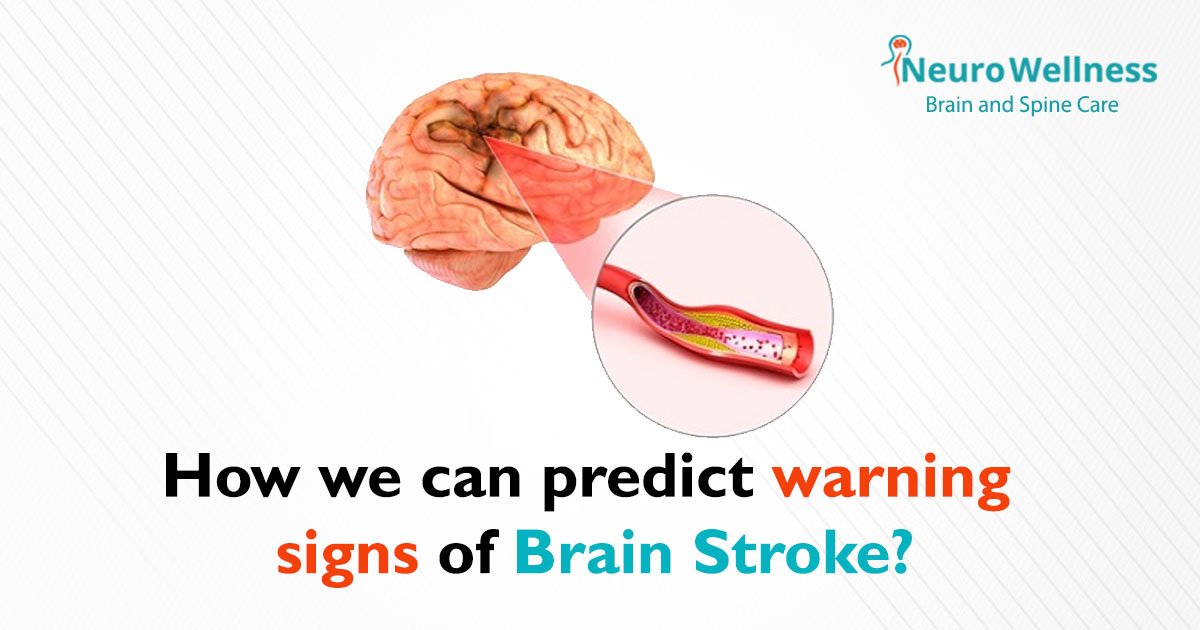
Learn more : How Can We Predict Warning Signs of Brain Stroke?

When to Consult a Neurologist?

If you experience recurring mini-strokes (TIAs) or unexplained dizziness – TIAs (Transient Ischemic Attacks) are temporary stroke-like episodes that increase the risk of a full stroke.

If you have a family history of stroke or high blood pressure – Genetics play a role in stroke risk, especially if hypertension or cardiovascular disease runs in your family.

If you have stress-related hypertension, increasing your stroke riskChronic stress and anxiety can elevate blood pressure, triggering a higher chance of ischemic stroke.

Find a Neurologist in Bangalore for Stroke Evaluation at Brain and Spine Clinic. Early intervention can prevent future strokes and protect your brain health

Stroke Treatment Options: From Emergency Care to Recovery

A stroke requires immediate medical intervention, followed by a structured recovery plan to regain lost functions. The type of treatment depends on whether the stroke is ischemic (caused by a clot) or hemorrhagic (caused by bleeding in the brain). Early treatment can minimize brain damage and improve recovery outcomes.

Read more :  How to Care for Someone Recovering from a Brain Stroke.

Emergency Treatments (Immediate Stroke Care)

Thrombolysis (tPA Therapy) – A clot-busting medication used for ischemic strokes that dissolves blood clots and restores blood flow to the brain if given within 4.5 hours of symptom onset.

Mechanical Thrombectomy – A minimally invasive catheter-based procedure to physically remove the clot from a blocked brain artery, often performed when tPA therapy isn’t effective.

Rehabilitation & Recovery (Post-Stroke Treatment)

Speech Therapy – Helps stroke survivors regain speech, communication skills, and cognitive function if speech impairment occurs.

Physical Therapy – Essential for rebuilding strength, balance, and coordination after a stroke, particularly for those experiencing limb weakness or paralysis.

Find the Best Neurosurgeon in Bangalore for Stroke Surgery at Brain and Spine Clinic. Timely treatment and rehabilitation can greatly enhance stroke recovery and improve quality of life

How to Prevent a Brain Stroke? Lifestyle & Medical Tips

Preventing a stroke starts with making proactive lifestyle choices and managing underlying health conditions. Since 80% of strokes are preventable, adopting healthy habits and medical precautions can significantly lower your risk.

Daily Habits to Lower Stroke Risk

Maintain a healthy blood pressure and sugar levelsHypertension and diabetes are two of the leading stroke risk factors. Regular monitoring and medication (if needed) can prevent complications.

Exercise regularly and manage stress effectivelyCardio workouts, yoga, and meditation help improve circulation, reduce stress, and lower stroke risk. Chronic stress increases cortisol levels, raising blood pressure and triggering strokes.

Avoid smoking and limit alcohol consumptionSmoking narrows blood vessels and increases clot formation, while excessive alcohol raises blood pressure, both significantly contributing to stroke risks.

Final Thoughts: Take Action to Protect Your Brain Health

Recognizing the early signs of a stroke can be the difference between life and long-term disability. Acting quickly and seeking immediate medical attention can minimize brain damage and improve recovery outcomes. By understanding risk factors such as high blood pressure, diabetes, and chronic stress, individuals can take proactive steps to lower their chances of experiencing a stroke.

Managing stress, maintaining a healthy lifestyle, and regular health check-ups can significantly reduce the risk of stroke. If you or a loved one are at risk or experiencing symptoms, seeking medical advice early is crucial. Book a consultation with a Neurologist in Electronic City, Bangalore at the best Brain and Spine Clinic for expert care and prevention strategies.

Protect your health. Consult Dr. Ganesh, leading neurosurgeon in Bangalore

Ganesh

About Author

Dr. Ganesh Veerabhadraiah

Dr. Ganesh Veerabhadraiah, leading neurosurgeon and neurologist in Bangalore, has over 20 years of expertise in managing back pain, migraines, headaches, neuro disorders, and spine problems. His clinical excellence and patient-first approach make him one of the most trusted neuro doctors in Bangalore.

At Neurowellness Brain & Spine Clinic in Jayanagar and Kavery Hospital Electronic City, Dr. Ganesh provides comprehensive treatments ranging from minimally invasive spine surgery to advanced neurological care. As a respected back pain specialist and migraine doctor, he continues to deliver reliable outcomes for patients.

👉 Connect with Dr. Ganesh on LinkedIn

FAQs

1. What causes a brain stroke?

A stroke occurs when blood flow to the brain is blocked (ischemic stroke) or a blood vessel bursts (hemorrhagic stroke).

2. What are the warning symptoms of a brain stroke?

Sudden weakness, speech difficulty, facial drooping, severe headache, and vision changes are warning signs.

3. Can brain strokes be prevented?

Yes. Controlling BP, diabetes, cholesterol, quitting smoking, and exercising regularly lowers stroke risk.

4. Who is at high risk of stroke?

People with hypertension, diabetes, obesity, smoking habits, or family history of stroke are more at risk.

5. Where can I get stroke treatment in Bangalore?

Neurowellness Brain & Spine Clinic offers emergency stroke care with advanced diagnosis and treatment.

Imagine someone suddenly struggling to smile or speak — their face droops on one side, and their words come out garbled. This isn’t just fatigue or confusion — it could be a stroke. A stroke is a medical emergency that occurs when blood flow to the brain is interrupted, and every second counts. Recognizing the early warning signs can save lives and significantly reduce long-term disability. In this article, you’ll learn how to identify the most common — and sometimes subtle — signs of stroke.

Common Warning Signs of Stroke

Medical experts use the acronym F.A.S.T. to help people quickly remember the most urgent symptoms of a stroke:

• F – Face Drooping: Ask the person to smile. Does one side of their face droop or feel numb?

• A – Arm Weakness: Ask them to raise both arms. Is one arm drifting downward or feeling weak?

• S – Speech Difficulty: Ask them to repeat a simple sentence. Is their speech slurred or strange?

• T – Time to Call Emergency Services: If you see any of these signs, call emergency services immediately.

But F.A.S.T. doesn’t cover all symptoms. Doctors now recommend the B.E.F.A.S.T. approach to catch more signs:

• B – Balance: Sudden loss of balance or coordination, often with dizziness.

• E – Eyes: Sudden blurred or double vision in one or both eyes.

Together, B.E.F.A.S.T. provides a more complete picture of what to watch for — especially in strokes that affect the brain’s back side (posterior circulation), which may not show facial symptoms.

What to Do If You Suspect a Stroke

If you notice any of the above symptoms — even if they go away within minutes — do not ignore them. Immediate action can mean the difference between full recovery and lifelong disability.

Here’s what to do:

1. Call Emergency Services Immediately: Do not wait. The faster a stroke victim receives medical care, the better the chances of recovery.

2. Note the Time of Symptom Onset: Doctors need this to determine treatment options like clot-busting medications.

3. Do Not Give Food or Water: The person may have difficulty swallowing, which increases the risk of choking.

4. Keep the Person Calm and Still: Avoid unnecessary movement until help arrives.

Types of Stroke (and Why They Matter)

Understanding the types of strokes can help explain why symptoms vary:

1. Ischemic Stroke (most common – ~87%): Caused by a blockage in an artery supplying blood to the brain.

2. Hemorrhagic Stroke: Caused by bleeding into the brain due to a ruptured vessel.

3. Transient Ischemic Attack (TIA) or Mini-Stroke: Temporary blockage with stroke-like symptoms that resolve in minutes to hours. It’s still an emergency and a warning sign of a future major stroke.

Stroke Risk Factors & Prevention Tips

Common Risk Factors:

• High blood pressure (most important)
• Diabetes
• Smoking
• High cholesterol
• Obesity
• Sedentary lifestyle
• Atrial fibrillation (irregular heartbeat)
• Family history of stroke

How to Lower Your Risk:

• Monitor your blood pressure and keep it under control.
Exercise regularly – even 30 minutes of brisk walking helps.
Eat a balanced diet rich in fruits, vegetables, and whole grains.
Quit smoking and avoid excessive alcohol.
Manage stress through mindfulness or yoga.
Regular checkups, especially after age 40 or with a family history of stroke.

Conclusion: Early Detection Saves Lives

Strokes can strike anyone, anytime — but recognizing the warning signs early can mean faster treatment, better recovery, and even saved lives. Whether it’s sudden dizziness, slurred speech, or facial drooping, every second counts.

If you or a loved one experience any symptoms of stroke, don’t wait — seek immediate medical help.

Worried about your risk of stroke?

Book a consultation with our top neurologists at Neurowellness Brain & Spine Clinic, Bangalore.
We offer expert evaluation, personalized risk assessments, and preventive care to keep your brain healthy.

Book Your Appointment Now

FAQs

1. Can stroke symptoms go away on their own?

Yes, in the case of a Transient Ischemic Attack (TIA), symptoms may disappear within minutes or hours — but this is still a medical emergency and a warning sign of a future stroke.

2. Are stroke symptoms always sudden?

Most stroke symptoms occur suddenly. However, in some cases (like small vessel disease), symptoms may be more subtle and progress slowly.

3. Can younger people have strokes?

Absolutely. While risk increases with age, strokes can and do occur in people under 45 — especially those with risk factors like hypertension, diabetes, or lifestyle issues.

4. What tests are done to diagnose a stroke?

Common tests include CT scan, MRI, carotid ultrasound, and blood tests to identify the type and cause of the stroke.

5. Is full recovery possible after a stroke?

Yes, especially if treatment begins quickly. Recovery depends on the type of stroke, the severity, the area of the brain affected, and how quickly treatment begins.

Neglecting acute stroke can have severe consequences for both the individual and public health. 

1. Time is Brain

Every minute counts. For each minute a stroke goes untreated, about 1.9 million brain cells are lost. Quick intervention can significantly reduce the extent of brain damage and improve recovery outcomes.

2. Stroke is a Leading Cause of Death and Disability

Stroke is the second leading cause of death globally and the leading cause of long-term disability. Immediate treatment can help mitigate long-term disability and improve survival rates.

3. Prompt Treatment Improves Recovery

For ischemic strokes, treatments like thrombectomy or tPA (tissue plasminogen activator) [ CLOT BUSTER] can dramatically improve outcomes when administered within a 3 to 4.5-hour window from symptom onset. Delay in treatment can mean a missed opportunity for recovery.

4. There Are Effective Treatments Available

Acute strokes can often be treated with thrombectomy (for large vessel occlusions) or clot-busting medications (tPA) for ischemic stroke. These treatments can reverse stroke symptoms and improve long-term function, but only if given early.

5. Stroke Symptoms Can Be Mistaken for Other Conditions

Acute stroke symptoms, such as weakness, numbness, or difficulty speaking, can be confused with less serious health issues like migraines or vertigo. Recognizing the signs and seeking immediate medical attention is critical to avoid delays.

6. The Risk of a Second Stroke Increases

Untreated strokes or delays in treatment can increase the risk of another stroke. Early intervention and management can help reduce the likelihood of recurrent strokes and improve long-term outcomes.

7. Prevention of Permanent Brain Damage

Acute strokes, if not addressed quickly, can cause irreversible brain damage. This can result in permanent deficits in speech, movement, cognition, and other functions. Early treatment can prevent much of this damage.

8. Acute Stroke Affects Younger People Too

While stroke is often associated with older adults, younger people (even those under 40) can experience strokes. Delaying treatment in younger populations can lead to significant lifelong disabilities or death, which can be minimized with quick intervention.

9. Survival Rates Can Improve with Rapid Care

Survival rates for stroke patients treated within the first few hours after symptoms begin are significantly higher. Delayed treatment, on the other hand, decreases the chance of survival and increases the risk of severe disability.

10. Public Education Can Save Lives

Raising awareness of stroke symptoms and the importance of seeking immediate help can empower the public to act quickly. Public knowledge of the FAST (Face, Arms, Speech, Time) acronym—used to recognize stroke symptoms—has been shown to speed up response times and improve outcomes for patients.

Conclusion

Neglecting acute stroke can lead to preventable brain damage, increased disability, and even death. Early intervention is essential for better outcomes, and increasing public awareness about the signs of stroke and the need for prompt medical attention can make a life-saving difference.

Always prioritize communication with your Neurosurgery team and make informed decisions that align with your health needs and goals.

Ganesh

Dr. Ganesh Veerabhadraiah

Consultant – Neurosurgeon, Neurointerventional Surgery, Spine Surgeon (Neuro)
23+ Years Experience Overall (17+ years as Neuro Specialist)

Available for Consultation: Jayanagar 9th Block & Kauvery Hospital, Electronic City 

FAQs

1. What are the early signs of a brain stroke?

Common early signs include sudden numbness or weakness (especially on one side), confusion, trouble speaking or understanding, dizziness, and severe headache.

2. How much time do you have to treat a stroke?

The first 4.5 hours are critical. Immediate treatment within this “golden window” can significantly reduce brain damage and improve recovery chances.

3. What is the golden hour in stroke treatment?

The golden hour refers to the first 60 minutes after stroke symptoms begin. Getting medical help in this period greatly increases the effectiveness of clot-busting medications.

4. Can a mini-stroke or TIA lead to a full stroke?

Yes. A transient ischemic attack (TIA) is often a warning sign. One in three people who experience a TIA will eventually have a stroke—often within days or weeks.

5. How can I help someone having a stroke?

Use the FAST method: Face drooping, Arm weakness, Speech difficulty, and Time to call emergency services. Immediate action can save a life.

When oxygen to the brain is limited, portions of the brain become injured and die off, resulting in a stroke. thinking about how regular exercises will help to reduce the risk of stroke? We can reduce the risk of stroke easily just go through this below content and read further to know.

Strokes can result in long-term paralysis, brain damage, and even death in the most severe cases. The location of the brain injury and how promptly medical treatment is sought to affect the impact and severity of a stroke.

Although strokes can happen for a variety of reasons, there are measures to reduce your risk as much as possible. One of the approaches is to live an active lifestyle.

How regular exercises will help to reduce the risk of stroke?

Exercise on a regular basis is considered to lessen your risk of stroke by as much as 27%. Strokes are caused by two key contributing factors: high blood pressure and obesity. Exercises will help to reduce the risk of stroke by addressing both by maintaining an active lifestyle guarantees that your blood pressure is decreased and that you maintain a healthy weight.

How do regular exercises help in reducing stroke?

• A lack of exercise has been linked to a variety of health issues, one of which is stroke. Exercises will help to reduce the risk of stroke stroke by lowering other risk factors such as high blood pressure and obesity.
• Healthy individuals do at least 40 minutes of moderate to vigorous aerobic activity three to four times per week in their according to study. “Moderate to strong intensity” indicates you should be working hard to breathe and your pulse rate should be up.

Exercise and physical activity have a well-established evidence foundation for their benefits in decreasing cardiovascular risk factors and exercises will help to reduce the risk of stroke. Observational studies have found an inverse relationship between physical activity and stroke risk, with recent reviews estimating a 25–30% risk reduction for stroke. However, this finding has not been consistently replicated in the literature, with other groups reporting U-shaped associations or no associations at all.

• Patients must maintain regular physical activity in order to sustain the cardiovascular benefits and stroke risk reduction associated with exercise. If a major percentage of the benefit of exercise on lowering stroke risk is mediated through its impact on lowering blood pressure, it is crucial to emphasize that the good effect of blood pressure reduction is reversible when exercise is stopped. New case-control research revealed no indication that sports participation during young adulthood protects against stroke and TIA later in life.

• When compared to age-matched peers, those who have had a stroke have significantly worse physical fitness, and stroke survivors with residual impairment are less likely to exercise consistently. This is understandable given that many stroke survivors have persistent deficits such as diminished mobility, poor balance, and reduced muscular strength, making physical exercise more difficult and a sedentary lifestyle more likely.

• Physical exercises will help to reduce the risk of stroke and is recommended as part of the rehabilitation process in clinical recommendations for stroke care since the evidence shows it can enhance physical fitness and minimize the burden of stroke-induced impairment. Improving independence and overall quality of life can be achieved through reducing disability.

• Exercise may be effective in avoiding stroke for a variety of biological reasons. A variety of risk factors for stroke, including hypertension, dyslipidemia, diabetes, physical inactivity, obesity have been proven to benefit from regular exercise.

• Exercised also improves blood rheology and brain artery endothelial function, as well as increases high-density lipoprotein cholesterol.  People who were moderately or extremely active had a decreased risk of stroke and death than those who were inactive. Regular leisure-time physical activity (PA) can lower the risk of stroke in people of all ages and genders.

• Exercise is a type of physical activity that is planned, structured, and repeated with the goal of improving or maintaining physical fitness as a final or intermediate goal and as we know regular exercises will help to reduce the risk of stroke easily.

• Low-intensity exercise, if done on a daily basis, can improve long-term health and reduce the risk of cardiac issues that can lead to stroke. Low-intensity workouts are safer than high-intensity exercises and are advised for persons with various health issues.

• The following are some low-intensity activities:

1.Walking.
2. Gardening and other hard labor
3. Housework.
4. Dancing

How much physical activity do I require?

You should be as active as possible in your daily life — simple things like walking instead of driving, using the stairs instead of the elevator, gardening, and cleaning, etc. these type of regular exercises will help to reduce the risk of stroke

In addition to staying active in general, we should all strive for at least 212 hours of moderate to strenuous activity every week. You may divide this up whatever you choose, but 30 minutes of activity 5 days a week is a smart approach to meet this goal. If you find it difficult to plan half an hour of exercise every day, or 30 minutes of exercise per day.

In short, When it comes to exercise, you should strive to get in roughly 30 minutes of moderate activity five times a week. This does not imply that you must complete 30 minutes in one sitting; instead, you can do it in little chunks throughout the day. The goal should be to engage in moderate-intensity aerobic activity, such as brisk walking or cycling, which will leave you breathless and raise your heart rate. In this era now physical exercises will help to reduce the risk of stroke easily.

Conclusion: 

Regular exercise can assist stroke survivors to minimize their chance of having another stroke, lowering their risk of getting dementia, enhancing their rehabilitation, reducing tiredness, and improving their overall well-being. Even if your movement has been hampered by a stroke, there is certainly some activity that will benefit you. We offer the best Brain Stroke Treatment in Bangalore and our team of doctors at the NeuroWellness brain and spine care center should be able to assist you in finding appropriate activity

FAQs

1. Can walking reduce stroke risk?

Yes. Regular brisk walking improves circulation, lowers blood pressure, and reduces the risk of stroke significantly.

2. How much exercise is enough to prevent stroke?

At least 30 minutes of moderate exercise, 5 days a week, is recommended to lower stroke risk.

3. Which exercises are best for stroke prevention?

Aerobic activities like walking, swimming, and cycling, along with yoga and stretching, are most effective for stroke prevention.

Most people are aware of strokes, but few realize the lasting impact they can have on a person’s life. Stroke survivors often face significant challenges in recovering lost skills, making the journey to recovery long and difficult. But what if there were ways to help the brain heal and regain those lost abilities—right from the comfort of your own home?


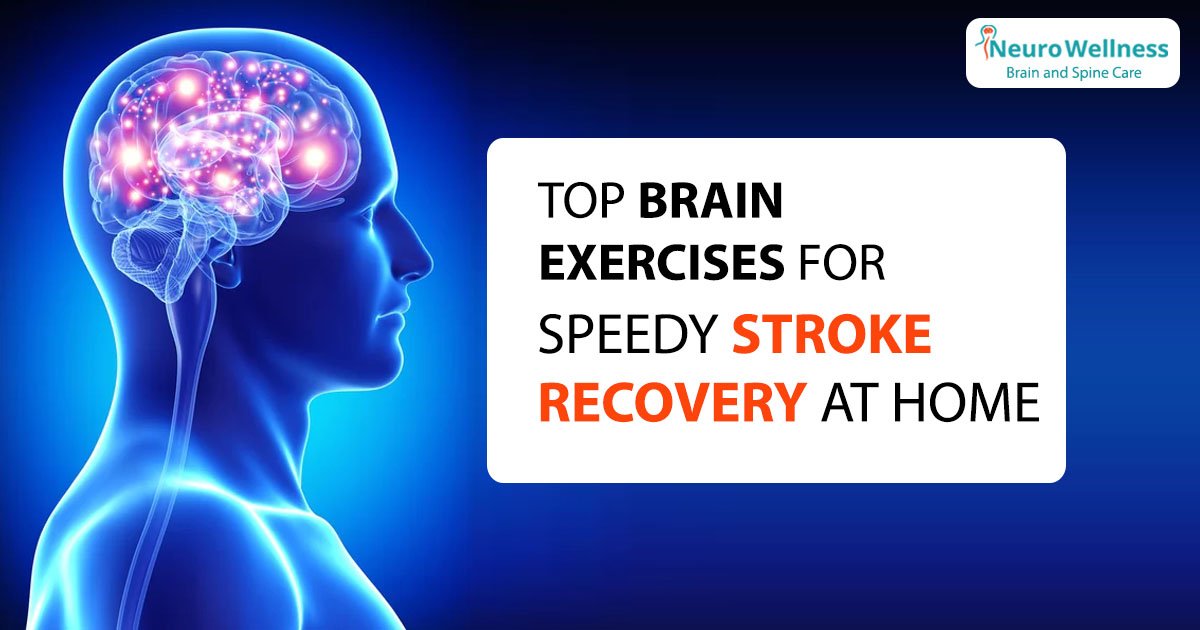
Much like how regular physical exercise strengthens muscles, brain exercises can help improve cognitive function and support recovery after a stroke. In this blog, we’ll explore specific brain exercises for stroke recovery and bring hope back into everyday life. Whether you are a stroke survivor or a caregiver, these practical, at-home strategies could make a real difference. Brain treatments in Bangalore are recommended if you’re looking for any brain-related treatments, such as stroke therapy or recovery.

Top Brain Exercises for Stroke Recovery

Recovering from a stroke requires consistent brain exercises that stimulate memory, mobility, and communication. Here are the most effective ones:

✔️ Memory Games → Boost recall, sharpen focus, and improve attention span.
✔️ Speech Therapy Exercises → Strengthen language skills, pronunciation, and overall communication.
✔️ Hand & Finger Tasks → Improve grip strength, hand coordination, and motor skills.
✔️ Balance & Walking Drills → Enhance mobility, reduce fall risks, and restore confidence in movement.
✔️ Problem-Solving Activities → Stimulate logical thinking and cognitive recovery.
✔️ Breathing & Relaxation → Lower stress, improve oxygen flow to the brain, and support emotional well-being.

Ganesh

Dr. Ganesh Veerabhadraiah

Consultant – Neurosurgeon, Neurointerventional Surgery, Spine Surgeon (Neuro)
23+ Years Experience Overall (17+ years as Neuro Specialist)

Available for Consultation: Jayanagar 9th Block & Kauvery Hospital, Electronic City 

Why Brain Exercises Are Important After a Stroke

When a stroke occurs, certain parts of the brain are deprived of oxygen, leading to damage to brain cells. This damage can cause memory loss, difficulty with speech, and a weakening of motor skills. That’s why brain exercises are so crucial after a stroke—they play an essential role in stimulating memory, cognitive functions, and emotional well-being.


By engaging in regular brain exercises, stroke survivors can improve memory, focus, and communication abilities while also boosting their confidence and mental clarity. These exercises motivate and enhance the overall recovery process, helping patients regain independence and improve their quality of life.

Best Brain Tumor Treatment In Bangalore – NeuroWellness

Top Brain Exercises to Speed Up Stroke Recovery

A stroke can diminish one’s confidence and strength, but there are ways to recover. Here are the top brain exercises for stroke recovery.

Board Games

Board games are a fun and engaging way to stimulate the brain while enjoying childhood moments. Games like chess, Sudoku, jigsaw puzzles, and crossword puzzles can improve concentration, problem-solving, and analytical thinking. They also provide an excellent opportunity for social interaction, reducing feelings of isolation, boredom, and anxiety.

Memory Games

Memory games are vital for rebuilding cognitive function after a stroke. Activities like matching pairs of cards, recalling lists, or playing memory apps can help strengthen short-term memory and improve focus. These simple yet effective exercises strengthen neural pathways, helping restore brain function that may have weakened due to the stroke.

Art and Crafts

The main objective for stroke caregivers or the parents of stroke survivors is to support the stroke survivors in remaining strong and overcoming their obstacles as soon as possible. Engaging in arts and crafts is one of the best brain exercises for stroke recovery.It supports the development of cognitive and motor skills in stroke patients while providing an outlet for their creativity. Activities like drawing, painting, or sculpting enhance hand-eye coordination, fine motor control, and concentration. Making art may also be a therapeutic exercise that lowers stress and aids in emotional healing.

Money Counting

Counting money is a practical brain exercise that sharpens both cognitive and mathematical skills. Tasks like sorting coins or counting bills require problem-solving, attention, and manual tasks. This everyday activity can help stroke survivors improve their memory and regain confidence in performing daily tasks.

Brain Teasers

Brain teasers, including riddles and logic puzzles, encourage critical thinking and problem-solving. These mental challenges push the brain to think creatively and help rebuild cognitive flexibility. Solving brain teasers regularly improves mental agility, which is essential for recovering attention span and reasoning skills after a stroke.

Brain Tumours – Facts to know – NeuroWellness

Ready to Start Recovery?


Physical therapy is only one aspect of stroke recovery; another is providing the brain with the care and support it needs to repair and regenerate. Board games, memory exercises, and artistic endeavors are a few examples of brain exercises for stroke recovery that survivors may use to regain lost abilities and enhance their quality of life in the comforts of their own homes. In addition to improving cognitive function, these activities help patients regain their independence and confidence, which facilitates a more seamless rehabilitation process.

If you or a loved one has experienced a stroke, integrating these exercises into your daily routine can be a powerful step toward healing. Additionally, seeking specialized brain treatments in Bangalore can provide access to advanced therapies and expert guidance, ensuring a comprehensive recovery plan. Never forget that every little effort adds up to a better future and a stronger, healthier brain.

Stroke Recovery & Rehabilitation in Bangalore

“Rebuild memory, mobility, and speech with guided stroke recovery programs. Neurowellness Brain & Spine Clinic offers expert rehab support.”

Ganesh

About Author

Dr. Ganesh Veerabhadraiah

Dr. Ganesh Veerabhadraiah, leading neurosurgeon and neurologist in Bangalore, has over 20 years of expertise in managing back pain, migraines, headaches, neuro disorders, and spine problems. His clinical excellence and patient-first approach make him one of the most trusted neuro doctors in Bangalore.

At Neurowellness Brain & Spine Clinic in Jayanagar and Kavery Hospital Electronic City, Dr. Ganesh provides comprehensive treatments ranging from minimally invasive spine surgery to advanced neurological care. As a respected back pain specialist and migraine doctor, he continues to deliver reliable outcomes for patients.

👉 Connect with Dr. Ganesh on LinkedIn

FAQs

1. Why are brain exercises important after a stroke?

They help restore memory, mobility, and speech by reactivating brain pathways.

2. How often should stroke patients do brain exercises?

Daily practice under a neurologist or therapist gives the best recovery results.

3. Can brain exercises improve speech after a stroke?

Yes. Speech therapy exercises significantly improve language and communication.

4. Are home-based brain exercises effective for recovery?

Yes. With proper guidance, home exercises support rehabilitation and speed up progress.

5. Where can I get stroke rehabilitation in Bangalore?

Neurowellness Brain & Spine Clinic provides personalized rehab programs for stroke recovery.

A stroke is a medical emergency that occurs when blood supply to a part of the brain is interrupted. Without oxygen and nutrients, brain cells begin to die within minutes.

The most dangerous aspect of stroke is delay. Many patients ignore early warning signs, hoping symptoms will improve. Sometimes they do—but that temporary improvement can be misleading.

Recognizing the warning signs early can save brain function, independence, and life.

What Is a Brain Stroke?

A stroke occurs when blood flow to part of the brain is blocked (ischemic stroke) or when a blood vessel ruptures (hemorrhagic stroke).

The brain controls movement, speech, memory, and vital functions. When blood supply stops, those functions may suddenly fail.

• Stroke symptoms appear suddenly.
• Use the FAST method: Face drooping, Arm weakness, Speech difficulty, Time to act.
Even brief symptoms can signal a mini-stroke (TIA).
Immediate treatment within the “golden hour” can prevent permanent brain damage.
Call emergency care if symptoms appear.

What Are the Early Warning Signs of Brain Stroke?

Stroke symptoms usually appear suddenly.

Use the FAST Rule

F – Face drooping
One side of the face may droop or feel numb.

A – Arm weakness
Sudden weakness or numbness in one arm or leg.

S – Speech difficulty
Speech may be slurred, confused, or difficult.

T – Time to act
Immediate medical attention is critical.

If any of these signs appear, emergency care should be sought immediately.

Other Warning Signs of Stroke

Beyond FAST, additional symptoms may include:

• Sudden severe headache
• Loss of vision in one or both eyes
Double vision
Dizziness or loss of balance
Confusion
Sudden difficulty walking
Numbness on one side of the body

Stroke symptoms are typically painless but disabling.

What Is a Mini Stroke (TIA)?

A Transient Ischemic Attack (TIA), often called a mini-stroke, produces stroke-like symptoms that resolve within minutes or hours.

Even if symptoms disappear, it is not safe to ignore them.

A TIA is often a warning that a major stroke may occur in the near future.

Why Immediate Treatment Is Critical: The Golden Hour

Brain cells begin to die within minutes of oxygen deprivation.

The earlier treatment begins, the more brain tissue can be saved.

In ischemic strokes, clot-dissolving medications may be effective if administered within a limited time window.

Delays increase:

• Permanent disability
• Speech loss
Paralysis
Risk of death

Who Is at Risk for Stroke?

Certain factors increase stroke risk.

Medical Risk Factors

• High blood pressure
• Diabetes
High cholesterol
Heart disease
Previous stroke or TIA

Lifestyle Risk Factors

• Smoking
• Obesity
Sedentary lifestyle
Excess alcohol

Read more: Controlling blood pressure is one of the most effective ways to reduce stroke risk.

Can Stroke Symptoms Be Mild?

Yes. Some strokes begin with subtle symptoms such as:

• Mild numbness
• Slight speech difficulty
Brief confusion
Temporary vision loss

Even mild symptoms require evaluation.

When Should You Go to the Hospital?

Go immediately if you experience:

• Sudden weakness or numbness
• Speech changes
Vision problems
Severe headache
Sudden confusion
Loss of balance

Never wait to “see if it improves.”

How Is Stroke Diagnosed?

Diagnosis usually involves:

• Clinical examination
• CT scan or MRI of the brain
Blood tests
Vascular imaging

Rapid imaging helps determine whether the stroke is ischemic or hemorrhagic.

Can Stroke Be Prevented?

Many strokes are preventable.

Prevention strategies include:

• Controlling blood pressure
• Managing diabetes
Regular physical activity
Healthy diet
Avoiding tobacco
Managing cholesterol

Stroke Evaluation in Bengaluru

If you experience stroke warning signs or have risk factors, early evaluation is essential.

Dr. Ganesh Veerabhadraiah

Dr. Ganesh Veerabhadraiah evaluates and manages stroke-related neurological conditions with an emphasis on timely intervention and prevention.

FAQs

What are the first signs of stroke?

Face drooping, arm weakness, and speech difficulty are common early signs.

Can stroke symptoms go away on their own?

Symptoms may temporarily improve in TIA, but medical evaluation is still necessary.

How fast should I seek treatment?

Immediately. Every minute matters.

Can young people have strokes?

Yes, though risk increases with age.

Is stroke always painful?

No. Many strokes are painless.

Recognizing the symptoms of brain stroke is essential for prompt medical intervention, which can save lives and prevent severe complications. This blog will provide insights into what a brain stroke is, its early signs, causes, key symptoms to look out for, and when to see a doctor.

What is Brain Stroke?

A brain stroke occurs when the blood supply to a part of the brain is interrupted or significantly reduced, depriving brain tissue of essential oxygen and nutrients. This interruption can result in brain damage or death if not treated promptly.
Strokes can be classified into two main types: ischemic strokes, caused by blockages, and hemorrhagic strokes, caused by bleeding in the brain.

Early Signs of Brain Stroke

Early detection of the symptoms of brain stroke can be life-saving.

The FAST acronym is a widely recognized tool for identifying the initial signs of a stroke:

Facial Drooping: One side of the face may become numb or droop, often resulting in an uneven smile, which is a key indicator.
Arm Weakness: One arm might experience weakness or numbness. When you  attempt to lift both arms, the affected arm will drift downward.
Speech Difficulty: Speech may become slurred, or the person might struggle to speak or comprehend speech.
Time to Seek Medical Attention: If any of these signs are present, it is critical to seek emergency medical assistance immediately.

Causes of Brain Stroke

Understanding the causes of brain stroke can help in prevention.

 Common causes include:

High Blood Pressure: The foremost risk factor for stroke. It can damage blood vessels, making them more susceptible to blockages or bursts.
Heart disease: Conditions like atrial fibrillation increase the risk of blood clots forming in the heart, which can travel to the brain.
Diabetes: This condition increases the risk of stroke by accelerating the development of atherosclerosis (hardening of the arteries).
High Cholesterol: Increased cholesterol levels can contribute to the formation of blood clots.
Smoking: Smoking damages the cardiovascular system, significantly increasing the risk of stroke.

Key Symptoms to Look Out For

You need to look out for other key symptoms of brain stroke  like:

Sudden confusion: Difficulty in understanding or speaking clearly. A person having a stroke may slur words, or be in a confused state of mind. Mostly, they will have trouble understanding the speech.
Weakness, Numbness, or paralysis in the face, arm, or leg: This often affects just one side of the body. The person needs to  raise both arms over the head. If one arm begins to fall, it may be a sign of a stroke. Another indicator is, one side of the mouth may droop when the person tries to smile.
Vision Issues: The person may experience sudden blurriness or loss of vision in one or both eyes. Or the person may see double.
Headache: A sudden and intense headache could be a sign of a stroke. Headaches may be accompanied by vomiting, dizziness, and altered levels of consciousness.
Difficulty Walking: A person having a stroke may stumble or experience a loss of balance and coordination.

When to See a Doctor

Immediate medical attention is critical if you observe any symptoms of brain stroke in yourself or others. Early treatment can significantly reduce the risk of long-term disability and increase the chances of recovery.

Think “FAST” and do the following:

Face: Ask the person to smile. Does one side of the face droop?
Arms: Ask the person to raise both arms. Does one arm drift downward? Or is one arm unable to rise?
Speech: Instruct the person to repeat a simple phrase. Is the person’s speech slurred or noticeably different from usual?
Time: If you see any of these signs, seek emergency medical help right away.

Don’t wait to see if symptoms stop. Every minute counts. The longer a stroke remains untreated, the higher the risk of brain damage and lasting disability.

If you’re with someone you believe may be having a stroke, observe them closely while awaiting emergency help.
 
It is advisable to visit the best hospital for brain stroke treatment in Bangalore for specialized care and treatment.

How Neuro wellness Helps Patients Identify Brain Stroke

Neuro Wellness is at the forefront of stroke management, offering comprehensive services to help patients identify and treat strokes effectively. It is regarded as one of the best hospital for brain stroke treatment in Bangalore. Here’s how Neuro wellness supports stroke patients:

Advanced Diagnostics: Neuro Wellness utilizes cutting-edge technology, including CT scans and MRIs, to diagnose brain strokes accurately and swiftly.
Experienced Specialists: The team comprises highly skilled neurologists and healthcare professionals who specialize in stroke management and treatment.
Personalized Care Plans: Each patient receives a tailored treatment plan designed to address their specific needs and conditions.
Education and Support: Neuro Wellness provides extensive resources and support for patients and their families, helping them navigate the recovery process and prevent future strokes.

If you or a loved one are experiencing any symptoms of brain stroke, do not delay in seeking medical help. For specialized care and the best outcomes, visit the best hospital for brain stroke treatment in Bangalore. At Neuro Wellness, we are committed to providing top-notch care and support to help you navigate through stroke recovery.Please visit our website today for more insights and get access to our comprehensive resources.

FAQs on Brain Stroke

1. Can brain strokes be prevented?

Yes, many strokes can be prevented by managing risk factors such as high blood pressure, diabetes, and avoiding smoking. It  is important to go for regular check-ups and build a healthy lifestyle.

2. What are the  effects of a stroke?

Long-term effects can vary widely depending on the severity of the stroke and the timeliness of treatment. They can include physical disabilities, speech difficulties, cognitive impairments, and emotional challenges.

3. How is a brain stroke diagnosed?

Diagnosis typically involves a combination of physical examinations and imaging tests such as CT scans or MRIs to determine the type and location of the stroke.

4. What services does Neuro wellness offer for stroke rehabilitation?

Neuro wellness provides comprehensive stroke rehabilitation services, including physical therapy, occupational therapy, speech therapy, and psychological support to help patients regain their independence and improve their quality of life.

5. How does Neuro wellness support stroke patients' families?

Neuro Wellness offers educational resources, support groups, and counseling services for families of stroke patients. This support helps families understand the recovery process and provides them with the tools and knowledge to assist their loved ones effectively.

Why choose Neurowellness?

Recognizing brain blood clot symptoms early can save lives and prevent severe complications. A blood clot in the brain can block oxygen flow, leading to a stroke. Key signs include sudden confusion, weakness in one side of the body, slurred speech, vision issues, and severe headaches. Immediate brain blood clot treatment is crucial to minimize damage. At Neuro Wellness, we offer expert care, advanced diagnostics, and personalized stroke rehabilitation. If you notice a blood clot in head symptoms, seek urgent medical attention.

Visit Neurowellness, the best hospital for stroke treatment in Bangalore, for expert care.