1. WE WILL KNOW ABOUT WHAT IS CONCUSSIVE HEAD INJURY?
  2. SYMPTOMS OF CONCUSSIVE HEAD INJURY?
  3. WHAT SYMPTOMS YOU SHOULD NOT NEGLECT EVEN AFTER CONCUSSION!
  4. COMPLICATIONS OF CONCUSSIVE HEAD INJURY.
  5. MANAGEMENT OF HEAD INJURY.
  6. SPORTS AND CONCUSSION.
  7. GENERAL TIPS OF CONCUSSION.

Today we will know about concussive head injury.

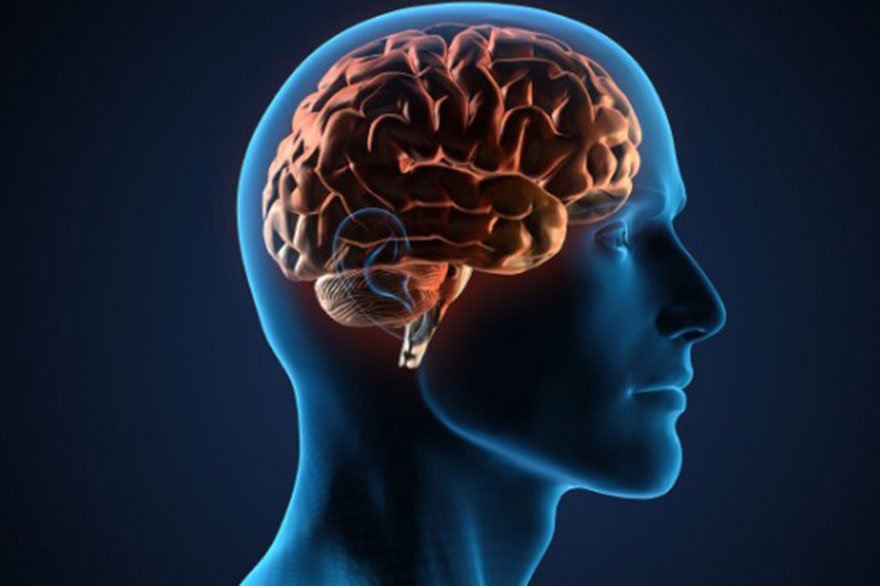
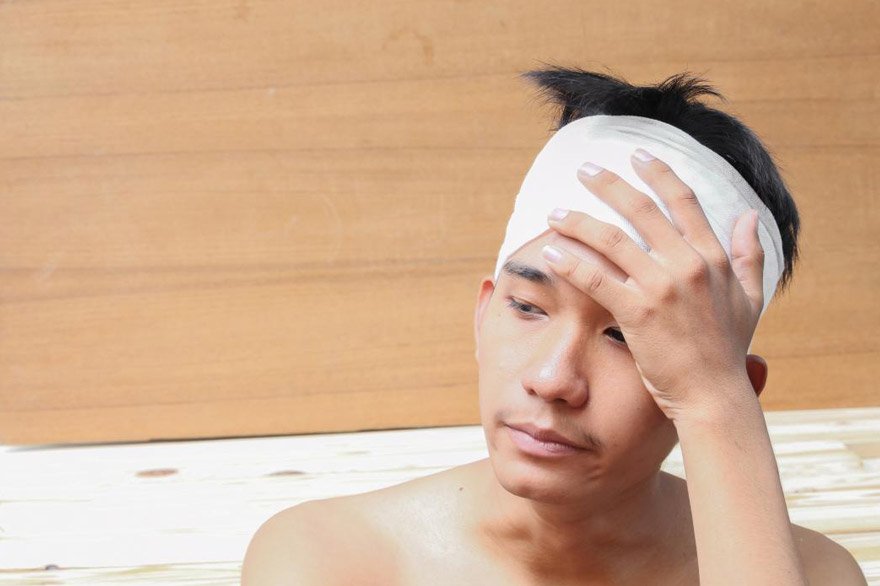
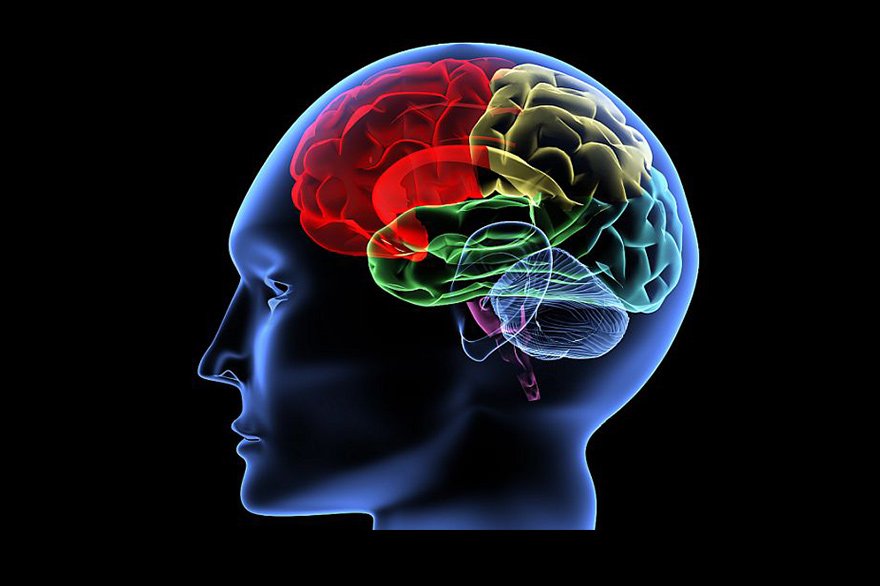
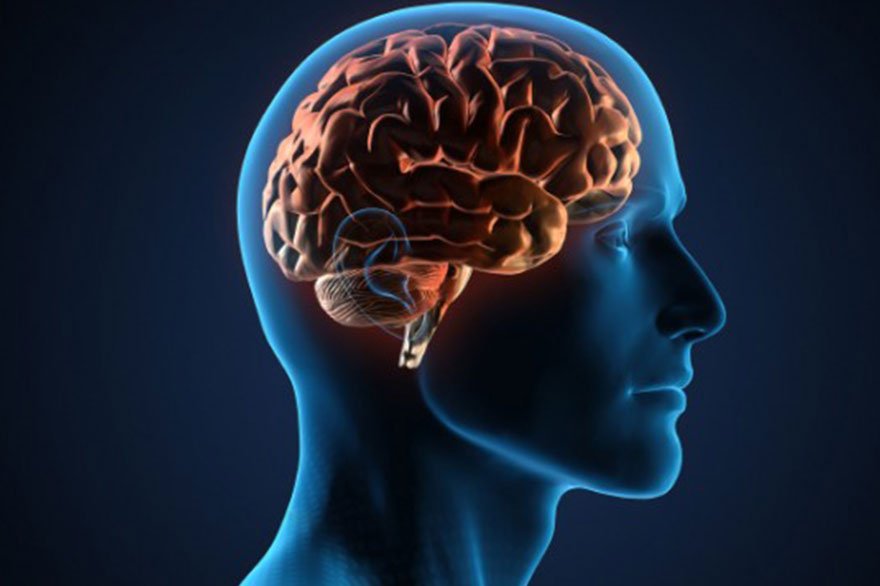
Concussion is a milder form of traumatic brain injury. 75% of the traumatic brain injuries include concussions. Concussions can occurs due to direct impact over the head most common reasons are – road traffic accident, fall from height, collisions or assault and sudden whiplash injury(that is sudden flexion and extension movements).

Actually concussion means SHAKE VIOLENTLY in Latin(concutere). After the impact, Brain will temporarily stop functioning.

Children also can have concussion like in adults, most common causes in them are fall from height, sports related, road traffic accidents and child abuse.

Interesting thing to note about concussive head injury is –

  • It is a low velocity trauma
  • Loss of consciousness may not be present always
  • It will not cause permanent injury
  • It is not life threatening but its symptoms need treatment with the neurosurgeon Bangalore.

Secondary Concussions are more serious and dangerous. Secondary concussion means once primary concussion already present, again one more concussion if person suffers – which may happen with boxing and wrestling where repetitive injuries are common.

1. What is concussive head Injury?

Concussive head Injury is an injury that occurs after direct trauma to head or Violent shaking of the head and upper body. This can also occur as a result of rapid acceleration-deceleration of the head as in whiplash injuries or blast injuries in war zone. There will be movement of the brain tissue within the rigid skull surrounded by the brain fluid called CSF-cerebrospinal fluid. There will be transient physiological dysfunction of the brain wherein the brain will not function for sometime, which results in symptoms.

2. What are the symptoms of concussive head injury?

  • Loss of consciousness.
  • Transient Amnesia ( memory loss ) – for a period of few minutes to hours there will be memory loss. May occur before the impact or after the impact to head. Antgade amnesia and retrograde amnesia.
  • headache, Vomiting
  • Seizures – may occur immediately or few minutes to days after the impact.
  • Giddiness – injury to balancing centre can cause balancing problems and difficulty in walking.
  • Weakness in limbs.
  • Confusion
  • Visual dysfunction
  • Dizziness
  • Irritability.
  • Loss of taste and smell
  • Hypersensitivity to light

3. Can a person have normal memory after concussive head injury?

Yes, even though few people can have some irritability, behavioural problems, most of the time,as time passes the person can have normal memory and most of the patients fully recover after the concussion. Even I had concussive head injury few years ago and I am normal now.

4. What are the complications of head injury /or post concussive syndrome?

  • Focusing problem/concentration problem
  • Sleep dysfunction-insomnia
  • Fatiguability
  • Excessive drowsiness for days to weeks
  • Personality changes
  • Memory disturbance.
  • Post traumatic stress syndrome.

5. What are the investigations advised by the Neurosurgeon in Bangalore?

CT/MRI

  • You will need Brain imaging – most commonly CT scan BRAIN and when CT scan is contraindicated like in pregnant women
  • MRI is advised since MRI is safe in pregnancy.
  • This will be normal in concussive head injury.

6. Management

Physical examination – assess level of consciousness, checking pupils, eye movements, power of limbs and also need to inspect for cut wound over the head and neck.

Most of the time – Require neuro monitoring, with medications including analgesics, antacids and antiemetics and vitamins. Antibiotics are advised if there is any open wound.

7. Head injury in Sports

Sports has a risk of concussion due to head injury. It is necessary to wear protective gear like helmet and Shield. Wearing helmet reduces 85% of head injury. It can occur with Baseball and softball

  • Cycling
  • Foot ball – CTE – Chronic traumatic encephalopathy may found in old foot ball players
  • Cricket
  • Hockey
  • Soccer
  • Boxing
  • Skating
  • Snow boarding
  • Wrestling
  • Horseback riding
  • Powered recreational driving
  • Bull riding
  • Martial arts

8. Even after mild head injury – if you are having any of these symptoms one should not neglect.

The symptoms include

  • People who are taking blood thinners
  • If person having Persistant headache
  • Person Becoming more irritable
  • Persisting vomiting after few days
  • Persisting memory disturbance
  • Persons who have consumed alcohol or on recreational drugs need to immediately seek medical help following injury

9. General tips

  • Supervision of younger children
  • Wearing Seat belt while in car
  • Follow the rules of swimming pool or water park
  • Please do not to dive in shallow water less than 12 feet
  • Some cloths can interfere with vision – Do not wear. wear clothes that interfere with vision
  • If your sleep is not good or if you have inadequate rest, don’t participate in sports
  • Obey traffic rules
  • Don’t wear compromised sport equipment.
  • Wear helmet
  • Do not drink and drive
  • Do not text while driving/walking
  • Don’t do wheeling – common in youngsters for fun.
  • Do not Involve in physical fights.

** this video is made for educational purpose, content and images are used. Any objections please mail us we will remove the contents.

Our expert Neuro team at Neurowellness in Bengaluru provides consultation and treatment to all neuro problems.

Please visit

Neurowellness
Brain and Spine Clinic
#1224, Ground-Floor, 26th Main, Jayanagar 9th Block
BANGALORE – 560069

Phone No
72596 69911
73490 17701

Website www.neurowellness.in

Facebook www.facebook.com/neurowellness.in/

Disclaimer: This information is not meant to be a substitute for professional medical advice. The reader is advised to always seek the advice of a physician prior to changing any treatment or to receive answers to questions regarding a specific medical condition.
1. What is Balloon Kyphoplasty?

It is a spinal procedure to restore the height of the fractured vertebral bone. It relieves the back pain by stabilizing the spine after the procedure.

2. When it is done?

It is done in vertebral fracture due to osteoporosis and bone has lost its height. There will be severe back pain, most commonly after the trivial fall.

3. When you need it?

It can happen in people after the age of 50 years after a trivial fall. Vertebral fracture causing severe pain, unable to walk. Evaluation is done with MRI, CT and bone scan.

4. How kyphoplasty is done?

It is a minimally invasive spine procedure and a modified vertebroplasty technique. Here Spine Surgeons in Bangalore inflate the balloon in the fractured vertebra to restore the height of the vertebra to stabilize the fracture. Then bone cement is filled into space. Anaesthesia preferred is general but it can be done under local anaesthesia in some cases. The duration can be 1 hour to 2 hours.

Ganesh

Dr. Ganesh Veerabhadraiah

Consultant – Neurosurgeon, Neurointerventional Surgery, Spine Surgeon (Neuro)
23+ Years Experience Overall (17+ years as Neuro Specialist)

Available for Consultation: Jayanagar 9th Block & Kauvery Hospital, Electronic City 

5. What are the complications of the procedure?

There is no procedure without complications

Neurowellness in Bengaluru provides consultation and treatment to all spine-related problems by the Spine surgeon in Bangalore.

Balloon Kyphoplasty Surgery in Bangalore

“Living with spine fractures or severe back pain? Neurowellness Brain & Spine Clinic offers advanced balloon kyphoplasty for safe recovery.”

FAQs

1. What is balloon kyphoplasty surgery?

Balloon kyphoplasty is a minimally invasive procedure to treat spinal fractures by restoring height and stabilizing the bone.

2. Who needs balloon kyphoplasty?

It is recommended for patients with spinal fractures due to osteoporosis, injury, or tumors.

3. What are the risks of balloon kyphoplasty?

Yes, it is generally safe with quick recovery and minimal complications when performed by experienced surgeons.

4. How long does recovery take after balloon kyphoplasty?

Most patients resume light activities within a few days and feel significant pain relief within weeks.

5. Where can I get balloon kyphoplasty in Bangalore?

Neurowellness Brain & Spine Clinic offers advanced balloon kyphoplasty surgery in Bangalore.

Ganesh

About Author

Dr. Ganesh Veerabhadraiah

Dr. Ganesh Veerabhadraiah, consultant neurosurgeon and neurologist in Bangalore, has over 20 years of expertise in managing back pain, migraines, headaches, neuro disorders, and spine problems. His clinical excellence and patient-first approach make him a neuro doctor in Bangalore.

At Neurowellness Brain & Spine Clinic in Jayanagar and Kavery Hospital Electronic City, Dr. Ganesh provides comprehensive treatments ranging from minimally invasive spine surgery to advanced neurological care. As a respected back pain specialist and migraine doctor, he continues to deliver reliable outcomes for patients.

👉 Connect with Dr. Ganesh on LinkedIn

Minimally invasive spine surgery (MISS) has significantly evolved over the years, revolutionizing how spine-related problems are treated. With advancements in surgical skills, the use of microscopic techniques, and a deeper understanding of spinal microanatomy and biomechanics, patients now have access to safer and more effective treatments.

MISS in Bangalore has emerged as a preferred choice for addressing conditions like herniated discs, spinal decompression, spinal listhesis, and spinal tumors. Neurowellness, home to some of the spine specialists in Bangalore, offers modern minimally invasive techniques to ensure better outcomes and faster recovery for patients.

FeatureOpen Spine SurgeryMinimally Invasive Spine Surgery (MISS)
Incision SizeLarge cut (5–6 inches)Small cut (1–2 cm)
Blood LossHigherMinimal
Recovery TimeWeeks to monthsFaster recovery in days
Pain & ScarsMore pain & scarringLess pain, tiny scars
Hospital Stay5–7 days1–2 days

Understanding Minimally Invasive Spine Surgery (MISS)

MISS is a modern approach designed to treat spinal conditions with minimal disruption to surrounding tissues. Unlike traditional open spine surgery, which requires large incisions and significant tissue disruption, MISS focuses on achieving the same goals—nerve decompression, spinal stabilization, and neural protection—with minimal impact on the body.

At Neurowellness, our team of spine surgeons in Bangalore specializes in performing advanced MISS procedures, including:

• Micro Lumbar Discectomy (MLD)
• Spinal decompression surgery
•
Spinal listhesis correction
•
Minimally invasive lumbar fusion
•
Endoscopic spine surgery

Main goal is same for open spinal surgery and MISS (minimally invasive spine surgery) -results, outcome and protection of neural structures are same.

Minimally Invasive Spine Surgery (MISS)
SAFE SPINE – MISS

Minimally Invasive Spine Surgery (MISS)


Key Advantages of MISS

MISS offers several benefits over traditional open spine surgery, making it a preferred option for many patients seeking spine surgery in Bangalore:

1. Minimal Incisions
MISS involves smaller skin incisions, reducing scarring and promoting faster healing. These small openings also minimize the risk of postoperative infections.
2. Less Tissue Disruption
Unlike open surgery, MISS avoids cutting through muscles and ligaments. Instead, long tubular retractors and advanced microscopic techniques are used to access the spine without causing significant tissue damage.
3. Reduced Blood Loss
One of the most significant advantages of MISS is reduced blood loss during surgery, contributing to quicker recovery and reduced need for blood transfusions.
4. Faster Recovery
With minimal disruption to tissues and smaller incisions, patients undergoing MISS experience shorter hospital stays and faster returns to their daily routines.
5. Improved Outcomes
The precision of MISS techniques allows for effective decompression of nerves, spinal cord, and other structures, leading to excellent long-term results.

MISS Techniques Used by Spine Surgeons in Bangalore

MISS relies on advanced tools and techniques to achieve successful outcomes. At Neurowellness, our spine specialists in Bangalore utilize:

1. Microscopic Techniques
MISS procedures involve the use of a high-powered microscope to provide a clear, magnified view of the spinal structures. This ensures precise dissection and minimal harm to surrounding tissues.
2. Tubular Retractors
Long tubular retractors are used to create a small window through which the surgeon can access the spine. This minimizes tissue disruption and enables a targeted approach to the affected area.
3. High-Speed Drills
High-speed drills are employed to remove bony structures such as the lamina or facet joints with precision, ensuring effective decompression without excessive tissue removal.
4. Advanced Implants
Titanium screws, cages, and artificial discs are placed through small retractors and tubes during procedures like minimally invasive lumbar fusion. These implants provide stabilization and support for the spine.

Conditions Treated with MISS

MISS is effective for a wide range of spinal conditions, including:

1. Herniated Discs
Minimally invasive lumbar discectomy is a popular procedure for treating herniated discs. It involves the removal of the damaged portion of the disc to relieve pressure on the nerves.
2. Spinal Stenosis
Spinal decompression surgery is used to alleviate symptoms caused by narrowed spinal canals. This technique relieves pressure on the spinal cord and nerve roots.
3. Spinal Listhesis
MISS offers effective solutions for spinal listhesis, where one vertebra slips over another. Fusion and stabilization techniques are employed to restore spinal alignment.
4. Spinal Tumors
MISS is also used for the removal of spinal tumors with minimal disruption to surrounding healthy tissues.

Main goal of surgery is ‘NO HARM’ and key hole.

Our expert Spine Surgeons in Bangalore at Neurowellness provide consultation and treatment to all spine related problems.

Innovative MISS Procedures in Bangalore

Bangalore is a hub for advanced medical care, and Neurowellness leads the way in providing modern minimally invasive spine surgery. Here are some key MISS procedures available:

1. Micro Lumbar Discectomy (MLD)

This procedure involves removing herniated disc material to relieve nerve compression. Spine specialists in Bangalore use microscopic techniques for precision and minimal tissue disruption.

2. Endoscopic Spine Surgery

This advanced technique uses a small camera and specialized tools to treat conditions like herniated discs and spinal stenosis. Patients benefit from reduced pain and faster recovery.

3. MIS TLIF Surgery

Minimally invasive transforaminal lumbar interbody fusion (MIS TLIF) is performed to stabilize the spine and alleviate pain caused by spinal instability or spondylolisthesis.

4. Minimally Invasive Lumbar Decompression Surgery

This procedure is designed to relieve pressure on the spinal cord and nerves caused by conditions like spinal stenosis. It involves removing the lamina or bone spurs with minimal disruption to surrounding tissues.

Spine Surgery in Bangalore at Neurowellness

Neurowellness stands out as a leading provider of spine treatment in Bangalore for several reasons:

1. Expertise
Our team includes some of spine surgeons in Bangalore, for their expertise in minimally invasive techniques.
2. Advanced Facilities
Neurowellness is equipped with modern surgical technology, including high-powered microscopes, robotic systems, and advanced imaging tools.
3. Comprehensive Care
From diagnosis to rehabilitation, we offer a holistic approach to spine care, ensuring optimal outcomes for every patient.
4. Patient-Centered Approach
We prioritize patient safety and comfort, focusing on minimally invasive methods to reduce pain, recovery time, and hospital stays.

PODCAST:

Conclusion

Minimally invasive spine surgery is transforming the way spinal conditions are treated. With its numerous benefits, including smaller incisions, reduced tissue disruption, and faster recovery, MISS is an excellent option for patients seeking effective spine care.

Neurowellness, home to spine specialists in Bangalore, is dedicated to providing advanced minimally invasive treatments, including micro lumbar discectomy, spinal decompression, and MIS TLIF surgery. If you’re looking for expert spine care, Neurowellness is your destination for modern spine surgery in Bangalore.

Don’t let spinal problems hold you back—consult our expert spine surgeons today and take the first step toward a pain-free life!

“MISS offers faster recovery, less pain, and smaller scars compared to traditional spine surgery. Consult our expert neurosurgeons today.”

Please visit
Neurowellness
Brain and Spine Clinic
#1224, Ground-Floor, 26th Main, Jayanagar 9th Block
BANGALORE – 560069

Ganesh

Dr. Ganesh Veerabhadraiah

Consultant – Neurosurgeon, Neurointerventional Surgery, Spine Surgeon (Neuro)
23+ Years Experience Overall (17+ years as Neuro Specialist)

Available for Consultation: Jayanagar 9th Block & Kauvery Hospital, Electronic City 

FAQs

1. What is Minimally Invasive Spine Surgery (MISS)?

MISS is an advanced technique using small incisions, specialized instruments, and less tissue damage for spine procedures.

2. How does MISS compare with open spine surgery?

Yes. MISS reduces blood loss, scarring, infection risks, and recovery time compared to open surgery.

3. How long does recovery take after MISS?

Most patients resume normal activities within 2–4 weeks, much faster than open surgery.

4. Who can benefit from MISS?

Patients with disc prolapse, spinal stenosis, herniated discs, or chronic back pain may be eligible.

5. Where can I get MISS in Bangalore?

Neurowellness Brain & Spine Clinic offers advanced MISS procedures by experienced neurosurgeons.

Ganesh

About Author

Dr. Ganesh Veerabhadraiah

Dr. Ganesh Veerabhadraiah, consultant neurosurgeon and neurologist in Bangalore, has over 20 years of expertise in managing back pain, migraines, headaches, neuro disorders, and spine problems. His clinical excellence and patient-first approach make him a neuro doctor in Bangalore.

At Neurowellness Brain & Spine Clinic in Jayanagar and Kavery Hospital Electronic City, Dr. Ganesh provides comprehensive treatments ranging from minimally invasive spine surgery to advanced neurological care. As a respected back pain specialist and migraine doctor, he continues to deliver reliable outcomes for patients.

👉 Connect with Dr. Ganesh on LinkedIn

Brain aneurysms are silent yet potentially life-threatening conditions that often go undiagnosed. In the general population, approximately two out of every hundred people may have a brain aneurysm, and many remain unaware of its presence until symptoms arise or it ruptures.

A brain aneurysm refers to the ballooning or bulging of a weak spot in a blood vessel in the brain. When an aneurysm ruptures, it causes an intense, sudden headache and can result in permanent neurological deficits or even death if medical intervention is not promptly received.

At Neurowellness in Bengaluru, our expert team provides specialized care to address these conditions effectively.

On rupture of aneurysm causes sudden on sit of very severe headache which may result in permanent, neurological deficit or death before seeing a Neurosurgeon in Bangalore. Most of the time this aneurysms will not produce any symptoms & will be undiagnosed & sometimes incidentally detected.

Dangerous facts of a Brain AneurysmDangerous facts of a Brain Aneurysm

Risk Factors for Brain Aneurysm

1. Age

The risk of developing a brain aneurysm increases significantly with age. Older adults face a higher chance of weakened blood vessels, making them susceptible to aneurysms. This condition may silently progress, emphasizing the need for regular health screenings to detect anomalies early. If detected, consultation with a neurosurgeon in Bangalore can help assess the risk and decide on preventive or curative measures.

2. Hypertension (High Blood Pressure)

High blood pressure is a leading risk factor for brain aneurysm formation and rupture. Chronic hypertension puts constant pressure on blood vessel walls, increasing the chances of weakening and ballooning. Controlling blood pressure through a healthy diet, regular exercise, and medications can significantly reduce the risk of aneurysms. Monitoring your BP regularly and seeking guidance from experts is essential to avoid complications.

3. Alcohol Consumption

Excessive alcohol consumption can have detrimental effects on blood vessels. Chronic drinking weakens the vessel walls, leading to an increased likelihood of brain aneurysm formation. Overindulgence can also raise blood pressure, compounding the risk. Reducing alcohol intake and adopting healthier lifestyle choices are critical in preventing such life-threatening conditions.

4. Smoking

Smoking significantly contributes to the development of brain aneurysms. Chemicals in tobacco weaken the structure of blood vessels, making them prone to ballooning and rupture. Smokers are advised to quit immediately to mitigate this risk. Several smoking cessation programs are available that can help individuals break the habit and protect their vascular health.

5. Gender (Female)

Women are at a higher risk of brain aneurysms due to hormonal changes that may affect blood vessel integrity. Estrogen fluctuations, especially post-menopause, can contribute to weakening vessel walls. Regular health check-ups and adopting heart-healthy practices are critical for women to reduce their risk.

6. Drug Abuse

The use of illicit drugs such as cocaine can cause abrupt spikes in blood pressure, which can lead to aneurysm formation and rupture. These substances damage blood vessels, leading to complications that require immediate medical attention. Avoiding drugs is a vital step in preventing aneurysms and other vascular conditions.

7. Family History

A family history of brain aneurysms increases the risk by about 1%. Individuals with close relatives who have experienced aneurysms should be vigilant about symptoms and undergo routine screenings. Consulting a neurosurgeon in Bangalore can provide guidance and monitoring to prevent or address potential issues.

Potential Warning Signs of Brain Aneurysm

Although most brain aneurysms remain asymptomatic, some patients may experience warning signs. Early detection of these symptoms can save lives:

1. Severe Headaches

A sudden, extremely painful headache often described as the “worst headache of one’s life” is a hallmark symptom of a ruptured brain aneurysm. This condition requires immediate emergency care to prevent severe outcomes.

2. Numbness and Weakness on One Side of the Face

Unexplained numbness or weakness on one side of the face can indicate a developing brain aneurysm. These symptoms may mimic a stroke, necessitating prompt medical evaluation.

3. Double Vision

Vision changes, such as seeing double or blurred vision, can be linked to the pressure caused by an aneurysm pressing on the optic nerves. Seeking an eye specialist or a neurosurgeon in Bangalore is critical to address this issue.

•𓏺 Pupillary Dilation
Enlarged pupils or uneven pupil size may signal an underlying aneurysm compressing nearby structures. It is crucial to identify the root cause through advanced imaging techniques.

•𓏺 Pain Above and Behind the Eye
Persistent pain around the eye area may point to an unruptured aneurysm. This symptom, along with other neurological changes, should never be ignored.

About Neurowellness in Bangalore

At Neurowellness, our team of experienced neurosurgeons specializes in diagnosing and treating brain aneurysms. Using modern technology and evidence-based practices, we ensure patients receive the best care possible. Whether it’s consultation, surgical intervention, or post-treatment care, our experts provide comprehensive solutions tailored to individual needs.

Our expert Neuro team at Neurowellness in Bengaluru provide consultation and treatment to all neuro problems.

Please visit

Neurowellness
Brain and Spine Clinic
#1224, Ground-Floor, 26th Main, Jayanagar 9th Block
BANGALORE – 560069

Phone No
+91 72596 69911
+91 73490 17701

Website www.neurowellness.in

Facebook www.facebook.com/neurowellness.in/

FAQs

1. What are the early warning signs of a brain aneurysm?

Early signs may include a sudden severe headache (“thunderclap headache”), blurred or double vision, stiff neck, nausea, sensitivity to light, or seizures. Many aneurysms are silent until they rupture.

2. Can a brain aneurysm exist without symptoms?

Yes. Many unruptured brain aneurysms cause no symptoms and are discovered incidentally during scans done for other reasons.

3. Is a brain aneurysm a medical emergency?

A ruptured brain aneurysm is a medical emergency and requires immediate treatment. Delaying care can be life‑threatening.

4. Who is at higher risk of developing a brain aneurysm?

Risk increases with high blood pressure, smoking, family history, age over 40, and certain genetic conditions. Women are at slightly higher risk than men.

5. How is a brain aneurysm diagnosed?

Diagnosis typically involves imaging such as CT scan, MRI, or cerebral angiography to identify the aneurysm’s size and location.

6. Can brain aneurysms be treated without surgery?

Some small, unruptured aneurysms may be monitored with regular imaging. Others require intervention such as surgical clipping or endovascular coiling, depending on risk.

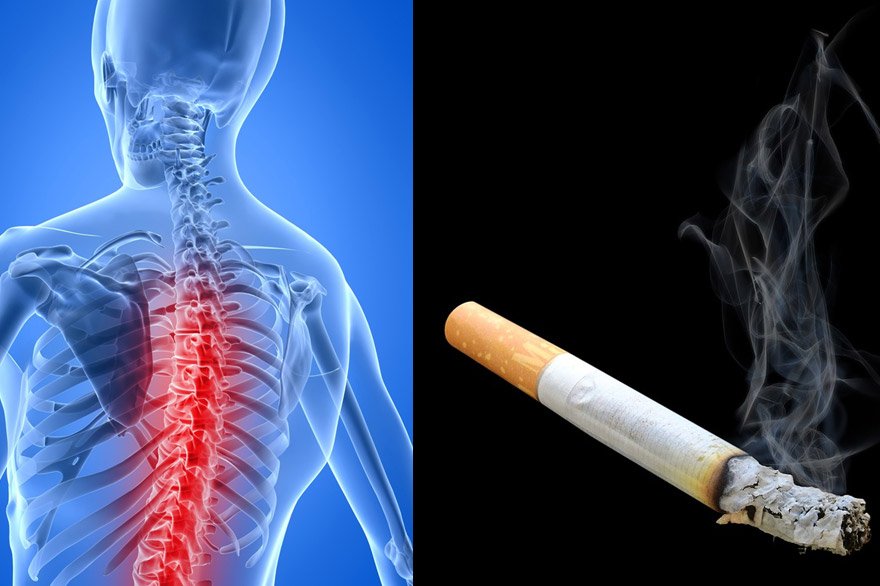
By smoking Cigarette, pharmacologically active alkaloid Nicotine is inhaled and that deeply penetrates the lungs and then absorbed in the bloodstream.

disc degeneration

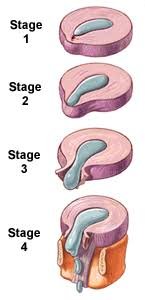
Nicotine is directly responsible for Intervertebral disc degeneration by damage of annulus & nucleus pulposus. By Smoking Toxins directly damage cells.

Toxins released by smoking increase pain sensitivity by altering the pathway in the central nervous system (CNS). The smokers may require an increase in the dose of pain killers (Analgesics )to reduce the pain compare to non-smokers.

According to the National Osteoporosis Foundation US – smokers have a high incidence of osteoporosis and low bone density thereby increasing the risk of fracture.

Vertebral / Spine fractures are common in smokers.

Spine fracture

Spine fracture

Smoking reduces the bone mineral density, directly proportional to the severity of the smoking and also occurs with passive smoking.

Smoking reduces the oxygen supply and healing process of the bone, thereby delayed healing of the spine is expected following spine fracture or spine surgery.

Smoking affects the blood vessels, causes vasoconstriction and reduces oxygen and nutrients spinal tissue.

Continuous coughing as a result of smoking puts undue pressure over the spine and Increases the chances of disc herniation, radicular pain, and claudication pain. Subsequently, also worsen the neurological deficits.

Smoking EffectImpact on Spine Health
Reduced blood flowSlows healing after injuries & surgeries
Weak bone densityHigher risk of fractures & osteoporosis
Disc degenerationFaster wear & tear leading to chronic back pain
Impaired recoveryLonger recovery from spine surgeries
Ganesh

Dr. Ganesh Veerabhadraiah

Consultant – Neurosurgeon, Neurointerventional Surgery, Spine Surgeon (Neuro)
23+ Years Experience Overall (17+ years as Neuro Specialist)

Available for Consultation: Jayanagar 9th Block & Kauvery Hospital, Electronic City 

QUIT SMOKING FOR A HEALTHY SPINE

Our expert Spine Surgeons in Bangalore at Neurowellness a Bangalore Spine Specialist Clinic provide consultation and treatment to all problems related to spine and brain.

Conculsion

Smoking doesn’t just harm your lungs and heart it silently damages your spine, weakens bones, and slows down recovery from injuries and surgeries. The good news is that quitting smoking and seeking timely medical care can significantly improve spine health and prevent long-term complications.

At Neurowellness Brain & Spine Clinic in Bangalore, our team of expert neurosurgeons and spine specialists provide comprehensive care to help patients manage smoking-related spine issues, from early diagnosis to advanced treatment.

Don’t wait until back pain becomes a permanent problem.

FAQs

1. How does smoking affect spine health?

Smoking reduces blood flow, weakens bones, and speeds up disc degeneration, leading to chronic back pain.

2. Can quitting smoking improve back pain?

Yes. Quitting restores blood circulation, strengthens bones, and helps reduce pain and spine complications.

3. Does smoking slow recovery after spine surgery?

Yes. Smokers heal slower and have higher chances of post-surgery complications.

4. Who is at risk of spine damage from smoking?

Long-term smokers, people with osteoporosis, and those with back pain are at higher risk.

5. Where can I get spine recovery help in Bangalore?

Neurowellness Brain & Spine Clinic offers diagnosis and treatment for smoking-related spine problems.

Ganesh

About Author

Dr. Ganesh Veerabhadraiah

Dr. Ganesh Veerabhadraiah, consultant neurosurgeon and neurologist in Bangalore, has over 20 years of expertise in managing back pain, migraines, headaches, neuro disorders, and spine problems. His clinical excellence and patient-first approach make him a neuro doctor in Bangalore.

At Neurowellness Brain & Spine Clinic in Jayanagar and Kavery Hospital Electronic City, Dr. Ganesh provides comprehensive treatments ranging from minimally invasive spine surgery to advanced neurological care. As a respected back pain specialist and migraine doctor, he continues to deliver reliable outcomes for patients.

👉 Connect with Dr. Ganesh on LinkedIn