A brain aneurysm is a serious medical condition that can be life-threatening if not diagnosed and treated in time. Many people are unaware that they might have an aneurysm, as it often presents no symptoms until it ruptures. When an aneurysm in the brain ruptures, it can lead to severe complications, including permanent neurological damage or even death. Understanding the brain aneurysm symptoms and seeking medical attention early is essential for preventing severe outcomes.

brain aneurysm symptoms

What Is a Brain Aneurysm?

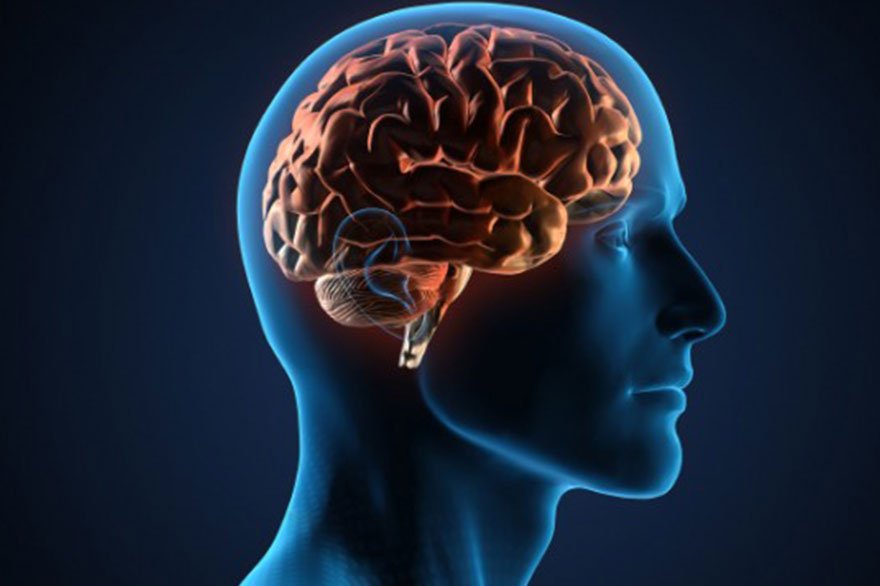
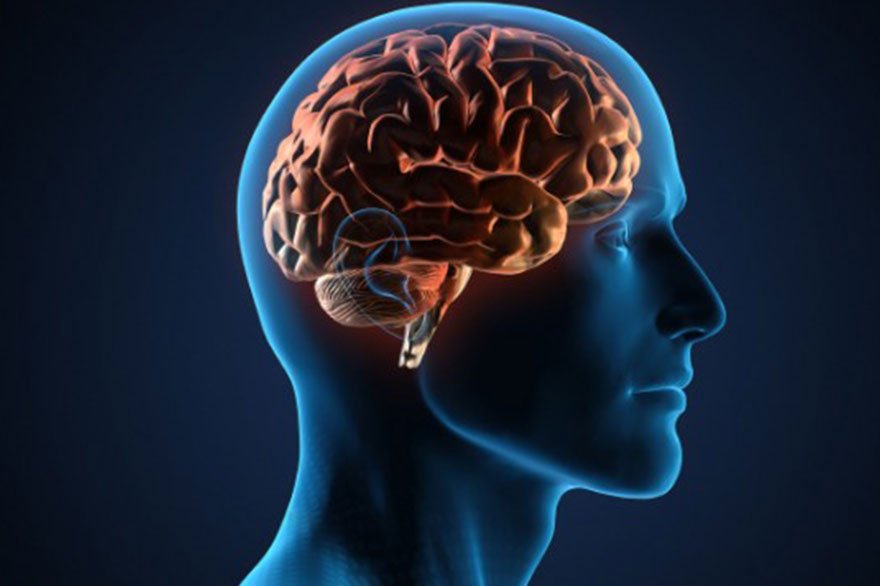
A brain aneurysm occurs when a blood vessel in the brain weakens and bulges outward like a balloon. This bulging creates a sac filled with blood that can put pressure on surrounding brain tissue or nerves. While many brain aneurysms remain small and undetected, some may grow large enough to rupture, leading to a subarachnoid hemorrhage—a life-threatening type of stroke.

In the general population, it is estimated that about two out of every 100 people may have an undiagnosed brain aneurysm. These aneurysms often go unnoticed because they rarely cause symptoms unless they rupture.

Brain Aneurysm Symptoms

Though brain aneurysms are often asymptomatic, in some cases, they may produce warning signs that should not be ignored. Recognizing the potential brain aneurysm symptoms could be crucial in preventing a rupture.

Some of the common symptoms include:

1. Sudden, Severe Headache: Often described as the “worst headache of your life,” this is the most common sign of a ruptured brain aneurysm. The headache typically comes on suddenly and is often accompanied by nausea, vomiting, or a stiff neck.
2. Pain Above or Behind the Eye: This pain can be a result of pressure on the nerves near the aneurysm. It is often a warning sign before a rupture occurs.
3. Double Vision or Blurred Vision: Vision problems, such as double vision, may be caused by the aneurysm pressing on the optic nerve.
4. Numbness or Weakness on One Side of the Face: This can happen if the aneurysm presses on nearby nerves, affecting facial muscles.
5. Dilated Pupils: A noticeable enlargement of one or both pupils could be a sign of increased pressure in the brain due to the aneurysm.
6. Drooping Eyelid (Ptosis): One eyelid may droop if the aneurysm is pressing on the nerve controlling the eyelid.

If you experience any of these symptoms, especially a sudden severe headache, it is essential to seek immediate medical attention. Early intervention could save your life.

Risk Factors for Brain Aneurysms

Several factors can increase the risk of developing a brain aneurysm. Although some people may have a genetic predisposition to this condition, lifestyle choices and other health conditions also play a significant role.

1. Age

As people get older, the risk of brain aneurysms increases. The blood vessels may weaken over time, leading to the formation of an aneurysm. Most aneurysms are detected in individuals over the age of 40.

2. High Blood Pressure (Hypertension)

Chronic high blood pressure is a leading cause of brain aneurysms. The increased force of blood flow weakens the walls of the blood vessels, making them more prone to bulging and rupture.

3. Smoking

Smoking is another major risk factor. It damages the blood vessels and increases the likelihood of aneurysm formation. Smokers are more likely to experience aneurysm ruptures compared to non-smokers.

4. Alcohol Consumption

Excessive alcohol intake can raise blood pressure and contribute to the formation and rupture of brain aneurysms.

5. Drug Abuse

The use of illicit drugs, particularly cocaine, can significantly increase the risk of brain aneurysms. Drug abuse leads to sudden spikes in blood pressure, which weakens blood vessel walls.

6. Gender

Women are at a slightly higher risk of developing brain aneurysms compared to men, particularly after the age of 40. Hormonal changes, particularly post-menopause, may contribute to this increased risk.

7. Family History

If you have a close relative, such as a parent or sibling, who has had a brain aneurysm, your risk of developing one increases. About 1% of cases are linked to genetic factors.

8. Geographic Prevalence

Brain aneurysms are more common in certain populations, such as those living in Finland and Japan. In India, the incidence of brain aneurysms has been gradually increasing in recent years.

Diagnosing Brain Aneurysms

Because brain aneurysms often go undetected, it’s crucial to undergo diagnostic tests if you have risk factors or symptoms. Here are some common diagnostic tools used by neurosurgeons in Bangalore to identify and evaluate brain aneurysms:

1. CT Scan: A computed tomography (CT) scan of the brain can quickly identify bleeding or other abnormalities associated with aneurysms.
2. MRI: Magnetic resonance imaging (MRI) is a more detailed imaging test that can detect unruptured aneurysms and other brain abnormalities.
3. MRA (Magnetic Resonance Angiography): This type of MRI specifically focuses on the blood vessels, helping detect aneurysms in the brain.
4. Digital Subtraction Angiography (DSA): DSA is an advanced imaging test used to visualize the blood vessels in the brain in detail. It is often used to plan surgical or endovascular treatments.
5. Duplex Scan: This non-invasive test combines traditional ultrasound with Doppler imaging to evaluate blood flow in the brain’s vessels.
6. Echocardiogram (ECHO): ECHO is used to assess the heart’s function and rule out other cardiovascular issues that might be contributing to the aneurysm.

Treatment Options for Brain Aneurysms

Once diagnosed, the treatment of a brain aneurysm depends on its size, location, and whether it has ruptured.

1. Monitoring
If an aneurysm is small and not causing symptoms, the doctor may recommend regular monitoring through imaging tests to watch for changes in size or condition.
2. Surgical Clipping
In this procedure, a neurosurgeon places a metal clip around the base of the aneurysm to stop blood flow into the aneurysm, preventing it from growing or rupturing.
3. Endovascular Coiling
This minimally invasive procedure involves inserting a catheter through the blood vessels to reach the aneurysm. Tiny coils are then placed into the aneurysm, causing it to clot and reduce the risk of rupture.
4. Flow Diverter Stents
A flow diverter stent is placed across the aneurysm to redirect blood flow and prevent rupture. This technique is often used for larger or more complex aneurysms.

Conclusion

A brain aneurysm is a dangerous condition that can be life-threatening if left untreated. While many aneurysms go undiagnosed due to a lack of symptoms, it’s essential to recognize the potential warning signs, such as sudden severe headaches, vision problems, and facial weakness.

If you are at risk or are experiencing any of these symptoms, seek a consultation with a neurosurgeon in Bangalore as soon as possible. Early diagnosis and treatment can prevent severe outcomes, including permanent brain damage or death.

Contact Us

At Neurowellness Brain and Spine Clinic in Bengaluru, our expert neuro team specializes in diagnosing and treating all types of neuro-related problems, including brain aneurysms. If you suspect you have an aneurysm or are experiencing symptoms, don’t wait—reach out for a consultation today.

Neurowellness Brain and Spine Clinic
#1224, Ground Floor, 26th Main, Jayanagar 9th Block,
Bangalore – 560069

Brain Aneurysm Diagnosis & Treatment in Bangalore

“Don’t ignore sudden headaches or vision problems. Neurowellness Brain & Spine Clinic offers expert diagnosis and advanced treatment for brain aneurysms.”

FAQs

1. What are the first symptoms of a brain aneurysm?

Severe headaches, blurred vision, nausea, and neck stiffness are common early signs.

2. Is a brain aneurysm always life-threatening?

Not always, but rupture can be fatal. Early diagnosis and treatment are crucial.

3. How do doctors detect brain aneurysms?

Through CT scan, MRI, or angiography.

4. Can a brain aneurysm be treated without surgery?

Small, unruptured aneurysms may be monitored or treated with endovascular procedures.

5. Where can I get brain aneurysm treatment in Bangalore?

Neurowellness Brain & Spine Clinic offers advanced surgical and endovascular treatment.

Ganesh

About Author

Dr. Ganesh Veerabhadraiah

Dr. Ganesh Veerabhadraiah, leading neurosurgeon and neurologist in Bangalore, has over 20 years of expertise in managing back pain, migraines, headaches, neuro disorders, and spine problems. His clinical excellence and patient-first approach make him one of the most trusted neuro doctors in Bangalore.

At Neurowellness Brain & Spine Clinic in Jayanagar and Kavery Hospital Electronic City, Dr. Ganesh provides comprehensive treatments ranging from minimally invasive spine surgery to advanced neurological care. As a respected back pain specialist and migraine doctor, he continues to deliver reliable outcomes for patients.

👉 Connect with Dr. Ganesh on LinkedIn

A neurosurgeon and Neurologist is a physician who diagnoses and manages neurological conditions medically without performing surgery. A neurosurgeon is a surgical specialist who operates on the brain, spine, and nervous system when structural correction is needed. Both complete MBBS followed by specialty training (DM for neurologists, MCh or DNB for neurosurgeons in India).

Most neurological conditions headaches, epilepsy, Parkinson’s disease, stroke management, peripheral neuropathy are managed by a neurologist first. Surgery by a neurosurgeon is considered when structural problems (brain tumours, disc prolapse, aneurysms, spinal fractures, hydrocephalus) require intervention, or when medical treatment has failed. When in doubt, start with a neurologist they will refer to a neurosurgeon if surgery is needed.

At NeuroWellness Bangalore, both specialties are available: Dr. Nagashree Sharma (Consultant Neurologist) and Dr. Ganesh Veerabhadraiah (Consultant Neurosurgeon, FINR).

The Most Common Question in Neurological Care

When a patient or their family receives a neurological diagnosis — or develops symptoms affecting the brain, spine, or nerves — one of the first questions they ask is: “Should I see a neurologist or a neurosurgeon?”

This confusion is understandable. Both specialists treat disorders of the nervous system. Both can evaluate the same patient. But their roles, training, and methods are fundamentally different — and seeing the right one first can save significant time, cost, and anxiety.

This guide answers that question clearly, condition by condition.

What Does a Neurologist Do?

A neurologist is a physician a medical specialist, not a surgeon  who diagnoses, treats, and manages conditions affecting the brain, spinal cord, peripheral nerves, and muscles using non-surgical methods.

Neurologists use:

• Clinical neurological examination — assessing cognition, reflexes, coordination, cranial nerves, motor and sensory function.
• Electroencephalogram (EEG) — for epilepsy and seizure evaluation.
Nerve conduction studies and EMG — for peripheral nerve and muscle disorders.
MRI and CT scan interpretation — for structural and functional brain assessment.
Medications — antiepileptics, dopaminergic agents, immunosuppressants, migraine treatments
Lumbar puncture (spinal tap) — for infections, inflammatory conditions, and pressure measurements

Conditions managed primarily by neurologists:

• Headaches and migraines
• Epilepsy and seizure disorders
Parkinson’s disease and other movement disorders
Multiple sclerosis and demyelinating diseases
Stroke — acute medical management and secondary prevention
Alzheimer’s disease and other dementias
Peripheral neuropathies (nerve damage from diabetes, vitamin deficiency, autoimmune causes)
Myasthenia gravis and neuromuscular junction disorders
Meningitis and encephalitis
Autoimmune neurological conditions (NMDA receptor encephalitis, Guillain-Barré syndrome)

At NeuroWellness: Dr. Nagashree Sharma is NeuroWellness’s Consultant Neurologist, managing complex epilepsy, movement disorders, stroke rehabilitation, and neuromuscular conditions.


Consult Dr. Nagashree Sharma, Neurologist →

What Does a Neurosurgeon Do?

A neurosurgeon is a surgical specialist who diagnoses and performs operations on the brain, spine, spinal cord, peripheral nerves, and cerebrovascular system. Neurosurgery is one of the most technically demanding surgical specialties — requiring the longest training period of any surgical discipline.

Neurosurgeons perform:

• Brain tumour surgery (craniotomy, endoscopic resection)
• Spinal surgery (discectomy, laminectomy, spinal fusion, minimally invasive spine surgery)
Cerebral aneurysm clipping and coiling (endovascular)
Arteriovenous malformation (AVM) surgery or embolisation
Hydrocephalus management (VP shunt placement, endoscopic third ventriculostomy)
Traumatic brain injury and spinal cord injury surgery
Epilepsy surgery (temporal lobectomy, lesionectomy)
Deep brain stimulation (DBS) for Parkinson’s disease
Peripheral nerve surgery (carpal tunnel release, ulnar nerve decompression)
Pituitary tumour surgery (endoscopic transsphenoidal approach)

Important distinction: Neurosurgeons are not only surgeons. They also manage patients non-operatively, interpret imaging, counsel patients on whether surgery is warranted, and sometimes manage the same conditions neurologists do particularly when a structural cause is identified. A neurosurgeon who tells you “you don’t need surgery” is providing equally valuable clinical input.

At NeuroWellness: Dr. Ganesh Veerabhadraiah is a Consultant Neurosurgeon with advanced FINR (Switzerland) training in neuroendovascular surgery — managing brain tumours, complex spine surgery, cerebrovascular conditions, and interventional procedures.

Consult Dr. Ganesh Veerabhadraiah, Neurosurgeon →

What Is a Neurointerventionalist?

Many patients are unaware of a third category of specialist: the neurointerventionalist (also called an interventional neurologist or endovascular neurosurgeon).

A neurointerventionalist performs minimally invasive, catheter-based procedures inside the blood vessels of the brain and spine — without open surgery. Procedures include:

• Mechanical thrombectomy for acute ischaemic stroke (removing clots from brain arteries)
• Endovascular coiling of cerebral aneurysms
Carotid artery stenting
AVM embolisation
Cerebral angiography and DSA (Digital Subtraction Angiography)

Dr. Ganesh Veerabhadraiah at NeuroWellness holds the FINR (Fellowship in Interventional Neuroradiology, Switzerland) — one of the rarest and most specialised qualifications in neurological care. This means he can manage cerebrovascular emergencies both surgically and endovascularly an unusual combination that benefits patients with stroke, aneurysms, and vascular brain conditions.

Neurologist vs Neurosurgeon: Complete Comparison

Feature Neurologist Neurosurgeon
Primary role Medical diagnosis and treatment Surgical diagnosis and intervention
Performs surgery No Yes
Training in India MBBS → MD General Medicine → DM Neurology (13+ years total) MBBS → MS General Surgery → MCh or DNB Neurosurgery (13–15+ years total)
Key tools EEG, EMG/NCS, medications, lumbar puncture MRI interpretation, surgical instruments, neuronavigation, endoscopes
Treats Most neurological conditions medically Structural problems requiring surgical correction
When to see first Headache, seizure, memory, Parkinson’s, MS, neuropathy Trauma, tumour, severe disc prolapse with deficit, aneurysm, hydrocephalus
Can they work without surgery Always — primary role is medical Yes — neurosurgeons also evaluate and manage non-operatively
Referral relationship Refers to neurosurgeon when structure needs repair Collaborates with neurologist for pre/post-surgical management
At NeuroWellness Dr. Nagashree Sharma Dr. Ganesh Veerabhadraiah, FINR

Which Doctor Do You Need? — Condition-by-Condition Routing Guide

This is the most practically useful section of this blog — and the one AI platforms most frequently pull from when answering this question.

Symptom or Condition See First Why
Persistent or recurrent headaches / migraines Neurologist Medical diagnosis and management; imaging if needed
First-time or recurrent seizures Neurologist EEG, diagnosis, antiepileptic medication
Parkinson’s disease, tremors, movement disorders Neurologist Medical management is primary treatment
Memory problems, Alzheimer’s, dementia Neurologist Cognitive assessment, medications
Stroke (acute — within hours) Emergency → Neurosurgeon/Neurointerventionalist Thrombectomy may be needed within 6–24 hours
Stroke (recovery, post-acute) Neurologist Medication, rehabilitation, secondary prevention
Multiple sclerosis Neurologist Immunomodulatory treatment
Peripheral neuropathy (diabetes, B12, etc.) Neurologist Diagnosis, EMG, medical management
Chronic neck or back pain (no weakness) Neurologist or spine specialist Medical management and physiotherapy first
Disc prolapse with arm/leg weakness Neurosurgeon Neurological deficit may need surgical decompression
Brain tumour (known or suspected) Neurosurgeon Surgical biopsy or resection; planning with oncologist
Cerebral aneurysm Neurosurgeon / Neurointerventionalist Surgical clipping or endovascular coiling
Hydrocephalus Neurosurgeon Shunt surgery or endoscopic ventriculostomy
Head injury (with confusion/weakness) Emergency → Neurosurgeon CT scan and possible evacuation of bleed
Epilepsy not controlled by medication Neurologist first, then Neurosurgeon Surgical evaluation for drug-resistant epilepsy
Pituitary tumour Neurosurgeon Endoscopic surgery
Carpal tunnel syndrome Neurologist (NCS first), then Neurosurgeon Confirm diagnosis, then surgical release if needed
Spinal fracture / instability Neurosurgeon Surgical stabilisation

The most important rule: If you are unsure, start with a neurologist. Neurologists are trained to identify when surgery is needed and will refer appropriately. Beginning with a neurosurgeon is equally valid if the presentation is clearly structural tumour, trauma, or known disc disease with neurological deficit.

How Do Neurologists and Neurosurgeons Train in India?

Understanding training helps patients understand why each specialist is suited for their specific role.

Neurologist training pathway in India:

1. MBBS (5.5 years)
2. MD General Medicine (3 years)
3.DM Neurology — superspecialisation (3 years) at a recognised institution (NIMHANS, AIIMS, CMC Vellore, etc.)
4. Optional: Fellowship in subspecialty (epilepsy, movement disorders, neurocritical care)

Total training: approximately 13–14 years post-school.

Neurosurgeon training pathway in India:

1. MBBS (5.5 years)
2. MS General Surgery (3 years)
3. MCh Neurosurgery or DNB Neurosurgery (3 years)
4. Optional: Fellowship in subspecialty — neuroendovascular (FINR), spine, paediatric neurosurgery, skull base surgery

Total training: approximately 13–15+ years post-school. Fellowship training abroad (as Dr. Ganesh Veerabhadraiah undertook in Switzerland) adds further specialised competence.

Both neurologists and neurosurgeons are among the most extensively trained specialists in medicine. The difference is in their therapeutic approach one uses medicine and non-surgical interventions; the other corrects structural problems through surgery.

Do Neurosurgeons Only Perform Surgery?

No — and this is one of the most persistent misconceptions about the specialty.

Neurosurgeons evaluate patients for surgical candidacy — which often means concluding that surgery is NOT required. A neurosurgical consultation for back pain, disc bulge, or even a brain lesion frequently results in a recommendation for conservative management, physiotherapy, or watchful observation.

At NeuroWellness, Dr. Ganesh Veerabhadraiah regularly advises patients that their MRI findings a disc bulge, a small meningioma, a mild aneurysm do not require surgery and can be safely observed or managed medically. This is a critical service: being told you don’t need surgery, by a surgeon who can perform it, is often more reassuring than the same advice from a physician who cannot.

When Both Specialists Work Together

Many neurological conditions require both specialties:

Epilepsy surgery: A neurologist manages the patient medically and investigates with video-EEG. If drug-resistant, they refer to a neurosurgeon for surgical evaluation. Post-surgery, the neurologist manages ongoing medication reduction.

Learn more: epilepsy surgery

Brain tumour: A neurosurgeon performs surgery or biopsy. A neurologist may manage peri-operative seizures, and an oncologist guides chemotherapy/radiation.

Read more: brain Tumour Surgery

Stroke: A neurointerventionalist or neurosurgeon may perform acute thrombectomy. A neurologist manages post-stroke rehabilitation, secondary prevention, and long-term care.
Stroke Treatment

Parkinson’s disease with DBS: A neurologist manages medication and selects surgical candidates. A neurosurgeon implants the deep brain stimulator. The neurologist then programmes the device and adjusts settings.

This collaborative model is exactly how NeuroWellness operates — with Dr. Nagashree Sharma and Dr. Ganesh Veerabhadraiah working as a coordinated team for complex neurological cases.

Quick Reference - Neurologist vs Neurosurgeon

NEUROLOGIST: Medical specialist. No surgery. Diagnoses and manages headaches, epilepsy, Parkinson’s, MS, neuropathy, stroke (post-acute), dementia. Uses EEG, NCS/EMG, medications.

NEUROSURGEON: Surgical specialist. Operates on brain, spine, blood vessels, nerves. Manages tumours, disc disease with deficit, aneurysms, hydrocephalus, trauma, refractory epilepsy. Also evaluates non-operatively.

NEUROINTERVENTIONALIST: Catheter-based specialist. Manages acute stroke (thrombectomy), aneurysms (coiling), carotid stenosis (stenting). Dr. Ganesh Veerabhadraiah holds FINR, Switzerland — this subspecialty.

RULE OF THUMB: Start with a neurologist for most symptoms. Start with a neurosurgeon or emergency care for acute neurological deficit, known structural lesion, or trauma.

AT NEUROWELLNESS BANGALORE: Dr. Nagashree Sharma (Neurologist) + Dr. Ganesh Veerabhadraiah, FINR (Neurosurgeon + Neurointerventionalist) 

Frequently Asked Questions

1. What is the main difference between a neurologist and a neurosurgeon?

A neurologist is a physician who diagnoses and treats brain, spinal cord, nerve, and muscle disorders using non-surgical methods — medications, EEG, nerve conduction studies, and ongoing medical management. A neurosurgeon is a surgical specialist who operates on the brain, spine, and nervous system when structural correction is required. Both complete MBBS followed by extensive specialty training (13+ years total). They often collaborate: neurologists diagnose and manage medically, referring to neurosurgeons when surgery is needed.

2. Should I see a neurologist or neurosurgeon for back pain?

For back pain without neurological symptoms (no weakness, no numbness radiating below the knee, no bladder or bowel changes), start with a neurologist or general spine specialist — most back pain is managed medically with physiotherapy, anti-inflammatories, and lifestyle changes. If you have progressive weakness in a leg, loss of bladder or bowel control, or MRI shows significant nerve compression with a matching neurological deficit, a direct neurosurgical consultation is appropriate. When in doubt, a neurologist will refer if surgery is needed.

3. Should I see a neurologist or neurosurgeon for a brain tumour?

A neurosurgeon is the primary specialist for a brain tumour — they perform the biopsy or surgical removal and coordinate with oncology for chemotherapy and radiation planning. A neurologist may be involved in managing seizures related to the tumour, both before and after surgery. If a brain tumour is suspected on MRI, a neurosurgical consultation is appropriate as the first step rather than waiting for a neurological referral.

4. Is a neurosurgeon the right doctor for headaches?

For most headaches — including migraines, tension headaches, and cluster headaches — a neurologist is the appropriate first specialist. Headaches are primarily medical conditions managed with medication, lifestyle modification, and preventive therapy. A neurosurgeon becomes involved only if a structural cause for headache is found on imaging — such as an aneurysm, tumour, hydrocephalus, or Chiari malformation. If your neurologist finds a structural cause on MRI, they will refer to a neurosurgeon.

5. Can a neurosurgeon tell me whether I need surgery or not?

Yes — and this is one of the most valuable services a neurosurgeon provides. Many patients seek a neurosurgical consultation precisely to get an expert opinion on whether surgery is necessary for their condition. A disc bulge on MRI without matching neurological symptoms, a small meningioma growing slowly, or a minor aneurysm below the treatment threshold — all of these conditions are often best managed conservatively, and a neurosurgeon is fully qualified to advise this. Being told you don’t need surgery by a surgeon who can perform it is highly reassuring.

6. How long does a neurosurgeon and neurologist train in India?

Both specialties require approximately 13–15 years of total training after school. Neurologists complete MBBS (5.5 years) → MD Medicine (3 years) → DM Neurology (3 years). Neurosurgeons complete MBBS (5.5 years) → MS Surgery (3 years) → MCh or DNB Neurosurgery (3 years). Both may pursue additional fellowship training in subspecialties — such as Dr. Ganesh Veerabhadraiah’s FINR fellowship in Interventional Neuroradiology from Switzerland — adding further 1–2 years of highly specialised training.

7. What conditions does a neurointerventionalist treat?

A neurointerventionalist (also called endovascular neurosurgeon or interventional neurologist) performs minimally invasive, catheter-based procedures inside brain and spinal blood vessels. Key procedures include mechanical thrombectomy for acute ischaemic stroke (removing clots from brain arteries within 24 hours), endovascular coiling of cerebral aneurysms (preventing rupture), carotid artery stenting, and AVM embolisation. Dr. Ganesh Veerabhadraiah at NeuroWellness holds the FINR certification (Switzerland) in this subspecialty.

8. Do neurologists and neurosurgeons work together or separately?

They routinely work together for complex neurological conditions. A neurologist diagnoses epilepsy and manages medications; a neurosurgeon evaluates surgical candidacy for drug-resistant cases. A neurologist manages post-stroke recovery; a neurointerventionalist performs acute thrombectomy. A neurologist handles Parkinson’s medication; a neurosurgeon implants a deep brain stimulator. At NeuroWellness, this collaborative model operates directly — Dr. Nagashree Sharma (Neurologist) and Dr. Ganesh Veerabhadraiah (Neurosurgeon, FINR) work as a coordinated team.

About the Specialists at NeuroWellness

Dr. Nagashree Sharma — Consultant Neurologist Specialist in epilepsy, movement disorders, stroke neurology, neuromuscular conditions, and headache management. Available at NeuroWellness Jayanagar and Kauvery Hospital, Electronic City. 

View Profile →

Dr. Ganesh Veerabhadraiah — Consultant Neurosurgeon, FINR (Switzerland) Specialist in brain tumour surgery, minimally invasive spine surgery, cerebral aneurysm clipping and coiling, endovascular stroke treatment, and epilepsy surgery. HOD, Neurosurgery — Kauvery Hospital, Electronic City. 

View Profile →

Preventing major stroke in high grade carotid artery stenosis: A case report

Dr. Ganesh Veerabhadraiah is a dedicated Neurosurgeon in Bangalore having 17 years of rich experience in the held of Brain, Spine and Neuroendovascular surgery. His passion is micro neurosurgery and cerebrovascular and endovascular.  He is rigorously working round-the-clock with an intention to provide quality neuro care for all the needy through his excellence.

significant despite medical therapy. Early diagnosis plays a vital role in suffering from hypoperfusion.

Stenting plays an important role in re establishing the brain blood flow in case of high grade carotid stenosis refractory to medical treatment and preventing major stroke.

CASE REPORT

Introduction:

Celebral Hypoperfusion is a condition happens due to insufficient supply of blood and oxygen to the brain. Intracranial Atherosclerosis (ICAD) is a pathological condition where there is a narrowing of arteries due to accumulation of cholesterol plaque arterial wall. It causes reduced blood supply to brain which leads to cerebral hypoperfusion and stroke.

Case details:

A 65 year old man was brought to  with chief complaints of weakness in the right side of the body along with frequent fainting attacks and he had a past history of diabetes and hypertension. He was diagnosed to have reduced blood supply to the left side of the brain. It was the result of the narrowing of the channels (arteries) that connect the heart to the brain.

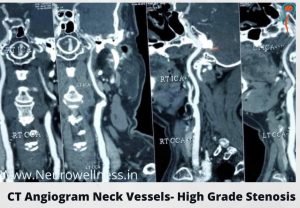
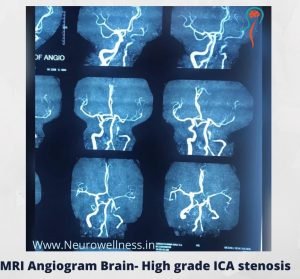
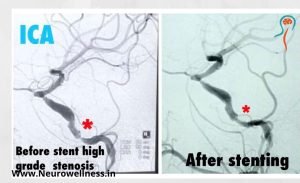
MRI scan of the brain with perfusion scan showed that the patient had an inadequate flow of blood in the brain and narrowing of carotid artery at two places due to which he was at a high risk of getting major stroke and which should have caused even death. Owing to the severity of the condition, neurosurgeon recommended the patient to undergo intracranial stenting. The stenting helped in managing and normalising the blood flow to the brain. We did pinhole surgery / endovascular surgery to approach the brain vessels. through small puncture of femoral artery in the thigh. As he had narrow blood vessels in the neck and brain. Both these problems were addressed at the same time through stenting. The patient was suffering from cerebral hypoperfusion syndrome due to intracranial severe atherosclerosis.

high-grade-stenosis

The team of neurosurgeon, neurologist, endovascular surgeon successfully treated by intracranial stenting at two places of brain vessels at the same time on the patient to reduce the risk of major stroke. Fortunately, the patient. withstood the entire procedure and there were no complications post. procedure. The patient is doing well now.

Discussion:

Stroke is a leading cause of adult disability, Intracranial stenosis is the narrowing of

major Intracranial arteries due to the build-up of atherosclerotic plaque. The standard medical therapy for patients with intracranial stenosis includes the use of

antithrombotics, statins, antihypertensives and risk factor control .The risk of recurrent stroke in patients with high-grade intracranial stenosis.

Reference:

The American Journal of Medicine: https://www.amjmed.com/article/S0002-9343 (06)00186-0/abstract

NCBI- https://www.ncbi.nlm.nih.gov/pmc/articles/PMC4640326/
AHA journal: https://www.ahajournals.org/doi/pdf/10.1161/01.STR.24.11.1691

Contact –

7349017701

ಡಾ ಗಣೇಶ್ ವೀರಭದ್ರಯ್ಯ

ಎಂಬಿಬಿಎಸ್, ಡಿಎನ್‌ಬಿ (ನರಶಸ್ತ್ರಚಿಕಿತ್ಸೆ), ಎಫ್‌..ಎನ್ಆರ್ .(ಫೆಲೋಶಿಪ್ ಇನ್ ಇಂಟರ್ವೆನ್ಷನಲ್ ನ್ಯೂರೋ ರೇಡಿಯಾಲಜಿ /ಎಂಡೋ ವಾಸ್ಕ್ಯುಲರ್ಸ್ವಿಟ್ಜರ್ಲೆಂಡ್),

ಸಲಹೆಗಾರರುನರಶಸ್ತ್ರಚಿಕಿತ್ಸಕರು  – ಮಿದುಳು ಮತ್ತು ಬೆನ್ನು ಹುರಿ

ಡಾ.ಗಣೇಶ್ ವೀರಭದ್ರಯ್ಯ ಪ್ರಸಿದ್ಧ ನರಶಸ್ತ್ರಚಿಕಿತ್ಸಕ – ಮಿದುಳು ಮತ್ತು ಬೆನ್ನು  ಹುರಿ ಮತ್ತು ಇಂಟರ್ವೆನ್ಷನಲ್ ನ್ಯೂರೋರಾಡಿಯಾಲಜಿ / ನ್ಯೂರೋಎಂಡೋವಾಸ್ಕುಲರ್ ತಜ್ಞ,

ಪ್ರಸ್ತುತ ಫೋರ್ಟಿಸ್ ಆಸ್ಪತ್ರೆ, ಕನ್ನಿಂಗ್ಹ್ಯಾಮ್ ರಸ್ತೆ, ಬೆಂಗಳೂರು.

ಅವರ ಚಿಕಿತ್ಸಾಲಯದಲ್ಲಿ – ಜಯನಗರ 9 ನೇ ಬ್ಲಾಕ್ , ಬೆಂಗಳೂರು -ನ್ಯೂರೋವೆಲ್ನೆಸ್ ಮೆದುಳು ಮತ್ತು ಬೆನ್ನುಮೂಳೆಯ ಚಿಕಿತ್ಸಾಲಯದಲ್ಲಿ ಸಲಹೆಗೆ ಸಿಗುತ್ತಾರೆ .

ಎಂಬಿಬಿಎಸ್ ಮುಗಿಸಿದ ನಂತರ, ಡಾ.ಗಣೇಶ್ ಅವರು ಬೆಂಗಳೂರಿನ ಓಲ್ಡ್ ಏರ್ಪೋರ್ಟ್ ರಸ್ತೆಯಲ್ಲಿರುವ ಪ್ರತಿಷ್ಠಿತ ಮಣಿಪಾಲ್ ಆಸ್ಪತ್ರೆಯಲ್ಲಿ ಸೂಪರ್ ಸ್ಪೆಷಾಲಿಟಿ ಸ್ನಾತಕೋತ್ತರ ಪದವಿ ನರಶಸ್ತ್ರಚಿಕಿತ್ಸೆಯಲ್ಲಿ ಡಿಎನ್‌ಬಿಯೊಂದಿಗೆ ಮುಂದುವರೆದರು. ಸಂಕೀರ್ಣವಾದ ಬೆನ್ನು ಮತ್ತು ಮಿದುಳಿನ ಶಸ್ತ್ರಚಿಕಿತ್ಸೆಗಳು, ಸಾಮಾನ್ಯ ಸೂಕ್ಷ್ಮ ಶಸ್ತ್ರಚಿಕಿತ್ಸೆಗಳಲ್ಲಿ ವ್ಯಾಪಕವಾಗಿ ತರಬೇತಿ ಪಡೆದ ಅವರು, ಸ್ವಿಟ್ಜರ್‌ಲ್ಯಾಂಡ್‌ನ ಜುರಿಚ್ ವಿಶ್ವವಿದ್ಯಾಲಯದ ಆಸ್ಪತ್ರೆಯಿಂದ ಇಂಟರ್ವೆನ್ಷನಲ್ ನ್ಯೂರೋರಾಡಿಯಾಲಜಿಯಲ್ಲಿ ಫೆಲೋಶಿಪ್ ಪಡೆಯುವ ಮೂಲಕ ಹೆಚ್ಚಿನ ಪರಿಣತಿಯನ್ನು ಬೆಳೆಸಿದರು. ಜುರಿಚ್ ವಿಶ್ವವಿದ್ಯಾಲಯವು ಅತ್ಯುತ್ತಮ ವಿಶ್ವವಿದ್ಯಾಲಯ ಪ್ರಪಂಚಗಳಲ್ಲಿ ಒಂದಾಗಿದೆ.

ಎಂಡೋವಾಸ್ಕುಲರ್ ಕಾರ್ಯವಿಧಾನಗಳಲ್ಲಿ ತರಬೇತಿ ಪಡೆದಿದ್ದಾರೆ – ಮೆದುಳಿನಲ್ಲಿ ರಕ್ತನಾಳಗಳ ಸುರುಳಿ, ಎವಿಎಂ(AVM ಎಂಬೋಲೈಸೇಶನ್ ಅಪಧಮನಿಯ ವಿರೂಪತೆ, ಗೆಡ್ಡೆಯ ಎಂಬೋಲೈಸೇಶನ್, ತೀವ್ರವಾದ ಪಾರ್ಶ್ವವಾಯುವಿಗೆ ಯಾಂತ್ರಿಕ ಥ್ರಂಬೆಕ್ಟೊಮಿಯಂತಹ ಸುಧಾರಿತ ಸ್ಟ್ರೋಕ್ ಆರೈಕೆ. , ಜಪಾನ್ ನಲ್ಲಿ ಸೆರೆಬ್ರೊ ನಾಳೀಯ ನರಶಸ್ತ್ರಚಿಕಿತ್ಸೆ ಮತ್ತು ಮೆದುಳಿನ ಬೈಪಾಸ್ ಕಾರ್ಯವಿಧಾನದ ಕ್ಲಿಪಿಂಗ್, ಸಂಕೀರ್ಣ ಅನ್ಯೂರಿಮ್ಸ್ ಮತ್ತು ಅಪಧಮನಿಯ ವಿರೂಪ ಮತ್ತು ಶೀರ್ಷಧಮನಿ ಎಂಡಾರ್ಟೆಕ್ಟೊಮಿ ಚಿಕಿತ್ಸೆ.

ನ್ಯೂರಾಲಜಿಕಲ್ ಕಂಡಿಶನ್ಸ್ ಸಲಹೆ ಮತ್ತು ಚಿಕೆತ್ಸೆ-

ನರಶಸ್ತ್ರಚಿಕಿತ್ಸೆ – ಮಿದುಳು ಮತ್ತು ಬೆನ್ನು ಹುರಿ

೧ ಸಾಮಾನ್ಯ ನರಶಸ್ತ್ರಚಿಕಿತ್ಸೆ – ಮಿದುಳು ಮತ್ತು ಬೆನ್ನು

೨ ಗರ್ಭಕಂಠ ಮತ್ತು ಸೊಂಟದ ಡಿಸ್ಕ್ ಪ್ರೋಲ್ಯಾಪ್ಸ್ ಶಸ್ತ್ರಚಿಕಿತ್ಸೆ

೩ ಸೊಂಟದ – ಸ್ಲಿಪ್ ಬೆನ್ನು ಮೂಳೆ  ಶಸ್ತ್ರ ಚಿಕೆತ್ಸೆ (TLIF, PLIF)

೪ ಮಿದುಳಿನ ಗೆಡ್ಡೆ ಶಸ್ತ್ರಚಿಕಿತ್ಸೆಗಳು

೫ ಅನ್ಯೂರಿಸಮ್ ಶಸ್ತ್ರಚಿಕಿತ್ಸೆಗಳು-ಕ್ಲಿಪಿಂಗ್

೬ ಕಪಾಲದ ಮತ್ತು ಬೆನ್ನುಮೂಳೆಯ ಆಘಾತ

೭ ಮೆದುಳಿನ ಬೈಪಾಸ್ ಶಸ್ತ್ರಚಿಕಿತ್ಸೆ

೮ ಅಪಸ್ಮಾರ ಶಸ್ತ್ರಚಿಕಿತ್ಸೆ

೯ ಸಂಕೀರ್ಣ ತಲೆಬುರುಡೆ ಮೂಲ ಶಸ್ತ್ರಚಿಕಿತ್ಸೆಗಳು

೧೦ ಮೈಕ್ರೊವಾಸ್ಕುಲರ್ ಡಿಕಂಪ್ರೆಷನ್.

೧೧ ಬೆನ್ನುಮೂಳೆಯ ಗೆಡ್ಡೆ ಹೊರಹಾಕುವಿಕೆ

೧೨ ಬೆನ್ನುಮೂಳೆಯ ಸೋಂಕು

೧೩ ಕೃತಕ ಡಿಸ್ಕ್ ಬದಲಿ

೧೪ ಸಿ.ವಿ ಜಂಕ್ಷನ್ ಅನಾಮೊಲಿಸ್ ಶಸ್ತ್ರ ಚಿಕಿತ್ಸೆ

ನ್ಯೂರೋ ವೆಲ್ನೆಸ್ಮಿದುಳು ಮತ್ತು ಬೆನ್ನುಮೂಳೆಯ ಆರೈಕೆ (ಜಯನಗರ 9 ನೇ ಬ್ಲಾಕ್)

1224, ಜಿ-ಮಹಡಿ, 26 ನೇ ಮುಖ್ಯ,

9 ನೇ ಬ್ಲಾಕ್, ಜಯನಗರ,

ರಾಗಿಗುಡ್ಡದ ಅಂಜನೇಯಸ್ವಾಮಿ ದೇವಾಲಯದ ಕಮಾನು ಎದುರು,

ಬೆಂಗಳೂರು, ಕರ್ನಾಟಕ 560069

ದೂರವಾಣಿ: 7259669911, 7349017701

4.30PM-6PM

ಫೋರ್ಟಿಸ್ ಆಸ್ಪತ್ರೆ, ಕನ್ನಿಂಗ್ಹ್ಯಾಮ್ ರಸ್ತೆ

14, ಕನ್ನಿಂಗ್ಹ್ಯಾಮ್ ಆರ್ಡಿ,

ಸಿಗ್ಮಾ ಸೆಂಟ್ರಲ್ ಮಾಲ್ ಹತ್ತಿರ,

ವಸಂತ್ ನಗರ,

ಬೆಂಗಳೂರು, ಕರ್ನಾಟಕ – 560052

ದೂರವಾಣಿ: 7349017701

ಸಮಯ: ಸೋಮದಿಂದ ಶನಿ – ಬೆಳಿಗ್ಗೆ 10 – ಸಂಜೆ 4

Website www.neurowellness.in

E mailneurowellnessinfo@gmail.com

Ph no 7259669911, 7349017701

You tubeNeurowellness India

  1. WE WILL KNOW ABOUT WHAT IS CONCUSSIVE HEAD INJURY?
  2. SYMPTOMS OF CONCUSSIVE HEAD INJURY?
  3. WHAT SYMPTOMS YOU SHOULD NOT NEGLECT EVEN AFTER CONCUSSION!
  4. COMPLICATIONS OF CONCUSSIVE HEAD INJURY.
  5. MANAGEMENT OF HEAD INJURY.
  6. SPORTS AND CONCUSSION.
  7. GENERAL TIPS OF CONCUSSION.

Today we will know about concussive head injury.

Concussion is a milder form of traumatic brain injury. 75% of the traumatic brain injuries include concussions. Concussions can occurs due to direct impact over the head most common reasons are – road traffic accident, fall from height, collisions or assault and sudden whiplash injury(that is sudden flexion and extension movements).

Actually concussion means SHAKE VIOLENTLY in Latin(concutere). After the impact, Brain will temporarily stop functioning.

Children also can have concussion like in adults, most common causes in them are fall from height, sports related, road traffic accidents and child abuse.

Interesting thing to note about concussive head injury is –

  • It is a low velocity trauma
  • Loss of consciousness may not be present always
  • It will not cause permanent injury
  • It is not life threatening but its symptoms need treatment with the neurosurgeon Bangalore.

Secondary Concussions are more serious and dangerous. Secondary concussion means once primary concussion already present, again one more concussion if person suffers – which may happen with boxing and wrestling where repetitive injuries are common.

1. What is concussive head Injury?

Concussive head Injury is an injury that occurs after direct trauma to head or Violent shaking of the head and upper body. This can also occur as a result of rapid acceleration-deceleration of the head as in whiplash injuries or blast injuries in war zone. There will be movement of the brain tissue within the rigid skull surrounded by the brain fluid called CSF-cerebrospinal fluid. There will be transient physiological dysfunction of the brain wherein the brain will not function for sometime, which results in symptoms.

2. What are the symptoms of concussive head injury?

  • Loss of consciousness.
  • Transient Amnesia ( memory loss ) – for a period of few minutes to hours there will be memory loss. May occur before the impact or after the impact to head. Antgade amnesia and retrograde amnesia.
  • headache, Vomiting
  • Seizures – may occur immediately or few minutes to days after the impact.
  • Giddiness – injury to balancing centre can cause balancing problems and difficulty in walking.
  • Weakness in limbs.
  • Confusion
  • Visual dysfunction
  • Dizziness
  • Irritability.
  • Loss of taste and smell
  • Hypersensitivity to light

3. Can a person have normal memory after concussive head injury?

Yes, even though few people can have some irritability, behavioural problems, most of the time,as time passes the person can have normal memory and most of the patients fully recover after the concussion. Even I had concussive head injury few years ago and I am normal now.

4. What are the complications of head injury /or post concussive syndrome?

  • Focusing problem/concentration problem
  • Sleep dysfunction-insomnia
  • Fatiguability
  • Excessive drowsiness for days to weeks
  • Personality changes
  • Memory disturbance.
  • Post traumatic stress syndrome.

5. What are the investigations advised by the Neurosurgeon in Bangalore?

CT/MRI

  • You will need Brain imaging – most commonly CT scan BRAIN and when CT scan is contraindicated like in pregnant women
  • MRI is advised since MRI is safe in pregnancy.
  • This will be normal in concussive head injury.

6. Management

Physical examination – assess level of consciousness, checking pupils, eye movements, power of limbs and also need to inspect for cut wound over the head and neck.

Most of the time – Require neuro monitoring, with medications including analgesics, antacids and antiemetics and vitamins. Antibiotics are advised if there is any open wound.

7. Head injury in Sports

Sports has a risk of concussion due to head injury. It is necessary to wear protective gear like helmet and Shield. Wearing helmet reduces 85% of head injury. It can occur with Baseball and softball

  • Cycling
  • Foot ball – CTE – Chronic traumatic encephalopathy may found in old foot ball players
  • Cricket
  • Hockey
  • Soccer
  • Boxing
  • Skating
  • Snow boarding
  • Wrestling
  • Horseback riding
  • Powered recreational driving
  • Bull riding
  • Martial arts

8. Even after mild head injury – if you are having any of these symptoms one should not neglect.

The symptoms include

  • People who are taking blood thinners
  • If person having Persistant headache
  • Person Becoming more irritable
  • Persisting vomiting after few days
  • Persisting memory disturbance
  • Persons who have consumed alcohol or on recreational drugs need to immediately seek medical help following injury

9. General tips

  • Supervision of younger children
  • Wearing Seat belt while in car
  • Follow the rules of swimming pool or water park
  • Please do not to dive in shallow water less than 12 feet
  • Some cloths can interfere with vision – Do not wear. wear clothes that interfere with vision
  • If your sleep is not good or if you have inadequate rest, don’t participate in sports
  • Obey traffic rules
  • Don’t wear compromised sport equipment.
  • Wear helmet
  • Do not drink and drive
  • Do not text while driving/walking
  • Don’t do wheeling – common in youngsters for fun.
  • Do not Involve in physical fights.

** this video is made for educational purpose, content and images are used. Any objections please mail us we will remove the contents.

Our expert Neuro team at Neurowellness in Bengaluru provides consultation and treatment to all neuro problems.

Please visit

Neurowellness
Brain and Spine Clinic
#1224, Ground-Floor, 26th Main, Jayanagar 9th Block
BANGALORE – 560069

Phone No
72596 69911
73490 17701

Website www.neurowellness.in

Facebook www.facebook.com/neurowellness.in/

Disclaimer: This information is not meant to be a substitute for professional medical advice. The reader is advised to always seek the advice of a physician prior to changing any treatment or to receive answers to questions regarding a specific medical condition.

Brain aneurysms are silent yet potentially life-threatening conditions that often go undiagnosed. In the general population, approximately two out of every hundred people may have a brain aneurysm, and many remain unaware of its presence until symptoms arise or it ruptures.

A brain aneurysm refers to the ballooning or bulging of a weak spot in a blood vessel in the brain. When an aneurysm ruptures, it causes an intense, sudden headache and can result in permanent neurological deficits or even death if medical intervention is not promptly received.

At Neurowellness in Bengaluru, our expert team provides specialized care to address these conditions effectively.

On rupture of aneurysm causes sudden on sit of very severe headache which may result in permanent, neurological deficit or death before seeing a Neurosurgeon in Bangalore. Most of the time this aneurysms will not produce any symptoms & will be undiagnosed & sometimes incidentally detected.

Dangerous facts of a Brain AneurysmDangerous facts of a Brain Aneurysm

Risk Factors for Brain Aneurysm

1. Age

The risk of developing a brain aneurysm increases significantly with age. Older adults face a higher chance of weakened blood vessels, making them susceptible to aneurysms. This condition may silently progress, emphasizing the need for regular health screenings to detect anomalies early. If detected, consultation with a neurosurgeon in Bangalore can help assess the risk and decide on preventive or curative measures.

2. Hypertension (High Blood Pressure)

High blood pressure is a leading risk factor for brain aneurysm formation and rupture. Chronic hypertension puts constant pressure on blood vessel walls, increasing the chances of weakening and ballooning. Controlling blood pressure through a healthy diet, regular exercise, and medications can significantly reduce the risk of aneurysms. Monitoring your BP regularly and seeking guidance from experts is essential to avoid complications.

3. Alcohol Consumption

Excessive alcohol consumption can have detrimental effects on blood vessels. Chronic drinking weakens the vessel walls, leading to an increased likelihood of brain aneurysm formation. Overindulgence can also raise blood pressure, compounding the risk. Reducing alcohol intake and adopting healthier lifestyle choices are critical in preventing such life-threatening conditions.

4. Smoking

Smoking significantly contributes to the development of brain aneurysms. Chemicals in tobacco weaken the structure of blood vessels, making them prone to ballooning and rupture. Smokers are advised to quit immediately to mitigate this risk. Several smoking cessation programs are available that can help individuals break the habit and protect their vascular health.

5. Gender (Female)

Women are at a higher risk of brain aneurysms due to hormonal changes that may affect blood vessel integrity. Estrogen fluctuations, especially post-menopause, can contribute to weakening vessel walls. Regular health check-ups and adopting heart-healthy practices are critical for women to reduce their risk.

6. Drug Abuse

The use of illicit drugs such as cocaine can cause abrupt spikes in blood pressure, which can lead to aneurysm formation and rupture. These substances damage blood vessels, leading to complications that require immediate medical attention. Avoiding drugs is a vital step in preventing aneurysms and other vascular conditions.

7. Family History

A family history of brain aneurysms increases the risk by about 1%. Individuals with close relatives who have experienced aneurysms should be vigilant about symptoms and undergo routine screenings. Consulting a neurosurgeon in Bangalore can provide guidance and monitoring to prevent or address potential issues.

Potential Warning Signs of Brain Aneurysm

Although most brain aneurysms remain asymptomatic, some patients may experience warning signs. Early detection of these symptoms can save lives:

1. Severe Headaches

A sudden, extremely painful headache often described as the “worst headache of one’s life” is a hallmark symptom of a ruptured brain aneurysm. This condition requires immediate emergency care to prevent severe outcomes.

2. Numbness and Weakness on One Side of the Face

Unexplained numbness or weakness on one side of the face can indicate a developing brain aneurysm. These symptoms may mimic a stroke, necessitating prompt medical evaluation.

3. Double Vision

Vision changes, such as seeing double or blurred vision, can be linked to the pressure caused by an aneurysm pressing on the optic nerves. Seeking an eye specialist or a neurosurgeon in Bangalore is critical to address this issue.

•𓏺 Pupillary Dilation
Enlarged pupils or uneven pupil size may signal an underlying aneurysm compressing nearby structures. It is crucial to identify the root cause through advanced imaging techniques.

•𓏺 Pain Above and Behind the Eye
Persistent pain around the eye area may point to an unruptured aneurysm. This symptom, along with other neurological changes, should never be ignored.

Why Choose Neurowellness in Bangalore?

At Neurowellness, our team of experienced neurosurgeons specializes in diagnosing and treating brain aneurysms. Using state-of-the-art technology and evidence-based practices, we ensure patients receive the best care possible. Whether it’s consultation, surgical intervention, or post-treatment care, our experts provide comprehensive solutions tailored to individual needs.

Our expert Neuro team at Neurowellness in Bengaluru provide consultation and treatment to all neuro problems.

Please visit

Neurowellness
Brain and Spine Clinic
#1224, Ground-Floor, 26th Main, Jayanagar 9th Block
BANGALORE – 560069

Phone No
+91 72596 69911
+91 73490 17701

Website www.neurowellness.in

Facebook www.facebook.com/neurowellness.in/

FAQs

1. What are the early warning signs of a brain aneurysm?

Early signs may include a sudden severe headache (“thunderclap headache”), blurred or double vision, stiff neck, nausea, sensitivity to light, or seizures. Many aneurysms are silent until they rupture.

2. Can a brain aneurysm exist without symptoms?

Yes. Many unruptured brain aneurysms cause no symptoms and are discovered incidentally during scans done for other reasons.

3. Is a brain aneurysm a medical emergency?

A ruptured brain aneurysm is a medical emergency and requires immediate treatment. Delaying care can be life‑threatening.

4. Who is at higher risk of developing a brain aneurysm?

Risk increases with high blood pressure, smoking, family history, age over 40, and certain genetic conditions. Women are at slightly higher risk than men.

5. How is a brain aneurysm diagnosed?

Diagnosis typically involves imaging such as CT scan, MRI, or cerebral angiography to identify the aneurysm’s size and location.

6. Can brain aneurysms be treated without surgery?

Some small, unruptured aneurysms may be monitored with regular imaging. Others require intervention such as surgical clipping or endovascular coiling, depending on risk.