Understanding Disc Prolapse and Why Symptoms Matter

Have you ever experienced persistent back or neck pain that doesn’t seem to go away? It might not just be a regular strain—it could be disc prolapse, a condition where the soft, gel-like cushion between your spinal bones slips out of place.

Also known as a herniated disc or slipped disc, this issue can cause nerve compression, leading to discomfort, numbness, and even mobility challenges. Whether due to aging, poor posture, or sudden injuries, disc prolapse is a common yet often overlooked spinal condition.

Recognizing early symptoms is crucial because untreated disc prolapse can worsen over time, leading to chronic pain or, in severe cases, the need for surgery. Many people dismiss lower back pain or stiffness as routine discomfort, but persistent symptoms could indicate deeper spinal problems.

Early diagnosis not only helps in managing pain effectively but also prevents long-term damage to the spine and nervous system. If addressed early, non-surgical treatments like physiotherapy, posture correction, and lifestyle modifications can significantly improve recovery.

Disc prolapse can affect different areas of the spine, mainly the lower back (lumbar region) or the neck (cervical region), with symptoms varying based on the affected nerves. Lumbar disc prolapse often leads to radiating leg pain (sciatica), while cervical disc prolapse can cause shoulder pain, headaches, or numbness in the arms.

Understanding the warning signs is the first step to protecting your spinal health. If you’re unsure whether your symptoms are linked to a slipped disc, learn more in our detailed guide on What is a Slip Disc?.

Early Signs of Disc Prolapse: Symptoms You Shouldn’t Ignore

Recognizing the early signs of disc prolapse is essential to prevent long-term spinal complications. Symptoms can start mildly and gradually worsen if left untreated. Identifying these warning signs early allows for effective management through physiotherapy, posture correction, and lifestyle changes.

 Mild Symptoms (Early Warning Signs)

• Occasional lower back pain or stiffness – You may feel discomfort after long hours of sitting or standing.

• Radiating pain in arms or legs – Pain may travel down the limbs due to nerve compression.

• Numbness or tingling sensations – Affected nerves can cause a “pins and needles” feeling in hands, fingers, feet, or toes.

Learn more about early symptoms in our article on Signs of Lumbar Disc Prolapse.

Moderate Symptoms (Progressing Disc Prolapse)

• Pain worsening after prolonged sitting – Sitting for long periods can increase pressure on the spinal discs, intensifying pain.

• Weakness in legs, arms, or hands – Muscle weakness may indicate nerve irritation, reducing mobility and grip strength.

• Reduced flexibility in the spine – Difficulty bending, twisting, or stretching may suggest increased disc degeneration.

Ignoring these symptoms can lead to severe nerve damage and chronic pain, making early intervention essential. If these symptoms persist, consulting a spine specialist is recommended.

Key Symptoms of Disc Prolapse

Disc prolapse can affect your quality of life—but recognizing early signs can help you avoid long-term complications. In this short video, Dr. Ganesh Veerabhadraiah, one of Bangalore’s neurosurgeons, breaks down the core symptoms of disc prolapse that should never be ignored.

With 20+ years of experience in spine and neurological surgery, Dr. Ganesh is for his expertise in minimally invasive spine procedures and patient-first care. His insights are backed by decades of clinical experience and successful outcomes.

Watch the video to hear directly from the expert:

4  Reasons  Why Disc Prolapse happens?

1. Age-Related Degeneration

2. Poor Posture & Sedentary Lifestyle

3. Heavy Lifting with Wrong Technique

4. Sudden Injury or Trauma
Accidents, falls, or jerky movements

Symptoms of Disc Prolapse in the Lower Back & Neck

The location of the disc prolapse determines the type and severity of symptoms. While lumbar disc prolapse primarily affects the lower back and legs, cervical disc prolapse impacts the neck, shoulders, and arms. Identifying these symptoms early can help in seeking the right treatment before the condition worsens.

Learn more about cervical disc issues in our detailed article on Know About Disc Prolapse at Neck (Cervical PIVD).

Lower Back (Lumbar Disc Prolapse) Symptoms

• Severe lower back pain that spreads to the legs (sciatica) – The slipped disc may press on the sciatic nerve, causing pain that radiates down one or both legs.

• Difficulty in standing, bending, or lifting objects – Everyday movements become painful due to spinal instability and nerve irritation.

• Loss of reflexes in the legs – Nerve compression can reduce sensation, making your legs feel weak or unresponsive.

Neck (Cervical Disc Prolapse) Symptoms

• Pain in the shoulders, arms, and hands – Nerve compression in the cervical spine can cause discomfort and weakness in the upper body.

• Neck stiffness and limited movement – Reduced flexibility can make it difficult to turn your head, causing discomfort while driving or working.

• Headaches and dizziness due to nerve compression – Irritated cervical nerves may trigger persistent headaches and balance issues.

Ignoring these symptoms can lead to chronic nerve damage and reduced mobility. If you’re experiencing persistent pain, it’s best to consult a spine specialist near you for early intervention.

Warning Signs That Require Immediate Medical Attention

While mild to moderate disc prolapse symptoms can often be managed with conservative treatments, some warning signs indicate a serious medical emergency. If you experience any of the following symptoms, seek urgent medical attention to prevent permanent nerve damage or disability.

Read about surgical options and how they help in recovery: How Spine Surgery in India is Helping Patients with Chronic Back Pain.

Seek Urgent Medical Help If You Experience:

• Loss of bladder or bowel control (Cauda Equina Syndrome – Medical Emergency) – This rare but serious condition occurs when nerves at the base of the spine are severely compressed, leading to incontinence and loss of sensation in the lower body. Immediate surgery is often required.

• Sudden paralysis or complete numbness in legs or arms – A complete loss of sensation or muscle function in the limbs indicates severe nerve damage, which can become permanent if not treated promptly.

• Sharp, persistent pain that doesn’t improve with rest or medication – If your pain is severe, continuous, and resistant to pain relief methods, it may signal a worsening condition requiring medical intervention.

Ignoring these warning signs can lead to permanent nerve damage, disability, or loss of function. If you notice these symptoms, contact a spine specialist immediately to explore urgent treatment options.

How to Know If You Have a Prolapsed Disc?

Identifying a prolapsed disc early is crucial to prevent worsening symptoms and long-term nerve damage. While only a medical professional can confirm a diagnosis through MRI or CT scans, you can perform some self-assessment tests at home to check for possible signs. These tests help evaluate nerve function, muscle strength, and pain response.

Learn more about protecting your spine from further damage: Guarding Your Back: Expert Methods to Halt the Progression of Back Pain.

Self-Assessment Tests

🔹 Pain Trigger Test – Pay attention to when your pain worsens.
✔ If pain increases while sitting, bending forward, or lifting objects, it may indicate lumbar disc prolapse.
✔ If neck pain worsens with head movements or long screen time, it may suggest cervical disc prolapse.

🔹 Reflex & Strength Test – Check for muscle weakness.
✔ If you experience weakness in your legs, arms, or grip strength, your nerves may be compressed.
✔ Difficulty standing on your toes or heels could be a sign of nerve dysfunction due to a herniated disc.

🔹 Sensation Test – Detect nerve compression effects.
✔ If you feel numbness, tingling, or a pins-and-needles sensation in your arms, hands, legs, or feet, your spinal nerves might be affected.
✔ A burning or radiating pain down one leg (sciatica) is a common symptom of lumbar disc prolapse.

If you experience any of these symptoms persistently, consulting a spine specialist near you is the best step for an accurate diagnosis and treatment plan. Early intervention can help you avoid surgery and manage the condition effectively.

When to See a Spine Specialist for Disc Prolapse?

If your back or neck pain persists for more than six weeks despite home treatments like rest, stretching, or physiotherapy, it may be time to see a spine specialist. Symptoms that worsen with movement, radiate down the arms or legs, or interfere with daily activities could indicate progressive nerve compression that requires professional care.

Experiencing balance issues, difficulty walking, or muscle weakness in your limbs could be signs of a severe disc prolapse needing urgent evaluation. Consulting a spine specialist in Electronic City, Bangalore, ensures access to advanced diagnostic tools and personalized treatment options. Find expert care at Brain and Spine Clinic, Electronic City, Bangalore.

Treatment & Management Options for Disc Prolapse

Early treatment can help manage disc prolapse effectively and prevent the need for surgery. Non-surgical methods like physiotherapy, posture correction, and pain management techniques are often the first line of treatment, helping patients regain mobility and reduce discomfort naturally. By making lifestyle changes and following expert recommendations, many people can recover without invasive procedures.

However, in severe cases where nerve compression leads to persistent pain, weakness, or loss of function, minimally invasive spine surgery may be necessary. Procedures like microdiscectomy help relieve pressure on spinal nerves, while spinal fusion stabilizes the spine in advanced cases.

Learn more about spine health and prevention tips in our guide: 20 Tips to Prevent Disc Prolapse.

Non-Surgical Treatments

✔ Physiotherapy & targeted exercises – Strengthens core muscles to support the spine and relieve pressure on discs.
✔ Posture correction & ergonomic support – Helps prevent worsening of symptoms through proper body mechanics.
✔ Pain relief techniques – Heat therapy, acupuncture, and medications can ease discomfort and inflammation.

Surgical Treatments (If Required)

✔ Microdiscectomy – A minimally invasive procedure to remove the herniated portion of the disc, relieving nerve pressure.
✔ Spinal fusion – Recommended for severe cases to stabilize the spine and prevent further damage.

Seeking early intervention and following a personalized treatment plan can help manage disc prolapse effectively, ensuring better spine health and long-term recovery.

How to Prevent Disc Prolapse and Maintain Spine Health

Preventing disc prolapse starts with maintaining good posture, regular movement, and proper spinal care. Using an ergonomic chair, practicing correct sitting posture, and avoiding long hours of slouching can reduce strain on the spine. Staying physically active with low-impact exercises like swimming, yoga, and core strengthening helps support spinal stability. Additionally, always lift heavy objects with proper technique to avoid unnecessary pressure on the lower back.

For more spine care tips, check out

Tips to Travel When You Are Suffering from Spinal Problems.

Final Thoughts: Prioritize Your Spine Health

Taking care of your spine health is essential to prevent long-term complications like chronic pain and mobility issues. Early diagnosis and timely intervention can help manage disc prolapse effectively, reducing the need for invasive treatments. If symptoms persist or worsen, consulting a spine specialist ensures the best course of action for recovery.

Prevention is always better than cure—adopting a healthy lifestyle, maintaining good posture, and staying active can go a long way in protecting your spine. Listening to your body and seeking medical advice when needed can help you lead a pain-free, active life. If you’re experiencing symptoms, book a consultation with a spine specialist in Electronic City at the best Brain and Spine Clinic

Author– Dr Ganesh Veerabhadraiah, Consultant Neurosurgeon- Brain & Spine

FAQ

1. What are the early symptoms of disc prolapse?

Mild back pain, stiffness, and discomfort while bending are early warning signs.

2. How is disc prolapse diagnosed?

Through MRI, CT scan, and neurological examination by a spine specialist.

3. Can disc prolapse heal without surgery?

Yes, mild to moderate cases improve with physiotherapy, medications, and posture correction.

4. When is surgery needed for disc prolapse?

If symptoms worsen or there is nerve compression, surgery like MISS or ACDF may be required.

5. Where can I get disc prolapse treatment in Bangalore?

Neurowellness Brain & Spine Clinic provides advanced disc prolapse care with expert neurosurgeons.

Ganesh

About Author

Dr. Ganesh Veerabhadraiah

Dr. Ganesh Veerabhadraiah, consultant neurosurgeon and neurologist in Bangalore, has over 20 years of expertise in managing back pain, migraines, headaches, neuro disorders, and spine problems. His clinical excellence and patient-first approach make him a neuro doctor in Bangalore.

At Neurowellness Brain & Spine Clinic in Jayanagar and Kavery Hospital Electronic City, Dr. Ganesh provides comprehensive treatments ranging from minimally invasive spine surgery to advanced neurological care. As a respected back pain specialist and migraine doctor, he continues to deliver reliable outcomes for patients.

👉 Connect with Dr. Ganesh on LinkedIn

5 Signs of Lumbar Disc Prolapse: Symptoms, Causes, and Treatment Options

Lumbar disc prolapse — commonly known as a slipped disc — can cause back pain, leg numbness, and mobility issues.

At Neurowellness Bangalore, our spine specialists manage hundreds of disc-related cases every year using advanced endoscopic and minimally invasive methods.

“Most disc prolapse cases recover without open surgery. The key is early diagnosis and disciplined posture correction.”
— Dr. Ganesh Veerabhadraiah, Senior Neurosurgeon, Neurowellness Bangalore

Lumbar Disc Prolapse, also called a herniated or slipped disc, is a common spinal condition, particularly in people over 50 years of age. This condition is a type of degenerative disc disorder where the gel-like material within the disc (called the nucleus pulposus) pushes out through a tear in the surrounding annulus fibrosus. This protrusion can compress nearby nerve roots, leading to neurological symptoms.

Symptoms of Lumbar Disc Prolapse

1. Lower Back Pain

Lower Back Pain

Lower back pain is often one of the first symptoms, ranging from mild to moderate in the early stages. In advanced stages, pain may radiate to the leg, depending on the severity and location of the prolapse.

2. Sciatica (Leg Pain on One Side)

Classically pain on one side of the leg (Sciatica)

Classically sciatica or radical pain is on one side.  It may extend from the hip down up to the knee or ankle, especially on the lateral aspect of the leg or foot. This is due to nerve root pinching. L4L5 Disc prolapse or PIVD(prolapsed intervertebral disc) is the most common disc prolapse and causes problems.  It can happen on other levels also. In severe cases, there may be severe leg pain or back pain which aggravates on cough or sneezing. You may be unable to sit or move.

3. Nerve Pain (Neurogenic Pain)

Nerve Pain

Patients may experience numbness, tingling, or burning sensations in the leg, thigh, or foot. In severe cases, there may be a “cotton wool” sensation while walking, indicating nerve damage.

4. Muscle Weakness and Gait Issues

Slipper falling away from feet while walking due Muscle weakness-

If the nerve is involved chronically or nerve root compression is severe you may get weakness in the toes/foot or leg. There may be Difficulty in lifting the foot or wearing a slipper or slipper falling away from the foot while walking without getting noticed.

5. Bowel or Bladder Incontinence (Cauda Equina Syndrome)

Bowel or urinary incontinence

It is a severe or extreme condition when disc prolapse or disc extrusion happens. There may be Loss of bowel, bladder, or sexual sensation when caudal equina nerve roots are involved or compressed.

In elderly patients disc prolapse may be associated with spinal stenosis or slip vertebra or listhesis.

6. Associated Conditions in Elderly Patients

In older individuals, lumbar disc prolapse is often accompanied by spinal stenosis, spondylolisthesis (slipped vertebra), or degenerative changes in the spine.

Causes of Lumbar Disc Prolapse

• Age-related degeneration: Natural wear and tear weaken the spinal discs over time.
• Trauma or injury: Sudden impacts or lifting heavy objects incorrectly can cause a disc to herniate.
•
Repetitive strain: Jobs or activities requiring prolonged sitting, bending, or twisting can contribute to disc damage.
•
Obesity: Extra body weight puts additional pressure on the spine.
•
Genetics: A family history of disc problems increases the risk.

Here’s an updated version of your blog with added trending keywords, SEO-friendly structure, and an FAQ section:

Lumbar Disc Prolapse: Symptoms, Causes, and Treatment Options

Lumbar Disc Prolapse, also called a herniated or slipped disc, is a common spinal condition, particularly in people over 50 years of age. This condition is a type of degenerative disc disorder where the gel-like material within the disc (called the nucleus pulposus) pushes out through a tear in the surrounding annulus fibrosus. This protrusion can compress nearby nerve roots, leading to neurological symptoms.

Symptoms of Lumbar Disc Prolapse

1. Lower Back Pain
Lower back pain is often one of the first symptoms, ranging from mild to moderate in the early stages. In advanced stages, pain may radiate to the leg, depending on the severity and location of the prolapse.

2. Sciatica (Leg Pain on One Side)
Sciatica is characterized by pain radiating from the hip down to the leg, typically on one side. This occurs due to nerve root compression, commonly at the L4-L5 level, which is the most frequent site of disc prolapse.

3. Nerve Pain (Neurogenic Pain)
Patients may experience numbness, tingling, or burning sensations in the leg, thigh, or foot. In severe cases, there may be a “cotton wool” sensation while walking, indicating nerve damage.

4. Muscle Weakness and Gait Issues
Chronic nerve compression can lead to muscle weakness, causing difficulty lifting the foot (foot drop) or even noticing when slippers fall off while walking.

5. Bowel or Bladder Incontinence (Cauda Equina Syndrome)
A rare but severe condition, cauda equina syndrome occurs when the prolapsed disc compresses the cauda equina nerves. This leads to loss of bowel or bladder control and diminished sexual sensation.

6. Associated Conditions in Elderly Patients
In older individuals, lumbar disc prolapse is often accompanied by spinal stenosis, spondylolisthesis (slipped vertebra), or degenerative changes in the spine.

Causes of Lumbar Disc Prolapse

ㆍ Age-related degeneration: Natural wear and tear weaken the spinal discs over time.

ㆍTrauma or injury: Sudden impacts or lifting heavy objects incorrectly can cause a disc to herniate.

ㆍRepetitive strain: Jobs or activities requiring prolonged sitting, bending, or twisting can contribute to disc damage.

ㆍObesity: Extra body weight puts additional pressure on the spine.

ㆍGenetics: A family history of disc problems increases the risk.

Diagnosis and Treatment

Diagnosis:

ㆍPhysical Examination: Evaluates muscle strength, reflexes, and range of motion.

ㆍImaging Tests: MRI, CT scan, or X-rays help confirm the location and severity of the disc prolapse.

Treatment Options:

1. Non-Surgical Treatments

ㆍPhysical Therapy: Strengthening exercises to support the spine.

ㆍMedications: Pain relievers, anti-inflammatories, or nerve pain medications.

ㆍEpidural Injections: Corticosteroid injections to reduce inflammation.

2. Surgical Treatments

ㆍMicrodiscectomy: Minimally invasive removal of the prolapsed portion of the disc.

ㆍLaminectomy: Removal of a portion of the vertebra to relieve pressure.

Lumbar Disc Prolapse Treatment at Neuro Wellness

At Neuro Wellness, Dr. Ganesh Veerabhadraiah, a back pain specialist in Bangalore, offers personalized and advanced treatment plans for lumbar disc prolapse. Our modern facilities and experienced team ensure comprehensive care tailored to your needs.

FAQs

1. Can a lumbar disc prolapse heal on its own?

Yes, mild cases often recover within 6–8 weeks with rest and exercise.

2. When is surgery required?

When pain, weakness, or numbness persist beyond 8 weeks despite therapy.

3. Is physiotherapy suitable for disc prolapse?

Absolutely — under expert guidance, it strengthens core muscles and relieves pressure on nerves.

4. How does AI assist spine treatment?

AI helps analyze MRI images and plan precise surgical trajectories for faster recovery.

Ganesh

About Author

Dr. Ganesh Veerabhadraiah

Dr. Ganesh Veerabhadraiah, consultant neurosurgeon and neurologist in Bangalore, has over 20 years of expertise in managing back pain, migraines, headaches, neuro disorders, and spine problems. His clinical excellence and patient-first approach make him a neuro doctor in Bangalore.

At Neurowellness Brain & Spine Clinic in Jayanagar and Kavery Hospital Electronic City, Dr. Ganesh provides comprehensive treatments ranging from minimally invasive spine surgery to advanced neurological care. As a respected back pain specialist and migraine doctor, he continues to deliver reliable outcomes for patients.

👉 Connect with Dr. Ganesh on LinkedIn

Why Choosing a Neurosurgeon in Bangalore is Critical for Brain and Spine Health

Finding the neurosurgeon in Bangalore is essential for anyone facing neurological conditions affecting the brain or spine. The complexity of neurosurgical procedures requires precision, expertise, and access to advanced medical technology to ensure the best possible outcomes. Without proper treatment, conditions such as brain tumors, spinal disorders, and nerve damage can significantly impact a patient’s quality of life.

A highly skilled neurosurgeon can accurately diagnose neurological disorders and recommend the most effective treatment plan. Their expertise reduces surgical risks, improves recovery rates, and enhances long-term health benefits. Choosing a qualified professional is crucial to prevent complications and ensure a smooth recovery.

Hospitals with dedicated neurosurgical teams provide comprehensive care, from diagnosis to post-surgical rehabilitation. When selecting a neurosurgeon, factors such as experience, specialization, patient reviews, and hospital facilities should be carefully evaluated. The right choice can lead to a successful treatment journey with minimal complications.

How Neurosurgery Improves Quality of Life: What You Need to Know

A neurosurgeon is a highly specialized doctor trained to diagnose and treat disorders affecting the brain, spine, and nervous system. They perform complex procedures such as brain tumor removal, spinal surgeries, and nerve decompression to improve patient outcomes. Their expertise is essential in managing conditions that impact mobility, cognition, and overall neurological function.

Neurosurgeons undergo extensive training, including medical school, residency, and specialized fellowships, to master intricate surgical techniques. Their work involves not only performing surgeries but also providing non-surgical treatments such as pain management and rehabilitation. Patients often consult them for chronic conditions like herniated discs, strokes, and epilepsy.

With advancements in minimally invasive neurosurgery, procedures have become safer, leading to faster recovery times and reduced complications. Choosing a neurosurgeon in Bangalore ensures access to modern techniques that enhance precision and patient safety.

Neurosurgeon vs. Neurologist: Who Should You Consult?

Many patients are unsure whether they need a neurosurgeon or a neurologist for their condition. While both specialize in treating nervous system disorders, their roles are distinct. A neurologist focuses on diagnosing and managing neurological diseases without surgery, using medications, lifestyle changes, and therapies.

On the other hand, a neurosurgeon is trained to perform surgical interventions for conditions that cannot be managed with medication alone. For example, a neurologist may treat migraines, Parkinson’s disease, or multiple sclerosis, whereas a neurosurgeon handles brain tumors, spine deformities, and nerve compression issues.

If a patient is experiencing chronic pain, mobility issues, or worsening neurological symptoms, consulting a neurosurgeon may be the best option. For diagnosis and initial treatment, neurologists and neurosurgeons often work together to provide comprehensive care.

Signs You Need a Neurosurgery Consultation in Bangalore

  1. Chronic Headaches & Dizziness – Persistent headaches that don’t respond to medication may indicate a neurological issue requiring further evaluation.
  2. Severe Back & Neck Pain – Spine-related problems like herniated discs, sciatica, or spinal stenosis often need surgical intervention.
  3. Numbness, Weakness, or Loss of Coordination – Symptoms like difficulty walking, numbness in limbs, or loss of motor control could be signs of nerve compression or brain disorders.
  4. Seizures & Unexplained Blackouts – If medication does not control epilepsy or seizures, neurosurgery may be necessary for long-term relief.
  5. Brain Tumor Symptoms – Blurred vision, memory loss, frequent nausea, or personality changes might indicate the need for a neurosurgical evaluation.
  6. Spinal Cord Injuries or Trauma – Emergency neurosurgical care is required for fractures, dislocations, or nerve damage due to accidents or injuries.
  7. Unsuccessful Non-Surgical Treatments – If physiotherapy, medication, or lifestyle modifications have not provided relief, a neurosurgeon can explore advanced surgical solutions.

Common Brain and Spine Conditions Treated by Neurosurgeons

Neurosurgeons specialize in diagnosing and treating a wide range of brain and spine disorders that affect neurological function, mobility, and overall health. Below are the key conditions that require expert neurosurgical care.

Brain Surgery: Critical Conditions That Require Neurosurgical Treatment

  1. Brain Tumors

    • Abnormal cell growth in the brain, which may be benign or malignant.

    • Symptoms: Headaches, vision issues, memory loss, seizures.

    • Treatments: Surgery, radiation therapy, chemotherapy.

  2. Stroke Management

    • Occurs due to blocked blood flow (ischemic) or a burst vessel (hemorrhagic).

    • Symptoms: Numbness, slurred speech, confusion, loss of coordination.

    • Treatments: Clot removal, aneurysm clipping, carotid artery surgery.

  3. Epilepsy Surgery

    • For drug-resistant epilepsy with frequent seizures.

    • Surgical options: Lobectomy, vagus nerve stimulation, deep brain stimulation.

  4. Brain Aneurysm Treatment

    • Weak blood vessels in the brain that may rupture, causing severe bleeding.

    • Symptoms: Severe headache, nausea, vision loss, unconsciousness.

    • Treatments: Aneurysm clipping or coiling.

  5. Traumatic Brain Injury (TBI) & Skull Fractures

    • Caused by accidents, falls, or sports injuries.

    • Symptoms: Memory loss, dizziness, difficulty speaking.

    • Treatments: Craniotomy, decompressive craniectomy, brain reconstruction.

Spine Surgery: Treatment Options

  1. Herniated Discs & Sciatica

    • Spinal disc bulging or rupture pressing on nerves.

    • Symptoms: Back pain, leg numbness, walking difficulty.

    • Treatment: Discectomy, spinal decompression.

  2. Spinal Cord Injuries & Nerve Compression

    • Damage due to trauma, tumors, infections.

    • Symptoms: Paralysis, severe pain, bladder/bowel control loss.

    • Treatment: Spinal fusion, laminectomy, nerve decompression.

  3. Sciatica & Chronic Lower Back Pain

    • Pressure on the sciatic nerve causing radiating leg pain.

    • Symptoms: Shooting pain, weakness, tingling in legs.

    • Treatment: Microdiscectomy, nerve root decompression.

  4. Spinal Deformities: Scoliosis & Kyphosis

    • Abnormal spinal curvature affecting posture and movement.

    • Treatment: Spinal fusion, rod implantation, vertebral osteotomy.

  5. Minimally Invasive Spine Surgery (MISS)

  • Small incisions for quicker recovery and less pain.

  • Common procedures: Endoscopic discectomy, laser spine surgery, robotic-assisted spinal fusion.

Why Neurosurgical Treatment is Essential for These Conditions

  • Early intervention can prevent complications like permanent nerve damage, paralysis, or cognitive decline.
  • Minimally invasive techniques reduce recovery time and post-surgical discomfort.
  • Choosing a neurosurgeon in Bangalore ensures access to modern treatments and expert care.

How to Choose a Neurosurgeon in Bangalore

Selecting a neurosurgeon in Bangalore is crucial for effective treatment and long-term recovery. The following key factors will help you make an informed decision when choosing a neurosurgical specialist.

1. Experience & Qualifications: What to Look for in a Neurosurgeon

  • Board Certification & Medical Training – Ensure the neurosurgeon is certified and trained in recognized medical institutions.
  • Years of Experience – Look for specialists with extensive experience in brain and spine surgeries.
  • Fellowships & Specializations – Neurosurgeons with specialized training in areas like brain tumors, spine disorders, or minimally invasive techniques often provide better outcomes.

2. Specializations: Brain vs. Spine Surgery

  • Brain Neurosurgeons – Focus on procedures like brain tumor removal, stroke intervention, and epilepsy surgery.
  • Spine Neurosurgeons – Specialize in conditions like herniated discs, spinal cord injuries, and deformities.
  • Minimally Invasive Specialists – Use advanced techniques such as robotic-assisted surgery, laser surgery, and endoscopic spine procedures.

3. Outcomes & Reviews: How to Check Patient Testimonials and Hospital Ratings

  • Patient Testimonials & Case Studies – Look for real-life success stories of patients treated by the neurosurgeon.
  • Google & Hospital Reviews – Check ratings on platforms like Google, Practo, and hospital websites.
  • Word-of-Mouth & Referrals – Recommendations from past patients, family, or primary doctors can be helpful.

4. Technology & Facilities: Importance of Advanced Neurosurgical Tools

  • Modern Equipment – Ensure the hospital has modern tools like MRI-guided surgery, neuronavigation, and robotic surgery.
  • Availability of ICU & Emergency Care – Advanced post-operative care is essential for neurosurgery patients.
  • Access to Multidisciplinary Teams – A team approach involving neurologists, physiotherapists, and rehabilitation specialists enhances recovery.

5. Hospital Accreditation: Why Choosing the Right Hospital Matters

  • JCI & NABH Accreditation – Certified hospitals maintain international healthcare standards.
  • Infrastructure & Patient Care – A well-equipped hospital improves the success rate of neurosurgical procedures.
  • Post-Surgical Support – A hospital that provides rehabilitation, physiotherapy, and follow-up care ensures better long-term results.

Checklist for Choosing a Neurosurgeon in Bangalore

✔ Does the neurosurgeon have board certification and advanced training?
✔ Does the specialist have a high success rate for complex neurosurgical procedures?
✔ Are there positive patient reviews and testimonials?
✔ Is the hospital equipped with modern neurosurgical technology?
✔ Does the hospital provide comprehensive post-surgical care and rehabilitation?

Choosing the right neurosurgeon can make a significant difference in your treatment and recovery journey. Take time to evaluate your options and select a specialist who aligns with your healthcare needs.

Neurosurgery Hospitals in Bangalore

Choosing the right hospital is just as important as selecting a neurosurgeon in Bangalore. The hospital’s infrastructure, technology, and multidisciplinary team play a crucial role in ensuring successful neurosurgical outcomes.

About NeuroWellness Brain and Spine Hospital

✔ Neurosurgeons in Bangalore with years of expertise.
✔ Modern neurosurgical technology for safe and effective treatment.
✔ Personalized treatment plans for brain and spine conditions.
✔ Post-surgical care and physiotherapy to ensure complete recovery.
✔ High success rates in complex neurosurgical procedures.

Conclusion

Choosing the neurosurgeon in Bangalore is crucial for receiving high-quality care for brain and spine conditions. The right specialist, combined with an advanced medical facility, can significantly improve patient outcomes and recovery rates. Whether it’s a complex brain tumor surgery, spine treatment, or minimally invasive neurosurgical procedure, selecting an experienced neurosurgeon ensures precision, safety, and optimal results.

Frequently Asked Questions (FAQs)

1. How do I choose a neurosurgeon?

Choosing a neurosurgeon requires careful evaluation of the following factors:
✔ Board Certification & Experience – Ensure they are NABH-certified and have performed similar surgeries.
✔ Patient Reviews & Success Rates – Look for Google reviews and hospital ratings.
✔ Hospital Facilities – Choose hospitals with MRI-guided surgery and neuronavigation.
✔ Consult Multiple Experts – Always get a second opinion before major surgeries.

2. What is the hospital for neurosurgeons?

The hospitals for neurosurgery in Bangalore include:
✔ NeuroWellness Brain & Spine Hospital@Kauvery hospital  – Specialized in brain tumor surgery & minimally invasive spine surgery.
✔ Manipal Hospitals – Known for neuro-oncology and stroke management.
✔ Aster CMI Hospital – Offers advanced robotic-assisted neurosurgery.
✔ Apollo Hospitals – Best for deep brain stimulation & skull base surgery.
✔ Fortis Hospital – Excellent facilities for pediatric and adult neurosurgery.

3. What are the most common brain and spine surgeries performed by neurosurgeons?

Neurosurgeons perform various brain and spine surgeries to treat neurological disorders, including:
✔ Brain Tumor Surgery – Removal of malignant or benign tumors affecting brain function.
✔ Spinal Decompression Surgery – Relieves pressure on spinal nerves caused by herniated discs.
✔ Stroke Surgery – Procedures such as clot removal and aneurysm repair to prevent brain damage.
✔ Epilepsy Surgery – Reduces seizure frequency in patients with drug-resistant epilepsy.
✔ Minimally Invasive Spine Surgery (MISS) – Advanced procedures for quicker recovery with less scarring.

4. When should I see a neurosurgeon instead of a neurologist?

While neurologists treat conditions with medications and therapy, neurosurgeons handle cases requiring surgical intervention. You should consult a neurosurgeon if you experience:
✔ Chronic back or neck pain unresponsive to physical therapy.
✔ Severe or frequent headaches that indicate brain abnormalities.
✔ Weakness, numbness, or loss of movement due to spinal cord compression.
✔ Brain tumors, aneurysms, or severe head injuries requiring immediate surgery.
✔ Failed non-surgical treatments for epilepsy, spine disorders, or nerve compression.

5. What should I expect during my first consultation with a neurosurgeon?

Your first consultation with a neurosurgeon will include:
✔ Medical history review – Discussion of symptoms, past treatments, and family history of neurological disorders.
✔ Diagnostic tests – MRI, CT scans, or nerve conduction studies may be recommended.
✔ Treatment options – The neurosurgeon will explain whether surgery is required or if alternative treatments are available.
✔ Surgery discussion (if needed) – Risks, recovery process, and expected outcomes of surgical procedures.
✔ Post-consultation plan – Further tests, second opinions, or scheduling surgery if necessary.

A chronic back pain can follow you at all times, from sitting at your work to attempting to get a good night’s sleep. For many, it interferes with job, family life, and even emotional health in addition to being a physical pain. The longer it remains, the more it gets in the way, making daily tasks seem impossible.

Ignoring the discomfort or attempting short-term solutions will simply make the issue worse. Without identifying the root cause, mild discomfort can evolve into a debilitating condition. The good news is that there is hope for relief. You can determine the root cause of your discomfort and start an individualized treatment by speaking with a spine specialist in Bangalore. There is a solution waiting for you, whether it be professional treatment, lifestyle modifications, or therapy.

What Causes Chronic Back Pain?

Ligament or Muscle Strain

Back injured muscles or ligaments might result from heavy lifting, sudden awkward motions, or overexertion. Over time, persistent discomfort may be worsened by repeated strain.

Degenerative Disc Disease
The spine’s discs gradually lose their cushioning as people age, which causes stiffness and pain. Degenerative disc disease is one of the main causes of persistent back pain.

Bulging or Herniated Discs

When the soft tissue inside a disc pushes through its outer shell and presses against surrounding nerves, it results in a herniated disc. Especially in the lower back, this can result in severe pain, numbness, or weakness.

Spinal Stenosis
The spinal canal narrows in spinal stenosis, placing pressure on the spinal cord and nerves. Particularly in older persons, this frequently leads to pain, numbness, and weakness.

Arthritis of the Spine
Inflammation, stiffness, and cartilage degradation are the results of osteoarthritis in the spine. Chronic discomfort, especially in the neck and lower back, can be brought on by this illness.

Spondylolisthesis
This disorder is brought on by vertebral slipping, which results in spinal instability and persistent back discomfort. It frequently results from aging or birth abnormalities.

Osteoporosis
Osteoporosis weakens bones, increasing the risk of fractures in the spine. These fractures, called compression fractures, are a common cause of chronic back pain in older adults.

Bad Posture

Over time, back strain from hunched over extended sitting, or incorrect posture can result in chronic pain.

Sedentary Lifestyle
A lack of physical activity weakens core and back muscles, reducing spinal support and contributing to chronic pain.

Psychological Factors
Chronic back pain can be made worse by stress, anxiety, and depression, which can increase the sense of pain and cause muscle tension.

How to Treat Chronic Back Pain Without Surgery

If you’re suffering from chronic back pain, there are several non-surgical treatments that spine specialists in Bangalore recommend:

  1. Physical Therapy
    A customized physical therapy program can strengthen the muscles around the spine, improve flexibility, and promote proper posture. A skilled physiotherapist or spine specialist in Bangalore can guide you through effective exercises and manual therapy techniques.
  2. Medications
    Over-the-counter pain relievers like NSAIDs can reduce inflammation, while prescription medications may be used for severe pain. Specialists will recommend the right course of treatment based on your condition.
  3. Lifestyle Modifications
    Maintaining a healthy weight, engaging in regular physical activity, and avoiding prolonged sitting can reduce strain on the spine and alleviate pain.
  4. Alternative Therapies
    Acupuncture, chiropractic care, and massage therapy have been shown to relieve chronic back pain by improving circulation and reducing tension.
  5. Mindfulness and Stress Management
    Chronic pain can be exacerbated by stress. Cognitive-behavioral therapy (CBT), mindfulness meditation, and relaxation techniques can help manage pain perception and improve overall well-being.

Why Consult a Spine Specialist in Bangalore?

Bangalore is home to some of the modern medical facilities and experienced specialists who excel in diagnosing and treating back pain. Here’s how a spine specialist in Bangalore can help:

  • Comprehensive Diagnosis: To identify the precise source of pain, specialists use modern imaging methods such as MRIs, CT scans, and X-rays.
  • Personalized Treatment Plans: You will be given a customized treatment plan that combines therapies for the best outcomes based on the diagnosis.
  • Rehabilitation Support: Rehabilitation programs focus on long-term recovery and include anything from physiotherapy to posture correction.
  • Access to Multidisciplinary Care: To provide comprehensive care, many spine specialists in Bangalore collaborate with a group of professionals that includes orthopedic surgeons, physiotherapists, and pain management specialists.

Take Control of Chronic Back Pain with Specialist Care

Chronic back pain can be a never-ending battle that affects not just your physical health but also your mental and emotional well-being. Over time, it may develop into a condition that affects with your everyday activities, productivity, and general quality of life, but it may begin as a minor pain. But this doesn’t have to be the case forever. Regaining control over your health requires identifying the underlying reasons of your discomfort and getting treatment as soon as possible.

With the correct direction, the path to a pain-free life can begin. A crucial first step in properly treating your illness is speaking with a spine specialist in Bangalore. These professionals have the most up-to-date diagnostic equipment and methods to pinpoint the exact source of your discomfort, be it arthritis, disc problems, or even bad posture. To achieve the best outcomes, they also create individualized treatment plans that are specific to your needs and include therapies like physiotherapy, medication, lifestyle modifications, and alternative methods.

See a professional right now to start along the path to long-lasting relief from spine and back pain. Don’t let it limit your potential. To maintain a healthier, more active lifestyle, your spine needs the proper care and attention.

FAQs

Q1: What are the common causes of chronic back pain?
Chronic back pain can result from ligament or muscle strain, degenerative disc disease, herniated discs, spinal stenosis, arthritis, osteoporosis, poor posture, or psychological factors like stress and anxiety.

Q2: How can a spine specialist in Bangalore help with back pain?
A spine specialist can provide a comprehensive diagnosis, recommend personalized treatments such as physical therapy, medications, or alternative therapies, and help develop lifestyle modifications for effective pain management.

Q3: Can chronic back pain be treated without surgery?
Yes, non-surgical treatments include physical therapy, lifestyle changes, medications, mindfulness techniques, and alternative therapies like acupuncture or chiropractic care.

Q4: How does posture impact chronic back pain?
Poor posture can strain your back muscles and ligaments over time, leading to chronic pain. Improving posture through exercises and awareness can significantly reduce discomfort.

Q5: When should I consult a spine specialist for back pain?
You should consult a spine specialist if back pain persists for more than a few weeks, interferes with daily activities, or is accompanied by symptoms like numbness, weakness, or radiating pain.

Q6: What lifestyle changes can help reduce chronic back pain?
Regular physical activity, maintaining a healthy weight, avoiding prolonged sitting, and practicing proper posture can help alleviate chronic back pain.

Q7: Are alternative therapies effective for chronic back pain?
Alternative therapies like acupuncture, massage therapy, and chiropractic care can improve circulation, reduce muscle tension, and provide relief for chronic back pain.

Constant back pain can make everyday activities like bending, sitting, or walking unbearable, significantly affecting both your physical and emotional well-being. After trying various treatments without success, the idea of surgery might feel overwhelming due to concerns about cost, recovery, or effectiveness.

Thankfully, India was developing in spine surgery, offering advanced care and technology, and expert spine surgeons in Bangalore—all at an affordable cost. With a proven track record of success, India brings hope to patients worldwide, whether they require minimally invasive procedures or complex spinal repairs.

In this insightful blog, we explore how spine surgery in India is transforming the lives of patients with chronic back pain. Let’s dive in!

Common Causes of Chronic Back Pain

Degenerative Conditions

  • Herniated Discs: Spinal nerves are put under strain when the cushion between vertebrae weakens or bulges, but this can cause extreme discomfort. X-rays, MRIs, and CT scans can all identify these disc problems.
  • Spondylosis: Age-related tears in the spine can lead to arthritis, impacting flexibility and comfort.

Trauma or Injuries

  • Accidents or falls can damage spinal discs or vertebrae, resulting in long-term pain and restricted movement.
  • Sports-related injuries, especially in high-impact activities, are another frequent cause.

Lifestyle Factors

  • Poor posture while sitting, standing, or working can strain the spinal cord and surrounding muscles.
  • Obesity increases pressure on the lower back, worsening pain over time. 


Read More : Disc Prolapse at Neck Cervical PIVD – NeuroWellness

Types of Spine Surgeries in India

The type of surgery recommended depends on the severity and nature of the back pain. Here’s a breakdown of the most common types:

Minimally Invasive Spine Surgery (MISS)

MISS is an innovative technique that has transformed the treatment of spinal disorders. It is suitable for various conditions, including spinal stenosis, herniated discs, and certain abnormal conditions due to injuries. MISS uses small incisions and specialized instruments to access the spine with minimal disruption to surrounding tissues.

Benefits:

  • Reduced blood loss during surgery.
  • Less pain and scarring compared to traditional open surgery.
  • Shorter hospital stays and quicker recovery times.
  • Lower risk of complications such as infections.

How a Brain and Spine Clinic Can Help With Chronic Back Pain

Spinal fusion:

Spinal fusion emerges as a stabilizing solution for conditions involving instability between vertebrae. Degenerative disc disease, in particular, can compromise the spine’s stability, leading to pain and reduced functionality. Spinal fusion is the most common type of spinal surgery. This procedure involves joining two or more vertebrae together using bone grafts or inserting synthetic materials. The fused vertebrae create a stable structure, reducing abnormal movement and, most crucially, alleviating pain. This surgery can also help manage the function in the affected area.

Artificial Disc Replacement

Artificial disc replacement is an innovative solution for patients with damaged intervertebral discs causing chronic pain and limited mobility. Spine Surgeons in Bangalore replace the damaged disc with a synthetic one made of metal, designed to manage the natural movement of the spine.

Benefits:

  • Restores normal motion in the affected spinal segment.
  • Reduces the risk of adjacent segment degeneration (common in spinal fusion).
  • Provides long-term pain relief and improves quality of life.

Recovery is quicker compared to traditional procedures, and patients often experience significant improvements in mobility within weeks.

Microdiscectomy

Microdiscectomy is a minimally invasive procedure often recommended for patients suffering from herniated discs that compress spinal nerves, causing pain, numbness, or weakness.

Spine Surgeons in Bangalore use a microscope to remove small portions of the herniated disc pressing on the nerve roots during this procedure. This procedure are used to remove either ruptured or herniated discs.

Benefits:

  • Minimally invasive, requiring only a small incision.
  • Shorter hospital stay and faster recovery.
  • High success rate in relieving nerve-related pain, especially sciatica.

Recovery: Patients can often resume normal activities within a few weeks, making this a popular choice for those seeking a quick return to daily life.

Advanced Technologies Used in Spine Surgeries

Robotic-Assisted Spine Surgery

  • Robotic-assisted spine surgery leverages advanced robotic systems to enhance the precision of surgical procedures. Surgeons use robotic arms guided by preoperative imaging data, allowing them to create a highly accurate surgical plan.
  • These systems minimize human error by providing precision in placing screws, rods, or other spinal implants. For example, robotic guidance reduces the likelihood of nerve damage and improves alignment during complex spinal fusions. Patients benefit from smaller incisions, reduced blood loss, and a quicker return to daily activities.
  • Robotic assistance also provides real-time feedback during surgery, enabling surgeons to make precise adjustments when necessary. This technology is especially valuable for procedures requiring high accuracy, such as correcting spinal deformities or addressing spinal instability.

3D Imaging and Navigation Systems:

  • 3D imaging and navigation systems act as a “GPS” for surgeons, offering a detailed view of the spine during surgery. These systems combine preoperative CT or MRI scans with real-time intraoperative imaging, providing a dynamic 3D map of the patient’s anatomy.
  • Surgeons can navigate complex structures with greater confidence, minimizing the risks associated with traditional 2D imaging methods. For instance, in procedures like spinal tumor removal, this technology ensures precision by showing the exact location of the tumor and critical surrounding tissues.
  • Navigation systems also reduce radiation exposure compared to conventional X-rays, as fewer scans are needed during the surgery. For patients, this means a safer surgical experience with fewer complications and improved recovery outcomes.

Minimally Invasive Spine Surgery Techniques Using Robotics:

Minimally invasive spine surgery (MISS) techniques have been further revolutionized by the integration of robotic technology. These procedures involve tiny incisions and the use of specialized tools to address spinal issues with minimal disruption to surrounding tissues.

  • Robotics enhances the accuracy and efficiency of these procedures. For example, robotic systems assist in guiding instruments through small incisions with extreme precision, reducing the risk of damage to muscles and ligaments. Common applications include treating herniated discs, spinal stenosis, or degenerative disc disease.
  • The benefits of robotic-assisted MISS include shorter hospital stays, less postoperative pain, and a faster return to normal activities. Patients also experience fewer complications, such as infections or scarring, compared to traditional open surgeries.

These technological advancements not only ensure higher success rates but also make spine surgeries less intimidating for patients.

Take the first step today by consulting a qualified spine specialist for back pain treatment in Bangalore.

Conclusion:

Choosing a trusted hospital and spine surgeons in Bangalore will not only improve the procedure’s success but also make the entire treatment journey stress-free.

Chronic back pain can severely impact your quality of life, limiting your physical capabilities and affecting your emotional well-being. Advancements in spine surgery have provided effective solutions for even the most complex spinal conditions.

India is advancing in spine care and treatment, particularly for back pain treatment in Bangalore, with its advanced facilities and highly skilled doctors. From minimally invasive techniques to modern robotic-assisted surgeries, Neurowellness Brain and Spine Clinic provides care that is both innovative and patient-focused.

By understanding the available surgical options, leveraging advanced technologies, and ensuring proper aftercare, patients can achieve long-lasting relief and a renewed sense of mobility.

FAQs

1. What are the common causes of chronic back pain?
Chronic back pain can result from degenerative conditions like herniated discs or spondylosis, injuries from accidents or sports, and lifestyle factors such as poor posture or obesity.
2. What are the benefits of minimally invasive spine surgery (MISS)?
MISS offers reduced blood loss, less pain and scarring, shorter hospital stays, quicker recovery, and a lower risk of complications compared to traditional surgery.
3. How does robotic-assisted spine surgery improve outcomes?
Robotic systems enhance precision during surgery, reduce human error, minimize tissue damage, and ensure faster recovery with fewer complications.
4. What is artificial disc replacement, and who is it suitable for?
Artificial disc replacement involves replacing damaged intervertebral discs with synthetic ones to restore natural motion and alleviate pain. It’s ideal for patients with chronic disc-related issues.
5. How do I choose a spine surgeon in Bangalore?
Look for a surgeon with expertise in advanced techniques, positive patient reviews, and access to modern facilities to ensure a successful treatment journey.
6. How long does recovery take after spine surgery?
Recovery times vary depending on the procedure, but minimally invasive surgeries often allow patients to return to normal activities within a few weeks.

Choosing a trusted spine surgeon is crucial for ensuring a safe and successful treatment outcome. Spine surgery is a delicate procedure that requires high precision and expertise, making it essential to select a qualified and experienced specialist. A well-trained spine surgeon can accurately diagnose spine conditions, recommend the best treatment options, and perform surgery with minimal risks and faster recovery.

However, unqualified or inexperienced surgeons can lead to surgical complications, prolonged recovery, or even failed procedures. Patients must evaluate a surgeon’s medical credentials, years of experience, hospital affiliations, and patient reviews before making a decision. Dr. Ganesh Veerabhadraiah, a consultant spine surgeon in Bangalore, is for his expertise in minimally invasive spine surgery and neurosurgical procedures, providing spine care with high success rates.

Learn more about spine surgery procedures in our blog: What You Need to Know About Spine Surgery

Dr. Ganesh Veerabhadraiah – Spine Surgeon in Bangalore

Dr. Ganesh Veerabhadraiah is a highly respected spine surgeon in Bangalore, known for his expertise in neurosurgery and minimally invasive spine procedures. With years of extensive surgical experience, he has successfully treated complex spine disorders, spinal deformities, herniated discs, spinal injuries, and neurological conditions. His specialization in minimally invasive spine surgery ensures that patients experience less pain, faster recovery, and improved mobility after surgery.

As a board-certified neurosurgeon, Dr. Ganesh is affiliated with hospitals for spine surgery in Bangalore, offering high-standard medical care with advanced surgical techniques. His commitment to excellence is reflected in numerous patient success stories and testimonials, where individuals have regained their quality of life after undergoing his expert treatment. Whether it’s spinal fusion, disc replacement, or nerve decompression, his patient-centric approach ensures the best outcomes.

Know more about Dr. Ganesh Veerabhadraiah’s experience and specialties: Dr. Ganesh Veerabhadraiah – Neurosurgeon


Why Choosing the Right Spine Surgeon is Crucial?

Spine surgery is a highly specialized and delicate procedure that requires precision, expertise, and advanced surgical techniques. Choosing an inexperienced or unqualified spine surgeon can lead to complications such as failed surgeries, prolonged recovery, and chronic pain, significantly affecting a patient’s quality of life. A trusted spine specialist ensures the highest success rates and patient safety by using the latest minimally invasive techniques and personalized treatment plans.

Find out how spine surgery in India is improving patient outcomes: How Spine Surgery in India is Helping Patients with Chronic Back Pain

Key Factors to Trust a Spine Surgeon

✅ Board Certification & Credentials

  • Why board certification is essential for a qualified spine surgeon.
  • Check for medical licenses, affiliations, and specializations in spine surgery.

✅ Experience & Specialization

  • Look for a spine surgeon with 10+ years of experience.
  • Specialization in minimally invasive spine surgery, spinal fusion, and endoscopic procedures.

Explore different types of spine surgeries: A Guide to Different Types of Spine Surgery

✅ Hospital Affiliation & Reputation

  • A trusted spine surgeon should be associated with hospitals.
  • Advanced technology, infrastructure, and post-surgical care contribute to better outcomes.

✅ Patient Reviews & Testimonials

  • How to evaluate online reviews for authenticity.
  • Patient success stories and case studies for credibility.

✅ Advanced Spine Surgery Techniques Used

  • Minimally invasive spine surgery (MISS) for faster recovery.
  • Endoscopic & robotic-assisted spine surgery for precision.
  • Spinal fusion, artificial disc replacement, and nerve decompression procedures.

Learn about the latest advancements in spine surgery: Advancements in Minimally Invasive Spine Surgery – What Patients Need to Know

✅ Transparency in Diagnosis & Treatment Plans

  • A spine surgeon explains all treatment options clearly.
  • Warning signs of unnecessary surgeries & misdiagnosis.
  • The importance of getting a second opinion.

Know the right questions to ask your spine surgeon: Questions to Ask When You Are Advised Spine Surgery

Red Flags – When Not to Trust a Spine Surgeon

❌ Lack of proper credentials or board certification.
❌ Recommends surgery as the first option without exploring non-surgical treatments.
❌ No track record of successful patient outcomes.
❌ Uses high-pressure sales tactics to convince patients to undergo surgery.

Find out how to avoid unnecessary spine surgeries: Avoid Spine Surgery – Natural Ways to Improve Spine Health

How a Brain and Spine Clinic Can Help?

A trusted brain and spine clinic provides a multidisciplinary approach, combining the expertise of spine surgeons, neurospecialists, physiotherapists, and pain management experts to deliver comprehensive spine care. Patients receive personalized treatment plans tailored to their specific conditions, ensuring the best surgical and non-surgical solutions. Additionally, these clinics offer rehabilitation and post-surgery care, helping patients recover faster and regain mobility effectively.

Discover how a brain and spine clinic improves patient care: How a Brain and Spine Clinic Can Help with Chronic Back Pain

Conclusion & Final Thoughts

Choosing a trustworthy spine surgeon is essential for ensuring successful treatment outcomes, faster recovery, and long-term spine health. A qualified specialist should have board certification, extensive experience, positive patient testimonials, and expertise in minimally invasive spine surgery. Patients must conduct thorough research, verify credentials, and seek second opinions if needed to make an informed decision.

Dr. Ganesh Veerabhadraiah, a consultant spine surgeon in Bangalore, is recognized for his exceptional skills in neurosurgery and spine care, providing personalized treatment and advanced surgical solutions. His commitment to patient safety and modern techniques makes him a trusted choice for individuals seeking the best spine care. Consult Dr. Ganesh today to receive expert guidance and spine treatment!

Looking for a trusted spine surgeon in Bangalore? Schedule a consultation with Dr. Ganesh Veerabhadraiah and receive expert spine care today!

FAQs

1. How do I verify a spine surgeon’s credentials?

To verify a spine surgeon’s credentials, check if they are board-certified by recognized medical institutions and have specialized training in spine surgery or neurosurgery. You can also review their years of experience, hospital affiliations, patient testimonials, and success rates. Websites like the National Medical Council (NMC), hospital portals, and professional medical directories provide verified information on a surgeon’s qualifications.

2. What questions should I ask my spine surgeon before surgery?

Before undergoing spine surgery, ask your surgeon:

  • What is my exact diagnosis, and why is surgery needed?
  • What are the risks and benefits of the procedure?
  • Are there non-surgical alternatives available?
  • How many similar surgeries have you performed, and what are the success rates?
  • What is the recovery process, and will I need rehabilitation?
    These questions ensure that you receive clear, transparent, and patient-centered treatment.
3. Can I get a second opinion before deciding on spine surgery?

Yes, getting a second opinion is highly recommended, especially for major surgical decisions. A second opinion from another experienced spine surgeon or neurospecialist can provide alternative treatment options, confirm the necessity of surgery, or suggest a minimally invasive approach. Reputable surgeons encourage second opinions to ensure the best possible outcome for their patients.

4. What are the risks of choosing an inexperienced spine surgeon?

An inexperienced or unqualified spine surgeon can lead to surgical complications, prolonged recovery, infections, nerve damage, or even failed spine surgery. Poorly performed procedures may require revision surgery, increasing costs and recovery time. It is crucial to choose a highly skilled, board-certified spine specialist with proven success rates to avoid these risks.

5. How do I know if my spine surgeon is using the latest technology?

A spine surgeon stays updated with the latest advancements in minimally invasive surgery, robotic-assisted spine surgery, and endoscopic spine procedures. Ask your surgeon if they use modern imaging techniques (MRI, CT scans), intraoperative navigation, and microsurgical tools to enhance precision. You can also check if the hospital is equipped with advanced surgical technology to ensure the highest standards of care.

Ganesh

Dr. Ganesh Veerabhadraiah

Consultant – Neurosurgeon, Neurointerventional Surgery, Spine Surgeon (Neuro)
23+ Years Experience Overall (17+ years as Neuro Specialist)

Available for Consultation: Jayanagar 9th Block & Kauvery Hospital, Electronic City 

Back pain is an increasingly common health concern in today’s busy, fast-paced world. It affects nearly 88 million Indians—a number that doctors consider an “undercount” due to insufficient data. If you’re reading this, chances are you or someone you know suffers from back pain.

While identifying the root cause of back pain may involve some trial and error, poor spine health is often the main culprit. As the spine hospital in Bangalore, we constantly talk about the need to improve spine health.

Keeping the spine healthy and in good shape is not a difficult task – as you’ll see from the tips we’re about to discuss.

Why Do We Experience Back Pain?

The human spine represents an elegant system that serves as a foundation supporting the entire body. Designed in a gentle S-shaped curve, it balances the pelvis, lower back, neck, and chest while keeping the legs, head, and trunk aligned. It acts as a protective mechanism for some internal organs and provides the human body with the necessary support to maintain an upright posture.

Spinal issues have now become all too common, and it is hard to find someone who does not have any kind of back problem. A stack of 33 vertebral bones linked by facet joints tends to degrade and become inflamed like any other joint, resulting in pain. One of the major side effects of ageing is that such degradation can also be caused by certain diseases, excessive sitting, lack of physical activity, poor posture, or an impact injury. Back pain and spinal problems can become painful to manage beyond a certain stage.

Tips to Maintain a Healthy Spine

Just because you are experiencing troubling back and neck pain does not mean that you need to undergo surgery. Following a healthy routine with enough exercise often answers all your back problems. Here are some of the natural techniques that you can follow to improve spine health.

Stretching helps strengthen the back

Follow a steady diet of strengthening exercises and targeted stretching, which will help you manage and control your spinal problems in the long run. If you feel you lack motivation, consider contacting a support group.

Check your weight

Being overweight exposes your spine to unwanted physical stress. Having an above-normal body weight is often the cause of physical conditions and diseases that intensify existing spinal disorders or impair normal functioning.

Avoid smoking

Nicotine is a vasoconstrictor that causes the blood vessels to tighten, limiting blood flow and oxygen and nutrient supply to the spine. Vasoconstriction often speeds up the rate of degradation and inflammation within the spine and can also impact all other parts of the body.

Cut out inflammatory foods

Refined sugar and carbohydrates, red meat, dairy, processed foods, and carbonated soft drinks are known for triggering inflammation and chronic diseases that can worsen back pain. Instead, choose anti-inflammatory foods, which include leafy greens, berries, mushrooms, tomatoes, green tea, spices like turmeric and ginger, dark chocolate, and healthy fats like nuts, seeds, and fatty fish.

Be careful when lifting heavy weights

When you bend to lift a heavy load, your spine is put under a great deal of strain. Proper lifting technique is important—keep your back straight, bend from the knees, and use the power from the legs to finish the lift. This way, you can minimise your back engagement and avoid unwanted spinal injuries.

Move your body frequently

If you stay in one position for a long, it is not good for your spinal health. You need to keep your spine active and engaged as much as possible. For those whose jobs require them to be seated for long hours, you must remember to take frequent breaks. An occasional stretching exercise, some brisk walking, and any other form of movement in general will help keep your back limber and flexible at all times.

Stand whenever you can

Maintaining a neutral spine alignment is next to impossible when constantly seated. You may not feel it right away, but this puts a lot of stress on your spine. Stand as much as possible, then be seated, so if you have a stand-up desk at work, consider yourself lucky! Another option is you can place a large workout ball, which will help increase core engagement and encourage you to keep your back erect.

Practice yoga

One of the most beneficial health activities known to man, yoga, helps stretch and strengthen every muscle in the body. As a beginner, start out slow so you don’t aggravate any existing neck or back conditions. A good yoga instructor will recommend appropriate modifications to protect the spine and help your body get the maximum benefit out of each pose.

Head for the waters

Several studies point out the efficacy of water therapy in alleviating back pain. This is especially true for those who are either too old or find it uncomfortable to follow conventional therapies. Water exercises help create a bedrock of confidence and strength, priming your body to take on additional land therapies eventually.

Seek professional help

If you are experiencing persistent back and neck pain that refuses to go away or occasional flare-ups, it might be a good idea to talk to your doctor. They can assess and diagnose the condition by checking for indications of nerve involvement, such as sciatica, tingling, or numbness.

In most cases, surgery won’t be necessary. Depending on your condition, you may be referred to a spine specialist for further evaluation and better management of your spinal troubles.

Get Your Back Pain Addressed at the Spine Hospital in Bangalore

Want to have an expert examine your back problems? NeuroWellness is the spine hospital in Bangalore, where we specialize in providing expert spinal care. Our patient-centric approach and personalised treatment plans ensure that we address the unique needs of every patient.

With modern facilities backed by advanced equipment and the latest technology, we are committed to providing all our patients with the highest standard of care. Book an appointment today and say “goodbye” to your back pain woes!

High heel improves your confidence and as per proof it increases spine pain too. Many women prefer to wear high heels on occasion or for a special event according to outfits and 33% women wearing high heels on regular basis.

This lovely pair of high heels can change your posture, strain your muscles and in the drawn-out cause changes like slippage of your vertebrae and joint inflammation of your spinal joints. However, wearing high heels in regular basis can make long haul harm to hips, knees, and particularly the spine. High heels change the spine’s normal arrangement and put you in danger for back pain.

Dr. Ganesh Veerabhadraiah, known as the Spine Surgeon in Bangalore, explains the effect of high heels in accordance with the wellbeing of a patient’s spine.

Reasons that high heels cause back pain –

  • High heels impact force all the muscles from your foot to your back to fix.
  • The plantar fascia, one of the fundamental ligaments of the foot, frames the curve on the bottom of your foot.
  • This ligament interfaces with the calf muscles which associate with the hamstrings which interface with the pelvis and lower back.
  • At the point when your shoe makes the plantar belt stretch, everything from your foot to your back straightens out overburdening the lower back and causing pain.
  • Another issue is that wearing high heels drives you to stroll on the balls of your feet.
  • In heels, your weight and focal point of gravity are moved forward, the upper body area should recline to keep up with balance, and the subsequent delayed curving causes back pain.

How high heels hurt your spine –

  • Spinal stenosis, in which the spaces inside your spine become more narrow
  • Foraminal stenosis, in which the openings between the bones in your spine narrow
  • Spondylolisthesis, in which one vertebra slips forward onto the bone straightforwardly underneath it, leading to spine pressure
  • Degenerative spine illness can shock you, and after a particular point it is harder to treat.
  • High heels, particularly those more than 2 inches high, may cause body weight to be circulated unnecessarily on the toes and the person inclining forward.
  • To make up for this, the individual will in general incline in reverse causing overall of the lower back.
  • Subsequently you might be compelled to adjust a specific posture of your back and chest area to take away your high heels.
  • All of this results in increment of unusual weights on the lower back, hips and knees, which might set off back pain in the long haul.
  • High heels cause region of the spine, like the cervical and thoracic areas, to become displaced.

Want to know more about “how high heels hurt your spine”, contact to Spine Specialist in Bangalore at Neurowellness dedicated to helping patients overcome spine problems with the excellent treatments.

Preventing High heels spine pain –

  • Stretch earlier than and after wearing high heels.
  • Stretching and massaging the muscles in your feet and calves can help loosen the hamstrings and reduce the risk of back pain.
  • Try moving your foot on a golf ball or get an expert foot massage like reflexology.
  • Select shoes with a lower heel to avoid damage. Heels more than 2 inches put extra stress on your feet and ankles and should be avoided if possible. If you want to wear then wear for limited periods of time.
  • Pick shoes with rounded instead of pointed toes. Ensure your shoes fit appropriately and have leather insoles to diminish slipping.
  • Ensure that the shoe is not excessively little. If in doubt, select one bigger size rather than attempting to fit your foot into an inappropriately fitted shoe.
  • If you’ve been on your feet for some time or you start to develop back pain, just sit down and let your spine rest in a natural state.

Get the effective results from one of the Spine Surgeon in Bangalore for your spine problems.

Conclusion of High Heels and Spine Health –

We need to make sense how heels can treat your spine so you’ll consider wearing high heels in moderation. You don’t need to live with pain or no need to take the risk of permanent damage to be fashionable. Treat your feet and back well and they will uphold you for the long haul.

If you are experiencing back, neck, or other pain related with wearing high heels, and want to reduce your pain contact Neurowellness – The Best Spine Care Clinic in Bangalore and Dr Ganesh Veerabhadraiah is one of the Spine Specialists in Bangalore. At Neurowellness, specialist can assist with realigning your spine, resolve postural issues, and reduce pain related with wearing high heels.

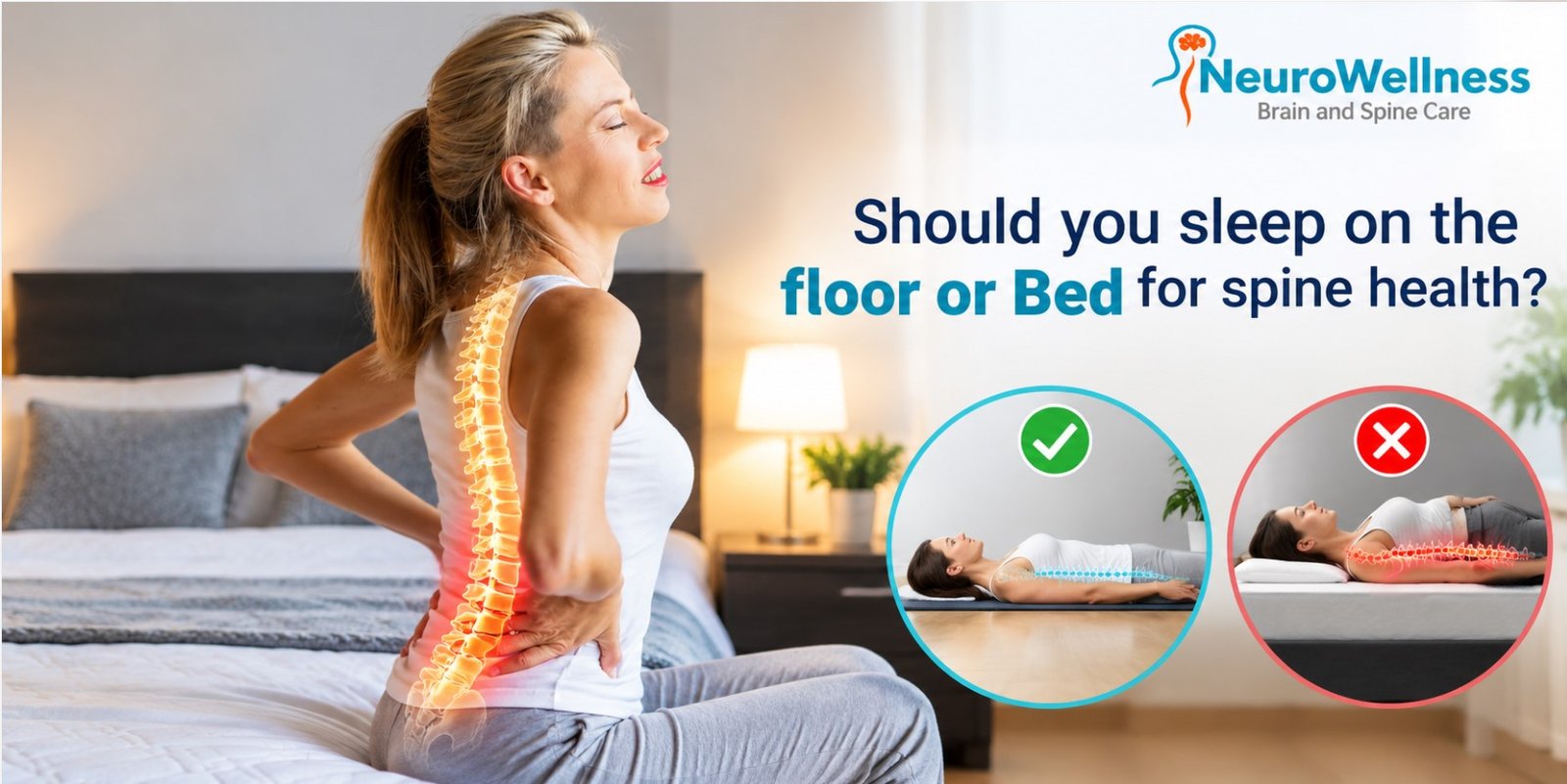
Sleeping on the floor may feel better for some people, but a hard floor is not automatically better for your spine or back pain.

Research comparing sleep surfaces generally suggests that a supportive medium-firm mattress performs better than a very firm surface for many people with chronic non-specific low-back pain. In one randomized trial, people sleeping on medium-firm mattresses had better pain and disability outcomes than those using firm mattresses. PubMed

The right sleeping surface depends on your:

  • body type
  • sleeping position
  • underlying spine condition
  • mattress support
  • pain pattern
  • personal comfort

The goal is not to sleep on the hardest possible surface. The goal is to keep your spine comfortably supported in a neutral position throughout the night.

If back pain repeatedly wakes you, worsens in the morning or travels into the leg, it may be worth getting the underlying cause evaluated instead of only changing your sleeping surface.

Is It Better to Sleep on the Floor or a Bed?

For most people, a supportive bed with an appropriate mattress is preferable to sleeping directly on a hard floor.

A very hard surface does not necessarily improve spinal alignment or back pain.

Evidence from mattress research generally favors medium-firm support over very firm surfaces for comfort, spinal support and low-back pain outcomes. A recent orthopedic literature review likewise found that medium-firm mattresses had the most consistent support in the evidence reviewed. 

Some people may temporarily feel comfortable on the floor because the surface is firmer than a sagging or very soft mattress. That does not mean the floor itself is therapeutic.

Sleeping on the Floor vs Bed: Main Differences

FactorSleeping on the floorSleeping on a supportive bed
Surface firmnessVery firm/hardCan be selected according to comfort
Pressure reliefUsually lowerBetter with an appropriate mattress
Spinal supportDepends on body shape and positionCan provide balanced support
Ease of getting upMore difficultUsually easier
Comfort for shoulders/hipsOften reducedBetter pressure distribution
Suitable for older adultsOften less practicalUsually easier and safer
Evidence for back painLimitedBetter evidence for medium-firm mattresses

Is Sleeping on the Floor Good or Bad?

There is no universal answer.

Sleeping on the floor may feel comfortable to some healthy adults, particularly if their existing mattress is extremely soft, sagging or poorly supportive.

However, a floor can also create excessive pressure around areas such as the:

  • shoulders
  • hips
  • pelvis
  • heels

For some people, this can worsen discomfort or interrupt sleep.

Sleep quality itself matters because poor sleep and chronic musculoskeletal pain can reinforce one another. Research shows a bidirectional relationship between sleep problems and chronic musculoskeletal pain. 

So a surface that repeatedly causes poor sleep is not necessarily beneficial simply because it feels “firm.”

Does Sleeping on the Floor Help Back Pain?

Sometimes people report temporary relief after moving from a soft, sagging mattress to the floor.

That may happen because the floor reduces excessive sinking.

But there is not strong evidence that sleeping directly on a hard floor is an effective treatment for back pain.

Research looking at mattress firmness has actually found better outcomes with medium-firm mattresses compared with firm mattresses for chronic non-specific low-back pain. PubMed

A literature review of mattress design and back pain similarly concluded that medium-firm mattresses generally promote better comfort, sleep quality and spinal alignment than extremes of firmness. PubMed

Key takeaway

If your current mattress is very soft or sagging, improving support may help.

That does not necessarily mean moving all the way to a hard floor.

Is Sleeping on the Floor Good for Your Back?

For some people, perhaps.

For others, no.

The effect depends on your anatomy, sleeping position and cause of back pain.

A hard floor can reduce sinking, but it also provides little contouring around natural curves of the body.

People with:

  • prominent hips
  • broad shoulders
  • low body weight
  • arthritis
  • joint pain

may find a hard floor uncomfortable because it increases pressure at contact points.

If you wake with more stiffness or pain after sleeping on the floor, that is a sign the surface may not suit you.

Myths facts on sleep and spine health

What Is a Good Surface to Sleep On for Back Pain?

The evidence does not support a simple “harder is better” rule.

For many people with non-specific low-back pain, a medium-firm mattress appears to be a reasonable starting point.

The classic randomized trial involving 313 adults with chronic non-specific low-back pain found better outcomes with a medium-firm mattress than a firm mattress over 90 days. PubMed

More recent reviews have generally reached similar conclusions, although mattress materials and individual preferences vary. PubMed

A good sleep surface should:

  • support the natural curves of your spine
  • prevent excessive sinking
  • reduce pressure on shoulders and hips
  • allow you to change positions comfortably
  • help you wake without increased pain or stiffness

Is Sleeping on a Hard Surface Good or Bad?

A hard surface is not automatically better for the back.

If the surface is excessively hard, pressure may build around the shoulders, hips and pelvis.

That can cause discomfort and may alter sleeping posture during the night.

In mattress studies, very firm surfaces have generally not performed as well as medium-firm ones for people with chronic low-back pain. PubMed

When firmness may feel helpful

A firmer surface may feel better if your current mattress:

  • sags significantly
  • allows the pelvis to sink
  • feels unstable
  • is extremely soft

In that situation, the problem may be inadequate mattress support, not the fact that you are sleeping on a bed.

Floor vs Firm Mattress: Are They the Same?

No.

A firm mattress still provides some cushioning and distributes pressure across the body.

A hard floor generally offers far less pressure relief.

That distinction matters.

A surface can provide good spinal support without being extremely hard.

For many people, the best compromise is medium-firm support with enough cushioning to accommodate the shoulders, hips and natural curves of the spine.

Sleeping Position for Back Pain

The surface matters, but so does your sleeping position.

A recent systematic review found that sleeping posture can influence low-back pain, with supine sleeping generally supporting spinal alignment, while prone sleeping may increase lumbar strain. Side sleeping can also work well when alignment is supported appropriately. PubMed

Sleeping on your back

Back sleeping can help maintain a relatively neutral spine.

Try:

  • lying on your back
  • using a comfortable head pillow
  • placing a small pillow under the knees if this feels better

A pillow under the knees may reduce tension through the lower back for some people.


Sleeping on your side

Side sleeping is comfortable for many people.

Try:

  • keeping the head aligned with the spine
  • using a pillow of appropriate height
  • placing a pillow between the knees

The knee pillow can reduce rotation through the pelvis and lower back.


Sleeping on your stomach

Stomach sleeping may increase arching through the lower back and requires the neck to remain turned to one side.

Some people tolerate this position well, but for those with back or neck pain it may aggravate symptoms.

The systematic review on sleep posture found prone sleeping was associated with greater low-back strain in the available evidence.

Should You Sleep on the Floor for Lower Back Pain?

I would not recommend sleeping on the floor as a general treatment for lower-back pain.

First consider why the back hurts.

Common causes can include:

  • muscular strain
  • prolonged sitting
  • poor conditioning
  • disc-related pain
  • degenerative changes
  • facet joint irritation
  • nerve compression

Changing the sleeping surface may improve comfort, but it does not necessarily address the underlying problem.

If you have persistent low-back pain, NeuroWellness provides spine evaluation and treatment in Bangalore.

For conservative rehabilitation, you can also explore physiotherapy at NeuroWellness.

What If Sleeping on the Floor Makes My Back Feel Better?

If sleeping on a firm surface genuinely feels better, that information can be useful.

It may indicate that your current mattress is:

  • too soft
  • sagging
  • no longer supportive
  • poorly suited to your sleeping position

Before permanently moving to the floor, consider trying a supportive medium-firm mattress.

Research suggests the right sleep surface can influence pain, stiffness and sleep comfort in people with chronic back pain.

Keep in mind that short-term comfort does not necessarily mean the surface is ideal for long-term spinal health.

Who Should Be Careful About Sleeping on the Floor?

Floor sleeping may be particularly inconvenient or uncomfortable for:

  • older adults
  • people with arthritis
  • people with hip or shoulder pain
  • people who have difficulty getting up from the floor
  • people recovering from spine surgery
  • people with significant mobility limitations
  • people who experience numbness or pressure discomfort

If you have recently undergone spine surgery, follow your surgeon’s instructions rather than changing sleeping surfaces independently.

For surgical recovery guidance, visit NeuroWellness spine surgery care.

What Type of Mattress Is Good for Spine Health?

There is no single mattress suitable for everybody.

However, research overall tends to support medium-firm mattresses rather than extremely hard mattresses for people with non-specific low-back pain. PubMed

Look for a mattress that:

  • feels supportive without being painfully hard
  • does not sag significantly
  • allows your shoulders and hips to settle comfortably
  • keeps your spine reasonably aligned
  • works with your usual sleeping position

Side sleepers

Often need more pressure relief around the shoulder and hip.

Back sleepers

May prefer a more evenly supportive surface.

Stomach sleepers

May need to avoid excessive sinking around the pelvis.

Body weight and individual comfort also matter.

When Should You Replace Your Mattress?

There is no universal replacement age.

Consider replacing or reassessing the mattress if:

  • it has visible sagging
  • you regularly wake with pain or stiffness
  • you sleep better on other beds
  • the mattress no longer provides even support
  • discomfort improves when you change sleeping surfaces

Do not replace an otherwise comfortable mattress solely because someone says hard mattresses are healthier for the spine.

Is Back Pain in the Morning Always Caused by the Mattress?

No.

Morning back pain can have many causes.

These may include:

  • sleeping position
  • muscle stiffness
  • prolonged inactivity
  • an unsuitable mattress
  • disc or joint problems
  • inflammatory conditions
  • poor sleep quality

If morning pain improves shortly after moving, it may be mechanical.

But persistent, severe or progressive pain deserves medical assessment.

When Back Pain Needs Medical Evaluation

Do not rely only on changing the bed or sleeping on the floor if your symptoms include:

  • pain lasting several weeks
  • leg pain or sciatica
  • numbness or tingling
  • leg weakness
  • balance difficulty
  • worsening pain
  • pain following significant injury
  • bowel or bladder changes

These symptoms can indicate conditions that require proper clinical evaluation.

Book a Spine Consultation at NeuroWellness, Bangalore →

Ganesh

Dr. Ganesh Veerabhadraiah

Consultant – Neurosurgeon, Neurointerventional Surgery, Spine Surgeon (Neuro)
23+ Years Experience Overall (17+ years as Neuro Specialist)

Available for Consultation: Jayanagar 9th Block & Kauvery Hospital, Electronic City 

Simple Sleep Setup for Better Spine Comfort

Instead of asking only “floor or bed?”, try optimizing your whole sleep setup.

If you sleep on your back

  • use a supportive mattress
  • keep your head comfortably aligned
  • consider a pillow under your knees

If you sleep on your side

  • choose enough cushioning for the hip and shoulder
  • use a supportive head pillow
  • consider a pillow between the knees

If you sleep on your stomach

  • avoid excessive arching of the lower back
  • consider whether another position feels more comfortable if pain persists

Most importantly

Choose the position and surface that allows you to sleep comfortably without worsening symptoms overnight or in the morning.

Frequently Asked Questions

1. Is it better to sleep on the floor or a bed?

For most people, a supportive bed is more practical than sleeping directly on a hard floor. Research on people with chronic non-specific low-back pain generally favors medium-firm mattresses over very firm surfaces. PubMed

2. Does sleeping on the floor help back pain?

There is not strong evidence that floor sleeping itself treats back pain. Some people may feel better on the floor if their existing mattress is extremely soft or sagging, but a supportive medium-firm mattress is generally a better evidence-based option.

3. Is sleeping on the floor good for your back?

It may feel comfortable for some people, but it can increase pressure around the hips and shoulders in others. Comfort, body type, sleeping position and the underlying cause of back pain all matter.

4. Is sleeping on a hard surface good or bad?

Very hard surfaces are not automatically healthier. Evidence suggests medium-firm support may produce better back-pain outcomes than very firm surfaces.

5. What is a good surface to sleep on for lower-back pain?

A supportive medium-firm mattress is a reasonable starting point for many people with non-specific low-back pain, although individual comfort and sleeping position should also guide the choice.

6. Is a firm mattress good for back pain?

A mattress should provide adequate support, but firmer is not necessarily better. In a randomized trial, medium-firm mattresses performed better than firm mattresses for chronic non-specific low-back pain. PubMed

7. Which sleeping position is good for lower-back pain?

Back sleeping with good support or properly aligned side sleeping may be comfortable for many people. A recent review found supine sleeping was generally associated with better spinal alignment, while prone sleeping could increase lumbar strain. PubMed

8. Can sleeping on the wrong mattress cause back pain?

An unsuitable or sagging mattress can contribute to discomfort and poor sleep in some people. Mattress support, sleeping position and individual body characteristics all affect comfort.

9. Should I sleep on the floor if I have a slipped disc?

Do not assume a hard floor is appropriate for a disc problem. The best sleeping setup depends on symptoms and the location/severity of the problem. Persistent radiating pain, numbness or weakness should be medically evaluated.

10. When should back pain be checked by a spine specialist?

Seek evaluation if pain persists, worsens or is associated with leg pain, numbness, weakness, balance problems or bowel/bladder symptoms.

Conclusion: Floor or Bed — Which Is Better for Your Spine?

For most people, the answer is not:

“The harder the surface, the better.”

The better goal is a sleep surface that:

  • supports your spine
  • reduces excessive pressure
  • matches your sleeping position
  • lets you sleep comfortably
  • does not worsen morning pain

Research generally favors medium-firm mattresses over very firm surfaces for chronic non-specific low-back pain. PubMed

If sleeping on the floor seems better than your current bed, your mattress may simply be too soft or poorly supportive.

And if persistent back pain continues regardless of where you sleep, the next step should be identifying the underlying cause.

Medically reviewed by Dr Ganesh Veerabhadraiah, Senior Neurosurgeon & Spine Specialist, NeuroWellness Brain & Spine Care, Bengaluru. Last reviewed: September 2026.

Lumbar spinal canal stenosis causes back pain, numbness, and leg weakness by compressing spinal nerves.

Treatment includes physiotherapy, injections, or surgery depending on severity.

Book a spine checkup at Neurowellness if walking triggers pain or leg numbness.

What Is Lumbar Spinal Canal Stenosis?

Lumbar spinal canal stenosis refers to the narrowing of the spinal canal in the lower back, compressing the spinal cord and nerves. This condition, commonly seen in individuals over 50, progressively worsens with age. Timely treatment is crucial to improve mobility and maintain a good quality of life.

Ganesh

Dr. Ganesh Veerabhadraiah

Consultant – Neurosurgeon, Neurointerventional Surgery, Spine Surgeon (Neuro)
23+ Years Experience Overall (17+ years as Neuro Specialist)

Available for Consultation: Jayanagar 9th Block & Kauvery Hospital, Electronic City 

5 Signs You Should Know About Spinal Canal Stenosis in the Lumbar Region

Spinal canal stenosis in the lumbar region is a condition where the spinal canal narrows, compressing the spinal cord and nerves. Recognizing its signs early can help prevent complications and ensure effective treatment. Here are the five key signs to watch out for:

1. Neurogenic Claudication

One of the hallmark symptoms, neurogenic claudication, presents as:

● Pain, numbness, or weakness in the legs after walking or standing for prolonged periods.
● Relief of symptoms when bending forward or sitting down.
●
Difficulty performing upright activities like walking or standing.

2. Radicular Pain (Sciatica)

Sciatica is another common sign where nerve root compression leads to:

● A sharp, shooting pain radiating from the lower back down to one or both legs.
●Tingling, numbness, or weakness in the affected areas.
●
 Pain that worsens with specific movements like bending backward.

3. Gait Abnormalities (Foot Drop)

Chronic compression of lumbar nerves may result in:

● Inability to lift the foot or toes properly, causing difficulty walking.
●
 A high-stepping gait to avoid dragging the foot.
● Reduced mobility and challenges in daily activities like driving.
●
Loss of Sensation in the Feet
●
Nerve damage may cause a sensation described as:
● Feeling as though walking on air or cotton wool.
●
Numbness in the soles of the feet, increasing the risk of falls.
●
Difficulty sensing the ground or footwear while walking.

5. Bowel or Bladder Dysfunction

In severe cases, the condition can progress to cauda equina syndrome, which includes:

● Loss of control over bowel or bladder functions.
● Numbness in the groin or inner thighs.
●
Weakness in both legs, requiring urgent medical attention.

Symptoms of Lumbar Spinal Canal Stenosis

Patients with lumbar stenosis may present with the following:

1. Neurogenic Claudication

● Pain Relief with Rest: Walking or standing causes pain or numbness in the legs, relieved by sitting or bending forward.
● Shopping Cart Sign: Bending forward or leaning on a cart provides temporary relief.
● Difficulty in Activities: Prolonged standing or backward bending worsens symptoms.

2. Radicular Pain (Sciatica)

● Shooting or pulling pain down one leg caused by nerve root compression.
● Associated with tingling, numbness, or weakness in the affected limb.

3. Foot Drop

Difficulty lifting the foot or toes, leading to gait disturbances like high-stepping movements.

4. Loss of Sensation (Cotton Wool Feeling)

A sensation of walking on air or cotton wool due to reduced sensitivity in the soles of the feet.

5. Bowel and Bladder Dysfunction

Severe stenosis may lead to cauda equina syndrome, presenting with incontinence and numbness in the thighs or genital area. This requires immediate medical attention.

When to See a Neurosurgeon in Bangalore

If you have persistent lower back pain, numbness in your legs, tingling in the feet, or difficulty walking even short distances, it may be time to consult a neurosurgeon. Ignoring these symptoms can increase the risk of permanent nerve damage.

At Neurowellness Brain & Spine Clinic, Electronic City, Bangalore, our specialists are experienced in diagnosing spinal canal stenosis early and providing the most effective treatment plans for long-term relief.

Causes and Risk Factors

● Age -Related Degeneration: Wear and tear of spinal discs, thickening of ligaments, or bone spurs.
● Congenital Narrowing: Some individuals are born with narrower canals.
●
 Injuries: Trauma or complications from spinal surgery.
●
Other Conditions: Arthritis, infections, or tumors affecting the spine.

Treatment for lumbar spinal canal stenosis depends on the severity of symptoms and the patient’s overall health. Options include:

Conservative Care 

• Physiotherapy for posture correction and strengthening
• Pain management with anti-inflammatory medications
• Lifestyle changes to reduce spinal strain

Interventional Treatments 

• Epidural steroid injections for inflammation relief
• Minimally invasive procedures to reduce nerve compression

Surgical Options 

• Decompression Surgery (Laminectomy): Removing part of the bone or ligament to ease pressure
• Spinal Fusion: Stabilizing the spine by joining two or more vertebrae

Diagnosis of Lumbar Canal Stenosis

● Physical Examination:
Doctors assess reflexes, muscle strength, and pain patterns.

● Imaging Techniques:

・MRI Scans: Identify nerve compression and canal narrowing.

・CT Scans: Provide detailed views of bone structures.

・Electrodiagnostic Studies:
Nerve conduction tests help pinpoint the exact nerve involvement.

Treatment Options

Non-Surgical Approaches

● Physical Therapy: Focuses on strengthening core muscles and improving flexibility.
● Medications: Anti-inflammatory drugs, muscle relaxants, or nerve pain medications.
●
Epidural Injections: Corticosteroid injections reduce inflammation and pain.
●
Lifestyle Adjustments: Weight management and activity modifications can alleviate symptoms.

Surgical Interventions

● Decompression Surgery: Removal of bone spurs or ligaments to enlarge the spinal canal.

● Laminectomy or Laminotomy: Partially or fully removing the lamina to relieve nerve pressure.
● Spinal Fusion: Stabilizing the spine with metal rods or bone grafts for severe cases.

Preventive Tips for Spinal Health

ㆍMaintain a healthy weight to reduce stress on the spine.
ㆍ Exercise regularly to strengthen back and abdominal muscles.
ㆍ
Avoid prolonged sitting or standing in one position.

Use ergonomic furniture and proper posture during activities.

When to Consult a Specialist

If you experience persistent symptoms like leg pain, numbness, or difficulty walking, consult a specialist in “central canal of spinal cord treatment in Bangalore.” Early intervention prevents complications and ensures effective recovery.

At Neurowellness, our team of spine specialists offers advanced treatment for lumbar spinal canal stenosis. Whether you’re seeking conservative care or surgical solutions, our experienced professionals are here to guide you. Book a consultation today and take the first step toward a pain-free life!

About Us

At Neurowellness, we specialize in advanced care for spinal canal stenosis, ensuring precise diagnosis and effective treatment. Our expert team provides personalized solutions for lumbar spinal stenosis symptoms, helping patients regain mobility and reduce pain. With modern technology, we diagnose conditions like neurogenic claudication symptoms and offer both non-surgical and surgical treatment options. Whether you’re experiencing spinal stenosis of the lumbar region or spinal stenosis in the cervical region, we deliver comprehensive care tailored to your needs. Don’t let canal stenosis affect your quality of life—schedule a consultation today for expert spine care in Bangalore!

FAQs

1. What are the symptoms of lumbar spinal canal stenosis?

Common symptoms include lower back pain, numbness or tingling in the legs, leg weakness, and difficulty walking or standing for long periods. Many patients feel relief when sitting or bending forward.

2. Is lumbar spinal stenosis serious?

Yes, it can become serious if left untreated. Nerve compression can worsen, leading to mobility issues and, in rare cases, loss of bladder or bowel control. Early diagnosis is important.

3. Can lumbar stenosis be treated without surgery?

Yes. Many patients benefit from physiotherapy, pain medication, and steroid injections. Surgery is usually reserved for severe cases where conservative methods fail.

4. How long is recovery after laminectomy surgery?

Recovery varies by patient, but most people return to light activities in 4–6 weeks. Full recovery, including physical therapy, may take 2–3 months.

Vitamin D deficiency is endemic in India affecting 70–90% of the urban population despite abundant sunshine, primarily because indoor-heavy lifestyles prevent UVB skin exposure (Indian Journal of Endocrinology and Metabolism, 2019). In the spine, deficiency causes weakened vertebral bone (osteomalacia and osteoporosis), accelerated disc degeneration, and increased risk of compression fractures  even without any trauma.

In the nervous system, vitamin D receptors throughout the brain and spinal cord mean deficiency is linked to peripheral neuropathy, nerve pain, and depression. Diagnosis is by a 25-hydroxyvitamin D blood test: normal is 30–100 ng/mL; deficiency is below 20 ng/mL. Treatment typically requires 60,000 IU vitamin D3 weekly for 8–12 weeks, then maintenance dosing  always under medical supervision. If you have back pain, fatigue, muscle weakness, or bone pain that does not respond to standard treatment, vitamin D testing is an essential first step. 

Why Vitamin D Deficiency Is a Spine Health Crisis in India

India receives more sunlight than almost any other country in the world. Yet paradoxically, India has one of the highest rates of vitamin D deficiency globally affecting an estimated 70–90% of the urban population (Indian Journal of Endocrinology and Metabolism, 2019).

The reasons are specific to the Indian urban context:

• Office-bound work culture — Bangalore’s IT workforce spends 8–10 hours daily in air-conditioned buildings
• Cultural practice of covering skin for modesty or sun protection
•
Use of high-SPF sunscreen that blocks UVB synthesis
•
Air pollution — particulate matter filters UVB rays before they reach skin
•
Darker skin pigmentation (more melanin) requires 3–5x longer sun exposure than fair skin to produce equivalent vitamin D
•
Diet: traditional Indian vegetarian diets have very few natural vitamin D sources

The consequence is that millions of people living in a sun-drenched country are developing bone and nerve disease that was once thought to affect only people in cold, northern climates. At NeuroWellness clinic, spine pain that does not respond to standard treatment  and is later found to have a vitamin D deficiency as a contributing factor  is one of the most commonly encountered patterns in Bangalore patients.

What Is Vitamin D and Why Does the Spine Specifically Need It?

Vitamin D is a fat-soluble secosteroid hormone technically more a hormone than a vitamin, because the body synthesises it in response to sunlight rather than obtaining it entirely from food. Its primary function is enabling the intestines to absorb calcium and phosphorus, the two minerals that give bone its mechanical strength.

The two forms relevant to health:

• Vitamin D3 (cholecalciferol) — synthesised in skin from UVB exposure; found in fatty fish, egg yolks, and liver. Preferred for supplementation — approximately 87% more potent than D2 at raising serum levels.
• Vitamin D2 (ergocalciferol) — derived from plants and fungi; used in some prescription supplements. Less effective at maintaining sustained blood levels.

Why the spine specifically depends on vitamin D:

The spine carries the body’s entire axial load through 24 vertebrae and 23 intervertebral discs. Vertebral bone quality  its density, microarchitecture, and resistance to fracture depends directly on mineralisation, which depends directly on calcium absorption, which depends directly on vitamin D. When vitamin D is chronically low:

• Calcium absorption in the gut falls from 30–40% to 10–15% of dietary intake
• The parathyroid gland compensates by releasing PTH (parathyroid hormone) to leach calcium from bone
• Bone mineral density falls progressively → vertebral bodies weaken → fracture risk rises
• The outer annulus fibrosus of intervertebral discs, which contains vitamin D receptors, shows accelerated degeneration in deficiency states (Mabey & Honsawek, Asian Spine Journal, 2015)

What Are the Signs of Vitamin D Deficiency Affecting the Spine?

Spinal and musculoskeletal symptoms:

Diffuse bone pain — A dull, deep aching that affects multiple bones simultaneously, including the spine, pelvis, ribs, and long bones. Different from the localised pain of a disc prolapse it is widespread and poorly localised. This is the hallmark of osteomalacia (vitamin D-driven bone softening).

Chronic lower back pain without structural cause — Many patients with unexplained back pain, normal MRI findings, and poor response to standard treatment are later found to have severe vitamin D deficiency. Supplementation alone significantly improves pain in a substantial subset (Ghai et al., Pain Physician, 2019).

Muscle weakness and cramps — Vitamin D receptors are present in muscle tissue. Deficiency causes proximal muscle weakness (difficulty rising from a chair, climbing stairs) and muscle cramps both of which place additional mechanical stress on the spine.

Vertebral compression fractures without significant trauma — When osteoporosis develops from prolonged vitamin D deficiency, even normal activities  bending, coughing, or lifting a light load  can fracture weakened vertebrae. These are one of the most common causes of sudden severe back pain in postmenopausal women and older men.

Stooped posture (kyphosis) — Multiple vertebral compression fractures cause progressive height loss and forward bowing of the thoracic spine a condition called kyphosis or, colloquially, “dowager’s hump.”

Neurological symptoms related to vitamin D deficiency:

Vitamin D receptors (VDR) are present throughout the brain, spinal cord, and peripheral nerves making it one of the few nutrients with direct neurological effects.

Peripheral neuropathy — Tingling, numbness, or burning in the hands and feet, mimicking disc disease but with a diffuse pattern rather than a specific nerve root distribution. Vitamin D deficiency is an independent risk factor for peripheral neuropathy (Shehab et al., Medical Principles and Practice, 2012).

Nerve pain amplification — Low vitamin D levels lower the pain threshold — meaning existing nerve pain from disc disease or spinal stenosis feels significantly worse in deficient patients than in those with normal levels.

Depression and fatigue — Vitamin D receptors in the brain’s limbic system regulate mood. Deficiency is consistently associated with depression, fatigue, and low motivation symptoms frequently attributed to “stress” or “lifestyle” but actually correctable with supplementation.

Multiple sclerosis risk — Vitamin D is one of the most-studied environmental factors in MS. People living further from the equator  with less sun exposure  have significantly higher MS rates. Low vitamin D in early life increases MS risk by 40% (Munger et al., JAMA Neurology, 2006).

What Are Normal, Deficient, and Severely Deficient Vitamin D Levels?

This is the most commonly searched question on this topic — and was not answered in the original blog.

The correct blood test to measure vitamin D status is the 25-hydroxyvitamin D (25-OH vitamin D or calcidiol) test — ask your doctor specifically for this, as it reflects body stores accurately. The alternative 1,25-dihydroxyvitamin D test measures the active hormone form and is not appropriate for deficiency screening.

Level25-OH Vitamin D (ng/mL)25-OH Vitamin D (nmol/L)Clinical status
Optimal40–80 ng/mL100–200 nmol/LIdeal for bone and nerve health
Sufficient30–40 ng/mL75–100 nmol/LAdequate but not optimal
Insufficient20–30 ng/mL50–75 nmol/LSupplementation recommended
Deficient10–20 ng/mL25–50 nmol/LTreatment required
Severely deficientBelow 10 ng/mLBelow 25 nmol/LUrgent treatment with high-dose supplementation

Important note for India: The average serum 25-OH vitamin D level in urban Indian adults has been measured at 14–18 ng/mL in multiple studies — firmly in the deficient range. This means the majority of clinic patients who have not been specifically tested are likely deficient.

Vitamin D Deficiency vs Disc Prolapse vs Calcium Deficiency — How to Tell the Difference

This is a critical diagnostic distinction because the symptoms overlap significantly.

FeatureVitamin D deficiencyDisc prolapse / nerve compressionCalcium deficiency
Pain locationDiffuse — multiple bones, both sidesLocalised — follows nerve root, usually one sideMuscle cramps, jaw pain, tingling in hands/lips
Arm/leg radiationNo specific nerve patternYes — specific dermatomal patternNo
MRI findingsNormal or osteoporotic changesDisc herniation, nerve compressionNormal
Blood testLow 25-OH Vitamin DNormalLow serum calcium, high PTH
Muscle weaknessProximal (hips, shoulders)Distal (specific to compressed nerve)Tetany, spasms
Response to supplementationSignificant improvement over 6–12 weeksNo improvement with supplementsImproves with calcium

How Is Vitamin D Deficiency Treated?

Treatment depends on the severity of deficiency. All treatment should be supervised by a physician with blood test monitoring.

Standard treatment protocol (India):

Loading phase (for levels below 20 ng/mL): 60,000 IU vitamin D3 (cholecalciferol) once weekly for 8–12 weeks is the standard Indian protocol endorsed by the Endocrine Society of India. This rapidly raises blood levels to a sufficient range. Some severely deficient patients require 12–16 weeks of loading.Maintenance phase (after loading): 1,000–2,000 IU vitamin D3 daily — or 60,000 IU monthly — depending on lifestyle, sun exposure, and recheck blood levels at 3 months.Co-supplementation: Calcium supplementation (500–1,000 mg elemental calcium daily) is recommended alongside vitamin D during the loading phase for patients with osteomalacia or osteoporosis.

Vitamin D3 vs D2 — which to choose:

Vitamin D3 (cholecalciferol) is the strongly preferred form for all supplementation. Clinical studies consistently show D3 raises and maintains serum 25-OH vitamin D levels approximately 87% more effectively than D2. Most Indian pharmacy vitamin D preparations are D3 — confirm this when purchasing.

Dietary sources of vitamin D in India:

• Fatty fish (salmon, sardines, mackerel) — the richest source (400–700 IU per 100g) • Egg yolks — approximately 40 IU per egg • Fortified milk — 100–150 IU per glass (varies by brand) • Mushrooms exposed to sunlight — the only plant source; sun-dried mushrooms can contain meaningful amountsSunlight guidance for Bangalore: Bangalore sits at approximately 12.9°N latitude excellent for UVB production year-round. 15–20 minutes of sun exposure to the face, arms, and legs between 10 am and 2 pm is sufficient for fair-skinned individuals to produce approximately 10,000–20,000 IU of vitamin D3. Darker-skinned individuals need 3–5x longer exposure. However, sunscreen with SPF 15+ blocks 99% of vitamin D synthesis — this is a major factor in urban vitamin D deficiency despite outdoor time.

When does vitamin D treatment need specialist supervision?

• Serum levels below 10 ng/mL (severe deficiency) • Any history of kidney stones (vitamin D increases urinary calcium) • Chronic kidney disease (impaired vitamin D activation) • Sarcoidosis or granulomatous conditions (risk of vitamin D toxicity) • Vertebral compression fractures already present spine specialist assessment essentialBook a Spine and Vitamin D Assessment at NeuroWellness, Bangalore →

How to Prevent Vitamin D Deficiency in Bangalore's IT Workforce

For software and IT professionals in Bangalore  who represent the majority of the urban patient population with this condition:

1. Eat lunch outdoors — even 15 minutes of midday sun on face and forearms produces meaningful vitamin D. This is the single most time-efficient prevention strategy for desk workers

2. Test before supplementing — do not self-prescribe without a baseline 25-OH vitamin D test; toxicity (rare but real) can occur with unsupervised megadosing

3. Annual vitamin D testing — include in routine blood work each year, particularly if you spend less than 30 minutes outdoors daily

4. Combine with calcium-rich diet — vitamin D without adequate dietary calcium does not fully protect bone

5. Exercise — weight-bearing exercise (walking, running, strength training) independently improves bone density regardless of vitamin D status

Quick Reference — Vitamin D Deficiency and Spine Health

WHAT: Vitamin D deficiency causes reduced calcium absorption → bone demineralisation → vertebral osteoporosis, compression fractures, disc degeneration, and nerve pain amplification.

HOW COMMON IN INDIA: 70–90% of urban Indians are deficient (below 20 ng/mL). Average urban Indian level: 14–18 ng/mL — firmly in the deficient range.

BLOOD TEST: 25-hydroxyvitamin D (25-OH vitamin D) — not the 1,25 active form. Normal: 30–100 ng/mL. Deficient: below 20 ng/mL.

TREATMENT: 60,000 IU vitamin D3 weekly for 8–12 weeks (loading), then 1,000–2,000 IU daily maintenance. Always with blood test monitoring.

NERVE EFFECTS: Peripheral neuropathy, pain amplification, depression, fatigue — all linked to vitamin D deficiency via VDR receptors throughout the nervous system.

SEE A SPECIALIST WHEN: Unexplained diffuse bone pain, compression fractures, nerve symptoms not matching MRI findings, or poor response to standard back pain treatment.

SPECIALIST IN BANGALORE: Dr. Ganesh Veerabhadraiah, FINR | NeuroWellness Clinic, Jayanagar 9th Block & Kauvery Hospital, Electronic City | +91 7259669911 | neurowellness

Frequently Asked Questions About Vitamin D Deficiency and Spine Health

1. What are the early signs of vitamin D deficiency?

Early signs include persistent fatigue that does not improve with rest, diffuse bone aching (not localised to one area), muscle weakness particularly in the hips and shoulders (difficulty rising from a chair), frequent muscle cramps, low mood or depression, and recurrent minor illnesses due to immune suppression. Spine-specific early signs include diffuse back pain that doesn’t follow a typical nerve root pattern and poor response to standard back pain treatment. Early signs are often vague and easily attributed to other causes — which is why vitamin D testing is important in any unexplained pain presentation.

2. Can vitamin D deficiency cause back pain?

Yes — in multiple ways. Deficiency causes osteomalacia (softening of bone), which produces diffuse spine pain from weakened vertebral bodies. It accelerates intervertebral disc degeneration. It amplifies nerve pain through its role in pain modulation. And in severe deficiency, vertebral compression fractures cause sudden, acute back pain. A systematic review found that vitamin D supplementation significantly reduced musculoskeletal pain in deficient patients (Straube et al., Pain, 2015). Back pain that does not respond to physiotherapy and standard treatment should prompt vitamin D testing.

3. What is a normal vitamin D level — and what level is deficient?

The correct test is the 25-hydroxyvitamin D (25-OH vitamin D) blood test. Normal: 30–100 ng/mL (75–250 nmol/L). Insufficient: 20–30 ng/mL. Deficient: below 20 ng/mL. Severely deficient: below 10 ng/mL. The average urban Indian adult tests at 14–18 ng/mL — squarely in the deficient range. Optimal for bone and nerve health is 40–80 ng/mL, which most supplement doses take 8–12 weeks to achieve from a deficient baseline.

4. How much vitamin D supplement should I take for deficiency?

For deficiency (below 20 ng/mL), the standard Indian medical protocol is 60,000 IU vitamin D3 once weekly for 8–12 weeks as a loading dose, followed by 1,000–2,000 IU daily for maintenance. Dosage should always be guided by blood test results, not self-prescribed — vitamin D toxicity, though uncommon, causes hypercalcaemia that can damage kidneys and cause cardiac complications. Recheck blood levels at 3 months after starting treatment. Always prefer vitamin D3 (cholecalciferol) over D2 for better efficacy.

5. Why do Indians have vitamin D deficiency despite living in a sunny country?

Despite abundant sunshine, urban Indians are deficient because of indoor office lifestyles (8–10 hours in buildings), cultural clothing practices that cover most skin, high-SPF sunscreen use that blocks 99% of UVB synthesis, air pollution filtering UVB rays, and darker skin pigmentation requiring 3–5x more sun exposure than lighter skin. Diet is also a factor — traditional vegetarian Indian diets contain very few natural vitamin D sources. This perfect storm means the majority of Bangalore’s urban population is chronically deficient despite living at a latitude that theoretically allows year-round vitamin D synthesis.

6. Can vitamin D deficiency cause tingling or numbness in the hands and legs?

Yes. Vitamin D receptors (VDR) are found throughout the peripheral and central nervous system. Deficiency is independently associated with peripheral neuropathy causing tingling, numbness, or burning sensations in the hands and feet. This symptom pattern can mimic cervical or lumbar disc prolapse but has a diffuse, bilateral character rather than following a specific nerve root. Blood testing for vitamin D is important in any patient with neuropathic symptoms, especially when MRI findings do not fully explain the clinical picture.

7. Does sunlight alone provide enough vitamin D in Bangalore?

For most urban Bangalore residents, no not given typical daily routines. 15–20 minutes of midday sun on bare arms and face theoretically produces 10,000–20,000 IU in lighter-skinned individuals. But most office workers are indoors during peak UVB hours (10 am–2 pm), wear sunscreen, or have darker skin requiring much longer exposure. Supplementation is typically necessary for anyone testing below 30 ng/mL sunlight alone is insufficient to correct deficiency and may not maintain levels in individuals with high requirements.

8. How is vitamin D deficiency related to osteoporosis and spine fractures?

Vitamin D is essential for calcium absorption. Without sufficient vitamin D, only 10–15% of dietary calcium is absorbed (versus 30–40% with adequate levels). The body compensates by releasing parathyroid hormone (PTH), which leaches calcium from bone progressively reducing bone mineral density. Over years, this causes osteoporosis: structurally weakened vertebral bone that can fracture with minimal trauma. Vertebral compression fractures where a vertebra collapses  are one of the most painful and disabling consequences of untreated vitamin D deficiency, causing sudden severe back pain, height loss, and spinal deformity (kyphosis).

Ganesh

About Author

Dr. Ganesh Veerabhadraiah

Dr. Ganesh Veerabhadraiah, consultant neurosurgeon and neurologist in Bangalore, has over 20 years of expertise in managing back pain, migraines, headaches, neuro disorders, and spine problems. His clinical excellence and patient-first approach make him a neuro doctor in Bangalore.

At Neurowellness Brain & Spine Clinic in Jayanagar and Kavery Hospital Electronic City, Dr. Ganesh provides comprehensive treatments ranging from minimally invasive spine surgery to advanced neurological care. As a respected back pain specialist and migraine doctor, he continues to deliver reliable outcomes for patients.

👉 Connect with Dr. Ganesh on LinkedIn

Want to know about the Significance of intellectual health in Politicians in a excessive-strain democracy like India, read the full article.

The Constitution of India establishes India’s political code, federal structure, and powers of government and guarantees the rights of Indians, including equality before the law and freedom of speech, assembly, movement, and others.

In such a case, the behavior of politicians carries a clear significance for us all, which becomes immediately apparent when those with considerable power exercise it in a misguided or harmful manner, taking risks and decisions that place others in jeopardy. In this—and in more mundane matters—the well-being of politicians is important. We assume that leaders, for example, are well-furnished with capabilities, experience, and support systems to carry out their roles and cope with the inevitable pressures their responsibilities bring. However, all politicians are human.

Research on health and political behavior has identified a significant mental health participation gap that is likely to have important consequences for political equality. There is a mental health participation gap and this gap is worrisome because it is likely to lead to inequality in policy representation and carry profound implications for mental illness stigma.

Mental health is a low-salience issue. As such, it has never made it to the list of the ‘most important problems/issues’, although its salience is growing after the face of COVID-19.

Now with splendid strength comes first-rate obligation, but superb duty frequently creates pressure on people ensuing in poor psychological well-being. Professionals like politicians are also no longer spared. Because of the colossal work pressure and higher obligation, they might confront mental fitness problems.

A politician’s role has a number of challenges and is demanding as being the elected consultant, they need to fulfill quite a few responsibilities which sooner or later take a toll on their mental fitness. With a lot of strain on handing over for their people, it has a mental impact,” stated Dr. Ganesh Veerabhadraiah.

This excessive-strain function frequently consequences in a variety of physical and mental illnesses. Due to long operating hours, meetings, and prolonged standing in public, it’s far very probable for them to develop degenerative backbone issues and fatigue. Aside from these physical fitness problems, because of the high-strain surroundings, additionally, they come to be experiencing several problems caused due to mental ill-health.

Significance of intellectual health in Politicians in a excessive-strain democracy like India

Dr. Ganesh similarly said, “while you are a lot beneath stress to deliver on diverse commitments, it’s far often possible to be stressed and nerve-racking. Like everybody else, even politicians face problems of competition of their expert existence which on occasion bring about despair as well. And if uncovered to tension and pressure for a longer time period, it is very probable to have health implications like hypertension, high blood pressure, diabetes, and so on.”

Thinking about the high-stress environment wherein politicians work and their importance in a democracy like India, there ought to be vital measures taken to create sensitization among political leaders to make sure that the same significance is given to mental fitness.

“For normal fitness, it’s far important that there must be some committed programs conducted for the politicians to help them recognize the importance of mental fitness. For a healthful frame we additionally need a wholesome mind and to obtain that, it is important to take a wholesome diet, do normal exercising, and go for recurring health check-ups. These preventive measures can assist to satisfy the general health of the body and mind,” concluded Dr. Ganesh Veerabhadraiah.

Author –
Dr. Ganesh Veerabhadraiah
Consultant Neurosurgeon
Brain and Spine

Preventing major stroke in high grade carotid artery stenosis: A case report

Dr. Ganesh Veerabhadraiah is a dedicated Neurosurgeon in Bangalore having 17 years of rich experience in the held of Brain, Spine and Neuroendovascular surgery. His passion is micro neurosurgery and cerebrovascular and endovascular.  He is rigorously working round-the-clock with an intention to provide quality neuro care for all the needy through his excellence.

significant despite medical therapy. Early diagnosis plays a vital role in suffering from hypoperfusion.

Stenting plays an important role in re establishing the brain blood flow in case of high grade carotid stenosis refractory to medical treatment and preventing major stroke.

CASE REPORT

Introduction:

Celebral Hypoperfusion is a condition happens due to insufficient supply of blood and oxygen to the brain. Intracranial Atherosclerosis (ICAD) is a pathological condition where there is a narrowing of arteries due to accumulation of cholesterol plaque arterial wall. It causes reduced blood supply to brain which leads to cerebral hypoperfusion and stroke.

Case details:

A 65 year old man was brought to  with chief complaints of weakness in the right side of the body along with frequent fainting attacks and he had a past history of diabetes and hypertension. He was diagnosed to have reduced blood supply to the left side of the brain. It was the result of the narrowing of the channels (arteries) that connect the heart to the brain.

MRI scan of the brain with perfusion scan showed that the patient had an inadequate flow of blood in the brain and narrowing of carotid artery at two places due to which he was at a high risk of getting major stroke and which should have caused even death. Owing to the severity of the condition, neurosurgeon recommended the patient to undergo intracranial stenting. The stenting helped in managing and normalising the blood flow to the brain. We did pinhole surgery / endovascular surgery to approach the brain vessels. through small puncture of femoral artery in the thigh. As he had narrow blood vessels in the neck and brain. Both these problems were addressed at the same time through stenting. The patient was suffering from cerebral hypoperfusion syndrome due to intracranial severe atherosclerosis.

high-grade-stenosis

The team of neurosurgeon, neurologist, endovascular surgeon successfully treated by intracranial stenting at two places of brain vessels at the same time on the patient to reduce the risk of major stroke. Fortunately, the patient. withstood the entire procedure and there were no complications post. procedure. The patient is doing well now.

Discussion:

Stroke is a leading cause of adult disability, Intracranial stenosis is the narrowing of

major Intracranial arteries due to the build-up of atherosclerotic plaque. The standard medical therapy for patients with intracranial stenosis includes the use of

antithrombotics, statins, antihypertensives and risk factor control .The risk of recurrent stroke in patients with high-grade intracranial stenosis.

Reference:

The American Journal of Medicine: (06)00186-0/abstract

NCBI- https://www.ncbi.nlm.nih.gov/pmc/articles/PMC4640326/
AHA journal: https://www.ahajournals.org/doi/pdf/10.1161/01.STR.24.11.1691

Contact –

7349017701

Also also known as disc herniation, disc prolapse, disc extrusion, disc migration, disc protrusion.

The vertebrae (bones) that make up your spinal column are piled on top of each other. From top to bottom, the cervical spine has seven bones, the thoracic spine has twelve and the lumbar spine has five, with the sacrum and coccyx at the bottom. Discs provide cushioning for these bones. The discs cushion the bones by absorbing shocks from everyday actions such as walking and lifting.

A soft, gelatinous interior region and a strong outside ring make up each disc. The inner section of the disc might protrude through the outer ring due to injury or weakening. A slipped, herniated or prolapsed disc is the medical term for this condition. This creates discomfort and anguish. You may suffer numbness and pain along the afflicted nerve if a slipped disc compresses one of your spinal nerves.

Symptoms of a slipped disc:

 A slipped disc can occur anywhere in your spine. In your spine, from your neck to your lower back. Slipped discs are most commonly found in the lower back and in neck. It is also known as PIVD(Prolapsed intervertebral disc). A slipped disc can put additional strain on the nerves and muscles in the area.

The symptoms are as follows:

  • back pain and  neck pain .
  • Standing or sitting causes pain that gets worse.
  • Short distance walking causes pain.
  • Discomfort and numbness on one side of the body.
  • Pain that radiating/extends to your arms or legs
  • Pain that gets worse at night or specific motions.
  • Standing or sitting causes pain that gets worse.
  • Short distance walking causes pain.
  • Muscle weakness that is not explained.
  • Sensations of tingling, aching or burning in the afflicted area.
  • Difficulty in controlling bladder or bowel movements.

The sorts of pain differ from one person to the next. If your discomfort causes numbness or tingling that interferes with your ability to control your muscles, consult your doctor or if you are from Bangalore then visit a Bangalore Spine Specialist Clinic.

What causes slipped disc?

 The outer ring of a slipped disc(annulus) becomes weak or damaged, allowing the inner section(nucleus pulposus) to slip out. This is something that can happen as you become older. A slipped disc might also be caused by certain abnormal movements. When twisting or turning to lift an heavy object, a disc can slip out of its place. Lifting a huge, heavy object  suddenly puts a lot of strain on the lower back, which can lead to a slipped disc. Because discs must support the extra weight, obese people are more likely to develop a slipped disc.

A slipped disc can also be caused by weak muscles and a sedentary lifestyle. You are more likely to get a slipped disc as you get older. This is because as you become older, your discs lose some of their protecting water content. As a result, they are more likely to fall out of place.

How are slipped discs diagnosed?

 A physical examination will be performed first by your doctor- neurosurgeon. They will be on the lookout for the source of your suffering. This will entail assessing your nerve function and muscle strength as well as determining whether or not you experience discomfort when moving or touching the affected area. Your doctor will also inquire about your medical history as well as your current symptoms. They will know when you first started experiencing symptoms and what activities you were doing at that time.

Imaging tests can let your doctor see your spine’s bones and muscles as well as any damaged areas. Imaging scans include the following:

  • X rays
  • CT scans
  • Magnetic Resonance Imaging (MRI) scans

Your doctor can put all of this information(clinical and radiological) together to figure out what’s causing your pain, weakness or discomfort.

Is it possible to prevent a slipped disc?

 Although you may not be able to prevent a slipped disc, you can take efforts to lower your chances of acquiring one. These steps are as follows:

  • Use proper lifting techniques, such as bending and lifting from your knees rather than your waist.
  • Maintain a healthy body mass index (BMI).
  • Do not sit for a long period of time, do some exercises as well.
  • Strengthen the muscles in your back, legs and belly by doing workouts.
  • Balanced diet.
  • To seek help of a doctor at right time.

Summary:

The great majority of disc issues resolve without the need for surgery. Most people can return to normal function in a short period. In Neuro Wellness Care Services a Bangalore Spine Specialist Clinic, you will get the best treatment for problems related to spine by dedicated Spine Surgeons in Bangalore and the best Back Pain Treatment in Bangalore as well.