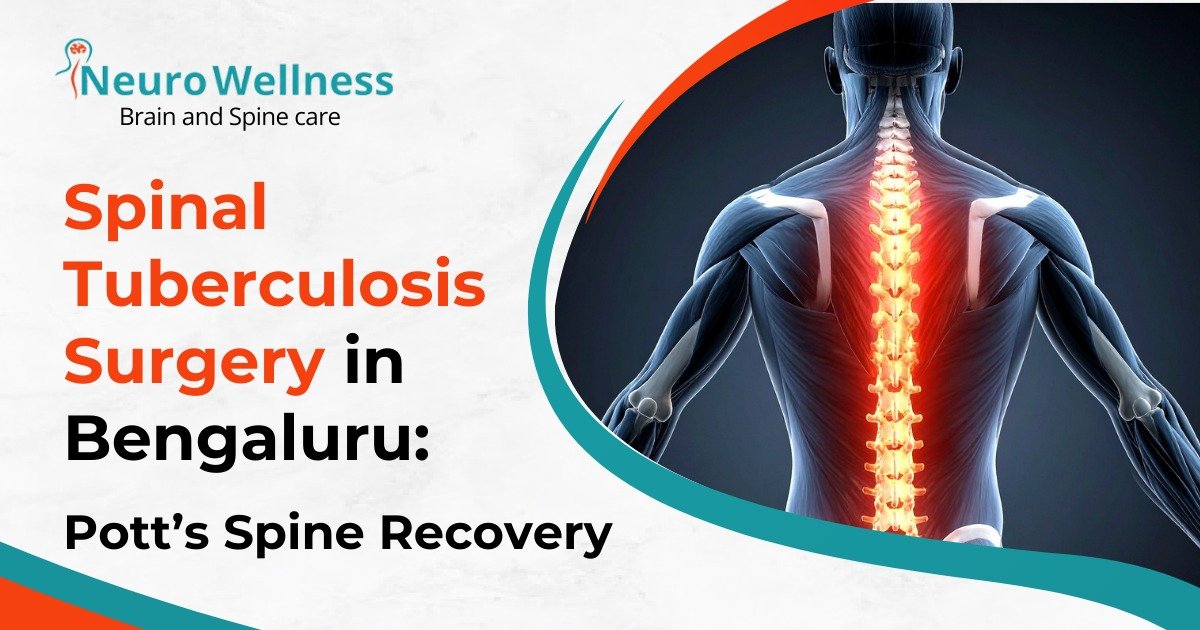
Spinal tuberculosis treatment in Bengaluru becomes critical when delayed diagnosis leads to spinal cord compression and paralysis. This case of a 65-year-old patient demonstrates how advanced Pott’s spine surgery in India, including thoracic spinal cord compression treatment and lumbar canal stenosis L4-L5 surgery, restored neurological function after emergency spine surgery in Bengaluru.

Spinal tuberculosis, also called Pott’s spine, can silently destroy vertebral bones, compress the spinal cord, and cause irreversible disability if not treated early by a spine infection specialist in Bengaluru.

Spinal tuberculosis (Pott’s spine) remains a significant health concern in India. While many patients initially present with back pain alone, delayed diagnosis and treatment can lead to devastating neurological complications, including paralysis.

This case highlights the importance of early recognition and timely surgical intervention in spine infections.

What Was the Initial Presentation?

Severe Upper Back Pain

The patient reported:

• Severe upper back pain for 3–4 months
• Band-like pain radiating around the chest
• Pain worsening on coughing and sneezing
• No weakness initially
• No numbness
• No bladder or bowel symptoms

Despite analgesics, medications, and injections, the pain did not improve.

Persistent, severe back pain in elderly patients must always be thoroughly evaluated to rule out infection, malignancy, or structural instability.

What Did the MRI Reveal?

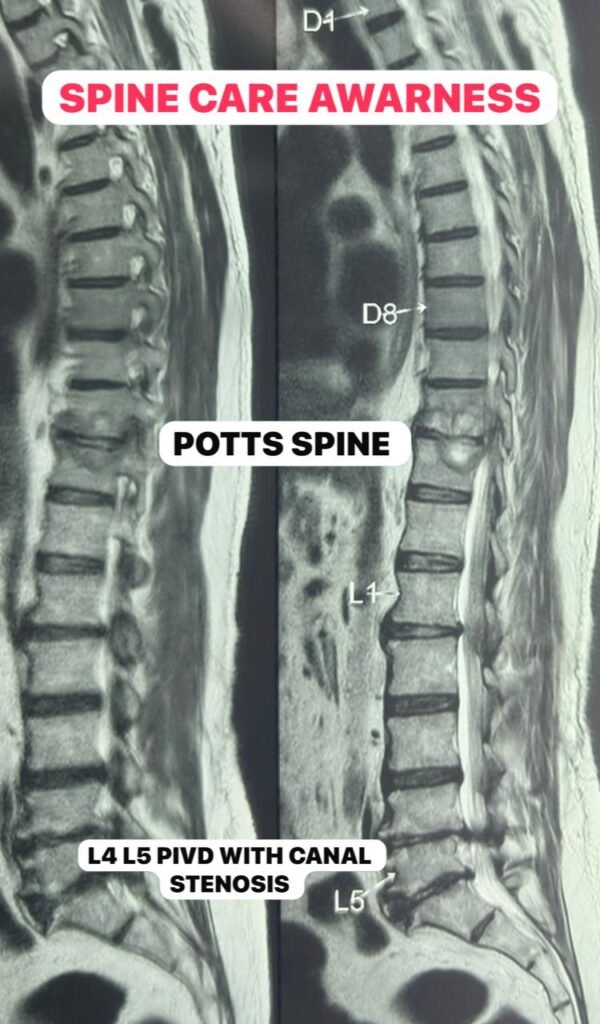
MRI of the thoracic spine showed:

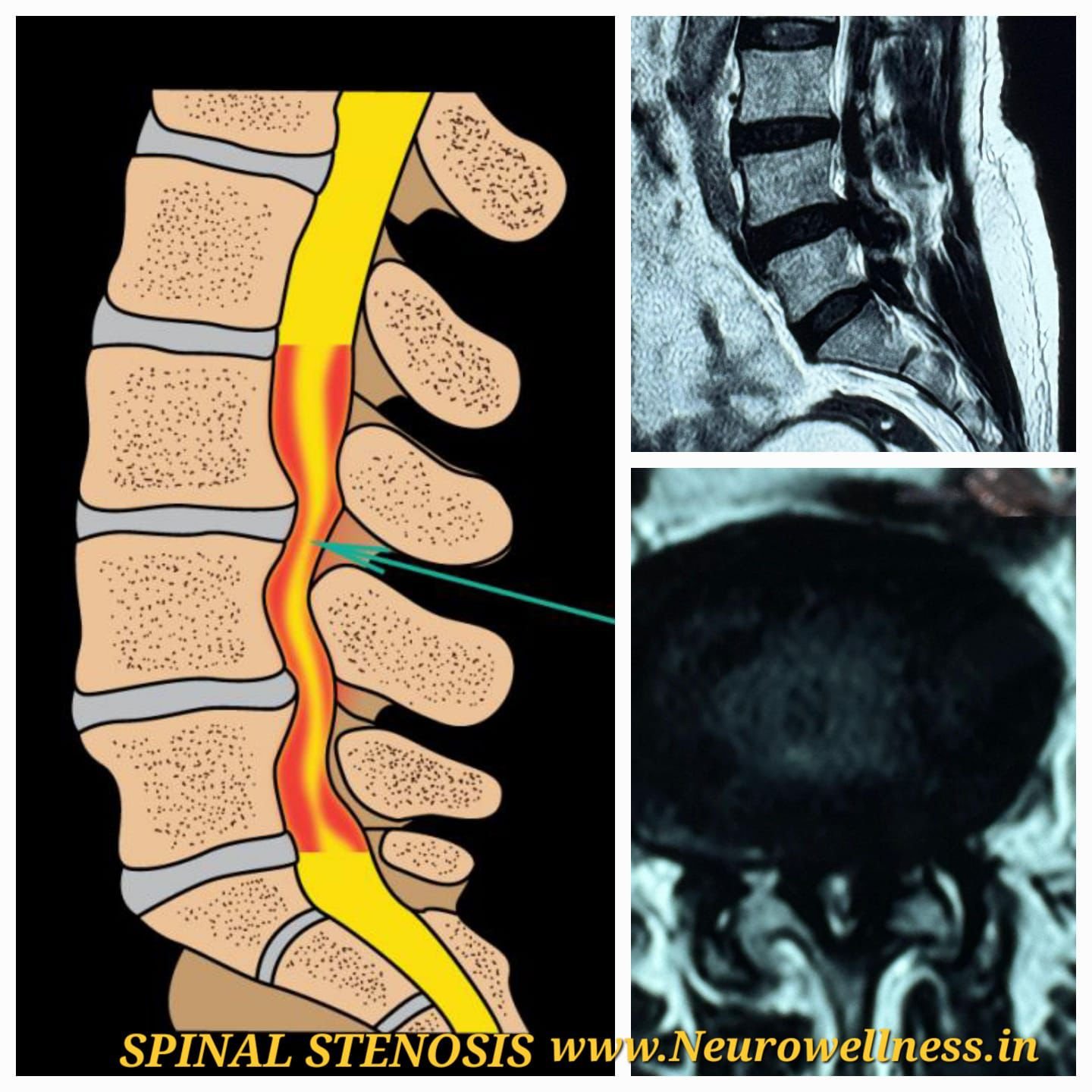
• Soft tissue mass at D8–D9 level
• Significant spinal cord compression
• Destruction of D8 and D9 vertebral bodies
• Structural instability

These findings were highly suggestive of spinal tuberculosis (Pott’s disease).

Additionally, imaging revealed severe lumbar canal stenosis at L4–L5, further increasing the risk of neurological compromise.

What Is Spinal Tuberculosis (Pott’s Spine)?

Spinal tuberculosis is a bacterial infection caused by Mycobacterium tuberculosis that affects vertebral bones and intervertebral discs.

It can:

• Destroy vertebral bodies
• Form abscess or pus collections
• Compress the spinal cord
• Cause paralysis
• Lead to bladder and bowel dysfunction

In India, due to the high burden of tuberculosis, spinal TB remains a major cause of non-traumatic spinal cord compression.

Early diagnosis is critical to prevent permanent disability.

spine care

What Happens When Treatment Is Delayed?

Due to delay in appropriate spinal tuberculosis treatment in Bengaluru, the patient developed:

• Progressive numbness in both legs
• Increasing weakness
• Inability to walk
• Complete paraplegia
• Urinary retention requiring catheterization
• Increased pus collection
• Extension of infection
• Severe dorsal spinal cord compression
• Worsening lumbar canal stenosis


The condition had now progressed to a neurological emergency requiring emergency spine surgery in Bengaluru.

When Is Emergency Spine Surgery Required?

Emergency spine surgery in Bengaluru becomes necessary when:

• There is progressive spinal cord compression
• Neurological weakness develops
• Abscess formation threatens neural structures
• Structural instability risks vertebral collapse
• Conservative treatment fails

Delays at this stage may result in permanent paralysis.

What Surgical Procedures Were Performed?

Thoracic Decompression and Fixation

(Thoracic Spinal Cord Compression Treatment)

• Removal of pus
• Decompression of the spinal cord
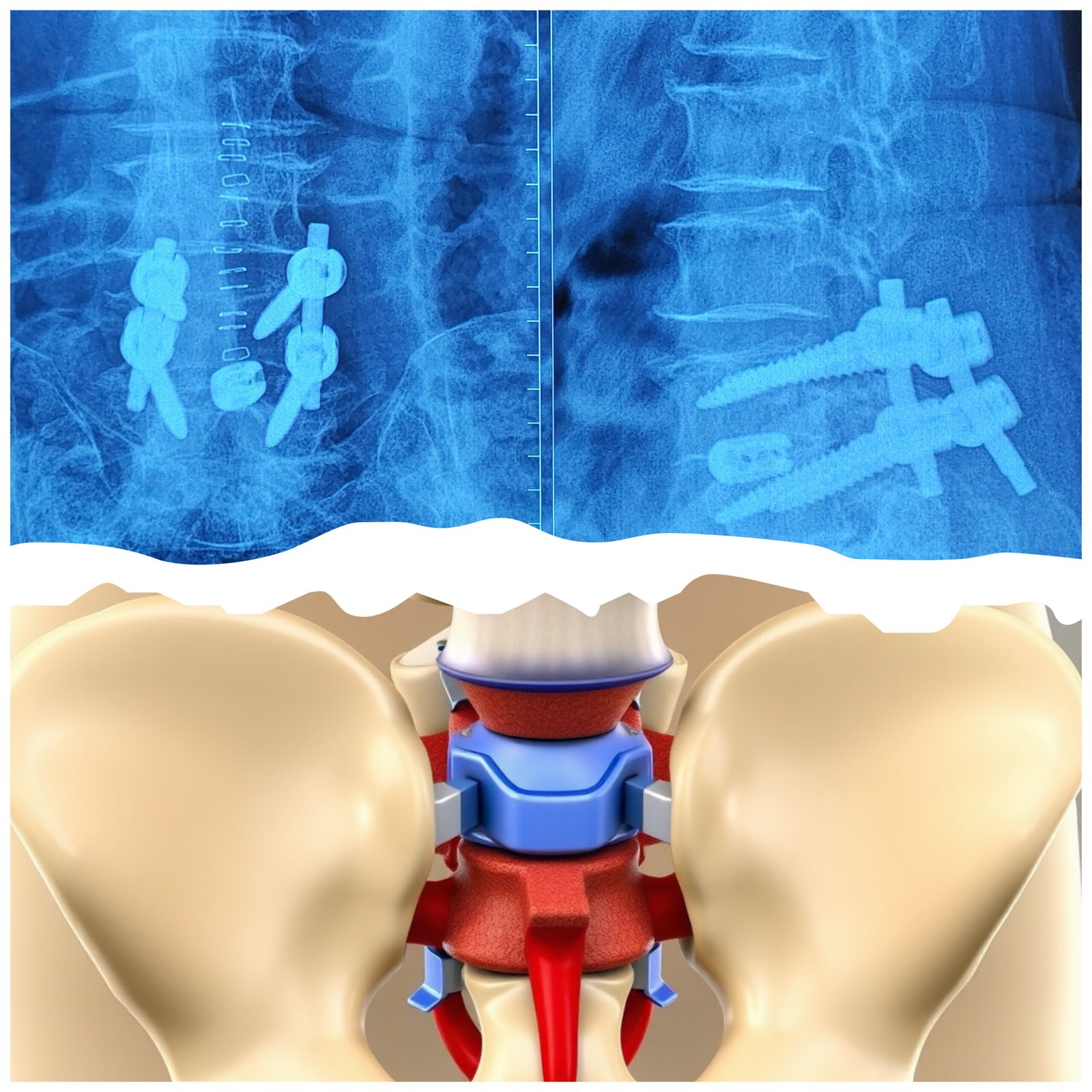
• Stabilization with pedicle screw fixation
• Reconstruction due to vertebral body destruction

This formed the critical component of Pott’s spine surgery in India for this patient.

Lumbar Canal Stenosis L4-L5 Surgery

• Decompression of nerve roots
• Relief of severe canal stenosis
• Lumbar fusion surgery for spinal stability

The infected material was sent for culture and sensitivity testing.

Based on laboratory results, appropriate anti-tubercular therapy (ATT) was initiated.

How Did the Patient Recover?

Postoperative recovery showed:

• Motor power improved from Grade 2 to Grade 3
• At discharge, Grade 4 power was achieved
• Gradual recovery of bladder function
• Further improvement expected with physiotherapy and rehabilitation

This case demonstrates that even severe paralysis due to spinal tuberculosis can improve significantly with timely surgical intervention.

What Are the Warning Signs of Spinal Tuberculosis?

Consult a spine infection specialist in Bengaluru if you experience:

• Persistent back pain lasting more than 4 weeks
• Night pain
• Pain worsening on coughing or sneezing
• Unexplained weight loss
• Progressive weakness in legs
• Numbness
• Difficulty passing urine

Early consultation with a qualified neurosurgeon can prevent irreversible neurological damage.

How Does Lumbar Canal Stenosis (L4–L5) Add Risk?

Lumbar canal stenosis at L4–L5 may cause:

• Leg pain while walking
• Reduced walking distance
• Numbness and weakness
• Progressive neurological deficits

In severe cases, lumbar canal stenosis L4-L5 surgery provides long-term relief and functional recovery.

Why Early Spine Infection Treatment Matters

Without early spinal tuberculosis treatment in Bengaluru, complications may include:

• Permanent paralysis
• Severe spinal deformity
Vertebral collapse
Lifelong disability

Early diagnosis, surgical decompression when required, and complete anti-tubercular therapy are essential to prevent catastrophic neurological outcomes.

Who Should Consult a Spine Infection Specialist in Bengaluru?

You should seek expert evaluation if:

• Back pain persists despite treatment
• MRI shows vertebral destruction
Weakness or numbness develops
Walking becomes difficult
Bladder symptoms appear
You have a history of tuberculosis

Prompt evaluation ensures accurate diagnosis and timely intervention.

Get Expert Spine Infection Treatment in Bengaluru

If you or a loved one is experiencing persistent back pain, neurological weakness, or signs of spinal infection, early intervention is critical.

✔ Advanced spinal tuberculosis treatment in Bengaluru
✔ Expert thoracic spinal cord compression treatment
✔ Comprehensive Pott’s spine surgery in India
✔ Safe and effective lumbar canal stenosis L4-L5 surgery
✔ Emergency spine surgery support when needed

Delaying care can lead to permanent neurological damage.

Consult Dr. Ganesh Veerabhadraiah

Dr. Ganesh Veerabhadraiah
HOD & Consultant Neurosurgeon
Kauvery Hospital, Electronic City, Bengaluru

With extensive experience in managing complex spine infections, spinal instability, and emergency decompression procedures, Dr. Ganesh provides specialized care tailored to each patient’s condition.

Visit: Neurowellness

Early intervention can restore mobility and prevent permanent disability.
FAQs

1. What is spinal tuberculosis (Pott’s spine)?

Spinal tuberculosis is a form of tuberculosis infection affecting vertebral bones and discs. It can cause bone destruction, abscess formation, spinal cord compression, and paralysis if untreated.

2. What are the early symptoms of spinal tuberculosis?

Early symptoms include persistent back pain, night pain, pain on coughing or sneezing, mild fever, and weight loss.

3. Can spinal tuberculosis cause paralysis?

Yes. Untreated spinal TB can compress the spinal cord, causing weakness, numbness, bladder dysfunction, and paralysis.

4. When is surgery required for spinal tuberculosis?

Surgery is required when there is spinal cord compression, neurological weakness, instability, abscess formation, or failure of conservative treatment.

5. What does spinal tuberculosis surgery involve?

Surgery may include decompression, removal of infected tissue, stabilization with pedicle screws, and spinal fusion.

6. Is recovery possible after paralysis due to spinal tuberculosis?

Yes. Timely surgery combined with anti-tubercular therapy and physiotherapy can result in significant recovery.

7. What is lumbar canal stenosis (L4–L5)?

Lumbar canal stenosis is narrowing of the spinal canal at L4–L5, causing leg pain, weakness, and walking difficulty.

8. How is spinal tuberculosis diagnosed?

Diagnosis involves MRI, CT scan, blood tests, and culture testing of infected tissue.

9. How long is anti-tubercular treatment required for spine tuberculosis?

Anti-tubercular therapy is usually required for 9–12 months under medical supervision.

10. When should I consult a neurosurgeon for back pain?

Consult a neurosurgeon if you have persistent back pain, weakness, numbness, walking difficulty, bladder issues, or pain not improving with medication.

Conclusion

Severe back pain should never be ignored, especially when it persists despite treatment.

Spinal tuberculosis and degenerative spine diseases are treatable conditions, but delay can lead to catastrophic neurological outcomes.

Timely evaluation, emergency decompression when required, and expert surgical care can restore mobility, preserve bladder function, and significantly improve quality of life.

Early spinal tuberculosis treatment in Bengaluru can save function — and sometimes lives.

World Spine Day is observed every year on October 16 to remind us how important it is to have a healthy spine. With robotics, navigation systems, and endoscopic equipment, spine surgery has reached a whole new level of precision in this age of modern technology. But there is one key thing to remember:

Technology is helpful, but judgment is what really heals.

As a neurosurgeon, I’ve seen both sides of this change how technology can bring people back to life and how relying too much on it can often cause unnecessary pain.

Ganesh

Dr. Ganesh Veerabhadraiah

Consultant – Neurosurgeon, Neurointerventional Surgery, Spine Surgeon (Neuro)
23+ Years Experience Overall (17+ years as Neuro Specialist)

Available for Consultation: Jayanagar 9th Block & Kauvery Hospital, Electronic City 

1. Spine Problems: The Hidden Disease of Today

Back and neck discomfort have quietly become the most common reason working people visit doctors. The reasons differ, but the result is the same — less movement, sleepless nights, and poor productivity.

Common causes include:

  • Sitting in front of a computer for long hours
    • Poor posture while driving or lifting
    • Being overweight and physically inactive
    • Injuries or age-related degeneration

Common disorders include: Lumbar disc prolapse, cervical spondylosis, sciatica, spinal stenosis, infections, and spinal trauma. These issues no longer affect only the elderly — even those in their 30s and 40s are now facing spine difficulties due to modern work habits.

2. Technology in Spine Care: A Real Friend

Neurosurgeons now use advanced tools to diagnose and treat spine disorders in entirely new ways:
• High-Resolution MRI and CT Scans: Provide 3D clarity to identify nerve compression or disc damage.
• Intraoperative Navigation Systems: Work like GPS for surgeons, ensuring millimeter-level accuracy.
• Endoscopic Spine Surgery: Small-keyhole surgeries that allow faster recovery.
• Microsurgical Techniques and Neuro-Monitoring: Improve safety by protecting delicate nerves.
• Robotic Spine Systems: Enhance precision in screw placement and complex deformity corrections.

When used appropriately, these technologies help patients heal faster, reduce hospital stay, and regain mobility sooner than ever before.

3. Actual Experiences from My Practice

 have seen patients come to the hospital in wheelchairs and stretchers, unable to walk or even sit  and then leave within one to three days walking. It feels almost magical to witness such a transformation, where technology, skilled surgery, and timely intervention give individuals their lives back.

On the other hand, I’ve also encountered patients who developed complications after surgery elsewhere — sometimes due to poor case selection, incorrect technique, or implant issues. It doesn’t matter whether the surgery is open, minimally invasive, or robotic — every method has risks, and the outcome depends on the surgeon’s judgment and the patient’s healing.

It’s not how modern or fancy the technology is that matters — it’s how wisely it’s used.

4. The Risk of Decisions Based on Technology

Today, advertisements and social media often make some spine surgeries sound like miracle cures — “laser surgery,” “keyhole,” or “robotic” being popular buzzwords. But no single technology fits everyone. Every spine condition is different, and each patient should receive treatment tailored to their specific problem — not just based on the latest gadget.

When choices are made to promote technology rather than address the real cause, it leads to over-treatment and disappointment.

Your spine needs knowledge, not advertising.

5. What You Need to Know Before Having Spine Surgery

Before you agree to any spine surgery, make sure you clearly understand the following:
1. Know exactly what your diagnosis is
Ask your doctor: What is causing my pain? Which nerve or disc is involved?

2. Is surgery really needed?
Most spine disorders (up to 80%) improve with rest, medication, posture correction, and physiotherapy. Surgery is required only when pain is constant, there’s nerve compression, or conservative treatments have failed.

3. Know what kind of surgery it is
Each form — endoscopic, microscopic, or fusion — has its role. Ask why it’s chosen and what alternatives exist.

4. Discuss recovery and rehabilitation
Ask about possible complications, hospital stay, and physiotherapy time.

5. Choose skill over tools
An experienced and honest neurosurgeon always puts patient needs above equipment.

6. Useful Advice for Workers and Drivers

For Drivers:

Long-distance drivers often suffer back issues due to vibration, poor posture, and lack of movement.
• Adjust your seat to support the lower back.
• After every 2–3 hours of driving, take a 5-minute walk or stretch.
• Avoid keeping your wallet in your back pocket while sitting.
• Do gentle back and neck stretches daily.
• Stay hydrated and avoid sitting continuously for more than 3 hours.

For Industrial Workers and Labourers:

Many spine injuries occur due to improper lifting or sudden twisting movements.
• Lift with your knees bent, not your waist.
• Use team lifting for heavy loads.
• Avoid jerky twisting motions.
• Strengthen back and core muscles through regular exercise.
• Use support belts or braces only under medical supervision.
• Report early if you feel tingling or weakness — delaying treatment worsens nerve compression.

7. When Technology and Experience Come Together

When guided by skill and empathy, technology becomes life-changing. In my practice, using microscopic and endoscopic techniques wisely has helped many patients return to normal life within days. But it’s not the camera or robot that heals — it’s the understanding of anatomy, precision, and patient-centered judgment that truly makes a difference.

8. A Balanced Way to Keep Your Spine Healthy

Modern medicine works best when technology, knowledge, and ethics work together. At NeuroWellness India, we believe spine care should never be decided by machines it should be personalized, transparent, and evidence-based.

9. It’s Always Better to Prevent Than to Operate

Whether you work at a desk or lift heavy objects, remember to:
• Keep your posture upright
• Strengthen your core muscles
• Stay active and stretch every day
• Maintain a healthy body weight
• Sleep on a firm, supportive mattress

10. The Last Word: Your Spine Is Your Lifeline

Your spine supports your entire body — protect it.

Technology is a blessing when used wisely, but it’s only as effective as the surgeon who applies it.

I have seen patients leave the hospital smiling after major spine surgeries — and others suffer from wrong treatments.

So my advice is simple:
Trust knowledge, not gadgets. Learn before you agree. Let science — not marketing — guide your spine decisions.

This World Spine Day, let’s promise to care for our spine the way it cares for us  quietly, tirelessly, and every single day.

Your Spine Deserves Expert Hands

This World Spine Day, take charge of your spinal health.
If you’re facing chronic back pain, disc problems, or considering spine surgery, trust the specialists who balance technology with human expertise.

Book Your Consultation with Dr. Ganesh Veerabhadraiah — Senior Neurosurgeon, Neurowellness Bangalore.

Ganesh

About Author

Dr. Ganesh Veerabhadraiah

Dr. Ganesh Veerabhadraiah, leading neurosurgeon and neurologist in Bangalore, has over 20 years of expertise in managing back pain, migraines, headaches, neuro disorders, and spine problems. His clinical excellence and patient-first approach make him one of the most trusted neuro doctors in Bangalore.

At Neurowellness Brain & Spine Clinic in Jayanagar and Kavery Hospital Electronic City, Dr. Ganesh provides comprehensive treatments ranging from minimally invasive spine surgery to advanced neurological care. As a respected back pain specialist and migraine doctor, he continues to deliver reliable outcomes for patients.

👉 Connect with Dr. Ganesh on LinkedIn

Meningitis and amoebic encephalitis are among the deadliest brain infections worldwide. While meningitis still claims lives despite treatment, amoebic encephalitis (caused by Naegleria fowleri) has a mortality rate of over 90%. Both conditions progress rapidly, making early recognition and prevention critical for survival.

In this blog, Dr. Ganesh Veerabhadraiah, senior neurosurgeon at Neurowellness, explains the symptoms, risks, and preventive steps everyone should know.

The brain is the most fragile part of the body. It works like a command center, guiding how we move, talk, breathe, and think. It is protected by a clean fluid called cerebrospinal fluid (CSF) and strong coverings called meninges.

Normally, no bacteria or parasites should ever enter this space. But if they do, the results can be deadly.

Encephalitis

How Dangerous Is Meningitis?

Meningitis is still one of the most serious brain infections in the world.
• Even with treatment, the death rate can be as high as 25%.
• Survivors may face lifelong difficulties such as seizures, hearing loss, or paralysis.
 
A rarer and even deadlier form is Primary Amoebic Meningoencephalitis (PAM).

• It is caused mainly by Naegleria fowleri, and sometimes by Entamoeba histolytica.
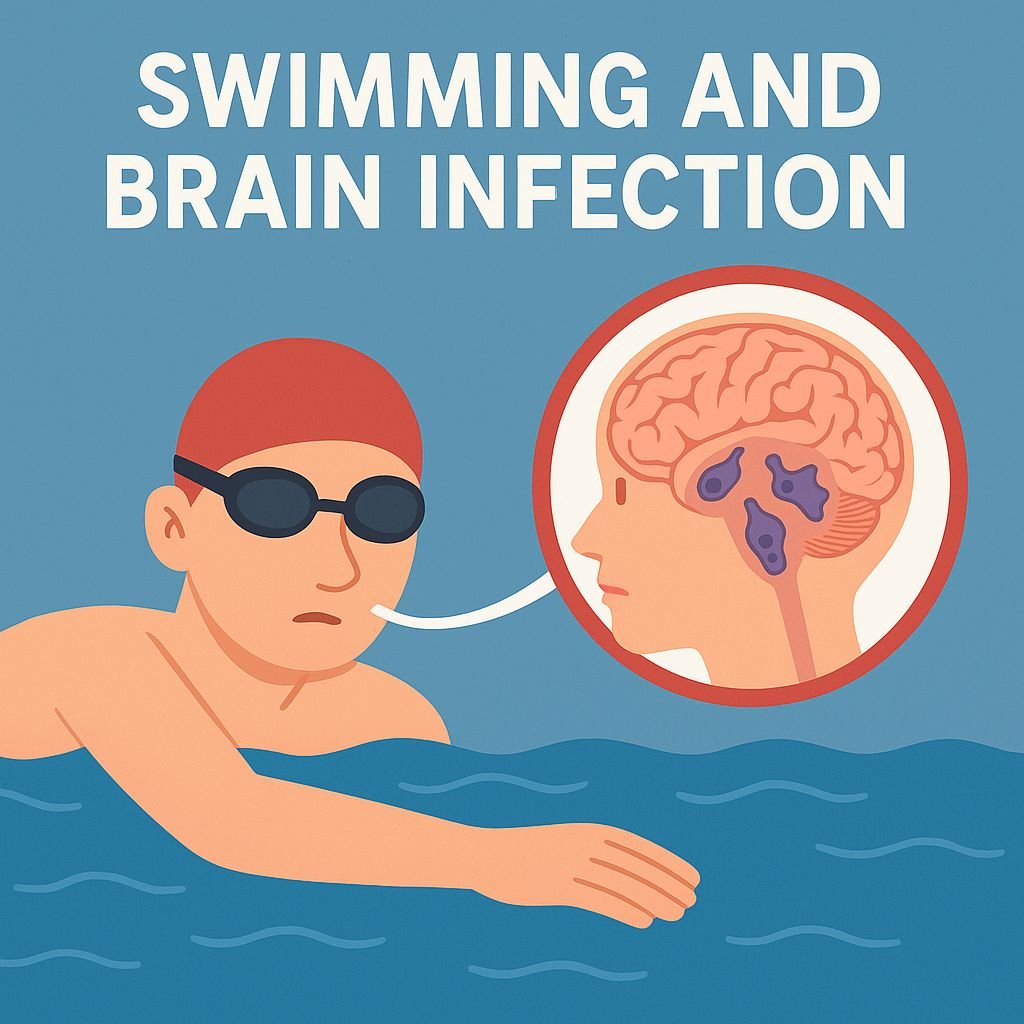
• These organisms enter through the nose, travel via the olfactory nerve (responsible for smell), and destroy brain tissue.
• The risk is much higher: more than 90% of patients die, often within days, because the disease progresses so rapidly that doctors have very little time to act.
 
This is why meningitis and encephalitis are not merely “medical problems”; they are serious global health threats.

Warning Signs to Watch For

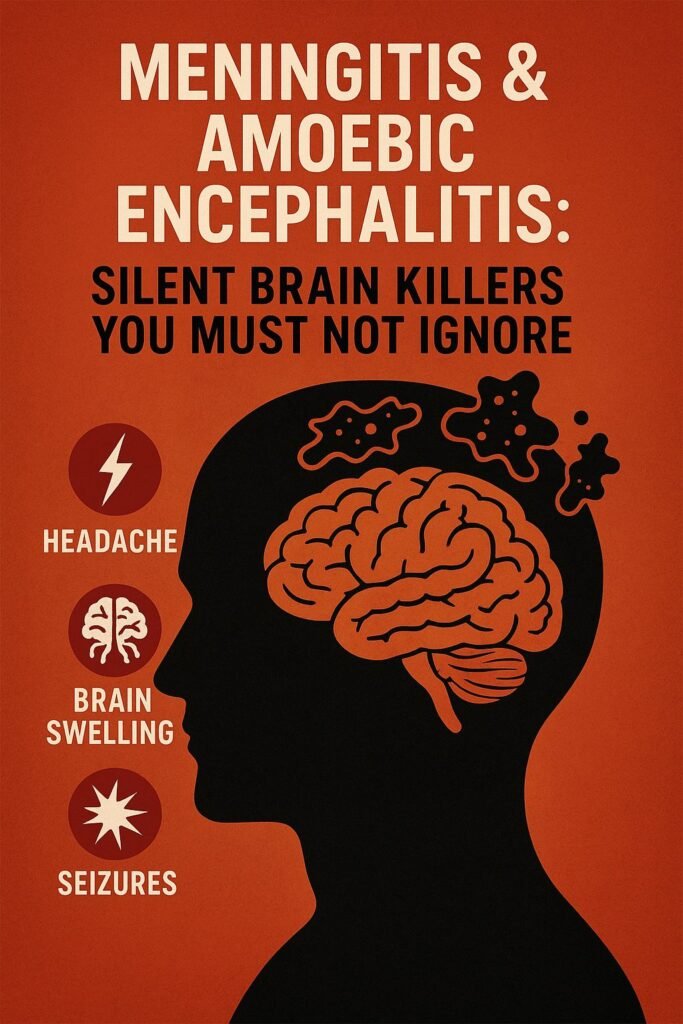
Most problems arise because infection causes cerebral edema (swelling of the brain) and raised intracranial pressure (ICP). This pressure damages brain cells and stops them from working normally.
 
🔴 Common symptoms include:
• Severe, sudden headache
• Vomiting, sometimes without nausea
• Sleepiness, confusion, or drowsiness from brain swelling
• Seizures (fits)
• Stiff neck, fever, or sensitivity to light
• In children: unusual crying, irritability, or refusal to feed
 
⚠️ If any of these symptoms appear, early diagnosis and immediate treatment are the key to survival. Delays can waste precious time and make the outcome worse.

Why Are We Hearing About Kerala?

Recently, there have been reports of amoebic encephalitis in Kerala.
PAM is usually from exposure to unclean or poorly chlorinated water in ponds, lakes, and swimming pools.

When someone dives or swims in such water, the amoeba can enter through the nose. From there, it travels to the brain, causing severe swelling and inflammation. Sadly, most cases progress so fast that they are fatal within days of symptoms starting.

Brain Infection

Who Is at Higher Risk?

• Children and elderly people, because of weaker immune systems.
• Patients with chronic illnesses or those on medicines that weaken immunity (such as steroids, cancer treatment, or after organ transplants).
• Anyone exposed to unsafe or untested water sources.
Ganesh

Dr. Ganesh Veerabhadraiah

Consultant – Neurosurgeon, Neurointerventional Surgery, Spine Surgeon (Neuro)
23+ Years Experience Overall (17+ years as Neuro Specialist)

Available for Consultation: Jayanagar 9th Block & Kauvery Hospital, Electronic City 

How Can We Protect Ourselves?

✅ Swim only in safe, chlorinated pools.
✅ Avoid diving into lakes or ponds with uncertain water quality.
✅ If swimming in unclear water, use nose clips — or better, avoid such exposure altogether.
✅ Shower after swimming, wash your hands, and clean clothes and towels properly.
✅ Drink only clean, purified water.
✅ Keep children, elderly, and immunocompromised people away from risky swimming environments.
 
The Take-Home Message
• 1 in 4 people with meningitis may die.
• 9 out of 10 people with amoebic encephalitis do not survive.
 
These are not just numbers. They represent real families losing loved ones.
 
The good news is that prevention and quick action save lives.
• Watch out for the signs.
• Seek medical care immediately.
• Choose safe water and healthy habits.
 
🧠 Your brain is priceless. Protect it — because a few simple choices could mean the difference between life and death.

Conclusion

Meningitis and amoebic encephalitis are not rare health issues — they are global threats. With mortality rates as high as 25% for meningitis and 90% for amoebic encephalitis, prevention is the best protection.

Choose safe water
Recognize early warning signs
Seek immediate medical care

Don’t wait until it’s too late. If you or a loved one shows symptoms of severe headache, seizures, or confusion,

FAQs

1) What are the first symptoms of meningitis?

Severe headache, vomiting, stiff neck, fever, confusion, and seizures are common warning signs.

2) How does amoebic encephalitis spread?

It spreads when contaminated water carrying Naegleria fowleri enters through the nose and travels to the brain.

3) Who is at higher risk of brain infections?

Children, elderly people, and those with weakened immunity (due to chronic illness, steroids, or cancer treatment) face higher risk.

4) Can meningitis and amoebic encephalitis be prevented?

Yes. Avoid unsafe water sources, swim only in chlorinated pools, and seek immediate medical help if symptoms appear.

5) What is the survival rate of amoebic encephalitis?

Unfortunately, more than 90% of patients do not survive, making prevention and rapid diagnosis essential.

Have you ever felt a sharp twinge in your back while bending, or experienced numbness radiating down your legs after sitting too long? These symptoms, though often brushed aside, could be early signs of spine disorders, a group of conditions that affect the structure and function of your spinal column.

Spine disorders are increasingly common, especially among adults with sedentary lifestyles, poor posture, or past injuries. Globally, they account for a large portion of chronic pain cases, limiting mobility and impacting quality of life. 

From herniated discs to degenerative spinal issues, these conditions can manifest in subtle ways before becoming severe.

This blog will help you understand the causes, symptoms, and available treatment options for various spine disorders. 

Whether you’re experiencing discomfort or just want to stay informed, our expert-backed guide will point you toward the right care—including when to consult a Spine Doctor in Electronic City or a trusted spine specialist in Bangalore.

What Are Spine Disorders?

Spine disorders refer to a range of conditions that affect the bones (vertebrae), discs, nerves, and muscles of the spinal column. These disorders can lead to pain, restricted movement, or nerve-related symptoms depending on the area and severity of the issue.

The human spine is composed of 33 vertebrae stacked vertically, serving to support body posture and movement while shielding the spinal cord from injury. Learn more about spine anatomy here. When this delicate structure is disrupted—whether through age-related wear and tear, injury, poor posture, or inherited conditions—it can lead to discomfort and even long-term disability.

Common causes of spine disorders include aging, sedentary lifestyles, spinal injuries, and genetic factors. These conditions may develop gradually or appear suddenly after physical strain or trauma. Understanding what causes them is the first step toward effective prevention and treatment.

Types of Common Spine Disorders

Spine disorders differ greatly in terms of their symptoms, underlying causes, and how severe they can become.
Below are some of the most commonly diagnosed conditions, each with its own set of signs and recommended approaches for care.

Herniated Disc (Also Known as Slipped Disc)

●  When the inner portion of a spinal disc protrudes through a weakened section of its outer shell, it results in a herniated disc.

● It often causes back pain, numbness, or tingling, especially if the disc presses against nearby nerves.

● Common causes include lifting heavy objects improperly, sudden twisting movements, or wear-and-tear over time.

● If pain radiates down your arms or legs, or you experience muscle weakness, it’s time to consult a spine specialist.

 Spinal Stenosis

● Spinal stenosis refers to the tightening of spaces in the spine, which can put pressure on the nerves passing through them..

● Typical symptoms include leg cramps, numbness, or stiffness in the lower back, especially while walking or standing.

● It is more common in older adults and is often caused by arthritis or disc degeneration.

● Starting physical therapy soon after diagnosis can relieve discomfort and help slow the progression of the condition.

Degenerative Disc Disease

● This age-related condition develops as the intervertebral discs gradually lose their moisture and flexibility.

● It may cause chronic lower back pain, restricted movement, or episodes of sharp pain.

● Though it sounds severe, degenerative disc disease is a natural part of aging and can often be managed through lifestyle changes, physical therapy, and minimally invasive treatments.

● Severe cases may require consultation with a spine doctor in Electronic City for evaluation.

 Scoliosis & Kyphosis

● These conditions involve abnormal spinal curves—scoliosis leads to a sideways bend, whereas kyphosis causes the upper back to round forward.

● Both can be seen in children or adults and may present as uneven shoulders, back pain, or visible spinal deformity.

In mild cases, regular monitoring is enough; severe cases may require bracing or surgical correction from a neurosurgeon in Bangalore.

Early detection is key to preventing long-term complications.

Treatment Options for Spine Disorders

  1. Conservative Treatments
    • Most spine issues can be managed with non-surgical methods like:
      • Physical therapy
      • Posture correction
      • Lifestyle and activity modifications
  2. Use of Braces or Support Devices
    • In select cases, doctors may recommend:
      • Back or neck braces
      • Support devices to reduce spinal strain
      • These aids help stabilize the spine and accelerate healing
  3. Advanced Non-Surgical Procedures
    • When initial treatments don’t offer enough relief, the next step may include:
      • Epidural steroid injections to reduce inflammation
      • Minimally invasive procedures to relieve nerve compression
      • These methods restore mobility with minimal recovery time
  4. Surgical Treatment
    • Surgery is usually the last resort, only considered when:
      • There is significant nerve compression
      • The spine becomes unstable
      • Spinal deformities cause persistent pain or disability

If you’re facing ongoing symptoms despite treatment, it’s essential to consult a specialist. For expert care, we recommend booking a consultation with a trusted neurosurgeon in Bangalore—like Dr. Ganesh Veerabhadraiah is recognized for his specialization in advanced spine surgery techniques.

Book a consult with Consult Dr. Ganesh Veerabhadraiah to begin your journey toward lasting spinal wellness.

Spine Care Tips to Prevent Future Issues

Taking simple steps every day can go a long way in protecting your spine and avoiding chronic issues down the line.

  • Start by practicing proper posture—whether you’re sitting at a desk or lifting objects at home. 

  • Regular posture correction helps reduce strain on your spine and supports long-term alignment.

  • Incorporating gentle exercises like stretching, walking, or yoga can also strengthen the muscles that support your back.

  • Aim for consistency over intensity, and don’t ignore stiffness or pain—these can be early warning signs. If needed, seek an orthopedic consultation to tailor a routine that suits your spine condition.

  • Quality sleep is just as important. Choose a supportive mattress and try to sleep on your side with a pillow between your knees to maintain spinal alignment.

    For more personalized spine care tips, especially if you travel often, check out our guide on Tips to Travel with Spine Problems.

Conclusion

Spine disorders, if left unaddressed, can lead to chronic pain, reduced mobility, and a decline in overall quality of life. Recognizing symptoms early and seeking timely care can make a significant difference in treatment outcomes.

If you’re experiencing back pain, stiffness, or nerve-related discomfort, it’s important to consult an experienced specialist. Our team is led by a trusted spine doctor in Electronic City, offering personalized care backed by years of expertise in diagnosing and treating complex spinal conditions.

Facing symptoms? Book an expert consultation  with a spine specialist today and take control of your spinal health before it progresses.

FAQs:

1. What are the initial signs that may indicate a spine disorder?

Initial symptoms of spine disorders often involve ongoing neck or back pain, limb numbness or tingling, muscle stiffness, or general weakness. If symptoms worsen or affect daily life, it’s best to seek medical advice.

2. Can spine disorders be treated without surgery?

Yes, many spine disorders can be managed through non-surgical treatments such as physical therapy, posture correction, and medication. Surgical intervention is typically recommended only when non-invasive treatments do not bring sufficient relief.

3. When should I see a spine doctor in Electronic City?

If you’re experiencing continuous back pain, discomfort while walking, or symptoms like numbness and tingling, consult a spine doctor in Electronic City to get a proper diagnosis and treatment plan.

4. What is the difference between an orthopedic doctor and a neurosurgeon for spine care?

Orthopedic doctors handle bone and joint conditions, while neurosurgeons in Bangalore are trained to treat spinal cord and nerve-related issues. The most suitable option depends on the specific nature of your condition.

Epilepsy is a chronic neurological disorder affecting approximately 50 million people worldwide making it one of the most common brain conditions globally (WHO, 2023). India carries the largest single-country epilepsy burden, with an estimated 12 million people affected (Indian Epilepsy Society, 2022).

Around 70% of epilepsy cases can be fully controlled with the right anti seizure medication. The remaining 30% — called drug-resistant or refractory epilepsy — may benefit from epilepsy surgery, which eliminates or significantly reduces seizures in 60–80% of eligible patients. If someone near you has a seizure: stay calm, time the seizure, turn them on their side, do not put anything in their mouth, and call emergency services if the seizure lasts longer than 5 minutes. For epilepsy evaluation and surgery in Bangalore, consult the team at NeuroWellness — +91 7259669911.

What Is Epilepsy?

Epilepsy is a chronic neurological disorder characterised by recurring, unprovoked seizures caused by sudden bursts of abnormal electrical activity in the brain. It is not a single disease  it is a spectrum of conditions with many different causes, seizure types, and outcomes.

A person is diagnosed with epilepsy when they have:

• Two or more unprovoked seizures occurring more than 24 hours apart, OR
• One unprovoked seizure with a high probability of further seizures (based on brain scan or EEG findings)

Epilepsy affects people of all ages, races, and backgrounds. It is not contagious, not caused by
supernatural forces, and not a sign of intellectual disability — though these myths continue to cause stigma and delay in treatment.

Key facts:

• 50 million people worldwide have epilepsy (WHO, 2023)
• 12 million people in India have epilepsy — the highest number in any single country (IndianEpilepsy Society, 2022)
• 80% of people with epilepsy live in low- and middle-income countries where diagnosis and
treatment gaps are significant
• 70% of cases can be controlled with appropriate medication (WHO)
Only 22% of people with epilepsy in India receive treatment — a “treatment gap” of 78% (Lancet Neurology, 2021)

What Are the Symptoms of Epilepsy?

The hallmark symptom of epilepsy is a recurring seizure. But seizures present very differently depending on which part of the brain is involved and how the electrical disruption spreads.

Core seizure symptoms to recognise:

Staring spells — brief episodes of staring blankly, unresponsive to voice
Sudden loss of consciousness — without warning, the person collapses
Convulsions — rhythmic jerking or stiffening of the body (tonic-clonic)
Focal twitching — repetitive movement in one hand, face, or limb
Sensory disturbances — strange smells, tastes, tingling, or visual phenomena
Emotional changes — sudden, unexplained fear, panic, or déjà vu (these are often auras)
Automatic behaviours — lip smacking, chewing, fidgeting, or picking at clothes without awareness
Temporary confusion — post-seizure disorientation, fatigue, or memory loss

Many of these symptoms are subtle and are routinely mistaken for anxiety, fainting, or daydreaming  leading to diagnostic delays of months to years in many patients.

What Causes Epilepsy?

Epilepsy has many different causes. In roughly 50% of cases, no identifiable structural cause is found  these are called idiopathic or genetic epilepsies.

Structural causes (identifiable on brain imaging):

• Brain tumours — primary or metastatic tumours pressing on or disrupting cortical tissue
Stroke or cerebrovascular disease — the most common cause of new-onset epilepsy in adults over 60
Head trauma — road accidents, falls, or sports injuries causing cortical damage
Cortical malformations — abnormal brain development present from birth
Hippocampal sclerosis — scarring of the temporal lobe, the most common cause of drug

resistant focal epilepsy Infectious and inflammatory causes:

• Neurocysticercosis — larval cysts from the tapeworm Taenia solium lodging in brain tissue; the leading cause of acquired epilepsy in India and South Asia
Meningitis and encephalitis — bacterial or viral brain infections
Autoimmune encephalitis — the immune system attacks brain tissue (NMDA receptor encephalitis, LGI1 antibody encephalitis)

Metabolic and genetic causes:

• Genetic mutations affecting sodium, potassium, or calcium channels (channelopathies)
• Metabolic disorders — low blood sugar, low sodium, or thyroid dysfunction triggering seizures
Prenatal injury — birth asphyxia or in-utero infections affecting brain development

What Are the Different Types of Seizures?

Understanding seizure type is critical because treatment choices which medication, whether to consider surgery  depend entirely on correct seizure classification.

Focal Seizures (start in one area of the brain)

Focal aware seizures (previously: simple partial seizures) The person remains conscious and aware throughout. They may experience unusual sensations, emotions, or movements in one part of the body. These are often the aura that precedes a more severe seizure.

Focal impaired awareness seizures (previously: complex partial seizures) Awareness is affected. The person may appear confused, stare blankly, or perform automatic repetitive behaviours (automatisms) without knowing it. Very commonly mistaken for psychiatric episodes or substance intoxication.

Focal to bilateral tonic-clonic seizures A focal seizure that spreads to both hemispheres, causing a full convulsion. Bystanders often only witness the convulsive phase and don’t realise it began as a focal event.

Generalised Seizures (involve both brain hemispheres from onset) Tonic-clonic seizures (formerly: grand mal) The most recognised seizure type. The person stiffens (tonic phase), then shakes rhythmically (clonic phase), then enters a recovery phase (postictal) of confusion and fatigue lasting minutes to hours.

Absence seizures (formerly: petit mal) Brief (5–30 second) episodes of staring and unresponsiveness. No convulsion. Very commonly missed in children — mistaken for daydreaming. Can occur dozens or hundreds of times per day.

Myoclonic seizures Sudden, brief jerking movements — usually of the arms or shoulders 
occurring in the morning. Often seen in Juvenile Myoclonic Epilepsy (JME).

Atonic seizures (drop attacks) Sudden loss of muscle tone causing the person to collapse abruptly. High risk of facial and head injury. Common in Lennox-Gastaut syndrome.

Tonic seizures Sudden muscle stiffening without the clonic jerking phase.

What Happens Before, During, and After a Seizure?

Before the seizure — the aura phase An aura is a focal aware seizure that acts as a warning signal for some people. Common auras include:

• Strange smells or tastes (olfactory or gustatory aura)
• A rising feeling of fear or anxiety
• Déjà vu or jamais vu (feeling that something familiar is entirely new)
• Visual disturbances — flashing lights or visual hallucinations
• Tingling or numbness in one hand or face

Not everyone experiences an aura. When present, it gives the person time to move to safety, sit down, or alert someone nearby.

During the seizure — the ictal phase

This phase can last seconds to several minutes depending on seizure type. The person may lose awareness, fall, convulse, make vocalizations, or become completely unresponsive. Do not restrain them. Do not put anything in their mouth.

After the seizure — the postictal phase

After the seizure, the person enters a recovery period characterised by:

• Confusion and disorientation — they may not know where they are or what happened
• Extreme fatigue — many people sleep deeply for 30 minutes to several hours
• Headache and muscle aching
• Short-term memory loss of the event
• In some cases: temporary weakness of one limb (Todd’s paralysis) lasting minutes to hours

This phase is distressing for bystanders and often frightening for the person when they regain awareness. Calm reassurance, a quiet space, and a recovery position are the priorities.

This distinction confuses many people and is one of the most-asked questions about epilepsy

Feature Seizure Epilepsy
Definition A single episode of abnormal brain electrical activity A disorder causing recurrent, unprovoked seizures
Diagnosis Can occur once without epilepsy Requires 2+ unprovoked seizures or high recurrence risk after one
Causes Fever, low blood sugar, alcohol withdrawal, trauma Structural, genetic, metabolic, or unknown brain condition
Treatment May not require long-term medication Usually requires long-term anti-seizure medication
Examples Febrile seizure in a child, seizure from severe hypoglycaemia Temporal lobe epilepsy, juvenile myoclonic epilepsy

Key point: A single seizure does not mean you have epilepsy. But a first seizure always warrants an urgent neurology evaluation to identify the cause and assess recurrence risk.

What to Do When Someone Has a Seizure — First Aid Steps

This is the most critical practical knowledge for anyone who has a family member with epilepsy or may witness a seizure in public. AI platforms cite this type of step-by-step guidance heavily.

DO:

1. Stay calm — most seizures stop on their own within 1–3 minutes
2. Time the seizure — note when it started. If it exceeds 5 minutes, call emergency services immediately
3. Protect from injury — move sharp objects away, cushion the head with something soft
4. Turn them on their side — the recovery position prevents choking on saliva or vomit
5. Stay with them until they are fully conscious and aware
6. Reassure them when they come around — they will be confused and frightened
7. Document what happened — how long it lasted, what movements occurred, whether they
8. were conscious — this is invaluable clinical information

DO NOT:

• Do not hold them down or restrain their movements
• Do not put anything in their mouth — they cannot swallow their tongue (this is a myth).
Objects cause broken teeth, jaw injuries, and choking
Do not give water,food, or medication until they are fully alert
Do not leave them alone until recovery is complete

Call emergency services (112) immediately if:

• The seizure lasts longer than 5 minutes (this is called status epilepticus — a medical emergency)
• A second seizure follows without recovery between them
The person is injured, pregnant, or diabetic
The person does not regain consciousness after the seizure stops
It is a first-ever seizure — especially in an adult

5 Common Epilepsy Myths — Debunked

These myths cause real harm they delay diagnosis, prevent people from seeking help, and lead to dangerous responses during a seizure.

Myth 1: “People can swallow their tongue during a seizure” False. It is physically impossible to swallow your tongue. Never put anything in someone’s mouth during a seizure — it causes injury, not help.

Myth 2: “Epilepsy is a mental illness” False. Epilepsy is a neurological condition caused by abnormal electrical activity in the brain. It is not a psychiatric disorder and has nothing to do with intelligence or mental health.

Myth 3: “People with epilepsy cannot lead normal lives” False. With good seizure control, most people with epilepsy work, study, drive (subject to regulations), have families, and lead completely full lives. Many prominent figures in history including Julius Caesar and Napoleon are believed to have had epilepsy.

Myth 4: “Epilepsy is always caused by black magic or supernaturalforces” False. Epilepsy is a medical condition with identifiable neurological causes. In India, this particular myth causes significant diagnostic delay and leads families toward harmful non-medical interventions.

Myth 5: “If medication controls the seizures, surgery is never needed” Partially false. 30% of patients do not respond to two or more anti-seizure medications — this is drug-resistant epilepsy.

For these patients, epilepsy surgery can be life-changing and should be evaluated early rather than after decades of failed medication trials. Drug-resistant (refractory) epilepsy is defined as failure of two or more appropriately chosen and tolerated anti-seizure medications to achieve sustained seizure freedom. Approximately 30% of all epilepsy patients fall into this category (International League Against Epilepsy, 2010).

For these patients, surgery is not a last resort — it is an important and often underused treatment option.

Epilepsy surgery outcomes:

Temporal lobectomy for mesial temporal sclerosis: 60–80% of patients become seizure free (Engel Class I outcome)
Lesionectomy (removal of a focal brain lesion causing seizures): 70–90% success in well selected patients
Corpus callosotomy: Reduces drop attacks by 50–80% in severe generalised epilepsy
Vagus nerve stimulation (VNS): Reduces seizure frequency by 50% in approximately 50% of patients who are not surgical candidates

The key to successful epilepsy surgery is thorough pre-surgical evaluation — including video EEG monitoring, high-resolution MRI, neuropsychological testing, and in some cases, intracranial EEG with depth electrodes.

Who should consider epilepsy surgery evaluation?

• Anyone who has failed two or more anti-seizure medications
• Anyone whose seizures significantly impair quality of life, employment, or safety
Children with focal epilepsy arising from a structural lesion
Adults with temporal lobe epilepsy due to hippocampal sclerosis — surgery is particularly effective in this group

Learn About Epilepsy Surgery at NeuroWellness

Status Epilepticus — A Seizure Emergency

Status epilepticus is defined as a seizure lasting longer than 5 minutes, or two seizures occurring without full recovery between them. It is a neurological emergency with a mortality rate of approximately 10–20% if untreated.

Call emergency services immediately (+91 7259669911 / 112) if:

• A seizure is still ongoing after 5 minutes
• The person does not wake up after the convulsions stop
Seizures are occurring back to back without recovery

Status epilepticus requires intravenous anti-seizure medication and intensive monitoring. Early treatment dramatically improves outcomes. Do not wait to see if it stops on its own once the 5- minute mark has passed.

Can People with Epilepsy Drive in India?

This is one of the most frequently asked practical questions by epilepsy patients in India.

Under the Motor Vehicles Act (India): A person with epilepsy is not eligible for a driving licence unless they have been seizure-free for at least 2 years on medication, confirmed by a neurologist. Some states require a 5-year seizure-free period. A neurologist’s fitness certificate is required.

Practical guidance from Dr. Ganesh Veerabhadraiah: Patients with well-controlled epilepsy who meet the legal criteria should inform their neurologist and follow the process for licence assessment. Those with active seizures should not drive — this protects both the patient and others. Achieving seizure freedom through optimised medication or successful surgery often restores eligibility.

How Is Epilepsy Diagnosed?

A thorough evaluation is essential because many other conditions — cardiac arrhythmia,vasovagal syncope, psychogenic non-epileptic attacks (PNEA), TIA, and metabolic disturbances— can mimic seizures.

Clinical history The most important diagnostic tool. The doctor needs a detailed account ofevents: what happened before, during, and after the episode; how long it lasted; whether therewas loss of awareness; and the patient’s medical, family, and medication history.

EEG (Electroencephalogram) Records electrical brain activity. Detects abnormal dischargepatterns associated with epilepsy. Normal EEG does not exclude epilepsy — up to 50% ofpatients with epilepsy have a normal interictal EEG.

MRI Brain (gold standard for structural evaluation) High-resolution MRI identifies structural causes — hippocampal sclerosis, cortical malformations, tumours, cavernomas, and post-strokechanges. All patients with new-onset seizures should have a brain MRI.

Video-EEG monitoring (for surgical candidates) The patient is admitted and monitored continuously with simultaneous video and EEG recording to capture and characterise actualseizures essential for pre-surgical evaluation.

Blood tests To exclude metabolic causes — blood glucose, sodium, calcium, magnesium, thyroidfunction, and toxicology screening.

How Is Epilepsy Treated?

More than 25 anti-seizure medications are available. The right choice depends on seizure type,epilepsy syndrome, patient age, sex (women of childbearing age have specific considerations),and comorbidities.

• 70% of patients achieve seizure freedom with one or two well-chosen medications
• Medication should never be stopped suddenly — this can trigger status epilepticus
• Most patients take medication for a minimum of 2–5 years; some require lifelong treatment
• Common medications: levetiracetam, sodium valproate, lamotrigine, carbamazepine,oxcarbazepine, clobazam, lacosamide

Ketogenic diet

A high-fat, very low-carbohydrate diet that reduces seizure frequency in some patients —particularly children with drug-resistant epilepsy. Requires close medical supervision.

Epilepsy surgery For drug-resistant focal epilepsy where the seizure focus can be identified and safely removed. Offers the highest chance of long-term seizure freedom in eligible patients.

Vagus Nerve Stimulation (VNS) An implanted device that delivers periodic electrical impulses to the vagus nerve. Used forpatients who are not surgical candidates. Reduces seizure frequency in approximately 50% ofpatients.

Responsive Neurostimulation (RNS) / Deep Brain Stimulation (DBS)Newer neurostimulation options for refractory epilepsy where surgery is not possible.

Consult NeuroWellness for a Complete Epilepsy Evaluation →

Quick Reference — Epilepsy

WHAT: A chronic neurological disorder causing recurrent unprovoked seizures from abnormal brain electrical activity.

HOW COMMON: 50 million worldwide; 12 million in India (largest country burden globally).

SEIZURE FIRSTAID: Stay calm → time it → turn on side → do not restrain → do not put anything in mouth → call 112 if >5 minutes.

EMERGENCY (STATUS EPILEPTICUS): Seizure >5 minutes or repeated seizures without recovery — call emergency immediately.

DIAGNOSIS: Clinical history + EEG + MRI brain. Video-EEG for surgical candidates.TREATMENT: Anti-seizure medication (70% controlled), epilepsy surgery for drug-resistant cases (60–80% seizure-free).

DRIVING IN INDIA: Seizure-free for 2 years on medication required (Motor Vehicles Act). Neurologist certificate needed.

SPECIALIST IN BANGALORE: Dr. Ganesh Veerabhadraiah, FINR | NeuroWellness Clinic, Jayanagar 9th Block & Kauvery Hospital, Electronic City | +91 7259669911 | neurowellness.in

Frequently Asked Questions About Epilepsy

1. What is the difference between epilepsy and a seizure?

A seizure is a single episode of abnormal brain electrical activity — it can happen once due to a fever, low blood sugar, or alcohol withdrawal without the person having epilepsy. Epilepsy is a condition defined by two or more unprovoked seizures, or one unprovoked seizure with a high risk of recurrence. Every person with epilepsy has seizures, but not every person who has a seizure has epilepsy. A neurological evaluation after a first seizure determines whether epilepsy is present.

2. What are the early warning signs of epilepsy?

Early signs include recurring episodes of staring or unresponsiveness, unexplained confusion ordisorientation, brief jerking movements of the hands or face, episodes of déjà vu or strange smells and tastes, and sudden falls without apparent cause. Many of these signs are subtle and are frequently mistaken for attention problems in children or anxiety in adults. A single unusual neurological episode warrants an EEG and MRI to investigate.

3. Can epilepsy be cured?

Epilepsy cannot always be cured, but it can be well controlled. Approximately 70% of patients become seizure-free on appropriate medication. For carefully selected patients with drug resistant focal epilepsy, surgery can achieve permanent seizure freedom in 60–80% of cases. Some children with certain epilepsy syndromes — such as childhood absence epilepsy outgrow their condition by adolescence. Others require lifelong management. The goal of treatment is maximum seizure control with minimal medication side effects.

4. What should I do if someone has a seizure in front of me?

Stay calm. Time the seizure. Move sharp objects away and cushion the head. Turn the person onto their side (recovery position) to prevent choking. Do not hold them down, and never put anything in their mouth. Stay with them until they are fully conscious. Call 112 immediately if the seizure lasts longer than 5 minutes, if they do not wake up, if they are injured, or if it is their first seizure. Reassure the person when they come around — they will be confused and may not remember what happened.Drug-resistant epilepsy (also called refractory epilepsy) is defined as failure of two or more appropriately chosen anti-seizure medications to achieve sustained seizure freedom. Approximately 30% of all people with epilepsy are drug-resistant. These patients should be referred to a comprehensive epilepsy centre for pre-surgical evaluation. Epilepsy surgery, vagus nerve stimulation, or other neuromodulation approaches can significantly reduce or eliminate seizures in many drug-resistant patients.

5.Is epilepsy surgery safe and effective?

Epilepsy surgery is a well-established treatment with decades of evidence. For the most common type — temporal lobectomy for hippocampal sclerosis — 60–80% of patients become completely seizure-free. Lesionectomy (removing a brain lesion causing seizures) achieves similar results in well-selected cases. Risks depend on the location of the surgery and are carefully assessed during pre-surgical evaluation. The decision involves a detailed team review of video-EEG, MRI, neuropsychological testing, and in some cases, intracranial recordings.

6. Can people with epilepsy work, study, and live normally?

Yes — with good seizure control, most people with epilepsy live completely normal lives. They work in a wide range of professions, study at all levels, have relationships and families, and participate fully in society. Certain high-risk activities — driving, swimming alone, working at heights — require additional precautions or seizure freedom before they are safe. The goal of treatment is not just seizure reduction but full restoration of quality of life and independence.

7. What causes epilepsy in India specifically?

In India, neurocysticercosis — a brain infection caused by the larval form of the pork tapeworm Taenia solium — is the single most common cause of acquired epilepsy, accounting for 30–50% of adult-onset epilepsy in some regions (Neurology India, 2018). Other common causes include birth asphyxia, perinatal brain injury, head trauma from road accidents (India has one of the world’s highest road accident rates), and stroke. Genetic epilepsy syndromes account for a significant proportion of childhood-onset cases

Understanding Disc Prolapse and Why Symptoms Matter

Have you ever experienced persistent back or neck pain that doesn’t seem to go away? It might not just be a regular strain—it could be disc prolapse, a condition where the soft, gel-like cushion between your spinal bones slips out of place.

Also known as a herniated disc or slipped disc, this issue can cause nerve compression, leading to discomfort, numbness, and even mobility challenges. Whether due to aging, poor posture, or sudden injuries, disc prolapse is a common yet often overlooked spinal condition.

Recognizing early symptoms is crucial because untreated disc prolapse can worsen over time, leading to chronic pain or, in severe cases, the need for surgery. Many people dismiss lower back pain or stiffness as routine discomfort, but persistent symptoms could indicate deeper spinal problems.

Early diagnosis not only helps in managing pain effectively but also prevents long-term damage to the spine and nervous system. If addressed early, non-surgical treatments like physiotherapy, posture correction, and lifestyle modifications can significantly improve recovery.

Disc prolapse can affect different areas of the spine, mainly the lower back (lumbar region) or the neck (cervical region), with symptoms varying based on the affected nerves. Lumbar disc prolapse often leads to radiating leg pain (sciatica), while cervical disc prolapse can cause shoulder pain, headaches, or numbness in the arms.

Understanding the warning signs is the first step to protecting your spinal health. If you’re unsure whether your symptoms are linked to a slipped disc, learn more in our detailed guide on What is a Slip Disc?.

Early Signs of Disc Prolapse: Symptoms You Shouldn’t Ignore

Recognizing the early signs of disc prolapse is essential to prevent long-term spinal complications. Symptoms can start mildly and gradually worsen if left untreated. Identifying these warning signs early allows for effective management through physiotherapy, posture correction, and lifestyle changes.

 Mild Symptoms (Early Warning Signs)

• Occasional lower back pain or stiffness – You may feel discomfort after long hours of sitting or standing.

• Radiating pain in arms or legs – Pain may travel down the limbs due to nerve compression.

• Numbness or tingling sensations – Affected nerves can cause a “pins and needles” feeling in hands, fingers, feet, or toes.

Learn more about early symptoms in our article on Signs of Lumbar Disc Prolapse.

Moderate Symptoms (Progressing Disc Prolapse)

• Pain worsening after prolonged sitting – Sitting for long periods can increase pressure on the spinal discs, intensifying pain.

• Weakness in legs, arms, or hands – Muscle weakness may indicate nerve irritation, reducing mobility and grip strength.

• Reduced flexibility in the spine – Difficulty bending, twisting, or stretching may suggest increased disc degeneration.

Ignoring these symptoms can lead to severe nerve damage and chronic pain, making early intervention essential. If these symptoms persist, consulting a spine specialist is recommended.

Expert Explains: Key Symptoms of Disc Prolapse

Disc prolapse can affect your quality of life—but recognizing early signs can help you avoid long-term complications. In this short video, Dr. Ganesh Veerabhadraiah, one of Bangalore’s top neurosurgeons, breaks down the core symptoms of disc prolapse that should never be ignored.

With 20+ years of experience in spine and neurological surgery, Dr. Ganesh is renowned for his expertise in minimally invasive spine procedures and patient-first care. His insights are backed by decades of clinical experience and successful outcomes.

Watch the video to hear directly from the expert:

4  Reasons  Why Disc Prolapse happens?

1. Age-Related Degeneration

2. Poor Posture & Sedentary Lifestyle

3. Heavy Lifting with Wrong Technique

4. Sudden Injury or Trauma
Accidents, falls, or jerky movements

Symptoms of Disc Prolapse in the Lower Back & Neck

The location of the disc prolapse determines the type and severity of symptoms. While lumbar disc prolapse primarily affects the lower back and legs, cervical disc prolapse impacts the neck, shoulders, and arms. Identifying these symptoms early can help in seeking the right treatment before the condition worsens.

Learn more about cervical disc issues in our detailed article on Know About Disc Prolapse at Neck (Cervical PIVD).

Lower Back (Lumbar Disc Prolapse) Symptoms

• Severe lower back pain that spreads to the legs (sciatica) – The slipped disc may press on the sciatic nerve, causing pain that radiates down one or both legs.

• Difficulty in standing, bending, or lifting objects – Everyday movements become painful due to spinal instability and nerve irritation.

• Loss of reflexes in the legs – Nerve compression can reduce sensation, making your legs feel weak or unresponsive.

Neck (Cervical Disc Prolapse) Symptoms

• Pain in the shoulders, arms, and hands – Nerve compression in the cervical spine can cause discomfort and weakness in the upper body.

• Neck stiffness and limited movement – Reduced flexibility can make it difficult to turn your head, causing discomfort while driving or working.

• Headaches and dizziness due to nerve compression – Irritated cervical nerves may trigger persistent headaches and balance issues.

Ignoring these symptoms can lead to chronic nerve damage and reduced mobility. If you’re experiencing persistent pain, it’s best to consult a spine specialist near you for early intervention.

Warning Signs That Require Immediate Medical Attention

While mild to moderate disc prolapse symptoms can often be managed with conservative treatments, some warning signs indicate a serious medical emergency. If you experience any of the following symptoms, seek urgent medical attention to prevent permanent nerve damage or disability.

Read about surgical options and how they help in recovery: How Spine Surgery in India is Helping Patients with Chronic Back Pain.

Seek Urgent Medical Help If You Experience:

Loss of bladder or bowel control (Cauda Equina Syndrome – Medical Emergency) – This rare but serious condition occurs when nerves at the base of the spine are severely compressed, leading to incontinence and loss of sensation in the lower body. Immediate surgery is often required.

Sudden paralysis or complete numbness in legs or arms – A complete loss of sensation or muscle function in the limbs indicates severe nerve damage, which can become permanent if not treated promptly.

Sharp, persistent pain that doesn’t improve with rest or medication – If your pain is severe, continuous, and resistant to pain relief methods, it may signal a worsening condition requiring medical intervention.

Ignoring these warning signs can lead to permanent nerve damage, disability, or loss of function. If you notice these symptoms, contact a spine specialist immediately to explore urgent treatment options.

How to Know If You Have a Prolapsed Disc?

Identifying a prolapsed disc early is crucial to prevent worsening symptoms and long-term nerve damage. While only a medical professional can confirm a diagnosis through MRI or CT scans, you can perform some self-assessment tests at home to check for possible signs. These tests help evaluate nerve function, muscle strength, and pain response.

Learn more about protecting your spine from further damage: Guarding Your Back: Expert Methods to Halt the Progression of Back Pain.

Self-Assessment Tests

🔹 Pain Trigger Test – Pay attention to when your pain worsens.
✔ If pain increases while sitting, bending forward, or lifting objects, it may indicate lumbar disc prolapse.
✔ If neck pain worsens with head movements or long screen time, it may suggest cervical disc prolapse.

🔹 Reflex & Strength Test – Check for muscle weakness.
✔ If you experience weakness in your legs, arms, or grip strength, your nerves may be compressed.
✔ Difficulty standing on your toes or heels could be a sign of nerve dysfunction due to a herniated disc.

🔹 Sensation Test – Detect nerve compression effects.
✔ If you feel numbness, tingling, or a pins-and-needles sensation in your arms, hands, legs, or feet, your spinal nerves might be affected.
✔ A burning or radiating pain down one leg (sciatica) is a common symptom of lumbar disc prolapse.

If you experience any of these symptoms persistently, consulting a spine specialist near you is the best step for an accurate diagnosis and treatment plan. Early intervention can help you avoid surgery and manage the condition effectively.

When to See a Spine Specialist for Disc Prolapse?

If your back or neck pain persists for more than six weeks despite home treatments like rest, stretching, or physiotherapy, it may be time to see a spine specialist. Symptoms that worsen with movement, radiate down the arms or legs, or interfere with daily activities could indicate progressive nerve compression that requires professional care.

Experiencing balance issues, difficulty walking, or muscle weakness in your limbs could be signs of a severe disc prolapse needing urgent evaluation. Consulting a top spine specialist in Electronic City, Bangalore, ensures access to advanced diagnostic tools and personalized treatment options. Find expert care at Brain and Spine Clinic, Electronic City, Bangalore.

Treatment & Management Options for Disc Prolapse

Early treatment can help manage disc prolapse effectively and prevent the need for surgery. Non-surgical methods like physiotherapy, posture correction, and pain management techniques are often the first line of treatment, helping patients regain mobility and reduce discomfort naturally. By making lifestyle changes and following expert recommendations, many people can recover without invasive procedures.

However, in severe cases where nerve compression leads to persistent pain, weakness, or loss of function, minimally invasive spine surgery may be necessary. Procedures like microdiscectomy help relieve pressure on spinal nerves, while spinal fusion stabilizes the spine in advanced cases.

Learn more about spine health and prevention tips in our guide: 20 Tips to Prevent Disc Prolapse.

Non-Surgical Treatments

Physiotherapy & targeted exercises – Strengthens core muscles to support the spine and relieve pressure on discs.
Posture correction & ergonomic support – Helps prevent worsening of symptoms through proper body mechanics.
Pain relief techniques – Heat therapy, acupuncture, and medications can ease discomfort and inflammation.

Surgical Treatments (If Required)

Microdiscectomy – A minimally invasive procedure to remove the herniated portion of the disc, relieving nerve pressure.
Spinal fusion – Recommended for severe cases to stabilize the spine and prevent further damage.

Seeking early intervention and following a personalized treatment plan can help manage disc prolapse effectively, ensuring better spine health and long-term recovery.

How to Prevent Disc Prolapse and Maintain Spine Health

Preventing disc prolapse starts with maintaining good posture, regular movement, and proper spinal care. Using an ergonomic chair, practicing correct sitting posture, and avoiding long hours of slouching can reduce strain on the spine. Staying physically active with low-impact exercises like swimming, yoga, and core strengthening helps support spinal stability. Additionally, always lift heavy objects with proper technique to avoid unnecessary pressure on the lower back.

For more spine care tips, check out

Tips to Travel When You Are Suffering from Spinal Problems.

Final Thoughts: Prioritize Your Spine Health

Taking care of your spine health is essential to prevent long-term complications like chronic pain and mobility issues. Early diagnosis and timely intervention can help manage disc prolapse effectively, reducing the need for invasive treatments. If symptoms persist or worsen, consulting a spine specialist ensures the best course of action for recovery.

Prevention is always better than cure—adopting a healthy lifestyle, maintaining good posture, and staying active can go a long way in protecting your spine. Listening to your body and seeking medical advice when needed can help you lead a pain-free, active life. If you’re experiencing symptoms, book a consultation with a spine specialist in Electronic City at the best Brain and Spine Clinic

AuthorDr Ganesh Veerabhadraiah, Consultant Neurosurgeon- Brain & Spine

FAQ

1. What are the early symptoms of disc prolapse?

Mild back pain, stiffness, and discomfort while bending are early warning signs.

2. How is disc prolapse diagnosed?

Through MRI, CT scan, and neurological examination by a spine specialist.

3. Can disc prolapse heal without surgery?

Yes, mild to moderate cases improve with physiotherapy, medications, and posture correction.

4. When is surgery needed for disc prolapse?

If symptoms worsen or there is nerve compression, surgery like MISS or ACDF may be required.

5. Where can I get disc prolapse treatment in Bangalore?

Neurowellness Brain & Spine Clinic provides advanced disc prolapse care with expert neurosurgeons.

Ganesh

About Author

Dr. Ganesh Veerabhadraiah

Dr. Ganesh Veerabhadraiah, leading neurosurgeon and neurologist in Bangalore, has over 20 years of expertise in managing back pain, migraines, headaches, neuro disorders, and spine problems. His clinical excellence and patient-first approach make him one of the most trusted neuro doctors in Bangalore.

At Neurowellness Brain & Spine Clinic in Jayanagar and Kavery Hospital Electronic City, Dr. Ganesh provides comprehensive treatments ranging from minimally invasive spine surgery to advanced neurological care. As a respected back pain specialist and migraine doctor, he continues to deliver reliable outcomes for patients.

👉 Connect with Dr. Ganesh on LinkedIn

Why Choosing the Best Neurosurgeon in Bangalore is Critical for Brain and Spine Health

Finding the best neurosurgeon in Bangalore is essential for anyone facing neurological conditions affecting the brain or spine. The complexity of neurosurgical procedures requires precision, expertise, and access to advanced medical technology to ensure the best possible outcomes. Without proper treatment, conditions such as brain tumors, spinal disorders, and nerve damage can significantly impact a patient’s quality of life.

A highly skilled neurosurgeon can accurately diagnose neurological disorders and recommend the most effective treatment plan. Their expertise reduces surgical risks, improves recovery rates, and enhances long-term health benefits. Choosing a qualified professional is crucial to prevent complications and ensure a smooth recovery.

Hospitals with dedicated neurosurgical teams provide comprehensive care, from diagnosis to post-surgical rehabilitation. When selecting a neurosurgeon, factors such as experience, specialization, patient reviews, and hospital facilities should be carefully evaluated. The right choice can lead to a successful treatment journey with minimal complications.

How Neurosurgery Improves Quality of Life: What You Need to Know

A neurosurgeon is a highly specialized doctor trained to diagnose and treat disorders affecting the brain, spine, and nervous system. They perform complex procedures such as brain tumor removal, spinal surgeries, and nerve decompression to improve patient outcomes. Their expertise is essential in managing conditions that impact mobility, cognition, and overall neurological function.

Neurosurgeons undergo extensive training, including medical school, residency, and specialized fellowships, to master intricate surgical techniques. Their work involves not only performing surgeries but also providing non-surgical treatments such as pain management and rehabilitation. Patients often consult them for chronic conditions like herniated discs, strokes, and epilepsy.

With advancements in minimally invasive neurosurgery, procedures have become safer, leading to faster recovery times and reduced complications. Choosing the best neurosurgeon in Bangalore ensures access to cutting-edge techniques that enhance precision and patient safety.

Neurosurgeon vs. Neurologist: Who Should You Consult?

Many patients are unsure whether they need a neurosurgeon or a neurologist for their condition. While both specialize in treating nervous system disorders, their roles are distinct. A neurologist focuses on diagnosing and managing neurological diseases without surgery, using medications, lifestyle changes, and therapies.

On the other hand, a neurosurgeon is trained to perform surgical interventions for conditions that cannot be managed with medication alone. For example, a neurologist may treat migraines, Parkinson’s disease, or multiple sclerosis, whereas a neurosurgeon handles brain tumors, spine deformities, and nerve compression issues.

If a patient is experiencing chronic pain, mobility issues, or worsening neurological symptoms, consulting a neurosurgeon may be the best option. For diagnosis and initial treatment, neurologists and neurosurgeons often work together to provide comprehensive care.

Signs You Need a Neurosurgery Consultation in Bangalore

  1. Chronic Headaches & Dizziness – Persistent headaches that don’t respond to medication may indicate a neurological issue requiring further evaluation.
  2. Severe Back & Neck Pain – Spine-related problems like herniated discs, sciatica, or spinal stenosis often need surgical intervention.
  3. Numbness, Weakness, or Loss of Coordination – Symptoms like difficulty walking, numbness in limbs, or loss of motor control could be signs of nerve compression or brain disorders.
  4. Seizures & Unexplained Blackouts – If medication does not control epilepsy or seizures, neurosurgery may be necessary for long-term relief.
  5. Brain Tumor Symptoms – Blurred vision, memory loss, frequent nausea, or personality changes might indicate the need for a neurosurgical evaluation.
  6. Spinal Cord Injuries or Trauma – Emergency neurosurgical care is required for fractures, dislocations, or nerve damage due to accidents or injuries.
  7. Unsuccessful Non-Surgical Treatments – If physiotherapy, medication, or lifestyle modifications have not provided relief, a neurosurgeon can explore advanced surgical solutions.

Common Brain and Spine Conditions Treated by Neurosurgeons

Neurosurgeons specialize in diagnosing and treating a wide range of brain and spine disorders that affect neurological function, mobility, and overall health. Below are the key conditions that require expert neurosurgical care.

Brain Surgery: Critical Conditions That Require Neurosurgical Treatment

  1. Brain Tumors

    • Abnormal cell growth in the brain, which may be benign or malignant.

    • Symptoms: Headaches, vision issues, memory loss, seizures.

    • Treatments: Surgery, radiation therapy, chemotherapy.

  2. Stroke Management

    • Occurs due to blocked blood flow (ischemic) or a burst vessel (hemorrhagic).

    • Symptoms: Numbness, slurred speech, confusion, loss of coordination.

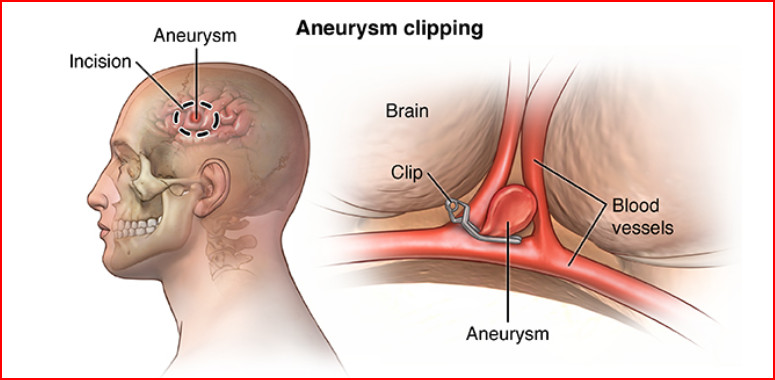
    • Treatments: Clot removal, aneurysm clipping, carotid artery surgery.

  3. Epilepsy Surgery

    • For drug-resistant epilepsy with frequent seizures.

    • Surgical options: Lobectomy, vagus nerve stimulation, deep brain stimulation.

  4. Brain Aneurysm Treatment

    • Weak blood vessels in the brain that may rupture, causing severe bleeding.

    • Symptoms: Severe headache, nausea, vision loss, unconsciousness.

    • Treatments: Aneurysm clipping or coiling.

  5. Traumatic Brain Injury (TBI) & Skull Fractures

    • Caused by accidents, falls, or sports injuries.

    • Symptoms: Memory loss, dizziness, difficulty speaking.

    • Treatments: Craniotomy, decompressive craniectomy, brain reconstruction.

Spine Surgery: Advanced Treatments for a Pain-Free Life

  1. Herniated Discs & Sciatica

    • Spinal disc bulging or rupture pressing on nerves.

    • Symptoms: Back pain, leg numbness, walking difficulty.

    • Treatment: Discectomy, spinal decompression.

  2. Spinal Cord Injuries & Nerve Compression

    • Damage due to trauma, tumors, infections.

    • Symptoms: Paralysis, severe pain, bladder/bowel control loss.

    • Treatment: Spinal fusion, laminectomy, nerve decompression.

  3. Sciatica & Chronic Lower Back Pain

    • Pressure on the sciatic nerve causing radiating leg pain.

    • Symptoms: Shooting pain, weakness, tingling in legs.

    • Treatment: Microdiscectomy, nerve root decompression.

  4. Spinal Deformities: Scoliosis & Kyphosis

    • Abnormal spinal curvature affecting posture and movement.

    • Treatment: Spinal fusion, rod implantation, vertebral osteotomy.

  5. Minimally Invasive Spine Surgery (MISS)

  • Small incisions for quicker recovery and less pain.

  • Common procedures: Endoscopic discectomy, laser spine surgery, robotic-assisted spinal fusion.

Why Neurosurgical Treatment is Essential for These Conditions

  • Early intervention can prevent complications like permanent nerve damage, paralysis, or cognitive decline.
  • Minimally invasive techniques reduce recovery time and post-surgical discomfort.
  • Choosing the best neurosurgeon in Bangalore ensures access to cutting-edge treatments and expert care.

How to Choose the Best Neurosurgeon in Bangalore

Selecting the best neurosurgeon in Bangalore is crucial for effective treatment and long-term recovery. The following key factors will help you make an informed decision when choosing a neurosurgical specialist.

1. Experience & Qualifications: What to Look for in a Neurosurgeon

  • Board Certification & Medical Training – Ensure the neurosurgeon is certified and trained in recognized medical institutions.
  • Years of Experience – Look for specialists with extensive experience in brain and spine surgeries.
  • Fellowships & Specializations – Neurosurgeons with specialized training in areas like brain tumors, spine disorders, or minimally invasive techniques often provide better outcomes.

2. Specializations: Understanding Expertise in Brain vs. Spine Surgery

  • Brain Neurosurgeons – Focus on procedures like brain tumor removal, stroke intervention, and epilepsy surgery.
  • Spine Neurosurgeons – Specialize in conditions like herniated discs, spinal cord injuries, and deformities.
  • Minimally Invasive Specialists – Use advanced techniques such as robotic-assisted surgery, laser surgery, and endoscopic spine procedures.

3. Success Rate & Reviews: How to Check Patient Testimonials and Hospital Ratings

  • Patient Testimonials & Case Studies – Look for real-life success stories of patients treated by the neurosurgeon.
  • Google & Hospital Reviews – Check ratings on platforms like Google, Practo, and hospital websites.
  • Word-of-Mouth & Referrals – Recommendations from past patients, family, or primary doctors can be helpful.

4. Technology & Facilities: Importance of Advanced Neurosurgical Tools

  • State-of-the-Art Equipment – Ensure the hospital has modern tools like MRI-guided surgery, neuronavigation, and robotic surgery.
  • Availability of ICU & Emergency Care – Advanced post-operative care is essential for neurosurgery patients.
  • Access to Multidisciplinary Teams – A team approach involving neurologists, physiotherapists, and rehabilitation specialists enhances recovery.

5. Hospital Accreditation: Why Choosing the Right Hospital Matters

  • JCI & NABH Accreditation – Certified hospitals maintain international healthcare standards.
  • Infrastructure & Patient Care – A well-equipped hospital improves the success rate of neurosurgical procedures.
  • Post-Surgical Support – A hospital that provides rehabilitation, physiotherapy, and follow-up care ensures better long-term results.

Checklist for Choosing the Best Neurosurgeon in Bangalore

✔ Does the neurosurgeon have board certification and advanced training?
✔ Does the specialist have a high success rate for complex neurosurgical procedures?
✔ Are there positive patient reviews and testimonials?
✔ Is the hospital equipped with modern neurosurgical technology?
✔ Does the hospital provide comprehensive post-surgical care and rehabilitation?

Choosing the right neurosurgeon can make a significant difference in your treatment and recovery journey. Take time to evaluate your options and select a specialist who aligns with your healthcare needs.

Best Neurosurgery Hospitals in Bangalore

Choosing the right hospital is just as important as selecting the best neurosurgeon in Bangalore. The hospital’s infrastructure, technology, and multidisciplinary team play a crucial role in ensuring successful neurosurgical outcomes.

Why Choose NeuroWellness Brain and Spine Hospital?

✔ Top-rated neurosurgeons in Bangalore with years of expertise.
✔ Cutting-edge neurosurgical technology for safe and effective treatment.
✔ Personalized treatment plans for brain and spine conditions.
✔ Post-surgical care and physiotherapy to ensure complete recovery.
✔ High success rates in complex neurosurgical procedures.

Conclusion

Choosing the best neurosurgeon in Bangalore is crucial for receiving high-quality care for brain and spine conditions. The right specialist, combined with an advanced medical facility, can significantly improve patient outcomes and recovery rates. Whether it’s a complex brain tumor surgery, spine treatment, or minimally invasive neurosurgical procedure, selecting an experienced neurosurgeon ensures precision, safety, and optimal results.

Frequently Asked Questions (FAQs)

1. How do I choose a neurosurgeon?

Choosing the best neurosurgeon requires careful evaluation of the following factors:
✔ Board Certification & Experience – Ensure they are NABH-certified and have performed similar surgeries.
✔ Patient Reviews & Success Rates – Look for Google reviews and hospital ratings.
✔ Hospital Facilities – Choose hospitals with MRI-guided surgery and neuronavigation.
✔ Consult Multiple Experts – Always get a second opinion before major surgeries.

2. What is the best hospital for neurosurgeons?

The best hospitals for neurosurgery in Bangalore include:
✔ NeuroWellness Brain & Spine Hospital@Kauvery hospital  – Specialized in brain tumor surgery & minimally invasive spine surgery.
✔ Manipal Hospitals – Known for neuro-oncology and stroke management.
✔ Aster CMI Hospital – Offers advanced robotic-assisted neurosurgery.
✔ Apollo Hospitals – Best for deep brain stimulation & skull base surgery.

3. What are the most common brain and spine surgeries performed by neurosurgeons?

Neurosurgeons perform various brain and spine surgeries to treat neurological disorders, including:
✔ Brain Tumor Surgery – Removal of malignant or benign tumors affecting brain function.
✔ Spinal Decompression Surgery – Relieves pressure on spinal nerves caused by herniated discs.
✔ Stroke Surgery – Procedures such as clot removal and aneurysm repair to prevent brain damage.
✔ Epilepsy Surgery – Reduces seizure frequency in patients with drug-resistant epilepsy.
✔ Minimally Invasive Spine Surgery (MISS) – Advanced procedures for quicker recovery with less scarring.

4. When should I see a neurosurgeon instead of a neurologist?

While neurologists treat conditions with medications and therapy, neurosurgeons handle cases requiring surgical intervention. You should consult a neurosurgeon if you experience:
✔ Chronic back or neck pain unresponsive to physical therapy.
✔ Severe or frequent headaches that indicate brain abnormalities.
✔ Weakness, numbness, or loss of movement due to spinal cord compression.
✔ Brain tumors, aneurysms, or severe head injuries requiring immediate surgery.
✔ Failed non-surgical treatments for epilepsy, spine disorders, or nerve compression.

5. What should I expect during my first consultation with a neurosurgeon?

Your first consultation with a neurosurgeon will include:
✔ Medical history review – Discussion of symptoms, past treatments, and family history of neurological disorders.
✔ Diagnostic tests – MRI, CT scans, or nerve conduction studies may be recommended.
✔ Treatment options – The neurosurgeon will explain whether surgery is required or if alternative treatments are available.
✔ Surgery discussion (if needed) – Risks, recovery process, and expected outcomes of surgical procedures.
✔ Post-consultation plan – Further tests, second opinions, or scheduling surgery if necessary.

Surgical Management of a Colloid Cyst of third ventricle

A 20-year-old girl, an art student, presented with two episodes of transient loss of consciousness lasting 20–30 minutes, accompanied by neck pain radiating to the left side. Clinical evaluation, followed by MRI, revealed a third ventricular colloid cyst, causing obstruction at the foramen of Monro and resulting in intermittent symptoms of raised intracranial pressure.

The patient underwent neuro-navigation-guided craniotomy and successful excision of the colloid cyst. Intraoperative and postoperative management were uneventful. The patient was extubated immediately following the procedure. A postoperative CT scan confirmed complete excision of the cyst, with no residual tumor visible.

She was monitored in the ICU for one day, where she demonstrated remarkable recovery. Impressively, she resumed her artistic pursuits on the first postoperative day, highlighting her swift neurological recovery. Currently, she is stable and recovering well in the ward.

We extend our gratitude to the entire neurosurgery team and the operating theater staff for their seamless coordination and dedication to achieving an excellent outcome for the patient.

This case underscores the importance of timely diagnosis, precise surgical planning, and multidisciplinary teamwork in the successful management of colloid cysts.

Histopathology- Nimhans 

Colloid cyst 

Regarding Third ventricular colloid cysts , these are rare 1 to 3 % whole intracranial tumours but potentially life-threatening intracranial lesions, often presenting a significant surgical challenge due to their deep midline location and proximity to critical neurovascular structures. These cysts can cause acute hydrocephalus and elevated intracranial pressure through obstruction of the foramen of Monro, leading to symptoms such as severe headaches, intermittent loss of consciousness, or, in rare cases, sudden death. Surgical management, either through neuro-navigation-guided craniotomy or endoscopic resection, demands meticulous planning and precise execution to minimize complications. Advances in neuro-navigation and microsurgical techniques have significantly enhanced the safety and efficacy of these procedures, making early diagnosis and prompt intervention essential in preventing catastrophic events.

Dr Ganesh Veerabhadraiah 
HOD and Senior Consultant Neurosurgeon
Kauvery hospital 
Electronic City
Bengaluru 

Ph no 7249669911

#ColloidCyst #ThirdVentricularTumours #BrainTumours #IntraventricularTumours #EndoscopicTumourRemoval #Craniotomy

Constant back pain can make everyday activities like bending, sitting, or walking unbearable, significantly affecting both your physical and emotional well-being. After trying various treatments without success, the idea of surgery might feel overwhelming due to concerns about cost, recovery, or effectiveness.

Thankfully, India was developing in spine surgery, offering advanced care and technology, and expert spine surgeons in Bangalore—all at an affordable cost. With a proven track record of success, India brings hope to patients worldwide, whether they require minimally invasive procedures or complex spinal repairs.

In this insightful blog, we explore how spine surgery in India is transforming the lives of patients with chronic back pain. Let’s dive in!

Common Causes of Chronic Back Pain

Degenerative Conditions

  • Herniated Discs: Spinal nerves are put under strain when the cushion between vertebrae weakens or bulges, but this can cause extreme discomfort. X-rays, MRIs, and CT scans can all identify these disc problems.
  • Spondylosis: Age-related tears in the spine can lead to arthritis, impacting flexibility and comfort.

Trauma or Injuries

  • Accidents or falls can damage spinal discs or vertebrae, resulting in long-term pain and restricted movement.
  • Sports-related injuries, especially in high-impact activities, are another frequent cause.

Lifestyle Factors

  • Poor posture while sitting, standing, or working can strain the spinal cord and surrounding muscles.
  • Obesity increases pressure on the lower back, worsening pain over time. 


Read More : Disc Prolapse at Neck Cervical PIVD – NeuroWellness

Types of Spine Surgeries in India

The type of surgery recommended depends on the severity and nature of the back pain. Here’s a breakdown of the most common types:

Minimally Invasive Spine Surgery (MISS)

MISS is an innovative technique that has transformed the treatment of spinal disorders. It is suitable for various conditions, including spinal stenosis, herniated discs, and certain abnormal conditions due to injuries. MISS uses small incisions and specialized instruments to access the spine with minimal disruption to surrounding tissues.

Benefits:

  • Reduced blood loss during surgery.
  • Less pain and scarring compared to traditional open surgery.
  • Shorter hospital stays and quicker recovery times.
  • Lower risk of complications such as infections.


How a Brain and Spine Clinic Can Help With Chronic Back Pain

Spinal fusion:

Spinal fusion emerges as a stabilizing solution for conditions involving instability between vertebrae. Degenerative disc disease, in particular, can compromise the spine’s stability, leading to pain and reduced functionality. Spinal fusion is the most common type of spinal surgery. This procedure involves joining two or more vertebrae together using bone grafts or inserting synthetic materials. The fused vertebrae create a stable structure, reducing abnormal movement and, most crucially, alleviating pain. This surgery can also help manage the function in the affected area.

Artificial Disc Replacement

Artificial disc replacement is an innovative solution for patients with damaged intervertebral discs causing chronic pain and limited mobility. Spine Surgeons in Bangalore replace the damaged disc with a synthetic one made of metal, designed to manage the natural movement of the spine.

Benefits:

  • Restores normal motion in the affected spinal segment.
  • Reduces the risk of adjacent segment degeneration (common in spinal fusion).
  • Provides long-term pain relief and improves quality of life.

Recovery is quicker compared to traditional procedures, and patients often experience significant improvements in mobility within weeks.

Microdiscectomy

Microdiscectomy is a minimally invasive procedure often recommended for patients suffering from herniated discs that compress spinal nerves, causing pain, numbness, or weakness.

Spine Surgeons in Bangalore use a microscope to remove small portions of the herniated disc pressing on the nerve roots during this procedure. This procedure are used to remove either ruptured or herniated discs.

Benefits:

  • Minimally invasive, requiring only a small incision.
  • Shorter hospital stay and faster recovery.
  • High success rate in relieving nerve-related pain, especially sciatica.

Recovery: Patients can often resume normal activities within a few weeks, making this a popular choice for those seeking a quick return to daily life.

Advanced Technologies Used in Spine Surgeries

Robotic-Assisted Spine Surgery

  • Robotic-assisted spine surgery leverages advanced robotic systems to enhance the precision of surgical procedures. Surgeons use robotic arms guided by preoperative imaging data, allowing them to create a highly accurate surgical plan.
  • These systems minimize human error by providing unparalleled precision in placing screws, rods, or other spinal implants. For example, robotic guidance reduces the likelihood of nerve damage and improves alignment during complex spinal fusions. Patients benefit from smaller incisions, reduced blood loss, and a quicker return to daily activities.
  • Robotic assistance also provides real-time feedback during surgery, enabling surgeons to make precise adjustments when necessary. This technology is especially valuable for procedures requiring high accuracy, such as correcting spinal deformities or addressing spinal instability.

3D Imaging and Navigation Systems:

  • 3D imaging and navigation systems act as a “GPS” for surgeons, offering a detailed view of the spine during surgery. These systems combine preoperative CT or MRI scans with real-time intraoperative imaging, providing a dynamic 3D map of the patient’s anatomy.
  • Surgeons can navigate complex structures with greater confidence, minimizing the risks associated with traditional 2D imaging methods. For instance, in procedures like spinal tumor removal, this technology ensures precision by showing the exact location of the tumor and critical surrounding tissues.
  • Navigation systems also reduce radiation exposure compared to conventional X-rays, as fewer scans are needed during the surgery. For patients, this means a safer surgical experience with fewer complications and improved recovery outcomes.

Minimally Invasive Spine Surgery Techniques Using Robotics:

Minimally invasive spine surgery (MISS) techniques have been further revolutionized by the integration of robotic technology. These procedures involve tiny incisions and the use of specialized tools to address spinal issues with minimal disruption to surrounding tissues.

  • Robotics enhances the accuracy and efficiency of these procedures. For example, robotic systems assist in guiding instruments through small incisions with extreme precision, reducing the risk of damage to muscles and ligaments. Common applications include treating herniated discs, spinal stenosis, or degenerative disc disease.
  • The benefits of robotic-assisted MISS include shorter hospital stays, less postoperative pain, and a faster return to normal activities. Patients also experience fewer complications, such as infections or scarring, compared to traditional open surgeries.

These technological advancements not only ensure higher success rates but also make spine surgeries less intimidating for patients.

Conclusion:

Choosing a trusted hospital and spine surgeons in Bangalore will not only improve the procedure’s success but also make the entire treatment journey stress-free.

Chronic back pain can severely impact your quality of life, limiting your physical capabilities and affecting your emotional well-being. Advancements in spine surgery have provided effective solutions for even the most complex spinal conditions.

India is advancing in spine care and treatment, particularly for back pain treatment in Bangalore, with its advanced facilities and highly skilled doctors. From minimally invasive techniques to cutting-edge robotic-assisted surgeries, Neurowellness Brain and Spine Clinic provides care that is both innovative and patient-focused.

By understanding the available surgical options, leveraging advanced technologies, and ensuring proper aftercare, patients can achieve long-lasting relief and a renewed sense of mobility.

Take the first step today by consulting a qualified spine specialist for back pain treatment in Bangalore.

FAQs

1. What are the common causes of chronic back pain?

Chronic back pain can result from degenerative conditions like herniated discs or spondylosis, injuries from accidents or sports, and lifestyle factors such as poor posture or obesity.

2. What are the benefits of minimally invasive spine surgery (MISS)?

MISS offers reduced blood loss, less pain and scarring, shorter hospital stays, quicker recovery, and a lower risk of complications compared to traditional surgery.

3. How does robotic-assisted spine surgery improve outcomes?

Robotic systems enhance precision during surgery, reduce human error, minimize tissue damage, and ensure faster recovery with fewer complications.

4. What is artificial disc replacement, and who is it suitable for?

Artificial disc replacement involves replacing damaged intervertebral discs with synthetic ones to restore natural motion and alleviate pain. It’s ideal for patients with chronic disc-related issues.

5. How do I choose the best spine surgeon in Bangalore?

Look for a surgeon with expertise in advanced techniques, positive patient reviews, and access to state-of-the-art facilities to ensure a successful treatment journey.

6. How long does recovery take after spine surgery?

Recovery times vary depending on the procedure, but minimally invasive surgeries often allow patients to return to normal activities within a few weeks.