Understanding Brain Stroke and Its Risks

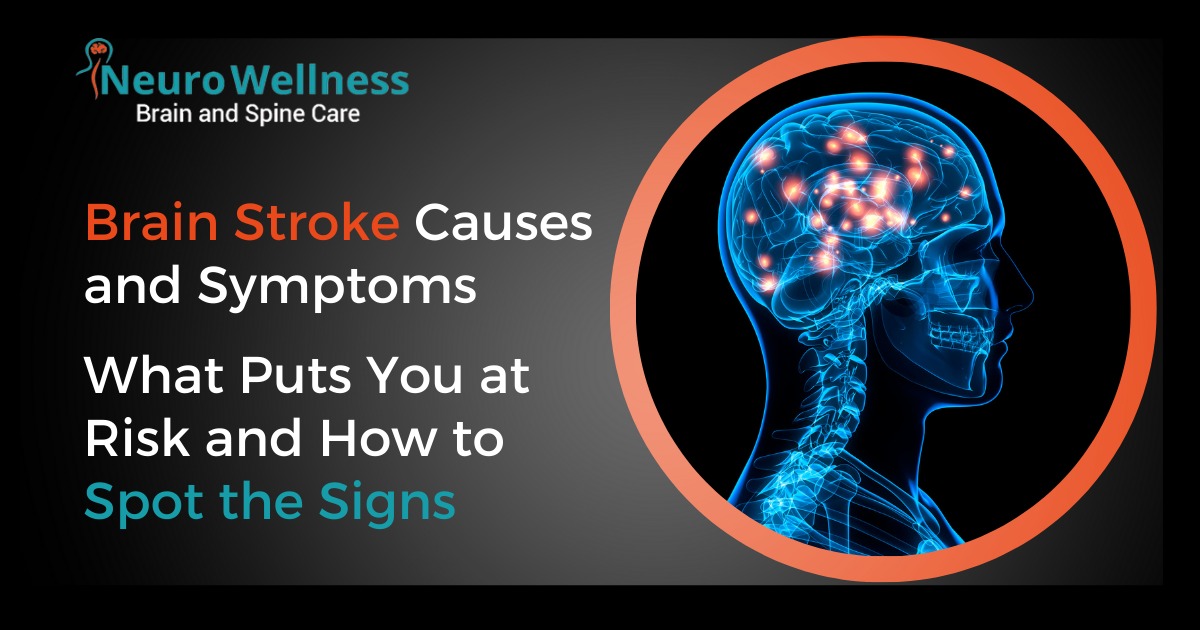
A brain stroke occurs when blood flow to the brain is blocked or a blood vessel bursts, causing brain cells to die within minutes. This sudden disruption can lead to severe neurological damage, disability, or even death if not treated immediately. Strokes are categorized into ischemic strokes (caused by clots) and hemorrhagic strokes (caused by bleeding in the brain), with ischemic strokes accounting for nearly 87% of all cases.

Early detection is critical, as timely medical intervention can prevent irreversible brain damage and improve recovery chances. Many people mistake early stroke symptoms, such as numbness, dizziness, or difficulty speaking, for temporary discomfort, delaying crucial medical care. Acting fast using the FAST test (Face, Arm, Speech, Time) can help save lives and reduce stroke-related complications.
While traditional risk factors like high blood pressure, diabetes, and smoking are well known, chronic stress is an often-overlooked trigger, especially in younger individuals. Recent studies reveal that women aged 18-49 experiencing high stress levels are significantly more prone to ischemic strokes due to increased cortisol and blood pressure fluctuations. This highlights the importance of stress management, mental well-being, and lifestyle adjustments in stroke prevention.

Common Causes of Brain Stroke: Who is at Risk?

A brain stroke can occur due to blocked arteries (ischemic stroke) or ruptured blood vessels (hemorrhagic stroke). Understanding the major and lesser-known risk factors can help in early prevention and lifestyle modifications.

Read more:  Can Neck Manipulations Cause Brain Stroke?

Major Causes of Stroke

High Blood Pressure (Hypertension) – The #1 cause of stroke, as high pressure damages blood vessels, increasing the risk of clots or ruptures.

Diabetes & High Cholesterol – Excess sugar and cholesterol contribute to plaque buildup, restricting blood flow and leading to ischemic strokes.

Obesity & Lack of Exercise – Being overweight or inactive slows circulation, raising the chances of clot formation and poor brain oxygen supply.

Lesser-Known Risk Factors

Chronic Stress & Anxiety – High stress levels increase cortisol, which raises blood pressure and inflammation, making strokes more likely.

Oral Contraceptives & Hormone Therapy – Certain birth control pills and hormone treatments can elevate the risk of blood clot-related strokes in younger women.

Air Pollution & Environmental Toxins – Recent research links long-term exposure to air pollution and toxins to increased stroke risks due to blood vessel inflammation.

Dr. Ganesh Veerabhadraiah, Senior Consultant Neurosurgeon
Kauvery Hospital, Electronic City, Bengaluru

In this special segment aired on Suvarna News, Dr. Ganesh Veerabhadraiah discusses key insights on brain tumor awareness—early warning signs, myths, diagnosis, and the latest treatment options including advanced neurosurgery and radiosurgery. A must-watch for patients, caregivers, and anyone concerned about brain health.

watch video :

Brain Tumor Awareness & Recent Advances in Treatment

Early Symptoms of Brain Stroke: Warning Signs You Shouldn’t Ignore

A stroke is a medical emergency, and recognizing the early symptoms can help prevent severe complications. Stroke symptoms often appear suddenly and worsen rapidly, so immediate medical attention is crucial. Women may experience unique stroke symptoms such as extreme fatigue, nausea, or confusion.

Learn more:  How to Identify the Symptoms of Brain Stroke.

Mild Stroke Symptoms (Early Warning Signs)

Sudden numbness or weakness in the face, arm, or leg – Often affects one side of the body, making movement difficult.

Difficulty speaking or understanding speech – Words may become slurred, or the person may struggle to comprehend conversations.

Blurred vision or loss of vision in one or both eyes – Partial or complete vision loss may occur suddenly, sometimes accompanied by dizziness.

Severe Stroke Symptoms (Advanced Warning Signs)

Severe headache with no known cause – A sudden, intense headache may signal a brain hemorrhage or clot formation.

Loss of balance, dizziness, or difficulty walking – Stroke can affect coordination, making it hard to stand or move properly.

Loss of consciousness in critical cases – In severe strokes, a person may faint, become unresponsive, or slip into a coma.

FAST Test: How to Quickly Recognize a Stroke

When a stroke occurs, every second counts. The FAST test is a simple and effective way to identify stroke symptoms quickly and take immediate action. Early recognition can save lives and minimize brain damage by ensuring timely medical intervention.

Read more:  Brain Stroke: Faster You Act, the Better You Save the Patient’s Life.

The FAST Test for Stroke Recognition

F – Face Drooping – Ask the person to smile. If one side of the face droops or feels numb, it could indicate a stroke.

A – Arm Weakness – Ask the person to raise both arms. If one arm drifts downward or they struggle to lift it, this may signal a stroke.

S – Speech Difficulty – Ask the person to repeat a simple sentence. If their speech is slurred, confused, or they can’t speak at all, they need urgent help.

T – Time to Call Emergency Services – If any of the above symptoms are present, call emergency services immediately. Acting fast can prevent long-term brain damage or death.

Takeaway: Use the FAST test whenever stroke symptoms appear. The faster you act, the better the chances of survival and recovery

When to See a Neurologist for Stroke Risk Evaluation?

A stroke doesn’t always happen suddenly—many people experience warning signs like mini-strokes (TIAs), unexplained dizziness, or vision disturbances before a major stroke occurs. Early evaluation by a neurologist can help detect risks and prevent a life-threatening event.

Learn more : How Can We Predict Warning Signs of Brain Stroke?

When to Consult a Neurologist?

If you experience recurring mini-strokes (TIAs) or unexplained dizziness – TIAs (Transient Ischemic Attacks) are temporary stroke-like episodes that increase the risk of a full stroke.

If you have a family history of stroke or high blood pressure – Genetics play a role in stroke risk, especially if hypertension or cardiovascular disease runs in your family.

If you have stress-related hypertension, increasing your stroke riskChronic stress and anxiety can elevate blood pressure, triggering a higher chance of ischemic stroke.

Find a Neurologist in Bangalore for Stroke Evaluation at Brain and Spine Clinic. Early intervention can prevent future strokes and protect your brain health

Stroke Treatment Options: From Emergency Care to Recovery

A stroke requires immediate medical intervention, followed by a structured recovery plan to regain lost functions. The type of treatment depends on whether the stroke is ischemic (caused by a clot) or hemorrhagic (caused by bleeding in the brain). Early treatment can minimize brain damage and improve recovery outcomes.

Read more :  How to Care for Someone Recovering from a Brain Stroke.

Emergency Treatments (Immediate Stroke Care)

Thrombolysis (tPA Therapy) – A clot-busting medication used for ischemic strokes that dissolves blood clots and restores blood flow to the brain if given within 4.5 hours of symptom onset.

Mechanical Thrombectomy – A minimally invasive catheter-based procedure to physically remove the clot from a blocked brain artery, often performed when tPA therapy isn’t effective.

Rehabilitation & Recovery (Post-Stroke Treatment)

Speech Therapy – Helps stroke survivors regain speech, communication skills, and cognitive function if speech impairment occurs.

Physical Therapy – Essential for rebuilding strength, balance, and coordination after a stroke, particularly for those experiencing limb weakness or paralysis.

Find the Best Neurosurgeon in Bangalore for Stroke Surgery at Brain and Spine Clinic. Timely treatment and rehabilitation can greatly enhance stroke recovery and improve quality of life

How to Prevent a Brain Stroke? Lifestyle & Medical Tips

Preventing a stroke starts with making proactive lifestyle choices and managing underlying health conditions. Since 80% of strokes are preventable, adopting healthy habits and medical precautions can significantly lower your risk.

Daily Habits to Lower Stroke Risk

Maintain a healthy blood pressure and sugar levelsHypertension and diabetes are two of the leading stroke risk factors. Regular monitoring and medication (if needed) can prevent complications.

Exercise regularly and manage stress effectivelyCardio workouts, yoga, and meditation help improve circulation, reduce stress, and lower stroke risk. Chronic stress increases cortisol levels, raising blood pressure and triggering strokes.

Avoid smoking and limit alcohol consumptionSmoking narrows blood vessels and increases clot formation, while excessive alcohol raises blood pressure, both significantly contributing to stroke risks.

Final Thoughts: Take Action to Protect Your Brain Health

Recognizing the early signs of a stroke can be the difference between life and long-term disability. Acting quickly and seeking immediate medical attention can minimize brain damage and improve recovery outcomes. By understanding risk factors such as high blood pressure, diabetes, and chronic stress, individuals can take proactive steps to lower their chances of experiencing a stroke.

Managing stress, maintaining a healthy lifestyle, and regular health check-ups can significantly reduce the risk of stroke. If you or a loved one are at risk or experiencing symptoms, seeking medical advice early is crucial. Book a consultation with a Neurologist in Electronic City, Bangalore at the best Brain and Spine Clinic for expert care and prevention strategies.

Protect your health. Consult Dr. Ganesh, leading neurosurgeon in Bangalore

Ganesh

About Author

Dr. Ganesh Veerabhadraiah

Dr. Ganesh Veerabhadraiah, leading neurosurgeon and neurologist in Bangalore, has over 20 years of expertise in managing back pain, migraines, headaches, neuro disorders, and spine problems. His clinical excellence and patient-first approach make him one of the most trusted neuro doctors in Bangalore.

At Neurowellness Brain & Spine Clinic in Jayanagar and Kavery Hospital Electronic City, Dr. Ganesh provides comprehensive treatments ranging from minimally invasive spine surgery to advanced neurological care. As a respected back pain specialist and migraine doctor, he continues to deliver reliable outcomes for patients.

👉 Connect with Dr. Ganesh on LinkedIn

FAQs

1. What causes a brain stroke?

A stroke occurs when blood flow to the brain is blocked (ischemic stroke) or a blood vessel bursts (hemorrhagic stroke).

2. What are the warning symptoms of a brain stroke?

Sudden weakness, speech difficulty, facial drooping, severe headache, and vision changes are warning signs.

3. Can brain strokes be prevented?

Yes. Controlling BP, diabetes, cholesterol, quitting smoking, and exercising regularly lowers stroke risk.

4. Who is at high risk of stroke?

People with hypertension, diabetes, obesity, smoking habits, or family history of stroke are more at risk.

5. Where can I get stroke treatment in Bangalore?

Neurowellness Brain & Spine Clinic offers emergency stroke care with advanced diagnosis and treatment.

The brain and nerves help us move, think, and feel. Sometimes, people develop rare diseases that affect the brain or nerves, making it hard to walk, talk, or even remember things. Let’s learn about some of these rare brain diseases in a simple way!

1. Huntington’s Disease

Huntington’s Disease is caused by a tiny mistake in a person’s genes. It makes movement, thinking, and speaking difficult over time. There is no cure yet, but scientists are working on treatments.

2. Multiple System Atrophy (MSA)

MSA affects different parts of the body at the same time, causing weakness, balance problems, and even heart issues. The exact cause is unknown, and there is no cure, but treatment can help with symptoms.

3. Amyotrophic Lateral Sclerosis (ALS)

ALS affects the nerves that control muscles, making movement, speech, and even breathing difficult. It mostly affects adults and worsens over time. While there is no cure, some medicines help slow it down.

4. Wilson’s Disease

Wilson’s Disease causes copper buildup in the brain and liver, leading to movement problems and mental confusion. A simple blood test can detect it, and early treatment can prevent damage.

5. Leigh Syndrome

This rare disorder affects brain and muscle function due to faulty mitochondria (the energy producers of cells). Babies with Leigh Syndrome may struggle with movement, eating, and breathing. Treatment is limited, but doctors use special vitamins to help.

6. Rett Syndrome

Rett Syndrome mostly affects girls, causing difficulty with hand movements, speech, and walking. Although babies seem normal at first, symptoms appear later. Research is ongoing for better treatments.

7. Primary Dystonia

Dystonia causes muscles to move involuntarily, leading to twisting and abnormal postures. It can make speaking and walking difficult. While there is no cure, medications and therapy can help manage symptoms.

8. Pantothenate Kinase-Associated Neurodegeneration (PKAN)

PKAN causes excessive iron buildup in the brain, leading to muscle stiffness and difficulty with speech and swallowing. It worsens over time, but researchers are looking for new treatments.

9. Stiff-Person Syndrome (SPS)

SPS causes muscle stiffness and spasms, making movement difficult. It occurs when the immune system mistakenly attacks the nerves. Medications can help relax the muscles.

10. Neuromyelitis Optica (NMO)

NMO occurs when the immune system attacks the nerves in the eyes and spinal cord. This can lead to vision loss and weakness. A blood test can detect it, and early treatment helps prevent worsening symptoms.

11. Lissencephaly

Lissencephaly is a condition where the brain is smoother than usual, leading to developmental delays and seizures. An MRI scan can detect it. There is no cure, but treatments help manage symptoms.

12. Polymicrogyria

Polymicrogyria means the brain has too many folds, affecting speech, swallowing, and muscle coordination. Some children may develop normally, while others need special therapy and medication.

13. Moyamoya Disease

Moyamoya Disease causes blood vessels in the brain to become narrow, increasing the risk of strokes. Surgery can help create new pathways for better blood flow.

14. Cavernous Malformations

These are clusters of blood vessels in the brain that may leak, leading to seizures and weakness. Some cases require surgery, while others don’t need treatment.

Conclusion

Rare neurological diseases may sound scary, but doctors and scientists are working hard to improve treatments. Some conditions can be managed with medicine, therapy, or surgery. By spreading awareness, we can support those who live with these diseases.

If you meet someone with a rare neurological condition, be kind and understanding. Everyone deserves support and care!

Most people are aware of strokes, but few realize the lasting impact they can have on a person’s life. Stroke survivors often face significant challenges in recovering lost skills, making the journey to recovery long and difficult. But what if there were ways to help the brain heal and regain those lost abilities—right from the comfort of your own home?


Much like how regular physical exercise strengthens muscles, brain exercises can help improve cognitive function and support recovery after a stroke. In this blog, we’ll explore specific brain exercises for stroke recovery and bring hope back into everyday life. Whether you are a stroke survivor or a caregiver, these practical, at-home strategies could make a real difference. Brain treatments in Bangalore are recommended if you’re looking for any brain-related treatments, such as stroke therapy or recovery.

Top Brain Exercises for Stroke Recovery

Recovering from a stroke requires consistent brain exercises that stimulate memory, mobility, and communication. Here are the most effective ones:

✔️ Memory Games → Boost recall, sharpen focus, and improve attention span.
✔️ Speech Therapy Exercises → Strengthen language skills, pronunciation, and overall communication.
✔️ Hand & Finger Tasks → Improve grip strength, hand coordination, and motor skills.
✔️ Balance & Walking Drills → Enhance mobility, reduce fall risks, and restore confidence in movement.
✔️ Problem-Solving Activities → Stimulate logical thinking and cognitive recovery.
✔️ Breathing & Relaxation → Lower stress, improve oxygen flow to the brain, and support emotional well-being.

Ganesh

Dr. Ganesh Veerabhadraiah

Consultant – Neurosurgeon, Neurointerventional Surgery, Spine Surgeon (Neuro)
23+ Years Experience Overall (17+ years as Neuro Specialist)

Available for Consultation: Jayanagar 9th Block & Kauvery Hospital, Electronic City 

Why Brain Exercises Are Important After a Stroke

When a stroke occurs, certain parts of the brain are deprived of oxygen, leading to damage to brain cells. This damage can cause memory loss, difficulty with speech, and a weakening of motor skills. That’s why brain exercises are so crucial after a stroke—they play an essential role in stimulating memory, cognitive functions, and emotional well-being.


By engaging in regular brain exercises, stroke survivors can improve memory, focus, and communication abilities while also boosting their confidence and mental clarity. These exercises motivate and enhance the overall recovery process, helping patients regain independence and improve their quality of life.

Best Brain Tumor Treatment In Bangalore – NeuroWellness

Top Brain Exercises to Speed Up Stroke Recovery

A stroke can diminish one’s confidence and strength, but there are ways to recover. Here are the top brain exercises for stroke recovery.

Board Games

Board games are a fun and engaging way to stimulate the brain while enjoying childhood moments. Games like chess, Sudoku, jigsaw puzzles, and crossword puzzles can improve concentration, problem-solving, and analytical thinking. They also provide an excellent opportunity for social interaction, reducing feelings of isolation, boredom, and anxiety.

Memory Games

Memory games are vital for rebuilding cognitive function after a stroke. Activities like matching pairs of cards, recalling lists, or playing memory apps can help strengthen short-term memory and improve focus. These simple yet effective exercises strengthen neural pathways, helping restore brain function that may have weakened due to the stroke.

Art and Crafts

The main objective for stroke caregivers or the parents of stroke survivors is to support the stroke survivors in remaining strong and overcoming their obstacles as soon as possible. Engaging in arts and crafts is one of the best brain exercises for stroke recovery.It supports the development of cognitive and motor skills in stroke patients while providing an outlet for their creativity. Activities like drawing, painting, or sculpting enhance hand-eye coordination, fine motor control, and concentration. Making art may also be a therapeutic exercise that lowers stress and aids in emotional healing.

Money Counting

Counting money is a practical brain exercise that sharpens both cognitive and mathematical skills. Tasks like sorting coins or counting bills require problem-solving, attention, and manual tasks. This everyday activity can help stroke survivors improve their memory and regain confidence in performing daily tasks.

Brain Teasers

Brain teasers, including riddles and logic puzzles, encourage critical thinking and problem-solving. These mental challenges push the brain to think creatively and help rebuild cognitive flexibility. Solving brain teasers regularly improves mental agility, which is essential for recovering attention span and reasoning skills after a stroke.

Brain Tumours – Facts to know – NeuroWellness

Ready to Start Recovery?


Physical therapy is only one aspect of stroke recovery; another is providing the brain with the care and support it needs to repair and regenerate. Board games, memory exercises, and artistic endeavors are a few examples of brain exercises for stroke recovery that survivors may use to regain lost abilities and enhance their quality of life in the comforts of their own homes. In addition to improving cognitive function, these activities help patients regain their independence and confidence, which facilitates a more seamless rehabilitation process.

If you or a loved one has experienced a stroke, integrating these exercises into your daily routine can be a powerful step toward healing. Additionally, seeking specialized brain treatments in Bangalore can provide access to advanced therapies and expert guidance, ensuring a comprehensive recovery plan. Never forget that every little effort adds up to a better future and a stronger, healthier brain.

Stroke Recovery & Rehabilitation in Bangalore

“Rebuild memory, mobility, and speech with guided stroke recovery programs. Neurowellness Brain & Spine Clinic offers expert rehab support.”

Ganesh

About Author

Dr. Ganesh Veerabhadraiah

Dr. Ganesh Veerabhadraiah, leading neurosurgeon and neurologist in Bangalore, has over 20 years of expertise in managing back pain, migraines, headaches, neuro disorders, and spine problems. His clinical excellence and patient-first approach make him one of the most trusted neuro doctors in Bangalore.

At Neurowellness Brain & Spine Clinic in Jayanagar and Kavery Hospital Electronic City, Dr. Ganesh provides comprehensive treatments ranging from minimally invasive spine surgery to advanced neurological care. As a respected back pain specialist and migraine doctor, he continues to deliver reliable outcomes for patients.

👉 Connect with Dr. Ganesh on LinkedIn

FAQs

1. Why are brain exercises important after a stroke?

They help restore memory, mobility, and speech by reactivating brain pathways.

2. How often should stroke patients do brain exercises?

Daily practice under a neurologist or therapist gives the best recovery results.

3. Can brain exercises improve speech after a stroke?

Yes. Speech therapy exercises significantly improve language and communication.

4. Are home-based brain exercises effective for recovery?

Yes. With proper guidance, home exercises support rehabilitation and speed up progress.

5. Where can I get stroke rehabilitation in Bangalore?

Neurowellness Brain & Spine Clinic provides personalized rehab programs for stroke recovery.

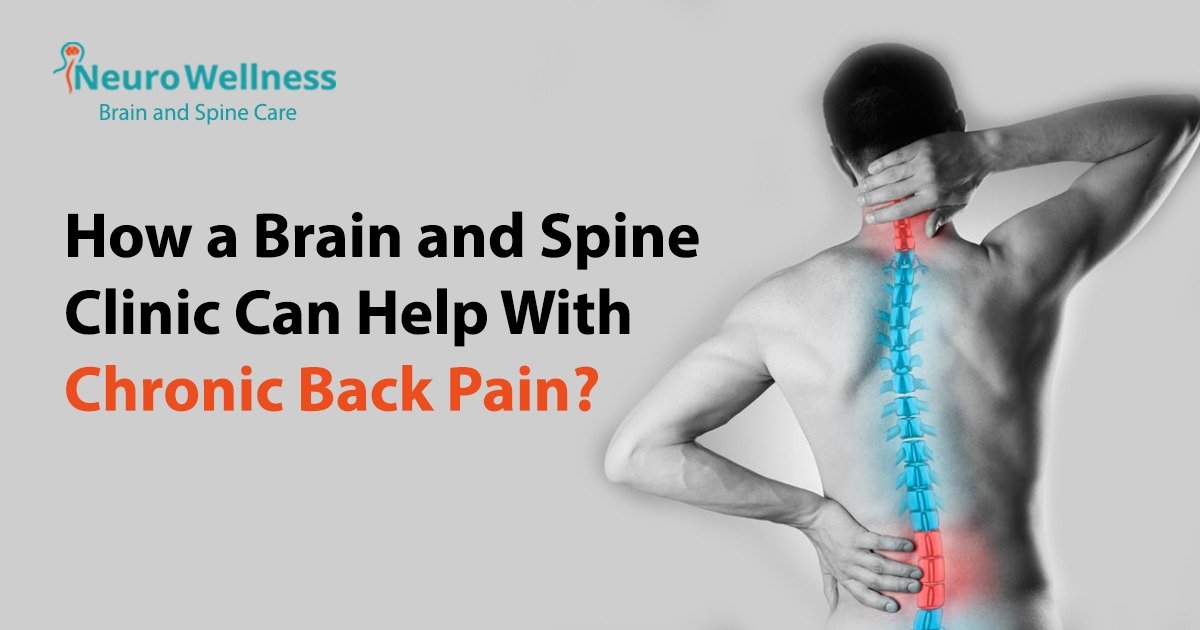
Chronic back pain can severely disrupt your daily life, making it difficult to work, enjoy hobbies, and even perform basic tasks. It’s more than just a minor inconvenience—it can be overwhelming. If you’ve been struggling with chronic back pain, finding relief may seem impossible. However, expert care at a brain and spine clinic could be the solution you’ve been searching for.

In this blog, we’ll explore how a brain and spine clinic can provide comprehensive care and personalized treatment plans to help cure chronic back pain.

Understanding Chronic Back Pain

Before diving into the details, it’s essential to understand what chronic back pain is. Chronic back pain is defined as pain that persists for 12 weeks or longer, even after an initial injury has healed. The causes of chronic back pain can vary, but common ones include osteoarthritis, ruptured discs, ligament strain, injuries, or fractures.

Living with chronic back pain can severely impact your quality of life. Simple activities like sitting, standing, or walking can become uncomfortable or even unbearable. Over time, the constant pain can lead to emotional stress, including anxiety and depression.

The Role of a Brain and Spine Clinic

Brain and spine clinic specialize in diagnosing and treating conditions related to the spine, spinal cord, and nervous system. These clinics are staffed with expert doctors, including neurosurgeons, neurologists, and orthopedic specialists. These professionals collaborate to provide comprehensive care and tailored treatment plans for each patient.

The strength of a brain and spine clinic lies in its ability to offer a holistic approach to diagnosis and treatment. Unlike general practitioners, the specialists at these clinics have extensive experience in treating complex spine-related conditions. They use advanced diagnostic tools, such as MRI, to get a clear picture of what’s causing your pain. This precise diagnosis is crucial in developing an effective treatment plan.

Different Ways  NeuroSpine surgeon  Treat Chronic Back Pain

Neurospine surgeon  play a key role in the treatment of chronic back pain, particularly when it involves the nervous system. Here are some personalized approaches that neurologists might use to help their patients

Accurate Diagnosis:

NeuroSpine surgeon begin with an initial consultation to understand their patients’ discomfort and daily challenges. After a thorough consultation, neurologists conduct physical exams and may order imaging studies such as MRI scans to identify the exact cause of the back pain.

Physical Therapy Referral:

Neurospine surgeon s often work closely with physical therapists to design exercise programs that strengthen the back and improve flexibility, helping to alleviate pain over time.

Recommending Lifestyle Changes:

Neurospine surgeon may suggest lifestyle changes to help reduce back pain. Following these recommendations can be an effective way to manage and control your back pain.

How a Brain and Spine Clinic Can Help Alleviate Chronic Back Pain

Chronic back pain is more than just an inconvenience—it’s a condition that can significantly disrupt your daily life, limiting your ability to work, enjoy hobbies, and even perform simple tasks. If you’ve been struggling with persistent back pain, you might feel like relief is out of reach. However, specialized care at a brain and spine clinic could be the solution you’ve been searching for.

Personalized Treatment Plans

One of the key advantages of seeking care at a brain and spine clinic is the personalized treatment plans they offer. Your journey typically begins with an in-depth consultation, where specialists take the time to understand your symptoms, medical history, and lifestyle. This comprehensive evaluation allows them to tailor a treatment plan specifically to your needs.

For many patients, non-surgical treatments are the first line of defense against chronic back pain. These may include physical therapy, medications to reduce inflammation and pain, or injections to alleviate nerve irritation. Lifestyle modifications, such as weight management, ergonomic adjustments, and exercises, are also often recommended to support your recovery.

When non-surgical treatments don’t provide sufficient relief, minimally invasive surgical options may be considered. Procedures such as microdiscectomy, spinal fusion, or spinal decompression can address the underlying cause of the pain with reduced recovery times compared to traditional surgeries. The goal is always to find the least invasive yet most effective treatment for each patient.

Conclusion:

Chronic back pain can be a challenging condition to live with, but it doesn’t have to control your life. Brain and Spine Hospital in Bangalore offers a specialized, personalized approach to diagnosing, treating, and managing chronic back pain. With personalized treatment plans, advanced diagnostic tools, and a focus on long-term care, these Brain and Spine Hospital in Bangalore can help you find relief and regain your quality of life.

If you’re struggling with chronic back pain, don’t wait any longer—consult a Neurowellness Brain and Spine Hospital in Bangalore today and take the first step towards a pain-free future.

FAQs

1. What specialist should I see for chronic back pain?

You should consult a Brain and Spine Clinic where neurosurgeons and spine specialists can identify the root cause of your pain. At Neurowellness Brain and Spine Clinic in Bangalore, experts provide advanced treatments tailored to each patient.

2. Can back pain be related to brain or spine issues?

Yes. Chronic back pain is often linked to spinal disc problems, nerve compression, or degenerative spine conditions. A Brain and Spine Clinic can carry out advanced imaging and diagnosis to confirm if your pain originates from the spine or nervous system.

3. When should I stop home remedies and see a doctor for back pain?

If your back pain lasts more than two weeks, radiates to your legs, causes tingling, weakness, or affects bladder/bowel control, it’s time to visit a Brain and Spine Clinic for specialist care.

4. Does every case of chronic back pain require surgery?

No. Most patients improve with non-surgical treatments such as physiotherapy, medications, and posture correction. Surgery is only recommended at a Brain and Spine Clinic if conservative treatments fail or there is severe nerve compression.

5. How does Neurowellness Brain and Spine Clinic in Bangalore help with chronic back pain?

Neurowellness offers a full spectrum of care including diagnostic imaging, physiotherapy guidance, minimally invasive procedures, and advanced neurosurgical treatments, all under one roof in Bangalore.

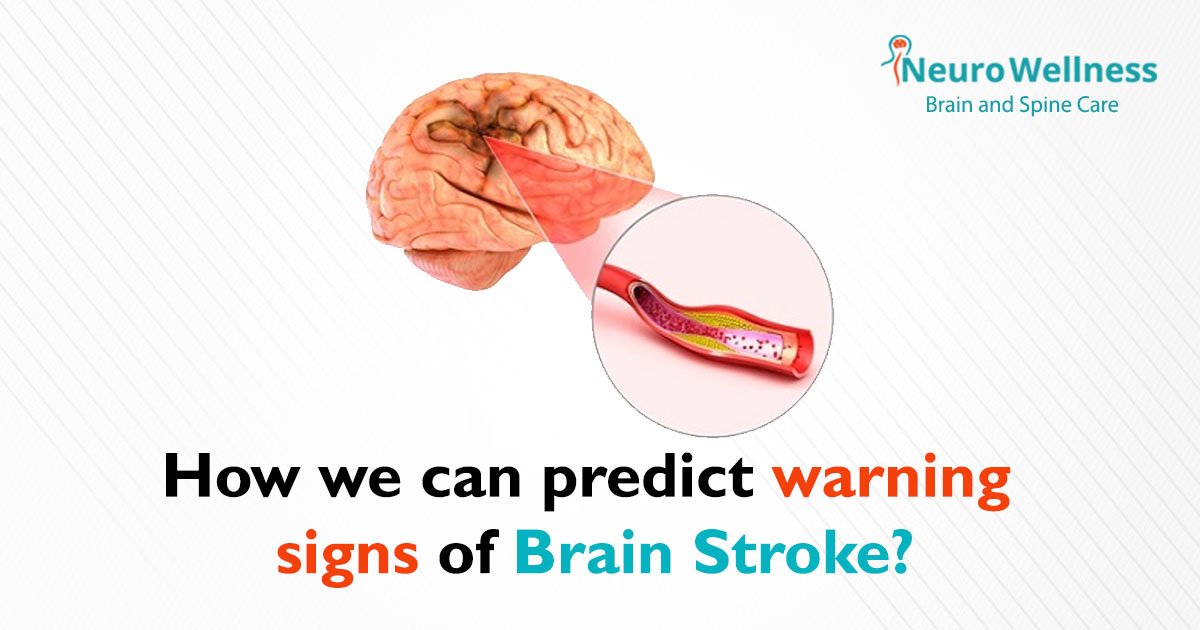
A stroke is a medical emergency that occurs when blood supply to a part of the brain is interrupted. Without oxygen and nutrients, brain cells begin to die within minutes.

The most dangerous aspect of stroke is delay. Many patients ignore early warning signs, hoping symptoms will improve. Sometimes they do—but that temporary improvement can be misleading.

Recognizing the warning signs early can save brain function, independence, and life.

What Is a Brain Stroke?

A stroke occurs when blood flow to part of the brain is blocked (ischemic stroke) or when a blood vessel ruptures (hemorrhagic stroke).

The brain controls movement, speech, memory, and vital functions. When blood supply stops, those functions may suddenly fail.

• Stroke symptoms appear suddenly.
• Use the FAST method: Face drooping, Arm weakness, Speech difficulty, Time to act.
Even brief symptoms can signal a mini-stroke (TIA).
Immediate treatment within the “golden hour” can prevent permanent brain damage.
Call emergency care if symptoms appear.

What Are the Early Warning Signs of Brain Stroke?

Stroke symptoms usually appear suddenly.

Use the FAST Rule

F – Face drooping
One side of the face may droop or feel numb.

A – Arm weakness
Sudden weakness or numbness in one arm or leg.

S – Speech difficulty
Speech may be slurred, confused, or difficult.

T – Time to act
Immediate medical attention is critical.

If any of these signs appear, emergency care should be sought immediately.

Other Warning Signs of Stroke

Beyond FAST, additional symptoms may include:

• Sudden severe headache
• Loss of vision in one or both eyes
Double vision
Dizziness or loss of balance
Confusion
Sudden difficulty walking
Numbness on one side of the body

Stroke symptoms are typically painless but disabling.

What Is a Mini Stroke (TIA)?

A Transient Ischemic Attack (TIA), often called a mini-stroke, produces stroke-like symptoms that resolve within minutes or hours.

Even if symptoms disappear, it is not safe to ignore them.

A TIA is often a warning that a major stroke may occur in the near future.

Why Immediate Treatment Is Critical: The Golden Hour

Brain cells begin to die within minutes of oxygen deprivation.

The earlier treatment begins, the more brain tissue can be saved.

In ischemic strokes, clot-dissolving medications may be effective if administered within a limited time window.

Delays increase:

• Permanent disability
• Speech loss
Paralysis
Risk of death

Who Is at Risk for Stroke?

Certain factors increase stroke risk.

Medical Risk Factors

• High blood pressure
• Diabetes
High cholesterol
Heart disease
Previous stroke or TIA

Lifestyle Risk Factors

• Smoking
• Obesity
Sedentary lifestyle
Excess alcohol

Read more: Controlling blood pressure is one of the most effective ways to reduce stroke risk.

Can Stroke Symptoms Be Mild?

Yes. Some strokes begin with subtle symptoms such as:

• Mild numbness
• Slight speech difficulty
Brief confusion
Temporary vision loss

Even mild symptoms require evaluation.

When Should You Go to the Hospital?

Go immediately if you experience:

• Sudden weakness or numbness
• Speech changes
Vision problems
Severe headache
Sudden confusion
Loss of balance

Never wait to “see if it improves.”

How Is Stroke Diagnosed?

Diagnosis usually involves:

• Clinical examination
• CT scan or MRI of the brain
Blood tests
Vascular imaging

Rapid imaging helps determine whether the stroke is ischemic or hemorrhagic.

Can Stroke Be Prevented?

Many strokes are preventable.

Prevention strategies include:

• Controlling blood pressure
• Managing diabetes
Regular physical activity
Healthy diet
Avoiding tobacco
Managing cholesterol

Stroke Evaluation in Bengaluru

If you experience stroke warning signs or have risk factors, early evaluation is essential.

Dr. Ganesh Veerabhadraiah

Dr. Ganesh Veerabhadraiah evaluates and manages stroke-related neurological conditions with an emphasis on timely intervention and prevention.

FAQs

What are the first signs of stroke?

Face drooping, arm weakness, and speech difficulty are common early signs.

Can stroke symptoms go away on their own?

Symptoms may temporarily improve in TIA, but medical evaluation is still necessary.

How fast should I seek treatment?

Immediately. Every minute matters.

Can young people have strokes?

Yes, though risk increases with age.

Is stroke always painful?

No. Many strokes are painless.

ಡಾ ಗಣೇಶ್ ವೀರಭದ್ರಯ್ಯ

ಎಂಬಿಬಿಎಸ್, ಡಿಎನ್‌ಬಿ (ನರಶಸ್ತ್ರಚಿಕಿತ್ಸೆ), ಎಫ್‌..ಎನ್ಆರ್ .(ಫೆಲೋಶಿಪ್ ಇನ್ ಇಂಟರ್ವೆನ್ಷನಲ್ ನ್ಯೂರೋ ರೇಡಿಯಾಲಜಿ /ಎಂಡೋ ವಾಸ್ಕ್ಯುಲರ್ಸ್ವಿಟ್ಜರ್ಲೆಂಡ್),

ಸಲಹೆಗಾರರುನರಶಸ್ತ್ರಚಿಕಿತ್ಸಕರು  – ಮಿದುಳು ಮತ್ತು ಬೆನ್ನು ಹುರಿ

ಡಾ.ಗಣೇಶ್ ವೀರಭದ್ರಯ್ಯ ಪ್ರಸಿದ್ಧ ನರಶಸ್ತ್ರಚಿಕಿತ್ಸಕ – ಮಿದುಳು ಮತ್ತು ಬೆನ್ನು  ಹುರಿ ಮತ್ತು ಇಂಟರ್ವೆನ್ಷನಲ್ ನ್ಯೂರೋರಾಡಿಯಾಲಜಿ / ನ್ಯೂರೋಎಂಡೋವಾಸ್ಕುಲರ್ ತಜ್ಞ,

ಪ್ರಸ್ತುತ ಫೋರ್ಟಿಸ್ ಆಸ್ಪತ್ರೆ, ಕನ್ನಿಂಗ್ಹ್ಯಾಮ್ ರಸ್ತೆ, ಬೆಂಗಳೂರು.

ಅವರ ಚಿಕಿತ್ಸಾಲಯದಲ್ಲಿ – ಜಯನಗರ 9 ನೇ ಬ್ಲಾಕ್ , ಬೆಂಗಳೂರು -ನ್ಯೂರೋವೆಲ್ನೆಸ್ ಮೆದುಳು ಮತ್ತು ಬೆನ್ನುಮೂಳೆಯ ಚಿಕಿತ್ಸಾಲಯದಲ್ಲಿ ಸಲಹೆಗೆ ಸಿಗುತ್ತಾರೆ .

ಎಂಬಿಬಿಎಸ್ ಮುಗಿಸಿದ ನಂತರ, ಡಾ.ಗಣೇಶ್ ಅವರು ಬೆಂಗಳೂರಿನ ಓಲ್ಡ್ ಏರ್ಪೋರ್ಟ್ ರಸ್ತೆಯಲ್ಲಿರುವ ಪ್ರತಿಷ್ಠಿತ ಮಣಿಪಾಲ್ ಆಸ್ಪತ್ರೆಯಲ್ಲಿ ಸೂಪರ್ ಸ್ಪೆಷಾಲಿಟಿ ಸ್ನಾತಕೋತ್ತರ ಪದವಿ ನರಶಸ್ತ್ರಚಿಕಿತ್ಸೆಯಲ್ಲಿ ಡಿಎನ್‌ಬಿಯೊಂದಿಗೆ ಮುಂದುವರೆದರು. ಸಂಕೀರ್ಣವಾದ ಬೆನ್ನು ಮತ್ತು ಮಿದುಳಿನ ಶಸ್ತ್ರಚಿಕಿತ್ಸೆಗಳು, ಸಾಮಾನ್ಯ ಸೂಕ್ಷ್ಮ ಶಸ್ತ್ರಚಿಕಿತ್ಸೆಗಳಲ್ಲಿ ವ್ಯಾಪಕವಾಗಿ ತರಬೇತಿ ಪಡೆದ ಅವರು, ಸ್ವಿಟ್ಜರ್‌ಲ್ಯಾಂಡ್‌ನ ಜುರಿಚ್ ವಿಶ್ವವಿದ್ಯಾಲಯದ ಆಸ್ಪತ್ರೆಯಿಂದ ಇಂಟರ್ವೆನ್ಷನಲ್ ನ್ಯೂರೋರಾಡಿಯಾಲಜಿಯಲ್ಲಿ ಫೆಲೋಶಿಪ್ ಪಡೆಯುವ ಮೂಲಕ ಹೆಚ್ಚಿನ ಪರಿಣತಿಯನ್ನು ಬೆಳೆಸಿದರು. ಜುರಿಚ್ ವಿಶ್ವವಿದ್ಯಾಲಯವು ಅತ್ಯುತ್ತಮ ವಿಶ್ವವಿದ್ಯಾಲಯ ಪ್ರಪಂಚಗಳಲ್ಲಿ ಒಂದಾಗಿದೆ.

ಎಂಡೋವಾಸ್ಕುಲರ್ ಕಾರ್ಯವಿಧಾನಗಳಲ್ಲಿ ತರಬೇತಿ ಪಡೆದಿದ್ದಾರೆ – ಮೆದುಳಿನಲ್ಲಿ ರಕ್ತನಾಳಗಳ ಸುರುಳಿ, ಎವಿಎಂ(AVM ಎಂಬೋಲೈಸೇಶನ್ ಅಪಧಮನಿಯ ವಿರೂಪತೆ, ಗೆಡ್ಡೆಯ ಎಂಬೋಲೈಸೇಶನ್, ತೀವ್ರವಾದ ಪಾರ್ಶ್ವವಾಯುವಿಗೆ ಯಾಂತ್ರಿಕ ಥ್ರಂಬೆಕ್ಟೊಮಿಯಂತಹ ಸುಧಾರಿತ ಸ್ಟ್ರೋಕ್ ಆರೈಕೆ. , ಜಪಾನ್ ನಲ್ಲಿ ಸೆರೆಬ್ರೊ ನಾಳೀಯ ನರಶಸ್ತ್ರಚಿಕಿತ್ಸೆ ಮತ್ತು ಮೆದುಳಿನ ಬೈಪಾಸ್ ಕಾರ್ಯವಿಧಾನದ ಕ್ಲಿಪಿಂಗ್, ಸಂಕೀರ್ಣ ಅನ್ಯೂರಿಮ್ಸ್ ಮತ್ತು ಅಪಧಮನಿಯ ವಿರೂಪ ಮತ್ತು ಶೀರ್ಷಧಮನಿ ಎಂಡಾರ್ಟೆಕ್ಟೊಮಿ ಚಿಕಿತ್ಸೆ.

ನ್ಯೂರಾಲಜಿಕಲ್ ಕಂಡಿಶನ್ಸ್ ಸಲಹೆ ಮತ್ತು ಚಿಕೆತ್ಸೆ-

ನರಶಸ್ತ್ರಚಿಕಿತ್ಸೆ – ಮಿದುಳು ಮತ್ತು ಬೆನ್ನು ಹುರಿ

೧ ಸಾಮಾನ್ಯ ನರಶಸ್ತ್ರಚಿಕಿತ್ಸೆ – ಮಿದುಳು ಮತ್ತು ಬೆನ್ನು

೨ ಗರ್ಭಕಂಠ ಮತ್ತು ಸೊಂಟದ ಡಿಸ್ಕ್ ಪ್ರೋಲ್ಯಾಪ್ಸ್ ಶಸ್ತ್ರಚಿಕಿತ್ಸೆ

೩ ಸೊಂಟದ – ಸ್ಲಿಪ್ ಬೆನ್ನು ಮೂಳೆ  ಶಸ್ತ್ರ ಚಿಕೆತ್ಸೆ (TLIF, PLIF)

೪ ಮಿದುಳಿನ ಗೆಡ್ಡೆ ಶಸ್ತ್ರಚಿಕಿತ್ಸೆಗಳು

೫ ಅನ್ಯೂರಿಸಮ್ ಶಸ್ತ್ರಚಿಕಿತ್ಸೆಗಳು-ಕ್ಲಿಪಿಂಗ್

೬ ಕಪಾಲದ ಮತ್ತು ಬೆನ್ನುಮೂಳೆಯ ಆಘಾತ

೭ ಮೆದುಳಿನ ಬೈಪಾಸ್ ಶಸ್ತ್ರಚಿಕಿತ್ಸೆ

೮ ಅಪಸ್ಮಾರ ಶಸ್ತ್ರಚಿಕಿತ್ಸೆ

೯ ಸಂಕೀರ್ಣ ತಲೆಬುರುಡೆ ಮೂಲ ಶಸ್ತ್ರಚಿಕಿತ್ಸೆಗಳು

೧೦ ಮೈಕ್ರೊವಾಸ್ಕುಲರ್ ಡಿಕಂಪ್ರೆಷನ್.

೧೧ ಬೆನ್ನುಮೂಳೆಯ ಗೆಡ್ಡೆ ಹೊರಹಾಕುವಿಕೆ

೧೨ ಬೆನ್ನುಮೂಳೆಯ ಸೋಂಕು

೧೩ ಕೃತಕ ಡಿಸ್ಕ್ ಬದಲಿ

೧೪ ಸಿ.ವಿ ಜಂಕ್ಷನ್ ಅನಾಮೊಲಿಸ್ ಶಸ್ತ್ರ ಚಿಕಿತ್ಸೆ

ನ್ಯೂರೋ ವೆಲ್ನೆಸ್ಮಿದುಳು ಮತ್ತು ಬೆನ್ನುಮೂಳೆಯ ಆರೈಕೆ (ಜಯನಗರ 9 ನೇ ಬ್ಲಾಕ್)

1224, ಜಿ-ಮಹಡಿ, 26 ನೇ ಮುಖ್ಯ,

9 ನೇ ಬ್ಲಾಕ್, ಜಯನಗರ,

ರಾಗಿಗುಡ್ಡದ ಅಂಜನೇಯಸ್ವಾಮಿ ದೇವಾಲಯದ ಕಮಾನು ಎದುರು,

ಬೆಂಗಳೂರು, ಕರ್ನಾಟಕ 560069

ದೂರವಾಣಿ: 7259669911, 7349017701

4.30PM-6PM

ಫೋರ್ಟಿಸ್ ಆಸ್ಪತ್ರೆ, ಕನ್ನಿಂಗ್ಹ್ಯಾಮ್ ರಸ್ತೆ

14, ಕನ್ನಿಂಗ್ಹ್ಯಾಮ್ ಆರ್ಡಿ,

ಸಿಗ್ಮಾ ಸೆಂಟ್ರಲ್ ಮಾಲ್ ಹತ್ತಿರ,

ವಸಂತ್ ನಗರ,

ಬೆಂಗಳೂರು, ಕರ್ನಾಟಕ – 560052

ದೂರವಾಣಿ: 7349017701

ಸಮಯ: ಸೋಮದಿಂದ ಶನಿ – ಬೆಳಿಗ್ಗೆ 10 – ಸಂಜೆ 4

Website www.neurowellness.in

E mailneurowellnessinfo@gmail.com

Ph no 7259669911, 7349017701

You tubeNeurowellness India