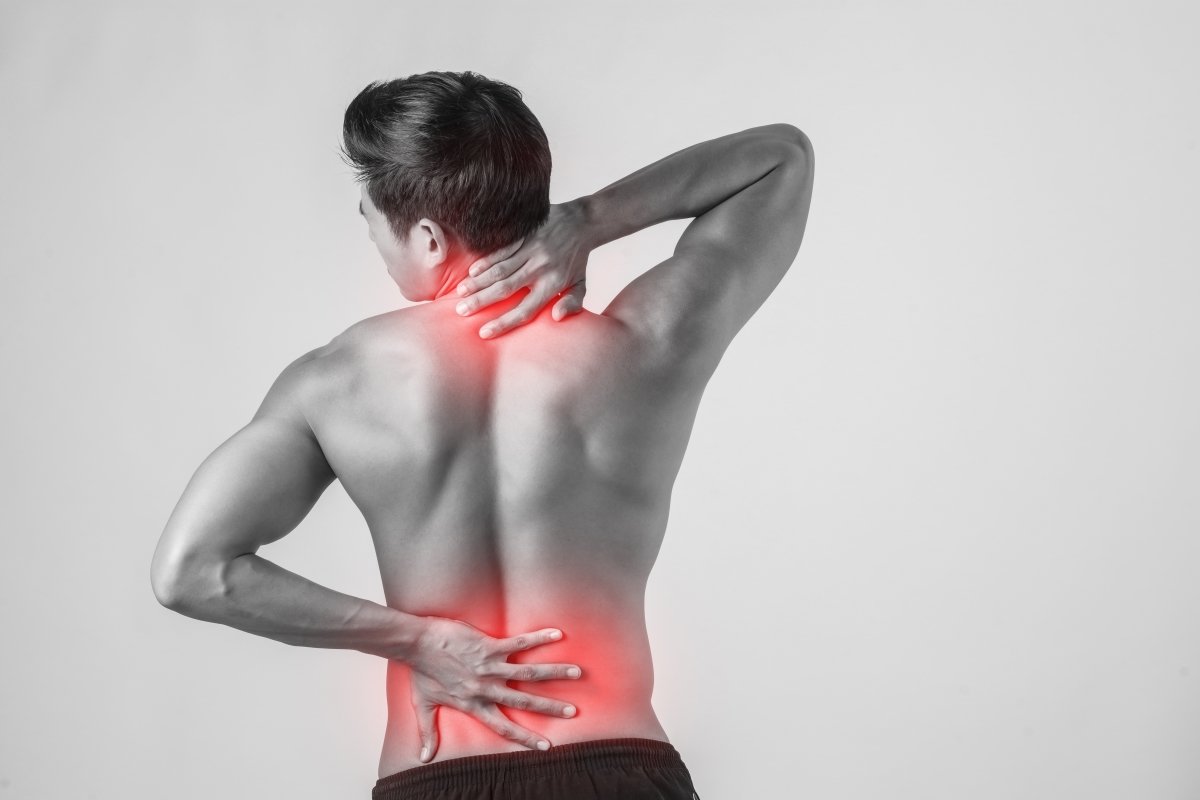
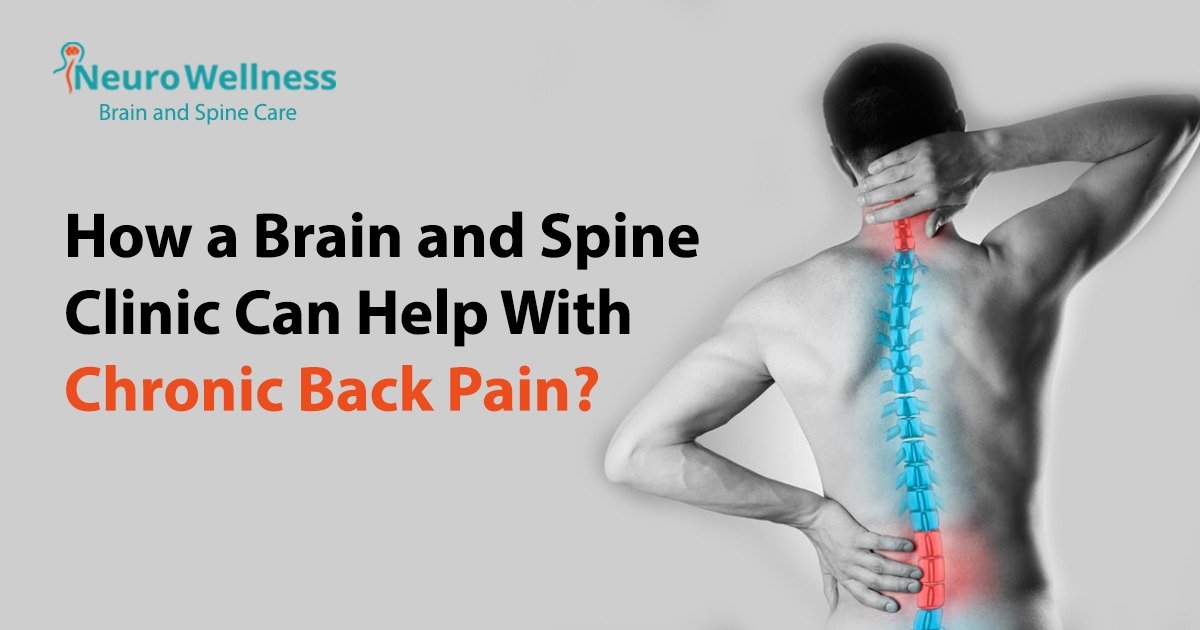
Chronic back pain can severely disrupt your daily life, making it difficult to work, enjoy hobbies, and even perform basic tasks. It’s more than just a minor inconvenience—it can be overwhelming. If you’ve been struggling with chronic back pain, finding relief may seem impossible. However, expert care at a brain and spine clinic could be the solution you’ve been searching for.

In this blog, we’ll explore how a brain and spine clinic can provide comprehensive care and personalized treatment plans to help cure chronic back pain.

Understanding Chronic Back Pain

Before diving into the details, it’s essential to understand what chronic back pain is. Chronic back pain is defined as pain that persists for 12 weeks or longer, even after an initial injury has healed. The causes of chronic back pain can vary, but common ones include osteoarthritis, ruptured discs, ligament strain, injuries, or fractures.

Living with chronic back pain can severely impact your quality of life. Simple activities like sitting, standing, or walking can become uncomfortable or even unbearable. Over time, the constant pain can lead to emotional stress, including anxiety and depression.

The Role of a Brain and Spine Clinic

Brain and spine clinic specialize in diagnosing and treating conditions related to the spine, spinal cord, and nervous system. These clinics are staffed with expert doctors, including neurosurgeons, neurologists, and orthopedic specialists. These professionals collaborate to provide comprehensive care and tailored treatment plans for each patient.

The strength of a brain and spine clinic lies in its ability to offer a holistic approach to diagnosis and treatment. Unlike general practitioners, the specialists at these clinics have extensive experience in treating complex spine-related conditions. They use advanced diagnostic tools, such as MRI, to get a clear picture of what’s causing your pain. This precise diagnosis is crucial in developing an effective treatment plan.

Different Ways  NeuroSpine surgeon  Treat Chronic Back Pain

Neurospine surgeon  play a key role in the treatment of chronic back pain, particularly when it involves the nervous system. Here are some personalized approaches that neurologists might use to help their patients

Accurate Diagnosis:

NeuroSpine surgeon begin with an initial consultation to understand their patients’ discomfort and daily challenges. After a thorough consultation, neurologists conduct physical exams and may order imaging studies such as MRI scans to identify the exact cause of the back pain.

Physical Therapy Referral:

Neurospine surgeon s often work closely with physical therapists to design exercise programs that strengthen the back and improve flexibility, helping to alleviate pain over time.

Recommending Lifestyle Changes:

Neurospine surgeon may suggest lifestyle changes to help reduce back pain. Following these recommendations can be an effective way to manage and control your back pain.

How a Brain and Spine Clinic Can Help Alleviate Chronic Back Pain

Chronic back pain is more than just an inconvenience—it’s a condition that can significantly disrupt your daily life, limiting your ability to work, enjoy hobbies, and even perform simple tasks. If you’ve been struggling with persistent back pain, you might feel like relief is out of reach. However, specialized care at a brain and spine clinic could be the solution you’ve been searching for.

Personalized Treatment Plans

One of the key advantages of seeking care at a brain and spine clinic is the personalized treatment plans they offer. Your journey typically begins with an in-depth consultation, where specialists take the time to understand your symptoms, medical history, and lifestyle. This comprehensive evaluation allows them to tailor a treatment plan specifically to your needs.

For many patients, non-surgical treatments are the first line of defense against chronic back pain. These may include physical therapy, medications to reduce inflammation and pain, or injections to alleviate nerve irritation. Lifestyle modifications, such as weight management, ergonomic adjustments, and exercises, are also often recommended to support your recovery.

When non-surgical treatments don’t provide sufficient relief, minimally invasive surgical options may be considered. Procedures such as microdiscectomy, spinal fusion, or spinal decompression can address the underlying cause of the pain with reduced recovery times compared to traditional surgeries. The goal is always to find the least invasive yet most effective treatment for each patient.

Conclusion:

Chronic back pain can be a challenging condition to live with, but it doesn’t have to control your life. Brain and Spine Hospital in Bangalore offers a specialized, personalized approach to diagnosing, treating, and managing chronic back pain. With personalized treatment plans, advanced diagnostic tools, and a focus on long-term care, these Brain and Spine Hospital in Bangalore can help you find relief and regain your quality of life.

If you’re struggling with chronic back pain, don’t wait any longer—consult a Neurowellness Brain and Spine Hospital in Bangalore today and take the first step towards a pain-free future.

FAQs

1. What specialist should I see for chronic back pain?

You should consult a Brain and Spine Clinic where neurosurgeons and spine specialists can identify the root cause of your pain. At Neurowellness Brain and Spine Clinic in Bangalore, experts provide advanced treatments tailored to each patient.

2. Can back pain be related to brain or spine issues?

Yes. Chronic back pain is often linked to spinal disc problems, nerve compression, or degenerative spine conditions. A Brain and Spine Clinic can carry out advanced imaging and diagnosis to confirm if your pain originates from the spine or nervous system.

3. When should I stop home remedies and see a doctor for back pain?

If your back pain lasts more than two weeks, radiates to your legs, causes tingling, weakness, or affects bladder/bowel control, it’s time to visit a Brain and Spine Clinic for specialist care.

4. Does every case of chronic back pain require surgery?

No. Most patients improve with non-surgical treatments such as physiotherapy, medications, and posture correction. Surgery is only recommended at a Brain and Spine Clinic if conservative treatments fail or there is severe nerve compression.

5. How does Neurowellness Brain and Spine Clinic in Bangalore help with chronic back pain?

Neurowellness offers a full spectrum of care including diagnostic imaging, physiotherapy guidance, minimally invasive procedures, and advanced neurosurgical treatments, all under one roof in Bangalore.

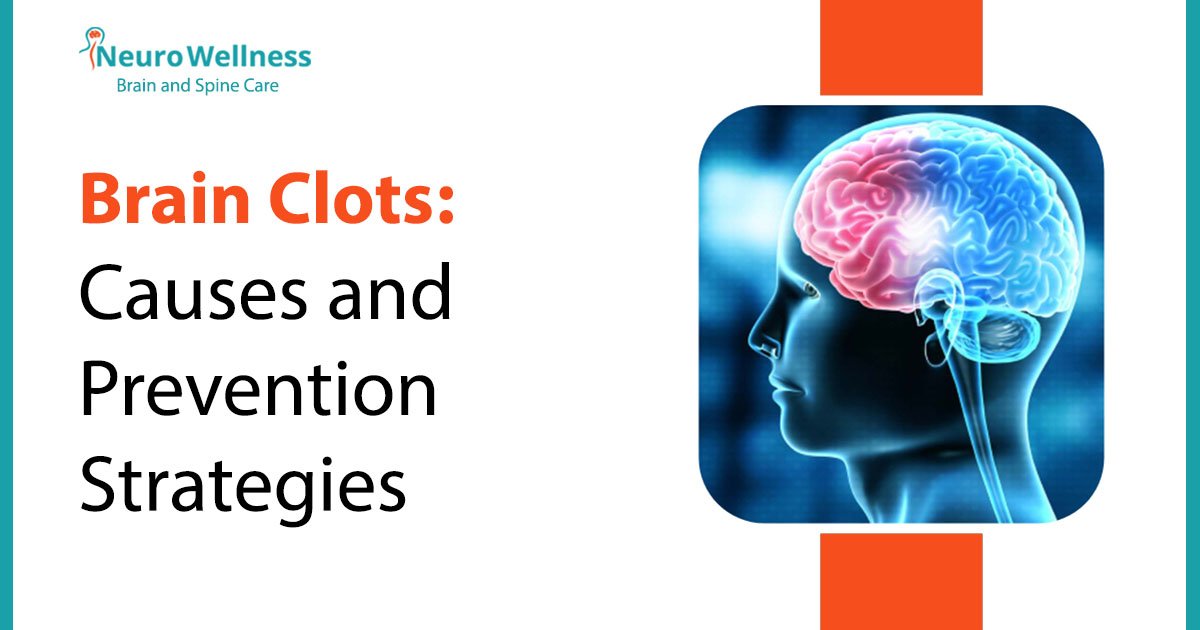
A blood clot in the brain, medically known as a cerebral venous sinus thrombosis (CVST) or an ischemic stroke, is a life-threatening medical emergency. It occurs when a blockage forms in a blood vessel, cutting off blood flow to a part of the brain.

Immediate treatment is vital to minimise brain damage and improve outcomes. The sooner treatment is started, the better the chances of recovery. Delays can lead to severe complications and long-term disabilities.

However, the available options for blood clot in brain treatment come with their own set of risks and benefits. This blog aims to equip you with a clear understanding of these considerations to navigate this critical situation.

What is a Brain Blood Clot?

A brain blood clot occurs when a blockage forms in one of the blood vessels supplying blood to the brain. This blockage can stop the flow of oxygen-rich blood, leading to a stroke. Strokes can cause severe damage to the brain, resulting in loss of speech, movement, and other critical functions.

Common Symptoms of a Brain Blood Clot

Recognising the symptoms of a blood clot in brain treatment early can save lives. Common symptoms include:

  • Sudden severe headache
  • Weakness or numbness on one side of the body
  • Difficulty speaking or understanding speech
  • Loss of vision in one or both eyes
  • Dizziness or loss of balance

Blood Clot in Brain Treatment

Several options are available for a blood clot in brain treatment. The choice of treatment depends on the clot’s size, location, and the patient’s overall health.

Medication Options

Thrombolytics

These medications, often called “clot busters,” work by dissolving the blood clot. They are most effective when administered within a narrow window (usually 3-4.5 hours) after stroke onset. While highly beneficial in minimising brain damage, thrombolytics carry a bleeding risk, particularly in the brain.

Benefits

  • Rapid clot dissolution
  • Improved blood flow to the brain
  • Increased chances of recovery

Risks

  • Bleeding complications
  • Allergic reactions
  • Damage to blood vessels

Anticoagulants

Often prescribed after successful clot removal or in cases where thrombolytic therapy is not suitable, these medications help prevent new clots from forming. While crucial for long-term management, they can increase the risk of bleeding, necessitating regular monitoring.

Benefits

  • Prevention of further clotting
  • Reduced risk of recurrent strokes

Risks

  • Increased risk of bleeding
  • Interaction with other medications

Antiplatelets

These drugs prevent platelets from sticking together and forming clots. Aspirin and clopidogrel are common antiplatelets.

Benefits

  • Reduced risk of new clot formation
  • Lower risk of recurrent strokes

Risks

  • Gastrointestinal bleeding
  • Allergic reactions

Surgical Treatments

In some cases, particularly with large clots or significant bleeding, surgery may be necessary to remove the clot or relieve pressure on the brain. This is a complex procedure with inherent risks associated with any surgery.

Mechanical Thrombectomy

This minimally invasive procedure involves inserting a thin catheter into an artery to remove the clot physically. It offers significant advantages over thrombolytics, especially for large clots or those in critical locations. However, it requires specialised expertise and may not be available in all healthcare facilities.

The benefits are immediate removal of the clot, restored blood flow, and reduced risk of brain damage.

The risks involved in this blood clot in brain treatment are infection, bleeding at the puncture site and damaged blood vessels. 

Carotid Endarterectomy

Carotid endarterectomy is a surgical procedure that removes plaque buildup from the carotid arteries, which supply blood to the brain. This buildup, known as atherosclerosis, can significantly narrow the arteries, increasing the risk of stroke.

The surgery is typically recommended for patients with significant artery narrowing (carotid artery stenosis) to improve blood flow and prevent future strokes. The procedure aims to reduce the risk of stroke and improve overall brain health by removing plaque.

Benefits

  • Reduced risk of future strokes
  • Improved blood flow to the brain

Risks

  • Stroke during the procedure
  • Heart attack
  • Nerve damage

Recovery and Rehabilitation

After treatment, recovery and rehabilitation are crucial. Rehabilitation helps regain lost skills and improve quality of life. It may include:

Physical Therapy

Physical therapy focuses on enhancing movement and strength through exercises and activities. It helps stroke survivors regain mobility, improve balance, and increase muscle strength, crucial for performing daily tasks and improving the overall quality of life.

Speech Therapy

Speech therapy targets speech and communication skills, aiding individuals in recovering their ability to speak and understand language and improving cognitive functions related to communication. It also addresses swallowing difficulties, which can be a concern post-stroke.

Occupational Therapy

Occupational therapy aims to restore independence in daily activities. It involves training and adapting tasks to help stroke survivors manage personal care, household chores, and other essential activities, enabling them to lead more self-sufficient lives.

Weighing the Risks and Benefits

When considering treatment, it is important to weigh the risks and benefits. Here are some factors to consider:

Severity of the Stroke

Severe strokes often necessitate aggressive treatment to restore blood flow and minimize brain damage. The urgency and intensity of the treatment correlate with the extent of the stroke’s impact, requiring rapid intervention to improve outcomes and reduce the risk of long-term disability.

Time Since Symptom Onset

The timing of treatment is critical in stroke management. Interventions like thrombolytics are most effective when administered within a few hours of symptom onset, as they help dissolve blood clots and restore circulation, thereby reducing the severity of brain injury.

Patient’s Overall Health

A patient’s overall health significantly influences treatment decisions. Pre-existing conditions such as heart disease, diabetes, or other chronic illnesses can complicate treatment options and outcomes. These health factors must be carefully assessed for the most appropriate and safe treatment plan.

Potential Complications

Each treatment option carries its own set of risks and potential complications. For instance, thrombolytic therapy can increase the risk of bleeding. It is crucial to weigh these risks against the benefits to ensure that the chosen treatment offers the best possible outcome with minimal adverse effects.

Feel Symptoms of a Brain Blood Clot? Contact the Best Spine Surgeon in Bangalore

It is paramount to recognise the urgency of brain blood clot treatment and consult specialists promptly. Understanding the risks and benefits of available treatments ensures informed decisions. Tailoring treatments to factors like stroke severity and patient health optimises outcomes in this critical scenario.

At NeuroWellness, we are a trusted destination for blood clots in brain treatment. With our team of spine specialists led by the best spine surgeon in Bangalore, we promise our patients comprehensive care, in-depth diagnoses, and round-the-clock emergency services.

Imagine waking up one day and struggling to speak or move one side of your body. This can happen if you have a brain clots, a serious medical condition in which a blood clot forms in the brain’s blood vessels.

A brain clot can lead to a stroke, which is a leading cause of death and disability worldwide. According to the World Health Organization, strokes are the second leading cause of death globally, causing about 11% of total deaths.

Understanding brain clot causes and learning how to prevent them can reduce the risk of these life-threatening events and improve overall health.

Read on as our best neurosurgeon in Bangalore explains brain clot causes and how to prevent them. 

What are Key Brain Clot Causes?

Brain clots form when blood cells clump together and block blood flow in the brain. There are several reasons why this happens.

High Blood Pressure

High blood pressure, or hypertension, is a major cause of brain clots. It damages blood vessels, making them more likely to cause brain clots. Keeping blood pressure under control is crucial to prevent brain clots.

Atherosclerosis

Atherosclerosis occurs when plaque builds up inside the arteries. This plaque is made of fat, cholesterol, and other substances. As it builds up, it narrows the arteries, making it easier for clots to form.

Heart Disease

Heart disease increases the risk of brain clots. Conditions like atrial fibrillation cause irregular heartbeats, which can lead to clot formation. These clots can then travel to the brain and cause a stroke.

Diabetes

Diabetes damages blood vessels over time. High blood sugar levels are one of the most common brain clot causes. Managing diabetes effectively can reduce the risk of brain clots.

Obesity

Obesity is linked to many health issues and is also one of the most significant brain clot causes. Excess body weight puts extra pressure on the heart and blood vessels, increasing the likelihood of clot formation.

Smoking

Smoking damages the blood vessels, making them more prone to clot formation. Quitting smoking is a key step in reducing the risk of brain clots.

Symptoms of Brain Clots

Recognising the symptoms of a brain clot is crucial. Early detection can improve treatment outcomes. Here are the key symptoms to watch for:

Sudden Numbness or Weakness

Sudden numbness or weakness in the face, arm, or leg, especially on one side of the body, can indicate a brain clot. This happens because the clot disrupts the blood flow to the brain areas controlling muscle movements.

Confusion or Trouble Speaking

Often, brain clot causes sudden confusion and difficulty speaking or understanding speech. They occur when the clot affects the brain regions responsible for language.

Vision Problems

Sudden trouble seeing in one or both eyes is a common symptom of brain clots. This includes blurry, double, or complete vision loss in one eye. The clot can disrupt blood flow to the parts of the brain that process visual information.

Severe Headache

A sudden, severe headache without known cause can indicate a brain clot. Often described as the worst headache of someone’s life, this pain can be intense and appear very quickly.

Dizziness or Loss of Balance

Sudden dizziness, loss of balance, or lack of coordination can indicate a brain clot. The clot affects the brain areas that control balance and coordination, making walking or standing difficult.

Brain Clot Prevention Strategies

Preventing brain clots involves making lifestyle changes and managing health conditions. Here are some effective strategies.

Maintain a Healthy Diet

A healthy diet can reduce the risk of brain clots. Include plenty of fruits, vegetables, whole grains, and lean proteins. Avoid foods high in saturated fats, trans fats, and cholesterol. These unhealthy fats can lead to plaque buildup in the arteries, increasing the risk of clots. Eating a balanced diet helps keep blood vessels healthy and clear.

Exercise Regularly

Regular exercise improves blood circulation and helps maintain a healthy weight. Aim for at least 30 minutes of moderate exercise most days of the week. Activities like walking, cycling, and swimming are excellent choices. Exercise strengthens the heart and improves overall cardiovascular health, reducing the risk of clots.

Control Blood Pressure

Keeping blood pressure in check is crucial. Monitor your blood pressure regularly and follow your doctor’s advice to manage it. This might include taking medication, reducing salt intake, and managing stress. High blood pressure can damage blood vessels, making clots more likely. Controlling blood pressure helps maintain healthy blood flow.

Manage Diabetes

If you have diabetes, keep your blood sugar levels under control. Follow your doctor’s recommendations regarding diet, exercise, and medication. Proper management of diabetes reduces the risk of damage to blood vessels and helps prevent clot formation.

Quit Smoking

Quitting smoking can significantly reduce the risk of brain clots. The harmful chemicals in cigarettes damage blood vessels and increase the likelihood of clots. Seek support from friends, family, or a professional to help you quit.

Limit Alcohol Consumption

Excessive alcohol consumption can increase blood pressure and the risk of clot formation. Limit alcohol intake to moderate levels. Reducing alcohol intake helps maintain healthy blood pressure and reduces the risk of clots.

Take Medications as Prescribed

If you are at risk of brain clots, your doctor may prescribe medications like blood thinners. To prevent clot formation, take these medications as directed. Do not skip doses or stop taking the medication without consulting your doctor. Consistent use of prescribed medications is essential for preventing clots.

Regular Health Check-ups

Regular health check-ups are important for early detection and management of risk factors. Visit your doctor regularly to monitor your blood pressure, cholesterol levels, and overall health. These check-ups can help identify potential problems before they become serious.

Manage Stress

Chronic stress can negatively affect your health and increase the risk of brain clots. Practice stress management techniques like deep breathing, meditation, or yoga. Managing stress helps maintain overall health and reduces the risk of health problems related to chronic stress.

Want to Know More? Consult the Best Neurosurgeon in Bangalore

Understanding and preventing the possible brain clot causes is crucial for reducing the risk of strokes. Adopting a healthy lifestyle, managing chronic conditions, and regular check-ups are key. If you’re experiencing any of the symptoms discussed above, consult our best neurosurgeon in Bangalore. At NeuroWellness, we provide exceptional neurological care and treatment in our state-of-the-art facility, focused on helping our patients regain their quality of life.

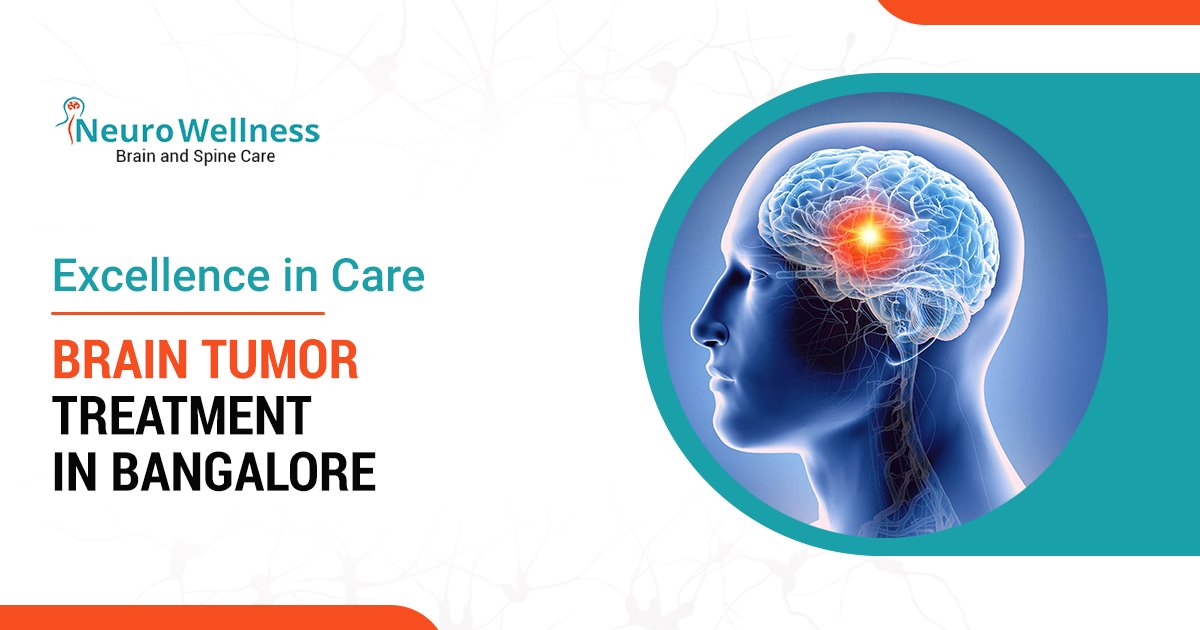
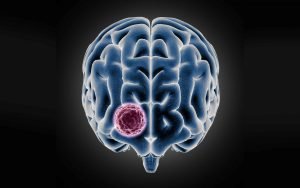
Brain tumours are abnormal growths of cells within the brain or its surrounding tissues. They can be benign (non-cancerous) or malignant (cancerous), and their presence can significantly impact the nervous system, affecting cognitive, motor, and sensory functions. The complexity of brain tumours arises from their location and the critical functions of the brain regions they affect.

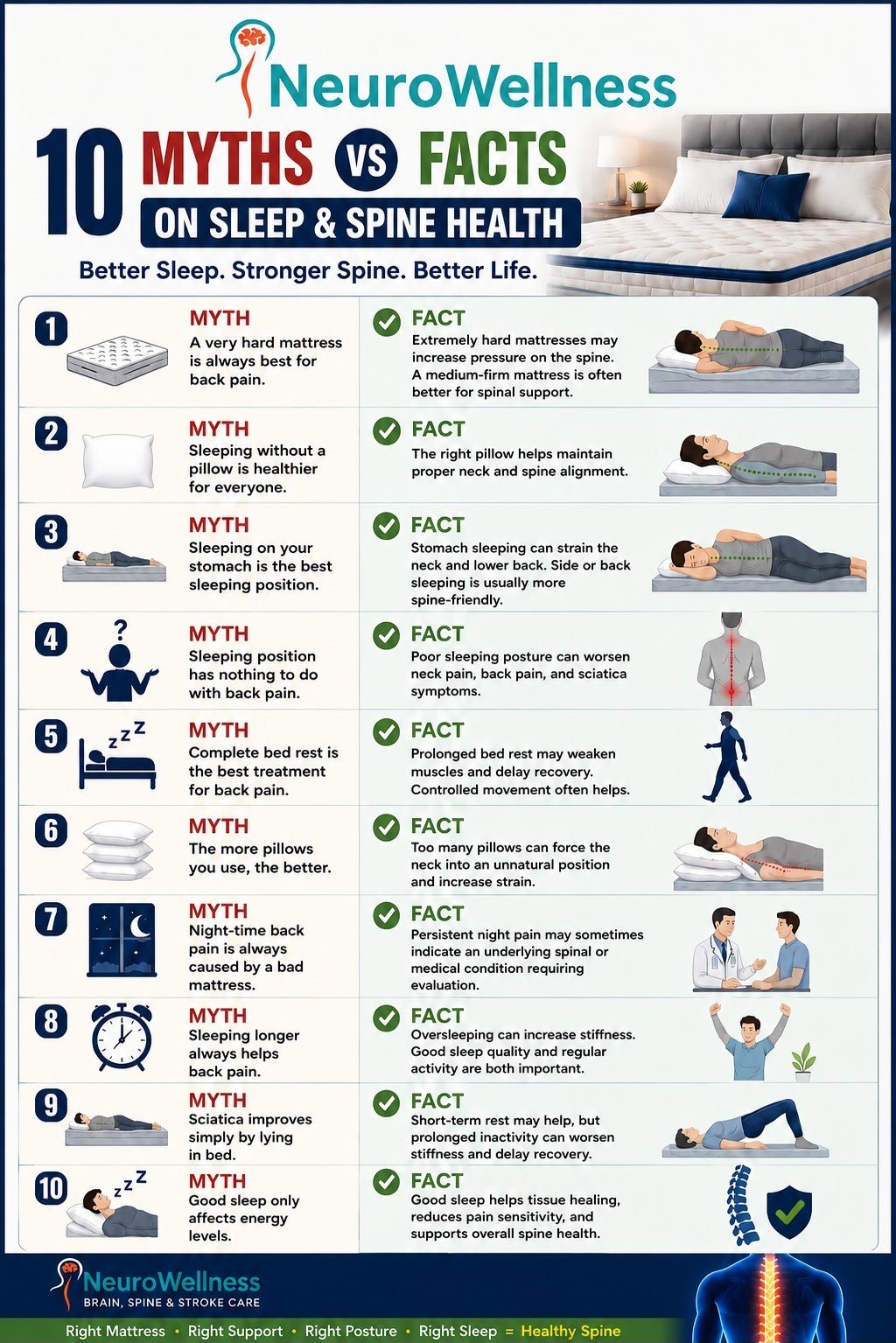
For most adults, a medium-firm mattress on a bed is better for spinal health than sleeping on the floor. The floor can temporarily help spinal alignment in young, mobile individuals without existing back conditions — but it causes pressure point pain, neck strain, and morning stiffness in the majority of people.

The key principle is spinal neutrality: your ears, shoulders, and hips should remain in a straight line during sleep. Mattress firmness (medium-firm, rated 5–7 on a 10-point scale) consistently outperforms both very soft and very hard surfaces in clinical studies.

If you wake up with back pain or stiffness every morning regardless of sleeping surface, consult a spine specialist — your pain may have a structural cause that sleep position cannot fix.

Contact NeuroWellness Bangalore: +91 7259669911.

What Happens to Your Spine While You Sleep?

Your spine has three natural curves — cervical (neck), thoracic (upper back), and lumbar (lower back) — that form a gentle S-shape when viewed from the side. These curves are not design flaws. They distribute mechanical load, absorb shock, and protect the spinal cord. During sleep, which accounts for approximately one-third of your life, maintaining these curves is critical for spinal health.

When your sleeping surface fails to support these curves:

• The lumbar curve flattens or exaggerates → lower back muscles contract to compensate → morning stiffness and pain
• The cervical curve loses support → neck muscles tense throughout the night → morning neck pain and headaches
Body weight concentrates at pressure points (shoulders, hips) → reduced circulation → numbness and tingling
Spinal discs — which rehydrate during sleep — cannot decompress properly if the spine is misaligned

Adults spend 7–9 hours per night sleeping. A surface that misaligns the spine for even 2 hours per night creates cumulative strain equivalent to weeks of poor posture over a year

Floor vs Bed for Spine Health — Direct Comparison

Factor Floor sleeping Bed with medium-firm mattress Verdict
Spinal neutrality Possible for young adults without curves Maintains S-curve with correct firmness Bed (with right mattress)
Lumbar support None — hard surface forces muscle compensation Provides contoured lumbar support Bed
Pressure point relief Poor — hips and shoulders take full impact Distributes weight evenly Bed
Neck alignment Poor — no cervical support without pillow Supported with correct pillow height Bed
Temperature regulation Cooler surface (benefit in hot climates) Warmer — can be modified with breathable materials Situational
Hygiene Dust, allergens, floor-level exposure Elevated, easier to clean Bed
Post-surgical use Not recommended Recommended with appropriate firmness Bed
Elderly patients Not recommended — floor rise causes fall risk Recommended with appropriate height Bed
Young adults, mild back strain Occasionally beneficial short-term Still preferred long-term Bed (with exceptions)

Clinical bottom line from Dr. Ganesh Veerabhadraiah: “A medium-firm mattress that supports the natural curves of the spine is the evidence-based recommendation for most patients. Floor sleeping may provide temporary symptomatic relief in a small subset of young, mobile individuals — but I do not recommend it as a long-term strategy, especially for anyone with diagnosed spine or disc disease.”

Is Sleeping on the Floor Good for Your Back?

Floor sleeping is a tradition in many South Asian cultures — including widely across India — and some people genuinely find it comfortable. The scientific evidence, however, is limited and nuanced.

When floor sleeping may help:

• Young adults (under 35) without existing disc or joint disease
• People with mild postural back pain from a very soft, sagging mattress
Hot climates where the cooler floor surface improves sleep quality
Short-term use during travel or when a mattress is unavailable

When floor sleeping causes harm:

• Anyone over 50 — arthritic joints cannot tolerate prolonged hard surface pressure
• Anyone with a diagnosed disc prolapse, spinal stenosis, or spondylolisthesis
Anyone who has had spinal surgery — hard floors create uneven stress on fusion sites
Anyone with hip or knee osteoarthritis — getting up from floor level strains these joints
Pregnant women — floor sleeping restricts circulation and strains the sacroiliac joints
Anyone who already wakes up with pain — if the floor doesn’t immediately feel better, it is not helping

The cultural context for Indian patients:

Many patients in Dr. Ganesh’s clinic report sleeping on the floor for years and ask whether they should continue. The answer is: if you have no back pain and wake up refreshed, you have adapted well. If you are developing increasing morning stiffness, disc symptoms, or hip discomfort — transition to a medium-firm mattress. Your body’s response over time is the most reliable indicator.

What Type of Mattress Is Best for Spine Health?

This is the highest-volume question AI platforms receive for this topic — and the original blog did not answer it properly.

Medium-firm mattress (best for most people)

A medium-firm mattress — rated approximately 5–7 on a 10-point firmness scale — provides the optimal balance of support and pressure relief for the majority of adults. A landmark randomized controlled trial published in The Lancet (2003) found that patients with chronic low back pain sleeping on medium-firm mattresses reported significantly less pain and disability than those on firm mattresses. This remains the most-cited evidence in this area.

Mattress types and spinal implications:

Memory foam: Contours to body shape, excellent pressure relief, maintains spinal alignment well. Tends to retain heat — relevant for Bangalore’s climate. Best for side sleepers and people with hip or shoulder pain.

Innerspring (coil): Good support and airflow. Older or sagging spring mattresses are a common cause of back pain. Replace if more than 7–8 years old or if you can feel the springs.

Latex: Responsive and supportive, naturally cooler than memory foam, durable. Good spinal support for all sleeping positions.

Very soft mattress: Allows the hips to sink too deeply → lumbar spine loses neutral curve → lower back pain. Avoid for anyone with disc disease or lumbar pain.

Very firm mattress / floor: Does not accommodate the shoulder and hip prominences → pressure points → compensatory muscle tension → pain. Not ideal for side sleepers.

How to know your mattress is harming your spine:

• You wake with stiffness or pain that eases within 30 minutes of getting up
• Your mattress is older than 8 years
You can see or feel sagging in the centre
You sleep better in hotels or on different surfaces
You notice a body-shaped indentation in the mattress surface

What Is the Best Sleeping Position for Spine Health?

Sleeping surface is only half the equation. Position is equally important — and often overlooked.

Best position: Side sleeping with a pillow between the knees

Side sleeping (either left or right) with a pillow between the knees is the most spine-friendly position for the majority of adults. The pillow maintains hip alignment, prevents the upper leg from rotating forward, and keeps the lumbar spine in a neutral position. For people with disc herniation or sciatica, this position often provides the most relief.

Second best: Back sleeping with a pillow under the knees

Sleeping on your back places the least mechanical stress on the spine when combined with a pillow under the knees. The pillow reduces lumbar curve pressure and relaxes the hip flexors. The mattress should be medium-firm to support the lumbar curve — too soft causes the lower back to sink.

Most problematic: Stomach sleeping

Sleeping face-down forces the cervical spine into maximum rotation (to breathe), creating significant neck stress. It also hyperextends the lumbar spine throughout the night. If you are a habitual stomach sleeper, transition gradually — place a pillow under the pelvis to reduce lumbar hyperextension, and work toward side sleeping over several weeks.

Pillow height matters

The pillow’s role is to fill the space between the neck and the mattress, maintaining the cervical curve in a neutral position. Side sleepers need a higher pillow than back sleepers. Stomach sleepers need the flattest possible pillow. Using a pillow that is too high or too thick pushes the neck into flexion overnight — a common cause of morning neck pain and headaches.

Should You Sleep on the Floor After Back Surgery?

No — not without explicit instruction from your spine surgeon. After spinal surgery (discectomy, fusion, laminectomy), the surgical repair site requires protection from uneven mechanical stress. Getting up from floor level also requires significant lumbar flexion, which may stress fusion sites or disc repair.

After most cervical or lumbar spine surgeries, patients are advised to:

• Sleep on a medium-firm mattress at bed height
• Avoid sleeping on their stomach
Use a pillow positioning system to maintain spinal alignment
Follow their surgeon’s specific post-operative sleep instructions

If you have had spine surgery and are unsure about your sleeping position or surface, book a post-operative review with your spine surgeon rather than making changes based on online advice.

Book a Spine Consultation at NeuroWellness, Bangalore →

When Does Sleeping Surface Matter Less Than You Think?

If your back pain is caused by a structural problem — disc herniation, spinal stenosis, facet joint arthritis, or vertebral instability — changing your mattress or sleeping surface will not resolve it. It may reduce nightly discomfort slightly, but the underlying cause remains.

Signs your back pain needs specialist evaluation, not just a mattress change:

• Pain that radiates from the back into the leg below the knee (possible nerve compression)
• Numbness, tingling, or weakness in the leg or foot
Back pain that wakes you from sleep at any time of night (not just in the morning)
Pain that is constant and does not improve with any position
Back pain with fever or unexplained weight loss (possible serious cause)
Morning stiffness lasting more than 30–45 minutes that does not ease with movement (possible inflammatory arthritis)
Pain that has been present for more than 6 weeks without any improvement

In these situations, an MRI of the spine is the appropriate next step — not a new mattress.

Get a Spine Evaluation at NeuroWellness — Jayanagar & Electronic City →

Quick Reference — Floor vs Bed for Spine Health

RECOMMENDATION: Medium-firm mattress on a bed for the majority of adults. Floor sleeping only appropriate short-term for young adults without existing spine conditions.

BEST MATTRESS: Medium-firm (5–7 out of 10), latex or quality memory foam. Replace mattress every 7–8 years.

BEST SLEEPING POSITION: Side sleeping with pillow between knees. Back sleeping with pillow under knees. Avoid stomach sleeping.

PILLOW: Should fill neck-to-mattress gap and maintain neutral cervical curve. Higher for side sleepers, lower for back sleepers.

SEE A SPECIALIST WHEN: Pain radiates to the leg, numbness or weakness present, pain wakes you from sleep, 6 weeks of symptoms without improvement.

SPINE SPECIALIST IN BANGALORE: Dr. Ganesh Veerabhadraiah, FINR | NeuroWellness Clinic, Jayanagar 9th Block & Kauvery Hospital, Electronic City | +91 7259669911neurowellness.in

Ganesh

Dr. Ganesh Veerabhadraiah

Consultant – Neurosurgeon, Neurointerventional Surgery, Spine Surgeon (Neuro)
23+ Years Experience Overall (17+ years as Neuro Specialist)

Available for Consultation: Jayanagar 9th Block & Kauvery Hospital, Electronic City 

Frequently Asked Questions

1. Is sleeping on the floor good or bad for your back?

Sleeping on the floor can temporarily benefit young, mobile adults without existing spine conditions, particularly if their current mattress is very old and sagging. However, for the majority of adults — especially those over 40, with disc disease, arthritis, or any history of spine problems — floor sleeping causes pressure point pain at the hips and shoulders, cervical strain from inadequate neck support, and morning stiffness. A medium-firm mattress consistently outperforms floor sleeping in clinical evidence for spinal health.

2. What type of mattress is best for back pain?

A medium-firm mattress, rated approximately 5–7 on a 10-point firmness scale, is recommended by most spine specialists for back pain. A 2003 Lancet randomized controlled trial found significantly less pain and disability in chronic back pain patients sleeping on medium-firm versus firm mattresses. Memory foam and latex materials generally provide better spinal contouring than older innerspring designs. Replace your mattress every 7–8 years — a sagging or worn mattress is one of the most common, overlooked causes of persistent morning back pain.

3. What is the best sleeping position for spine health?

Side sleeping with a pillow placed between the knees is the most spine-friendly position for most adults. The pillow keeps the hips aligned and prevents the upper leg from rotating forward, which would twist the lumbar spine. Back sleeping with a pillow under the knees is the second-best option. Stomach sleeping is the worst position for spinal health — it forces the neck into maximum rotation and hyperextends the lumbar spine throughout the night. If you are a habitual stomach sleeper, transitioning to side sleeping is strongly advisable.

4. Why do I wake up with back pain every morning?

Morning back pain that eases within 30 minutes of getting up usually indicates a mattress problem — either too soft, too firm, or worn out. However, morning stiffness lasting more than 45 minutes that improves with movement may indicate an inflammatory condition such as ankylosing spondylitis, which needs rheumatological assessment. Back pain that wakes you from sleep in the middle of the night (not just at the time of waking) is a red flag requiring urgent evaluation — it may indicate a serious spinal or non-spinal cause.

5. Should I sleep on the floor for back pain?

Only if your current mattress is clearly the problem (sagging, very old, causing obvious misalignment) and you are young and mobile. Even then, floor sleeping is a temporary measure — not a long-term solution. If your back pain has been present for more than 6 weeks, radiates to your leg, or includes any neurological symptoms (numbness, tingling, weakness), floor sleeping will not address the underlying cause. A spine specialist evaluation and MRI is the appropriate next step. Do not attempt to self-manage structural spine problems by changing your sleeping surface.

6. Is a hard mattress or soft mattress better for a slipped disc?

Neither extreme is ideal for a disc prolapse. A very soft mattress allows the lumbar spine to sink out of neutral alignment, increasing disc pressure. A very hard surface creates pressure points at the hips and shoulders, causing compensatory muscle tension. A medium-firm mattress that maintains the lumbar curve without excessive pressure on the hip and shoulder is the evidence-based recommendation. Side sleeping with a pillow between the knees typically provides the most comfort for disc herniation patients by reducing nerve root tension.

7. How do I know if my mattress is causing my back pain?

Your mattress is likely contributing to your back pain if: pain is worst in the morning and eases within 30 minutes of getting up; your mattress is more than 8 years old; you can see or feel a central sag; you sleep better on other surfaces (hotels, guest beds); or you notice a visible body impression in the mattress. If switching to a firmer or better-supported surface does not improve morning pain within 2–4 weeks, the cause is structural — and needs a spine specialist evaluation and imaging, not just a new mattress.

8. When should back pain be seen by a spine specialist instead of managed at home?

See a spine specialist when back pain radiates below the knee into the leg, when numbness or tingling appears in the leg or foot, when leg weakness develops, when pain wakes you from sleep at night, when symptoms persist beyond 6 weeks without improvement, or when back pain follows any significant injury. These symptoms suggest nerve root compression or structural spinal pathology that requires MRI assessment and specialist management — not just mattress or sleep position changes.

Ganesh

About Author

Dr. Ganesh Veerabhadraiah

Dr. Ganesh Veerabhadraiah, leading neurosurgeon and neurologist in Bangalore, has over 20 years of expertise in managing back pain, migraines, headaches, neuro disorders, and spine problems. His clinical excellence and patient-first approach make him one of the most trusted neuro doctors in Bangalore.

At Neurowellness Brain & Spine Clinic in Jayanagar and Kavery Hospital Electronic City, Dr. Ganesh provides comprehensive treatments ranging from minimally invasive spine surgery to advanced neurological care. As a respected back pain specialist and migraine doctor, he continues to deliver reliable outcomes for patients.

👉 Connect with Dr. Ganesh on LinkedIn

In this blog “FAQ about Brain Tumor”, we have compiled some q/a you need to know about brain tumors.

What are the symptoms of concern for a brain tumor?

Prolonged headaches, vomiting, double vision, increasing drowsiness, weakness of the arm or leg.

How are brain tumors diagnose

Brain Tumor Diagnosis

• CT Scan-screen the brain most of the time.
• MRI SCAN – to know the exact location and spread.
MR Spectroscopy – to know the nature.
PET scan – to know the secondaries.
ANGIOGRAM – to see the brain vessels
Biopsy


Common Brain Tumor FAQs Answered by Experts

1. What are the symptoms of a brain tumor?

Headaches, seizures, vision changes, memory loss.

2. How is a brain tumor diagnosed?

MRI, CT scans, and biopsy help confirm diagnosis.

3. Is every brain tumor cancerous?

No. Some are benign (non-cancerous), while others are malignant.

4. Can brain tumors be treated without surgery?

In some cases, radiation and chemotherapy are options.

5. Where can I get brain tumor treatment in Bangalore?

Neurowellness Brain & Spine Clinic offers advanced neurosurgical care.

What are the treatments for brain tumors?

Surgery is the primary treatment for most brain tumors.

• The advent of PET CT, IGRT Gamma knife surgery (stereotactic radiosurgery)
• Radiosurgery
Gamma knife
Chemotherapy

Who is most at risk for a brain tumor?

The very young, less than 2 years old and the elderly are at particular risk for having brain tumors.

What side effects does chemotherapy cause when treating brain tumors?

It may not cause any severe side effects. Sometimes nausea, vomiting, mouth sores, etc appear.

How long patient will be in the hospital?

If the patient who undergoes a craniotomy for a brain tumor with no complications will stay for 2 nights, the patients who have some complications may be required to stay longer.

What does a brain tumor look like?

What does a brain tumor look like

Can brain tumors spread?

It happens in rare cases but cells from Metastatic brain tumors can grow rapidly and destroy nearby brain tissue.

Any advances in tumor surgery which have made brain surgery safe? 

• CUSA (Cavitron ultrasonic surgical aspiration)
• Neuronavigation(minimally invasive)
Awake craniotomy (to resect tumor accurately)
Interventional MRI (real-time surgery)
Neuroendoscopy
Pre-operative embolization (endovascular to minimize bleeding)
Sterotaxy

What side effects does chemotherapy cause when treating brain tumors?

It may not cause any severe side effects. Sometimes nausea, vomiting, mouth sores, etc appear.

Which is the best hospital and neurosurgeon for brain tumor treatment in Bangalore

Neurowellness – The best Brain Care in Jayanagar, Bangalore, and Dr. Ganesh Veerabhadraiah is one of the highly skilled best Neurosurgeons in Bangalore.

Ganesh

Dr. Ganesh Veerabhadraiah

Consultant – Neurosurgeon, Neurointerventional Surgery, Spine Surgeon (Neuro)
23+ Years Experience Overall (17+ years as Neuro Specialist)

Available for Consultation: Jayanagar 9th Block & Kauvery Hospital, Electronic City 

FAQs

1. What are the warning signs of a brain tumor?

Persistent headaches, seizures, memory problems, and vision changes are key warning signs.

2. How are brain tumors treated?

Treatment may involve surgery, radiation therapy, chemotherapy, or a combination depending on tumor type and size.

3. Can brain tumors be cured?

Yes. Benign tumors can often be removed completely, while malignant tumors can be managed with surgery and ongoing treatment.

4. Are brain tumors hereditary?

Most are not, but some genetic conditions can increase risk.

5. Where can I consult a neurosurgeon for brain tumor treatment in Bangalore?

Neurowellness Brain & Spine Clinic provides expert diagnosis and advanced treatment for brain tumors.

Ganesh

About Author

Dr. Ganesh Veerabhadraiah

Dr. Ganesh Veerabhadraiah, leading neurosurgeon and neurologist in Bangalore, has over 20 years of expertise in managing back pain, migraines, headaches, neuro disorders, and spine problems. His clinical excellence and patient-first approach make him one of the most trusted neuro doctors in Bangalore.

At Neurowellness Brain & Spine Clinic in Jayanagar and Kavery Hospital Electronic City, Dr. Ganesh provides comprehensive treatments ranging from minimally invasive spine surgery to advanced neurological care. As a respected back pain specialist and migraine doctor, he continues to deliver reliable outcomes for patients.

👉 Connect with Dr. Ganesh on LinkedIn

Dr Ganesh Veerabhadraiah

MBBS, DNB (Neurosurgery)

FINR (Fellowship in Interventional Neurosurgery-Switzerland)

As we know about Brain Stroke: Faster you act, the better you save the patient life. National, 17th April 2022: A brain stroke, also known as a brain attack, occurs when the supply of blood to the brain is reduced or stopped. It is like a heart attack. However, in a brain stroke, due to blockage inside the vessel, blood and oxygen supply to the brain are halted. A few of the common symptoms of a brain stroke are facial weakness, arm and leg weakness, speech dysfunction, blurring of vision, and imbalance while walking. For brain stroke Dr. Ganesh Veerabhadraiah is one of the top neurosurgeon in Bangalore.

What risk factors make the brain prone to stroke?

If you are suffering from hypertension, diabetes, smoking, high cholesterol, obesity, or ischemic heart disease, you are predisposed to a brain stroke. Today’s sedentary lifestyle is one of the major causes of the development of the above-mentioned diseases, so it is important to make changes in your lifestyle so that you can keep your body healthy and reduce the risk of developing these diseases.

Do we have a golden hour in a brain stroke as we have in a heart attack?

A brain stroke is very similar to a heart attack. Suppose a person suddenly develops chest pain, the first thing that comes to your mind is to take him or her to the hospital. As first aid, the medical team first got the ECG and ECHO done, and the cardiologist advised further treatment.

Similarly, in a brain attack or a brain stroke, complications can be avoided if the warning signs are recognized early and the person reaches the hospital within the GOLDEN HOUR.

Understand how a brain stroke happens:

So, as we know, the heart pumps blood into the brain through blood vessels called carotid arteries, which include the right and left carotids. If there is a blockage on one side of the brain and the blood supply is hindered, it may cause a brain stroke.

Studies show that during a brain stroke, 1.9 million neurons die every minute. This happens due to a lack of blood supply and if not treated immediately it might cause permanent damage to the important parts of the brain.

A brain stroke is further classified into two categories: mini-strokes and major strokes, based on the severity and the impact it causes on the brain.

If a person suffers mini strokes, his or her condition usually improves within 24 hours, while if a person suffers from a major stroke, he or she may take longer to recover. A major stroke might also result in weakness or neurological disorders for a longer time and sometimes permanent disability. To give you entire details and the best treatment Dr. Ganesh is one of the best Neurosurgeon in Bangalore with many years of experience.

What is this golden hour of Brain Stroke: Faster you act, the better you save the patient life?

When a brain stroke happens, it is imperative to take the patient to the hospital within the golden period. The golden hour is 3.5 hours to 7.2 hours after the person has suffered a brain stroke. If the clot-bursting medication and mechanical thrombectomy happen within this period, blood circulation re-establishes. Once blood circulation is restored, the supply of blood and nutrition will again resume, which will eventually result in lowering the risk of neuronal death. This is possible with stent retrievers. It is a basket-like device. The procedure is called “Mechanical Thrombectomy.”

Mechanical thrombectomy is a new modality of interventional stroke treatment where mechanical force is applied to remove the clot by aspiration or by approaching through a basket-like device (stent retriever).

Treatment of Brain Stroke –

In recent years, comprehensive stroke treatment units have been helping people who are affected by stroke, and maximum recovery has been recorded. A comprehensive stroke unit or team consists of an emergency physician, a neurosurgeon, a neurologist, a neuroendovascular surgeon/interventional neuroradiologist, a neuro intensivist, a neuroradiologist, a neuro anaesthetist, and a physiotherapist.

Before advanced stroke treatment or endovascular stroke treatment came into the picture, conservative treatment was the only option. Patients who underwent this treatment suffered side effects or died. Usually, after this treatment, patients suffer from problems like permanent weakness in the hands and legs, speech dysfunction, persistent vegetative state, high morbidities such as the high probability of self-dependency on a wheelchair or stretcher, and long-term reliance on family, development of bedsores and sepsis, and death. If you are looking for advanced Neurosurgery in Bangalore, then Neuro Wellness is one of the best options to get the best treatment.

However, with advanced stroke treatment, patients can recover faster and better without any complications. But it will happen only if the patient comes within the golden hour. If any patient comes after the golden hour period, the right treatment cannot be started.

On seeing symptoms like facial weakness, arm or leg weakness, or speech dysfunction, to name a few, the patient should be rushed to the hospital immediately without any delay, since every second counts.

(Dr Ganesh Veerabhadraiah is Consultant – Neurosurgeon at NeuroWellness – the best neurosurgeon in Bangalore, Jayanagar 9th Block, Bengaluru. For more details visit www.neurowellness.in )

Spinal stenosis is a narrowing of the gaps within your spine that can cause strain on the nerves that run through it. Spinal stenosis affects the lower back and neck.

Some patients with spinal stenosis may not experience any symptoms. Others could feel discomfort, tingling, numbness, or muscular weakness. Symptoms might increase with time.

Spinal stenosis is most typically caused by osteoarthritis wear-and-tear alterations in the spine. In severe forms of spinal stenosis, doctors may advise surgery to provide extra space for the spinal cord or nerves.

Spinal stenosis can develop anywhere on the spine, although it is most frequent in two places:

1. The lower back (lumbar canal stenosis).

2. The neck (cervical spinal stenosis).

In this blog, we will discuss why spinal stenosis causes back problems and what are the possible reasons.

Causes 

1. Bone Overgrowth

Osteoarthritis is a “wear and tear” condition that causes the cartilage in your joints, especially your spine, to break down. Cartilage is the joint’s protective covering. Your body reacts by producing new bones. Bone spurs, or bone overgrowth, are a common occurrence. Vertebral bone spurs expand into the spinal canal, limiting the space and compressing nerves in the spine.

2. Bulging Disks

A flat, spherical cushioning pad (vertebral disc) sits between each vertebra like a sandwich and works as a shock absorber along the spine. The gel-like core of these discs breaks through a weak or torn outer layer due to age-related drying out and flattening of the discs and breaking in the outer border of the discs. The nerves around the disc are then pressed by the bulging disc.

3. Thickened Ligaments

The tight fibers that help keep your spine’s bones together might stiffen and grow over time. These swollen ligaments have the potential to extend into the spinal canal(ligament flavum

4. Tumours

Abnormal growths can arise inside the spinal cord, the membranes that surround it, or the space between the spinal cord and the vertebrae. These are infrequent and can be seen on spine imaging using an MRI or CT scan.

5. Injuries on the spine

Dislocations or fractures of one or more vertebrae can result from car accidents or other injuries. Displaced bone from a spinal fracture might cause injury to the spinal canal’s contents.

6. Achondroplasia

This hereditary disorder disrupts bone growth in the spine and other regions of the body. Achondroplasia is a bone-building disorder in which cartilage does not convert to the bone. It is distinguished by dwarfism, limited elbow range of motion, a big head size, short fingers, and normal IQ.

7. Ankylosing spondylitis (AS)

This kind of arthritis produces persistent inflammation in the spine, which can result in the formation of bone spurs. Ankylosing spondylitis (AS) is an uncommon form of arthritis that causes back pain and stiffness.

8.Congenital spinal stenosis

This is a congenital condition in which the spinal canal is inherently small. This is a birth defect in which a person is born with a narrow spinal canal. Scoliosis is another congenital spinal condition that might put a person at risk for spinal stenosis (an abnormally shaped spine)

9. Posterior longitudinal ligament ossification (OPLL)

Calcium deposits occur on the ligament that passes through the spinal canal in this disorder. Ossification of the posterior longitudinal ligament (OPLL) is a problem in which a soft tissue, the posterior longitudinal ligament, becomes less flexible and gets thick. The posterior longitudinal ligament links and stabilizes the spinal column’s bones.

10. Paget’s disease of the bone

Paget’s disease of the bone disrupts your body’s regular recycling mechanism, in which new bone tissue progressively replaces old bone tissue. Bones can become weak and deformed over time. The most usually afflicted areas are the pelvis, skull, spine, and legs.

11. Rheumatoid arthritis

Rheumatoid arthritis, or RA, is an immune-mediated inflammatory disease in which your immune system mistakenly assaults healthy cells in your body, producing inflammation (painful swelling) in the afflicted areas. RA typically affects many joints at once. This kind of arthritis is characterized by persistent inflammation, which can result in bone destruction and the formation of bone spurs.

12. Scoliosis

Scoliosis is a lateral curvature of the spine that is most commonly detected in teens. While scoliosis can arise in persons with diseases such as cerebral palsy and muscular dystrophy, the majority of infantile scoliosis is caused by unknown factors. The majority of scoliosis occurrences are moderate, although some curvature increases as children grow. This aberrant spine curvature might be caused by hereditary problems, neurological issues, or unexplained factors.

13. Osteoarthritis 

Osteoarthritis is the most common kind of arthritis, affecting millions of people. It happens when the protective cartilage that cushions the ends of the bones deteriorates over time. Although osteoarthritis may affect any joint, it most usually affects the hands, knees, hips, and spine.

Summary

The spine (backbone) extends from your neck to your lower back. Your spine’s bones form a spinal canal, which protects your spinal cord (nerves). However, most cases of spinal stenosis arise when something narrows the free area within the spine.

Many people with spinal stenosis live active and complete lives. To assist manage the effects of spinal stenosis, you may need to modify your exercise program or other daily activities. To ease pain and other symptoms, your doctor may recommend medicines, physical therapy, or surgery.