

Spinal fixation stabilizes your spine using screws, rods, or plates. It’s done for injuries, disc issues, or degeneration.
Recovery varies, but most patients benefit from pain relief and structural support.
Concerned about spine pain or instability?
Book a spine consultation at Neurowellness, Bangalore.
Spinal Fixation Surgery in Bangalore
Spinal fixation is a vital neuro-spine procedure used to stabilize a damaged spinal column. Whether caused by trauma, degenerative conditions, or other spinal disorders, this surgical intervention provides relief from pain and restores stability. Let’s explore the key aspects of spinal fixation, its applications, and its benefits.
If you’re suffering from spinal instability due to trauma, scoliosis, or disc degeneration, we offer advanced spinal fixation surgery in Bangalore performed by an experienced neurosurgeon, Dr. Ganesh Veerabhadraiah. Our minimally invasive techniques reduce recovery time and ensure long-term stability and pain relief for patients in Electronic City and across South Bangalore.
Get Expert Spinal Fixation Surgery in Bangalore
“Looking for safe and advanced spine care? Dr. Ganesh Veerabhadraiah and team specialize in spinal fixation with modern techniques.”

Dr. Ganesh Veerabhadraiah
Consultant – Neurosurgeon, Neurointerventional Surgery, Spine Surgeon (Neuro)
23+ Years Experience Overall (17+ years as Neuro Specialist)
Available for Consultation: Jayanagar 9th Block & Kauvery Hospital, Electronic City
What is lumbar fixation?
It is a neuro spine procedure to stabilize the spinal column which is damaged. Fixation can be done using rods, plates, and cages.
Lumbar fixation is a surgical procedure that involves stabilizing the spinal column using specialized hardware. The technique ensures proper alignment of the spine, especially when it has been compromised due to injury or disease. Surgeons use rods, plates, or cages to achieve fixation, allowing the spine to heal and regain its stability.
When spinal fixation is advised?
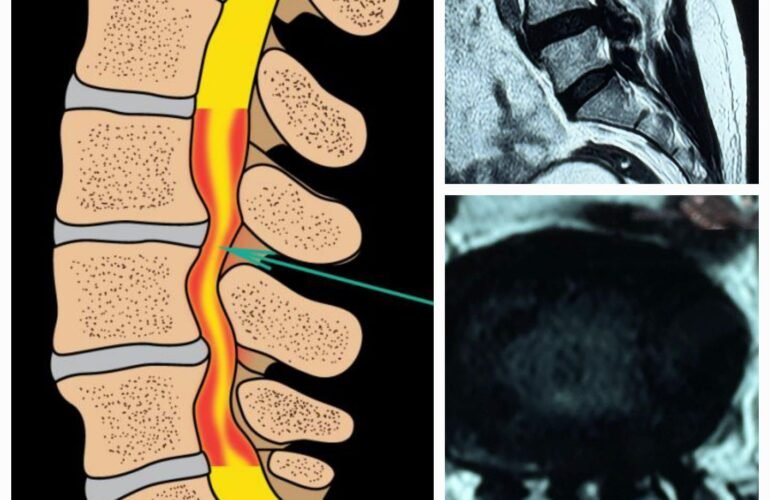
It is advised in cases where a patient has severe pain may be in the neck, back causing neurological problems and damaging to the neural elements in the spinal column where it is compromising the stability of the spine.
Spinal fixation is typically recommended for patients experiencing:
• Severe neck or back pain
• Neurological issues due to nerve compression
• Structural instability of the spine
It is crucial when the spinal column is damaged to the extent that it compromises neural elements or spinal stability.
What are the conditions in which spinal fixation is advised?
Some common medical conditions where spinal fixation is advised include:
• Cervical Disc Prolapse: Bulging discs causing nerve compression.
• Post-Cervical Laminectomy: To maintain spinal stability after removing pressure on the spinal cord.
• Lumbar Listhesis: Slipped vertebrae leading to spinal misalignment.
• Lumbar Spondylosis: Degeneration of spinal discs and joints.
• Pott’s Spine: Tuberculosis infection affecting the spine.
What are the materials/hardware used?
Over the years, the materials used in spinal fixation have evolved to ensure durability, biocompatibility, and patient comfort. Early procedures used steel implants, but modern spinal fixation relies on advanced materials like:
• Titanium Rods and Plates: Lightweight and corrosion-resistant.
• PEEK Cages: Flexible polymer cages used to support spinal alignment.
• Titanium Mesh: Durable structures that provide added support.
These materials ensure the procedure is more effective and reduces the risk of complications.
What are the common different procedures performed?
• TLIF (Transforaminal Lumbar Interbody Fusion): Minimally invasive fusion technique.
• PLIF (Posterior Lumbar Interbody Fusion): Fusion performed through the back.
• ACDF (Anterior Cervical Discectomy and Fusion): Common for cervical disc issues.
• Lateral Mass Fixation: Stabilizes the cervical spine.
• Disc Replacement: Involves replacing damaged discs with artificial ones.
What are the complications in spinal fixation?
• Nerve root injury
• Spinal cord injury
• Implants failure
• But in recent years all these complications are very slim due to advances in medical science!
Why Choose NeuroWellness for Spinal Fixation?
NeuroWellness Brain and Spine Clinic in Bangalore offers expert consultation and treatment for spine-related problems. With experienced spine surgeons and state-of-the-art techniques, patients receive the best care tailored to their needs.
Consult the Best Spine Surgeons in Bangalore
If you’re experiencing chronic back or neck pain, consult the specialists at NeuroWellness. They provide cost-effective solutions, from diagnosis to advanced treatments like spinal fixation.
At NeuroWellness you will get the best and cost-effective treatment for spine related problems by the Best spine surgeon in Bangalore.
Please visit
Neurowellness
Brain and Spine Clinic
#1224, Ground-Floor, 26th Main, Jayanagar 9th Block
BANGALORE – 560069
Phone No
72596 69911
73490 17701
Website www.neurowellness.in
Facebook www.facebook.com/neurowellness.in/
FAQs
1. What is spinal fixation surgery?
Spinal fixation surgery involves using screws, rods, or plates to stabilize parts of the spine that are weakened due to injury, degeneration, or deformity.
2. How long is the recovery from spinal fixation?
Initial recovery takes 4–6 weeks, with full recovery and return to normal activities taking 3–6 months depending on the procedure and physiotherapy.
3. Is spinal fixation permanent?
In most cases, yes. The hardware remains in the body permanently unless complications arise. Bone fusion around the hardware is the goal.
4. Who needs spinal fixation?
People with spinal fractures, severe disc degeneration, spinal instability (like spondylolisthesis), or post-laminectomy instability may require fixation.


Comments are closed.