A cervical collar is used to support the neck during injury, pain, or post‑surgical recovery. While it can reduce pain and restrict harmful movement, incorrect or prolonged use can weaken neck muscles. Cervical collars should always be used under medical supervision for the right condition and duration.
Learn when to wear a cervical collar, how long it is safe to use, and what spine doctors recommend.
— Recommended by Dr. Ganesh, Neurosurgeon, Neurowellness, Bangalore
A cervical collar is a commonly prescribed medical device used to support the neck after injury, surgery, or nerve-related pain. While it can help reduce discomfort and restrict harmful movement, using a cervical collar incorrectly or for too long can delay recovery and weaken neck muscles.
Many people search for answers like “When should I wear a cervical collar?”, “How long is it safe?”, and “Does it really help neck pain?” — yet clear, doctor-guided information is often missing online.
In this guide, spine specialists at Neurowellness Bangalore explain what a cervical collar is, when it is medically recommended, how long it should be used, its benefits, risks, and expert usage guidelines, so you can make informed decisions and avoid common mistakes.
What Is a Cervical Collar?
A cervical collar, also known as a neck brace, is a medical device used to support the cervical spine (neck region). It helps immobilize the neck to relieve pain, stabilize the spine after an injury, or support recovery after surgery.
Cervical collars are typically prescribed for:
ㆍNeck injuries (like whiplash)
ㆍCervical disc herniation
ㆍPost-operative care after spine or neck surgeries
ㆍCervical spondylosis or arthritis
ㆍAcute neck pain or nerve compression
Types of Cervical Collars
| Type | Description | Use Case |
|---|---|---|
| Soft Collar | Made of foam, allows limited movement | Mild neck pain, short-term relief |
| Rigid Collar | Made of hard plastic, offers strong immobilization | Post-surgery, fracture, severe injury |
| Philadelphia Collar | Two-piece rigid collar with tracheostomy opening | Post-operative recovery, trauma support |
When Should You Use a Cervical Collar?
A cervical collar is not meant for everyday neck pain or casual use. It is a medical device recommended for specific conditions that require neck stabilization or movement restriction.
You should use a cervical collar only when prescribed by a spine or neuro specialist especially in the following situations:
1. Acute Neck Injuries
For sudden trauma or strain—such as sports injuries, falls, or lifting-related neck sprains—a collar provides temporary support while inflammation subsides.
2. Post-Operative Recovery (e.g., Cervical Spine Surgery)
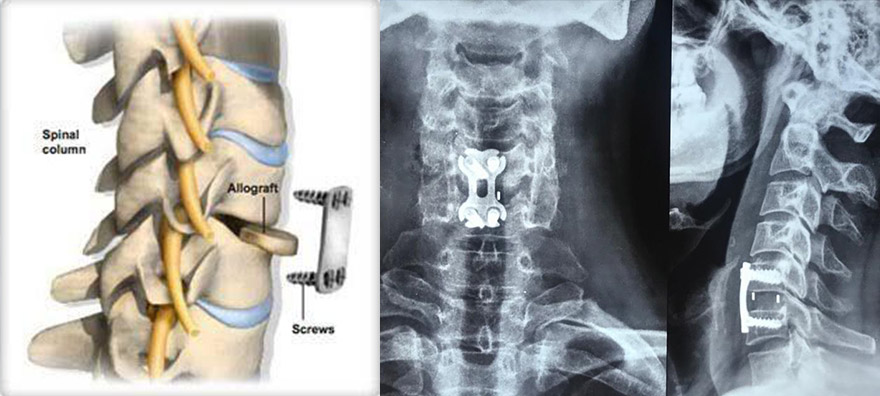
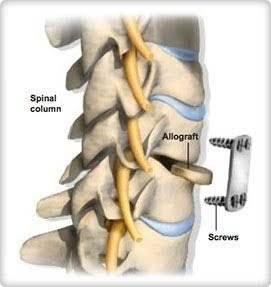
After spine surgeries like discectomy or spinal fusion, collars help keep the neck stable during the healing phase.
3. Whiplash After Accidents
Common in car accidents, whiplash causes sudden neck flexion/extension. A soft or rigid collar can reduce movement and ease pain in the early stages.
4. Disc Herniation or Pinched Nerve
For cervical disc bulges pressing on nerves, short-term use of a collar can help reduce irritation and allow healing.
5. Cervical Spondylosis or Severe Pain
Patients with age-related degeneration or severe neck pain may benefit from intermittent collar use—especially during flare-ups.
Read more: Consult a Spine Surgeon in Bangalore
How Does a Cervical Collar Help?
A cervical collar works by restricting movement in the neck and stabilizing the cervical spine. This controlled support allows the muscles, joints, ligaments, and nerves to heal properly without additional strain.
Here’s how it helps:
1. Immobilizes the Cervical Spine
The collar limits flexion, extension, and rotation of the neck. This immobilization is essential after injuries or surgeries to prevent strain on healing tissues.
2. Reduces Pressure on Nerves
When used correctly, it helps reduce nerve irritation caused by disc bulges, inflammation, or compression in the cervical spine.
3. Prevents Further Damage
In traumatic cases like whiplash, fractures, or herniated discs, the collar prevents sudden or involuntary neck movements that could worsen the injury.
4. Reduces Pain by Limiting Movement
By holding the head in a neutral position and preventing jerky movements, the collar reduces muscle spasms and pain, especially during early recovery.
Risks of Using a Cervical Collar Without Medical Advice
While cervical collars can offer relief and protection, improper or unsupervised use can cause more harm than good. Many patients mistakenly wear neck collars for extended periods without knowing the risks.
Here are the common dangers of misusing a cervical collar:
1. Muscle Weakening with Prolonged Use
Extended use without breaks can cause your neck muscles to weaken, reducing your ability to hold your head upright naturally. This can delay recovery and increase long-term dependence.
2. Skin Irritation
Wearing a collar too tightly or for long durations can cause rashes, pressure sores, or skin breakdown, especially in hot weather or in patients with sensitive skin.
3. Dizziness from Improper Fit
If the collar doesn’t fit well or is too tight, it may restrict blood flow or breathing, leading to lightheadedness, nausea, or even headaches.
4. Psychological Dependency
Some patients grow emotionally dependent on the collar and feel they cannot function without it—even after recovery. This can delay rehabilitation and worsen posture.
How Long Can You Wear a Cervical Collar?
In most cases, a cervical collar is meant for short-term support — the exact duration depends on your diagnosis, severity, and whether you’re recovering after surgery.
Typical duration (general guidance)
Soft collar (mild strain / spondylosis flare): usually a few days to 1–2 weeks
Rigid collar (fracture / post-surgery): often 3–6 weeks or longer (only if prescribed)
Why wearing it too long can be harmful
If a collar is used longer than needed, it may lead to:
Neck muscle weakness
Increased stiffness
Delayed recovery
Dependence on the collar
Cervical Collar for Cervical Spondylosis – Effective Support
Cervical spondylosis is an age-related condition that affects the discs and vertebrae of your neck. A cervical collar for cervical spondylosis can:
● Provide relief by limiting neck movement
● Reduce pressure on nerves
● Support posture correction
● Complement physiotherapy or medication
Tips to Wear a Cervical Collar By Dr. Ganesh Veerabhadraiah
1. Keep moving lightly – walking prevents stiffness.
2. Ensure a snug fit—too tight causes irritation, too loose provides no support.
3. Avoid soft chairs that worsen posture.
4. Don’t lift heavy objects or do high-impact exercises.
5. Wear as advised—don’t overuse unless instructed by your doctor.
Need Help with Cervical Collar Use?
“We see many patients using neck braces without guidance, which leads to chronic stiffness. Cervical collars can help—but only when used correctly and for the right duration. Every case is different,” explains Dr. Ganesh, Neurosurgeon at Neurowellness, Bangalore.
Conclusion
Whether you’re recovering from an injury, managing cervical spondylosis, or experiencing persistent neck pain, using the right cervical collar can make a significant difference in your healing journey. At Neurowellness, we combine expert care, advanced medical devices, and personalized support to ensure the best outcomes.
Experiencing Neck Pain or Stiffness?
At Neurowellness Bangalore, we combine expert care, advanced medical devices, and personalized support to ensure the best outcomes.
Led by Dr. Ganesh Veerabhadraiah, a highly experienced neurosurgeon in Bangalore, our team offers specialized diagnosis and treatment for neck-related conditions.
Available at Jayanagar and Electronic City.
Medically reviewed by:
Dr. Ganesh Veerabhadraiah
Senior Consultant Neurosurgeon, Neurowellness Bangalore
FAQs:
1. What is the purpose of a cervical collar?
A cervical collar supports the neck by restricting movement, reducing strain on muscles and ligaments, and helping stabilize the cervical spine during injury, nerve irritation, or post-surgical recovery.
2. How long should I wear a cervical collar?
Duration depends on the condition. Mild cases may need it for days to 1–2 weeks, while post-surgery or fractures may require 3–6 weeks or more, strictly under doctor supervision. Prolonged use without guidance can weaken neck muscles.
3. Is it safe to sleep with a cervical collar?
It can be safe only if your doctor advises it, especially after surgery or injury. If worn incorrectly or too tightly, it may cause discomfort, skin irritation, or stiffness. Always ensure proper fitting.
4. Can a cervical collar cure cervical spondylosis?
A cervical collar does not “cure” spondylosis, but it can provide temporary relief during flare-ups by limiting painful movement. Long-term improvement usually needs posture correction, physiotherapy, and medical guidance.
5. When should I consult a neurosurgeon for neck pain?
Consult a specialist if you have:
• Neck pain lasting more than 1–2 weeks
• Pain radiating to the arm
• Numbness, tingling, or weakness
• Severe stiffness after injury or accident
• Balance issues or worsening symptoms