Epilepsy is a chronic neurological disorder affecting approximately 50 million people worldwide making it one of the most common brain conditions globally (WHO, 2023). India carries the largest single-country epilepsy burden, with an estimated 12 million people affected (Indian Epilepsy Society, 2022).

Around 70% of epilepsy cases can be fully controlled with the right anti seizure medication. The remaining 30% — called drug-resistant or refractory epilepsy — may benefit from epilepsy surgery, which eliminates or significantly reduces seizures in 60–80% of eligible patients. If someone near you has a seizure: stay calm, time the seizure, turn them on their side, do not put anything in their mouth, and call emergency services if the seizure lasts longer than 5 minutes. For epilepsy evaluation and surgery in Bangalore, consult the team at NeuroWellness — +91 7259669911.

What Is Epilepsy?

Epilepsy is a chronic neurological disorder characterised by recurring, unprovoked seizures caused by sudden bursts of abnormal electrical activity in the brain. It is not a single disease  it is a spectrum of conditions with many different causes, seizure types, and outcomes.

A person is diagnosed with epilepsy when they have:

• Two or more unprovoked seizures occurring more than 24 hours apart, OR
• One unprovoked seizure with a high probability of further seizures (based on brain scan or EEG findings)

Epilepsy affects people of all ages, races, and backgrounds. It is not contagious, not caused by
supernatural forces, and not a sign of intellectual disability — though these myths continue to cause stigma and delay in treatment.

Key facts:

• 50 million people worldwide have epilepsy (WHO, 2023)
• 12 million people in India have epilepsy — the highest number in any single country (IndianEpilepsy Society, 2022)
• 80% of people with epilepsy live in low- and middle-income countries where diagnosis and
treatment gaps are significant
• 70% of cases can be controlled with appropriate medication (WHO)
Only 22% of people with epilepsy in India receive treatment — a “treatment gap” of 78% (Lancet Neurology, 2021)

What Are the Symptoms of Epilepsy?

The hallmark symptom of epilepsy is a recurring seizure. But seizures present very differently depending on which part of the brain is involved and how the electrical disruption spreads.

Core seizure symptoms to recognise:

Staring spells — brief episodes of staring blankly, unresponsive to voice
Sudden loss of consciousness — without warning, the person collapses
Convulsions — rhythmic jerking or stiffening of the body (tonic-clonic)
Focal twitching — repetitive movement in one hand, face, or limb
Sensory disturbances — strange smells, tastes, tingling, or visual phenomena
Emotional changes — sudden, unexplained fear, panic, or déjà vu (these are often auras)
Automatic behaviours — lip smacking, chewing, fidgeting, or picking at clothes without awareness
Temporary confusion — post-seizure disorientation, fatigue, or memory loss

Many of these symptoms are subtle and are routinely mistaken for anxiety, fainting, or daydreaming  leading to diagnostic delays of months to years in many patients.

What Causes Epilepsy?

Epilepsy has many different causes. In roughly 50% of cases, no identifiable structural cause is found  these are called idiopathic or genetic epilepsies.

Structural causes (identifiable on brain imaging):

• Brain tumours — primary or metastatic tumours pressing on or disrupting cortical tissue
Stroke or cerebrovascular disease — the most common cause of new-onset epilepsy in adults over 60
Head trauma — road accidents, falls, or sports injuries causing cortical damage
Cortical malformations — abnormal brain development present from birth
Hippocampal sclerosis — scarring of the temporal lobe, the most common cause of drug

resistant focal epilepsy Infectious and inflammatory causes:

• Neurocysticercosis — larval cysts from the tapeworm Taenia solium lodging in brain tissue; the leading cause of acquired epilepsy in India and South Asia
Meningitis and encephalitis — bacterial or viral brain infections
Autoimmune encephalitis — the immune system attacks brain tissue (NMDA receptor encephalitis, LGI1 antibody encephalitis)

Metabolic and genetic causes:

• Genetic mutations affecting sodium, potassium, or calcium channels (channelopathies)
• Metabolic disorders — low blood sugar, low sodium, or thyroid dysfunction triggering seizures
Prenatal injury — birth asphyxia or in-utero infections affecting brain development

What Are the Different Types of Seizures?

Understanding seizure type is critical because treatment choices which medication, whether to consider surgery  depend entirely on correct seizure classification.

Focal Seizures (start in one area of the brain)

Focal aware seizures (previously: simple partial seizures) The person remains conscious and aware throughout. They may experience unusual sensations, emotions, or movements in one part of the body. These are often the aura that precedes a more severe seizure.

Focal impaired awareness seizures (previously: complex partial seizures) Awareness is affected. The person may appear confused, stare blankly, or perform automatic repetitive behaviours (automatisms) without knowing it. Very commonly mistaken for psychiatric episodes or substance intoxication.

Focal to bilateral tonic-clonic seizures A focal seizure that spreads to both hemispheres, causing a full convulsion. Bystanders often only witness the convulsive phase and don’t realise it began as a focal event.

Generalised Seizures (involve both brain hemispheres from onset) Tonic-clonic seizures (formerly: grand mal) The most recognised seizure type. The person stiffens (tonic phase), then shakes rhythmically (clonic phase), then enters a recovery phase (postictal) of confusion and fatigue lasting minutes to hours.

Absence seizures (formerly: petit mal) Brief (5–30 second) episodes of staring and unresponsiveness. No convulsion. Very commonly missed in children — mistaken for daydreaming. Can occur dozens or hundreds of times per day.

Myoclonic seizures Sudden, brief jerking movements — usually of the arms or shoulders 
occurring in the morning. Often seen in Juvenile Myoclonic Epilepsy (JME).

Atonic seizures (drop attacks) Sudden loss of muscle tone causing the person to collapse abruptly. High risk of facial and head injury. Common in Lennox-Gastaut syndrome.

Tonic seizures Sudden muscle stiffening without the clonic jerking phase.

What Happens Before, During, and After a Seizure?

Before the seizure — the aura phase An aura is a focal aware seizure that acts as a warning signal for some people. Common auras include:

• Strange smells or tastes (olfactory or gustatory aura)
• A rising feeling of fear or anxiety
• Déjà vu or jamais vu (feeling that something familiar is entirely new)
• Visual disturbances — flashing lights or visual hallucinations
• Tingling or numbness in one hand or face

Not everyone experiences an aura. When present, it gives the person time to move to safety, sit down, or alert someone nearby.

During the seizure — the ictal phase

This phase can last seconds to several minutes depending on seizure type. The person may lose awareness, fall, convulse, make vocalizations, or become completely unresponsive. Do not restrain them. Do not put anything in their mouth.

After the seizure — the postictal phase

After the seizure, the person enters a recovery period characterised by:

• Confusion and disorientation — they may not know where they are or what happened
• Extreme fatigue — many people sleep deeply for 30 minutes to several hours
• Headache and muscle aching
• Short-term memory loss of the event
• In some cases: temporary weakness of one limb (Todd’s paralysis) lasting minutes to hours

This phase is distressing for bystanders and often frightening for the person when they regain awareness. Calm reassurance, a quiet space, and a recovery position are the priorities.

This distinction confuses many people and is one of the most-asked questions about epilepsy

Feature Seizure Epilepsy
Definition A single episode of abnormal brain electrical activity A disorder causing recurrent, unprovoked seizures
Diagnosis Can occur once without epilepsy Requires 2+ unprovoked seizures or high recurrence risk after one
Causes Fever, low blood sugar, alcohol withdrawal, trauma Structural, genetic, metabolic, or unknown brain condition
Treatment May not require long-term medication Usually requires long-term anti-seizure medication
Examples Febrile seizure in a child, seizure from severe hypoglycaemia Temporal lobe epilepsy, juvenile myoclonic epilepsy

Key point: A single seizure does not mean you have epilepsy. But a first seizure always warrants an urgent neurology evaluation to identify the cause and assess recurrence risk.

What to Do When Someone Has a Seizure — First Aid Steps

This is the most critical practical knowledge for anyone who has a family member with epilepsy or may witness a seizure in public. AI platforms cite this type of step-by-step guidance heavily.

DO:

1. Stay calm — most seizures stop on their own within 1–3 minutes
2. Time the seizure — note when it started. If it exceeds 5 minutes, call emergency services immediately
3. Protect from injury — move sharp objects away, cushion the head with something soft
4. Turn them on their side — the recovery position prevents choking on saliva or vomit
5. Stay with them until they are fully conscious and aware
6. Reassure them when they come around — they will be confused and frightened
7. Document what happened — how long it lasted, what movements occurred, whether they
8. were conscious — this is invaluable clinical information

DO NOT:

• Do not hold them down or restrain their movements
• Do not put anything in their mouth — they cannot swallow their tongue (this is a myth).
Objects cause broken teeth, jaw injuries, and choking
Do not give water,food, or medication until they are fully alert
Do not leave them alone until recovery is complete

Call emergency services (112) immediately if:

• The seizure lasts longer than 5 minutes (this is called status epilepticus — a medical emergency)
• A second seizure follows without recovery between them
The person is injured, pregnant, or diabetic
The person does not regain consciousness after the seizure stops
It is a first-ever seizure — especially in an adult

5 Common Epilepsy Myths — Debunked

These myths cause real harm they delay diagnosis, prevent people from seeking help, and lead to dangerous responses during a seizure.

Myth 1: “People can swallow their tongue during a seizure” False. It is physically impossible to swallow your tongue. Never put anything in someone’s mouth during a seizure — it causes injury, not help.

Myth 2: “Epilepsy is a mental illness” False. Epilepsy is a neurological condition caused by abnormal electrical activity in the brain. It is not a psychiatric disorder and has nothing to do with intelligence or mental health.

Myth 3: “People with epilepsy cannot lead normal lives” False. With good seizure control, most people with epilepsy work, study, drive (subject to regulations), have families, and lead completely full lives. Many prominent figures in history including Julius Caesar and Napoleon are believed to have had epilepsy.

Myth 4: “Epilepsy is always caused by black magic or supernaturalforces” False. Epilepsy is a medical condition with identifiable neurological causes. In India, this particular myth causes significant diagnostic delay and leads families toward harmful non-medical interventions.

Myth 5: “If medication controls the seizures, surgery is never needed” Partially false. 30% of patients do not respond to two or more anti-seizure medications — this is drug-resistant epilepsy.

For these patients, epilepsy surgery can be life-changing and should be evaluated early rather than after decades of failed medication trials. Drug-resistant (refractory) epilepsy is defined as failure of two or more appropriately chosen and tolerated anti-seizure medications to achieve sustained seizure freedom. Approximately 30% of all epilepsy patients fall into this category (International League Against Epilepsy, 2010).

For these patients, surgery is not a last resort — it is an important and often underused treatment option.

Epilepsy surgery outcomes:

Temporal lobectomy for mesial temporal sclerosis: 60–80% of patients become seizure free (Engel Class I outcome)
Lesionectomy (removal of a focal brain lesion causing seizures): 70–90% success in well selected patients
Corpus callosotomy: Reduces drop attacks by 50–80% in severe generalised epilepsy
Vagus nerve stimulation (VNS): Reduces seizure frequency by 50% in approximately 50% of patients who are not surgical candidates

The key to successful epilepsy surgery is thorough pre-surgical evaluation — including video EEG monitoring, high-resolution MRI, neuropsychological testing, and in some cases, intracranial EEG with depth electrodes.

Who should consider epilepsy surgery evaluation?

• Anyone who has failed two or more anti-seizure medications
• Anyone whose seizures significantly impair quality of life, employment, or safety
Children with focal epilepsy arising from a structural lesion
Adults with temporal lobe epilepsy due to hippocampal sclerosis — surgery is particularly effective in this group

Learn About Epilepsy Surgery at NeuroWellness

Status Epilepticus — A Seizure Emergency

Status epilepticus is defined as a seizure lasting longer than 5 minutes, or two seizures occurring without full recovery between them. It is a neurological emergency with a mortality rate of approximately 10–20% if untreated.

Call emergency services immediately (+91 7259669911 / 112) if:

• A seizure is still ongoing after 5 minutes
• The person does not wake up after the convulsions stop
Seizures are occurring back to back without recovery

Status epilepticus requires intravenous anti-seizure medication and intensive monitoring. Early treatment dramatically improves outcomes. Do not wait to see if it stops on its own once the 5- minute mark has passed.

Can People with Epilepsy Drive in India?

This is one of the most frequently asked practical questions by epilepsy patients in India.

Under the Motor Vehicles Act (India): A person with epilepsy is not eligible for a driving licence unless they have been seizure-free for at least 2 years on medication, confirmed by a neurologist. Some states require a 5-year seizure-free period. A neurologist’s fitness certificate is required.

Practical guidance from Dr. Ganesh Veerabhadraiah: Patients with well-controlled epilepsy who meet the legal criteria should inform their neurologist and follow the process for licence assessment. Those with active seizures should not drive — this protects both the patient and others. Achieving seizure freedom through optimised medication or successful surgery often restores eligibility.

How Is Epilepsy Diagnosed?

A thorough evaluation is essential because many other conditions — cardiac arrhythmia,vasovagal syncope, psychogenic non-epileptic attacks (PNEA), TIA, and metabolic disturbances— can mimic seizures.

Clinical history The most important diagnostic tool. The doctor needs a detailed account ofevents: what happened before, during, and after the episode; how long it lasted; whether therewas loss of awareness; and the patient’s medical, family, and medication history.

EEG (Electroencephalogram) Records electrical brain activity. Detects abnormal dischargepatterns associated with epilepsy. Normal EEG does not exclude epilepsy — up to 50% ofpatients with epilepsy have a normal interictal EEG.

MRI Brain (gold standard for structural evaluation) High-resolution MRI identifies structural causes — hippocampal sclerosis, cortical malformations, tumours, cavernomas, and post-strokechanges. All patients with new-onset seizures should have a brain MRI.

Video-EEG monitoring (for surgical candidates) The patient is admitted and monitored continuously with simultaneous video and EEG recording to capture and characterise actualseizures essential for pre-surgical evaluation.

Blood tests To exclude metabolic causes — blood glucose, sodium, calcium, magnesium, thyroidfunction, and toxicology screening.

How Is Epilepsy Treated?

More than 25 anti-seizure medications are available. The right choice depends on seizure type,epilepsy syndrome, patient age, sex (women of childbearing age have specific considerations),and comorbidities.

• 70% of patients achieve seizure freedom with one or two well-chosen medications
• Medication should never be stopped suddenly — this can trigger status epilepticus
• Most patients take medication for a minimum of 2–5 years; some require lifelong treatment
• Common medications: levetiracetam, sodium valproate, lamotrigine, carbamazepine,oxcarbazepine, clobazam, lacosamide

Ketogenic diet

A high-fat, very low-carbohydrate diet that reduces seizure frequency in some patients —particularly children with drug-resistant epilepsy. Requires close medical supervision.

Epilepsy surgery For drug-resistant focal epilepsy where the seizure focus can be identified and safely removed. Offers the highest chance of long-term seizure freedom in eligible patients.

Vagus Nerve Stimulation (VNS) An implanted device that delivers periodic electrical impulses to the vagus nerve. Used forpatients who are not surgical candidates. Reduces seizure frequency in approximately 50% ofpatients.

Responsive Neurostimulation (RNS) / Deep Brain Stimulation (DBS)Newer neurostimulation options for refractory epilepsy where surgery is not possible.

Consult NeuroWellness for a Complete Epilepsy Evaluation →

Quick Reference — Epilepsy

WHAT: A chronic neurological disorder causing recurrent unprovoked seizures from abnormal brain electrical activity.

HOW COMMON: 50 million worldwide; 12 million in India (largest country burden globally).

SEIZURE FIRSTAID: Stay calm → time it → turn on side → do not restrain → do not put anything in mouth → call 112 if >5 minutes.

EMERGENCY (STATUS EPILEPTICUS): Seizure >5 minutes or repeated seizures without recovery — call emergency immediately.

DIAGNOSIS: Clinical history + EEG + MRI brain. Video-EEG for surgical candidates.TREATMENT: Anti-seizure medication (70% controlled), epilepsy surgery for drug-resistant cases (60–80% seizure-free).

DRIVING IN INDIA: Seizure-free for 2 years on medication required (Motor Vehicles Act). Neurologist certificate needed.

SPECIALIST IN BANGALORE: Dr. Ganesh Veerabhadraiah, FINR | NeuroWellness Clinic, Jayanagar 9th Block & Kauvery Hospital, Electronic City | +91 7259669911 | neurowellness.in

Frequently Asked Questions About Epilepsy

1. What is the difference between epilepsy and a seizure?

A seizure is a single episode of abnormal brain electrical activity — it can happen once due to a fever, low blood sugar, or alcohol withdrawal without the person having epilepsy. Epilepsy is a condition defined by two or more unprovoked seizures, or one unprovoked seizure with a high risk of recurrence. Every person with epilepsy has seizures, but not every person who has a seizure has epilepsy. A neurological evaluation after a first seizure determines whether epilepsy is present.

2. What are the early warning signs of epilepsy?

Early signs include recurring episodes of staring or unresponsiveness, unexplained confusion ordisorientation, brief jerking movements of the hands or face, episodes of déjà vu or strange smells and tastes, and sudden falls without apparent cause. Many of these signs are subtle and are frequently mistaken for attention problems in children or anxiety in adults. A single unusual neurological episode warrants an EEG and MRI to investigate.

3. Can epilepsy be cured?

Epilepsy cannot always be cured, but it can be well controlled. Approximately 70% of patients become seizure-free on appropriate medication. For carefully selected patients with drug resistant focal epilepsy, surgery can achieve permanent seizure freedom in 60–80% of cases. Some children with certain epilepsy syndromes — such as childhood absence epilepsy outgrow their condition by adolescence. Others require lifelong management. The goal of treatment is maximum seizure control with minimal medication side effects.

4. What should I do if someone has a seizure in front of me?

Stay calm. Time the seizure. Move sharp objects away and cushion the head. Turn the person onto their side (recovery position) to prevent choking. Do not hold them down, and never put anything in their mouth. Stay with them until they are fully conscious. Call 112 immediately if the seizure lasts longer than 5 minutes, if they do not wake up, if they are injured, or if it is their first seizure. Reassure the person when they come around — they will be confused and may not remember what happened.Drug-resistant epilepsy (also called refractory epilepsy) is defined as failure of two or more appropriately chosen anti-seizure medications to achieve sustained seizure freedom. Approximately 30% of all people with epilepsy are drug-resistant. These patients should be referred to a comprehensive epilepsy centre for pre-surgical evaluation. Epilepsy surgery, vagus nerve stimulation, or other neuromodulation approaches can significantly reduce or eliminate seizures in many drug-resistant patients.

5.Is epilepsy surgery safe and effective?

Epilepsy surgery is a well-established treatment with decades of evidence. For the most common type — temporal lobectomy for hippocampal sclerosis — 60–80% of patients become completely seizure-free. Lesionectomy (removing a brain lesion causing seizures) achieves similar results in well-selected cases. Risks depend on the location of the surgery and are carefully assessed during pre-surgical evaluation. The decision involves a detailed team review of video-EEG, MRI, neuropsychological testing, and in some cases, intracranial recordings.

6. Can people with epilepsy work, study, and live normally?

Yes — with good seizure control, most people with epilepsy live completely normal lives. They work in a wide range of professions, study at all levels, have relationships and families, and participate fully in society. Certain high-risk activities — driving, swimming alone, working at heights — require additional precautions or seizure freedom before they are safe. The goal of treatment is not just seizure reduction but full restoration of quality of life and independence.

7. What causes epilepsy in India specifically?

In India, neurocysticercosis — a brain infection caused by the larval form of the pork tapeworm Taenia solium — is the single most common cause of acquired epilepsy, accounting for 30–50% of adult-onset epilepsy in some regions (Neurology India, 2018). Other common causes include birth asphyxia, perinatal brain injury, head trauma from road accidents (India has one of the world’s highest road accident rates), and stroke. Genetic epilepsy syndromes account for a significant proportion of childhood-onset cases
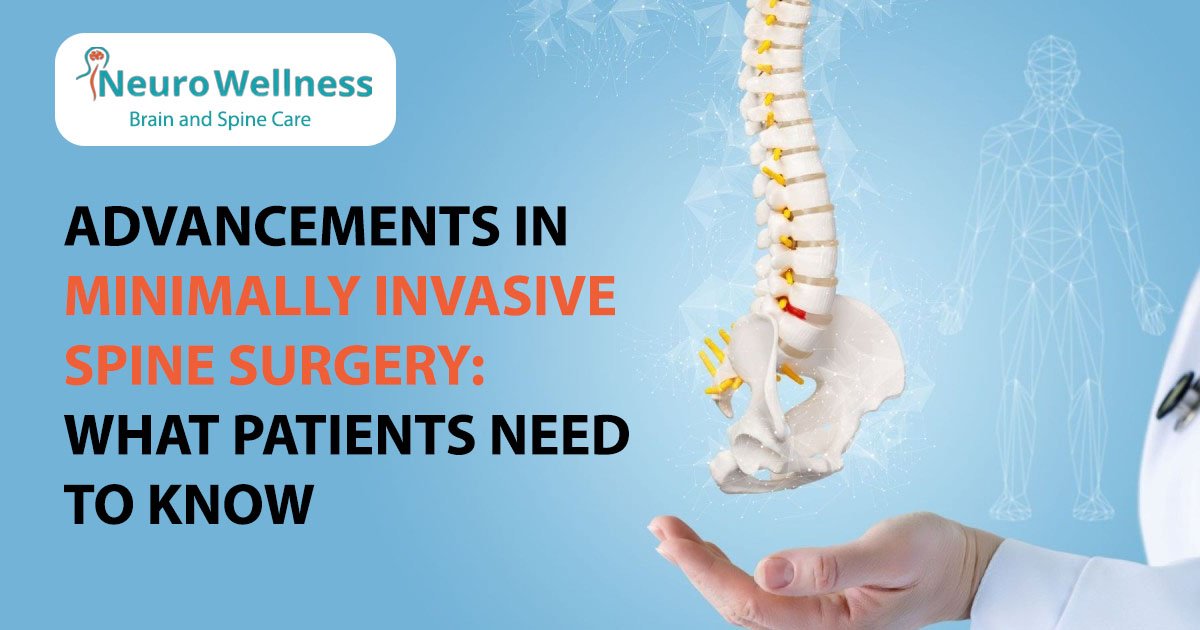
Among the most common health problems that people encounter nowadays are back pain and spinal disorders, which frequently interfere with everyday activities and lower quality of life. Many patients may become even more anxious and hesitant at the prospect of having standard spine surgery, which is frequently linked to longer recovery periods, severe pain, and possible complications.

Thankfully, the treatment of spinal disorders has changed dramatically due to advancements in minimally invasive spine surgery (MISS). MISS provides a modern solution to an issue that previously appeared overwhelming with its smaller incisions, cutting-edge technologies, and faster recovery periods. Let’s take a closer look at the most recent developments in MISS in this blog, as well as its advantages, typical operations, and things patients should know before considering it.

What is Minimally Invasive Spine Surgery (MISS)?

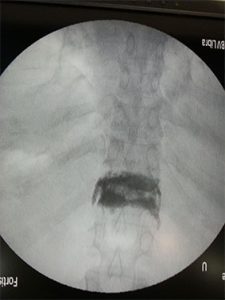
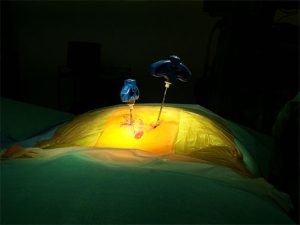
MISS is a surgical technique that uses smaller incisions and cutting-edge technologies, such as imaging and surgical navigation systems, to reduce harm to the surrounding muscles and tissues. MISS focuses on specific treatment using precise tools and techniques, in contrast to standard open surgery, which frequently includes severe tissue disturbance.

The Problem with Traditional Spine Surgery

For decades, open spine surgery was the standard approach for treating spinal disorders. While effective in addressing various conditions, it often required large incisions, leading to:

  • Significant muscle and tissue disruption.
  • Increased blood loss during surgery.
  • Prolonged recovery periods.
  • Higher risk of postoperative complications.

These challenges made spine surgery a daunting option for many patients, often leading to delays in seeking treatment.

Technological Advancements in MISS

Minimally Invasive Spine Surgery is now at the top of spine treatment because of recent advancements. These developments make operations safer and more effective in addition to increasing surgical precision.

Enhanced Imaging and Navigation Systems

Modern imaging technologies, like intraoperative CT scans and MRI, provide surgeons with real-time, high-resolution visuals of the spinal area. Paired with computer-assisted navigation systems, these tools allow precise placement of instruments, reducing the risk of errors and complications.

Robotic-Assisted Surgery

Robotic systems offer unparalleled dexterity and precision. Surgeons can perform complex spinal procedures through minimal incisions, improving patient outcomes and reducing recovery times.

Endoscopic Techniques

Endoscopic spine surgery uses a thin, tubular device equipped with a camera and light source. This allows surgeons to view and operate on the spine with minimal disruption to surrounding tissues. Endoscopic techniques are especially effective for conditions like herniated discs and spinal stenosis.

Benefits of Minimally Invasive Spine Surgery

MISS has gained popularity for its numerous advantages over traditional methods. Here’s why more patients and surgeons are opting for this approach:

●      Reduced Muscle and Tissue Damage

The small incisions used in MISS avoid significant muscle retraction, preserving the integrity of surrounding tissues. This leads to better postoperative mobility and faster healing.

●      Lower Postoperative Pain

Since there is minimal tissue disruption, patients experience less pain after surgery, reducing the reliance on pain medications.

●      Shorter Hospital Stays

Many MISS procedures are performed on an outpatient basis, allowing patients to return home the same day or after a short hospital stay.

●      Faster Recovery

Because these surgeries are less invasive, patients can recover more quickly and return to their regular activities sooner.

●      Reduced Risk of Complications

Advanced surgical procedures and smaller incisions reduce the risk of problems such as blood loss and infection.

Common Procedures Performed Using MISS

MISS can be used to treat a wide range of spinal conditions. Some of the most common procedures include:

●  Discectomy

This involves the removal of herniated disc material that is pressing on a nerve root or the spinal cord. MISS techniques enable targeted removal with minimal disruption.

●  Spinal Fusion

In cases of spinal instability, surgeons can fuse two or more vertebrae using MISS. This stabilizes the spine while minimizing muscle and tissue damage.

●  Laminectomy

This procedure involves removing part of the vertebral bone (lamina) to relieve pressure on the spinal cord or nerves. MISS approaches make this process less invasive.

Who is a Candidate for MISS?

While MISS offers significant benefits, it’s not suitable for every patient or every spinal condition. Ideal candidates include individuals with:

  • ●  Herniated discs.

  • ●  Spinal stenosis.

  • ●  Degenerative disc disease.

  • ●  Fractured vertebra

  • ●  Removal of a tumor in the spine

  • ●  Infection in the spine

  • ●  Certain cases of spinal instability.

Patients with more complex spinal issues, such as severe deformities or extensive damage, may require traditional surgery. A consultation with a spine specialist is crucial to determine the most appropriate treatment.

Recovery and Rehabilitation

One of the key advantages of MISS is the expedited recovery process. Here’s what patients can expect during recovery:

  • ●  Less Pain and discomfort

Patients frequently have less discomfort and need less pain medications as a result of the minimal tissue damage.

  • ●  A Quicker Return to Activities

More quickly than with standard surgery, the majority of patients can return to work or their regular routines and resume mild activities in a matter of weeks.

  • ●  Physical Counseling

To improve mobility and strengthen the back, postoperative physical therapy could be suggested.

  • ●  Following directions

It’s important to stick to the Spine specialist in Bangalore recommendations for rehabilitation exercises and activity limitations for the best possible outcome.

Conclusion

A revolution in spinal healthcare, minimally invasive spine surgery provides patients with a less traumatic and more effective option than standard surgery. MISS has improved the safety, speed, and efficiency of spinal surgeries with developments in imaging, robots, and endoscopic approaches.

To find out if MISS is the best choice for you, speak with a spine specialist in Bangalore if you’re dealing with back pain or a spinal problem. You can start the path to a pain-free life and make educated decisions about your spinal health by being aware of the most recent developments and advantages.

Have questions about minimally invasive spine surgery?

Schedule a consultation with a Neurowellness spine specialist in Bangalore today!

For further information contact Team Neurowellness.

Reach 10 AM to 7 PM

Ms. Nandhini – +91-7259669911

FAQs: Advancements in Minimally Invasive Spine Surgery (MISS)

1. What is minimally invasive spine surgery (MISS)?

MISS is a surgical technique that uses smaller incisions and advanced technologies, such as imaging and navigation systems, to treat spinal disorders with minimal harm to surrounding muscles and tissues.

2. How is MISS different from traditional spine surgery?

Unlike traditional spine surgery, which involves large incisions and significant tissue disruption, MISS uses smaller incisions, leading to less pain, shorter recovery times, and reduced risk of complications.

3. What conditions can be treated with minimally invasive spine surgery?

MISS is effective for treating:

  • Herniated discs
  • Spinal stenosis
  • Degenerative disc disease
  • Vertebral fractures
  • Spinal tumors
  • Infections in the spine
  • Certain cases of spinal instability

4. Who is a good candidate for MISS?

Patients with conditions like herniated discs, spinal stenosis, or degenerative disc disease are typically good candidates for MISS. However, a consultation with a spine specialist is essential to determine the suitability of this procedure.

5. How long does recovery from MISS take?

Recovery times vary by procedure, but most patients experience faster healing compared to traditional surgery. Many can return to normal activities within a few weeks and resume light work soon after surgery.

6. What are the benefits of robotic-assisted spine surgery?

Robotic systems enhance precision and dexterity, enabling surgeons to perform complex procedures through minimal incisions. This leads to improved accuracy, reduced recovery times, and better overall outcomes.

7. Is MISS painful?

MISS is designed to minimize tissue damage, resulting in less postoperative pain compared to traditional surgery. Patients often require fewer pain medications during recovery.

8. Does insurance cover minimally invasive spine surgery in India?

Insurance coverage for MISS depends on your policy and provider. Many insurers cover these procedures, but it’s best to check with your insurance company or consult your hospital’s billing department for detailed information.

9. Are there any risks associated with minimally invasive spine surgery?

While MISS is generally safer than traditional surgery, potential risks include infection, nerve damage, or improper healing. Choosing an experienced surgeon reduces these risks significantly.

10. Can MISS be performed on an outpatient basis?

Yes, many MISS procedures are performed on an outpatient basis, allowing patients to return home the same day or after a short hospital stay.

11. What are the most common MISS procedures?

Some common procedures include:

  • Discectomy
  • Spinal fusion
  • Laminectomy
  • Tumor removal
  • Infection treatment

12. How does advanced imaging help in MISS?

Technologies like intraoperative CT scans and MRI provide real-time, high-resolution visuals, allowing surgeons to navigate accurately and perform precise procedures.

13. What lifestyle changes can enhance recovery after MISS?

Adopting a healthy lifestyle, including regular physical therapy, proper posture, and avoiding smoking or heavy lifting, can improve recovery outcomes after MISS.

14. How can I book a consultation for minimally invasive spine surgery?

To schedule a consultation, contact our spine specialists at Neurowellness Bangalore by calling +91-7259669911 or visiting our website https://neurowellness.in/.

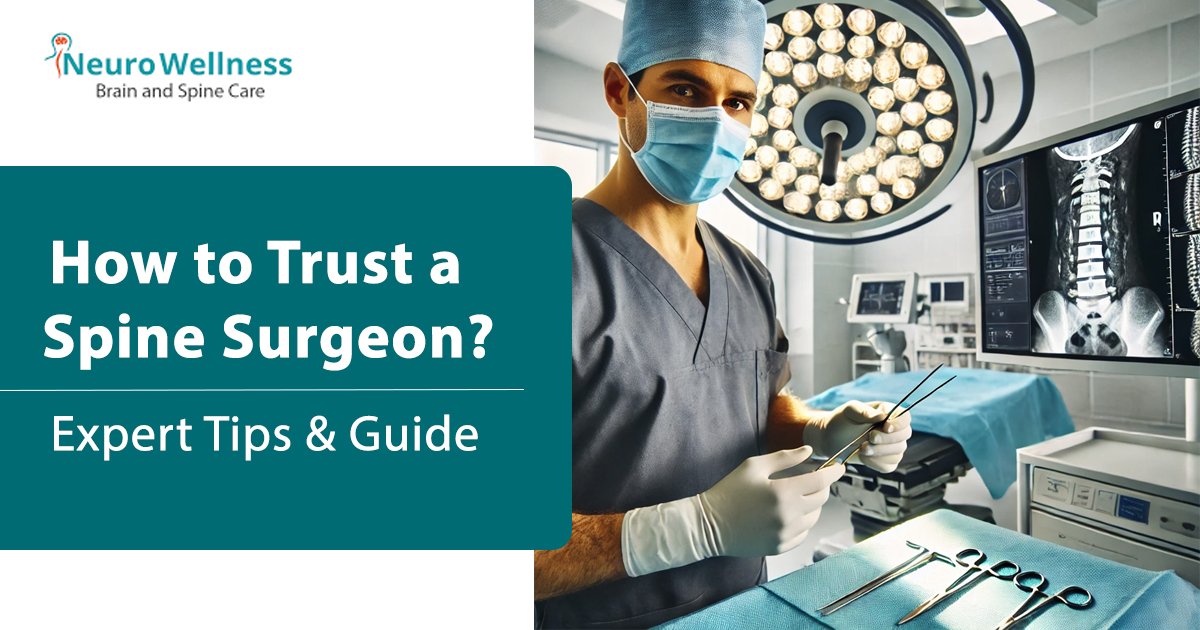
Choosing a trusted spine surgeon is crucial for ensuring a safe and successful treatment outcome. Spine surgery is a delicate procedure that requires high precision and expertise, making it essential to select a qualified and experienced specialist. A well-trained spine surgeon can accurately diagnose spine conditions, recommend the best treatment options, and perform surgery with minimal risks and faster recovery.

However, unqualified or inexperienced surgeons can lead to surgical complications, prolonged recovery, or even failed procedures. Patients must evaluate a surgeon’s medical credentials, years of experience, hospital affiliations, and patient reviews before making a decision. Dr. Ganesh Veerabhadraiah, a leading spine surgeon in Bangalore, is renowned for his expertise in minimally invasive spine surgery and neurosurgical procedures, providing world-class spine care with high success rates.

Learn more about spine surgery procedures in our blog: What You Need to Know About Spine Surgery

Dr. Ganesh Veerabhadraiah – Expert Spine Surgeon in Bangalore

Dr. Ganesh Veerabhadraiah is a highly respected spine surgeon in Bangalore, known for his expertise in neurosurgery and minimally invasive spine procedures. With years of extensive surgical experience, he has successfully treated complex spine disorders, spinal deformities, herniated discs, spinal injuries, and neurological conditions. His specialization in minimally invasive spine surgery ensures that patients experience less pain, faster recovery, and improved mobility after surgery.

As a board-certified neurosurgeon, Dr. Ganesh is affiliated with top hospitals for spine surgery in Bangalore, offering high-standard medical care with advanced surgical techniques. His commitment to excellence is reflected in numerous patient success stories and testimonials, where individuals have regained their quality of life after undergoing his expert treatment. Whether it’s spinal fusion, disc replacement, or nerve decompression, his patient-centric approach ensures the best outcomes.

Know more about Dr. Ganesh Veerabhadraiah’s experience and specialties: Dr. Ganesh Veerabhadraiah – Neurosurgeon


Why Choosing the Right Spine Surgeon is Crucial?

Spine surgery is a highly specialized and delicate procedure that requires precision, expertise, and advanced surgical techniques. Choosing an inexperienced or unqualified spine surgeon can lead to complications such as failed surgeries, prolonged recovery, and chronic pain, significantly affecting a patient’s quality of life. A trusted spine specialist ensures the highest success rates and patient safety by using the latest minimally invasive techniques and personalized treatment plans.

Find out how spine surgery in India is improving patient outcomes: How Spine Surgery in India is Helping Patients with Chronic Back Pain

Key Factors to Trust a Spine Surgeon

Board Certification & Credentials

  • Why board certification is essential for a qualified spine surgeon.
  • Check for medical licenses, affiliations, and specializations in spine surgery.

Experience & Specialization

  • Look for a spine surgeon with 10+ years of experience.
  • Specialization in minimally invasive spine surgery, spinal fusion, and endoscopic procedures.

Explore different types of spine surgeries: A Guide to Different Types of Spine Surgery

Hospital Affiliation & Reputation

  • A trusted spine surgeon should be associated with top-rated hospitals.
  • Advanced technology, infrastructure, and post-surgical care contribute to better outcomes.

Patient Reviews & Testimonials

  • How to evaluate online reviews for authenticity.
  • Patient success stories and case studies for credibility.

 Advanced Spine Surgery Techniques Used

  • Minimally invasive spine surgery (MISS) for faster recovery.
  • Endoscopic & robotic-assisted spine surgery for precision.
  • Spinal fusion, artificial disc replacement, and nerve decompression procedures.

Learn about the latest advancements in spine surgery: Advancements in Minimally Invasive Spine Surgery – What Patients Need to Know

 Transparency in Diagnosis & Treatment Plans

  • A good spine surgeon explains all treatment options clearly.
  • Warning signs of unnecessary surgeries & misdiagnosis.
  • The importance of getting a second opinion.

Know the right questions to ask your spine surgeon: Questions to Ask When You Are Advised Spine Surgery

Red Flags – When Not to Trust a Spine Surgeon

❌ Lack of proper credentials or board certification.
Recommends surgery as the first option without exploring non-surgical treatments.
❌ No track record of successful patient outcomes.
❌ Uses high-pressure sales tactics to convince patients to undergo surgery.

Find out how to avoid unnecessary spine surgeries: Avoid Spine Surgery – Natural Ways to Improve Spine Health

How a Brain and Spine Clinic Can Help?

A trusted brain and spine clinic provides a multidisciplinary approach, combining the expertise of spine surgeons, neurospecialists, physiotherapists, and pain management experts to deliver comprehensive spine care. Patients receive personalized treatment plans tailored to their specific conditions, ensuring the best surgical and non-surgical solutions. Additionally, these clinics offer rehabilitation and post-surgery care, helping patients recover faster and regain mobility effectively.

Discover how a brain and spine clinic improves patient care: How a Brain and Spine Clinic Can Help with Chronic Back Pain

Conclusion & Final Thoughts

Choosing a trustworthy spine surgeon is essential for ensuring successful treatment outcomes, faster recovery, and long-term spine health. A qualified specialist should have board certification, extensive experience, positive patient testimonials, and expertise in minimally invasive spine surgery. Patients must conduct thorough research, verify credentials, and seek second opinions if needed to make an informed decision.

Dr. Ganesh Veerabhadraiah, a leading spine surgeon in Bangalore, is recognized for his exceptional skills in neurosurgery and spine care, providing personalized treatment and advanced surgical solutions. His commitment to patient safety and cutting-edge techniques makes him a trusted choice for individuals seeking the best spine care. Consult Dr. Ganesh today to receive expert guidance and world-class spine treatment!

Looking for a trusted spine surgeon in Bangalore? Schedule a consultation with Dr. Ganesh Veerabhadraiah and receive expert spine care today!


FAQs – Common Questions About Trusting a Spine Surgeon

❓ How do I verify a spine surgeon’s credentials?

To verify a spine surgeon’s credentials, check if they are board-certified by recognized medical institutions and have specialized training in spine surgery or neurosurgery. You can also review their years of experience, hospital affiliations, patient testimonials, and success rates. Websites like the National Medical Council (NMC), hospital portals, and professional medical directories provide verified information on a surgeon’s qualifications.

❓ What questions should I ask my spine surgeon before surgery?

Before undergoing spine surgery, ask your surgeon:

  • What is my exact diagnosis, and why is surgery needed?
  • What are the risks and benefits of the procedure?
  • Are there non-surgical alternatives available?
  • How many similar surgeries have you performed, and what are the success rates?
  • What is the recovery process, and will I need rehabilitation?
    These questions ensure that you receive clear, transparent, and patient-centered treatment.

❓ Can I get a second opinion before deciding on spine surgery?

Yes, getting a second opinion is highly recommended, especially for major surgical decisions. A second opinion from another experienced spine surgeon or neurospecialist can provide alternative treatment options, confirm the necessity of surgery, or suggest a minimally invasive approach. Reputable surgeons encourage second opinions to ensure the best possible outcome for their patients.

❓ What are the risks of choosing an inexperienced spine surgeon?

An inexperienced or unqualified spine surgeon can lead to surgical complications, prolonged recovery, infections, nerve damage, or even failed spine surgery. Poorly performed procedures may require revision surgery, increasing costs and recovery time. It is crucial to choose a highly skilled, board-certified spine specialist with proven success rates to avoid these risks.

❓ How do I know if my spine surgeon is using the latest technology?

A top spine surgeon stays updated with the latest advancements in minimally invasive surgery, robotic-assisted spine surgery, and endoscopic spine procedures. Ask your surgeon if they use modern imaging techniques (MRI, CT scans), intraoperative navigation, and microsurgical tools to enhance precision. You can also check if the hospital is equipped with advanced surgical technology to ensure the highest standards of care.

If you’ve been advised to undergo a TLIF (Transforaminal Lumbar Interbody Fusion) surgery, here are some steps you can take:

1. Understand the Procedure

ㆍLearn about what TLIF surgery entails, including the reasons it’s recommended, the benefits, and the risks involved.

2.Ask Questions

ㆍDiscuss any concerns with your surgeon. Questions might include:

 – What are the expected outcomes?
– What are the potential risks and complications?
– What can you expect in terms of recovery time?
– if surgery is open or  minimally invasive
 – if hospital is you are undergoing is infrastructured to undergo procedure and all necessary equipments are there.  

3. Prepare for Surgery

ㆍ Follow any pre-surgery instructions given by your doctor, such as:
ㆍ Avoiding certain medications (like blood thinners).
Dietary changes or fasting before the procedure.

4. Plan for Recovery

ㆍArrange for help at home after the surgery, as you may have restrictions on movement.
ㆍPrepare your living space for comfort and safety during recovery.

5. Follow Post-operative Care Instructions

ㆍAdhere to your doctor’s guidelines for post-surgery care, including physical therapy if recommended, pain management, and activity restrictions.

6.Stay Informed

Keep up with follow-up appointments and any recommended imaging or tests to monitor your recovery. 

7. Get a Second Opinion 

 If you feel uncertain, consider consulting another spine specialist to confirm the need for surgery and explore all treatment options. 

Insurance – usually all insurances are not covered by all hospitals- If your surgery is covered by insurence,  usually service line managers ( Neuro SLM ) will give information regarding this.  

8. Consider Lifestyle Changes

 Discuss long-term strategies for maintaining spine health with your healthcare provider, including exercise, weight management, and ergonomics in daily activities.

Always prioritize communication with your Neurosurgery team and make informed decisions that align with your health needs and goals.

Ganesh

Dr. Ganesh Veerabhadraiah

Consultant – Neurosurgeon, Neurointerventional Surgery, Spine Surgeon (Neuro)
23+ Years Experience Overall (17+ years as Neuro Specialist)

Available for Consultation: Jayanagar 9th Block & Kauvery Hospital, Electronic City 

FAQs

1. What is the success rate of TLIF surgery?

TLIF surgery has a success rate of around 80%–90% for relieving chronic lower back pain caused by degenerative disc disease or spinal instability.

2. Is TLIF surgery safe?

Yes, TLIF surgery is generally safe when performed by an experienced spine surgeon. Like all surgeries, it carries some risks, but major complications are rare.

3. How long is the recovery after TLIF surgery?

Most patients can return to light activities in 4–6 weeks. Full recovery may take up to 3–6 months depending on overall health and rehabilitation.

Minimally invasive spine surgery (MISS) has significantly evolved over the years, revolutionizing how spine-related problems are treated. With advancements in surgical skills, the use of microscopic techniques, and a deeper understanding of spinal microanatomy and biomechanics, patients now have access to safer and more effective treatments.

MISS in Bangalore has emerged as a preferred choice for addressing conditions like herniated discs, spinal decompression, spinal listhesis, and spinal tumors. Neurowellness, home to some of the best spine specialists in Bangalore, offers state-of-the-art minimally invasive techniques to ensure better outcomes and faster recovery for patients.

Feature Open Spine Surgery Minimally Invasive Spine Surgery (MISS)
Incision Size Large cut (5–6 inches) Small cut (1–2 cm)
Blood Loss Higher Minimal
Recovery Time Weeks to months Faster recovery in days
Pain & Scars More pain & scarring Less pain, tiny scars
Hospital Stay 5–7 days 1–2 days

Understanding Minimally Invasive Spine Surgery (MISS)

MISS is a cutting-edge approach designed to treat spinal conditions with minimal disruption to surrounding tissues. Unlike traditional open spine surgery, which requires large incisions and significant tissue disruption, MISS focuses on achieving the same goals—nerve decompression, spinal stabilization, and neural protection—with minimal impact on the body.

At Neurowellness, our team of top spine surgeons in Bangalore specializes in performing advanced MISS procedures, including:

• Micro Lumbar Discectomy (MLD)
• Spinal decompression surgery
Spinal listhesis correction
Minimally invasive lumbar fusion
Endoscopic spine surgery

Main goal is same for open spinal surgery and MISS (minimally invasive spine surgery) -results, outcome and protection of neural structures are same.

SAFE SPINE - MISS
SAFE SPINE – MISS

SAFE SPINE - MISS


Key Advantages of MISS

MISS offers several benefits over traditional open spine surgery, making it a preferred option for many patients seeking spine surgery in Bangalore:

1. Minimal Incisions
MISS involves smaller skin incisions, reducing scarring and promoting faster healing. These small openings also minimize the risk of postoperative infections.
2. Less Tissue Disruption
Unlike open surgery, MISS avoids cutting through muscles and ligaments. Instead, long tubular retractors and advanced microscopic techniques are used to access the spine without causing significant tissue damage.
3. Reduced Blood Loss
One of the most significant advantages of MISS is reduced blood loss during surgery, contributing to quicker recovery and reduced need for blood transfusions.
4. Faster Recovery
With minimal disruption to tissues and smaller incisions, patients undergoing MISS experience shorter hospital stays and faster returns to their daily routines.
5. Improved Outcomes
The precision of MISS techniques allows for effective decompression of nerves, spinal cord, and other structures, leading to excellent long-term results.

MISS Techniques Used by Spine Surgeons in Bangalore

MISS relies on advanced tools and techniques to achieve successful outcomes. At Neurowellness, our spine specialists in Bangalore utilize:

1. Microscopic Techniques
MISS procedures involve the use of a high-powered microscope to provide a clear, magnified view of the spinal structures. This ensures precise dissection and minimal harm to surrounding tissues.
2. Tubular Retractors
Long tubular retractors are used to create a small window through which the surgeon can access the spine. This minimizes tissue disruption and enables a targeted approach to the affected area.
3. High-Speed Drills
High-speed drills are employed to remove bony structures such as the lamina or facet joints with precision, ensuring effective decompression without excessive tissue removal.
4. Advanced Implants
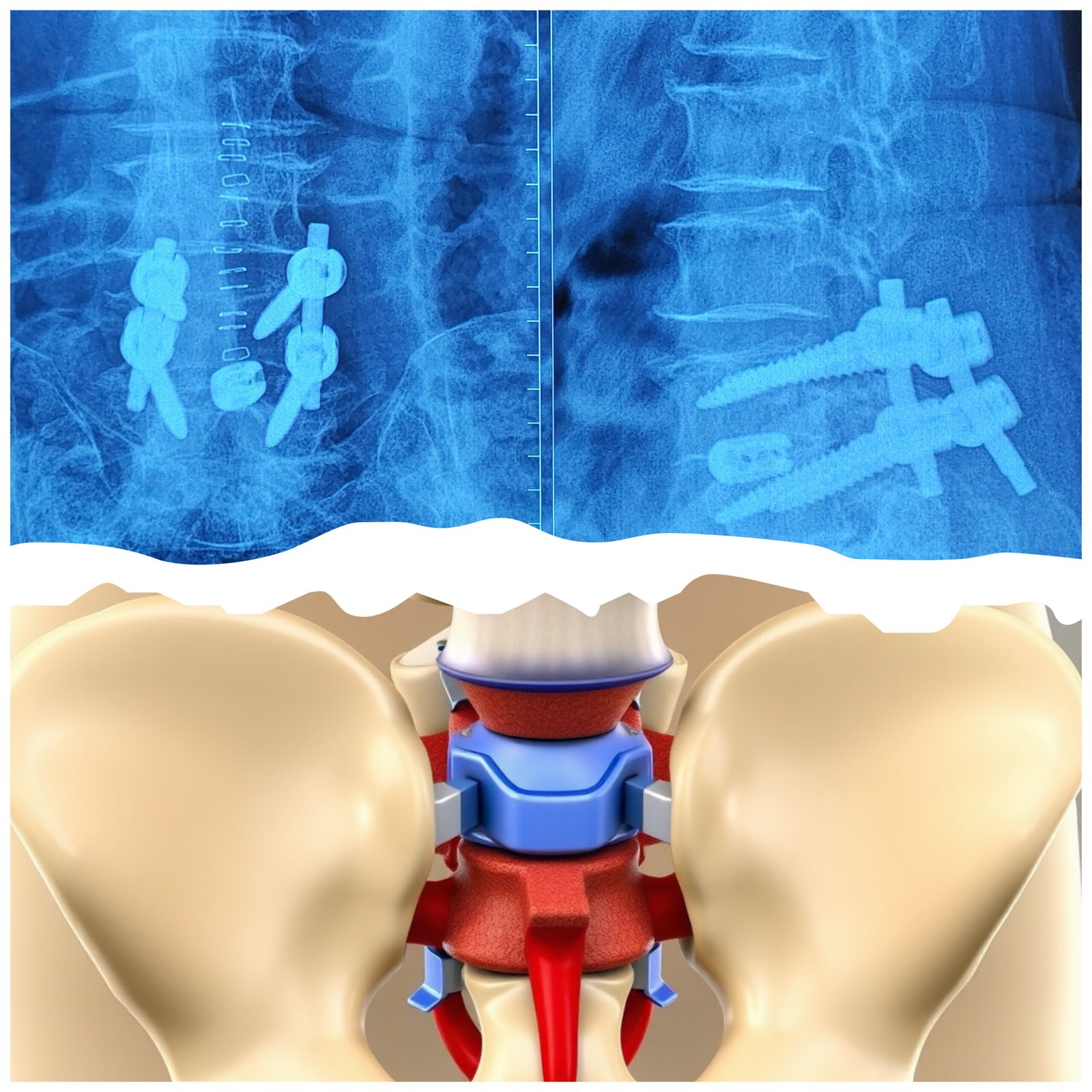
Titanium screws, cages, and artificial discs are placed through small retractors and tubes during procedures like minimally invasive lumbar fusion. These implants provide stabilization and support for the spine.

Conditions Treated with MISS

MISS is effective for a wide range of spinal conditions, including:

1. Herniated Discs
Minimally invasive lumbar discectomy is a popular procedure for treating herniated discs. It involves the removal of the damaged portion of the disc to relieve pressure on the nerves.
2. Spinal Stenosis
Spinal decompression surgery is used to alleviate symptoms caused by narrowed spinal canals. This technique relieves pressure on the spinal cord and nerve roots.
3. Spinal Listhesis
MISS offers effective solutions for spinal listhesis, where one vertebra slips over another. Fusion and stabilization techniques are employed to restore spinal alignment.
4. Spinal Tumors
MISS is also used for the removal of spinal tumors with minimal disruption to surrounding healthy tissues.

Main goal of surgery is ‘NO HARM’ and key hole.

Our expert Spine Surgeons in Bangalore at Neurowellness provide consultation and treatment to all spine related problems.

Innovative MISS Procedures in Bangalore

Bangalore is a hub for advanced medical care, and Neurowellness leads the way in providing cutting-edge minimally invasive spine surgery. Here are some key MISS procedures available:

1. Micro Lumbar Discectomy (MLD)

This procedure involves removing herniated disc material to relieve nerve compression. Spine specialists in Bangalore use microscopic techniques for precision and minimal tissue disruption.

2. Endoscopic Spine Surgery

This advanced technique uses a small camera and specialized tools to treat conditions like herniated discs and spinal stenosis. Patients benefit from reduced pain and faster recovery.

3. MIS TLIF Surgery

Minimally invasive transforaminal lumbar interbody fusion (MIS TLIF) is performed to stabilize the spine and alleviate pain caused by spinal instability or spondylolisthesis.

4. Minimally Invasive Lumbar Decompression Surgery

This procedure is designed to relieve pressure on the spinal cord and nerves caused by conditions like spinal stenosis. It involves removing the lamina or bone spurs with minimal disruption to surrounding tissues.

Why Choose Neurowellness for Spine Surgery in Bangalore?

Neurowellness stands out as a leading provider of spine treatment in Bangalore for several reasons:

1. Expertise
Our team includes some of the best spine surgeons in Bangalore, renowned for their expertise in minimally invasive techniques.
2. Advanced Facilities
Neurowellness is equipped with state-of-the-art surgical technology, including high-powered microscopes, robotic systems, and advanced imaging tools.
3. Comprehensive Care
From diagnosis to rehabilitation, we offer a holistic approach to spine care, ensuring optimal outcomes for every patient.
4. Patient-Centered Approach
We prioritize patient safety and comfort, focusing on minimally invasive methods to reduce pain, recovery time, and hospital stays.

PODCAST:

Conclusion

Minimally invasive spine surgery is transforming the way spinal conditions are treated. With its numerous benefits, including smaller incisions, reduced tissue disruption, and faster recovery, MISS is an excellent option for patients seeking effective spine care.

Neurowellness, home to the top spine specialists in Bangalore, is dedicated to providing advanced minimally invasive treatments, including micro lumbar discectomy, spinal decompression, and MIS TLIF surgery. If you’re looking for expert spine care, Neurowellness is your destination for cutting-edge spine surgery in Bangalore.

Don’t let spinal problems hold you back—consult our expert spine surgeons today and take the first step toward a pain-free life!

“MISS offers faster recovery, less pain, and smaller scars compared to traditional spine surgery. Consult our expert neurosurgeons today.”

Please visit
Neurowellness
Brain and Spine Clinic
#1224, Ground-Floor, 26th Main, Jayanagar 9th Block
BANGALORE – 560069

Ganesh

Dr. Ganesh Veerabhadraiah

Consultant – Neurosurgeon, Neurointerventional Surgery, Spine Surgeon (Neuro)
23+ Years Experience Overall (17+ years as Neuro Specialist)

Available for Consultation: Jayanagar 9th Block & Kauvery Hospital, Electronic City 

FAQs

1. What is Minimally Invasive Spine Surgery (MISS)?

MISS is an advanced technique using small incisions, specialized instruments, and less tissue damage for spine procedures.

2. Is MISS safer than open spine surgery?

Yes. MISS reduces blood loss, scarring, infection risks, and recovery time compared to open surgery.

3. How long does recovery take after MISS?

Most patients resume normal activities within 2–4 weeks, much faster than open surgery.

4. Who can benefit from MISS?

Patients with disc prolapse, spinal stenosis, herniated discs, or chronic back pain may be eligible.

5. Where can I get MISS in Bangalore?

Neurowellness Brain & Spine Clinic offers advanced MISS procedures by experienced neurosurgeons.

Ganesh

About Author

Dr. Ganesh Veerabhadraiah

Dr. Ganesh Veerabhadraiah, leading neurosurgeon and neurologist in Bangalore, has over 20 years of expertise in managing back pain, migraines, headaches, neuro disorders, and spine problems. His clinical excellence and patient-first approach make him one of the most trusted neuro doctors in Bangalore.

At Neurowellness Brain & Spine Clinic in Jayanagar and Kavery Hospital Electronic City, Dr. Ganesh provides comprehensive treatments ranging from minimally invasive spine surgery to advanced neurological care. As a respected back pain specialist and migraine doctor, he continues to deliver reliable outcomes for patients.

👉 Connect with Dr. Ganesh on LinkedIn