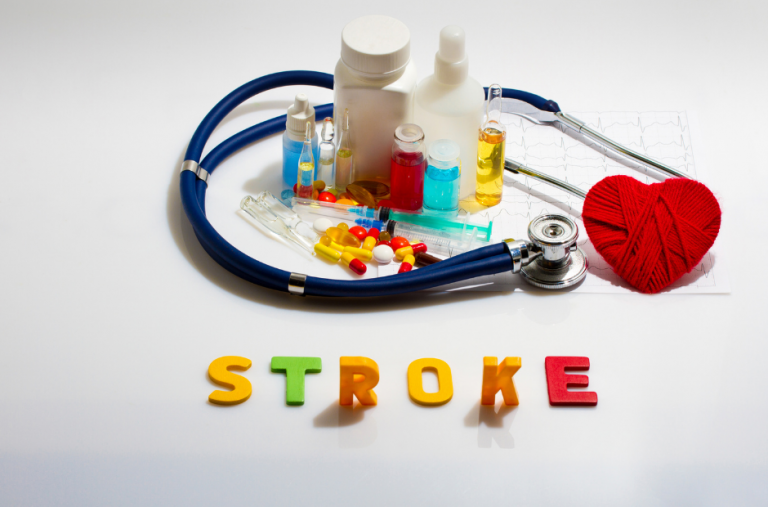
A blood clot in the brain, medically known as a cerebral venous sinus thrombosis (CVST) or an ischemic stroke, is a life-threatening medical emergency. It occurs when a blockage forms in a blood vessel, cutting off blood flow to a part of the brain.

Immediate treatment is vital to minimise brain damage and improve outcomes. The sooner treatment is started, the better the chances of recovery. Delays can lead to severe complications and long-term disabilities.

However, the available options for blood clot in brain treatment come with their own set of risks and benefits. This blog aims to equip you with a clear understanding of these considerations to navigate this critical situation.

What is a Brain Blood Clot?

A brain blood clot occurs when a blockage forms in one of the blood vessels supplying blood to the brain. This blockage can stop the flow of oxygen-rich blood, leading to a stroke. Strokes can cause severe damage to the brain, resulting in loss of speech, movement, and other critical functions.

Common Symptoms of a Brain Blood Clot

Recognising the symptoms of a blood clot in brain treatment early can save lives. Common symptoms include:

  • Sudden severe headache
  • Weakness or numbness on one side of the body
  • Difficulty speaking or understanding speech
  • Loss of vision in one or both eyes
  • Dizziness or loss of balance

Blood Clot in Brain Treatment

Several options are available for a blood clot in brain treatment. The choice of treatment depends on the clot’s size, location, and the patient’s overall health.

Medication Options

Thrombolytics

These medications, often called “clot busters,” work by dissolving the blood clot. They are most effective when administered within a narrow window (usually 3-4.5 hours) after stroke onset. While highly beneficial in minimising brain damage, thrombolytics carry a bleeding risk, particularly in the brain.

Benefits

  • Rapid clot dissolution
  • Improved blood flow to the brain
  • Increased chances of recovery

Risks

  • Bleeding complications
  • Allergic reactions
  • Damage to blood vessels

Anticoagulants

Often prescribed after successful clot removal or in cases where thrombolytic therapy is not suitable, these medications help prevent new clots from forming. While crucial for long-term management, they can increase the risk of bleeding, necessitating regular monitoring.

Benefits

  • Prevention of further clotting
  • Reduced risk of recurrent strokes

Risks

  • Increased risk of bleeding
  • Interaction with other medications

Antiplatelets

These drugs prevent platelets from sticking together and forming clots. Aspirin and clopidogrel are common antiplatelets.

Benefits

  • Reduced risk of new clot formation
  • Lower risk of recurrent strokes

Risks

  • Gastrointestinal bleeding
  • Allergic reactions

Surgical Treatments

In some cases, particularly with large clots or significant bleeding, surgery may be necessary to remove the clot or relieve pressure on the brain. This is a complex procedure with inherent risks associated with any surgery.

Mechanical Thrombectomy

This minimally invasive procedure involves inserting a thin catheter into an artery to remove the clot physically. It offers significant advantages over thrombolytics, especially for large clots or those in critical locations. However, it requires specialised expertise and may not be available in all healthcare facilities.

The benefits are immediate removal of the clot, restored blood flow, and reduced risk of brain damage.

The risks involved in this blood clot in brain treatment are infection, bleeding at the puncture site and damaged blood vessels. 

Carotid Endarterectomy

Carotid endarterectomy is a surgical procedure that removes plaque buildup from the carotid arteries, which supply blood to the brain. This buildup, known as atherosclerosis, can significantly narrow the arteries, increasing the risk of stroke.

The surgery is typically recommended for patients with significant artery narrowing (carotid artery stenosis) to improve blood flow and prevent future strokes. The procedure aims to reduce the risk of stroke and improve overall brain health by removing plaque.

Benefits

  • Reduced risk of future strokes
  • Improved blood flow to the brain

Risks

  • Stroke during the procedure
  • Heart attack
  • Nerve damage

Recovery and Rehabilitation

After treatment, recovery and rehabilitation are crucial. Rehabilitation helps regain lost skills and improve quality of life. It may include:

Physical Therapy

Physical therapy focuses on enhancing movement and strength through exercises and activities. It helps stroke survivors regain mobility, improve balance, and increase muscle strength, crucial for performing daily tasks and improving the overall quality of life.

Speech Therapy

Speech therapy targets speech and communication skills, aiding individuals in recovering their ability to speak and understand language and improving cognitive functions related to communication. It also addresses swallowing difficulties, which can be a concern post-stroke.

Occupational Therapy

Occupational therapy aims to restore independence in daily activities. It involves training and adapting tasks to help stroke survivors manage personal care, household chores, and other essential activities, enabling them to lead more self-sufficient lives.

Weighing the Risks and Benefits

When considering treatment, it is important to weigh the risks and benefits. Here are some factors to consider:

Severity of the Stroke

Severe strokes often necessitate aggressive treatment to restore blood flow and minimize brain damage. The urgency and intensity of the treatment correlate with the extent of the stroke’s impact, requiring rapid intervention to improve outcomes and reduce the risk of long-term disability.

Time Since Symptom Onset

The timing of treatment is critical in stroke management. Interventions like thrombolytics are most effective when administered within a few hours of symptom onset, as they help dissolve blood clots and restore circulation, thereby reducing the severity of brain injury.

Patient’s Overall Health

A patient’s overall health significantly influences treatment decisions. Pre-existing conditions such as heart disease, diabetes, or other chronic illnesses can complicate treatment options and outcomes. These health factors must be carefully assessed for the most appropriate and safe treatment plan.

Potential Complications

Each treatment option carries its own set of risks and potential complications. For instance, thrombolytic therapy can increase the risk of bleeding. It is crucial to weigh these risks against the benefits to ensure that the chosen treatment offers the best possible outcome with minimal adverse effects.

Feel Symptoms of a Brain Blood Clot? Contact the Best Spine Surgeon in Bangalore

It is paramount to recognise the urgency of brain blood clot treatment and consult specialists promptly. Understanding the risks and benefits of available treatments ensures informed decisions. Tailoring treatments to factors like stroke severity and patient health optimises outcomes in this critical scenario.

At NeuroWellness, we are a trusted destination for blood clots in brain treatment. With our team of spine specialists led by the best spine surgeon in Bangalore, we promise our patients comprehensive care, in-depth diagnoses, and round-the-clock emergency services.
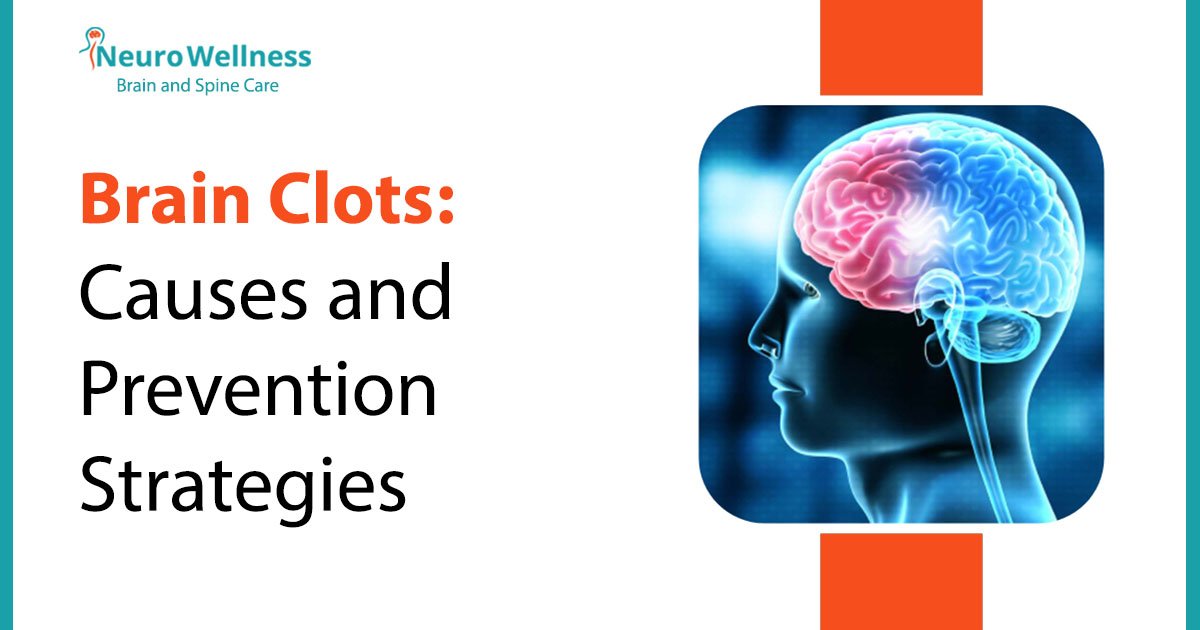
Imagine waking up one day and struggling to speak or move one side of your body. This can happen if you have a brain clots, a serious medical condition in which a blood clot forms in the brain’s blood vessels.

A brain clot can lead to a stroke, which is a leading cause of death and disability worldwide. According to the World Health Organization, strokes are the second leading cause of death globally, causing about 11% of total deaths.

Understanding brain clot causes and learning how to prevent them can reduce the risk of these life-threatening events and improve overall health.

Read on as our best neurosurgeon in Bangalore explains brain clot causes and how to prevent them. 

What are Key Brain Clot Causes?

Brain clots form when blood cells clump together and block blood flow in the brain. There are several reasons why this happens.

High Blood Pressure

High blood pressure, or hypertension, is a major cause of brain clots. It damages blood vessels, making them more likely to cause brain clots. Keeping blood pressure under control is crucial to prevent brain clots.

Atherosclerosis

Atherosclerosis occurs when plaque builds up inside the arteries. This plaque is made of fat, cholesterol, and other substances. As it builds up, it narrows the arteries, making it easier for clots to form.

Heart Disease

Heart disease increases the risk of brain clots. Conditions like atrial fibrillation cause irregular heartbeats, which can lead to clot formation. These clots can then travel to the brain and cause a stroke.

Diabetes

Diabetes damages blood vessels over time. High blood sugar levels are one of the most common brain clot causes. Managing diabetes effectively can reduce the risk of brain clots.

Obesity

Obesity is linked to many health issues and is also one of the most significant brain clot causes. Excess body weight puts extra pressure on the heart and blood vessels, increasing the likelihood of clot formation.

Smoking

Smoking damages the blood vessels, making them more prone to clot formation. Quitting smoking is a key step in reducing the risk of brain clots.

Symptoms of Brain Clots

Recognising the symptoms of a brain clot is crucial. Early detection can improve treatment outcomes. Here are the key symptoms to watch for:

Sudden Numbness or Weakness

Sudden numbness or weakness in the face, arm, or leg, especially on one side of the body, can indicate a brain clot. This happens because the clot disrupts the blood flow to the brain areas controlling muscle movements.

Confusion or Trouble Speaking

Often, brain clot causes sudden confusion and difficulty speaking or understanding speech. They occur when the clot affects the brain regions responsible for language.

Vision Problems

Sudden trouble seeing in one or both eyes is a common symptom of brain clots. This includes blurry, double, or complete vision loss in one eye. The clot can disrupt blood flow to the parts of the brain that process visual information.

Severe Headache

A sudden, severe headache without known cause can indicate a brain clot. Often described as the worst headache of someone’s life, this pain can be intense and appear very quickly.

Dizziness or Loss of Balance

Sudden dizziness, loss of balance, or lack of coordination can indicate a brain clot. The clot affects the brain areas that control balance and coordination, making walking or standing difficult.

Brain Clot Prevention Strategies

Preventing brain clots involves making lifestyle changes and managing health conditions. Here are some effective strategies.

Maintain a Healthy Diet

A healthy diet can reduce the risk of brain clots. Include plenty of fruits, vegetables, whole grains, and lean proteins. Avoid foods high in saturated fats, trans fats, and cholesterol. These unhealthy fats can lead to plaque buildup in the arteries, increasing the risk of clots. Eating a balanced diet helps keep blood vessels healthy and clear.

Exercise Regularly

Regular exercise improves blood circulation and helps maintain a healthy weight. Aim for at least 30 minutes of moderate exercise most days of the week. Activities like walking, cycling, and swimming are excellent choices. Exercise strengthens the heart and improves overall cardiovascular health, reducing the risk of clots.

Control Blood Pressure

Keeping blood pressure in check is crucial. Monitor your blood pressure regularly and follow your doctor’s advice to manage it. This might include taking medication, reducing salt intake, and managing stress. High blood pressure can damage blood vessels, making clots more likely. Controlling blood pressure helps maintain healthy blood flow.

Manage Diabetes

If you have diabetes, keep your blood sugar levels under control. Follow your doctor’s recommendations regarding diet, exercise, and medication. Proper management of diabetes reduces the risk of damage to blood vessels and helps prevent clot formation.

Quit Smoking

Quitting smoking can significantly reduce the risk of brain clots. The harmful chemicals in cigarettes damage blood vessels and increase the likelihood of clots. Seek support from friends, family, or a professional to help you quit.

Limit Alcohol Consumption

Excessive alcohol consumption can increase blood pressure and the risk of clot formation. Limit alcohol intake to moderate levels. Reducing alcohol intake helps maintain healthy blood pressure and reduces the risk of clots.

Take Medications as Prescribed

If you are at risk of brain clots, your doctor may prescribe medications like blood thinners. To prevent clot formation, take these medications as directed. Do not skip doses or stop taking the medication without consulting your doctor. Consistent use of prescribed medications is essential for preventing clots.

Regular Health Check-ups

Regular health check-ups are important for early detection and management of risk factors. Visit your doctor regularly to monitor your blood pressure, cholesterol levels, and overall health. These check-ups can help identify potential problems before they become serious.

Manage Stress

Chronic stress can negatively affect your health and increase the risk of brain clots. Practice stress management techniques like deep breathing, meditation, or yoga. Managing stress helps maintain overall health and reduces the risk of health problems related to chronic stress.

Want to Know More? Consult the Best Neurosurgeon in Bangalore

Understanding and preventing the possible brain clot causes is crucial for reducing the risk of strokes. Adopting a healthy lifestyle, managing chronic conditions, and regular check-ups are key. If you’re experiencing any of the symptoms discussed above, consult our best neurosurgeon in Bangalore. At NeuroWellness, we provide exceptional neurological care and treatment in our state-of-the-art facility, focused on helping our patients regain their quality of life.

Around 20% of stroke victims are between the ages of 20 and 55. Knowing the symptoms of a stroke and acting quickly can mean the difference between a life saved and a tragic outcome.

Stroke is the fifth leading cause of mortality in the United States, as well as the top cause of adult disability. According to the National Stroke Association, few people understand what a stroke is and how to spot it when it occurs.

Book a Consultation with our Stroke Specialists in Bangalore

stroke

What is a golden hour?

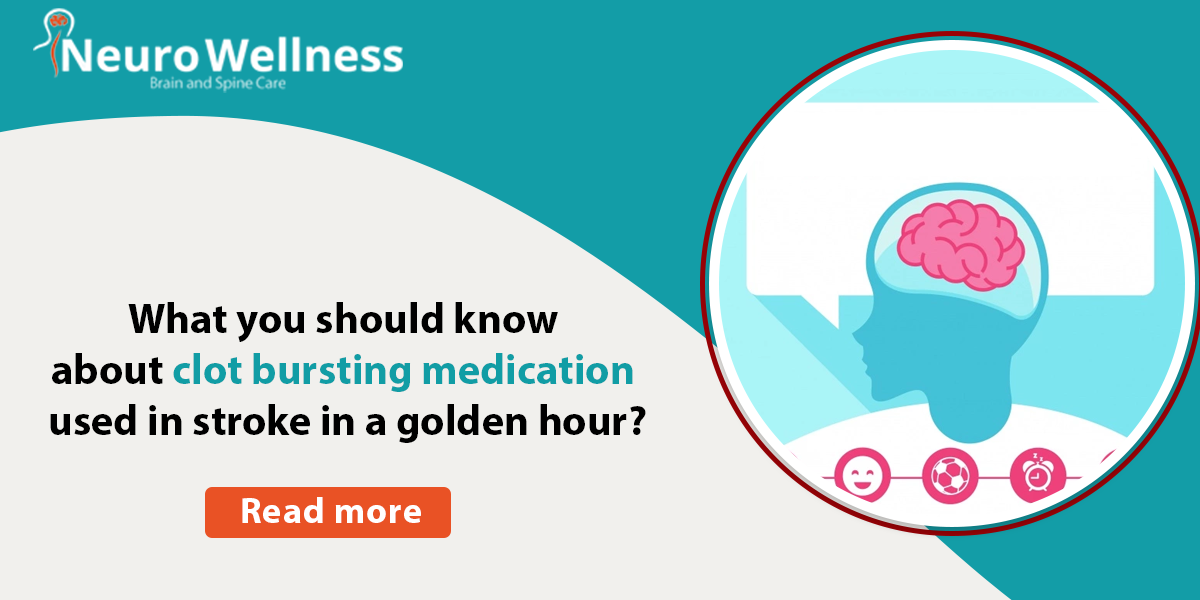
 When someone is having a stroke, what we call  “Golden Hour” can make all the difference in the world. The first  3.5 hours is crucial because stroke patients have a significantly better chance of surviving and avoiding long-term brain damage if they arrive at the hospital in right time and are treated with a clot bursting medicine known as TPA.

What is TPA?

 TPA is a thrombolytic medication, also known as a “Clot Burster.” This clot burster is used to break up the clot that is causing a blockage or disruption in the flow of blood to the brain and aids in the restoration of blood flow to the affected part of the brain. It is administered intravenously (IV).

Ganesh

Dr. Ganesh Veerabhadraiah

Consultant – Neurosurgeon, Neurointerventional Surgery, Spine Surgeon (Neuro)
23+ Years Experience Overall (17+ years as Neuro Specialist)

Available for Consultation: Jayanagar 9th Block & Kauvery Hospital, Electronic City 

Thrombolysis- A “clot burster” medicine

Ischaemic strokes are frequently treated with injections of alteplase, a medication that breaks blood clots and restores blood flow to the brain.

This application of “clot bursting” medication is known as thrombolysis.

Alteplase is most effective when administered as soon as possible after a stroke occurs – ideally within 4.5 hours.

It is not generally advised if more than 4.5 hours have passed, as it is unclear how effective it is after this period.

Before using alteplase, a brain scan must be performed to confirm the diagnosis of an ischemic stroke.clot burster

This is due to the fact that the medication has the potential to exacerbate the bleeding that happens in hemorrhagic strokes.

It is critical to seek therapy for Ischemic Stroke as soon as possible because we now have a clot burster called TPA (Tissue Plasminogen Activator). It’s an enzyme medicine that dissolves clots, and it may be given at only in  stroke-ready(comprehensive stroke care)hospital.

What tests are required?

A CT scan of the brain will be performed as soon as possible to evaluate whether you or a family member can be offered TPA. This is to determine whether the stroke can be improved by TPA. If the stroke was caused by bleeding into the brain, TPA can exacerbate the hemorrhage. You will not be able to obtain TPA if this is the case. A blood test will also be performed to ensure that you do not have a bleeding disorder.

If the CT scan reveals no brain bleeding, doctors can employ the clot-dissolving medication TPA if specific criteria are met. This will be discussed with you by the doctor.

Subsequently CT angiogram and  MRI scan will be performed to understand more about treatment aspect- like perfusion study.

Understanding TPA as a stroke treatment

The drug TPA is frequently used to treat ischemic strokes. It must be given to the patient within 4.5 hours after the commencement of the stroke, as permitted by the US Food and Drug Administration (FDA). There are various pros and cons to using tPA as an advanced stroke treatment in Bangalore, including the following:

Pros:

TPA can be very helpful in dissolving blood clots and increasing a patient’s chances of recovering after a stroke. At the very least, TPA may lessen the long-term repercussions of a stroke. However, the benefits of TPA are heavily dependent on when it is delivered.

Cons:

Doctor will explain everything in detail before they give blood thinners. RTPA has Bleeding risk

Summary:

Strokes are a medical emergency that requires immediate treatment.

The sooner a person receives care for a stroke, the less likely it is that permanent damage will occur.

Read more : brain stroke causes and symptoms what puts you at risk and how to spot the signs

Conclusion

Clot-busting medications like TPA (tissue plasminogen activator) have revolutionized stroke care, but timing is everything. Administering this treatment within the golden window (first 4.5 hours) can drastically reduce brain damage, prevent disability, and even save lives. The earlier the treatment, the better the outcome—making awareness and rapid action absolutely critical.

Recognizing stroke symptoms early and reaching a stroke-ready hospital immediately is the first and most important step toward recovery.

Need expert stroke care in Bangalore?

Book a consultation with Dr. Ganesh Veerabhadraiah, one of Bangalore’s top neurosurgeons.

Ganesh

About Author

Dr. Ganesh Veerabhadraiah

Dr. Ganesh Veerabhadraiah, leading neurosurgeon and neurologist in Bangalore, has over 20 years of expertise in managing back pain, migraines, headaches, neuro disorders, and spine problems. His clinical excellence and patient-first approach make him one of the most trusted neuro doctors in Bangalore.

At Neurowellness Brain & Spine Clinic in Jayanagar and Kavery Hospital Electronic City, Dr. Ganesh provides comprehensive treatments ranging from minimally invasive spine surgery to advanced neurological care. As a respected back pain specialist and migraine doctor, he continues to deliver reliable outcomes for patients.

👉 Connect with Dr. Ganesh on LinkedIn

FAQs

1. What is the golden hour in stroke treatment?

The golden hour is the first 60 minutes after stroke symptoms start. Quick treatment during this time with clot-busting medication can save brain cells and improve recovery.

2. Which clot-busting medication is used for stroke?

The most common clot-busting drug is tPA (tissue plasminogen activator), which helps dissolve blood clots and restore blood flow to the brain.

3. Can all stroke patients receive clot-busting treatment?

No. Eligibility depends on the type of stroke, time since symptoms began, and the patient’s medical history. A CT scan is done to confirm suitability.

4. Why is the golden hour important in stroke care?

Because “time is brain.” Each minute of delay causes brain damage. Treatment within the golden hour can reduce disability and save lives.

5. Where can I find stroke specialists in Bangalore?

You can consult experienced neurosurgeons and stroke specialists in Bangalore at Neurowellness Brain & Spine Clinic, led by Dr. Ganesh Veerabhadraiah.

Introduction:

Imagine your brain sending you a quick alert that something is amiss – that’s what a Transient Ischemic Attack (TIA) feels like. Often called a “mini-stroke,” a TIA is more than just a fleeting experience; it’s a critical warning of potential future health risks.

In this detailed guide, we’ll uncover 7 key facts about TIAs that everyone should know.

We’ll simplify complex terms like TIA symptoms, TIA treatment, and what makes this condition so important to address promptly.

Ganesh

Dr. Ganesh Veerabhadraiah

Consultant – Neurosurgeon, Neurointerventional Surgery, Spine Surgeon (Neuro)
23+ Years Experience Overall (17+ years as Neuro Specialist)

Available for Consultation: Jayanagar 9th Block & Kauvery Hospital, Electronic City 

What is a Transient Ischemic Attack?

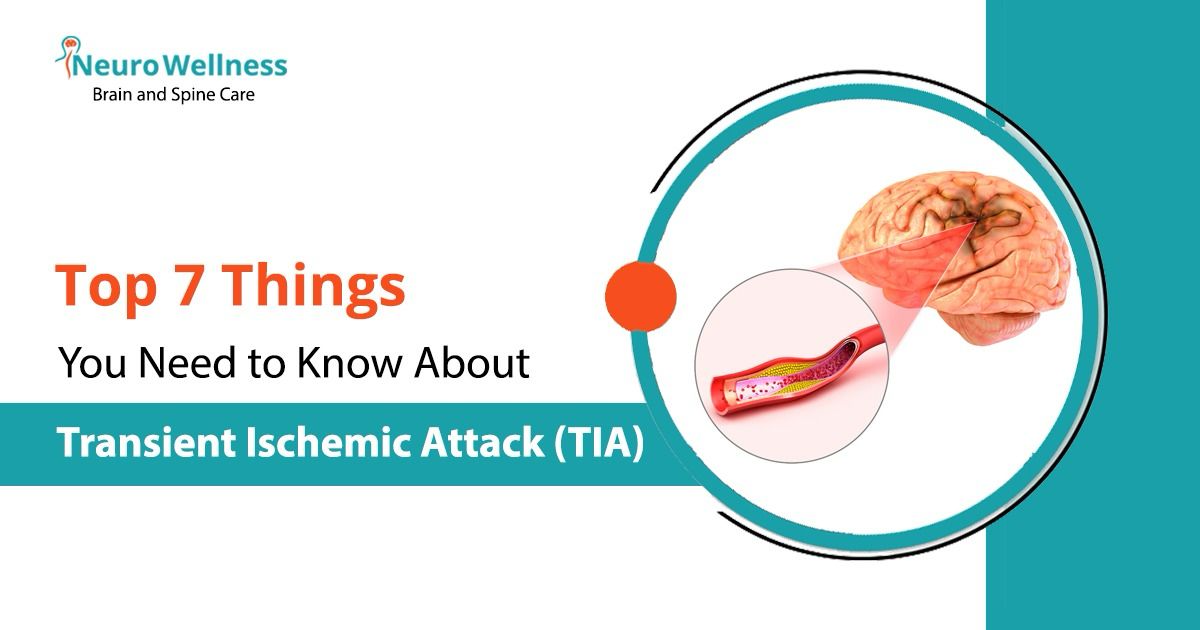
A Transient Ischemic Attack (TIA), often referred to as a mini-stroke, occurs when there’s a temporary blockage of blood flow to the brain.

This results in a brief lack of oxygen, causing stroke-like symptoms that typically resolve within 24 hours.

The medical abbreviation for TIA stands for “Transient Ischemic Attack.”

Key Characteristics of a TIA:

▪️ Symptoms appear suddenly and last for a few minutes to several hours.

▪️ No permanent brain damage occurs, unlike in a full-blown stroke.

▪️TIAs often signal an underlying issue, like blocked arteries or irregular blood flow.

Understanding TIA symptoms and seeking immediate care is critical for preventing major strokes. Let’s explore why these mini-strokes demand attention.

Why Transient Ischemic Attacks (TIAs) or Mini-Strokes Are a Big Deal?

TIAs are not just harmless episodes. Recognizing and addressing them can prevent more serious medical events. Here’s why: Numbness or weakness in the face, arm, or leg, often on one side of the body.

Difficulty with speech, such as slurring or trouble understanding others. Vision problems, including sudden blindness in one or both eyes. Dizziness, loss of balance, or coordination issues.

Confusion and sudden, severe headaches. If these symptoms occur, assume it’s an emergency. Even if the signs vanish quickly, they could point to a more significant issue.

Common symptoms of a transient ischemic attack (TIA) include:

1. Numbness or weakness in the face, arm, or leg, especially on one side of the body

2. Trouble seeing in one or both eyes

3. Difficulty with walking, dizziness

4.Confusion or difficulty in talking or understanding speech

5. Loss of balance and coordination

6. Lack of control over the bladder or bowels

How Long Does a TIA Last?

How Long Does a TIA Last?

A TIA typically lasts only a few minutes but can extend to a couple of hours. Symptoms resolve entirely within 24 hours.

Key Insight

Although the effects of a TIA are temporary, the underlying cause remains. Without addressing the root issue, the risk of a major stroke increases significantly.

What Are the Causes of a Transient Ischemic Attack?

The most common cause of a TIA is blood clots.

When a clot forms in an artery connected to the brain, it restricts blood flow, depriving the brain of essential oxygen for proper functioning.

These clots are typically temporary and get reabsorbed quickly, restoring normal blood flow.

Occasionally, factors such as fatty material (plaque) in the artery or an air bubble can trigger a mini stroke. In rare cases, a small amount of bleeding in the brain (hemorrhage) may also be a cause.

Key Risk Factors:

• High blood pressure (hypertension)

• High cholesterol

• Smoking

• Diabetes

• Irregular heartbeat (atrial fibrillation)

• Age (risk increases after 55)

What are the Risk Factors of TIAs?

Primary Risk Factor: High Blood Pressure (Hypertension) is a significant contributor to TIAs.

Other Significant Risk Factors:

1.Irregular heartbeat (atrial fibrillation)
2.Diabetes
3.Family history of stroke
4.High cholesterol
5.Abnormal blood clotting
6.Increasing age, especially after 55

7.Smoking
8.Alcohol use
9.Recreational drug use
10.Irregular heartbeat (atrial fibrillation)
11.Diabetes
12.Family history of stroke
13.High cholesterol
14.Abnormal blood clotting
15.Increasing age, especially after 55
16.Smoking
17.Alcohol use
18.Recreational drug use

What Happens After a TIA?

While a TIA doesn’t cause lasting brain damage, it’s a wake-up call. Many people experience heightened anxiety and stress following an episode, which can impact mental well-being.

Post-TIA Care Includes:

  • Consulting with a neurologist to identify the cause.

  • Regular follow-ups and lifestyle adjustments to reduce stroke risks.

Mental health support is equally vital. Talking to healthcare professionals or support groups can alleviate stress and promote recovery.

Treatment for TIAs: What You Need to Know

Prompt treatment is essential to prevent future TIAs or a full stroke. Here’s what you can expect:

1.Diagnosis

• Physical and neurological exams.
• Imaging tests like CT, MRI, or carotid ultrasonography to detect blockages.
• Blood tests to identify clotting issues.

2. Medical Interventions

• Medications: Antiplatelet drugs, anticoagulants, and statins.
• Surgery: Procedures like carotid endarterectomy to clear blocked arteries.

Lifestyle Changes:

ㆍ Maintaining a healthy diet.

ㆍ Regular physical activity.

ㆍ Quitting smoking and limiting alcohol intake.

Preventing a transient ischaemic attack (TIA)

Having a transient ischaemic attack (TIA) means you have a higher chance of more TIAs or a serious stroke. But, regardless of whether you’ve had a TIA or stroke before, making certain lifestyle changes can greatly reduce this risk.

Here’s what you can do:

  • Keep a healthy weight
  • Eat a balanced and nutritious diet
  • Exercise regularly
  • Limit alcohol
  • Quit smoking

Now that we’ve covered the basics of Transient Ischemic Attacks (TIAs), let’s dive into the seven facts you need to know to stay informed and empowered about your health.

Top 7 Facts You Need to Know About TIAs

1. A TIA is a warning sign of a future stroke.

TIAs start suddenly and last briefly (1-2 hours), signaling potential future stroke risks.

About one in three people who experience a TIA will have a stroke, and roughly half of these strokes happen within a year after the TIA.

The American Stroke Association confirms that 9 to 17% of people who have had a TIA experience a stroke within 90 days. Seeking proper care can significantly reduce this risk.

2. Use F.A.S.T. for TIA symptoms; call medical emergency even if brief.

  1. Time lost is brain lost. Remember FAST:

    1. F – Face drooping
    2. A – Arm weakness
    3. S – Speech difficulty
    4. T – Time to call ambulance/doctor

3. No driving post-TIA.

You should not drive for 2 weeks after a TIA. If you have a commercial driving license, you shouldn’t drive for 4 weeks at least.

4. Urgently seek medical help for all stroke-like symptoms.

Because there is no way to tell whether symptoms are from a TIA or an acute stroke, you should assume that all stroke-like symptoms signal an emergency and should not wait to see if they go away.

A prompt evaluation (within 60 minutes) is necessary to identify the cause of the TIA and determine appropriate therapy.

5. A TIA leaves no permanent brain damage.

A TIA looks and feels like a stroke but doesn’t cause permanent damage. Similar to a stroke, it happens when a blood vessel blockage interrupts brain blood flow. However, TIA symptoms vanish within 24 hours, often faster, and don’t result in lasting brain damage.

6. Transient Ischemic Attacks (TIAs) cases are not rare.

Transient Ischemic Attacks (TIAs) are quite common and treatable by medical experts, with more than 1 million cases per year (India).

7. Mini-Strokes Aren't "Mini"

TIAs are often misunderstood due to their temporary nature and lack of lasting evidence on scans.

Despite being known as “mini-strokes,” they should be considered warning strokes, requiring immediate medical attention to prevent future, more severe strokes.

If stroke-like symptoms arise, treat them urgently and remember: time lost is brain lost.

When to Contact a Doctor?

Wondering when to contact a medical professional about a possible TIA (Transient Ischemic Attack)? Don’t hesitate—act fast!

A TIA is a medical emergency! Even if symptoms vanish, they could be a warning sign of a future stroke.

If you experience TIA symptoms, act fast. Early intervention can save lives. Contact specialized clinics like NeuroWellness in Bangalore for expert care.

Don't Ignore TIA Symptoms!

TIAs can mimic other neurological issues, making a detailed evaluation by a doctor crucial.

Since TIAs often precede strokes by hours or days, seeking immediate medical attention after a possible TIA is necessary. If you suspect a TIA, get help ASAP. Swift evaluation can identify treatable conditions and possibly prevent a stroke.

If you are looking for expert stroke treatment in Bangalore, reach out to us for immediate care!

Get On the Road to Recovery

At NeuroWellness, we understand the urgency and complexity surrounding health care. Our team of experienced neurosurgeons employs state-of-the-art techniques to ensure precise diagnosis and effective treatment.

By choosing NeuroWellness, you’re opting for a holistic and advanced stroke treatment in Bangalore that prioritizes your well-being.

Find out more

A transient ischemic attack (TIA) can happen unexpectedly, leaving behind confusion and fear. If you are looking for more information, get in touch with our medical experts.

Get Expert Care at NeuroWellness

At NeuroWellness, our experienced neurosurgeons provide comprehensive care for TIAs and strokes. Using advanced diagnostics and treatments, we help patients recover and prevent future episodes. Reach out today to start your journey toward better health.

Our team can answer your questions about TIA and help you get your health on the right track! Get help now!

FAQs About TIA (Mini Stroke)

1. Is a TIA a real stroke?
A TIA is often called a “mini-stroke” because it has similar symptoms but no lasting damage. It’s a major warning sign of a future stroke.

2. What are the first signs of a TIA?
Sudden confusion, trouble speaking, weakness on one side, or vision changes are common early signs.

3. How is TIA treated in Bangalore?
Treatment typically includes blood thinners, lifestyle changes, and in some cases, surgery. Immediate medical attention is key.

4. Can a TIA go away on its own?
Yes, symptoms often disappear within minutes or hours, but medical evaluation is still urgent.

Introduction

When someone affected with brain stroke limbs will be paralyzed and they will be dependent person, may be on tracheotomy – means doctor may have done artificial passage in the neck to facilitate put out secretions from lungs, it is very important to understand the problem with person affected with stroke both physical and mental.

Let us today know how to help our loved ones who is affected with stroke.

Brain stroke won’t discriminate anyone, any side of the body or socio economic status”

1.Understanding the importance: -

We need to know which side of the body is involved is it a dominant which person was performing maximum tasks comfortable, Strength in the limbs absolutely no power or minimum power. Since in the early stage if minimal strength present limbs power is likely to improve future. If moderate strength is present it will really make big difference in further recovery process.

2.Educating yourself: -

If person close to the stroke personally like spouse or children, educating them it will be great help in recovery apart from physiotherapy to limbs, eye care, tracheotomy care, feeding through Ryle’s tube, PEG( food directly into stomach) care. Care of the skin back to prevent bed sore by charging pposition of the limbs frequently giving medication especially heart medication,blood thinners are very important.

3.Health care personals: -

It is important to follow doctors and advise. The feeding through nasogastric tube or PEG tube, the amount of food protein, medication at regular time.
In case investigating blood levels sodium, potassium, clotting parameters and early to be followed without fail.

4. Emotional support: -

Once stroke patient start recovery it is important to motivate patient about recovery with positive mind set and suggestions and assurance of support by loved ones and family will make a big differences on recovery.

4. Emotional support: -

Once stroke patient stroke starts recovery like gaining the limbs power, started speaking or starts getting balance while walking if loved once reassure with assistance using walker, side rails at house, bathroom make floor, anti slippery rrelaxation therapy, positive connectedness with family help them to give confidence to make a good recovery.

Conclusion:

By educating yourself about stroke, offering emotional support, assisting with rehabilitation, promoting independence, and creating a nurturing environment, you can empower your loved one to overcome obstacles and regain control over their lives.

Remember, each recovery process is unique, and it requires adapting to changing circumstances and needs. Your presence, dedication, and support play a significant role in your loved one’s recovery journey, and by availing the services of Neurowellness Brain and Spine Clinic in Bangalore, you can ensure they receive the best possible care, enabling them to regain their independence and improve their quality of life.

Practicing mindfulness techniques, such as deep breathing exercises, meditation, and relaxation techniques, can help reduce stress and promote overall well-being. Stress management is crucial, as excessive stress can hinder the recovery process. Consider joining mindfulness programs or engaging in activities that bring you joy and relaxation.

Ganesh

Dr. Ganesh Veerabhadraiah

Consultant – Neurosurgeon, Neurointerventional Surgery, Spine Surgeon (Neuro)
23+ Years Experience Overall (17+ years as Neuro Specialist)

Available for Consultation: Jayanagar 9th Block & Kauvery Hospital, Electronic City 

FAQs

1) What is the most important part of stroke recovery care?

Regular physiotherapy, medication adherence, and family support are crucial for recovery.

2) How long does it take to recover from a brain stroke?

Recovery varies; some improve in weeks, while others may take months or years depending on severity and therapy.

3) Can stroke survivors live independently again?

Yes, many regain independence with early rehabilitation, lifestyle changes, and consistent medical follow-up.

4) What are the warning signs of complications after a stroke?

Sudden weakness, speech difficulty, chest pain, or recurrent headaches require immediate medical attention.

Ganesh

About Author

Dr. Ganesh Veerabhadraiah

Dr. Ganesh Veerabhadraiah, leading neurosurgeon and neurologist in Bangalore, has over 20 years of expertise in managing back pain, migraines, headaches, neuro disorders, and spine problems. His clinical excellence and patient-first approach make him one of the most trusted neuro doctors in Bangalore.

At Neurowellness Brain & Spine Clinic in Jayanagar and Kavery Hospital Electronic City, Dr. Ganesh provides comprehensive treatments ranging from minimally invasive spine surgery to advanced neurological care. As a respected back pain specialist and migraine doctor, he continues to deliver reliable outcomes for patients.

👉 Connect with Dr. Ganesh on LinkedIn

The human brain is a remarkable organ, controlling our thoughts, emotions, and movements. Yet, when struck by a stroke, this intricate network can be significantly disrupted, leaving survivors with various challenges to overcome. Every year, millions of individuals around the world face the life-altering effects of a brain stroke, leading to physical, cognitive, and emotional changes that require careful attention and rehabilitation. Life can change in an instant. Imagine going about your day when suddenly, a powerful force disrupts the intricate workings of your brain. A stroke, like a thief in the night, robs you of control, leaving behind a trail of physical and cognitive challenges. It’s an experience that many stroke survivors know all too well.
Stroke is the second most common cause of death in India, as per expert. About 5.2 million strokes were witnessed in children, aged less than 20 years. Stroke is the second most common cause of mortality in India, According to Dr. MV Padma Srivastava, Professor of Neurology at AIIMS. India reports over 1,85,000 incidents of stroke annually, with one stroke mortality occurring every four minutes and one stroke occurring every 40 seconds.

Understanding Brain Strokes:

A brain stroke occurs when the blood supply to the brain is interrupted, resulting in the rapid loss of brain function. This disruption can be caused by a blockage (ischemic stroke) or bleeding (hemorrhagic stroke) within the brain. Survivors often encounter physical, cognitive, and emotional challenges that necessitate comprehensive support and rehabilitation.

Strategies for Brain Stroke Survivors:

Let’s explore it more in detail;

Rehabilitation Therapy:

Rehabilitation therapy plays a crucial role in the recovery process. Physical therapy focuses on regaining strength, mobility, and coordination, helping survivors improve their physical abilities. Occupational therapy assists in relearning daily living skills and adapting to any physical limitations. Speech therapy can help with communication difficulties and swallowing problems. Working with a skilled team of therapists, survivors can make remarkable progress and regain their independence.

Healthy Lifestyle Choices:

Adopting a healthy lifestyle is key to optimizing recovery. Regular exercise, under the guidance of healthcare professionals, can improve cardiovascular health, strength, and overall well-being. Eating a balanced diet, rich in fruits, vegetables, whole grains, and lean proteins, provides essential nutrients for healing and supports brain health. Adequate rest and quality sleep are also important for recovery and rejuvenation.

Assistive Technologies:

A brain stroke survivor’s quality of life can be greatly enhanced by embracing assistive technologies. Mobility aids, communication tools, and gadgets that may be adjusted to meet different demands are some of these technologies. With the use of assistive technology, survivors can overcome their physical and verbal limitations, fostering independence and improving general wellbeing.

Lifestyle Modifications:

Making necessary modifications to the living environment can create a safer and more accessible space for brain stroke survivors. Simple adjustments such as installing handrails, grab bars, can prevent falls and enhance mobility. Organizing the living space to reduce clutter and improve navigation can also contribute to a sense of security and independence.

Medication Management:

It is essential to follow your prescribed medication regimen diligently. Medications can help manage underlying conditions, prevent future strokes, and control symptoms. Regularly consult with your healthcare provider to ensure you are taking the right medications and understand their potential side effects.

Social engagements:

Maintaining social connections and engaging in meaningful activities is vital for the well-being of brain stroke survivors. Participate in support groups, community programs, and social activities that align with personal interests and abilities. Connecting with others who have shared experiences can provide emotional support, encouragement, and a sense of belonging.

Mindfulness and Stress Reduction:

Practicing mindfulness techniques, such as deep breathing exercises, meditation, and relaxation techniques, can help reduce stress and promote overall well-being. Stress management is crucial, as excessive stress can hinder the recovery process. Consider joining mindfulness programs or engaging in activities that bring you joy and relaxation.

Conclusion:

As you navigate the path to recovery after a brain stroke, Neuro Wellness Brain and Spine Clinic is here to support you every step of the way. By implementing strategies such as rehabilitation therapy, Healthy Lifestyle Choices, Assistive Technologies Lifestyle Modifications, Medication Management, Social engagements, Mindfulness and Stress Reduction, you can unlock your potential for healing and regain independence. Remember, each survivor’s journey is unique, and at Neuro Wellness, we are dedicated to providing personalized care and guidance tailored to your specific needs. Let us embark on this transformative journey together, where hope thrives, and you rediscover the joy of life after a brain stroke.

Dr Ganesh Veerabhadraiah

MBBS, DNB (Neurosurgery)

FINR (Fellowship in Interventional Neurosurgery-Switzerland)

As we know about Brain Stroke: Faster you act, the better you save the patient life. National, 17th April 2022: A brain stroke, also known as a brain attack, occurs when the supply of blood to the brain is reduced or stopped. It is like a heart attack. However, in a brain stroke, due to blockage inside the vessel, blood and oxygen supply to the brain are halted. A few of the common symptoms of a brain stroke are facial weakness, arm and leg weakness, speech dysfunction, blurring of vision, and imbalance while walking. For brain stroke Dr. Ganesh Veerabhadraiah is one of the top neurosurgeon in Bangalore.

What risk factors make the brain prone to stroke?

If you are suffering from hypertension, diabetes, smoking, high cholesterol, obesity, or ischemic heart disease, you are predisposed to a brain stroke. Today’s sedentary lifestyle is one of the major causes of the development of the above-mentioned diseases, so it is important to make changes in your lifestyle so that you can keep your body healthy and reduce the risk of developing these diseases.

Do we have a golden hour in a brain stroke as we have in a heart attack?

A brain stroke is very similar to a heart attack. Suppose a person suddenly develops chest pain, the first thing that comes to your mind is to take him or her to the hospital. As first aid, the medical team first got the ECG and ECHO done, and the cardiologist advised further treatment.

Similarly, in a brain attack or a brain stroke, complications can be avoided if the warning signs are recognized early and the person reaches the hospital within the GOLDEN HOUR.

Understand how a brain stroke happens:

So, as we know, the heart pumps blood into the brain through blood vessels called carotid arteries, which include the right and left carotids. If there is a blockage on one side of the brain and the blood supply is hindered, it may cause a brain stroke.

Studies show that during a brain stroke, 1.9 million neurons die every minute. This happens due to a lack of blood supply and if not treated immediately it might cause permanent damage to the important parts of the brain.

A brain stroke is further classified into two categories: mini-strokes and major strokes, based on the severity and the impact it causes on the brain.

If a person suffers mini strokes, his or her condition usually improves within 24 hours, while if a person suffers from a major stroke, he or she may take longer to recover. A major stroke might also result in weakness or neurological disorders for a longer time and sometimes permanent disability. To give you entire details and the best treatment Dr. Ganesh is one of the best Neurosurgeon in Bangalore with many years of experience.

What is this golden hour of Brain Stroke: Faster you act, the better you save the patient life?

When a brain stroke happens, it is imperative to take the patient to the hospital within the golden period. The golden hour is 3.5 hours to 7.2 hours after the person has suffered a brain stroke. If the clot-bursting medication and mechanical thrombectomy happen within this period, blood circulation re-establishes. Once blood circulation is restored, the supply of blood and nutrition will again resume, which will eventually result in lowering the risk of neuronal death. This is possible with stent retrievers. It is a basket-like device. The procedure is called “Mechanical Thrombectomy.”

Mechanical thrombectomy is a new modality of interventional stroke treatment where mechanical force is applied to remove the clot by aspiration or by approaching through a basket-like device (stent retriever).

Treatment of Brain Stroke –

In recent years, comprehensive stroke treatment units have been helping people who are affected by stroke, and maximum recovery has been recorded. A comprehensive stroke unit or team consists of an emergency physician, a neurosurgeon, a neurologist, a neuroendovascular surgeon/interventional neuroradiologist, a neuro intensivist, a neuroradiologist, a neuro anaesthetist, and a physiotherapist.

Before advanced stroke treatment or endovascular stroke treatment came into the picture, conservative treatment was the only option. Patients who underwent this treatment suffered side effects or died. Usually, after this treatment, patients suffer from problems like permanent weakness in the hands and legs, speech dysfunction, persistent vegetative state, high morbidities such as the high probability of self-dependency on a wheelchair or stretcher, and long-term reliance on family, development of bedsores and sepsis, and death. If you are looking for advanced Neurosurgery in Bangalore, then Neuro Wellness is one of the best options to get the best treatment.

However, with advanced stroke treatment, patients can recover faster and better without any complications. But it will happen only if the patient comes within the golden hour. If any patient comes after the golden hour period, the right treatment cannot be started.

On seeing symptoms like facial weakness, arm or leg weakness, or speech dysfunction, to name a few, the patient should be rushed to the hospital immediately without any delay, since every second counts.

(Dr Ganesh Veerabhadraiah is Consultant – Neurosurgeon at NeuroWellness – the best neurosurgeon in Bangalore, Jayanagar 9th Block, Bengaluru. For more details visit www.neurowellness.in )

Stroke is more prevalent than you would think. Every year, more than 800,000 people experience a stroke, with roughly 200,000 of them being second-time strokes.

However, we can reduce stroke risk easily now!!! Read further to know-how 

What if we told you that 90% of these strokes might have been avoided? Wouldn’t it be interesting to learn how? According to a recent study, nine out of ten strokes might be avoided by altering ten key risk factors.

In fact, it is the leading cause of non-traumatic long-term impairment. While certain risk factors, such as age and genetics, cannot be changed, this study discovered that modifying some of the below modifiable risk variables can greatly reduce stroke risk


The following are some lifestyle adjustments that can help you lower your risk. Read the full blog!

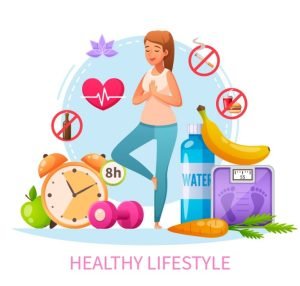
Healthy Lifestyle to reduce stroke

What can we do to modify our lifestyle to reduce stroke risk and make ourselves healthier?

Here are some things you can do to improve your health and reduce stroke risk:

  1. Don’t smoke, if you have just started STOP Now
  2. Make changes to your food habits. Consuming foods that are low in fat, trans fat, salt, and added sugars are all unhealthy.
  3. Engage in physical activity every day- a lot-specific time in a day and follow.
  4. Follow your doctor’s instructions for taking your medication.
  5. Have your blood pressure examined on a regular basis and attempt to lower it. If it’s too high, talk to your doctor about how to deal with it.
  6. Achieve and keep a healthy weight.
  7. Reduce your level of stress.
  8. Seek emotional support when you need it.
  9. See a doctor on a regular basis.

Now we will look at the above pointers in brief.

  • Reduce your weight to reduce stroke risk.

Reduce your weight to reduce stroke risk

Obesity, along with its consequences (such as high blood pressure and diabetes), increases your chances of having a stroke. If you’re overweight, decreasing only 10 pounds can reduce stroke risk significantly.

Your objective: While a BMI of 25 or below is desirable, it may not be feasible for you. Create a personal weight-loss strategy with your doctor.

How to get there:

Limit your daily caloric intake to 1,500 to 2,000 calories (depending on your activity level and your current BMI).

Increase the amount of exercise you get by walking, or playing sports, and by making physical activities a part of your daily routine.

  • Increase your physical activity to reduce stroke risk.

Increase your physical activity to reduce stroke risk

Exercise can help you lose weight and lower your blood pressure, but it can also help you prevent strokes on its own.

Your objective is to exercise five days a week at a moderate level.

How to get there:

Start a fitness club.

Try to take the stairs rather than the elevator.

If you don’t have 30 minutes to work out in a row, split it up into a few 10- to 15-minute sessions.

If you are consuming alcohol, do it within the limit.  If you have started recently STOP now on.

Diabetic treatment to reduce stroke risk

High blood sugar damages blood arteries, increasing the risk of clot formation.

Your objective is to keep your blood sugar in check.

How to get there:

As advised by your doctor, keep a close eye on your blood sugar levels.

To keep your blood sugar levels within the specified range, use a combination of food, exercise, and medications.

  • Give up smoking to reduce stroke risk

Give up smoking to reduce stroke risk

Smoking has a number of effects on the production of clots. It thickens your blood and causes plaque accumulation in your arteries to rise. Along with a good diet and physical activities, quitting smoking is one of the most effective lifestyle changes you can make to reduce stroke risk.

How to get there:

Consult your doctor for guidance to quit smoking.

Use stop-smoking aids like nicotine tablets or patches, counseling, or prescription to help you quit smoking.

Please don’t give up. Most smokers require many attempts to stop. Consider each attempt as a step toward effectively breaking the habit.

  • Maintain a balanced diet to reduce stroke risk.

Maintain a balanced diet to reduce stroke risk

Vegetables, fruits, whole grains, proteins, and fish should all be part of your diet. Limit your intake of refined carbs, meats, and beverages. Reduce salt, added sugars, and saturated fats while avoiding trans fats by reading the nutrition information label on packaged items.

  • Take your medication as directed to reduce stroke risk.

Take your medication as directed to reduce stroke risk.

Your doctor may give statins or other drugs to help regulate cholesterol, blood sugar, and blood pressure if you have a medical problem. Take all drugs exactly as prescribed. However, only use aspirin as a preventative strategy if your doctor recommends it. If you’ve had a heart attack or stroke, your doctor may recommend that you take aspirin at a low dose to lower your chances of having another.

The following are symptoms of a stroke:

  • On one side of the body, there is a weakness.
  • A feeling of numbness in the face
  • Speech dysfunction.
  • A strong and unique headache
  • Loss of eyesight
  • Tingling and numbness
  • Difficulty in walking.

Conclusion

Many heart and brain disorders can be delayed or avoided by leading a healthy lifestyle. This includes being active and fit, eating well, not smoking, and controlling diseases that put you at risk. Take responsibility for your health. Join Healthy for Good for information, resources, and inspiration on how to make changes and develop healthy habits that will last a lifetime.

To prevent your chances of stroke, book an appointment with the Neurowellness brain and spine care center as our experts will provide you with the best treatment possible!