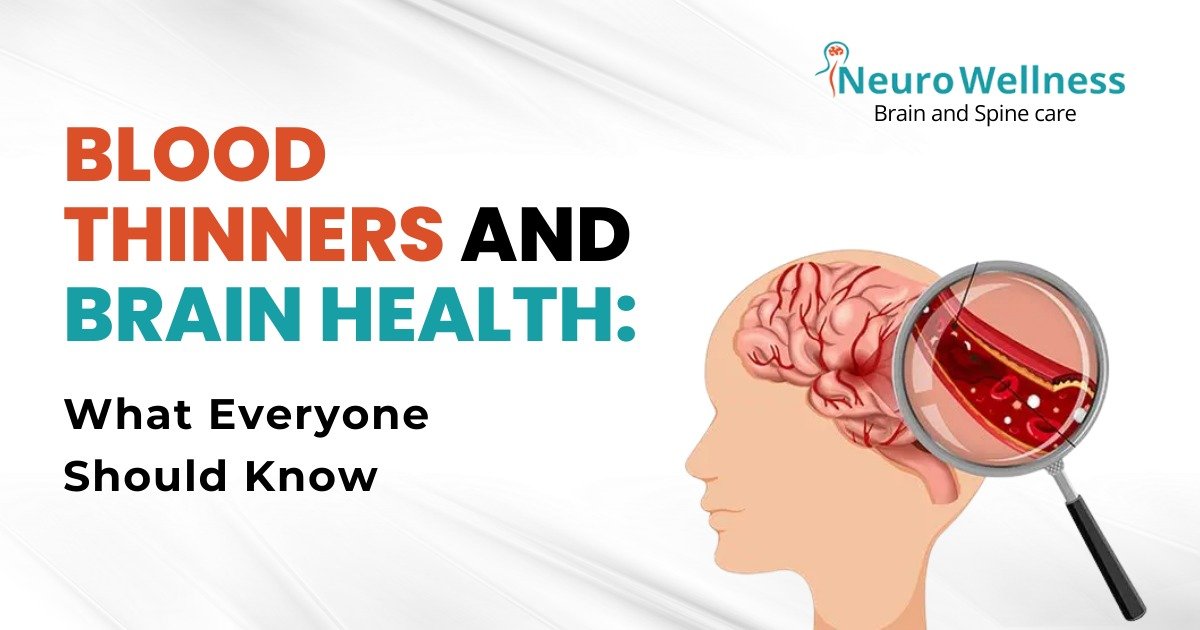
Blood thinners help protect brain health by preventing harmful blood clots that can block blood flow and cause strokes. When prescribed correctly and monitored by a qualified neuro specialist, they significantly reduce long-term neurological damage.
Understanding Blood Thinners
The phrase blood thinners often triggers anxiety. Many people immediately think of uncontrolled bleeding or brain hemorrhage. However, the reality is far more reassuring. When used appropriately, blood thinners are among the most effective tools modern medicine has to protect the brain from strokes and clot-related damage.
With rising life expectancy, lifestyle-related illnesses, and heart rhythm disorders, discussions around blood thinners and brain health are becoming increasingly common. This makes public awareness essential—especially to distinguish medical facts from myths.
This article explains blood thinners in clear, simple language, helping you understand why doctors prescribe them, how they support brain health, and why expert supervision by a neuro specialist in Bangalore is critical.
What Exactly Are Blood Thinners?
Blood thinners are medications designed to reduce the risk of dangerous clot formation inside blood vessels. Despite the name, they do not dilute or “thin” the blood. Instead, they interfere with specific steps in the clotting process.
Blood clotting is a natural defense mechanism that stops bleeding after injuries. Problems arise when clots form inside arteries or veins, where they can obstruct blood flow to vital organs like the brain.
In neurological practice, blood thinners are often used to:
• Prevent first-time strokes
• Reduce the chance of repeat strokes
• Maintain proper cerebral blood circulation
A neuro surgeon in Bangalore may recommend blood thinners as part of a broader neurological or stroke-prevention strategy.
The Brain’s Dependence on Continuous Blood Flow
The brain consumes a significant portion of the body’s oxygen supply. Even brief interruptions in blood flow can cause lasting damage. When a clot blocks an artery supplying the brain, an ischemic stroke occurs.
Consequences of reduced brain blood flow may include:
• Sudden paralysis or weakness
• Difficulty speaking or understanding language
• Vision loss or double vision
• Memory impairment
• Permanent neurological disability
Because brain cells cannot regenerate easily, preventing clot-related blockages is essential for long-term brain health.
How Blood Thinners Support Brain Health
Blood thinners protect the brain in multiple ways:
• They prevent new clots from forming in critical arteries
• They stop small clots from becoming large enough to block blood flow
• They reduce strain on damaged blood vessels
• They lower the risk of recurrent strokes
For patients with heart rhythm disorders or prior neurological events, these medicines can be life-saving when used under strict medical guidance.
Who May Be Advised to Take Blood Thinners?
Blood thinners are prescribed only after careful evaluation. Not everyone benefits from them, and unnecessary use can be harmful.
People commonly advised to take blood thinners include:
• Those with irregular heart rhythms such as atrial fibrillation
• Patients with a history of ischemic stroke or transient ischemic attack (TIA)
• Individuals with narrowed or hardened arteries
• Patients with artificial heart valves
• Individuals confined to prolonged bed rest
• Certain clotting or circulation disorders
Because risk profiles vary widely, decisions should always be made in consultation with a neuro specialist in Bangalore or a qualified physician.
Main Categories of Blood Thinners Used in Practice
Blood thinners are broadly classified into two groups:
Antiplatelet Medications
These reduce the ability of platelets to clump together. They are commonly prescribed for patients with arterial disease or after certain types of strokes.
Anticoagulant Medications
These interfere more deeply with the clotting process and are often prescribed for heart rhythm disorders or conditions with high clot risk.
The choice depends on multiple factors, including age, kidney function, bleeding risk, and previous medical history.
Balancing Benefits and Risks
Every medication has risks, and blood thinners are no exception. The key lies in proper selection, dosage, and monitoring.
Potential risks include:
• Increased bleeding tendency
• Bruising
• Rarely, internal bleeding
However, these risks are carefully weighed against the far greater danger of stroke-related brain damage. Regular monitoring by a neuro surgeon in Bangalore helps ensure safety.
Long-Term Use: What Patients Should Know
Many patients remain on blood thinners for years or even lifelong. Long-term use is generally safe when:
• Medicines are taken exactly as prescribed
• Regular follow-ups are maintained
• Blood tests (when required) are done on time
• Other medications are disclosed to the doctor
Problems often arise when patients stop medicines on their own or skip monitoring appointments.
Common Myths About Blood Thinners and the Brain
Several misconceptions cause unnecessary fear:
• “Blood thinners always cause brain bleeding”
• “They weaken the brain over time”
• “Once started, they can never be stopped”
In reality, most complications occur due to improper usage, not because the medication itself is unsafe.
Warning Signs That Need Immediate Medical Attention
Anyone taking blood thinners should seek urgent medical help if they notice:
• Sudden severe headache
• Weakness or numbness on one side of the body
• Difficulty speaking or understanding speech
• Vision changes
• Unusual bleeding or unexplained bruising
When to Consult a Neuro Specialist
You should consider expert neurological consultation if:
• You have suffered a stroke or mini-stroke
• You are advised long-term blood thinner therapy
• You experience new neurological symptoms
• You are unsure about continuing or stopping medication
At NeuroWellness India, neurological care is led by Dr. Ganesh Veerabhadraiah, Consultant Neurosurgeon, who specializes in stroke evaluation, brain health, and complex neurological decision-making. His approach focuses on evidence-based care, patient education, and long-term brain protection.
Role of Lifestyle in Supporting Brain Health
While blood thinners play a critical role, overall brain health also depends on:
• Blood pressure control
• Diabetes management
• Healthy diet
• Regular physical activity
• Avoiding smoking and excessive alcohol
Medication works best when combined with healthy lifestyle choices.
Medical Disclaimer
This article is intended for general education and awareness only. It does not substitute professional medical advice, diagnosis, or treatment. Never start, stop, or change any medication without consulting a qualified healthcare professional.
FAQs
1. How do blood thinners help protect the brain?
Blood thinners reduce the chance of harmful clots forming or growing. This helps maintain blood flow to the brain and lowers the risk of ischemic stroke.
2. Do blood thinners “thin” the blood?
No. They don’t change blood thickness. They work by slowing down clot formation or preventing platelets from clumping.
3. Can blood thinners cause brain bleeding?
Any blood thinner can increase bleeding risk, but serious bleeding is uncommon when the medicine is correctly prescribed and monitored. Never change or stop the dose without a doctor’s advice.
4. Who usually needs blood thinners?
They may be prescribed for conditions like atrial fibrillation, a prior stroke/TIA, certain heart valve conditions, or other clot-risk situations—based on individual medical evaluation.
5. What symptoms should someone on blood thinners not ignore?
Seek urgent medical care for sudden severe headache, weakness/numbness on one side, speech difficulty, vision changes, fainting, or unusual bleeding/bruising.
6. When should I consult a neuro specialist in Bangalore?
If you’ve had a stroke/TIA, have new neurological symptoms, or are unsure about blood thinner use, consult a qualified neuro specialist in Bangalore for personalized guidance.
Conclusion: Protecting Brain Health with the Right Guidance
Understanding blood thinners and brain health is essential for anyone at risk of stroke or clot-related neurological problems. When prescribed correctly and monitored carefully, blood thinners play a vital role in preventing brain damage, preserving function, and improving long-term quality of life. Most risks associated with these medications arise not from the drugs themselves, but from delayed consultation, self-medication, or lack of follow-up.
Because every individual’s medical history, risk factors, and brain health needs are different, expert neurological guidance is crucial. Timely evaluation helps ensure the right medication, the right dose, and the right duration—keeping both brain protection and medication safety in balance.
Consult Dr. Ganesh Veerabhadraiah, Consultant Neurosurgeon at NeuroWellness , for personalized, evidence-based guidance on brain health and stroke prevention.