
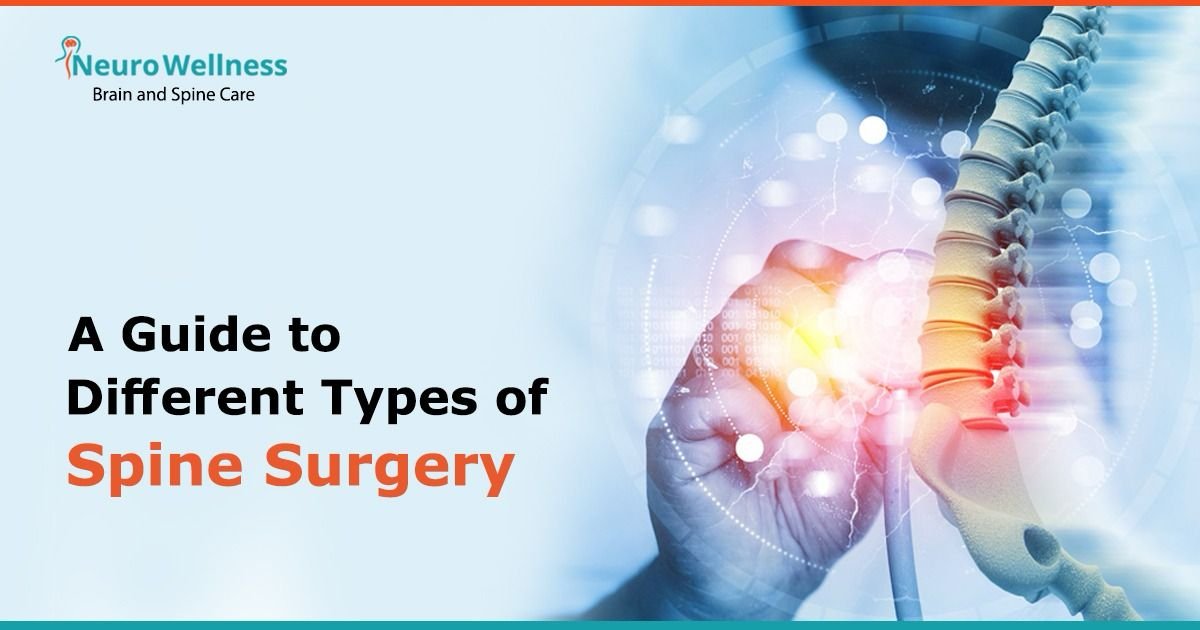
Introduction:
Back pain is a common woe, affecting millions worldwide. While some back problems resolve with conservative measures like rest and physical therapy, others may require surgical intervention. If you’re facing a spinal surgery recommendation, understanding the different types of procedures can empower you to make informed decisions alongside your doctor.
This blog is a comprehensive guide with expert insights from NeuroWellness, a leading neuro and endovascular care clinic in Bangalore. It explores various spine surgeries and highlights endovascular options available at our facility.
Why Does One Need Spinal Surgery?
The human spine is an intricate structure that serves as the backbone of our body, quite literally. Comprised of vertebrae, discs, nerves, and ligaments, the spine plays a crucial role in supporting our body’s weight, facilitating movement, and protecting the delicate spinal cord.
However, various conditions such as degenerative disc disease, herniated discs, spinal stenosis, or spinal fractures can compromise the spine’s integrity, leading to debilitating pain and loss of function. In such cases, spinal surgery emerges as a viable solution, offering hope for relief and restoration of mobility.
Types of Spinal Surgery Available at NeuroWellness
The decision to undergo spinal surgery is a significant one, often preceded by extensive consultations with healthcare providers and thorough consideration of treatment options.
Each type of spinal surgery targets specific spinal conditions, aiming to alleviate pain, restore function, and improve quality of life.
Let's explore some of the most common types of spinal surgery:
1. Decompressive Spine Surgery:
Decompression surgery is aimed at relieving pressure on spinal nerves or the spinal cord caused by the narrowing of the spinal canal, a condition known as spinal stenosis. Spinal stenosis can result from various factors, including age-related changes, disc herniation, or spinal injuries.
By removing portions of bone or tissue that impinge on neural structures, decompression surgery aims to alleviate symptoms and restore normal nerve function. This is often achieved through:
- Laminectomy: A portion of the lamina (bone roof) over the spinal canal is removed to create more space for the nerves
- Laminotomy: A smaller opening is made in the lamina, offering a less invasive approach.
- Discectomy: This procedure removes part of a herniated disc of the lumbar (lower back) that causes discomfort in a nerve root or the spinal cord.
- Foraminotomy: The bony opening where a nerve root exits the spinal canal is enlarged to provide more space for the nerve.
2. Benefits of Decompression Surgery:
- Decompressive surgery can significantly improve symptoms like pain, numbness, tingling, and weakness radiating down the legs (sciatica).
- Decompression surgery is indicated for individuals experiencing symptoms caused by spinal stenosis.
- The procedure aims to alleviate symptoms, improve mobility, and enhance the overall quality of life for patients suffering from spinal nerve compression.
3. Overview of Decompression Surgery:
- – Decompression surgery may involve techniques such as laminectomy, laminotomy, or foraminotomy, depending on the specific location and cause of nerve compression.
- – The surgeon carefully removes portions of the spinal bone, ligaments, or disc material to create space for the nerves or spinal cord.
- – Decompression surgery may be performed as a standalone procedure or in conjunction with spinal fusion for added stability.
2. Spinal Fusion
Spinal fusion is a surgical procedure designed to stabilize the spine by fusing two or more vertebrae together. This technique is commonly employed to address spinal instability, alleviate pain, and prevent further degeneration of the spine.
During spinal fusion, the surgeon uses bone grafts(from your own body or a donor) or medical metal implants like cages and screws to fuse adjacent vertebrae, creating a solid bone structure.
Explanation of the Spinal Fusion Procedure:
- -Spinal fusion eliminates motion between vertebrae, reducing pain and preventing abnormal spinal movement.
- -The procedure may involve various techniques, including anterior, posterior, or lateral approaches, depending on the location and extent of spinal involvement.
- -Spinal fusion may be combined with other procedures such as discectomy or laminectomy to achieve optimal outcomes.
Types of Fusion Techniques:
- –Posterior lumbar interbody fusion (PLIF)
- –Anterior cervical discectomy and fusion (ACDF)
- –Transforaminal lumbar interbody fusion (TLIF)
- –Lateral lumbar interbody fusion (LLIF)
Conditions Requiring Spinal Fusion:
- –Spinal instability
- –Degenerative disc disease
- –Spondylolisthesis
- –Spinal deformities such as scoliosis or kyphosis
- –Spinal fractures
Benefits: Spinal fusion offers long-term stability and pain relief for suitable cases.
3. Spinal Disc Replacement
Spinal disc replacement, also known as artificial disc replacement, is a surgical alternative to spinal fusion for treating degenerative disc disease. Unlike fusion, which eliminates motion at the affected spinal segment, disc replacement aims to preserve spinal mobility by replacing the damaged disc with an artificial implant.
This innovative approach offers potential benefits such as reduced risk of adjacent segment degeneration and preserved range of motion.
Procedure Details:
- –During the procedure, the surgeon accesses the spine through a small incision and removes the damaged disc.
- –The artificial disc implant is then inserted into the disc space, restoring height and function to the affected spinal segment.
- –Disc replacement may be performed in the cervical or lumbar spine, depending on the location and extent of disc degeneration.
Advantages and Considerations:
- –Disc replacement offers potential advantages such as preserved spinal motion, reduced risk of adjacent segment degeneration, and faster recovery compared to fusion.
- –The procedure aims to alleviate pain, restore spinal function, and maintain natural spinal motion, thereby improving patient outcomes and satisfaction.
- –However, not all patients are suitable candidates for disc replacement, and the decision to undergo the procedure should be carefully considered in consultation with a spine specialist.
4. Minimally Invasive Spinal Surgeries
Advancements in technology provide options for less invasive spinal surgeries compared to traditional open procedures. Here are some examples:
- Microdiscectomy: A small incision and microscope are used to remove a herniated disc fragment with minimal disruption to surrounding tissues.
- Endoscopic Spine Surgery: A thin, flexible scope with a camera is utilized to visualize the surgical area, allowing for smaller incisions and potentially faster recovery.
Benefits: Minimally invasive surgeries often translate to shorter hospital stays, quicker recovery times, and less post-operative pain.
Contact our experts at NeuroWellness, the best neuro and endovascular care in Bangalore, which offers innovative endovascular options for certain spine conditions.
Choosing the Right Spinal Surgery
The decision about which spine surgery is best for you depends on several factors, including:
- Specific diagnosis and underlying cause of your back pain.
- Severity and location of your symptoms.
- Overall health and medical history.
Consulting a qualified spine surgeon at NeuroWellness is crucial to determining the most suitable approach for your case.
Listen to What Our Experts Have to Say...
They say that it’s important to remember that surgery isn’t always the answer for back pain. NeuroWellness offers a comprehensive approach, often exploring non-surgical options like pain management medications, physical therapy, and lifestyle modifications before considering surgery.
Living a Spine-Healthy Life
Here are some tips to promote spinal health:
- Maintain good posture while sitting, standing, and lifting.
- Engage in regular exercise to strengthen core muscles.
- Maintain a healthy weight to reduce stress on your spine.
- Practice proper lifting techniques to avoid injury.
Get in Touch
Understanding the different types of spinal surgery can equip you for informed discussions with your doctor. Neurowellness, with its expertise in traditional and innovative spine surgeries and endovascular surgery in Bangalore, is committed to providing comprehensive care for your spinal health.
If you’re experiencing back pain, schedule an appointment with our specialists to explore the best path towards a pain-free and active life.


Comments are closed.