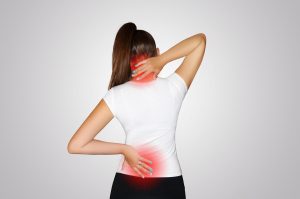
Back pain in women can be caused by spine conditions, hormonal changes, pregnancy-related strain, or nerve compression.

Early diagnosis and timely treatment can prevent long-term complications. This guide explains the most common causes, symptoms, and when to seek medical care.

Back pain in women is often dismissed as stress, poor posture, or daily household strain. However, several spine and nerve-related conditions affect women more commonly and can silently worsen if left untreated.

Hormonal changes, pregnancy, osteoporosis, and disc-related problems significantly increase the risk of chronic back pain in women. Recognizing the early warning signs is essential to prevent long-term pain, mobility issues, or nerve damage.

In this guide, we explain seven back pain conditions that mainly affect women, their symptoms, causes, and when expert spine care is necessary.

Do you know the 7 back pain conditions that mainly affect women?

A number of diseases, injuries, and medical conditions can all cause back pain as a symptom. Acute or chronic back pain affects men, women, and children equally, however, women are more likely than males to have certain conditions. For instance, women are more likely than males to develop persistent back pain over time.

In women, a number of conditions are more prevalent (and sometimes exclusive). Post-menopausal women are usually affected by back pain-related issues (above 50 years). Continue reading to find out more about the typical causes and reasons behind female back pain.

7 Back Pain Conditions That Mostly Affect Women

1. Osteoporosis → Weak bones → Regular calcium & vitamin D check-ups
2. Disc Degeneration → Lower back pain → MRI + physiotherapy
3. Pregnancy-Related Back Pain → Postural strain → Guided exercises & braces
4. Arthritis → Joint stiffness → Anti-inflammatory care + lifestyle changes
5. Fibromyalgia → Widespread pain → Pain management & stress reduction
6. Sciatica → Leg pain from nerve compression → Minimally invasive spine care
7. Endometriosis-Linked Pain → Pelvic & back pain → Gynae + spine specialist care

Looking for Back Pain Treatment in Bangalore? Neurowellness is one of the top spine clinics In Bangalore. Consult with our spine doctors and the Best Spine Surgeon in Bangalore, Dr. Ganesh Veerabhadraiah to get the best treatment for back pain.

Piriformis syndrome

7 Back Pain Conditions That Mainly Affect Women Piriformis syndrome refers to pain that results from spasms in your piriformis muscle, a sizable muscle situated deep in your buttock. Pyriformis muscle is placed one on each side of waist. Due to hormonal and pregnancy-related changes in the pelvis, women are more affected than men.
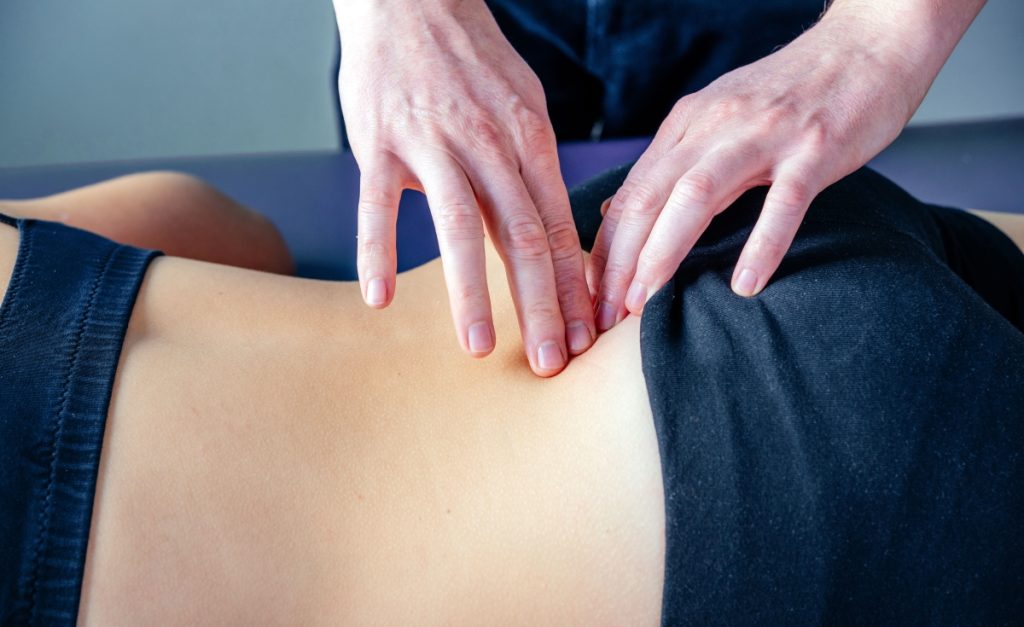
The sciatic nerve is frequently irritated or compressed by piriformis syndrome, simulating sciatica symptoms. As a result of piriformis syndrome causes,
Generally speaking, when you lie on your back, the symptoms get better.

Sacroiliac joint dysfunction

7 Back Pain Conditions That Mainly Affect Women
The term “sacroiliac joint dysfunction” or “sacroiliitis” refers to pain in the sacroiliac (SI) joint, which connects the base of your spine to your pelvis. One of the more prevalent reasons for lower back discomfort is issues with the SI joints.
In comparison to men, women often have a lower SI joint surface area, which causes a larger concentration of strains across the joint. Women have a broader, more uneven, less curved, and inclined sacrum, which could contribute to SI joint issues.
These elements, along with a number of other anatomical variations, can increase the incidence of SI joint misalignment, particularly in younger women.
Sciatica-like symptoms can also result from SI joint dysfunction. Typical traits include
Sitting, lying on the affected side, and climbing stairs are frequently associated with an increase in SI joint pain.

Spinal osteoarthritis

7 Back Pain Conditions That Mainly Affect Women Women frequently develop osteoarthritis (wear-and-tear arthritis) of the facet joints. With an increase in age and/or weight, the risk increases.
A degradation of the fibrous cartilage in the facet joints is brought on by spinal osteoarthritis. Your bones may rub against one another without the cushioning that cartilage provides, leading to pain. Lower back osteoarthritis can lead to:
Your back discomfort may only affect one side, get worse when you put pressure on it from the outside, or go away when you bend your spine forward.

Degenerative spondylolisthesis

Degenerative spondylolisthesis occurs when a vertebra in your spine slips over the one below it because of deterioration. Due to reduced estrogen levels, the illness affects post-menopausal women more frequently.

Low oestrogen levels lead to increased vertebral disc degeneration and loosening of the ligaments holding the vertebrae together, which causes spinal instability. This age group also has a higher likelihood of concomitant spinal osteoarthritis, which raises the possibility of vertebral 

Learn more: tips to manage neck pain during pregnancy

As a result degenerative spondylolisthesis causes,

Usually, bending forward brings about pain alleviation.

Coccydynia (tailbone pain)

7 Back Pain Conditions That Mainly Affect Women

Trauma is a major cause of pain in the coccyx, the last vertebra in your spine. Due to changes in the form and angle of the pelvis as well as injuries sustained during childbirth, the disorder affects women more frequently than males.

While you’re sitting, the coccyx supports your weight. Pain may result from an injury to this area while:

Standing up instantly relieves coccydynia pain. To prevent tailbone pain, you might want to lean forward while sitting or lean onto one buttock at a time.

Endometriosis

7 Back Pain Conditions That Mainly Affect Women

Endometriosis is a condition that affects women. The illness causes the endometrial tissues to expand outside the uterus Common signs include:


Chronic back discomfort that worsens during periods or menstruation is possible.

Read more : how a brain and spine clinic can help withchronic back pain

Spinal osteoporosis fractures

Osteoporosis occurs when the density of the bone weakens or declines, leaving it fragile and more prone to fracture. When there is a greater rate of bone loss than new bone production, osteoporosis develops. Osteoporosis is four times as common in post-menopausal women than in men. This discrepancy might be brought about by a lack of the oestrogen hormone, earlier bone ageing, and faster bone ageing.

Although osteoporosis alone can result in bone pain, it is more likely to lead to compression fractures in your spine, which can cause excruciating back pain. Spinal compression fractures causes,

The bottom line:

Back pain in women might sometimes arise for unknown reasons. Back discomfort can be caused by common changes in a woman’s life cycle, such as pregnancy, childbirth, hormone imbalances, and weight gain (particularly in the abdomen).

See a doctor if your back pain interferes with your everyday activities, is not eased by self-care, develops neurological symptoms (such as numbness or weakness), or causes neurological symptoms. The experts at NeuroWellness – The best Spine Care Clinic in Bangalore are here to help with your back pain, do consult us to lead a pain-free healthy and happy life!

“Women face unique spine challenges like pregnancy-related pain, osteoporosis, and arthritis. Neurowellness Brain & Spine Clinic offers expert solutions.”

FAQs

1. Is back pain in women a serious condition?

Back pain in women can range from mild muscle strain to serious spine or nerve-related conditions. Persistent or worsening pain should always be evaluated by a specialist.

2. What are the common causes of back pain in women?

Common causes include disc problems, hormonal changes, pregnancy-related strain, osteoporosis, poor posture, and nerve compression.

3. When should women consult a spine specialist for back pain?

If back pain lasts more than two weeks, worsens, or is associated with leg pain, numbness, or weakness, medical evaluation is advised.

4. Can back pain in women be treated without surgery?

Yes. Most cases respond well to non-surgical treatments such as physiotherapy, medications, posture correction, and lifestyle changes when diagnosed early.

5. Which doctor should women consult for chronic back pain?

A spine specialist or neurosurgeon experienced in treating spine conditions in women is best suited for accurate diagnosis and treatment.

Ganesh

About Author

Dr. Ganesh Veerabhadraiah

Dr. Ganesh Veerabhadraiah, leading neurosurgeon and neurologist in Bangalore, has over 20 years of expertise in managing back pain, migraines, headaches, neuro disorders, and spine problems. His clinical excellence and patient-first approach make him one of the most trusted neuro doctors in Bangalore.

At Neurowellness Brain & Spine Clinic in Jayanagar and Kavery Hospital Electronic City, Dr. Ganesh provides comprehensive treatments ranging from minimally invasive spine surgery to advanced neurological care. As a respected back pain specialist and migraine doctor, he continues to deliver reliable outcomes for patients.

👉 Connect with Dr. Ganesh on LinkedIn

Neurowellness-Brain and Spine care