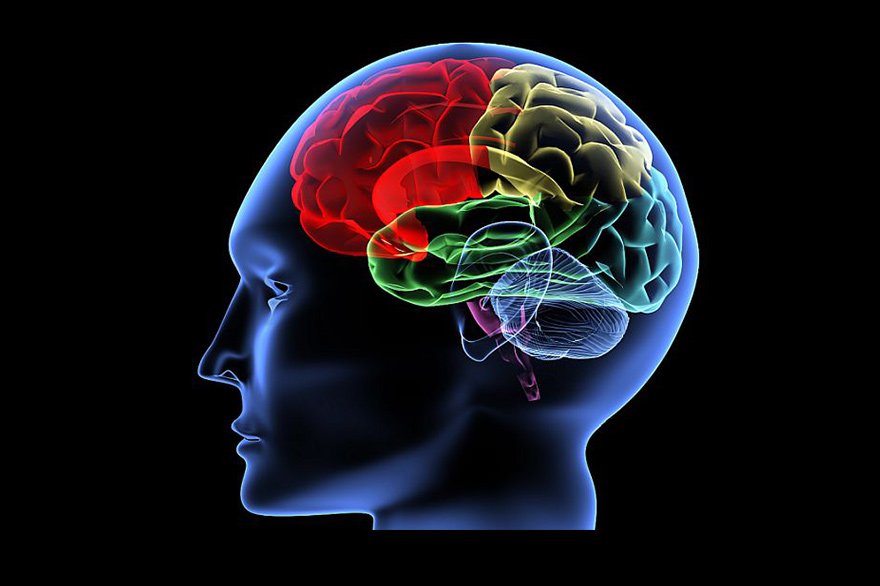
What Are Migraines — And Why Do They Keep Returning?
Migraine is far more than a “bad headache.” It is a complex neurological condition involving changes in brain chemistry, nerve signalling, and blood vessel activity. A typical migraine attack can last anywhere from 4 to 72 hours and is often accompanied by nausea, vomiting, and extreme sensitivity to light and sound.
Many patients in Bangalore visit our neurology clinic after years of managing migraines with over-the-counter painkillers — unknowingly making them worse. The good news: with the right knowledge and guidance, migraines can be significantly controlled. The tips below are the same evidence-based advice our specialists share during consultations.
10 Expert-Backed Tips to Reduce Migraine Headaches
Tip 1: Identify Your Triggers
Keep a migraine diary for at least 4–6 weeks. Track everything: what you ate, sleep hours, stress levels, weather, menstrual cycle, and screen time. Common triggers include: stress, poor sleep, skipping meals, bright lights, strong smells, hormonal changes, alcohol, dehydration, and certain foods (aged cheese, processed meats, chocolate, MSG).
Pro Tip: Apps like Migraine Buddy work well. Bring your diary to your neurologist appointment — it dramatically improves diagnosis accuracy.
Tip 2: Stay Hydrated — Every Single Day
Dehydration is one of the most overlooked yet common migraine triggers. Aim for 2–2.5 litres (8–10 glasses) of water per day. Increase this during hot weather or exercise. Limit caffeinated drinks which increase fluid loss.
Pro Tip: Start your morning with a large glass of water before tea or coffee.
Tip 3: Maintain a Regular Sleep Schedule
The brain craves routine. Both too little and too much sleep can trigger a migraine. Aim for 7–8 hours per night and go to bed/wake at the same time every day, including weekends. Avoid screens 30–60 minutes before bed.
Pro Tip: Sleep disorders like sleep apnoea significantly worsen migraines. Mention heavy snoring to your neurologist.
Tip 4: Eat Regularly — Don’t Skip Meals
Low blood sugar is a well-established migraine trigger. Eat balanced meals every 4–5 hours. Include complex carbohydrates (whole grains, oats, brown rice), lean proteins, and plenty of fruits and vegetables. Keep healthy snacks on hand for busy days.
Pro Tip: Many IT professionals in Bangalore skip lunch during busy periods — a top reason we see migraines worsen in this group.
Tip 5: Manage Stress Effectively
Stress is the #1 reported migraine trigger globally. Evidence-based approaches include: yoga, pranayama, mindfulness meditation, progressive muscle relaxation, biofeedback, and Cognitive Behavioural Therapy (CBT). Even 10–15 minutes of daily practice makes a measurable difference.
Pro Tip: Biofeedback therapy has strong clinical evidence for chronic migraine prevention — ask your neurologist.
Tip 6: Be Smart About Caffeine
Caffeine has a paradoxical relationship with migraines. Limit intake to 1–2 cups per day and never stop suddenly — caffeine withdrawal triggers attacks. Both excess caffeine and caffeine rebound are common migraine causes.
Pro Tip: Weekend morning migraines after sleeping in and delaying coffee are classic caffeine-withdrawal headaches.
Tip 7: Exercise Regularly — But Wisely
30 minutes of moderate aerobic exercise 3–5 times per week can reduce migraine days by up to 40%. Good options: brisk walking, swimming, cycling, yoga, or light jogging. Warm up gradually, stay well hydrated, and avoid exercising in extreme heat.
Pro Tip: Keep intensity moderate, not maximal. Very high-intensity exercise can trigger migraines in some patients.
Tip 8: Monitor Your Medication Use Carefully
CRITICAL: Overusing painkillers causes migraines to worsen — known as Medication Overuse Headache (MOH). This occurs when you take pain relief medication on more than 10–15 days per month. If you use headache medication more than twice a week, consult a neurologist about prescription preventive treatments.
Pro Tip: Preventive medications (beta-blockers, topiramate, CGRP inhibitors) reduce attack frequency — they are not addictive.
Tip 9: Create a Calm Environment During an Attack
When a migraine begins, act quickly. Rest in a dark, quiet room. Apply a cold pack to your forehead, temples, or neck. Silence your phone, turn off lights, and use earplugs if needed. Avoid screens. Take any prescribed medication at the very first sign of an attack.
Pro Tip: Lavender or peppermint essential oil roll-on has some clinical evidence for reducing migraine severity.
Tip 10: Consult a Neurologist — Don’t Just Manage, Treat
If migraines are affecting your quality of life, work, or relationships, you need professional neurological care. Modern migraine treatment has advanced significantly. New drug classes like CGRP inhibitors — the first migraine-specific preventive medications — offer remarkable results. Botox injections, nerve blocks, and neuromodulation devices are also available.
Pro Tip: Don’t wait until migraines are daily before seeing a doctor. Early intervention leads to far better outcomes.
Red Flag Warning Signs — Seek Emergency Care Immediately
Not every severe headache is a migraine. Seek emergency care if you experience:
• Sudden, explosive “thunderclap” headache — worst of your life
• Headache with fever, stiff neck, or skin rash
• Headache with confusion, seizures, or loss of consciousness
• New weakness, numbness, or vision loss with headache
• Headache after a head injury or accident
• Headache that gets progressively worse over days/weeks
• New severe headaches in patients over 50
• Headache in a patient with known cancer or HIV
Conclusion: Migraines Are Manageable — With the Right Plan
Migraines are one of the most common yet most underdiagnosed neurological conditions in India. Millions of people in Bangalore and across the country endure years of debilitating headaches, missed workdays, and a reduced quality of life — often without knowing that highly effective treatments exist.
The 10 tips outlined in this guide represent a holistic, evidence-based framework that neurologists recommend to patients for long-term migraine control. When combined with professional medical care, the results are transformative: fewer attacks, shorter duration, lower severity, and ultimately a life less ruled by pain.
The single most impactful action you can take today — beyond these lifestyle changes — is consulting a specialist neurologist. At NeuroWellness, our expert team creates a personalised migraine management plan using the latest diagnostic tools and treatment options available in Bangalore.
Suffering from Frequent Migraines? We Can Help.
Our expert neurologists at NeuroWellness Bangalore provide personalised migraine diagnosis and treatment — from lifestyle plans to the latest preventive therapies.
🏥 Available at: Jayanagar 9th Block & Kauvery Hospital, Electronic City, Bangalore
Frequently Asked Questions (FAQs) About Migraines
1. What are the most common migraine triggers?
Common migraine triggers include stress, lack of sleep, dehydration, skipping meals, caffeine (too much or sudden withdrawal), bright or flickering lights, strong smells, hormonal changes, and certain foods like aged cheese, processed meats, alcohol, MSG, and chocolate. Triggers vary between individuals — keeping a migraine diary is the most reliable way to identify yours.
2. How can I stop a migraine at home?
At the first sign of a migraine, rest in a dark, quiet room. Apply a cold pack to your forehead or neck. Take any prescribed medication early — triptans work best when taken at the onset. Stay hydrated, avoid screens, and reduce all sensory stimulation. If you experience migraines more than 4 times a month, consult a neurologist for preventive treatment.
3. When should I see a doctor for my migraines?
See a neurologist if: you have more than 4 migraine days per month; attacks are getting longer or more frequent; your usual medication is no longer effective; migraines are affecting your work or daily life. Seek immediate emergency care for a sudden ‘worst headache of your life’ or any headache with fever, stiff neck, or neurological symptoms.
4. Can migraines be permanently cured?
Migraines cannot always be completely cured, but they can be very effectively managed. With the right combination of lifestyle modifications, trigger avoidance, and preventive medications, most patients experience dramatic reductions in attack frequency and severity. Many patients go into long periods of remission with early specialist care.
5. What foods should I avoid to prevent migraines?
Common dietary triggers include aged cheese, red wine and other alcohol, excess caffeine, processed meats with nitrates, foods with MSG, artificial sweeteners (aspartame), and chocolate. Dietary triggers are highly individual — a food diary alongside your migraine diary is the best way to identify your personal triggers.
6. Is migraine a serious neurological condition?
Yes. Migraine is classified as a neurological disorder and ranks among the top three most prevalent health conditions worldwide and top ten causes of disability. Chronic migraine (15+ headache days per month) significantly impairs quality of life, work productivity, and mental health. It should not be dismissed as ‘just a headache.