All of us know that stroke is one of the leading causes of disability and death worldwide. In India, the number of stroke cases continues to rise — largely due to lifestyle diseases such as hypertension, diabetes, smoking, and high cholesterol. While stroke can be life-altering, an important fact many people do not realize is that a large number of strokes can actually be prevented.
In many patients I have treated, the body gives early warning signs before a major stroke occurs. These warning signals often appear as a Transient Ischemic Attack (TIA), sometimes referred to as a “mini-stroke.” If these warning signs are recognized early and treated appropriately, doctors can intervene before permanent brain damage occurs.
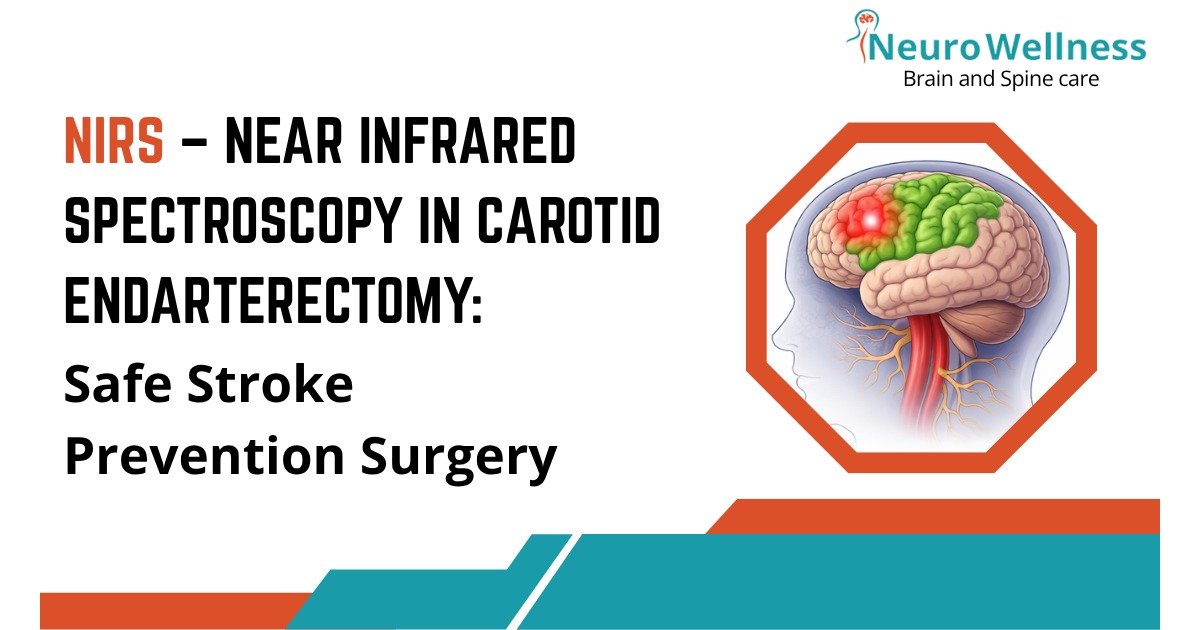
One of the most effective surgical stroke prevention procedures available today is Carotid Endarterectomy — a surgery to remove dangerous blockages from the carotid arteries. In recent years, modern monitoring technologies such as Near-Infrared Spectroscopy (NIRS) have made this surgery even safer by allowing surgeons to continuously monitor brain oxygen levels during the operation.
In this article, I will explain how carotid artery disease leads to stroke, how carotid endarterectomy helps prevent it, and how advanced technology helps surgeons protect the brain during surgery.
Worried About Stroke Risk or Carotid Blockage?
Get an expert evaluation at NeuroWellness Clinic, Bengaluru. Early diagnosis saves lives.
Understanding Carotid Artery Disease
The brain depends on a continuous supply of oxygen-rich blood to function properly. Two important blood vessels called the carotid arteries carry blood from the heart to the brain. These arteries run along both sides of the neck and are among the most important vessels supplying the brain.
Over time, fatty deposits — made of cholesterol, calcium, and inflammatory material — can accumulate inside the walls of these arteries. This process is called atherosclerosis. As plaque builds up, it gradually narrows the artery, reducing blood flow to the brain.
When narrowing becomes severe, it can lead to two major problems:
1. Reduced blood flow to the brain, which may cause neurological symptoms.
2. Formation of blood clots, which can break off and travel to smaller arteries inside the brain, causing a stroke.
Warning Signs: What Is a TIA?
Before a major stroke occurs, many patients experience temporary neurological symptoms known as a Transient Ischemic Attack (TIA).
A TIA occurs when blood flow to a part of the brain is temporarily reduced. The symptoms may last for a few minutes or hours and then completely resolve.
Common Symptoms of TIA Include:
• Sudden weakness on one side of the body
• Difficulty speaking or slurred speech
• Sudden vision loss in one eye
• Facial drooping
• Loss of balance or coordination
A Real Patient Case: High-Risk Carotid Blockage
Clinical Case — Dr. Ganesh Veerabhadraiah, NeuroWellness Clinic
65-Year-Old Patient with Bilateral Carotid Stenosis
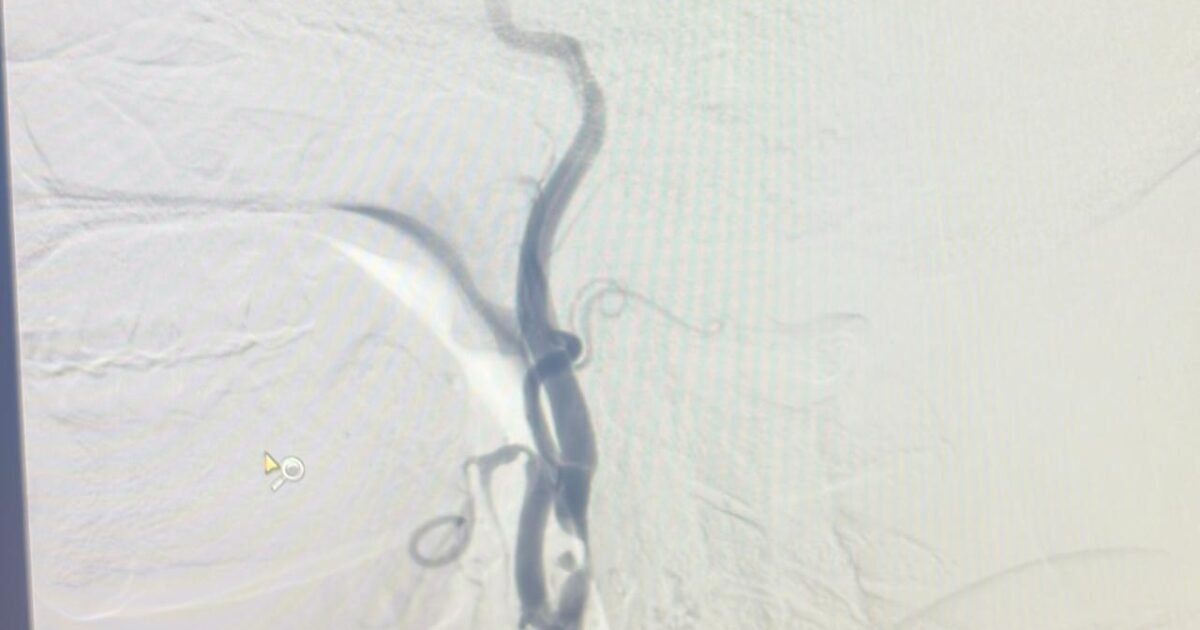
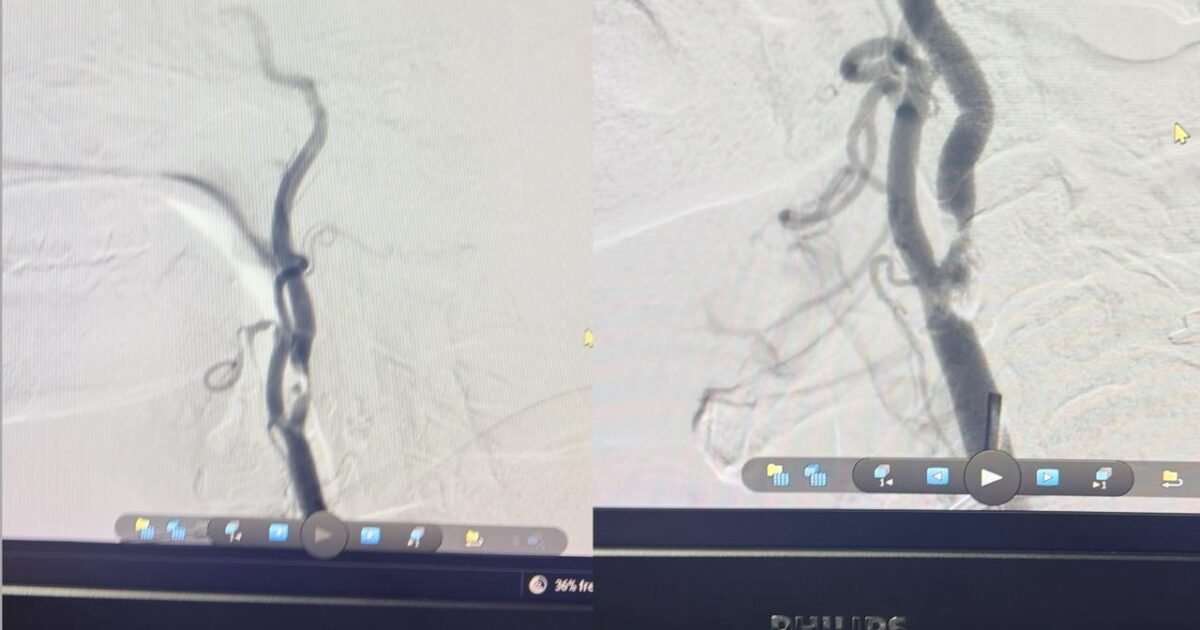
Recently, we treated a 65-year-old patient who presented with symptoms of TIA affecting the right side of the brain. Detailed imaging studies revealed:
• Severe narrowing in both carotid arteries
• An ulcerated plaque on the right side
• A floating blood clot attached to the plaque
• Adequate collateral circulation through the Circle of Willis
This was a potentially dangerous situation. A floating clot inside a carotid artery can break off at any time and travel to the brain, causing a major stroke.
Initially, carotid stenting was considered. However, in the presence of an unstable plaque and floating thrombus, stenting may carry a higher risk of dislodging the clot during the procedure.
After careful evaluation and discussion with the patient’s family, we decided that Carotid Endarterectomy would be the safest option to remove the plaque and prevent stroke.
What Is Carotid Endarterectomy?
Carotid endarterectomy is a surgical procedure performed to remove plaque from the carotid artery and restore normal blood flow to the brain. This surgery is widely recognized as one of the most effective methods of preventing stroke in patients with severe carotid artery narrowing.
Step-by-Step: How the Surgery Is Performed
• An incision is made along the side of the neck.
• The carotid artery is carefully exposed.
• The artery is temporarily clamped to stop blood flow.
• The artery is opened and the plaque and clot are carefully removed.
• The artery is then repaired and blood flow is restored.
Why is carotid endarterectomy preferred over stenting in some cases?
In patients with unstable plaque or a floating thrombus, surgical removal via endarterectomy reduces the risk of clot dislodgement — a risk that may be higher with stenting procedures.
How Is the Brain Protected During Surgery?
During carotid endarterectomy, the artery must be temporarily clamped while the plaque is removed. This means that blood flow through that artery stops briefly during the procedure.
In patients with blockage on only one side, the opposite carotid artery often compensates by supplying blood to the brain. But in patients with blockages on both sides, we must be extremely careful to ensure that the brain continues to receive enough oxygen.
To address this concern, we used several strategies:
• Careful pre-operative imaging to assess collateral circulation
• Monitoring blood pressure and brain perfusion
• Using specialized monitoring technology during surgery — most importantly, NIRS
What Is NIRS Brain Monitoring?
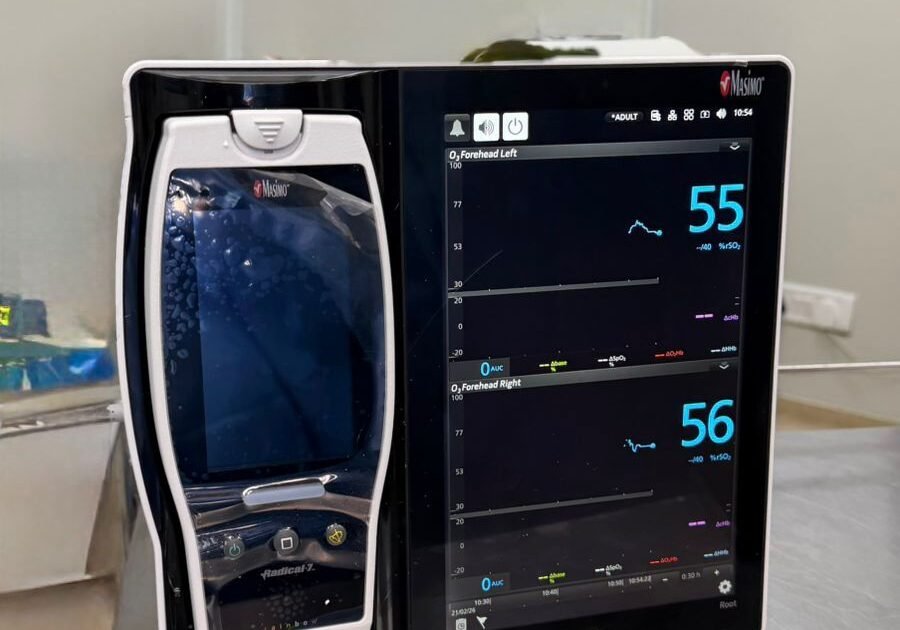
NIRS stands for Near-Infrared Spectroscopy. It is a non-invasive technology that measures cerebral oxygen saturation (rSO₂) in the brain in real time.
Before surgery begins, small sensors are placed on the patient’s forehead. These sensors use near-infrared light to measure oxygen levels in the brain tissue.
Key Advantages of NIRS Monitoring
Feature | What It Means for the Patient |
✅ Continuous monitoring | Brain oxygen levels are tracked second-by-second throughout surgery |
✅ Non-invasive sensors | Small forehead pads — no additional surgical risk |
✅ Immediate detection | Any drop in cerebral blood flow is identified instantly |
✅ Real-time decisions | Surgical team can act immediately if oxygen levels fall |
✅ Shunt guidance | Helps surgeons decide whether a temporary bypass shunt is needed |
If oxygen levels drop during surgery, the team can quickly take steps to improve blood flow to the brain — including placing a temporary shunt to bypass the clamped segment.
At NeuroWellness Clinic, We Use Advanced Brain Monitoring for Every High-Risk Case
Dr. Ganesh Veerabhadraiah combines surgical expertise with the latest technology to ensure maximum safety during stroke prevention surgery.
How NIRS Helped in This Case
In the case of our patient with bilateral carotid stenosis, protecting the brain during surgery was extremely important. Here is what happened intraoperatively:
ㆍThe carotid artery was temporarily clamped.
ㆍThe surgical team carefully monitored NIRS readings throughout the procedure.
ㆍCerebral oxygen levels remained stable during the clamp period.
✅ This stability indicated that collateral circulation was sufficient to maintain brain oxygenation. Because the brain was tolerating the clamp well, it was not necessary to place a temporary shunt to maintain blood flow.
Why Avoiding an Unnecessary Shunt Matters
Avoiding unnecessary shunt placement reduces the following risks:
ㆍVessel injury
ㆍAir embolism
ㆍDislodgement of plaque fragments
ㆍTechnical complications
With the help of NIRS monitoring, the surgical team was able to proceed confidently while continuously ensuring the safety of the brain.
Surgical Outcome
Strong arterial pulsation confirmed after blood flow restoration
Patient woke up normally with no neurological deficits
Post-operative brain imaging showed no stroke or bleeding
Patient recovered well and returned to normal activity
✅ This case demonstrates how modern technology combined with careful surgical planning can significantly improve patient safety during stroke prevention surgery.
The Importance of Early Diagnosis
Many strokes occur because carotid artery disease remains undiagnosed until it becomes severe. People with the following risk factors should undergo medical evaluation if they experience any symptoms of TIA:
Early detection allows doctors to recommend appropriate treatments such as:
ㆍLifestyle changes
ㆍMedication
ㆍCarotid stenting
ㆍCarotid endarterectomy
These treatments can prevent devastating strokes before they occur.
Safe Stroke Surgery with Modern Technology at NeuroWellness Clinic
Advances in medical technology have significantly improved the safety of carotid surgery. At NeuroWellness Clinic and Kauvery Hospital, Electronic City, Bengaluru, modern stroke prevention surgery now combines:
ㆍAdvanced vascular imaging (MRI, CT angiography, DSA)
ㆍCareful surgical technique with precision and experience
ㆍPrecise anaesthesia management
ㆍContinuous brain oxygen monitoring with NIRS
These technologies allow surgeons to make better decisions during surgery and reduce complications. The goal is not only to remove plaque but also to protect the brain while restoring blood flow.
Technology does not replace surgical expertise — it enhances it. By combining careful diagnosis, timely treatment, and advanced monitoring, Dr. Ganesh Veerabhadraiah and the team at NeuroWellness Clinic can significantly reduce the risk of stroke and protect brain health.
When Should You Seek Medical Help?
🚨 Seek Urgent Medical Evaluation If You Experience:
ㆍSudden weakness in the arm or leg
ㆍDifficulty speaking or understanding speech
ㆍSudden vision loss in one or both eyes
ㆍFacial drooping on one side
ㆍSudden dizziness or loss of balance
Even if symptoms disappear quickly, they should never be ignored. Prompt evaluation can prevent a major stroke. At NeuroWellness Clinic, Bengaluru, our team provides rapid assessment and advanced care for patients with suspected TIA or carotid artery disease.
Don’t Wait — Early Action Prevents Stroke
If you or a loved one experienced any of the above symptoms, consult Dr. Ganesh Veerabhadraiah at NeuroWellness Clinic today.
Frequently Asked Questions (FAQs)
Common questions about NIRS monitoring, carotid endarterectomy, and stroke prevention answered by Dr. Ganesh Veerabhadraiah, NeuroWellness Clinic, Bengaluru.
1. What is NIRS and why is it used during carotid surgery?
NIRS stands for Near-Infrared Spectroscopy. It is a non-invasive monitoring device that measures real-time oxygen levels in the brain (cerebral oxygen saturation – rSO₂) during surgery. During carotid endarterectomy, the carotid artery must be temporarily clamped. NIRS allows the surgical team to monitor whether the brain is receiving adequate oxygen throughout the procedure, enabling immediate action if oxygen levels fall.
2. What is carotid endarterectomy and who needs it?
Carotid endarterectomy is a surgical procedure to remove plaque (fatty blockage) from the carotid arteries in the neck, restoring normal blood flow to the brain. It is recommended for patients with severe carotid artery stenosis (narrowing), especially those who have experienced a TIA (mini-stroke) or have high-risk unstable plaques that could cause a stroke.
3.What is a TIA (Transient Ischemic Attack) and how is it different from a stroke?
A TIA (Transient Ischemic Attack) is a temporary episode of reduced blood flow to the brain. Unlike a full stroke, TIA symptoms resolve completely — usually within minutes to a few hours. However, a TIA is a critical warning sign that a major stroke may be imminent. The risk of stroke is highest in the first few days after a TIA, making urgent medical evaluation essential.
4. Is carotid endarterectomy or carotid stenting better for treating blockages?
Both are effective treatments, but the choice depends on the individual patient’s condition. In cases with unstable plaques or floating blood clots (thrombus), carotid endarterectomy is often preferred because stenting may risk dislodging the clot. In cases where surgery poses a higher risk (due to patient age or other conditions), carotid stenting may be the better option. A thorough evaluation by a specialist like Dr. Ganesh Veerabhadraiah at NeuroWellness Clinic is necessary to make the right decision.
5. How does NIRS help avoid unnecessary shunt placement during surgery?/
A surgical shunt is a temporary bypass tube used to maintain blood flow to the brain while the carotid artery is clamped. While shunts can be life-saving, they also carry risks such as vessel injury, air embolism, and plaque dislodgement. NIRS allows the surgeon to know in real time whether the brain is receiving enough oxygen without a shunt. If NIRS shows stable cerebral oxygen levels, the shunt can safely be avoided — reducing surgical risk for the patient.
6. Can both carotid arteries be blocked at the same time? How is it managed?
Yes, bilateral carotid artery stenosis (blockage on both sides) can occur, especially in patients with significant risk factors like hypertension, diabetes, and smoking. This situation is more complex and requires very careful surgical planning. Technologies like NIRS are particularly critical in bilateral cases, as there is less compensatory blood flow available when one artery is clamped. Pre-operative imaging to assess collateral circulation (such as through the Circle of Willis) is also essential.
7. Where can I get carotid endarterectomy surgery in Bangalore?
Dr. Ganesh Veerabhadraiah, Neurosurgeon and Interventional Neuroradiologist at NeuroWellness Clinic and Kauvery Hospital, Electronic City, Bengaluru, performs carotid endarterectomy using advanced techniques including NIRS brain monitoring. You can book a consultation at neurowellness.in or call 72596 69911 (Jayanagar) or 74115 71002 (Electronic City).
8. What are the risk factors for carotid artery disease and stroke?
The main risk factors include high blood pressure (hypertension), diabetes, smoking, high cholesterol, heart disease, obesity, and a family history of stroke. People with multiple risk factors should have periodic health evaluations that include assessment of carotid artery health. Early detection of narrowing can allow preventive treatment before a stroke occurs.
Final Thoughts
Stroke prevention is one of the most important goals in modern neurosurgery and vascular medicine. Procedures such as carotid endarterectomy have saved countless lives by preventing devastating strokes. With the addition of technologies like NIRS brain monitoring, surgeons can now perform these procedures with even greater safety.
Technology does not replace surgical expertise — but it enhances it.
By combining careful diagnosis, timely treatment, and advanced monitoring, we can significantly reduce the risk of stroke and protect brain health. At NeuroWellness Clinic, Bengaluru, our mission is to bring this level of expert, technology-driven care to every patient who needs it.
Consult Dr. Ganesh Veerabhadraiah — NeuroWellness Clinic, Bengaluru
Expert stroke prevention surgery with advanced NIRS brain monitoring technology.
📅 Book Appointment 📞 Jayanagar: 72596 69911 📞 Electronic City: 74115 71002