Written by Dr. Ganesh Veerabhadraiah
Consultant Neurosurgeon | Neurointerventional Surgeon | Spine Surgeon
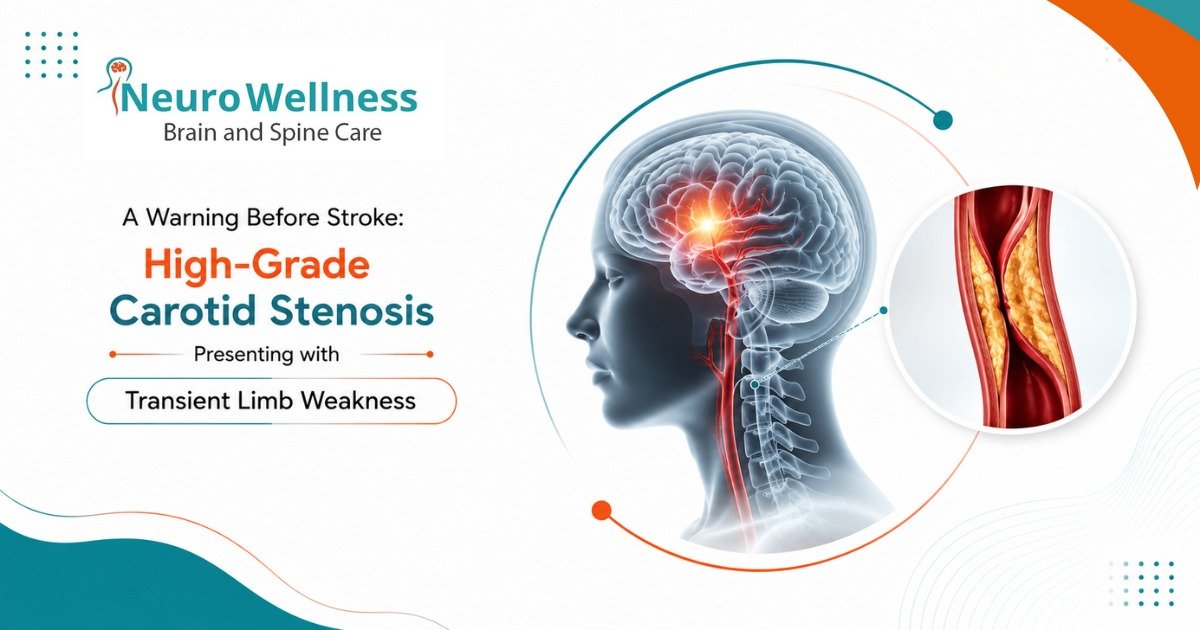
A 70-year-old woman presented with a history of transient weakness of the right upper limb approximately one month earlier, lasting for a few minutes and recovering completely. About one week before evaluation, she experienced another episode of transient weakness involving the left upper limb, again lasting only a few minutes.
At the time of examination, she had no persistent neurological deficit. These brief, completely reversible episodes of weakness raised the possibility of transient ischemic attacks (TIAs) due to compromised blood supply to the brain.
Investigations
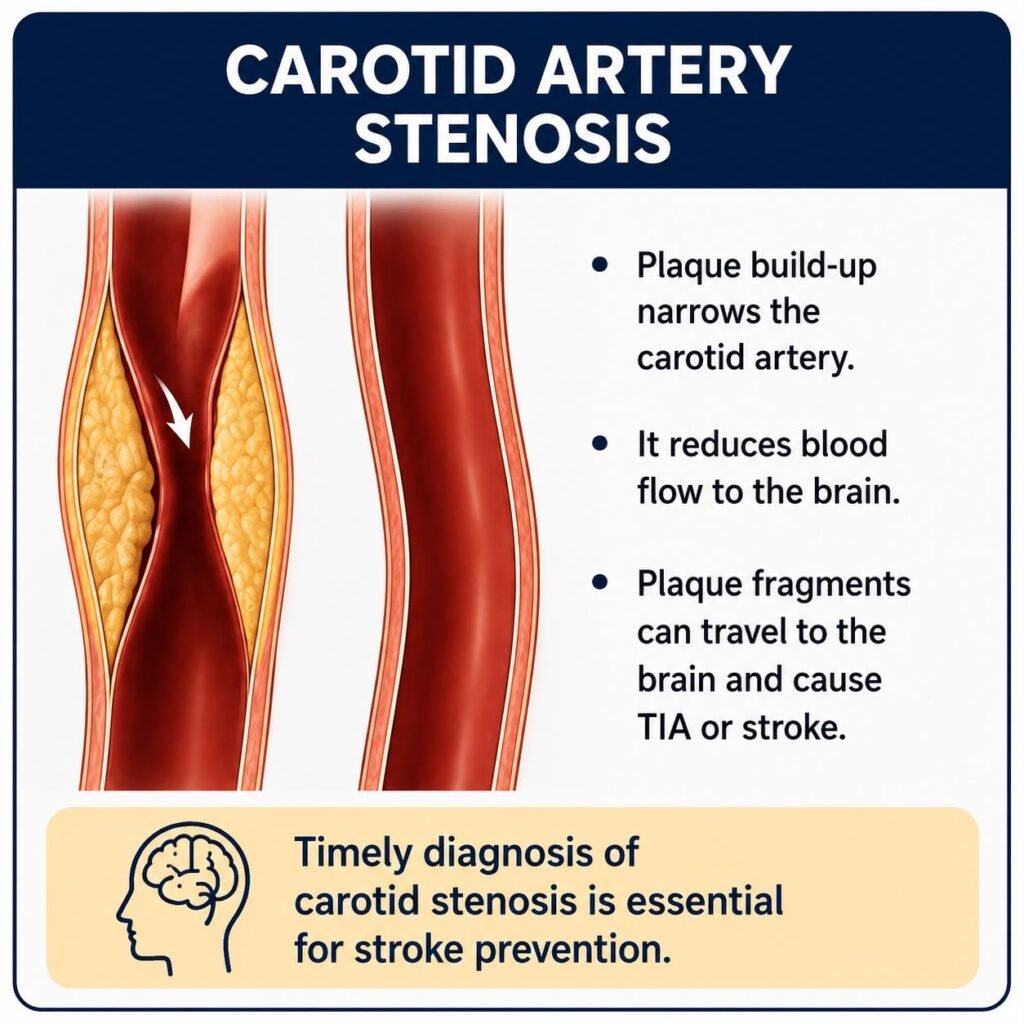
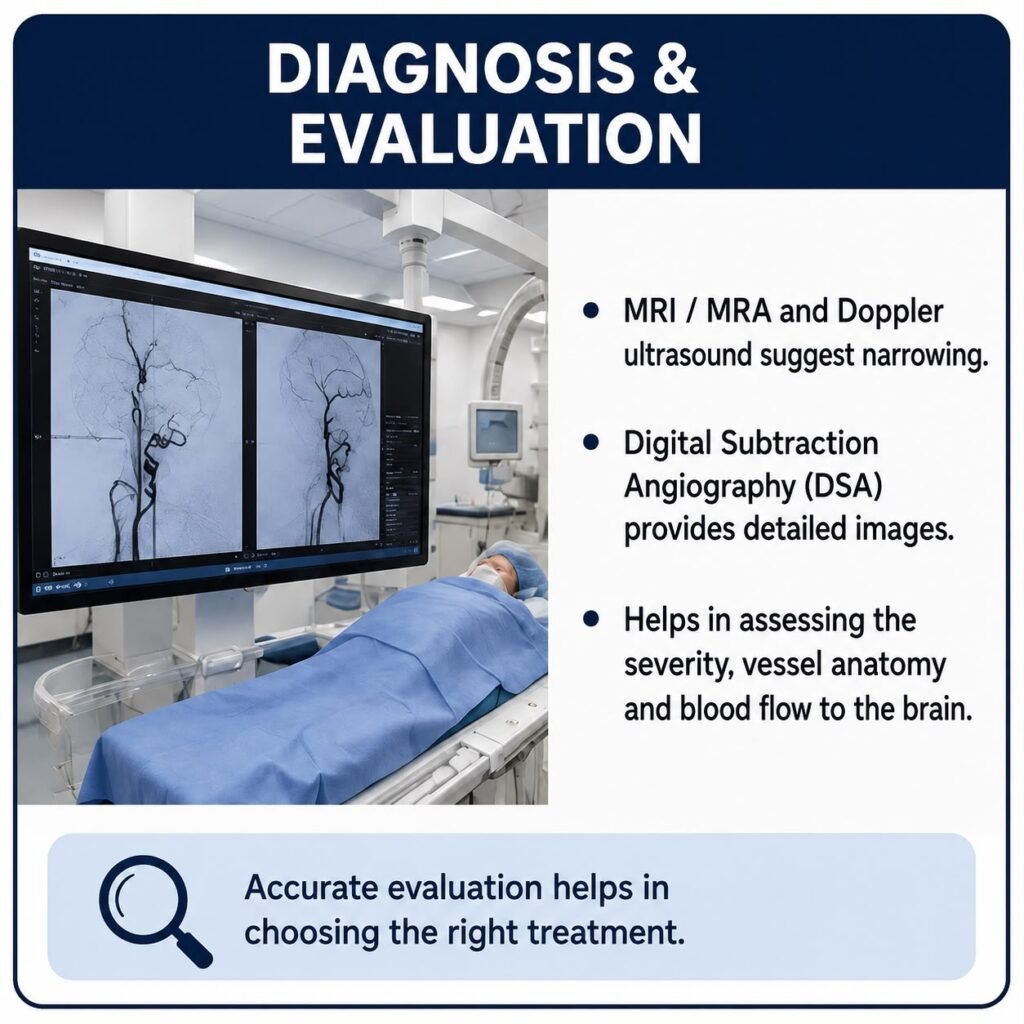
MRI of the brain with MR angiography was performed to evaluate the cerebral circulation. The imaging demonstrated significant disease involving the carotid arteries, with approximately:
- 70% stenosis of the left carotid artery
- 50% stenosis of the right carotid artery
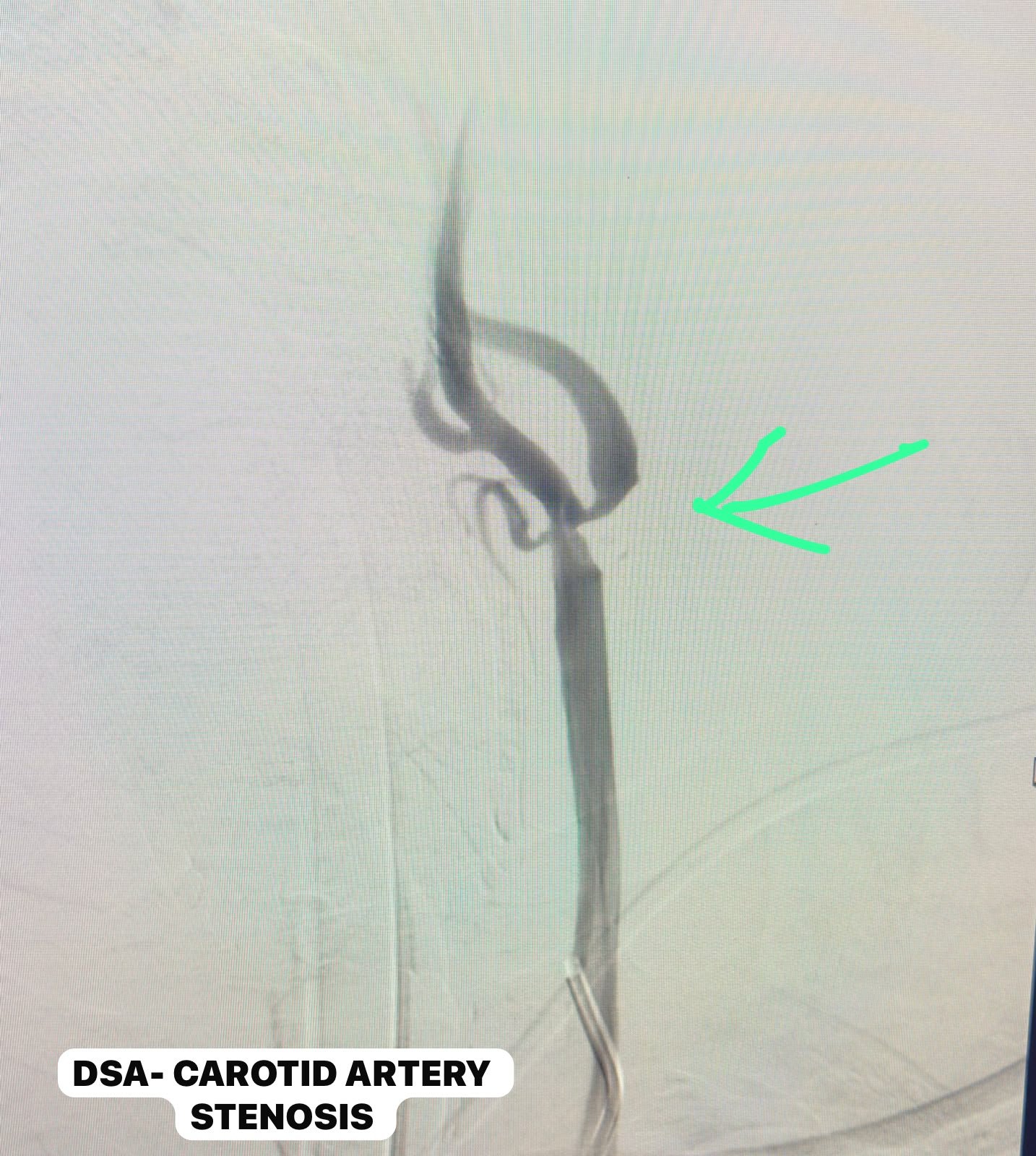
Considering the recurrent neurological symptoms and significant carotid disease, a Digital Subtraction Angiography (DSA) was performed for detailed assessment of the cerebral and carotid circulation.
DSA confirmed significant left internal carotid artery stenosis of approximately 70%, with hemodynamic compromise and collateral circulation. Significant disease was also noted on the right side.
Treatment
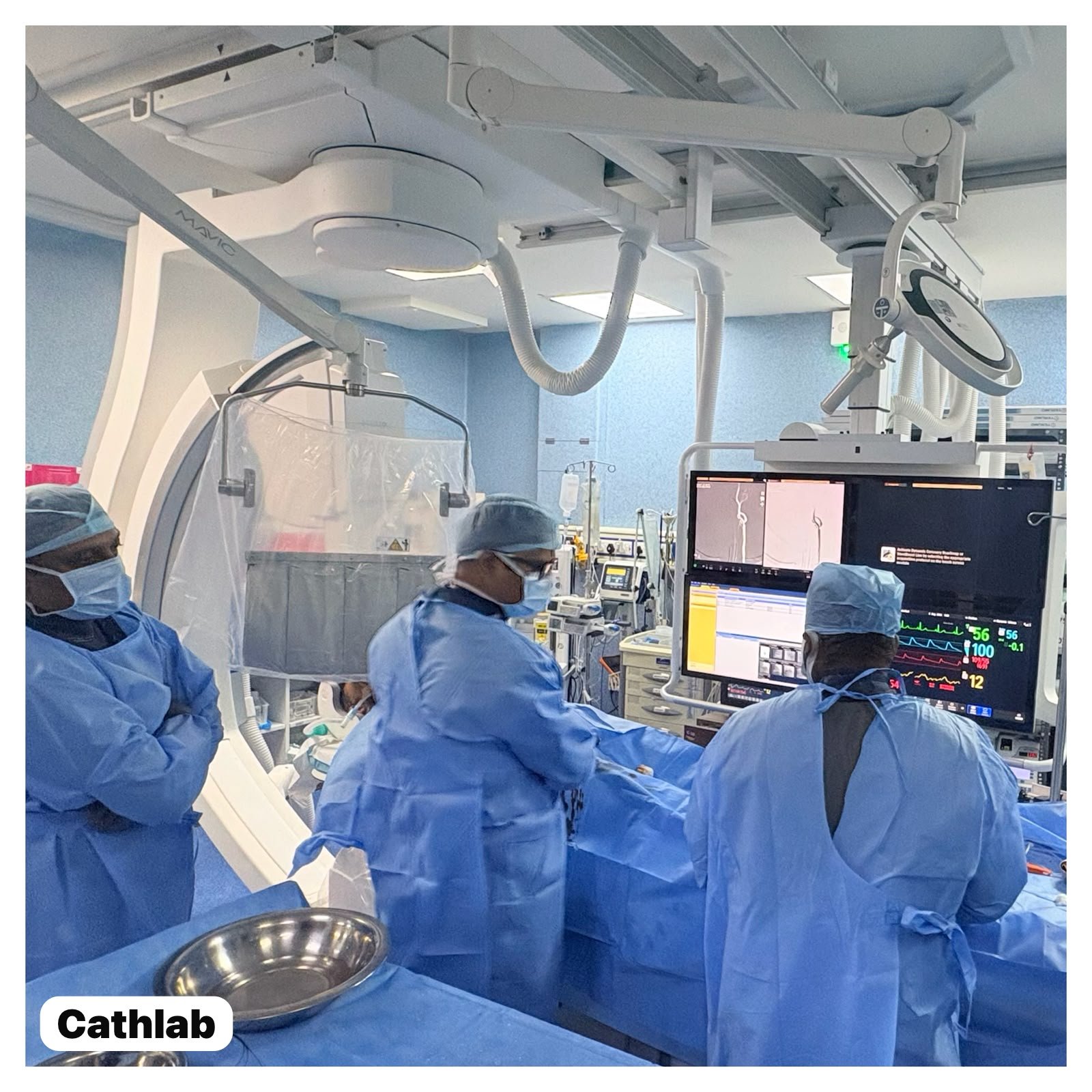
In view of the symptomatic high-grade left carotid artery stenosis and recurrent transient neurological episodes, the patient underwent left carotid angioplasty and carotid artery stenting to improve blood flow to the brain.
The procedure was completed successfully.
Recovery
The patient’s post-procedure period was uneventful, with no new neurological deficits or other significant complications. She remained clinically stable and was discharged the following day with appropriate medical treatment and follow-up advice.
Why Transient Weakness Should Not Be Ignored
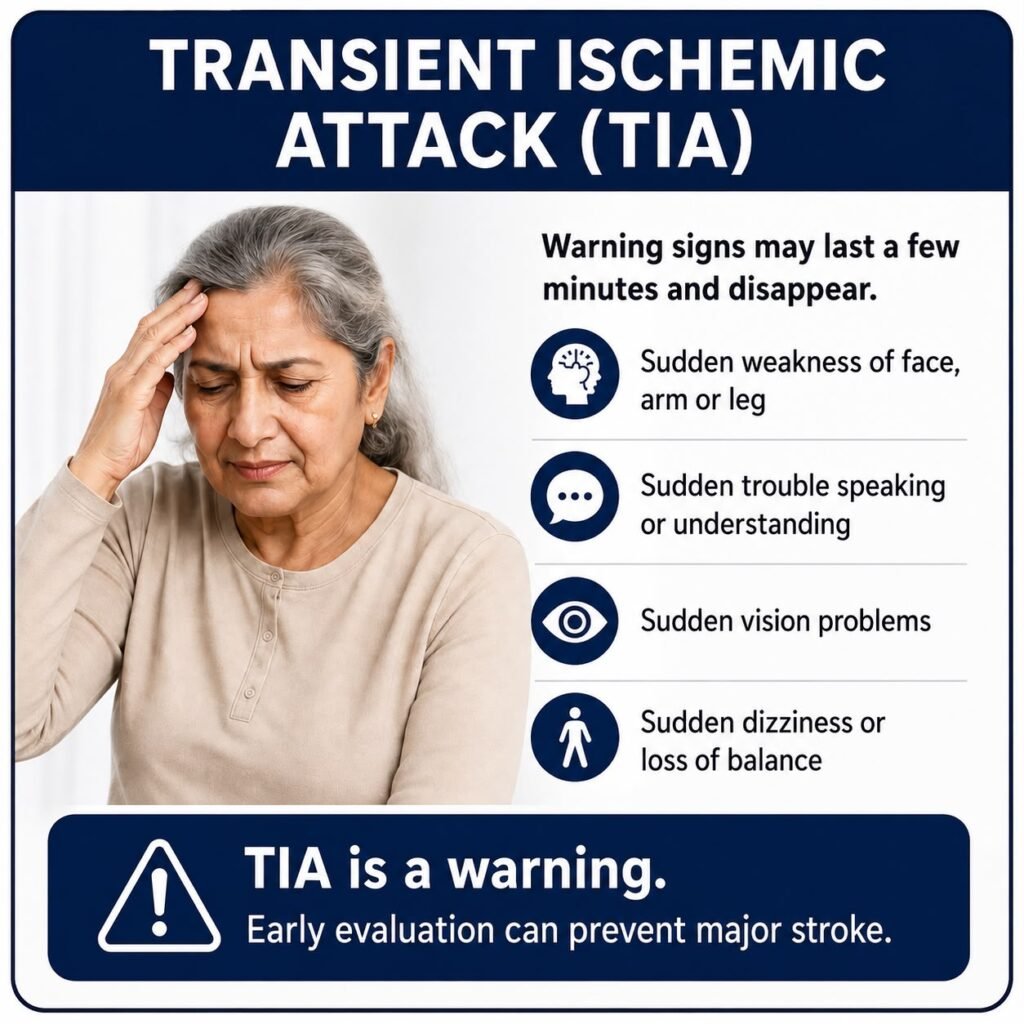
A TIA may produce weakness or numbness of the face, arm or leg, speech difficulty, visual disturbances, imbalance, or other neurological symptoms that resolve within a short period.
Because the symptoms disappear, patients may assume that the problem has resolved. However, a TIA can be an important warning sign of an impending stroke, particularly when significant carotid artery narrowing is present.
Early evaluation with appropriate brain and vascular imaging can identify carotid stenosis and help determine whether the patient requires medical therapy, carotid endarterectomy, or carotid angioplasty and stenting.
Key Message
Sudden weakness—even if it lasts only for a few minutes and completely recovers—should never be ignored.
Early recognition of TIA, evaluation of the carotid arteries, and appropriate treatment of significant symptomatic carotid stenosis can play an important role in stroke prevention.
Treatment, Recovery and Long-Term Stroke Prevention
What Is Carotid Angioplasty and Stenting?
Carotid angioplasty and stenting (CAS) is an endovascular procedure used to treat selected patients with significant narrowing of the carotid artery.
Unlike open surgery on the neck, an endovascular procedure approaches the diseased artery from within the vascular system using catheters and guidewires.
The objective is to widen the narrowed segment and maintain adequate blood flow through the artery.
How Is Carotid Artery Stenting Performed?
The exact technique varies according to the patient’s vascular anatomy and the interventional team’s strategy.
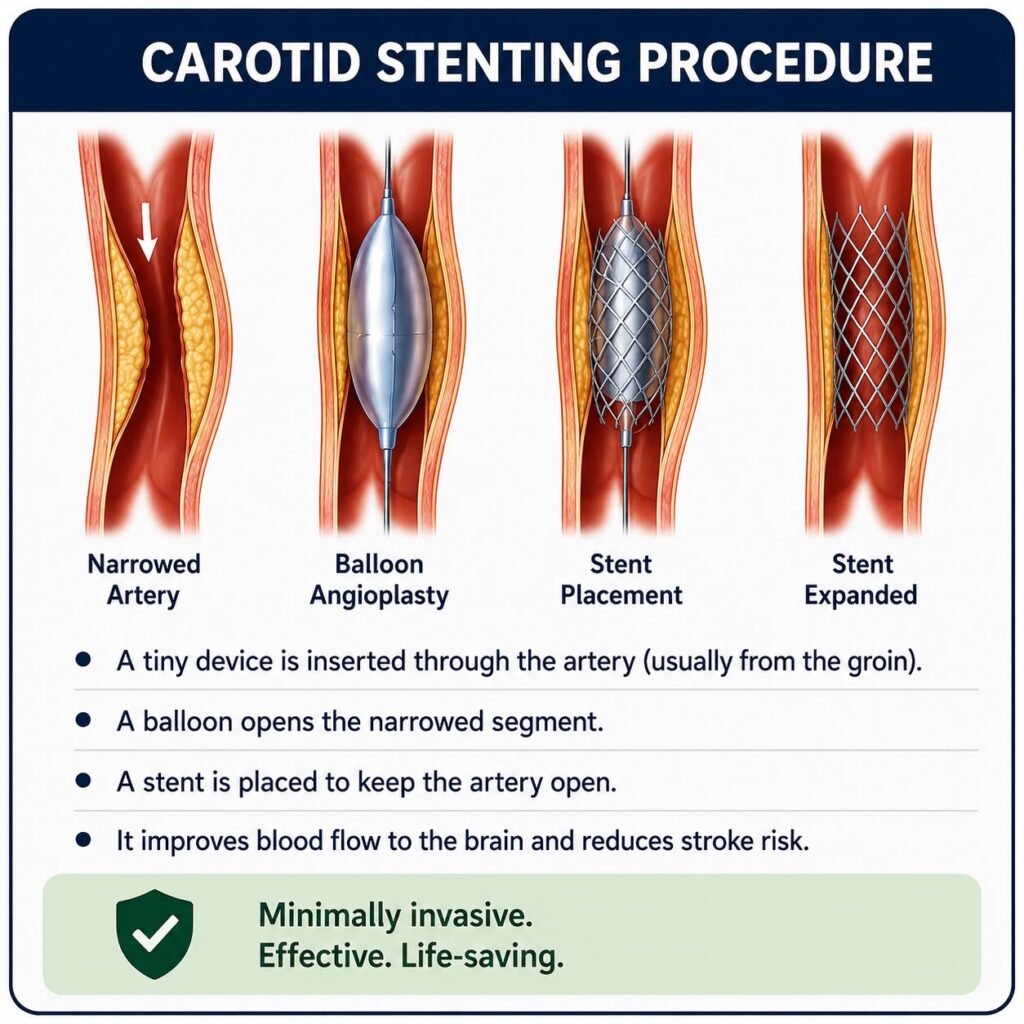
In general, vascular access is obtained and a catheter system is carefully navigated toward the carotid circulation under imaging guidance.
Angiography is performed to visualize the stenosis accurately.
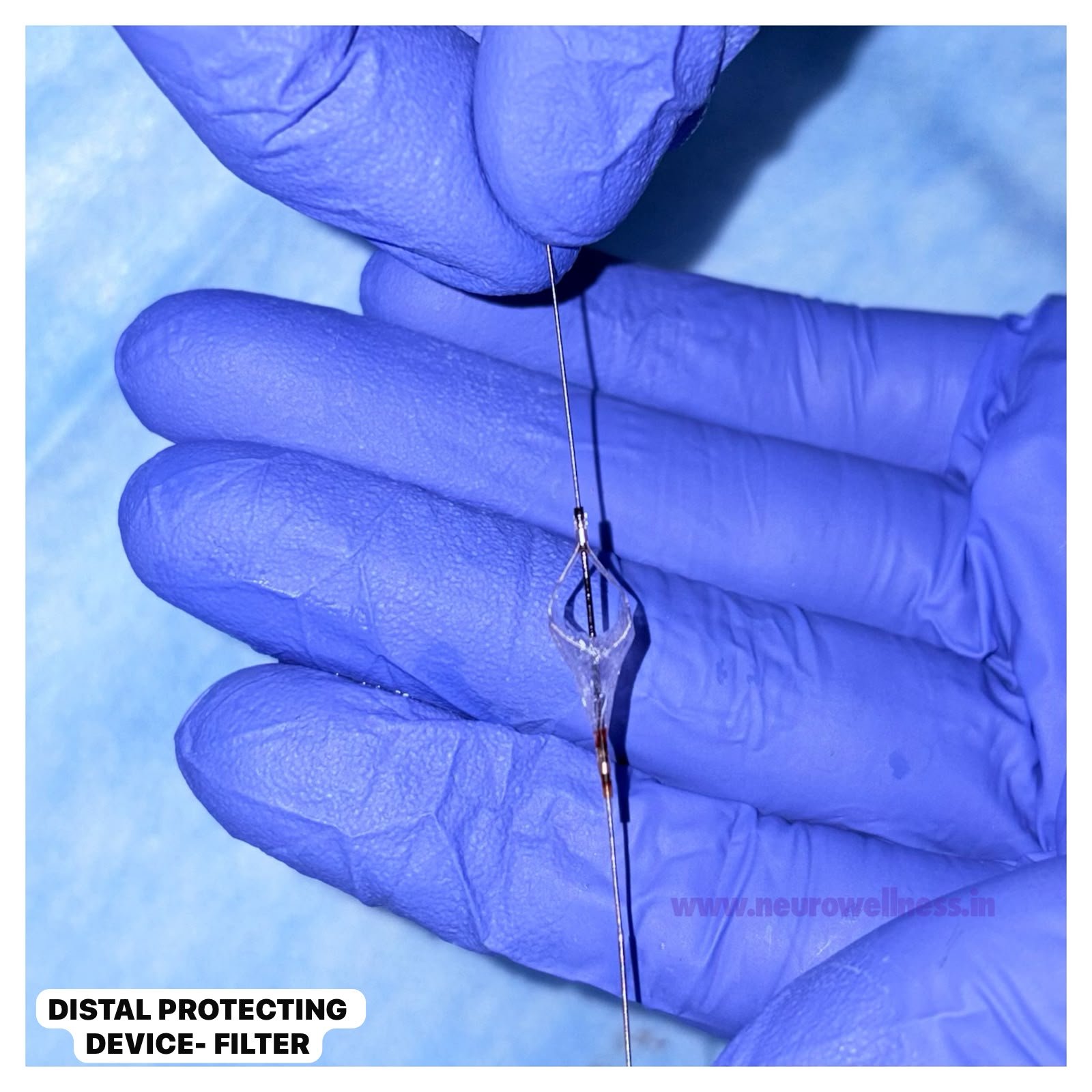
In suitable cases, an embolic protection device may be used to reduce the risk of debris travelling toward the brain during manipulation of the stenotic segment.
A balloon may then be used when required to dilate the narrowed portion of the artery.
A carotid stent is positioned across the stenosis and deployed.
The stent acts as a scaffold, helping keep the artery open.
Further angiographic images are obtained to assess the result and cerebral circulation.
The details of the procedure are individualized according to lesion characteristics and patient anatomy.
Clinical Images from the Carotid Stenting Procedure
Why Is Embolic Protection Important?
Atherosclerotic carotid stenosis may contain plaque material.
Manipulation of a stenotic carotid artery during an endovascular procedure carries a potential risk that small particles can dislodge and travel toward the brain.
For this reason, appropriate cerebral protection strategies are important during carotid intervention.
Various protection approaches and devices are available, and their use depends on anatomy and the procedural strategy.
Carotid Stenting vs Carotid Endarterectomy
Carotid Endarterectomy
Carotid endarterectomy (CEA) is an operation in which the carotid artery is surgically exposed through the neck and the obstructing atherosclerotic plaque is removed.
It is an established treatment for appropriately selected patients with significant carotid stenosis.
Carotid Angioplasty and Stenting
Carotid artery stenting is performed through an endovascular approach.
Instead of surgically removing the plaque, the stenotic segment is treated from inside the artery and supported with a stent.
Neither treatment is automatically “better” for every patient.
The decision between medical treatment, carotid endarterectomy and carotid artery stenting requires individualized assessment.
Who May Be Considered for Carotid Stenting?
Carotid artery stenting may be considered in selected patients based on factors such as:
- Symptomatic significant carotid stenosis
- Vascular anatomy
- Location of the lesion
- Previous neck surgery
- Previous radiation to the neck
- Restenosis after previous carotid surgery
- Medical comorbidities
- Surgical risk
- Age and overall health
- Anatomical accessibility
- Experience of the treating centre
The decision should ideally involve clinicians experienced in stroke and carotid vascular disease.
What Are the Risks of Carotid Stenting?
Carotid artery stenting is an important therapeutic option, but like any vascular intervention it carries potential risks.
These can include:
- TIA
- Ischemic stroke
- Bleeding or hematoma at the access site
- Injury to the blood vessel
- Arterial dissection
- Thrombus formation
- Embolization
- Allergic reaction to contrast
- Contrast-related kidney injury
- Changes in blood pressure
- Slow heart rate during carotid manipulation
- Restenosis
- Rare serious cardiovascular or neurological complications
The individual risk varies according to age, anatomy, comorbidities, lesion characteristics and procedural factors.
These risks should be discussed as part of informed consent before the procedure.
Recovery After Carotid Stenting
Following the procedure, the patient is monitored closely.
Particular attention may be given to:
- Neurological status
- Blood pressure
- Heart rate
- Vascular access site
- Symptoms suggesting cerebral ischemia
- Medication compliance
Many uncomplicated patients can mobilize relatively early and may have a short hospital stay, although the duration depends entirely on the patient’s condition and institutional protocol.
In the present case, the post-procedure period was uneventful.
There was no new neurological deficit, and the patient remained clinically stable.
She was discharged the following day with appropriate medication and follow-up instructions.
Why Medication Remains Important After Stenting
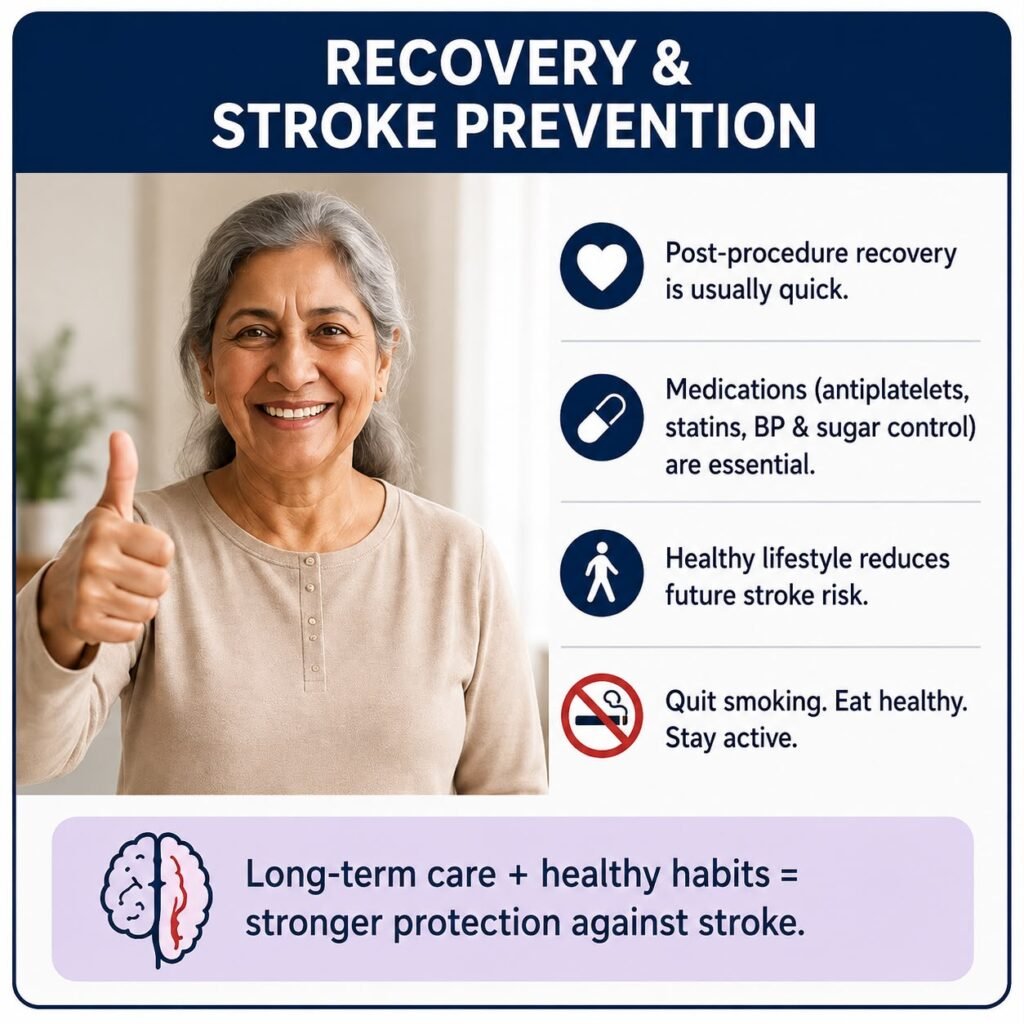
Successful placement of a carotid stent does not mean that vascular disease has been permanently eliminated.
The stent treats a specific narrowed arterial segment, while atherosclerosis is a systemic disease that can involve arteries throughout the body.
Patients therefore require appropriate long-term medical management.
Depending on the patient’s clinical situation, this may include antiplatelet medication and lipid-lowering therapy, along with aggressive control of vascular risk factors.
Patients with a recently placed carotid stent should not stop prescribed antiplatelet medication on their own, because premature discontinuation may have serious consequences.
Any medication change should be discussed with the treating physician.
Controlling Blood Pressure
Hypertension is one of the most important modifiable risk factors for stroke.
Long-term blood-pressure management can significantly contribute to vascular protection.
However, blood-pressure targets should be individualized, particularly in patients with complex bilateral carotid or intracranial vascular disease.
Patients should therefore follow the targets recommended by their treating team rather than making major medication changes themselves.
Diabetes and Stroke Prevention
Diabetes accelerates atherosclerosis and increases the risk of cardiovascular and cerebrovascular disease.
Good diabetes management is therefore an important part of secondary stroke prevention.
This includes appropriate monitoring, medication, diet, physical activity and regular medical follow-up.
Cholesterol and Carotid Plaque
Elevated LDL cholesterol contributes to atherosclerosis.
For patients with established carotid atherosclerotic disease, lipid management is therefore an important component of long-term treatment.
Statins and other lipid-lowering therapies may be prescribed according to the patient’s overall vascular risk and lipid profile.
Smoking and Carotid Disease
Smoking substantially increases vascular risk.
It contributes to endothelial injury, atherosclerosis and thrombosis and increases the risk of stroke and cardiovascular disease.
For a patient with carotid stenosis, stopping tobacco use is one of the most important lifestyle interventions that can be made.
Physical Activity and Diet
Once medically cleared, regular physical activity can support cardiovascular health, blood-pressure control, diabetes management and weight control.
A vascular-friendly dietary pattern generally emphasizes:
- Vegetables
- Fruits
- Whole grains
- Appropriate protein sources
- Nuts and seeds where suitable
- Reduced excess salt
- Reduced trans fats
- Reduced highly processed foods
Dietary recommendations should be individualized for patients with diabetes, kidney disease or other medical conditions.
Recognizing Stroke: Act FAST
Public awareness is one of the most powerful tools in stroke care.
The FAST approach is a simple way to remember common warning signs.
F- FACE
Ask the person to smile.
Is one side of the face drooping?
A – ARM
Ask the person to raise both arms.
Is one arm weak or drifting downward?
S – Speech
Ask the person to speak a simple sentence.
Is the speech slurred, abnormal or difficult to understand?
T – TIME
If any of these symptoms occur, seek emergency medical attention immediately.
Other sudden symptoms such as loss of vision, severe imbalance, numbness, weakness or difficulty understanding speech also require urgent evaluation.
Why “Wait and Watch” Can Be Dangerous
Suppose someone develops weakness of one hand for five minutes.
Ten minutes later, the person feels completely normal.
It may be tempting to wait until the next day or simply mention it during a future routine appointment.
That approach can lose valuable time.
A transient neurological episode may represent a warning from the cerebral circulation.
The purpose of urgent evaluation is to determine whether the patient has an immediately treatable cause of future stroke, including significant carotid stenosis.
What Investigations May Be Required After a TIA?
The exact work-up varies between patients but can include:
- Clinical neurological examination
- Blood-pressure assessment
- Blood tests
- Blood glucose and HbA1c
- Lipid profile
- ECG
- Cardiac evaluation when indicated
- Carotid Doppler
- CT or MRI brain
- CT angiography
- MR angiography
- Digital Subtraction Angiography in selected cases
The objective is to answer two major questions:
What caused the neurological event ? and What can be done to prevent the next one?
Stroke Prevention Requires More Than Treating One Artery
A successful carotid intervention is only one component of long-term stroke prevention.
Patients require continued attention to:
Blood pressure: Maintain appropriate control under medical supervision.
Diabetes: Optimize glucose control.
Cholesterol: Maintain appropriate lipid-lowering treatment.
Antiplatelet therapy: Take medication exactly as prescribed.
Smoking: Stop completely.
Physical activity: Remain active according to medical advice.
Diet: Follow a heart- and brain-healthy dietary pattern.
Follow-up: Attend scheduled vascular and neurological reviews.
These measures are important because carotid stenosis is often a manifestation of generalized atherosclerotic disease.a
Follow-Up After Carotid Stenting
Follow-up is important even when the patient feels completely normal.
Depending on the clinical situation, doctors may use carotid Doppler or other vascular imaging to monitor the treated artery.
Follow-up also provides an opportunity to assess:
- Neurological status
- Blood pressure
- Lipid levels
- Diabetes control
- Medication adherence
- Stent patency
- Progression of disease elsewhere
The treating specialist determines the appropriate follow-up schedule.
Lessons From This Case
This case provides several important messages for patients and families.
✔️ A few minutes of weakness can matter
Neurological symptoms do not have to persist for hours to be serious.
✔️ Complete recovery does not exclude vascular disease
A person can have a normal neurological examination after a TIA while still having significant carotid stenosis.
✔️ Recurrent symptoms require urgent investigation
Repeated episodes of transient weakness can indicate ongoing cerebrovascular risk.
✔️ Imaging the arteries is important
Brain imaging alone may not provide the entire answer. Evaluation of the carotid and intracranial circulation may be necessary.
✔️ DSA can provide detailed vascular information
In appropriately selected patients, cerebral angiography can clarify complex vascular anatomy and assist treatment planning.
✔️ Significant carotid stenosis is treatable
Depending on the individual patient, treatment may involve optimal medical therapy, carotid endarterectomy or carotid angioplasty and stenting.
✔️ Treatment does not finish when the stent is placed
Long-term medication adherence and control of vascular risk factors remain essential.
Frequently Asked Questions About Carotid Artery Stenosis
1. Can carotid artery stenosis cause a stroke?
Yes. Significant carotid atherosclerotic disease is one potential cause of ischemic stroke. Stroke may occur because of embolic material travelling from a carotid plaque toward the brain or because of inadequate cerebral blood flow in certain circumstances.
2. Can carotid stenosis cause only temporary weakness?
Yes. A temporary interruption of cerebral circulation can produce a TIA, causing weakness or other neurological symptoms that subsequently resolve.
3. Is 70% carotid stenosis serious?
A stenosis of approximately 70% is significant, particularly when associated with appropriate neurological symptoms. However, treatment decisions should be based on comprehensive specialist evaluation rather than percentage narrowing alone.
4. Does every 70% carotid stenosis require a stent?
No. Treatment depends on symptoms, age, anatomy, medical condition, plaque characteristics, procedural risk and several other factors. Some patients may be candidates for carotid endarterectomy, some for carotid stenting, and others for medical management.
5. Is carotid stenting an open operation?
No. Carotid artery stenting is an endovascular procedure performed through the arterial system using catheters and imaging guidance.
6. Can carotid narrowing return after treatment?
Restenosis can occur in some patients, which is one reason appropriate long-term clinical and vascular follow-up is important.
7. Can a TIA be ignored if MRI brain is normal?
No. A normal brain MRI does not automatically exclude a TIA. TIA is fundamentally a clinical diagnosis supported by appropriate investigations, and the underlying vascular or cardiac cause still needs to be evaluated.
Final Message: Never Ignore Sudden Neurological Symptoms
The most important lesson from this case is simple:
Sudden weakness of the face, arm or leg—even if it lasts for only a few minutes and completely disappears—requires urgent medical attention.
The patient described in this case had recurrent transient upper-limb weakness without a persistent neurological deficit. Further evaluation revealed significant carotid artery disease. Detailed angiographic assessment allowed the cerebral circulation to be understood and an appropriate treatment strategy to be planned.
She subsequently underwent carotid angioplasty and stenting, recovered without significant post-procedure complications and was discharged the following day.
Early recognition of a TIA provides an opportunity that clinicians do not always get after a completed stroke: the opportunity to investigate the cause and potentially intervene before disabling permanent neurological injury occurs.
Recognize the warning signs.
Seek medical attention quickly.
Investigate the cause.
And when significant carotid artery disease is identified, choose the appropriate stroke-prevention strategy for that individual patient.

Dr. Ganesh Veerabhadraiah
Consultant – Neurosurgeon, Neurointerventional Surgery, Spine Surgeon (Neuro)
23+ Years Experience Overall (17+ years as Neuro Specialist)
Available for Consultation: Jayanagar 9th Block & Kauvery Hospital, Electronic City