
Understading Stroke Treatment in Bengaluru – Expert Neurological Care
A stroke is a medical emergency. Understanding the symptoms, treatment options, and the importance of the golden hour can mean the difference between full recovery and permanent disability.
1.9M
Brain cells lost per minute without treatment
4.5 Hrs
Thrombolysis treatment
window from onset
80–85%
Of strokes are ischemic
(treatable with tPA)
#1
Cause of adult disability
in India
Stroke Treatment in Bengaluru – Symptoms, Golden Hour & Advanced Treatment Options
Stroke is a serious neurological emergency that occurs when the blood supply to a part of the brain is suddenly interrupted. Without oxygen and nutrients, brain cells begin to die within minutes. This is why immediate stroke treatment in Bengaluru is critical for protecting brain function and reducing long-term disability.
Stroke is one of the leading causes of disability worldwide, but rapid medical care can dramatically improve recovery outcomes. Modern brain stroke treatment in Bangalore includes advanced therapies such as clot-dissolving medication, mechanical clot removal procedures, and specialized neurocritical care.
Recognizing stroke symptoms early and reaching a stroke treatment hospital in Bengaluru as quickly as possible can save lives and prevent severe neurological damage.
If you suspect a stroke, do not delay medical attention.
Understanding the Condition
What is Stroke?
A stroke occurs when the blood supply to a portion of the brain is blocked or when a blood vessel ruptures inside the brain. When this happens, brain cells do not receive enough oxygen and nutrients, causing them to die rapidly.
Stroke is often referred to as a brain attack because it damages brain tissue in a similar way that a heart attack damages heart muscle.
The effects depend on which area of the brain is affected — movement, speech, memory, vision, and coordination can all be impaired.
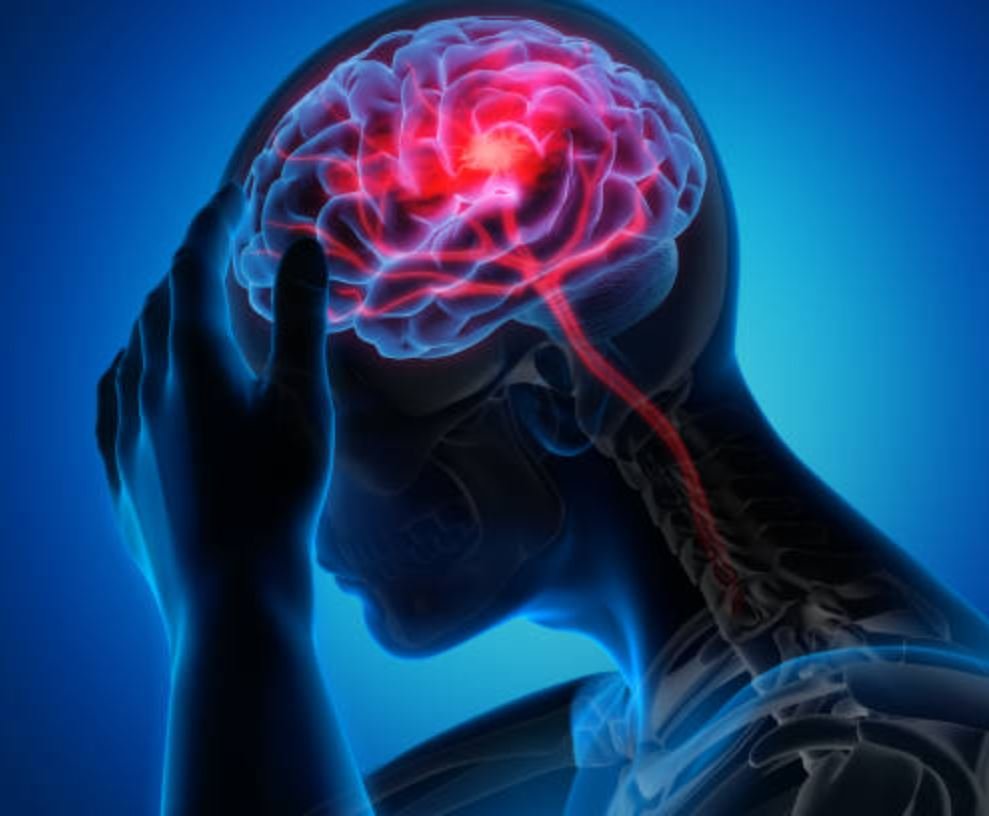
There are two major mechanisms that cause stroke:
 A blocked artery supplying blood to the brain (ischemic stroke)
A ruptured blood vessel causing bleeding inside the brain (hemorrhagic stroke)
Both conditions require immediate medical attention and specialized care from a stroke specialist in Bangalore.
When stroke is treated quickly, brain tissue can be preserved and recovery outcomes improve significantly.
Ischemic Stroke
A blood clot blocks an artery supplying the brain — accounts for 80–85% of all strokes.
Hemorrhagic Stroke
A blood vessel ruptures, causing bleeding inside or around the brain.
TIA (Mini-Stroke)
A brief interruption of blood flow — symptoms resolve but signal high risk of a full stroke.
How Stroke Affects the Brain
The brain controls movement, speech, memory, vision, and coordination. When blood flow to the brain is interrupted, the affected area stops functioning properly.
This may result in symptoms such as:
▪️ Weakness on one side of the body
▪️ Speech difficulties
▪️ Vision disturbances
▪️ Loss of balance or coordination
▪️ Cognitive impairment
The faster a patient receives stroke treatment in Bengaluru, the greater the chances of restoring normal brain function.

Early Symptoms of Stroke – Recognise the Warning Signs
Stroke symptoms appear suddenly and without warning. Recognising them immediately — even if they seem to pass — can save a life. Common early warning signs include:
- Sudden weakness or numbness of the face, arm, or leg — especially on one side of the body
- Sudden difficulty speaking, finding words, or understanding speech
- Sudden vision problems in one or both eyes
- Sudden severe headache with no known cause — sometimes described as the worst headache of one's life
- Sudden loss of balance, dizziness, or coordination
These symptoms indicate a medical emergency that requires immediate evaluation at a stroke hospital in Bangalore.
Recognise the Warning Signs
Use the FAST Method to Recognize a Stroke
Stroke symptoms appear suddenly and without warning. The FAST method is the globally recognised tool to identify them — and knowing it could save a life.
F
A
S
T
Also watch for: Sudden vision loss (Eyes) and sudden loss of balance (Balance) — part of the BE-FAST expanded method used by neurologists.
Important: Even if symptoms seem to improve or disappear within minutes, seek emergency evaluation immediately. This could be a Transient Ischemic Attack (TIA) — a warning sign of an impending major stroke.
Why Speed Matters
Why the Golden Hour Matters in Stroke Treatment
The “Golden Hour” refers to the first 60 minutes after stroke symptoms begin — the period during which emergency treatment delivers the most dramatic outcomes. The brain is extraordinarily sensitive to interruption of blood flow.
For ischemic stroke, the clot-dissolving treatment known as thrombolysis (tPA) is most effective when given within the first hour of symptom onset. Research involving over 78,000 patients found that thrombolysis within the golden hour increased the odds of full functional recovery by 40% compared to treatment given later.
The window for thrombolysis extends up to 4.5 hours from symptom onset in eligible patients. For patients with large vessel blockages, mechanical thrombectomy can be performed within 6 hours — and in carefully selected cases, up to 24 hours from onset.
1.9 M
Brain cells are lost every minute a stroke goes untreated
Thrombolysis given within the golden hour increases the odds of full functional recovery by 40% compared to treatment given later.
The treatment window extends up to 4.5 hours. Mechanical thrombectomy can be performed within 6–24 hours in selected cases.
Timely treatment can:
Restore Blood Flow
Early treatment can reverse early brain damage and restore oxygen to at-risk tissue.
Reduce Permanent Disability
Patients treated within the golden hour are significantly more likely to walk out of hospital independently.
Protect Speech & Memory
Rapid intervention reduces the risk of lasting speech loss, cognitive impairment, and paralysis.
Save Lives
In severe stroke cases, timely care at a specialist facility can be the difference between survival and death.
Types of Stroke – Ischemic, Hemorrhagic, and TIA
Understanding the type of stroke is critical because each requires a different treatment approach. A CT scan or MRI at a stroke-ready hospital determines the type within minutes of arrival.
80–85%
Ischemic Stroke
A blood clot blocks an artery supplying the brain, depriving tissue of oxygen. The most common type — and the one most responsive to emergency clot-dissolving treatment.
15–20%
Hemorrhagic Stroke
A blood vessel in or around the brain ruptures. Often linked to uncontrolled high blood pressure. Treatment focuses on stopping the bleed, reducing brain pressure, and sometimes surgery. Clot-dissolving drugs are not used here.
⚠ TIA
Mini-Stroke
Blood flow to part of the brain is briefly interrupted. Symptoms typically resolve within minutes to hours — but a TIA is a critical warning. The risk of a full stroke is highest in the days immediately after. Never ignore it.
Know Your Risk
Who is at Risk of Stroke?
Rising rates of hypertension, diabetes, and sedentary lifestyles are driving a growing stroke burden in India — including among younger adults. These are the most significant risk factors.
High blood pressure (hypertension)
Diabetes mellitus
Obesity and sedentary lifestyle
High cholesterol (dyslipidaemia)
Previous TIA or stroke
Smoking and tobacco use
Heart disease / Atrial fibrillation
Excessive alcohol consumption
Advanced age — risk doubles each decade after 55
Clotting disorders
Stroke can also occur in younger individuals due to clotting disorders, structural heart abnormalities, arterial dissection, or inflammatory conditions. Risk is not limited to the elderly. Regular screening and stroke prevention assessment are important for anyone with known risk factors.
When to Act
Go to Hospital Immediately If…
These symptoms are a medical emergency. Do not wait for them to improve.
Sudden weakness or numbness on one side of the face, arm, or leg
Sudden difficulty speaking, slurred speech, or inability to find words
Sudden vision problems in one or both eyes
Sudden severe headache — the worst of your life — with no obvious cause
Sudden loss of balance, dizziness, or inability to coordinate movement
Sudden confusion or difficulty understanding what others are saying
❌ Do NOT Do Any of These
- Wait to see if symptoms improve on their own
- Give food, water, or medication to the person
- Let the person sleep or lie face-down
- Attempt home remedies of any kind
- Drive yourself — call an ambulance or have someone drive
- Drive yourself — call an ambulance or have someone drive
- Assume symptoms are mild — even a TIA is an emergency
Critical: Note the exact time symptoms began — or the last time the person was seen to be normal. This “last known well” time is essential for the treating neurologist to determine treatment eligibility.
Why Delay Causes Permanent Disability
Unlike many other organs, the brain has very limited capacity for self-repair. Once brain cells die, they do not regenerate. The consequences of delayed stroke treatment are severe and often permanent.
Permanent Paralysis
Speech Impairment
Memory Loss
Vision Impairment
Loss of Independence
Increased Risk of Death
Early intervention dramatically changes these outcomes. Patients treated with thrombolysis within the golden hour are significantly more likely to walk out of hospital independently, return home, and resume their daily lives. Every minute of early action translates directly into preserved brain function. Early treatment at a stroke hospital in Bangalore dramatically improves recovery outcomes and reduces the risk of permanent disability.
Advanced Care
Stroke Treatment Options in Bengaluru
The appropriate treatment depends on the type of stroke, the time elapsed since symptom onset, and the patient’s individual medical profile. A specialist assessment — guided by CT scan or MRI findings — determines the treatment plan within minutes of hospital arrival.
Ischemic Stroke
Thrombolysis (IV tPA)
Intravenous thrombolysis — the administration of a clot-dissolving drug (tPA / alteplase) — is the primary emergency treatment for ischemic stroke. When given within 4.5 hours of symptom onset in eligible patients, it can dissolve the clot, restore blood flow, and significantly reduce disability.
Treatment is most effective when given within the first 60 minutes (the golden hour). Not every patient is eligible — a rapid specialist assessment determines suitability based on time of onset, blood pressure, scan findings, and medication history.
- Most effective within the first 60 minutes — the golden hour
- Administered intravenously over approximately 60 minutes
- Requires CT scan confirmation that there is no bleeding
- Close monitoring in a stroke unit or neuro-ICU after administration
Large Vessel Occlusion
Mechanical Thrombectomy
For large vessel occlusions — where a major artery in the brain is blocked — mechanical thrombectomy offers a powerful additional treatment. A specialist uses a thin catheter guided through the blood vessels to physically remove the clot using stent retrievers or aspiration devices, in a minimally invasive procedure.
This procedure can be performed within 6 hours of onset for most eligible patients — and in selected cases up to 24 hours when brain imaging shows viable tissue that can still be saved. It is often used in combination with thrombolysis.
- Highly effective for major artery blockages in the brain
- Minimally invasive catheter-based technique under imaging guidance
- Often used alongside thrombolysis for better outcomes
- Can significantly improve recovery even beyond the thrombolysis window
All Severe Strokes
Neurocritical Care
Severe strokes — including large ischemic strokes and all hemorrhagic strokes — require intensive monitoring in a dedicated neuro-ICU. This care runs alongside and after emergency treatment, managing complications and planning early rehabilitation.
- Blood pressure monitoring and optimisation
- Brain swelling (cerebral oedema) detection and management
- Monitoring for post-stroke complications — seizures, aspiration, DVT
- Early physiotherapy, speech therapy, and occupational therapy planning
Stroke Education Hub – Symptoms, Treatment & Recovery
Expert articles on stroke symptoms, thrombolysis, thrombectomy, TIA, blood thinners, and recovery — to help patients and families make informed decisions about stroke care in Bangalore.
Mini-Stroke TIA Key Facts for IT Professionals in Bengaluru
How Controlling High Blood Pressure Helps Prevent Stroke | Dr. Ganesh
5 Lesser-Known Stroke Facts for Better Brain Health
Stroke Network
Explore the Stroke Network
Everything you need — from emergency guidance to hospital listings and patient referral — is structured and accessible here.
Frequently Asked Questions – Stroke Treatment in Bengaluru
An ischemic stroke occurs when a blood clot blocks an artery supplying the brain — it accounts for around 80–85% of all strokes. A hemorrhagic stroke occurs when a blood vessel ruptures and bleeds into the brain. Both require immediate emergency care, but the treatment approach differs significantly. Clot-dissolving medication (thrombolysis) is used for ischemic stroke, while hemorrhagic stroke may require surgical intervention and intensive care management.
The golden hour refers to the first 60 minutes after stroke symptoms begin — the period during which treatment is most effective. In ischemic stroke, thrombolysis given within this window significantly improves functional recovery. Research shows it increases the odds of excellent functional recovery by 40% compared to later treatment. Every minute of delay results in the loss of approximately 1.9 million brain cells. The treatment window for thrombolysis extends up to 4.5 hours from symptom onset in eligible patients.
FAST stands for: F Face drooping (one side of the face droops or is numb when asked to smile), A Arm weakness (one arm drifts down when both are raised), S Speech difficulty (slurred, confused, or unable to speak), T Time to act immediately. Also watch for sudden vision loss and sudden loss of balance part of the BE-FAST method used by neurologists. If any sign appears, reach a stroke-ready hospital immediately.
As quickly as possible. Thrombolysis is most effective within the first 60 minutes and can be administered up to 4.5 hours from symptom onset. Mechanical thrombectomy for large vessel occlusions can be performed within 6 hours and in selected patients up to 24 hours. The faster treatment begins, the more brain tissue is preserved and the better the recovery. Do not wait note the time symptoms began and go to hospital immediately.
Thrombolysis is an intravenous clot-dissolving treatment (tPA/alteplase) given to eligible patients with ischemic stroke within 4.5 hours of symptom onset. It dissolves the clot and restores blood flow to the brain. Not all patients qualify suitability depends on time of onset, blood pressure, CT scan findings, current medications, and medical history. A specialist assessment at a stroke-ready facility determines eligibility within minutes of arrival.
Mechanical thrombectomy is a minimally invasive procedure in which a specialist uses a catheter guided through the blood vessels under imaging to physically remove a large clot from a blocked artery in the brain. It is used for large vessel occlusion strokes and is often combined with thrombolysis. It can be performed within 6 hours of onset and in carefully selected patients up to 24 hours.
Recovery depends on how quickly treatment is received, the type and severity of the stroke, and the area of the brain affected. With rapid treatment particularly thrombolysis or thrombectomy within the golden hour many patients recover significant function and return to independent life. Early rehabilitation (physiotherapy, speech therapy, occupational therapy) plays an equally important role. Delayed treatment significantly increases the risk of permanent disability. Every minute of early action matters.
Delayed treatment leads to progressive brain cell death approximately 1.9 million neurons are lost every minute blood flow is interrupted. This can result in permanent paralysis, speech impairment, memory loss, visual deficits, cognitive decline, and loss of independence. Unlike many organs, the brain cannot regenerate lost cells. Reaching a stroke-ready hospital within the treatment window is the single most important action that can change the outcome.
A Transient Ischemic Attack (TIA), often called a mini-stroke, occurs when blood flow to part of the brain is briefly interrupted and then restored. Symptoms are similar to a stroke face drooping, arm weakness, speech difficulty — but typically resolve within minutes to a few hours. A TIA must never be dismissed. It is a major warning sign of an impending full stroke, and the risk is highest in the days immediately after. Urgent evaluation and treatment after a TIA can significantly reduce this risk.
Yes. NeuroWellness operates a structured Stroke Rapid Response and Referral Network in South Bengaluru, connecting patients and referring doctors with specialist neurological care. You can use our digital triage form to refer a stroke patient, access verified stroke-ready hospitals in the area, or call us directly for specialist coordination.
If You Suspect a Stroke — Act Now
Do not wait for symptoms to resolve. Every minute without treatment means permanent brain cell loss.
Medical Disclaimer: The information on this page is for educational purposes and does not constitute medical advice. Stroke is a medical emergency — always contact emergency services or go to the nearest hospital immediately. This platform is part of NeuroWellness Stroke Network Phase 1 and is not a 24/7 emergency response service. Referral form submissions are for triage coordination only and response times may vary. Always seek immediate in-person medical care during a stroke emergency.
Page last reviewed: January 2026 | Reviewed by: Dr. Ganesh Veerabhadraiah, Consultant – Neurosurgeon, Neurointerventional Surgery, Spine Surgeon (Neuro), NeuroWellness Bengaluru | Next review due: April 2026