
Already advised surgery elsewhere? Get clarity before you decide.
Get a Second Opinion from a Qualified Neurosurgeon in Bengaluru
Clear, honest guidance for brain, spine & endovascular surgery — without pressure
If you’ve been told you may need surgery (tumor, aneurysm, disc prolapse, spinal stenosis, nerve compression), we help you understand what’s truly necessary, how urgent it is, and what options you have after reviewing your MRI/CT/DSA and clinical notes.
Not every condition needs surgery.
A second opinion helps you decide calmly and confidently.
- Bring MRI/CT/DSA reports. If surgery is not needed, we will clearly tell you.
Surgical Second Opinion – Brain & Spine
A surgical second opinion helps confirm the diagnosis, clarify urgency, and compare options – Surgery vs Conservative waiting—after reviewing MRI/CT/DSA reports. It can reduce confusion, avoid unnecessary procedures, and provide a clear next-step plan for the next 7–30 days.
What you’ll get in your Brain & Spine Surgical Second Opinion
You’ll receive a clear, practical recommendation that answers the real questions patients have before surgery:
- Clear recommendation: Surgery / No surgery / Watchful waiting
- Urgency guidance: Now vs later vs conservative trial
- Options explained: benefits, risks, alternatives
- Next-step plan: what to do in the next 7–30 days
- Scan-based review: MRI / CT / DSA interpretation in context of symptoms
- If surgery is needed: what type of surgery, why, expected outcomes, and what to ask your surgeon
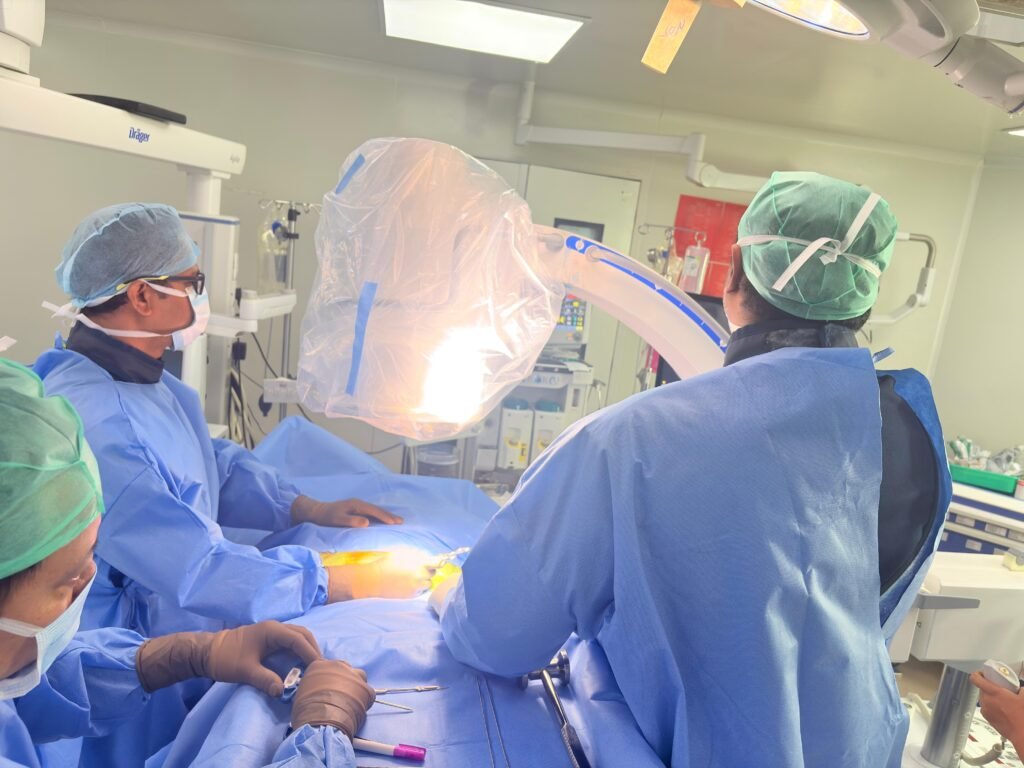
Want an expert MRI/CT review? Upload reports on WhatsApp
Who This Second Opinion Is For
This service is designed for patients and families who want clarity before making an important surgical decision.
A second opinion is ideal if you:
- Patients advised brain or spine surgery
- Patients unsure if surgery is urgent or avoidable
- Those given different opinions by different doctors
- Patients wanting to know non-surgical or delayed options
- Families seeking clarity before making a final decision
Seeking a second opinion is responsible decision-making — not distrust.
Not sure if this is right for you?
If you only have mild pain, no neurological symptoms, and no imaging scans, a regular consultation may be more appropriate than a surgical second opinion.
Why a Second Opinion Matters Before Brain or Spine Surgery
Brain and spine surgeries are high-stakes, life-impacting decisions. A second opinion helps ensure that the decision you make is based on clarity, not pressure or uncertainty.
A surgical second opinion can help you:
Confirm the diagnosis and ensure imaging findings truly explain your symptoms
Avoid unnecessary or premature surgery when conservative treatment may still be effective
Understand urgency clearly: what needs immediate action versus what can safely wait
Compare treatment option,including minimally invasive surgery, open surgery, rehabilitation, or observation
Assess risks and expected outcomes realistically,not just best-case scenarios
Make a confident, informed decisionwith a structured plan for the next steps
Conditions commonly reviewed for surgical second opinion
Spine Surgery Opinions
- Slip disc (Microdiscectomy)
- Spine fixation for fractures( TLIF, PLIF,ACDF, ADR)
- Cervical / lumbar stenosis surgery
- Revision spine surgery advice
Brain Surgery Opinions
- Brain tumor surgery recommendations
- Aneurysm clipping vs coiling decisions
- AVM treatment plans
- Head injury surgery advice
We review the surgery advised, explain why it was suggested, and whether alternatives or delay are safe.
If you’ve been advised surgery for any of the above, book a second opinion for clarity.
How our second opinion process works
- Share reports: MRI/CT/DSA + doctor’s note + symptom summary
- Expert review & discussion: scan findings + clinical correlation
- Clear plan: operate / wait / conservative care (with next 7–30 day steps)
Note: Emergency symptoms → go to nearest emergency immediately.
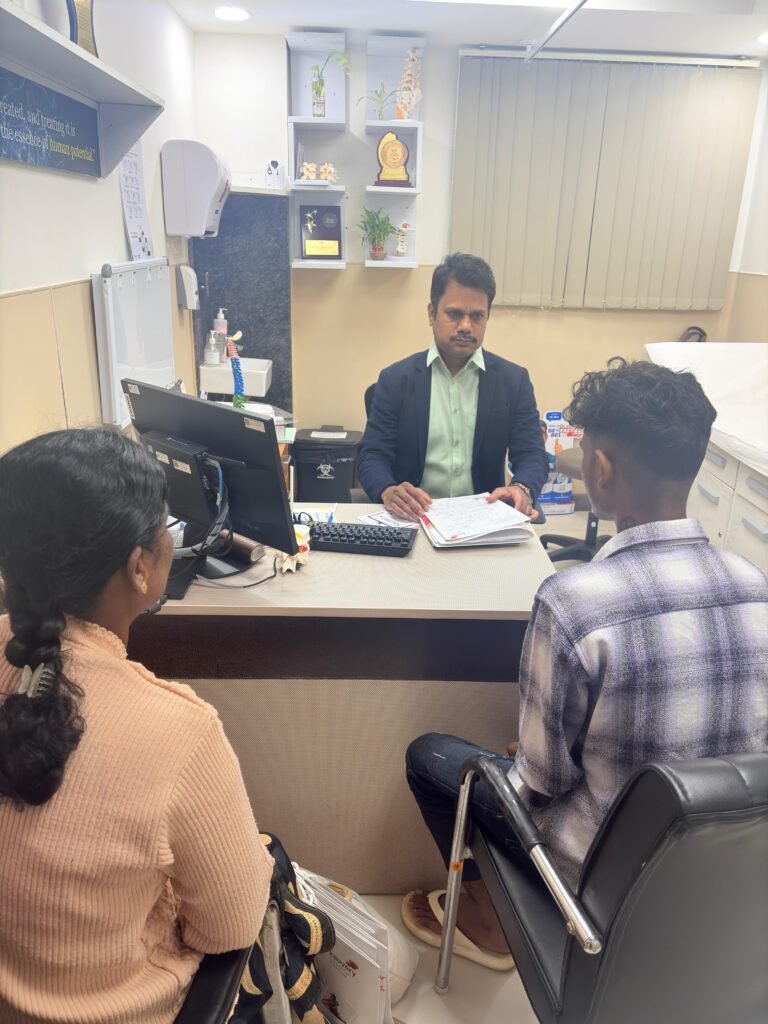
What to Bring / Upload for the Fastest, Most Accurate Second Opinion
To provide a meaningful and accurate second opinion, it is important that we review your existing medical information.
Please upload the following (preferred):
✔️ MRI or CT scan images along with the radiology report
✔️ DSA report, if your condition involves an aneurysm or other vascular issue
✔️ Previous doctor’s consultation notes or prescriptions
✔️ Previous surgery records, if this is a revision or post-surgery case
In your message, please also mention:
✔️ Your main symptoms and how long you have had them
✔️Whether you have weakness, numbness, balance problems, or bladder/bowel changes (Yes / No)
✔️ Your current medications, especially blood thinners or long-term medicines
Sharing complete information helps us give you clearer guidance and avoid unnecessary delays.
👉 Upload reports directly via WhatsApp to begin your second opinion review.
“Now vs Later vs Conservative Trial” — How We Decide Urgency
One of the most important parts of a surgical second opinion is understanding how urgent the condition truly is.
We classify recommendations into three clear categories:
A) Needs urgent action (Now)
● Progressive weakness or loss of function
● Bowel or bladder control changes
● Rapidly worsening neurological symptoms
● Severe nerve or spinal cord compression with deficits
These situations may require timely surgical intervention after clinical correlation.
B) Can be planned (Later)
● Symptoms are present but stable
● Pain is manageable and not worsening
● No rapid neurological deterioration
Surgery may still be helpful, but timing can be planned safely.
C) Conservative trial first
● Symptoms are present but stable
● Pain is manageable and not worsening
● No rapid neurological deterioration
Surgery may still be helpful, but timing can be planned safely.
Questions to Ask Before Brain or Spine Surgery
Before consenting to surgery, these are important questions every patient should have answered clearly:
- Is the diagnosis certain, or could there be another explanation?
- What happens if I wait for 2–6 weeks before deciding?
- Are there non-surgical treatments I should try first?
- If surgery is needed, what type of surgery is recommended and why?
- What outcomes can I realistically expect — pain relief, mobility, function?
- What are the major risks, and how are they minimized?
- What is the expected recovery time and rehabilitation plan?
A second opinion ensures these questions are answered honestly and clearly.
Get a Second Opinion from a Neurosurgeon in Bengaluru
Your second opinion will be provided by Dr. Ganesh Veerabhadraiah, a highly experienced neurosurgeon in Bengaluru, known for his patient-centric, evidence-based approach to brain and spine conditions.
Dr. Ganesh has extensive experience in evaluating complex brain and spine surgery cases, helping patients understand whether surgery is truly required, how urgent it is, and what safer alternatives may exist.
Your second opinion consultation includes:
⬩ Detailed review of MRI, CT, and DSA scans
⬩ Correlation of imaging findings with clinical symptoms, not reports alone
⬩ Clear explanation of treatment options — surgery, conservative care, or watchful waiting
⬩ Honest guidance on urgency, risks, benefits, and expected outcomes
⬩ A practical next-step plan to help you decide confidently
Consultations are available in-person and online, making it easier for patients across Bengaluru and beyond to access an expert neurosurgery second opinion without delay.

If you are looking for a trusted neuro surgeon in Bengaluru or a reliable neuro specialist in Bengaluru for a second opinion on brain or spine surgery, this consultation is designed to give you clarity—not pressure.
👉 Book your second opinion consultation or share your MRI/CT reports on WhatsApp to get started.
Get a Second Opinion from a Neurosurgeon in Bengaluru
If surgery has been advised—especially fusion, multi-level surgery, or elective procedures—a second opinion helps confirm the diagnosis, clarify urgency, and explore all treatment options.
Yes. You can share MRI, CT, or DSA reports along with previous consultation notes. These are reviewed in detail before recommendations are discussed.
Watchful waiting involves monitoring symptoms and scans over time when the condition is stable and immediate surgery is not required.
That is common. You will receive a clear explanation of why recommendations differ and what approach is safest and most appropriate for you.
Timelines depend on how complete your reports are and appointment availability. Uploading all scans and notes helps speed up the process.
Yes. It helps confirm the procedure type, level or side of surgery, urgency, expected outcome, and recovery planning.
Book Your Brain & Spine Surgical Second Opinion
If you have been advised brain or spine surgery and want clarity before proceeding, we are here to help.
Disclaimer: This profile has been prepared based on information provided and/or confirmed by the doctor to help patients understand the specialist’s qualifications, experience and areas of clinical interest. NeuroWellness is a healthcare discovery platform that helps patients explore specialist profiles and make informed healthcare choices. Inclusion on NeuroWellness does not represent a ranking or guarantee of treatment outcomes, and patients are encouraged to choose a specialist based on their individual healthcare needs.