After brain surgery, it’s common to experience fatigue, swelling, headaches, mood changes, and temporary memory issues. Recovery timelines vary based on the type of surgery and individual health. Proper rest, hydration, medication adherence, and regular follow‑ups with your neurosurgeon are essential for safe recovery.
Consult Neurowellness if symptoms worsen, new neurological signs appear, or recovery feels slower than expected.
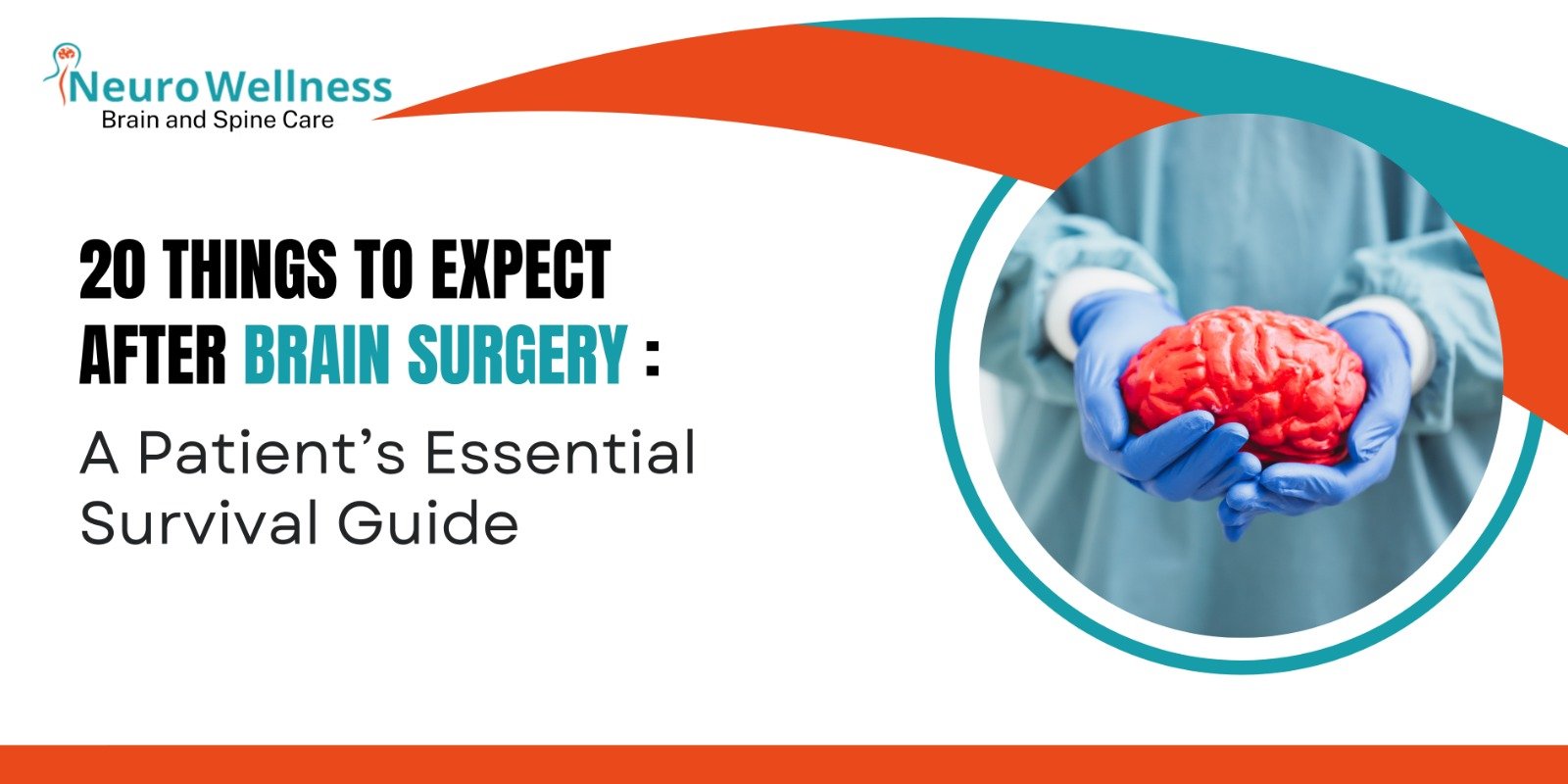
Brain surgery changes lives — physically, emotionally, and mentally. Recovery is a gradual process that demands patience, discipline, and medical guidance. This article outlines 20 key things to expect after surgery, based on real patient journeys and neurosurgeon experience.
At Neurowellness India, our neurosurgeons emphasize that healing doesn’t stop at the operation table it begins the moment you wake up.
Book Your Recovery Consultation:
Get post-surgery guidance from Dr. Ganesh Veerabhadraiah — Senior Neurosurgeon, Neurowellness Bangalore.
| Stage | Timeframe | Common Symptoms | Care Recommendations |
|---|
| ICU Phase | 1–3 days | Drowsiness, confusion | Monitoring, hydration, rest |
| Early Recovery | 1–4 weeks | Fatigue, mild headaches | Light activities, healthy diet |
| Long-Term Healing | 1–6 months | Memory or mood changes | Regular follow-ups, neuro-rehab |

Dr. Ganesh Veerabhadraiah
Consultant – Neurosurgeon, Neurointerventional Surgery, Spine Surgeon (Neuro)
23+ Years Experience Overall (17+ years as Neuro Specialist)
Available for Consultation: Jayanagar 9th Block & Kauvery Hospital, Electronic City
20 Things to Expect After Brain Surgery
Immediate Post-Surgery Experiences
1. Initial Recovery in ICU
Immediately after your brain operation recovery, you’ll wake up in the Intensive Care Unit (ICU), closely monitored by a specialized team. During this critical period, various neurosurgical procedures such as checking brain function and responsiveness are regularly performed to ensure your safety.
2. Monitoring Vital Signs
After surgery, careful observation of your vital signs including heart rate, blood pressure, breathing, and neurological responses is essential. Continuous monitoring helps your medical team quickly identify and address any issues, optimizing your early recovery process.
3. Postoperative Pain and Management
Post-surgery discomfort is common, but your care team will proactively manage pain through carefully prescribed medication. Effective pain management not only improves your comfort but also facilitates quicker recovery and healing after your procedure.
4. Swelling and Bruising
You may experience temporary swelling or bruising around the surgical area or even your face. This is a normal postoperative reaction as your body starts the healing process, typically resolving within a few days to weeks.
5. Fatigue and Drowsiness
Feeling unusually tired or sleepy is completely natural after brain surgery. Rest is crucial during this initial period, allowing your brain the necessary energy and resources to heal effectively.
Physical and Neurological Changes
6. Temporary Neurological Symptoms
After brain surgery, you may notice temporary neurological changes, such as mild weakness, numbness, or altered sensations. These symptoms often improve over time as your brain heals and adapts.
7. Balance and Coordination Issues
Maintaining balance or coordinating movements can be challenging during the early stages of recovery.Working closely with physical therapists early in recovery can help you regain stability and confidence in daily activities.
8. Speech and Communication Challenges
Many patients may experience short-term challenges with speech or word recall during recovery. Speech therapy can significantly help restore effective communication, enabling smoother interactions during recovery.
9. Vision and Hearing Changes
Minor changes in vision or hearing sensitivity may occur temporarily. If symptoms persist or worsen, consult your neurosurgical care team promptly to ensure appropriate interventions.
10. Memory and Cognitive Effects
You may experience brief periods of confusion, memory lapses, or difficulty concentrating. Cognitive rehabilitation exercises guided by your healthcare team will gradually improve these issues over time.
Recovery Milestones and Timelines
11. Typical Recovery Timeline
Recovery times vary widely depending on individual circumstances and the type of neurosurgical procedures performed. For minimally invasive brain surgery, many patients experience significant improvement within weeks, while extensive surgeries may require several months of recovery.
12. Rehabilitation and Physiotherapy
A well-planned rehabilitation program that may involve physical, occupational, and speech therapies plays a key role in achieving optimal recovery. These therapies accelerate healing and help you regain strength, independence, and function.
13. Follow-Up Appointments
Routine medical evaluations help assess your healing and address any emerging concerns early on. Be sure to attend all scheduled consultations, and don’t hesitate to book a brain surgery consultation promptly if you experience unexpected symptoms.
14. Returning to Daily Activities
Returning to normal activities like work, exercise, and driving should be gradual. Your neurosurgeon will provide personalized guidelines to ensure you safely and effectively transition back to daily routines.
15. Managing Medication
Proper management of prescribed medications—including painkillers, steroids, and anticonvulsants—is critical. Adhering to your medication schedule reduces risks of complications and supports a smoother recovery.
Emotional and Psychological Health
16. Emotional Challenges Post-Surgery
It’s common to feel anxiety, depression, or emotional ups and downs after brain surgery. Recognizing these feelings as normal can encourage you to seek emotional support and facilitate better coping during recovery.
17. Importance of Support Systems
Family, friends, and patient support groups play a critical role in emotional and psychological recovery. Building a strong support network ensures you receive encouragement, practical help, and emotional comfort throughout your healing process.
18. When to Seek Additional Help
If emotional or psychological struggles persist or intensify over time, it’s important to consult a mental health professional. Early intervention can significantly enhance emotional resilience and overall recovery outcomes.
Long-Term Considerations
19. Regular Neurological Check-ups
Consistent follow-up with your neurosurgeon is key for monitoring long-term brain health. Regular neurological evaluations help detect potential issues early and allow your care team to adjust your treatment plan as needed for optimal recovery.
20. Lifestyle Changes for Long-Term Health
Adopting healthy habits after brain surgery significantly supports long-term well-being. Focus on a balanced diet, regular physical activity (as advised by your care team), stress management, and sufficient sleep to aid your body and brain in continued healing.
“Recovery after brain surgery is deeply personal — no two patients heal the same way. With proper follow-up and rehabilitation, most return to a normal, independent life.”
— Dr. Ganesh Veerabhadraiah, Senior Neurosurgeon, Neurowellness Bangalore
Conclusion
Recovering from brain surgery is a journey that requires patience, support, and expert guidance. Knowing what to expect at each stage empowers you to take proactive steps for a smoother recovery.
If you’re seeking expert neurosurgical care, Dr. Ganesh Veerabhadraiah, highly regarded as a brain surgery specialist in Electronic City Bengaluru, and the team at Neurowellness Bengaluru are here to support you every step of the way.
Post-Brain Surgery Recovery in Bangalore
“Recovering from brain surgery? Neurowellness Brain & Spine Clinic offers expert rehabilitation, medication guidance, and long-term care for patients.”
FAQs
1. How long does brain surgery recovery take?
Recovery varies between 3–6 months depending on the type of surgery and patient health.
2. What should patients avoid after brain surgery?
Avoid driving, heavy lifting, or screen overuse until cleared by your neurosurgeon.
3. Can I travel after brain surgery?
Yes, short trips are possible after recovery begins, but avoid air travel for the first 4–6 weeks unless your doctor approves.
4. When should I contact my doctor post-surgery?
If you notice severe headaches, speech issues, seizures, or fever, seek medical help immediately.
About Author
Dr. Ganesh Veerabhadraiah
Dr. Ganesh Veerabhadraiah, leading neurosurgeon and neurologist in Bangalore, has over 20 years of expertise in managing back pain, migraines, headaches, neuro disorders, and spine problems. His clinical excellence and patient-first approach make him one of the most trusted neuro doctors in Bangalore.
At Neurowellness Brain & Spine Clinic in Jayanagar and Kavery Hospital Electronic City, Dr. Ganesh provides comprehensive treatments ranging from minimally invasive spine surgery to advanced neurological care. As a respected back pain specialist and migraine doctor, he continues to deliver reliable outcomes for patients.